The story
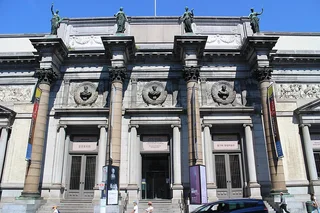
Brussels keeps its national art collection across a cluster of linked museums on the hill above the old town, and it runs from the 15th century to the present. The heart of it is Flemish: Rogier van der Weyden, Memling, a Bosch, and the finest gathering of Pieter Bruegel the Elder outside Vienna, including his snowy Census at Bethlehem and The Fall of the Rebel Angels, a swarming pile-up of monsters tumbling out of heaven.
One floor holds Jacques-Louis David's Death of Marat, the murdered French revolutionary slumped in his bath, painted in Brussels in 1793 while David lived there in exile.
Go down instead and you reach the Magritte Museum, several floors given over to the Belgian surrealist René Magritte, more than 200 of his works, the bowler hats and floating stones and the pipes that insist they are not pipes.
Collection
25 works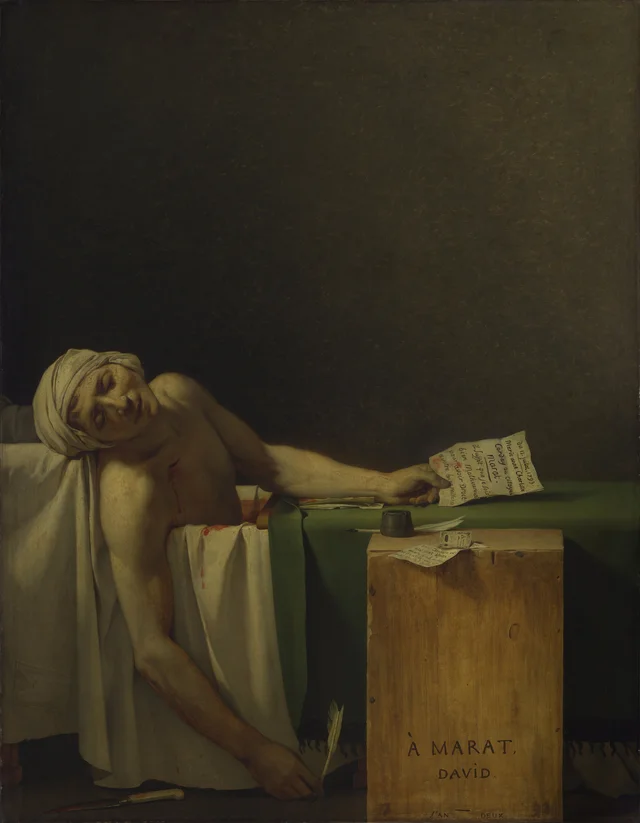 The Death of MaratJacques-Louis David, 1793
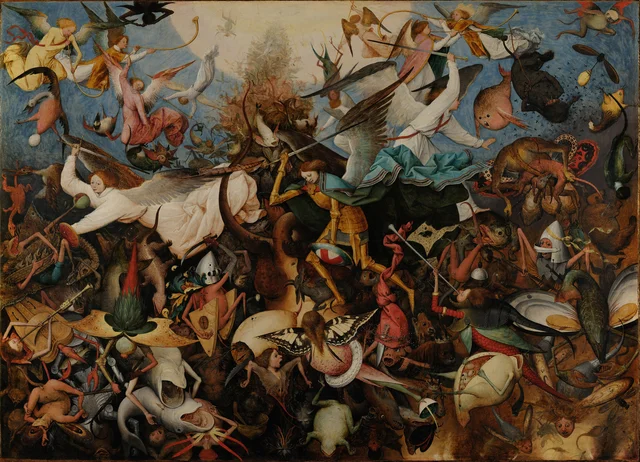 The Fall of the Rebel AngelsPieter Brueghel the Elder, 1562
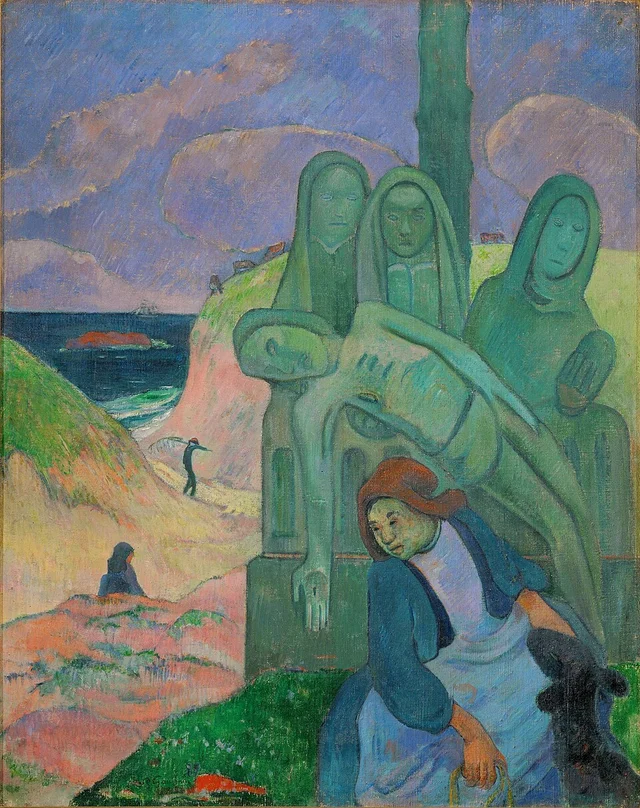 The Green ChristPaul Gauguin, 1889
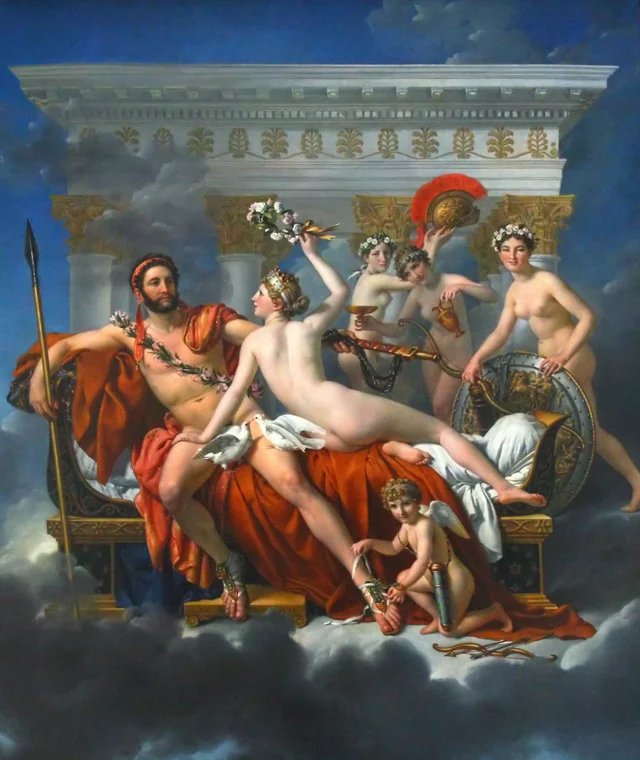 Mars Being Disarmed by VenusJacques-Louis David, 1824
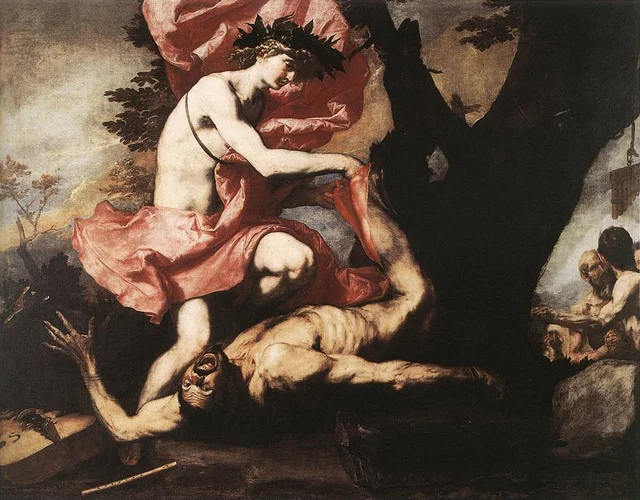 Apollo Flaying MarsyasJusepe de Ribera, 1637
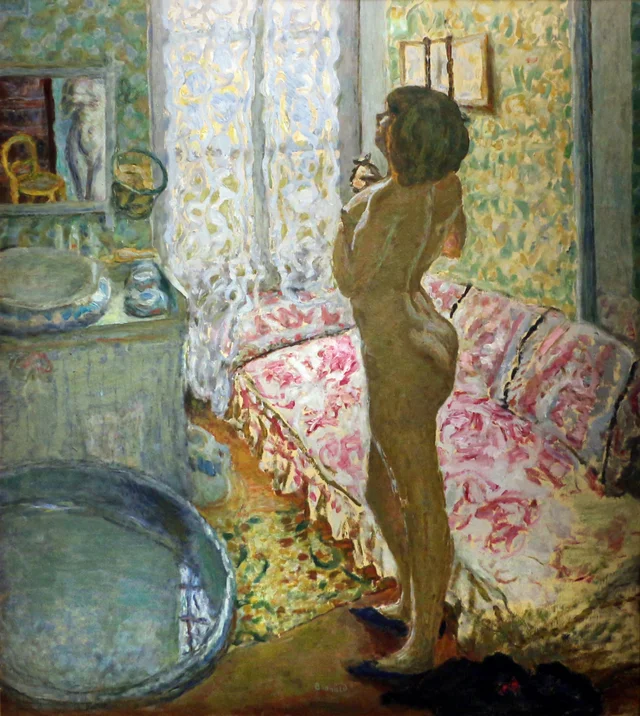 Nude against the lightPierre Bonnard, 1908
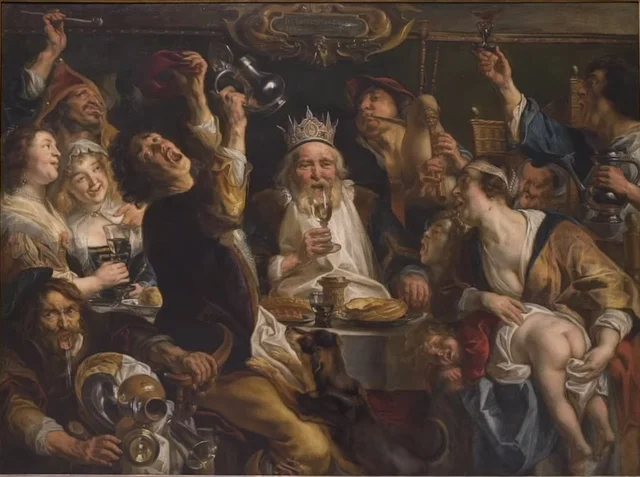 The King DrinksJacob Jordaens, 1640
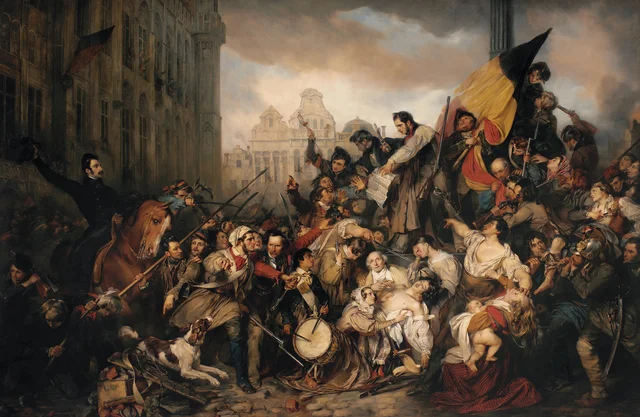 Episode of the September Days 1830, on the Grand Place of BrusselsÉgide Charles Gustave Wappers, 1835
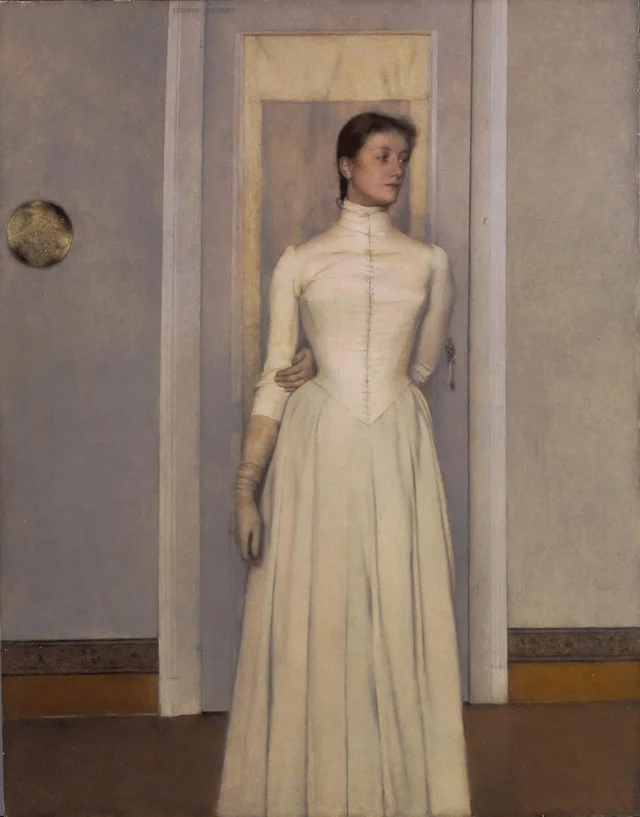 Portrait of Marguerite KhnopffFernand Khnopff, 1887
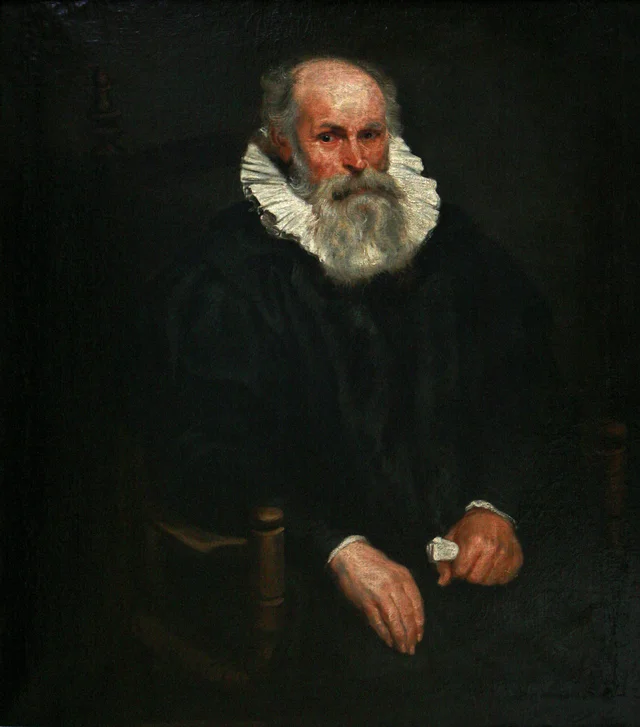 Portrait of an old manAnthony van Dyck
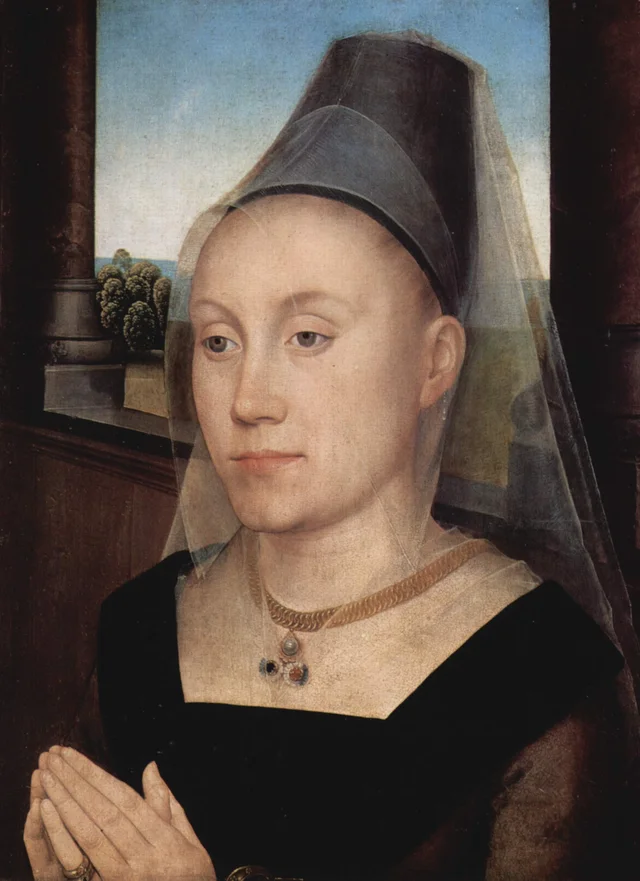 Portrait of Barbara van VlaendenberghHans Memling, 1480
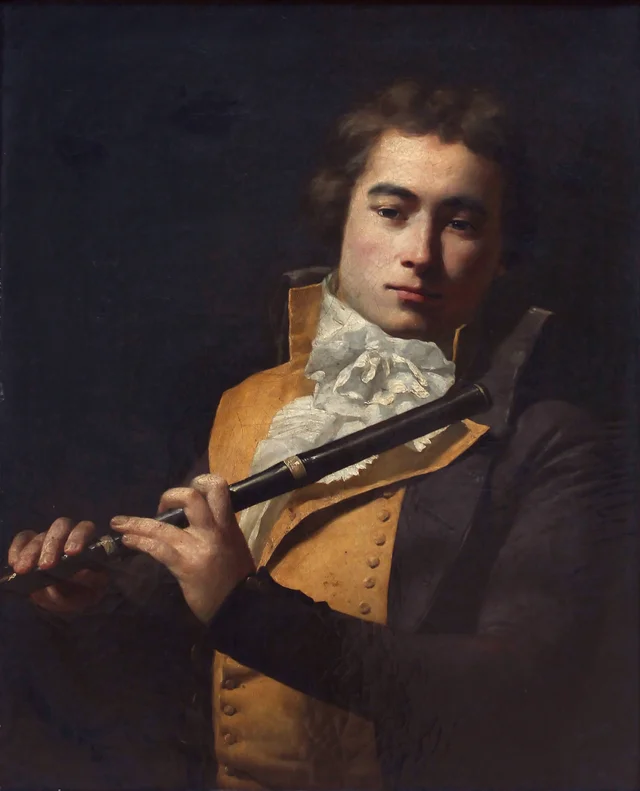 Portrait of flutist François DevienneJacques-Louis David, 1792
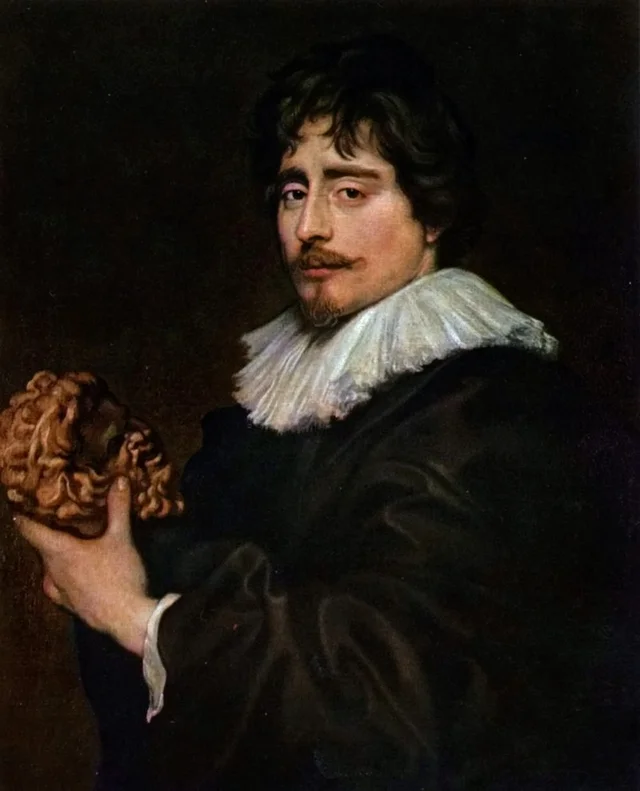 Portrait of the Sculptor François DuquesnoyAnthony van Dyck, 1622
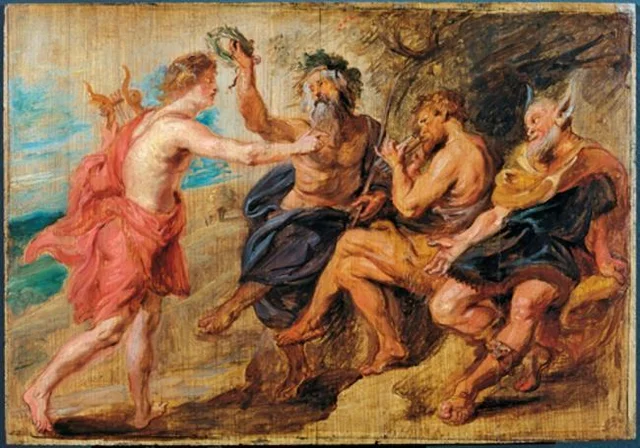 Apollo as Victor over Pan (sketch for the Torre de la Parada)Peter Paul Rubens, 1637
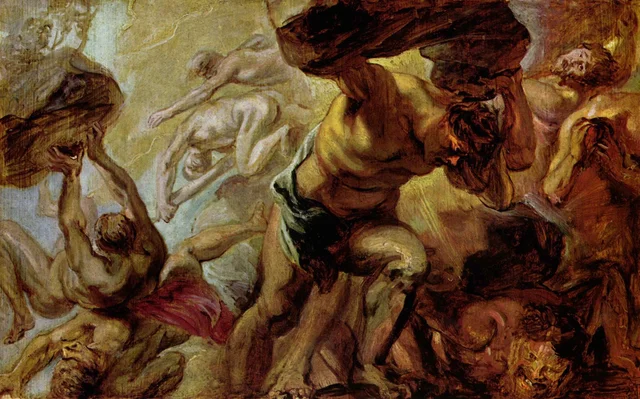 Fall of the GiantsPeter Paul Rubens, 1636
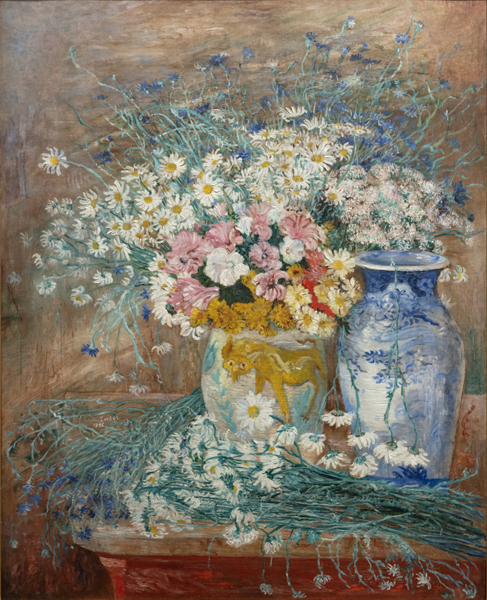 Flowers and Chinese VasesJames Ensor, 1896
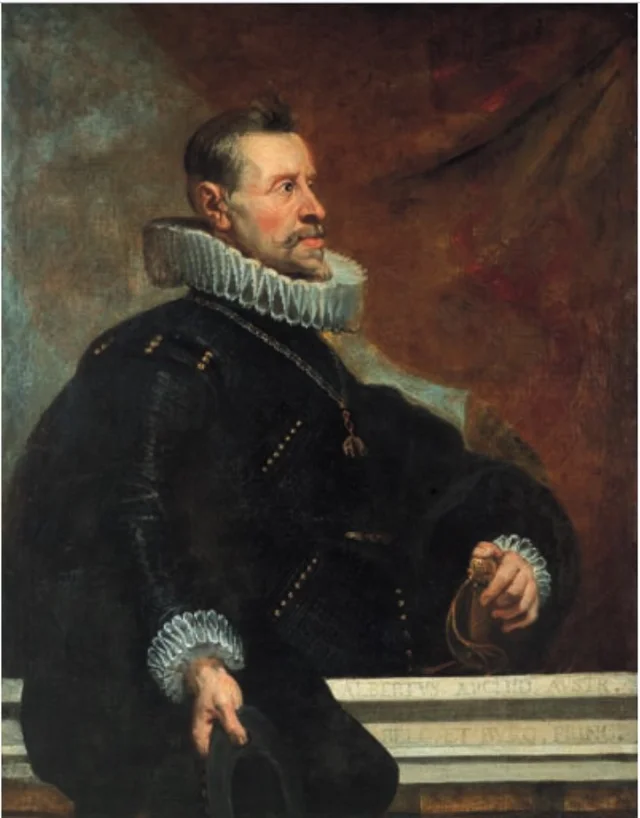 Portrait of Albert VII, Archduke of AustriaCornelis de Vos, 1635
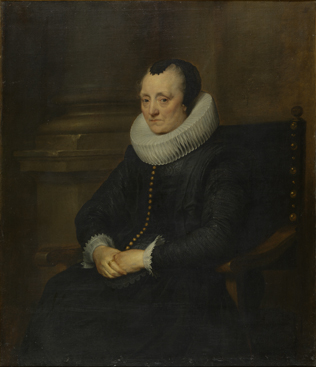 Portrait of an Old WomanAnthony van Dyck, 1635
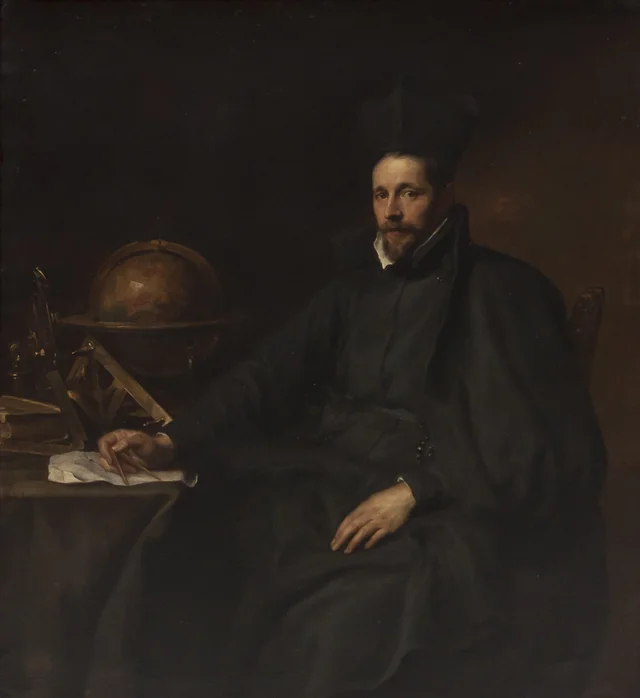 Portrait of Jean-Charles de la FailleAnthony van Dyck, 1629
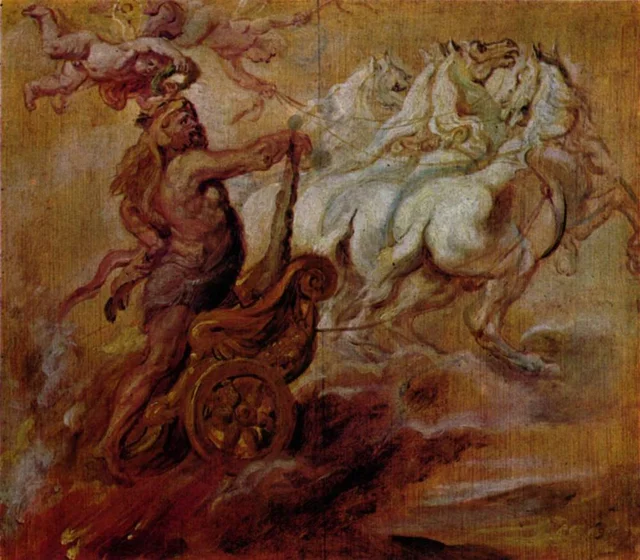 The Apotheosis of Hercules (sketch for Torre de la Parada)Peter Paul Rubens, 1637
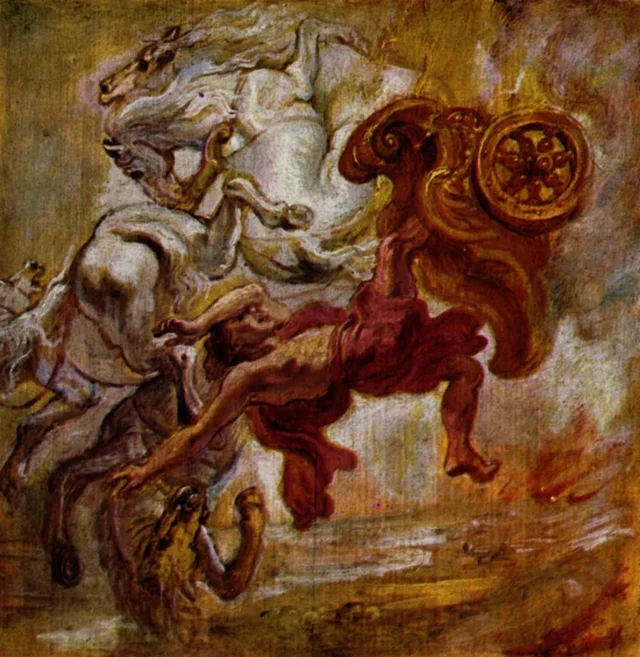 The Fall of Phaethon (sketch for the Torre de la Parada)Peter Paul Rubens, 1637
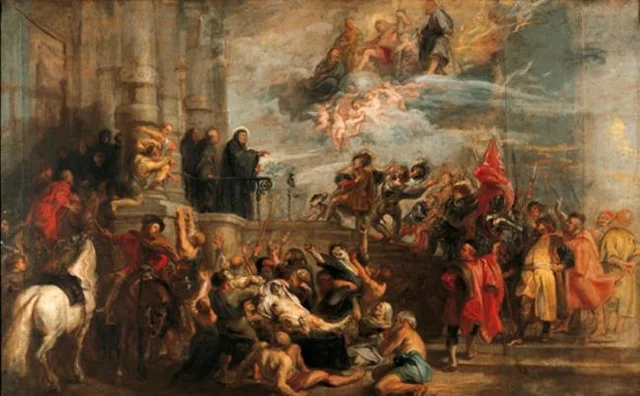 The Miracles of St. BenedictPeter Paul Rubens, 1630
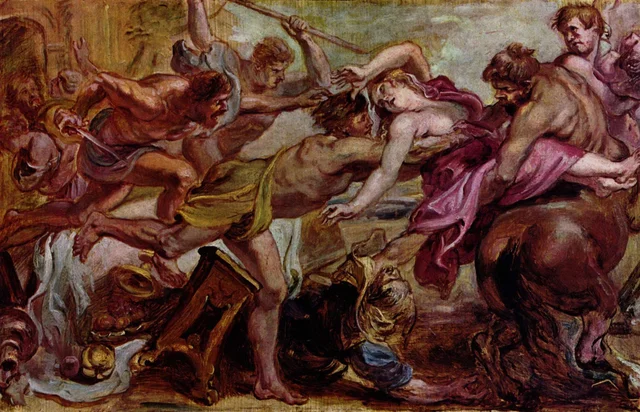 The Rape of HippodamiaPeter Paul Rubens, 1637
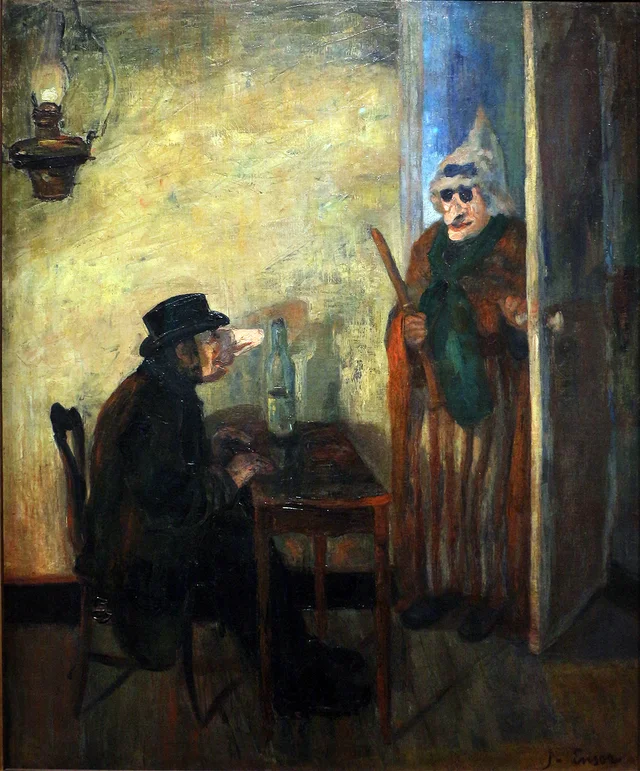 The Scandalized MasksJames Ensor, 1883
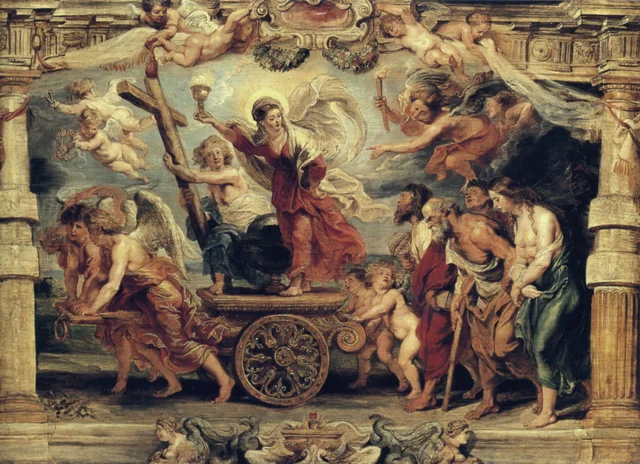 Triumph of the FaithPeter Paul Rubens, 1627