The story
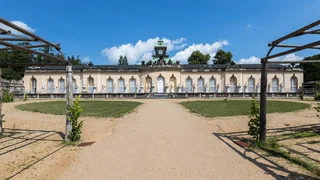
In the park of Sanssouci at Potsdam, beside the summer palace of Frederick the Great, stands a long low gallery the king had built in the 1750s and 60s purely to show paintings. It is the oldest building in Germany made from the start as a museum, and inside it still works the old way, canvases hung frame to frame from dado to cornice, filling the walls.
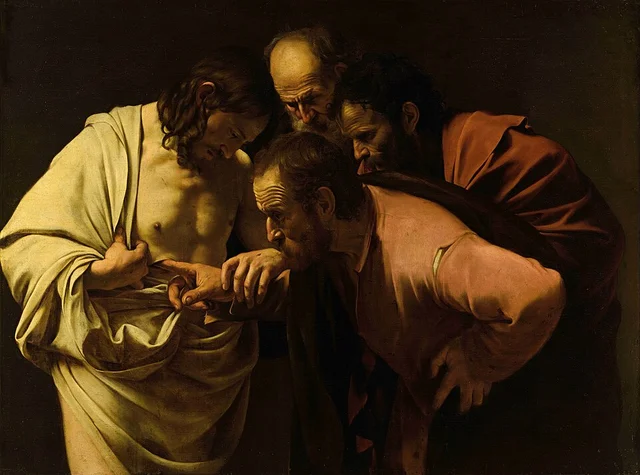
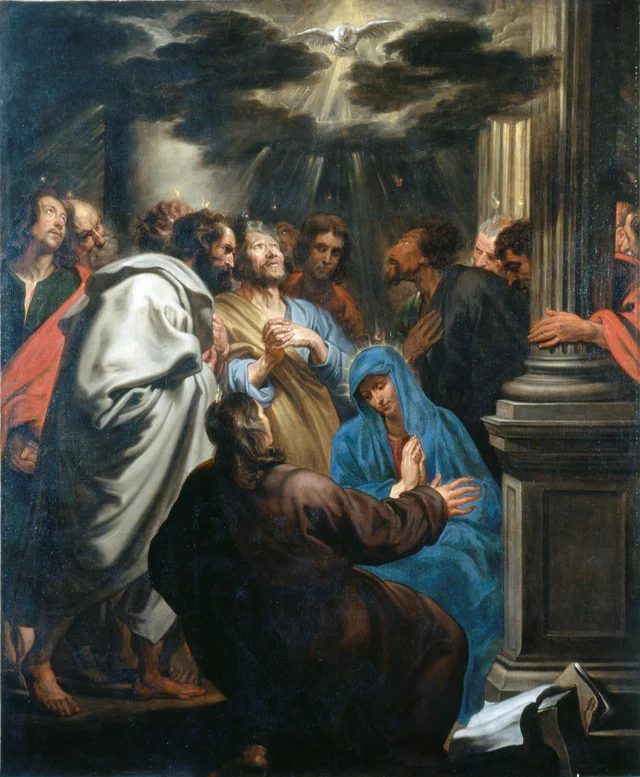
Frederick, a soldier-king who preferred flutes and philosophy to court ceremony, filled it with the Baroque taste of his day, Italian and Flemish pictures bought across Europe. The room glows with Rubens and Van Dyck, and its most famous work is Caravaggio's Doubting Thomas, the apostle pushing a finger into the wound in the risen Christ's side while two others lean in to watch.
The white-and-gold hall under a barrel-vaulted ceiling is as much the exhibit as the pictures, a rare survival of how an 18th-century prince wanted his paintings seen.