The story
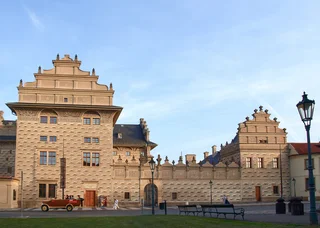
Stand in Hradčany Square, just outside the gates of Prague Castle, and the Schwarzenberg Palace is hard to miss. Its walls look as if they were built from thousands of faceted stone blocks, yet the surface is flat. The effect is sgraffito, a black-and-white pattern scratched into layers of plaster, and it has covered the building since it was finished in 1567. The Italian builder Agostino Galli put it up for Jan the Younger of Lobkowicz, a powerful Bohemian nobleman, and the Schwarzenberg family later gave it the name it still carries.
The National Gallery Prague has owned the palace since 2002, and in November 2019 it opened its permanent display of Old Masters here, around 300 works of Renaissance and Baroque art. The curator, Marius Winzeler, hung Czech and European artists side by side instead of sorting them by school, so the court painters of Emperor Rudolf II, such as Bartholomaeus Spranger and Hans von Aachen, share the floors with Rubens and El Greco.
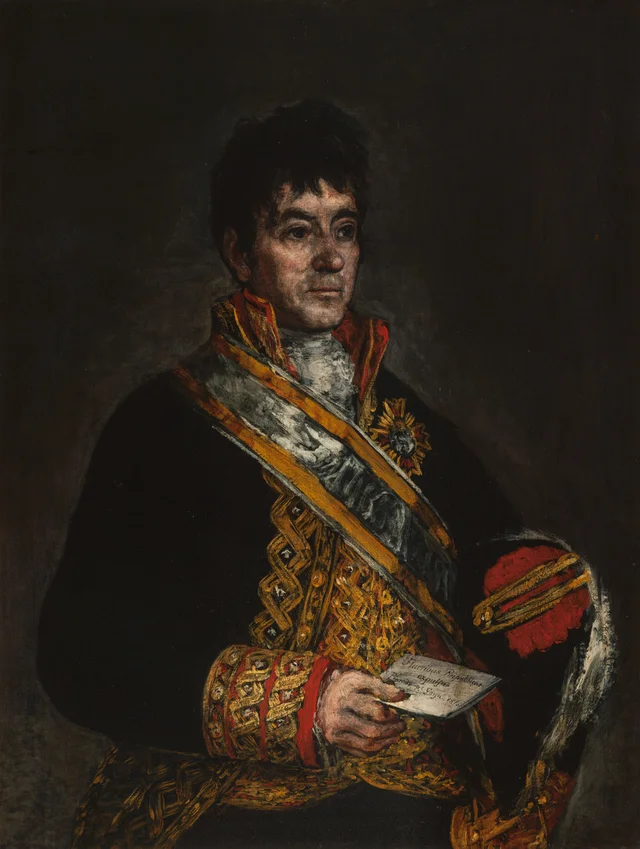
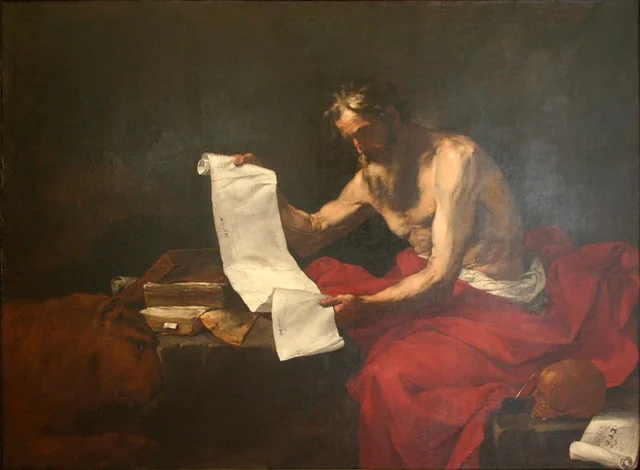
The Spanish pictures in the collection include Goya's portrait of Miguel de Lardizábal, a statesman in the service of King Ferdinand VII, painted in 1815, and a Saint Jerome by Jusepe de Ribera, the Spanish painter who made his career in Naples.
The gallery's most famous painting has left the walls for now. Albrecht Dürer's Feast of the Rose Garlands, made in Venice in 1506 and later bought by Rudolf II, went to the restorers in September 2026, for work that could last up to five years.