The story
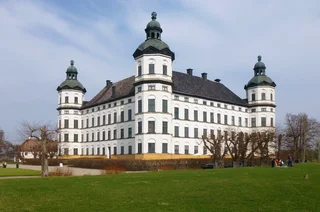
In one wing of Skokloster Castle there is a great banqueting hall with bare walls, scaffolding and builders' tools still lying where the workmen left them in the summer of 1676. That was the year Carl Gustaf Wrangel died, the Swedish field marshal who had spent more than 20 years and a fortune raising this Baroque castle on a peninsula of Lake Mälaren, between Stockholm and Uppsala. Work stopped, and the room, now called the Unfinished Hall, was never completed.
Wrangel had made his name as a commander in the Thirty Years' War, and the castle was built to hold what he gathered. About 20,000 objects remain here, from furniture and textiles to the armoury, one of the largest collections of 17th-century personal weapons anywhere.
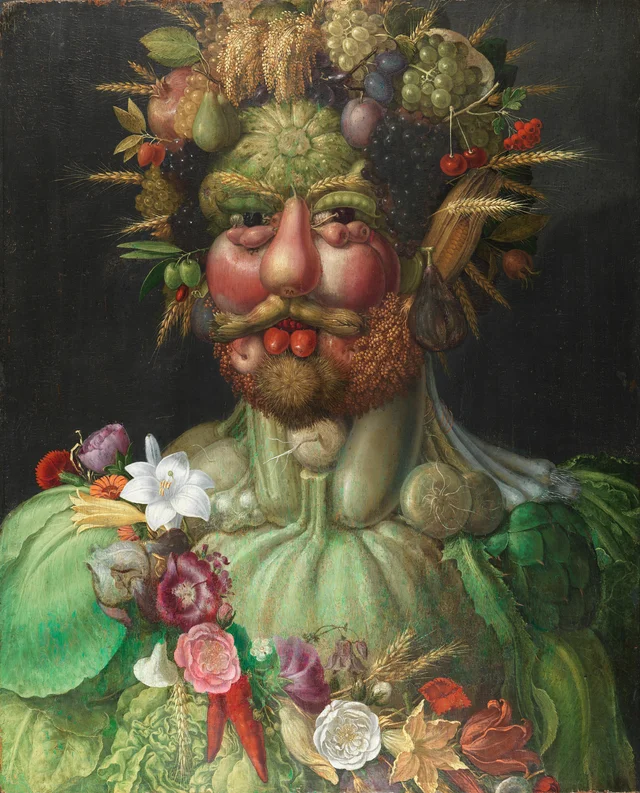
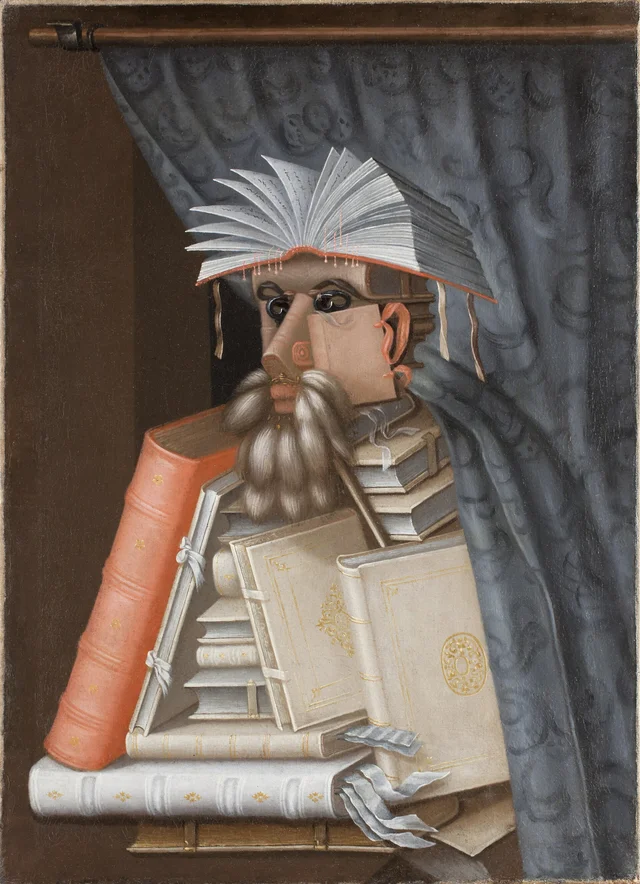
The paintings carry the same story of war. In 1648, in the last months of the conflict, Swedish troops captured Prague Castle, and the art amassed there by Emperor Rudolf II was shipped north as booty. The most famous picture to reach Skokloster this way is Giuseppe Arcimboldo's portrait of Rudolf as Vertumnus, the Roman god of the seasons, his face built entirely of fruit, vegetables and flowers. Arcimboldo, the Italian court painter who composed heads out of objects, is also represented by The Librarian, a figure assembled from books.
After Wrangel the castle passed through the Brahe and von Essen families, who kept its contents largely together. In 1967 the Swedish state bought the building with everything inside it.