The story
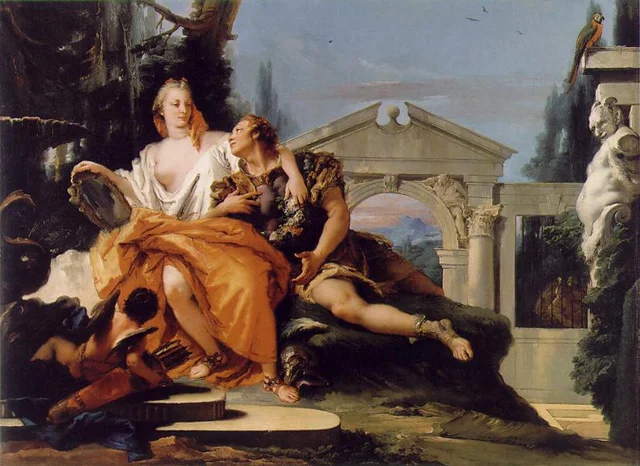
On 12 December 1750 the Venetian painter Giovanni Battista Tiepolo arrived in Würzburg, called by the prince-bishop to decorate the Kaisersaal, the imperial hall of his new palace, the Residenz. He stayed about three years with his sons, among them the painter Giovanni Domenico, and went on to cover the great ceiling over the palace staircase. The Staatsgalerie Würzburg, a branch of the Bavarian State Painting Collections, picks up that Venetian thread inside the same building, in rooms of the north wing that once held the court theatre.
Its subject is Venice itself, from the Renaissance to the 18th century. The earliest pictures come from the workshops of Titian and Paolo Veronese, among them a set of allegories of the virtues, including Faith and Charity, made in Veronese's studio. Tintoretto, Palma il Giovane and the Bassano family of painters follow. The 18th-century rooms bring in Piazzetta, Amigoni and Pittoni, Venetians who worked for courts across Europe. Both Tiepolos are here too, among them an altarpiece that Domenico painted in 1754 for Münsterschwarzach Abbey, a Benedictine monastery not far from Würzburg.