The story
In 2014 investigators in Tashkent established that some of the pictures in Uzbekistan's main art museum were copies. Over about 15 years the chief curator and two colleagues had sold originals and hung fakes in their place, among them avant-garde works by painters who had lived in Uzbekistan, such as Alexander Nikolaev, known by his adopted name Usto Mumin. The curator was sentenced to nine years in prison.
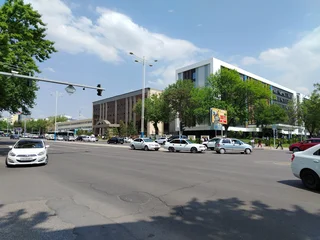
The collection goes back to 1918, when about 100 works from the palace of Grand Duke Nicholas Konstantinovich, a Romanov exiled to Tashkent, and from other private collections were nationalised and shown in that same palace. The museum moved in 1935, and after its second home was pulled down following the 1966 earthquake it received the building it has today. Opened in 1974, it is a large cube wrapped in aluminium panels set in metal frames, and in 2026 it joined other landmarks of Tashkent modernism on the UNESCO World Heritage List.
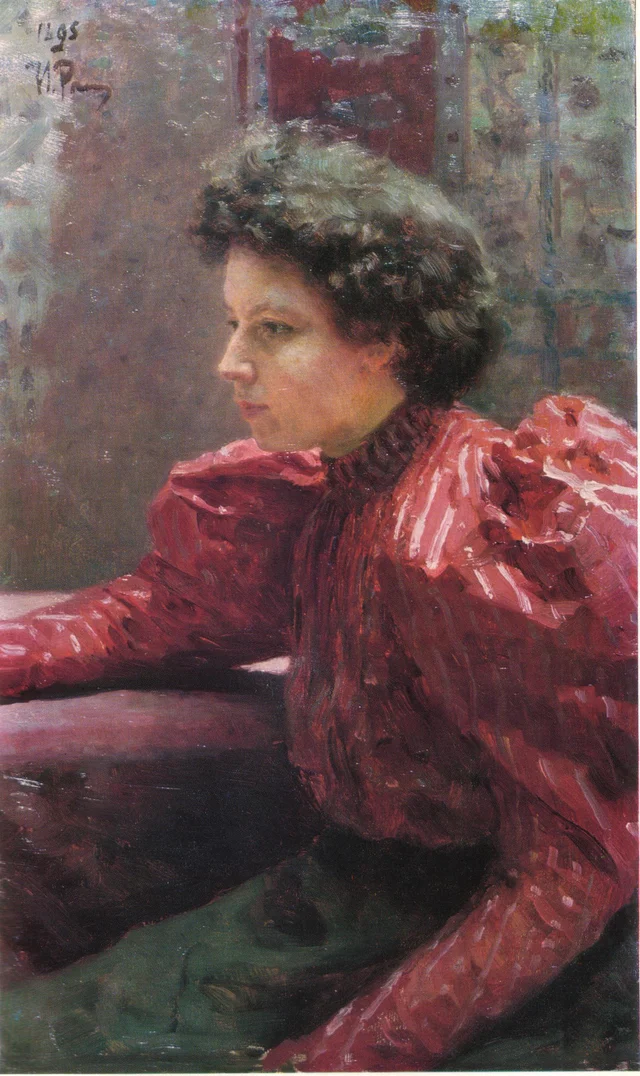
Inside, four departments cover the applied art of Uzbekistan, Uzbek painting, Russian and Western art, and the art of the Far East. The Russian rooms include Ilya Repin and Vasily Tropinin, and Vasily Vereshchagin, who went with the Russian army into Central Asia in the 1860s.