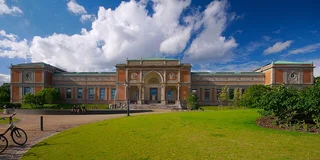
The story
What is now Denmark's national gallery began as the private hoard of its kings. The royal painting collection reaches back to the early 16th century, and one of its oldest treasures came as a gift, when Albrecht Dürer sent King Christian II a set of his finest prints. For centuries these works stayed in royal hands. From 1843 they were shown to the public, and in 1896 they moved into a purpose-built gallery in the middle of Copenhagen, where they remain.
The museum's great strength is the Danish Golden Age, the burst of painting in the first half of the 19th century. Christoffer Wilhelm Eckersberg, often called the father of Danish painting, taught a generation to look hard at ordinary light, and his pupil Christen Købke painted the roofs, ramparts and quiet mornings of Copenhagen with a calm precision that still feels modern. Their small, still pictures are what many visitors come for.
Around them the collection widens out to seven centuries of European art, with Mantegna, Titian, Rubens and Rembrandt, and a strong modern wing reaching to Matisse and the Danish moderns. A glass-roofed extension links the old 1896 building to a long sculpture street, so the walk itself moves from royal picture gallery to open, daylit hall.
Collection
39 works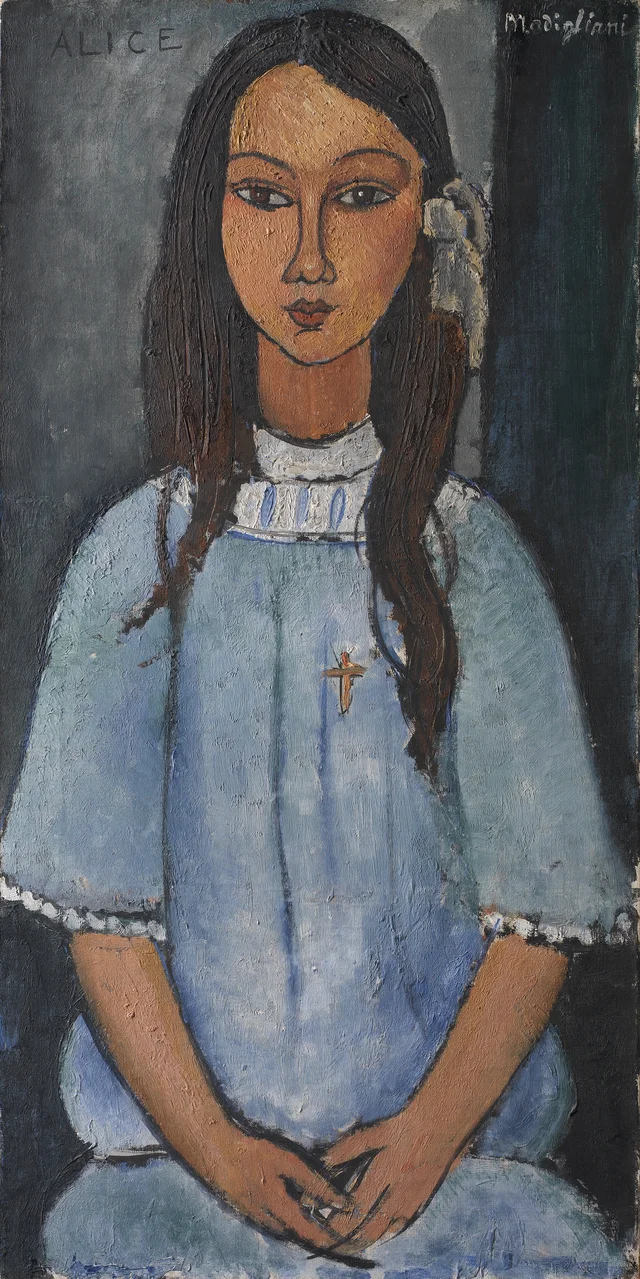 AliceAmedeo Modigliani, 1918
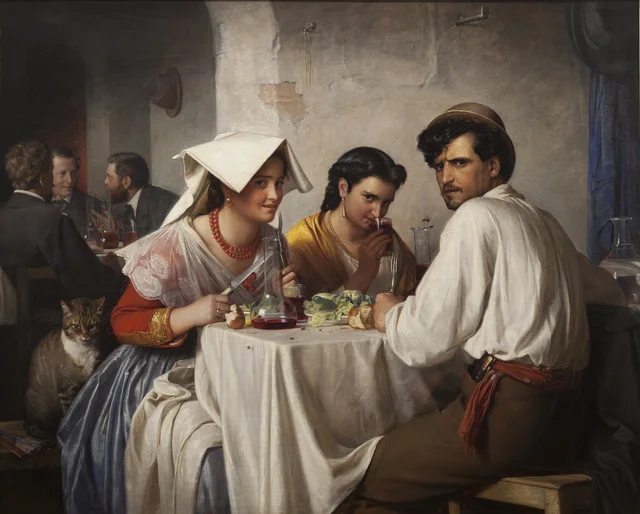 In a Roman OsteriaCarl Bloch, 1866
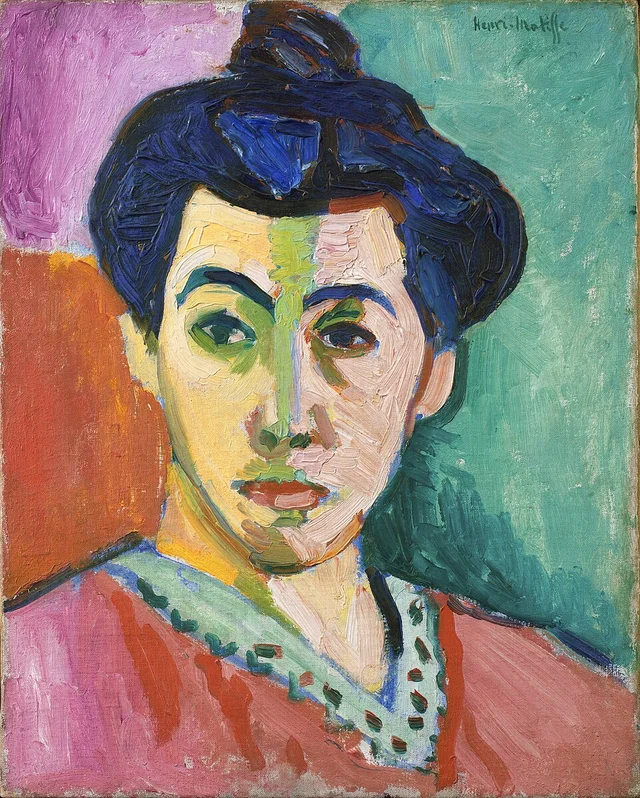 Green StripeHenri Matisse, 1905
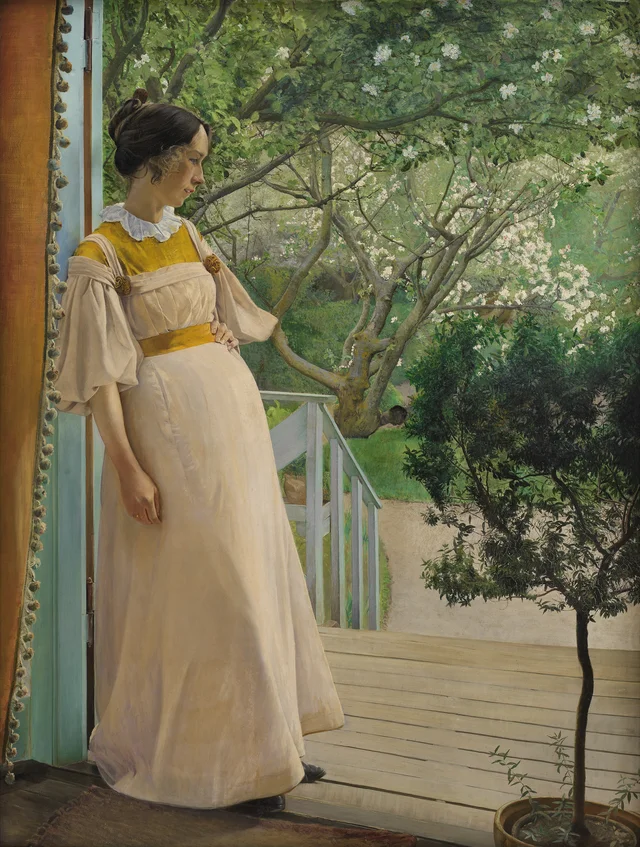 At the French Windows. The Artist's WifeLaurits Andersen Ring, 1897
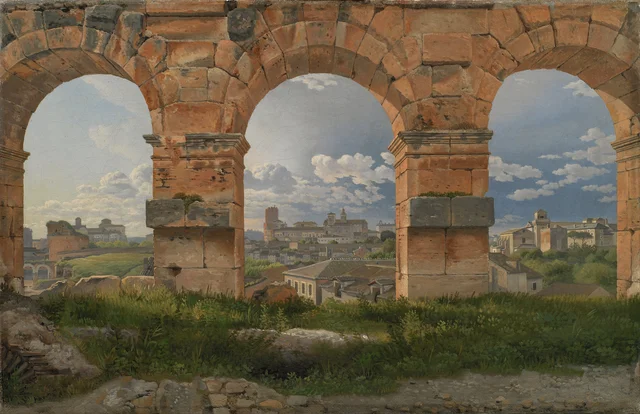 A View through Three of the North-Western Arches of the Third Storey of the ColiseumChristoffer Wilhelm Eckersberg, 1815
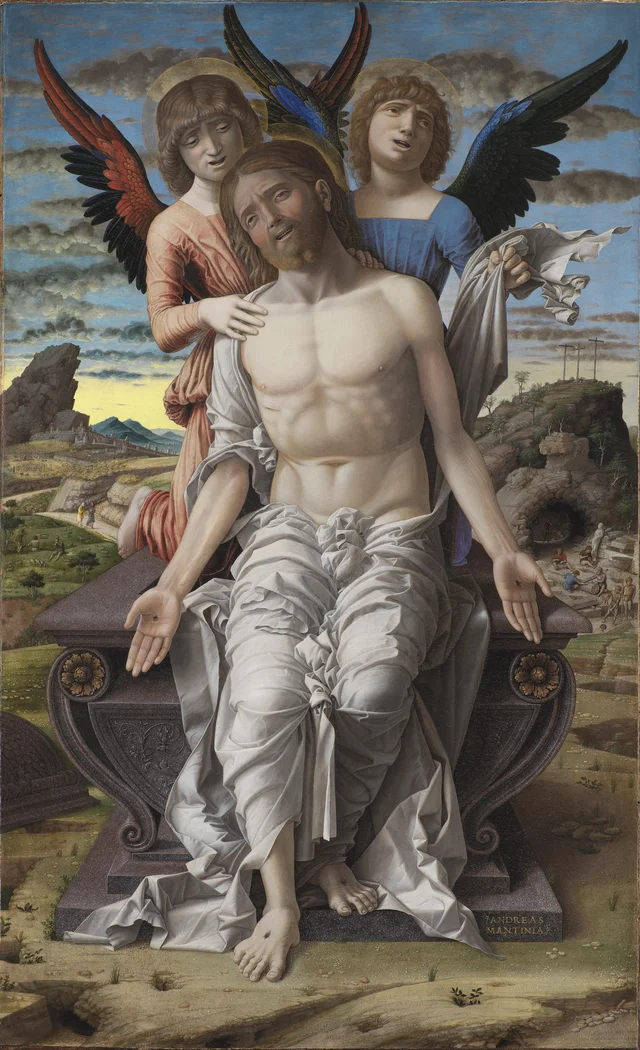 Christ as the Suffering RedeemerAndrea Mantegna, 1488
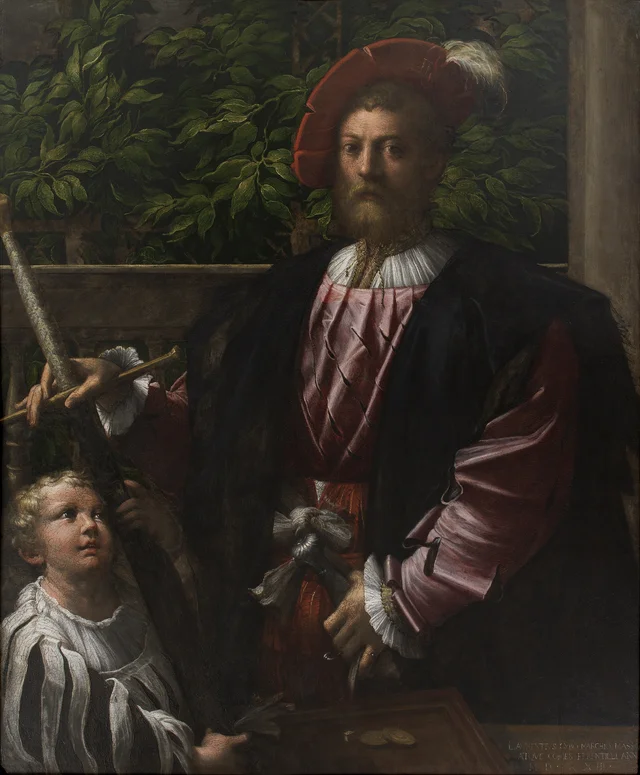 Portrait of Lorenzo CyboParmigianino, 1524
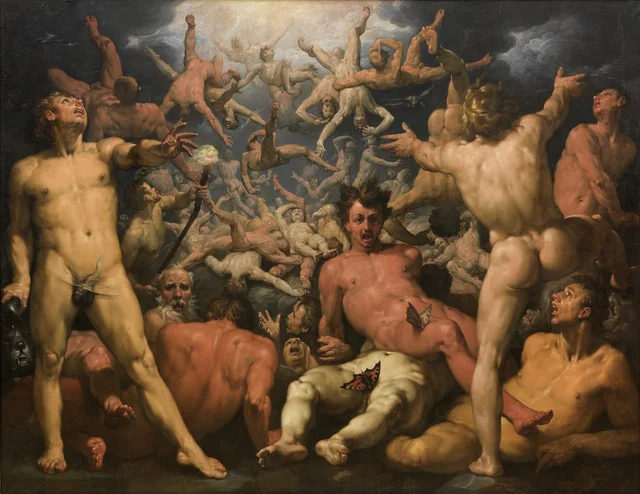 The Fall of the TitansCornelis van Haarlem, 1588
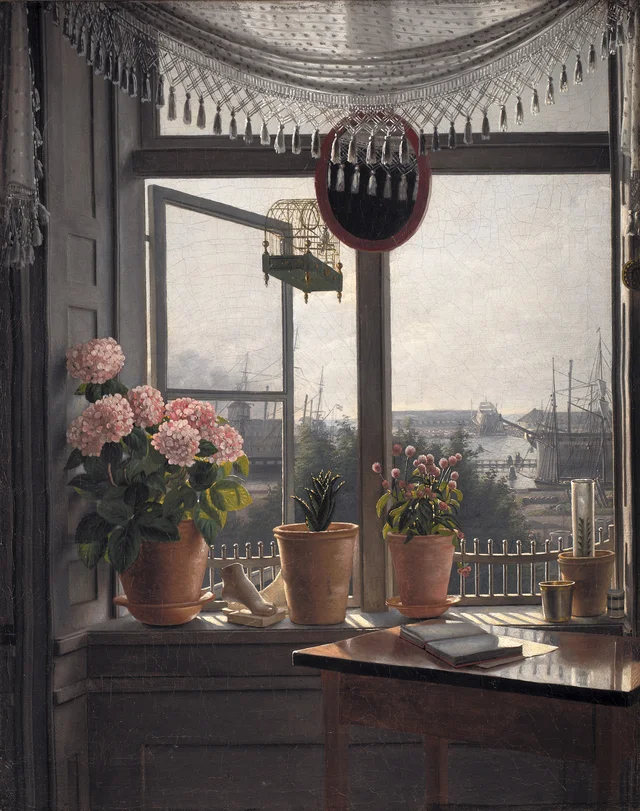 View from the Artist's WindowMartinus Rørbye, 1825
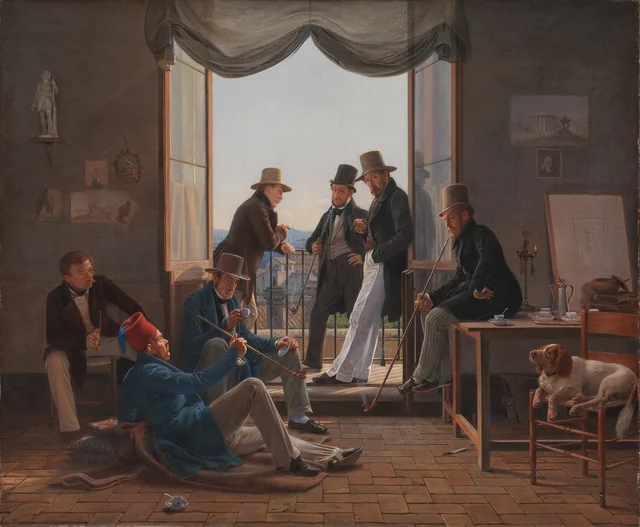 A Group of Danish Artists in RomeConstantin Hansen, 1837
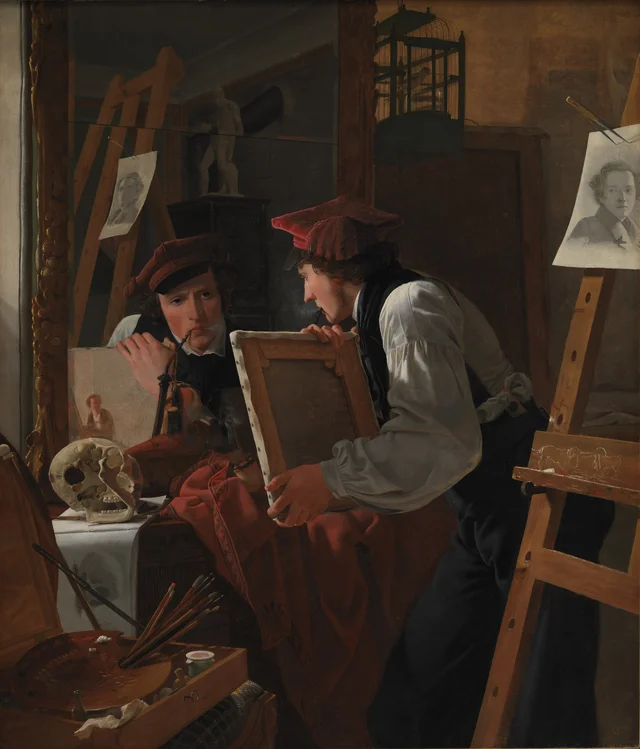 A Young Artist (Ditlev Blunck) Examining a Sketch in a MirrorWilhelm Bendz, 1826
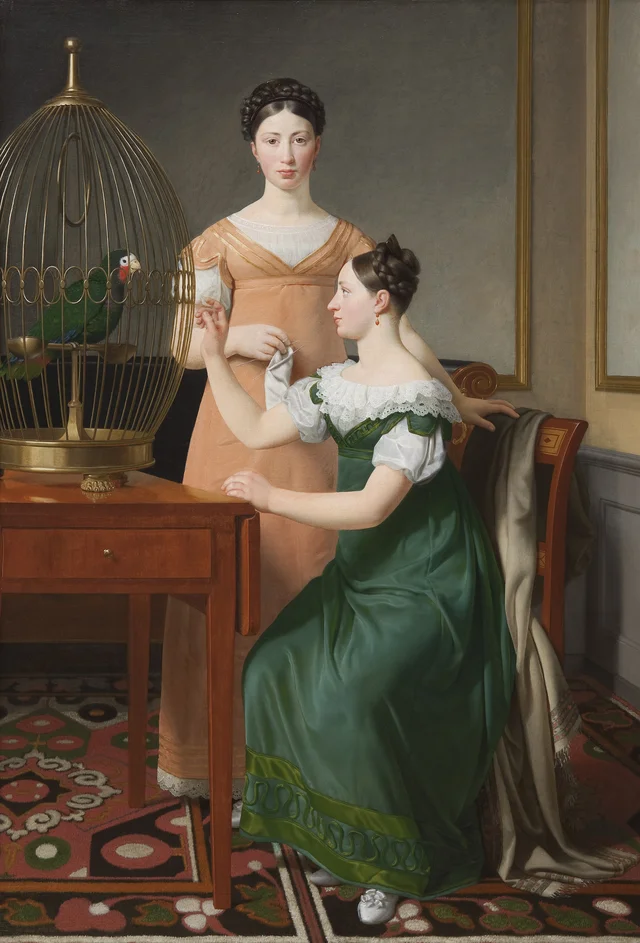 Bella and Hanna. The Eldest Daughters of M. L. NathansonChristoffer Wilhelm Eckersberg, 1820
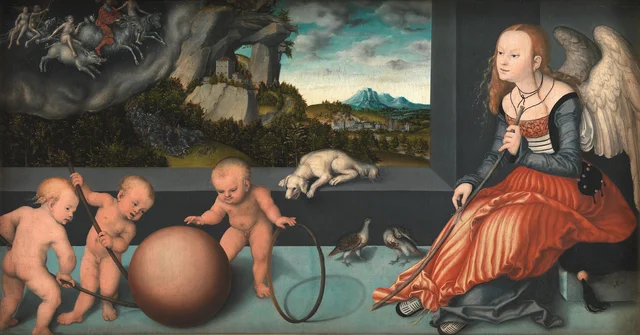 MelancholyLucas Cranach the Elder, 1532
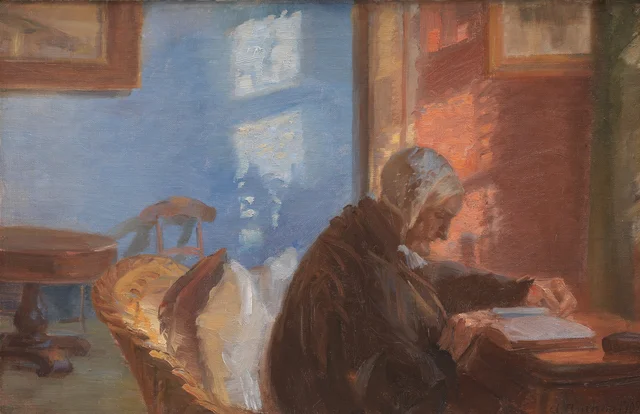 The Artist's Mother Ane Hedvig Brøndum in the Red RoomAnna Ancher, 1909
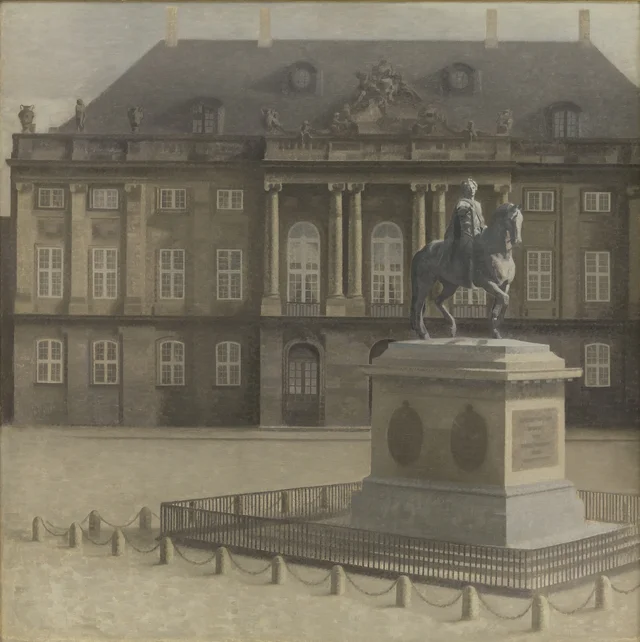 Amalienborg Square, CopenhagenVilhelm Hammershøi, 1896
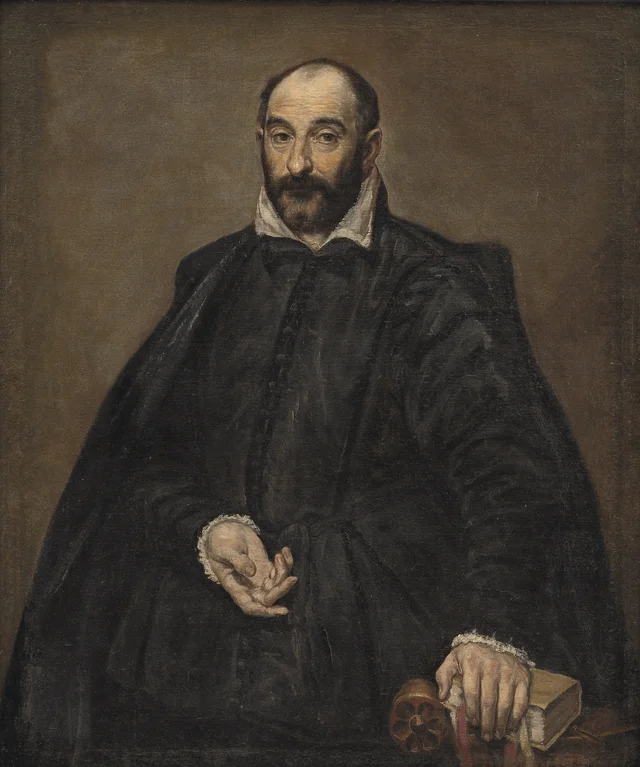 Portrait of a ManEl Greco, 1570
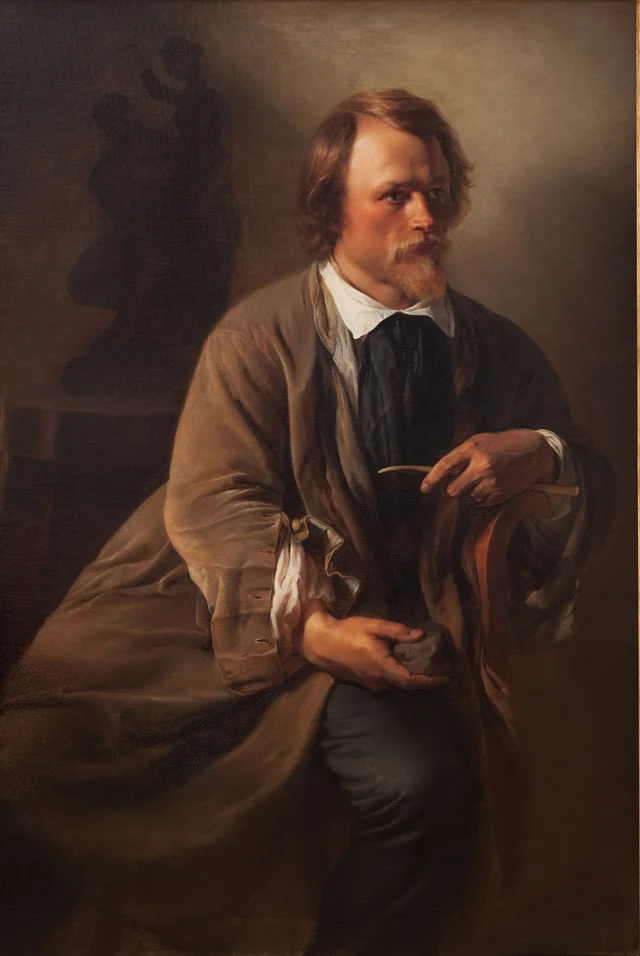 The Sculptor Jens Adolf Jerichau, the Artist's HusbandElisabeth Baumann, 1846
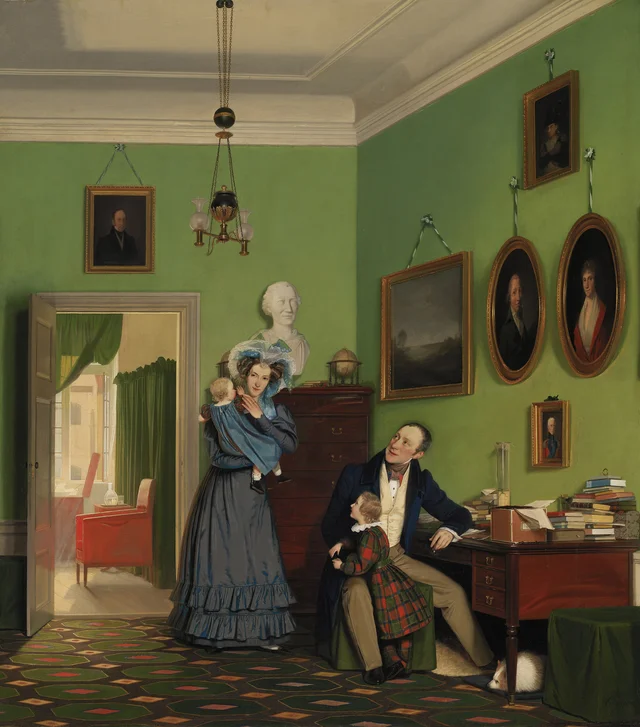 Familien WaagepetersenWilhelm Bendz, 1830
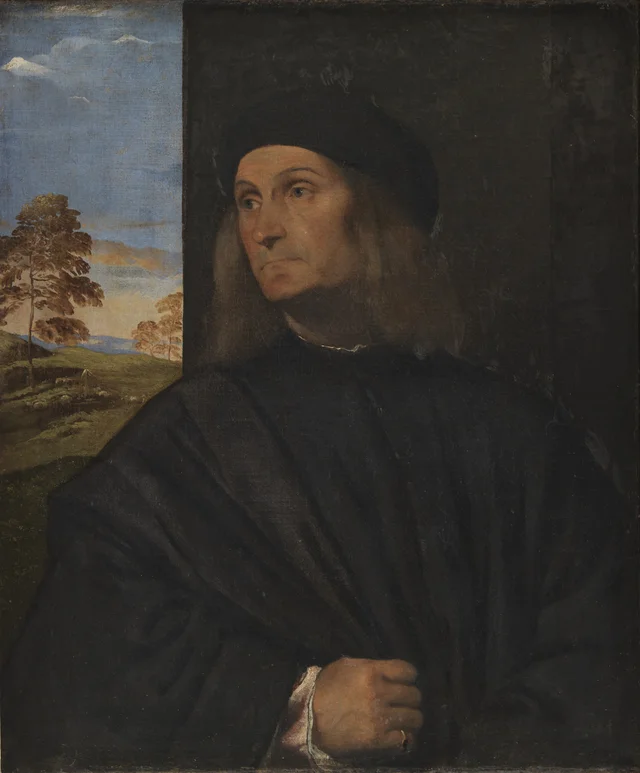 Portrait of the Venetian Painter Giovanni Bellini (?)Titian, 1511
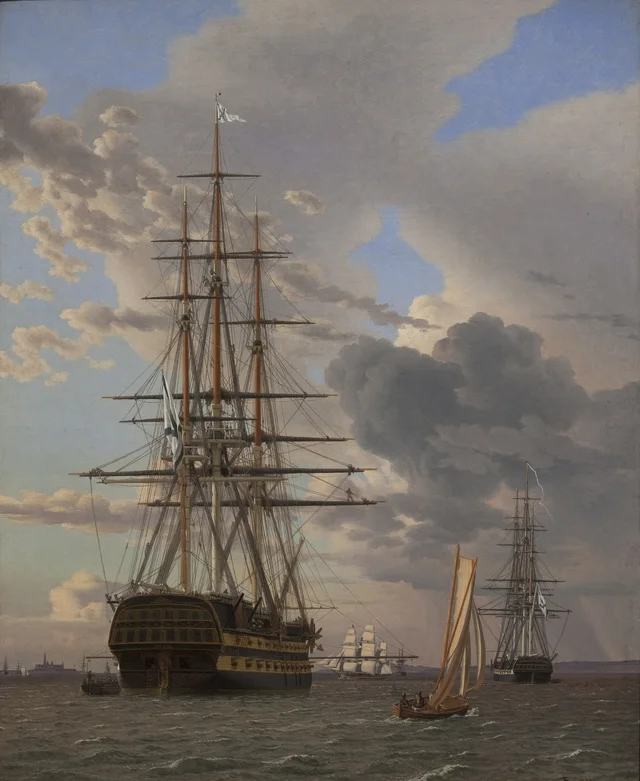 The Russian Ship of the Line "Asow" and a Frigate at Anchor in the Roads of ElsinoreChristoffer Wilhelm Eckersberg, 1828
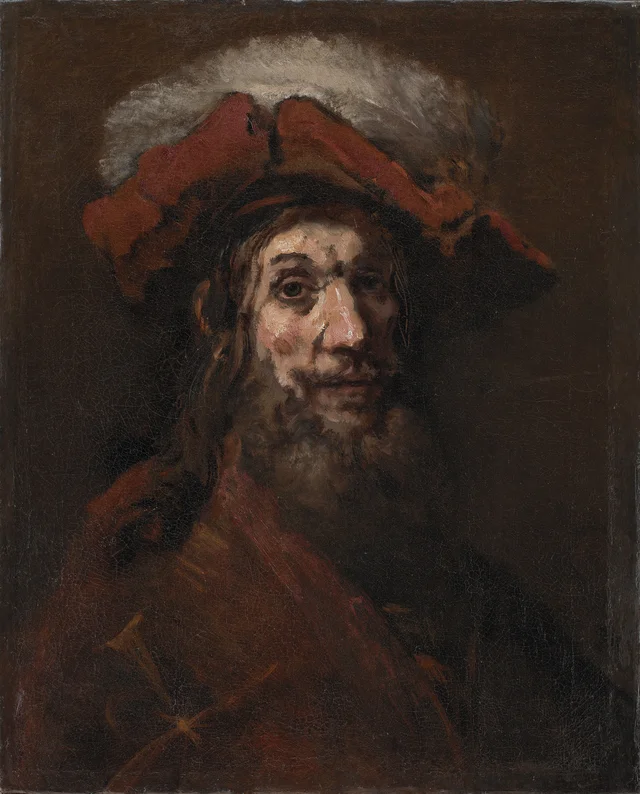 Man in plumed beretRembrandt, 1659
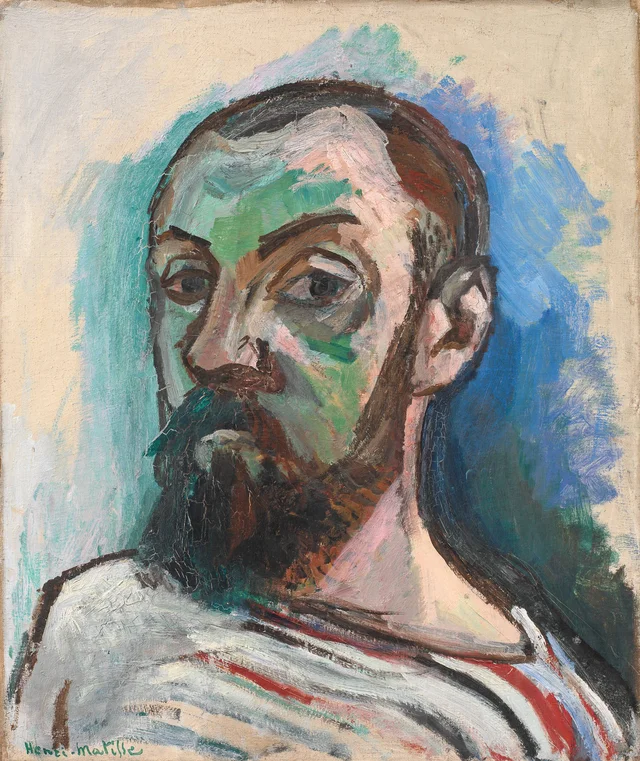 Self-Portrait in a Striped T-shirtHenri Matisse, 1906
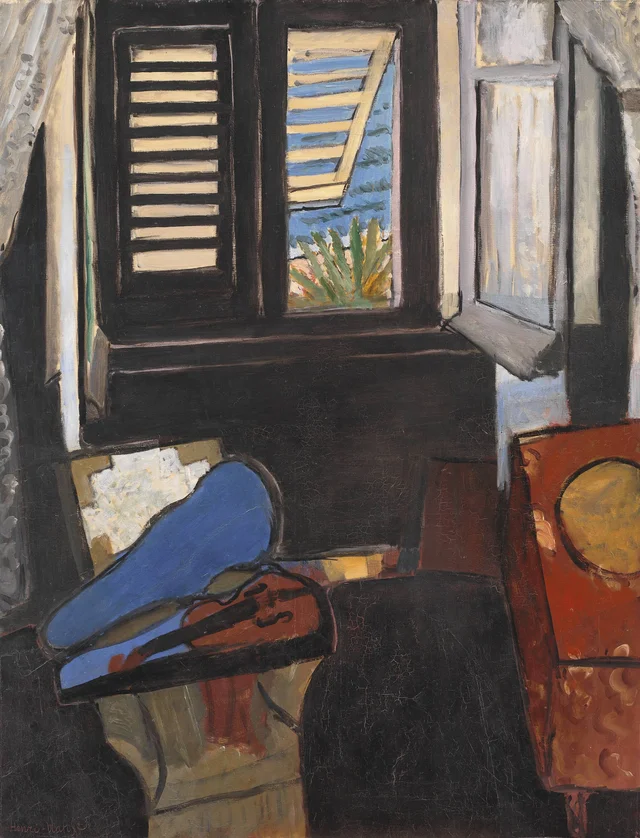 Interior with a ViolinHenri Matisse, 1918
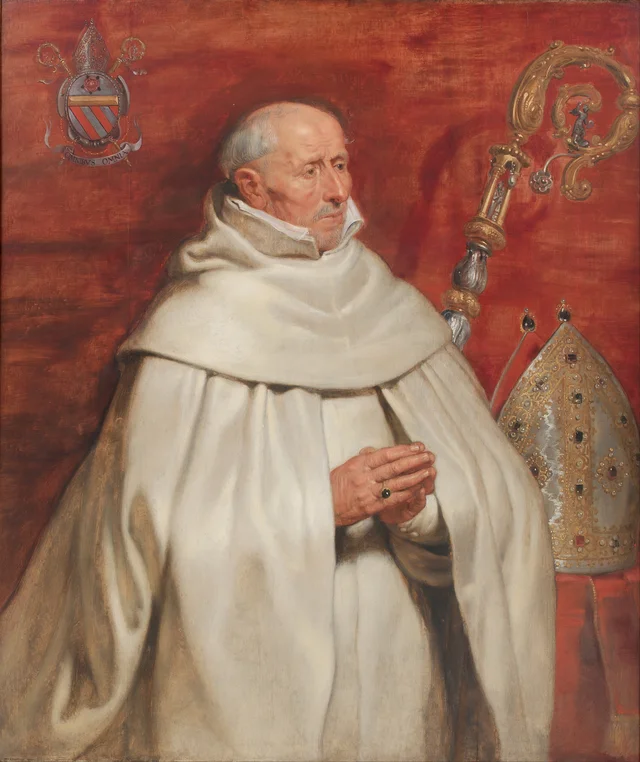 Portrait of Matthaeus Yrsselius (1541-1629), Abbot of Sint-Michiel's Abbey in AntwerpPeter Paul Rubens, 1624
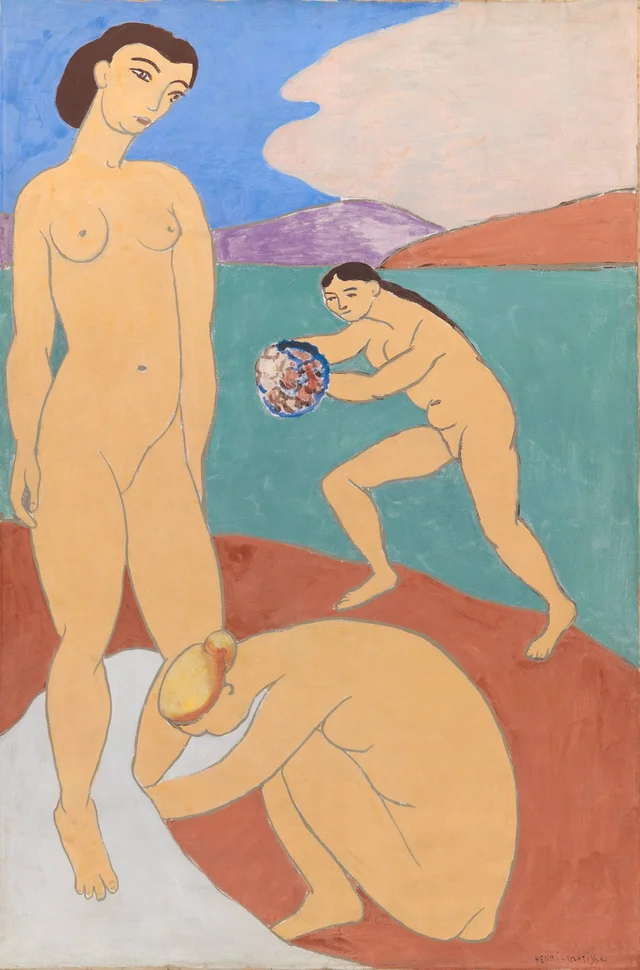 Le Luxe IIHenri Matisse, 1908