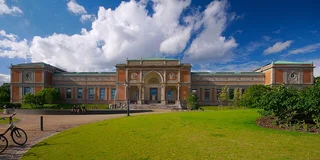
The story
What is now Denmark's national gallery began as the private hoard of its kings. The royal painting collection reaches back to the early 16th century, and one of its oldest treasures came as a gift, when Albrecht Dürer sent King Christian II a set of his finest prints. For centuries these works stayed in royal hands. From 1843 they were shown to the public, and in 1896 they moved into a purpose-built gallery in the middle of Copenhagen, where they remain.
The museum's great strength is the Danish Golden Age, the burst of painting in the first half of the 19th century. Christoffer Wilhelm Eckersberg, often called the father of Danish painting, taught a generation to look hard at ordinary light, and his pupil Christen Købke painted the roofs, ramparts and quiet mornings of Copenhagen with a calm precision that still feels modern. Their small, still pictures are what many visitors come for.
Around them the collection widens out to seven centuries of European art, with Mantegna, Titian, Rubens and Rembrandt, and a strong modern wing reaching to Matisse and the Danish moderns. A glass-roofed extension links the old 1896 building to a long sculpture street, so the walk itself moves from royal picture gallery to open, daylit hall.
Collection
39 works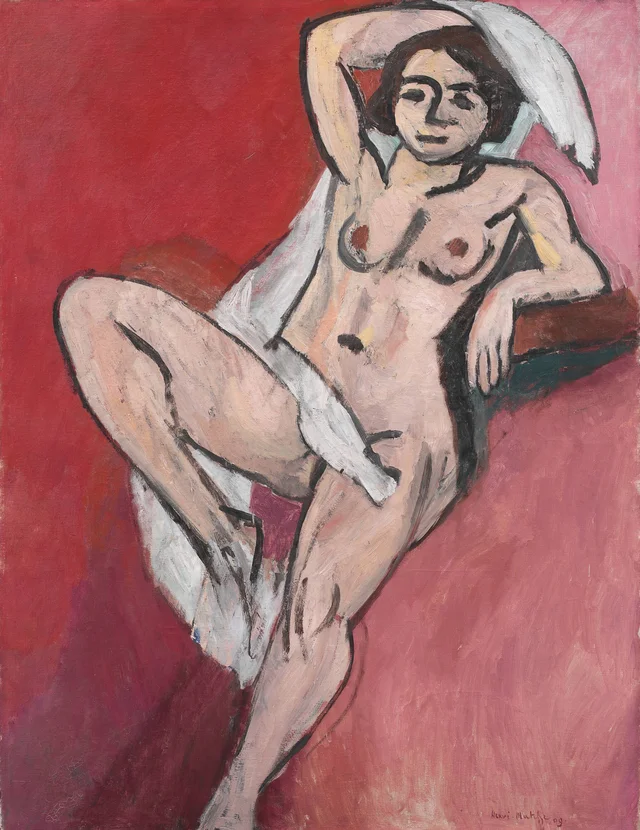 Nude with a White ScarfHenri Matisse, 1909
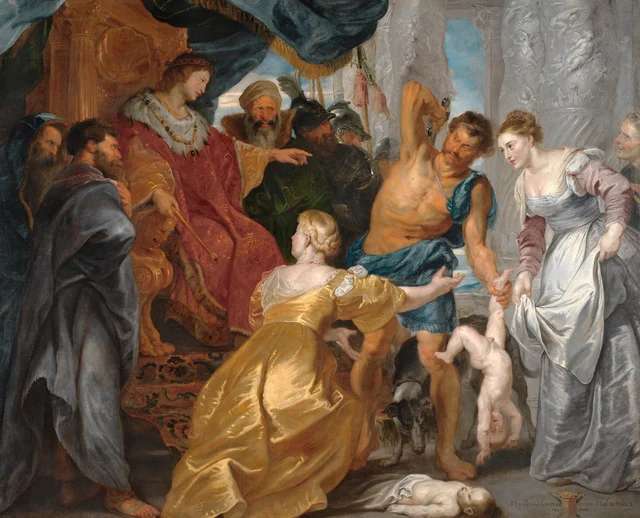 The Judgement of SolomonPeter Paul Rubens, 1617
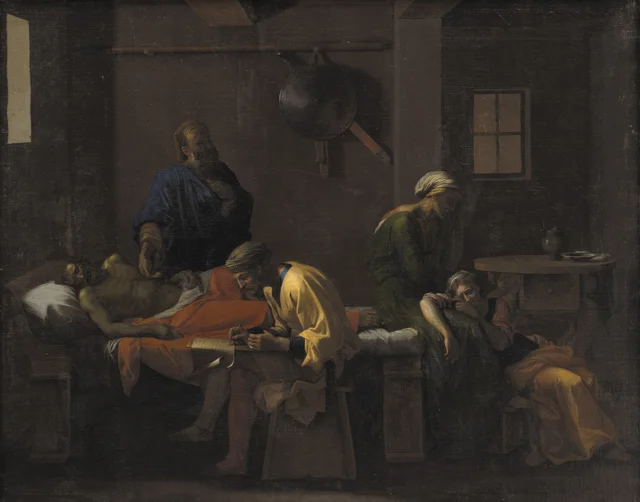 The Testament of EudamidasNicolas Poussin, 1644
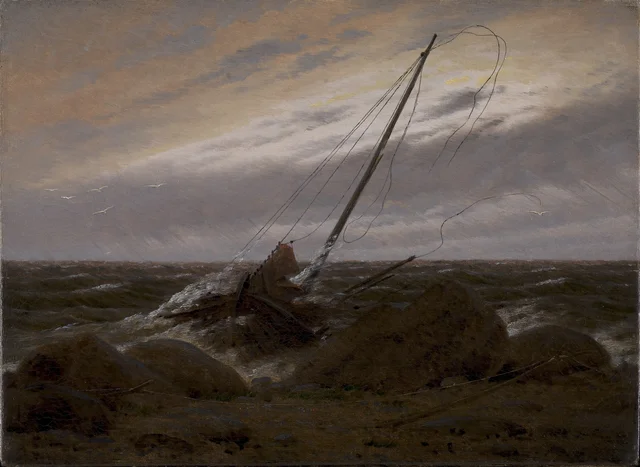 After the StormCaspar David Friedrich, 1817
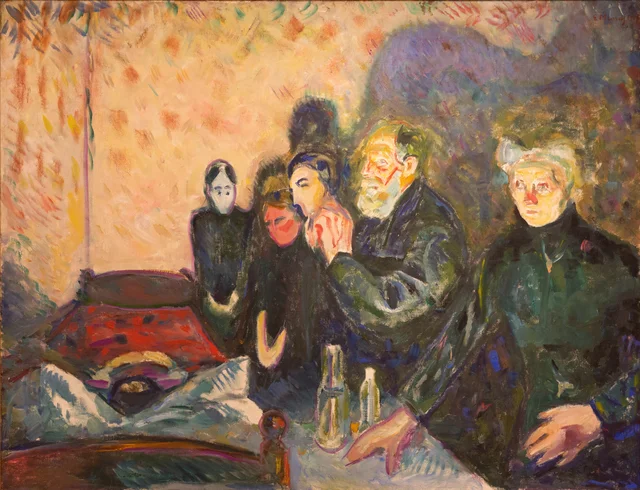 Death StruggleEdvard Munch, 1915
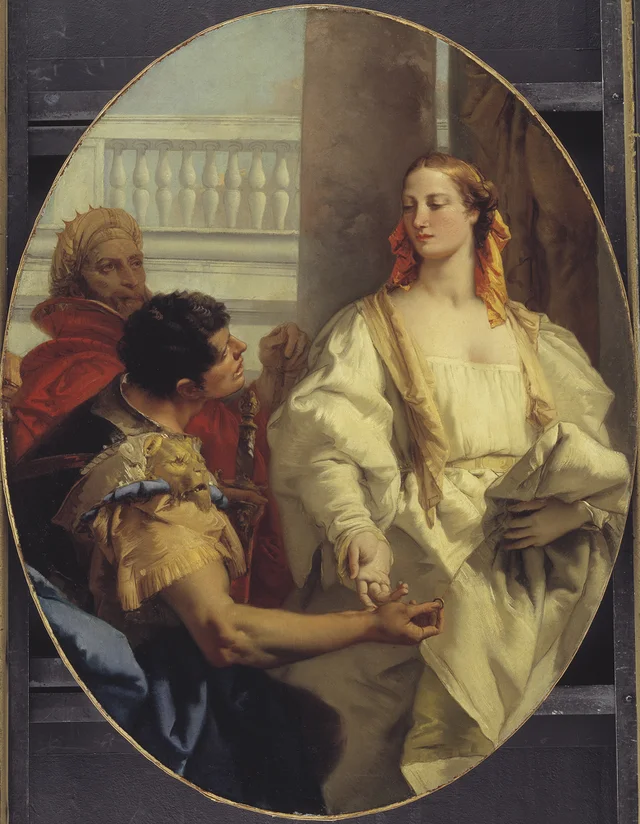 Latinus Offering his Daughter Lavinia to Aeneas in MatrimonyGiovanni Battista Tiepolo, 1753
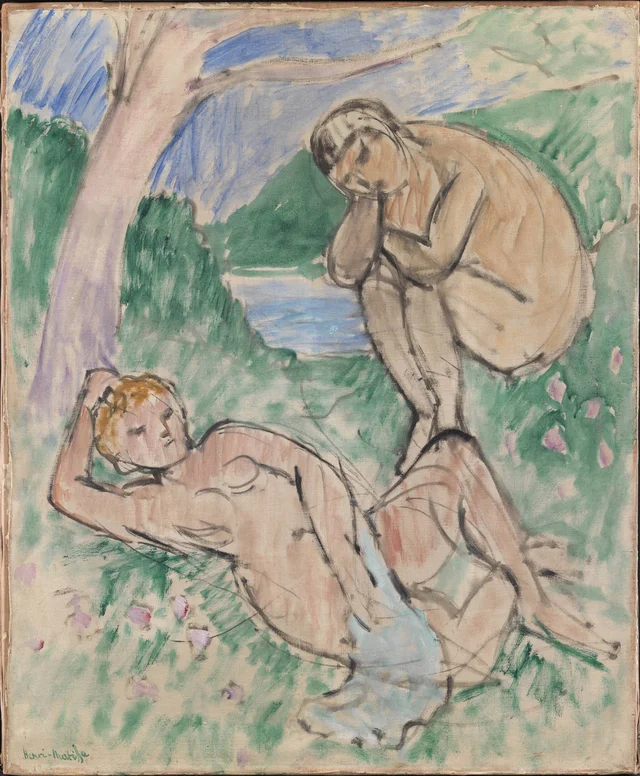 Nymph and FaunHenri Matisse, 1907
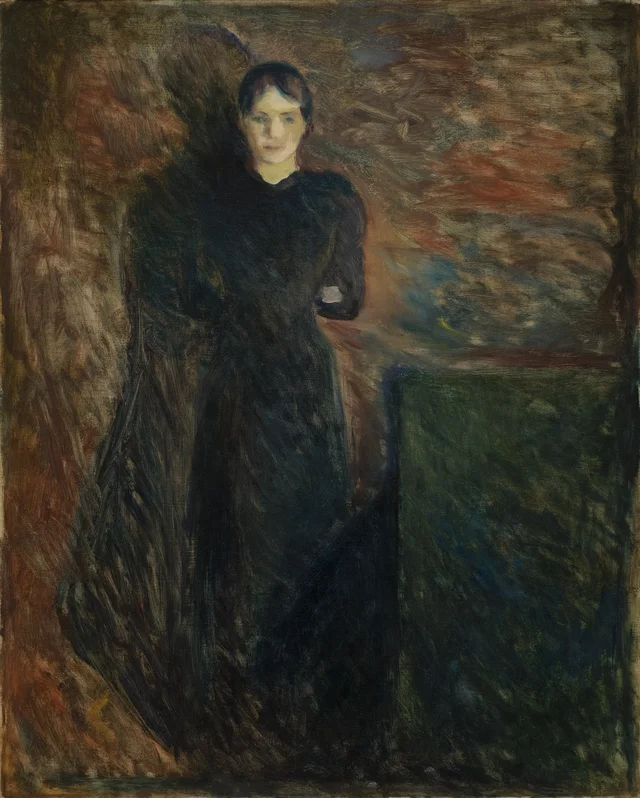 Olga BuhreEdvard Munch, 1891
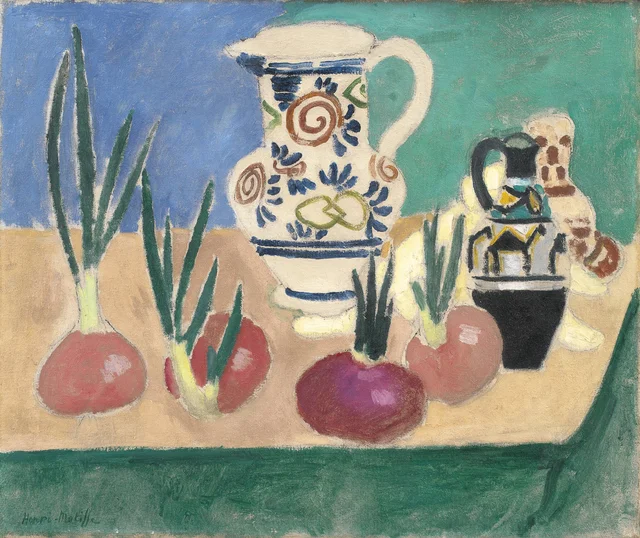 Pink OnionsHenri Matisse, 1906
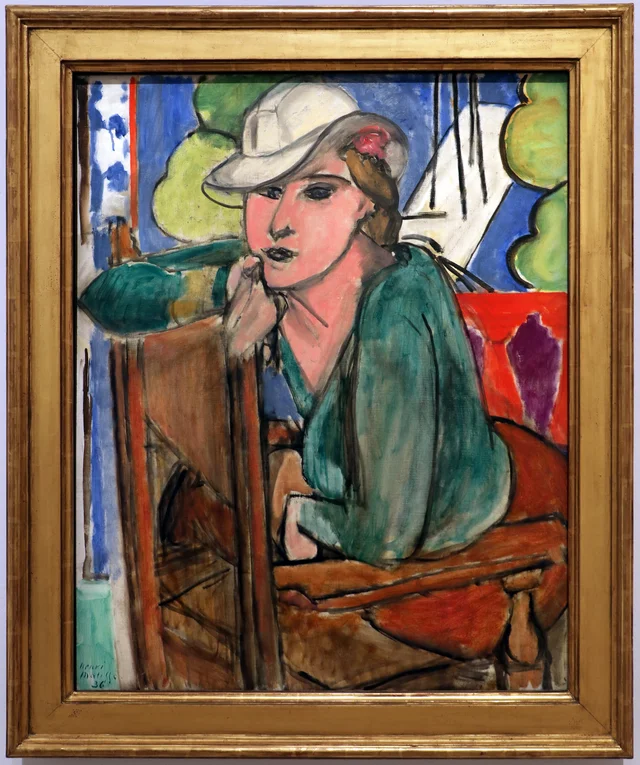 The Green BlouseHenri Matisse, 1936
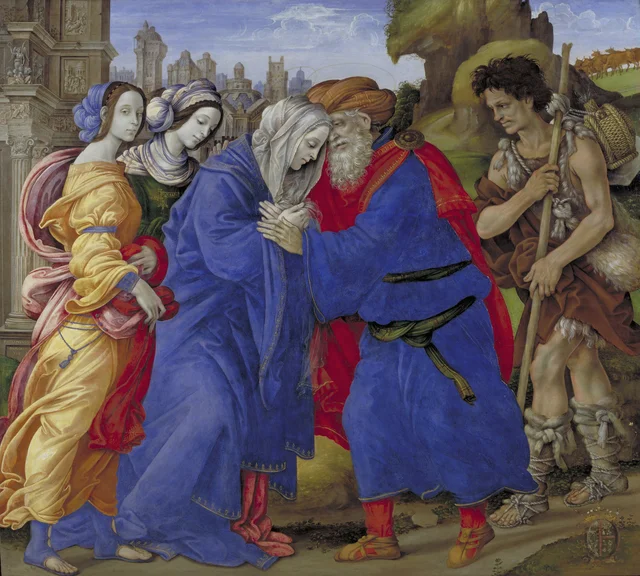 The Meeting of Joachim and Anne outside the Golden Gate of JerusalemFilippino Lippi, 1497
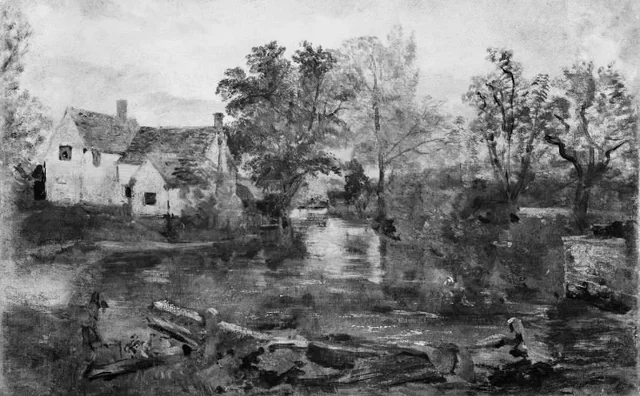 The Mill StreamJohn Constable, 1814
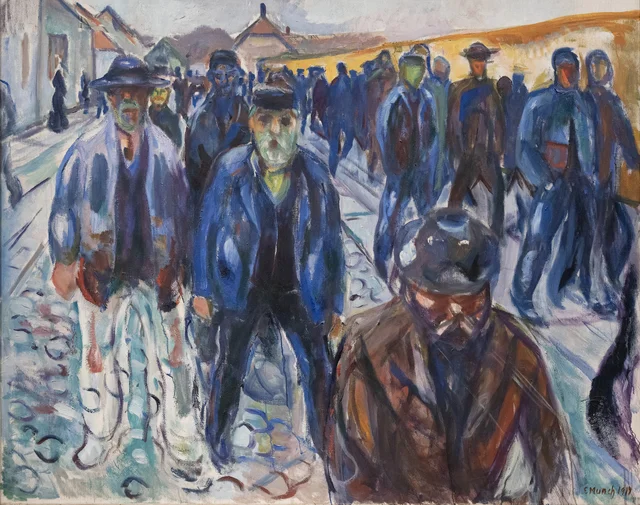 Workers on their Way HomeEdvard Munch, 1914
 ZulmaHenri Matisse, 1950