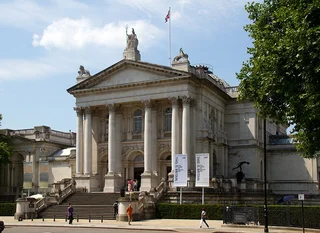
The story
Tate is really four galleries, and its most-visited one used to make electricity. Tate Modern occupies the old Bankside Power Station on the south bank of the Thames in London, a brick hulk with a single tall chimney, designed by Giles Gilbert Scott, the man behind the red telephone box. After it closed, the turbine hall that once held the generators was left as a vast empty room five storeys high, and since 2000 it has been used for enormous commissioned works — a crack running the length of the floor, a giant indoor sun of mist and light.
The institution started with sugar. Henry Tate made his money on the sugar cube, and in 1897 he paid to build a gallery for British art at Millbank, upriver, on the site of a demolished prison. That building is now Tate Britain, and it holds the Turner Bequest, the thousands of oils and watercolours J.M.W. Turner left to the nation on his death in 1851.
Between them the two London sites split the collection by era, with Tate Britain taking British art back to the 16th century and Tate Modern taking international modern and contemporary work. Two more galleries carry the name outside the capital, Tate Liverpool and Tate St Ives on the Cornish coast, the latter built above a beach where some of the painters it shows once worked.
Collection
118 works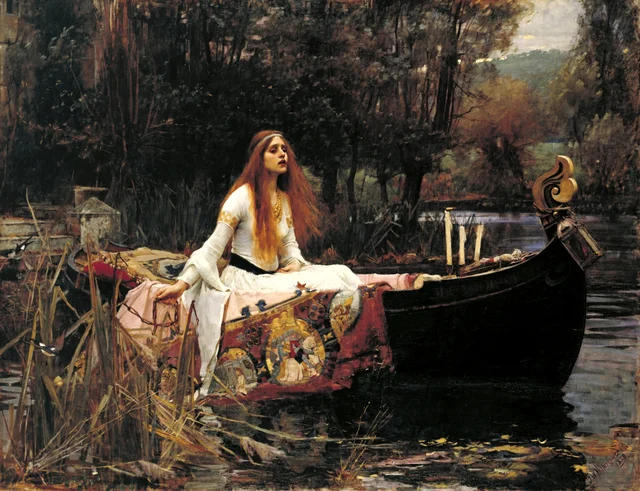 The Lady of ShalottJohn William Waterhouse, 1888
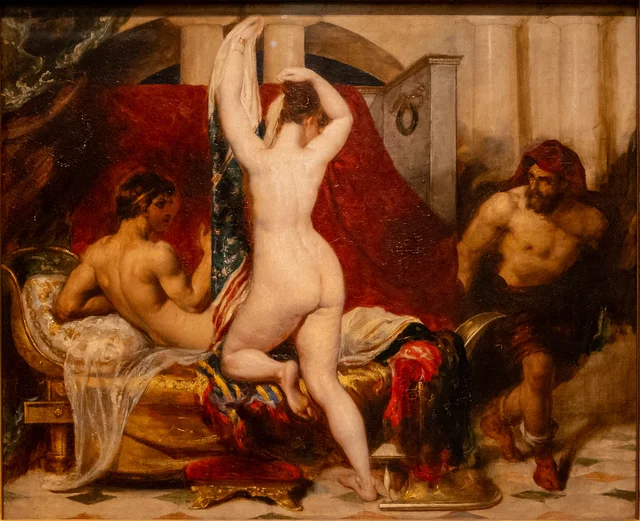 Candaules, King of Lydia, Shews his Wife by Stealth to Gyges, One of his Ministers, as She Goes to BedWilliam Etty, 1830
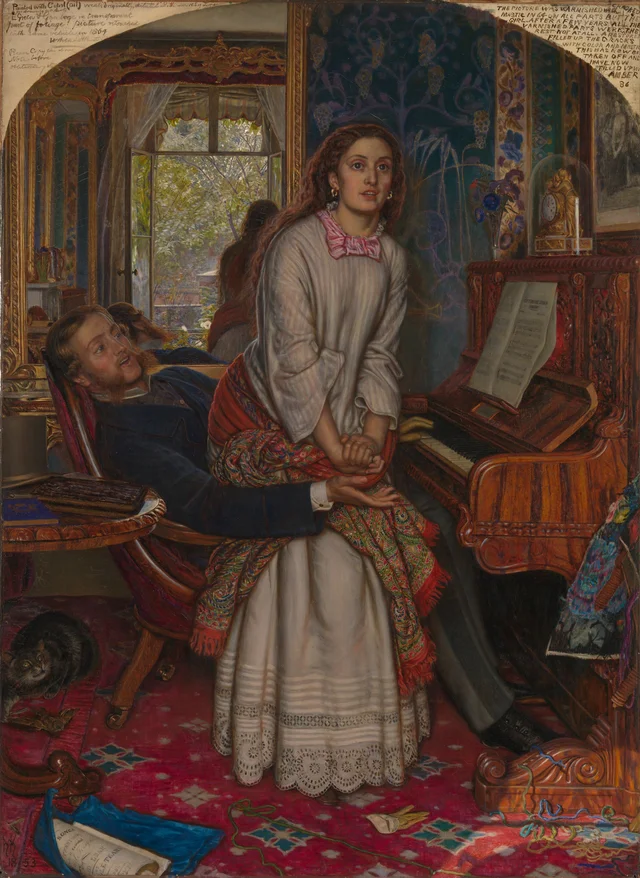 The Awakening ConscienceWilliam Holman Hunt, 1853
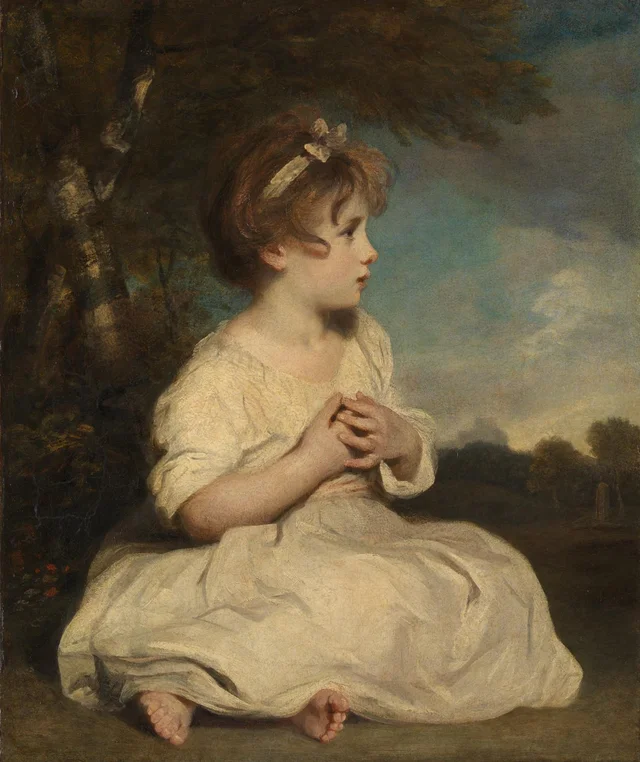 The Age of InnocenceJoshua Reynolds, 1788
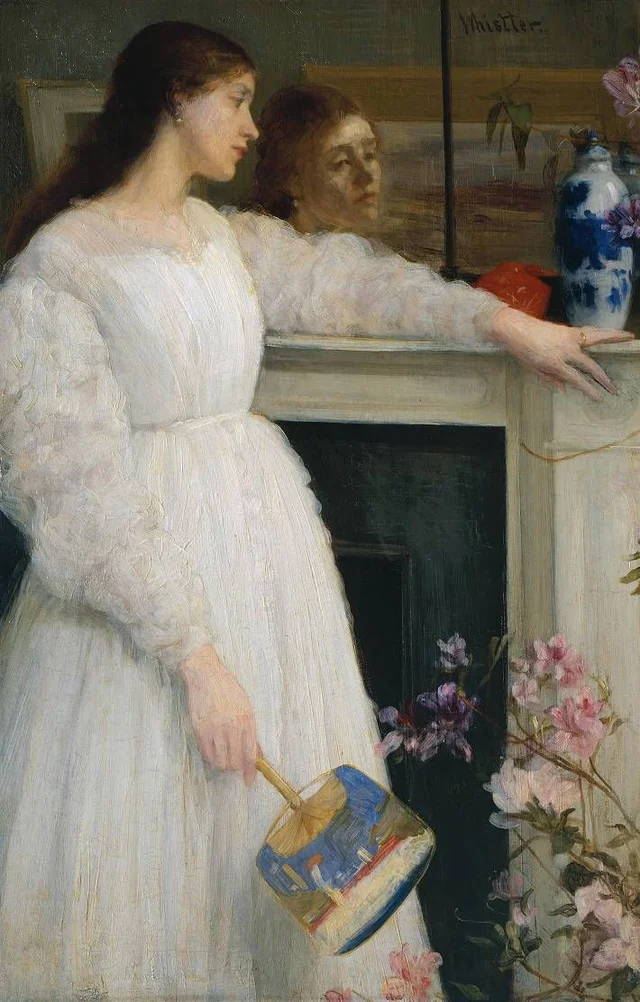 Symphony in White, No. 2: The Little White GirlJames McNeill Whistler, 1864
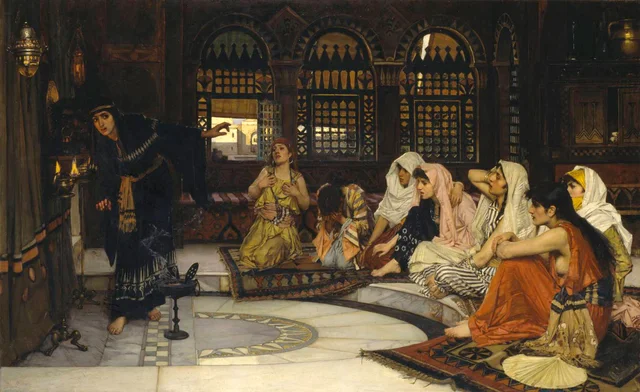 Consulting the OracleJohn William Waterhouse, 1884
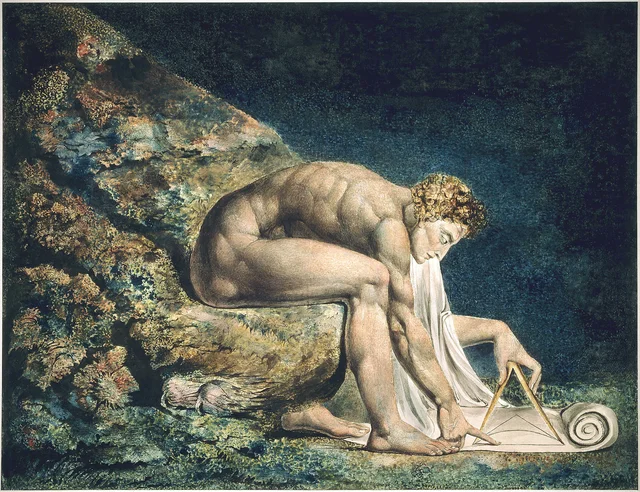 NewtonWilliam Blake, 1795
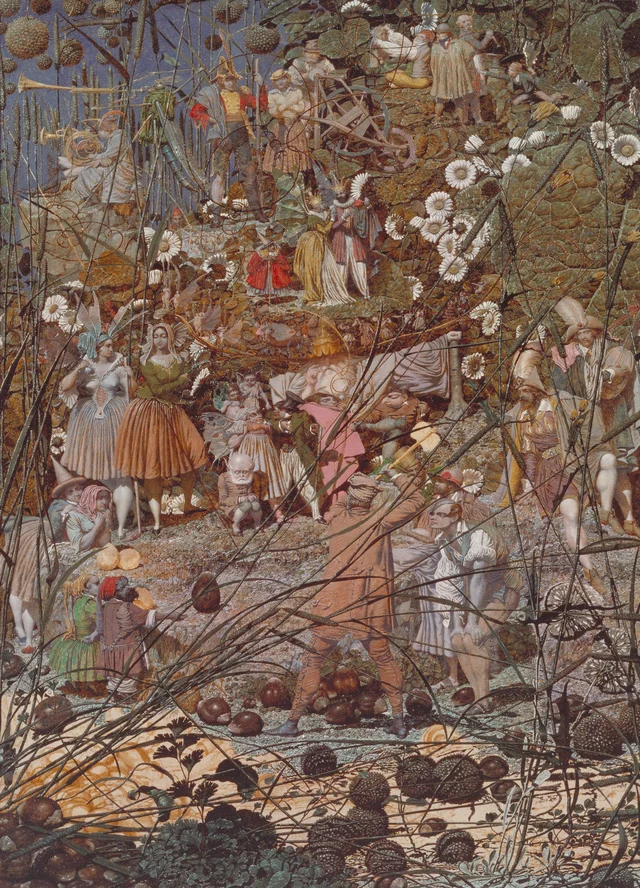 The Fairy Feller's Master-StrokeRichard Dadd, 1855
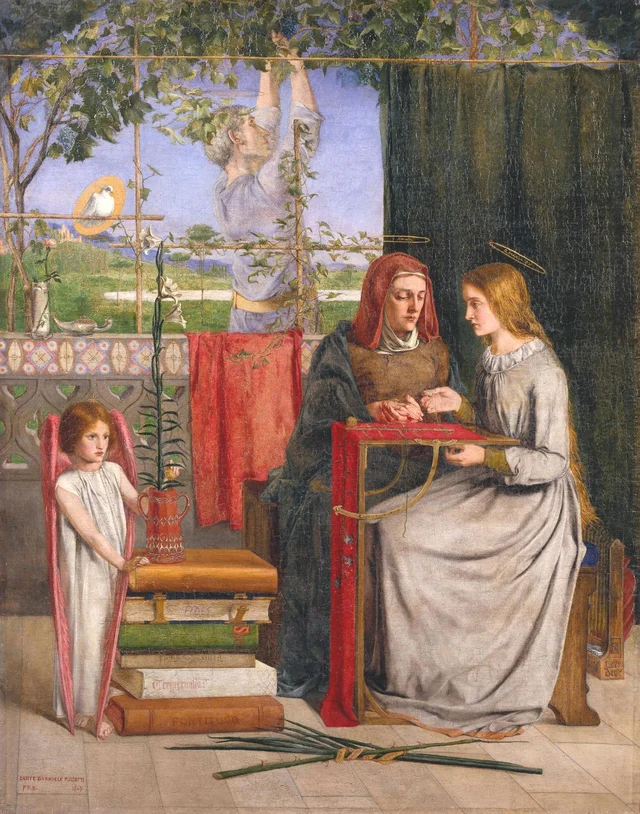 The Girlhood of Mary VirginDante Gabriel Rossetti, 1849
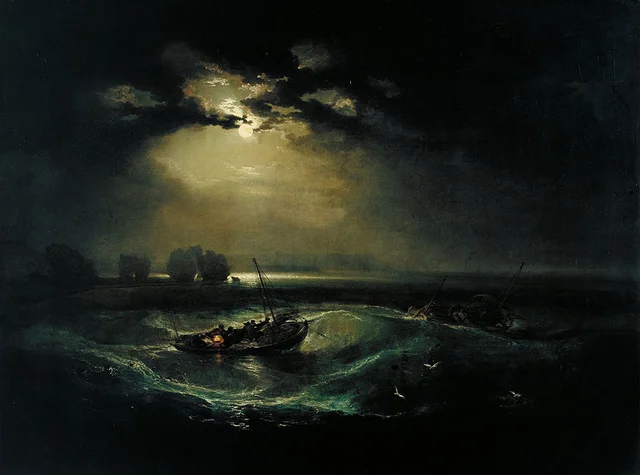 Fishermen at SeaJ. M. W. Turner, 1796
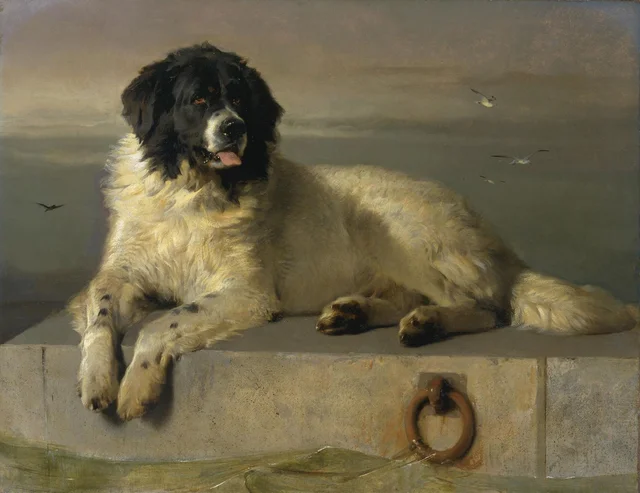 A Distinguished Member of the Humane SocietyEdwin Landseer, 1831
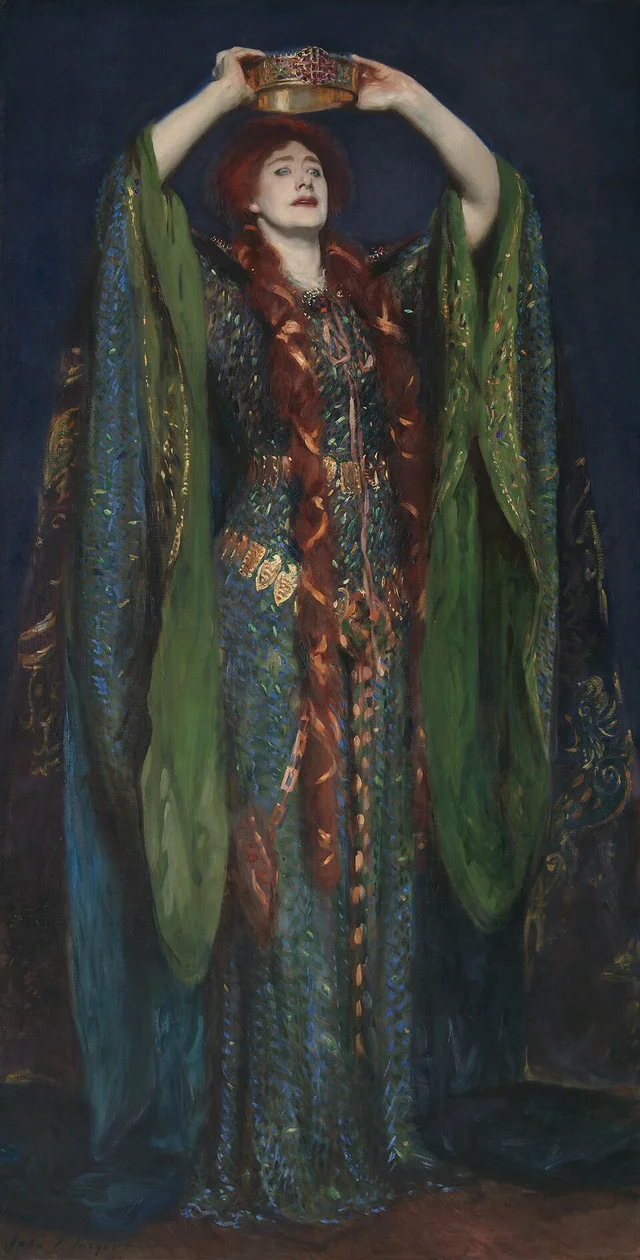 Ellen Terry as Lady MacbethJohn Singer Sargent, 1889
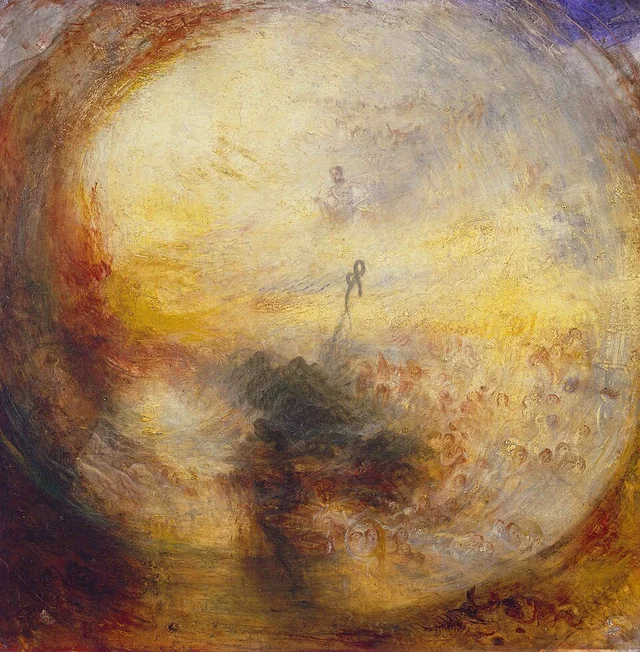 Light and Colour (Goethe's Theory) – The Morning after the Deluge – Moses Writing the Book of GenesisJ. M. W. Turner, 1843
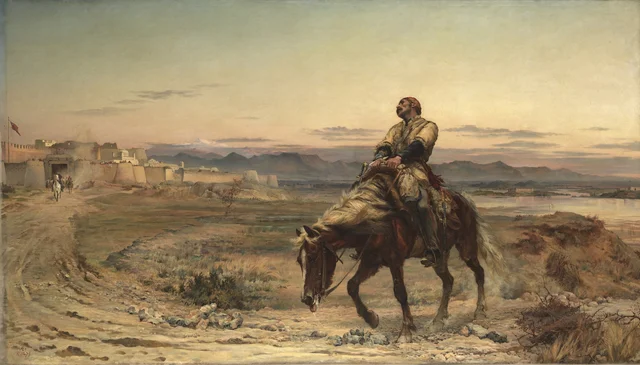 Remnants of an ArmyElizabeth Thompson, 1879
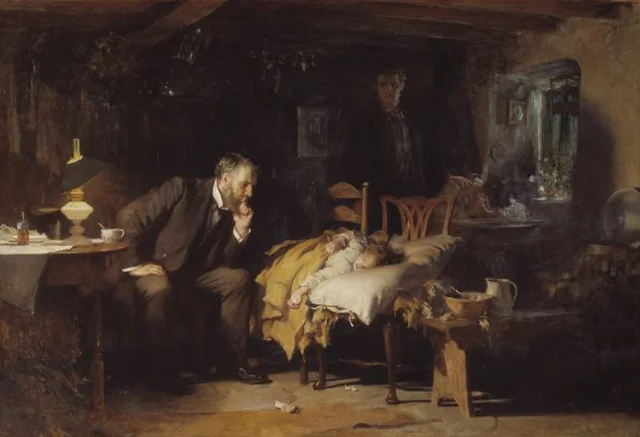 The DoctorLuke Fildes, 1891
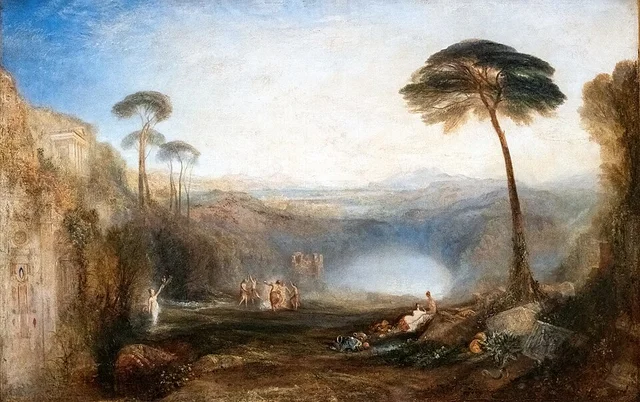 The Golden BoughJ. M. W. Turner, 1834
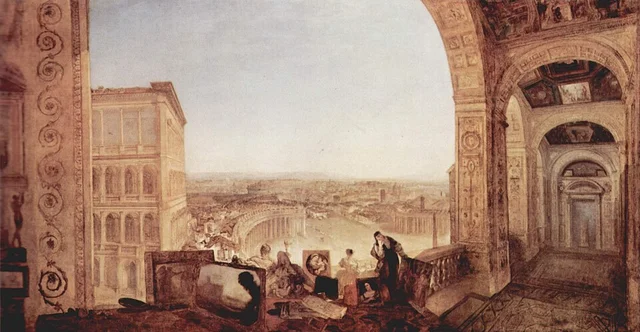 Rome, from the Vatican. Raffaelle, Accompanied by La Fornarina, Preparing his Pictures for the Decoration of the LoggiaJ. M. W. Turner, 1820
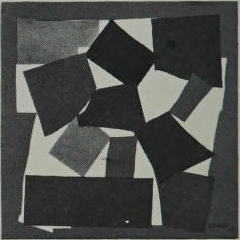 The SnailHenri Matisse, 1953
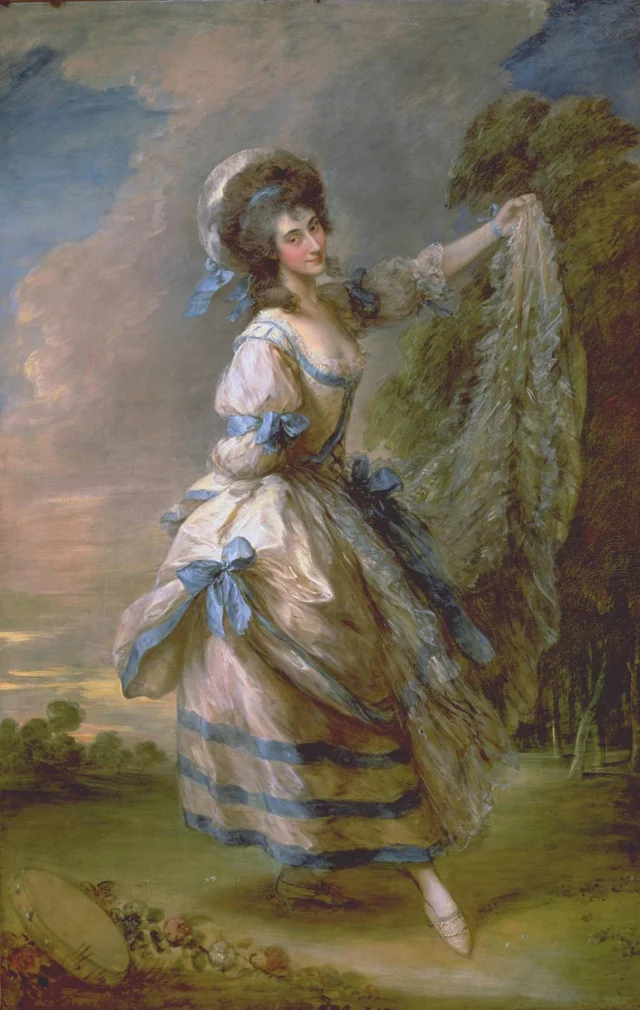 Giovanna BaccelliThomas Gainsborough, 1782
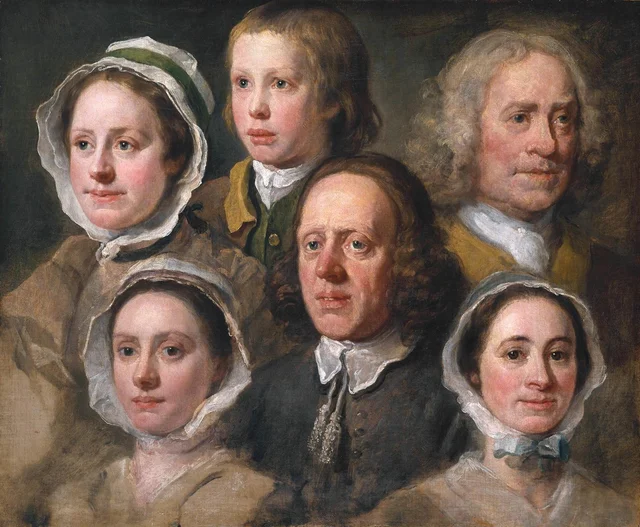 Hogarth's ServantsWilliam Hogarth, 1752
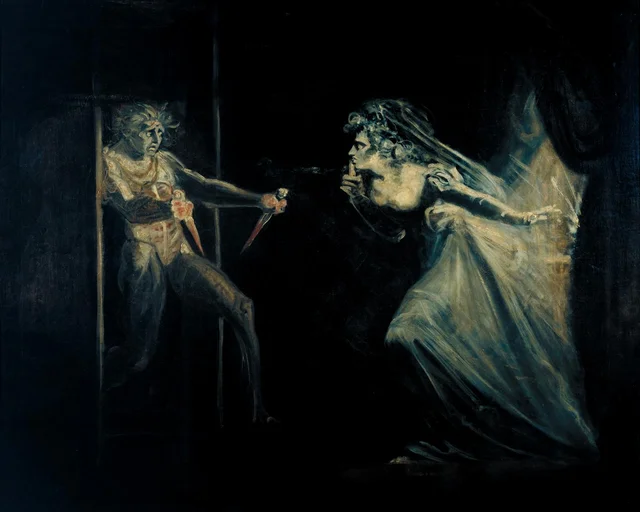 Lady Macbeth Seizing the DaggersHenry Fuseli, 1812
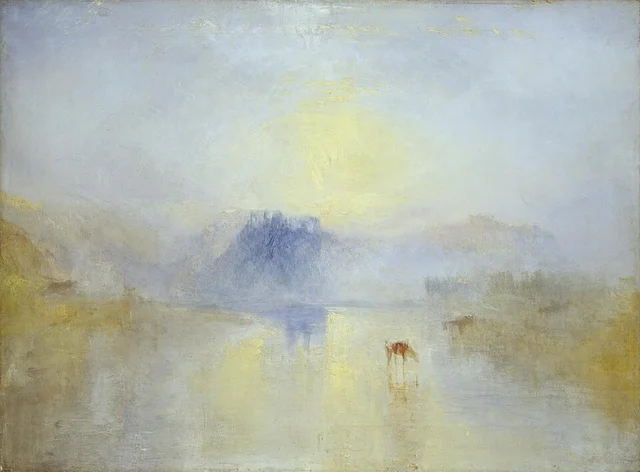 Norham Castle, SunriseJ. M. W. Turner, 1845
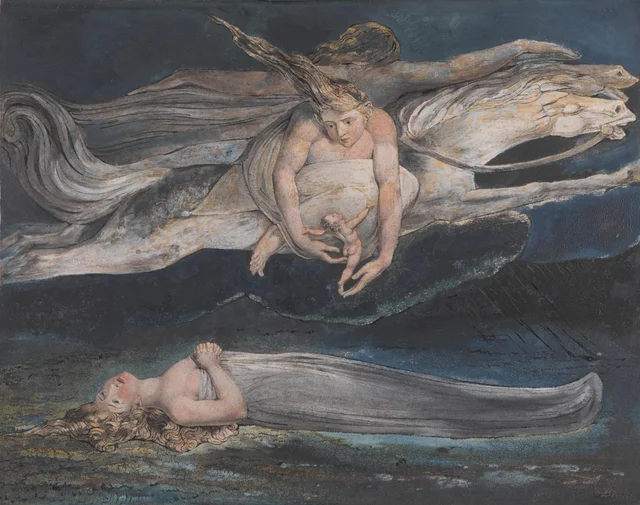 PityWilliam Blake, 1795
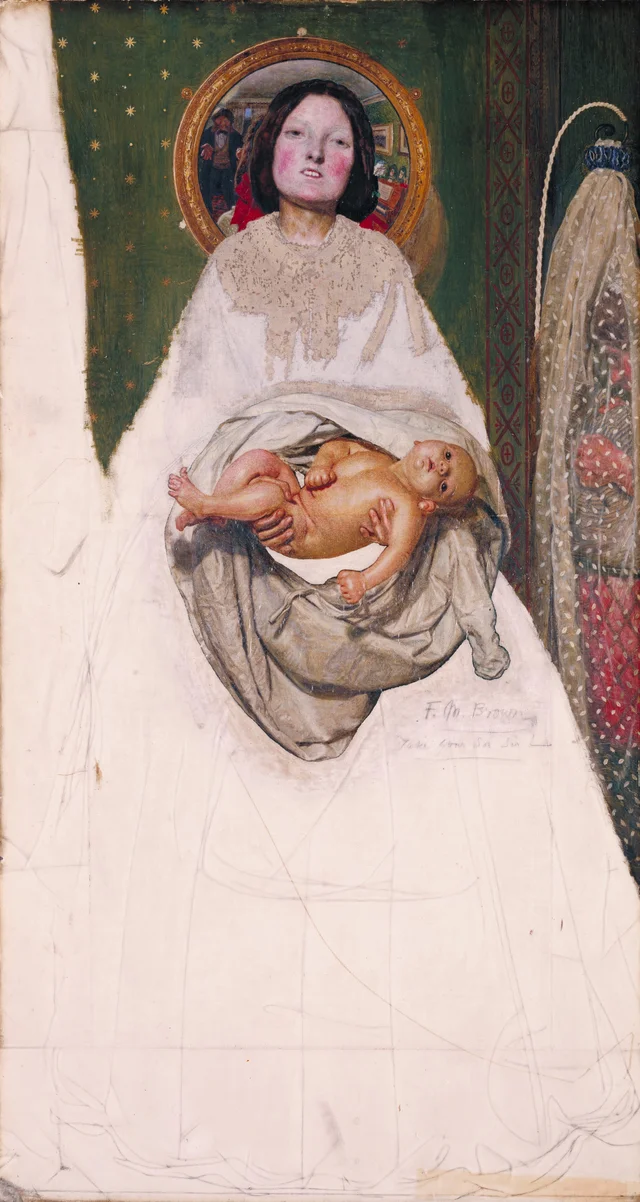 Take your Son, Sir!Ford Madox Brown, 1851
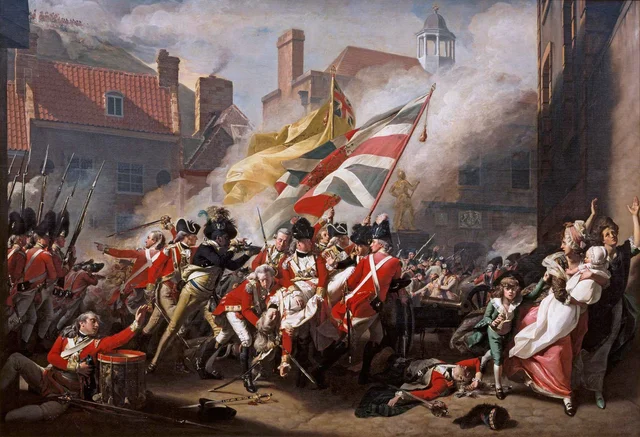 The Death of Major Peirson, 6 January 1781John Singleton Copley, 1783