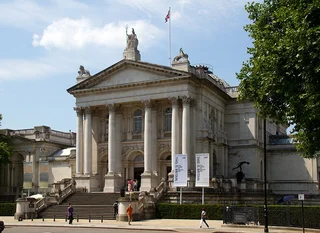
The story
Tate is really four galleries, and its most-visited one used to make electricity. Tate Modern occupies the old Bankside Power Station on the south bank of the Thames in London, a brick hulk with a single tall chimney, designed by Giles Gilbert Scott, the man behind the red telephone box. After it closed, the turbine hall that once held the generators was left as a vast empty room five storeys high, and since 2000 it has been used for enormous commissioned works — a crack running the length of the floor, a giant indoor sun of mist and light.
The institution started with sugar. Henry Tate made his money on the sugar cube, and in 1897 he paid to build a gallery for British art at Millbank, upriver, on the site of a demolished prison. That building is now Tate Britain, and it holds the Turner Bequest, the thousands of oils and watercolours J.M.W. Turner left to the nation on his death in 1851.
Between them the two London sites split the collection by era, with Tate Britain taking British art back to the 16th century and Tate Modern taking international modern and contemporary work. Two more galleries carry the name outside the capital, Tate Liverpool and Tate St Ives on the Cornish coast, the latter built above a beach where some of the painters it shows once worked.
Collection
118 works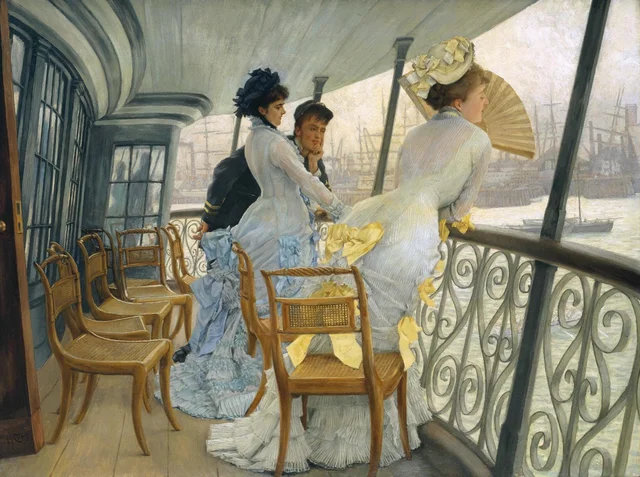 The Gallery of HMS Calcutta (Portsmouth)James Tissot, 1876
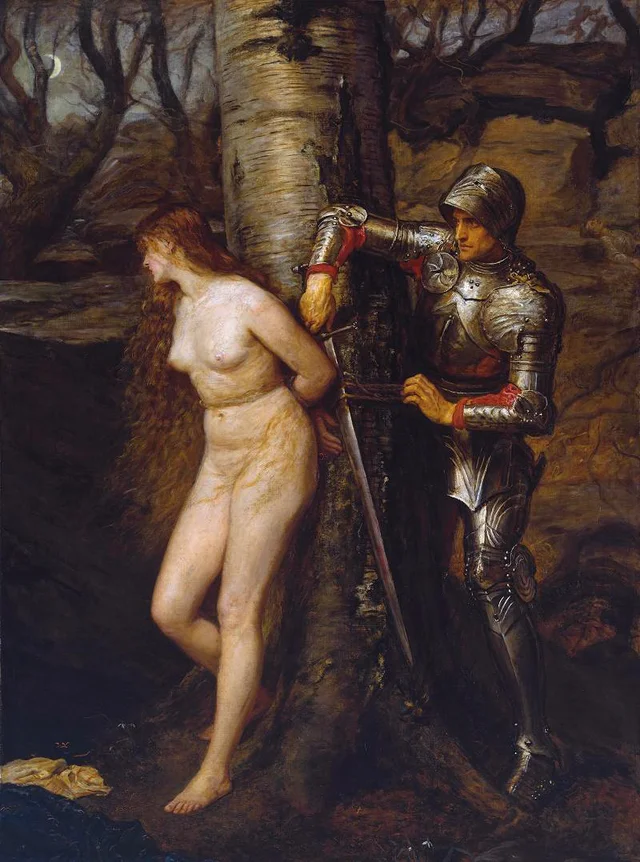 The Knight ErrantJohn Everett Millais, 1870
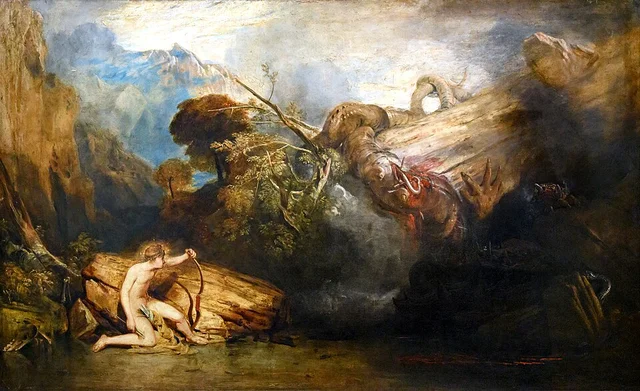 Apollo and PythonJ. M. W. Turner, 1811
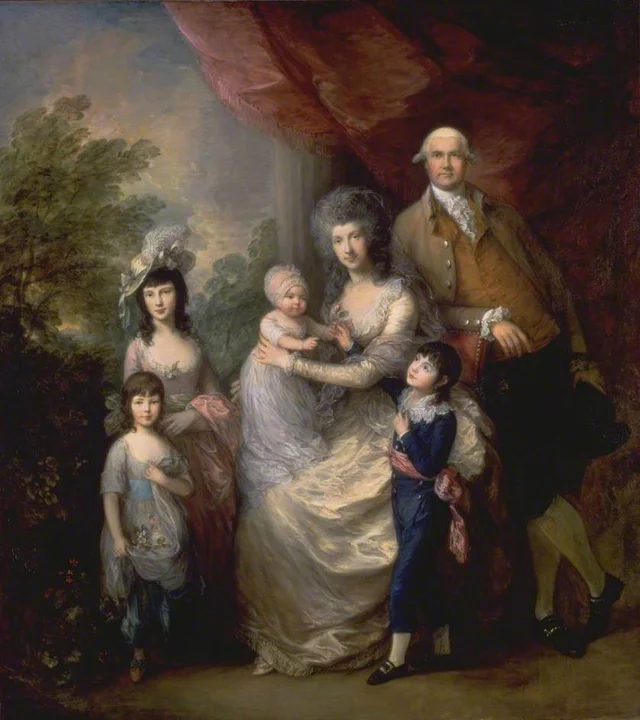 The Baillie FamilyThomas Gainsborough, 1784
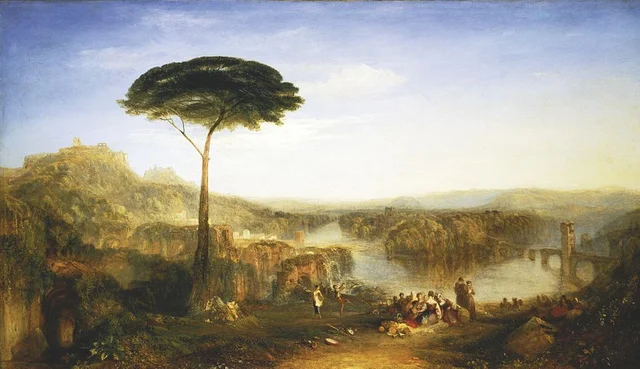 Childe Harold’s Pilgrimage - ItalyJ. M. W. Turner, 1832
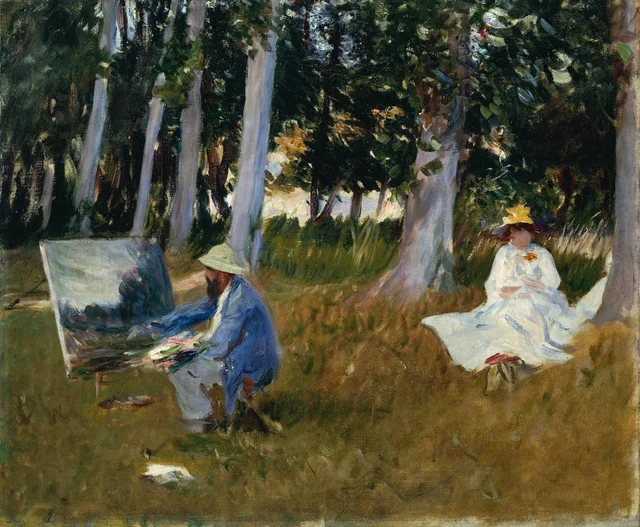 Claude Monet Painting by the Edge of a WoodJohn Singer Sargent, 1885
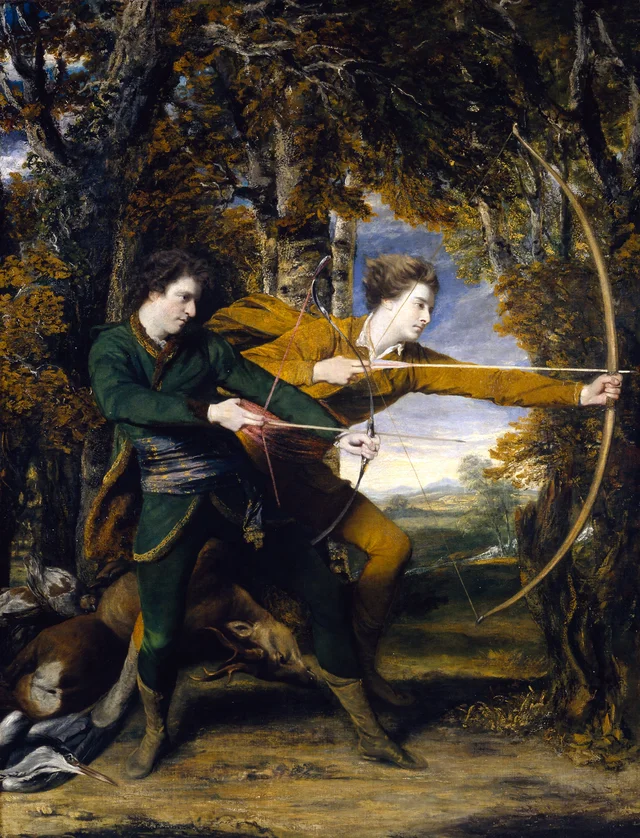 Colonel Acland and Lord Sydney: The ArchersJoshua Reynolds, 1769
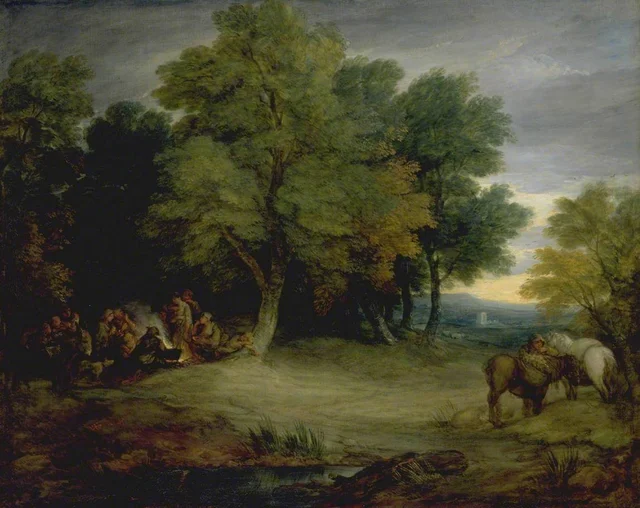 Gypsy Encampment, SunsetThomas Gainsborough, 1779
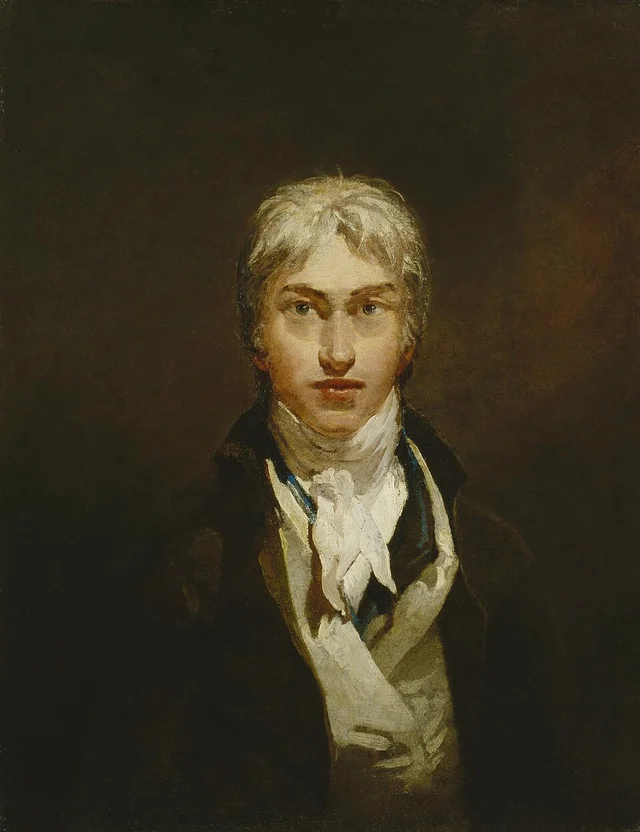 Self-PortraitJ. M. W. Turner, 1799
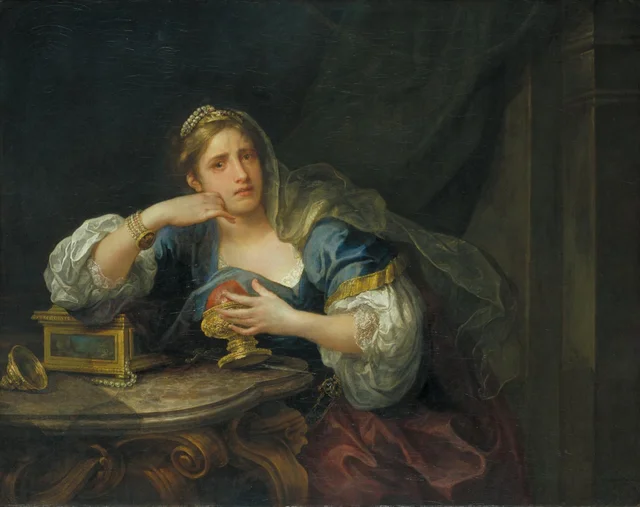 Sigismunda mourning over the Heart of GuiscardoWilliam Hogarth, 1759
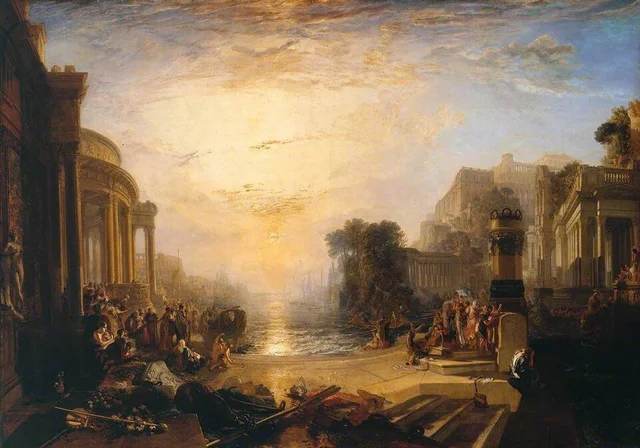 The Decline of the Carthaginian Empire ...J. M. W. Turner, 1817
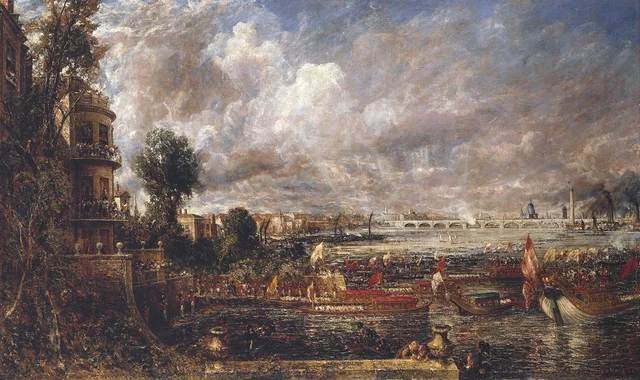 The Opening of Waterloo Bridge (‘Whitehall Stairs, June 18th, 1817’)John Constable, 1832
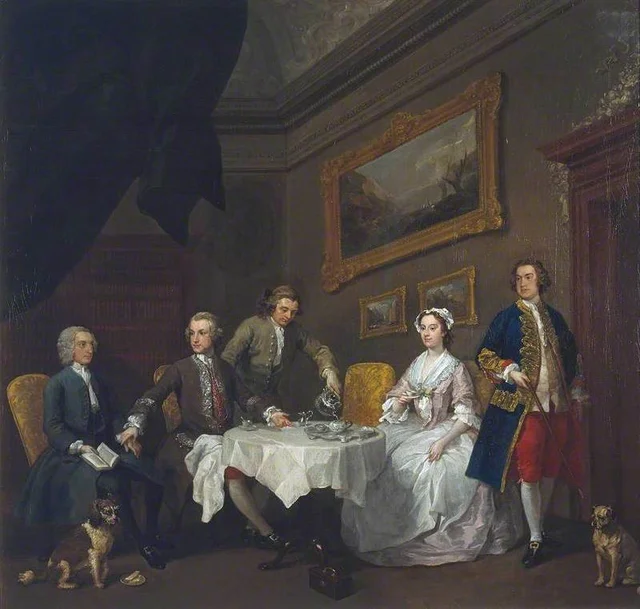 The Strode FamilyWilliam Hogarth, 1738
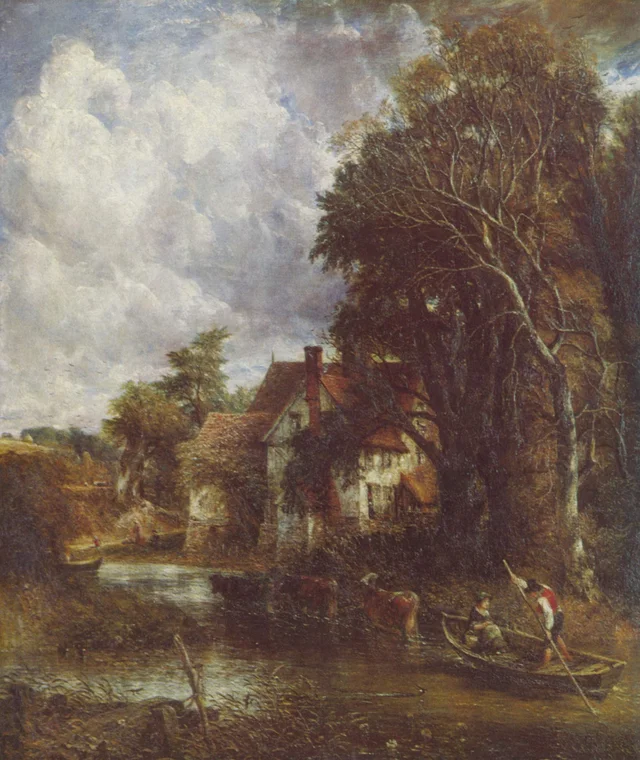 Valley FarmJohn Constable, 1835
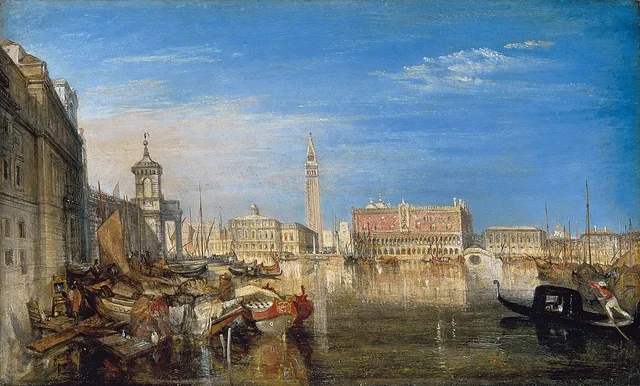 Bridge of Sighs, Ducal Palace and Custom House, Venice: Canaletto paintingJ. M. W. Turner, 1833
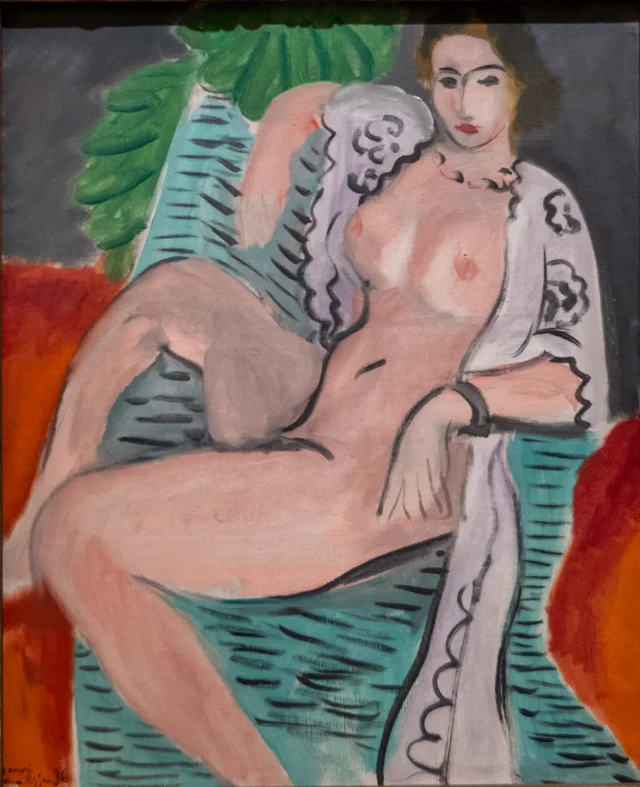 Draped NudeHenri Matisse, 1936
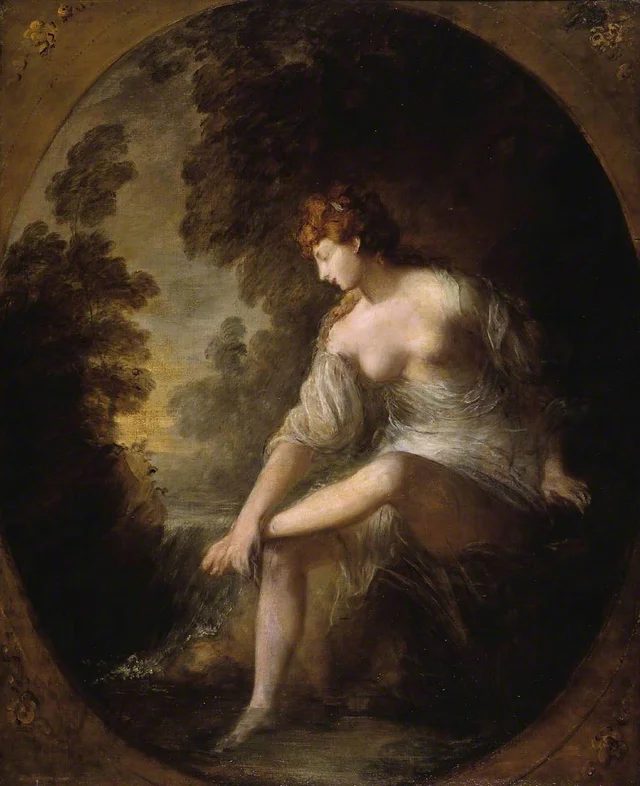 MusidoraThomas Gainsborough, 1784
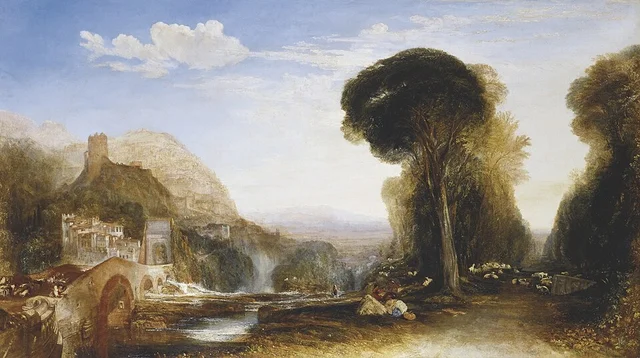 Palestrina - CompositionJ. M. W. Turner, 1828
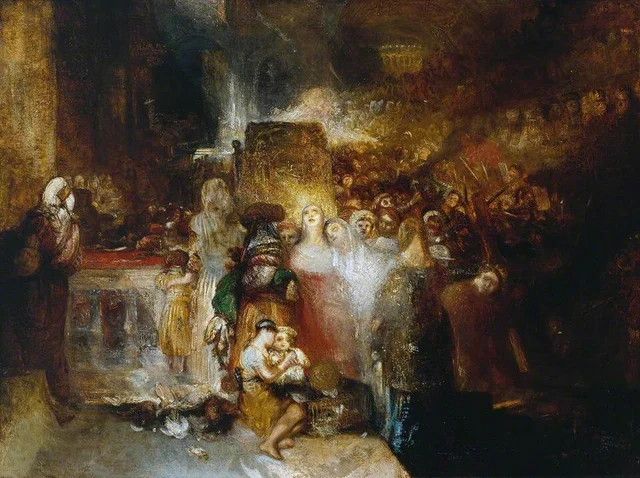 Pilate Washing his HandsJ. M. W. Turner, 1830
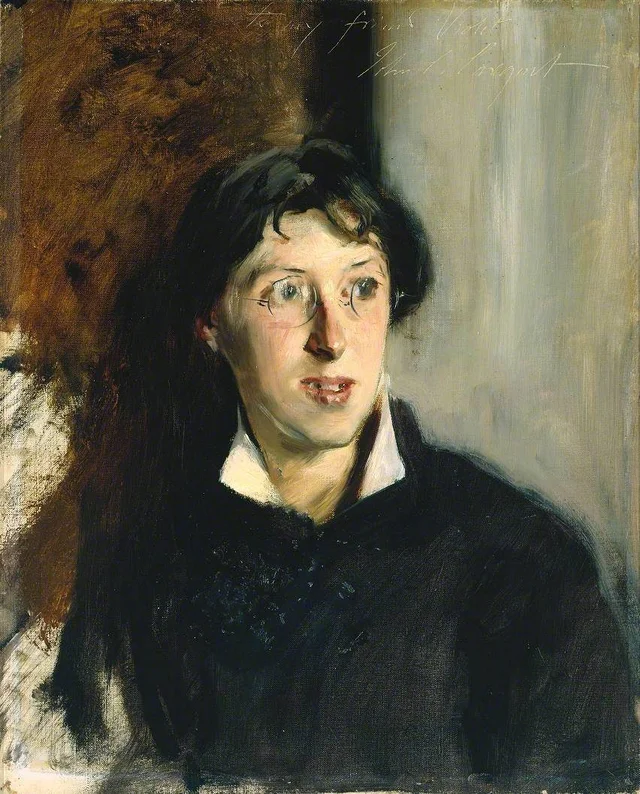 Portrait de Vernon LeeJohn Singer Sargent, 1881
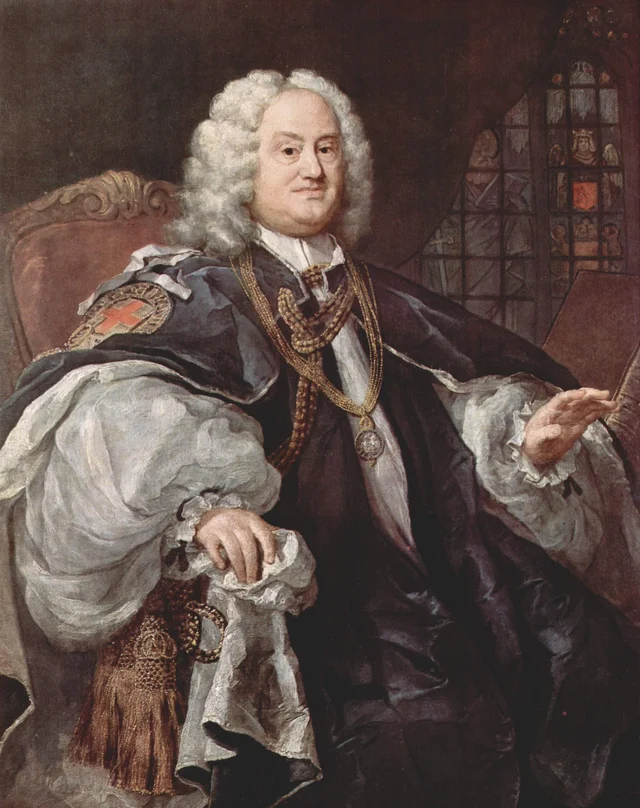 Portrait of Benjamin HoadlyWilliam Hogarth, 1741
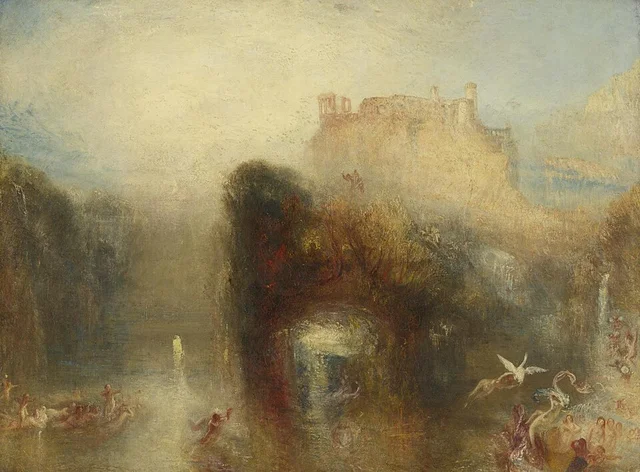 Queen Mab’s CaveJ. M. W. Turner, 1846
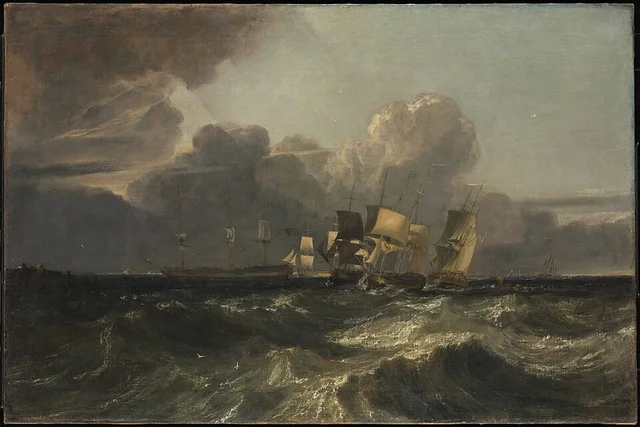 Ships Bearing up for Anchorage (‘The Egremont Seapiece’)J. M. W. Turner, 1802
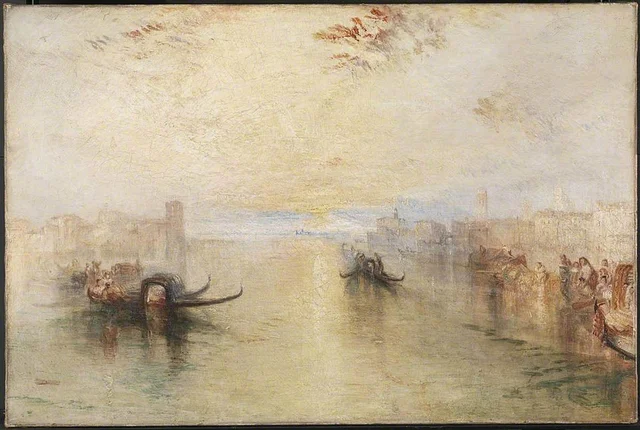 St Benedetto, Looking towards FusinaJ. M. W. Turner, 1843
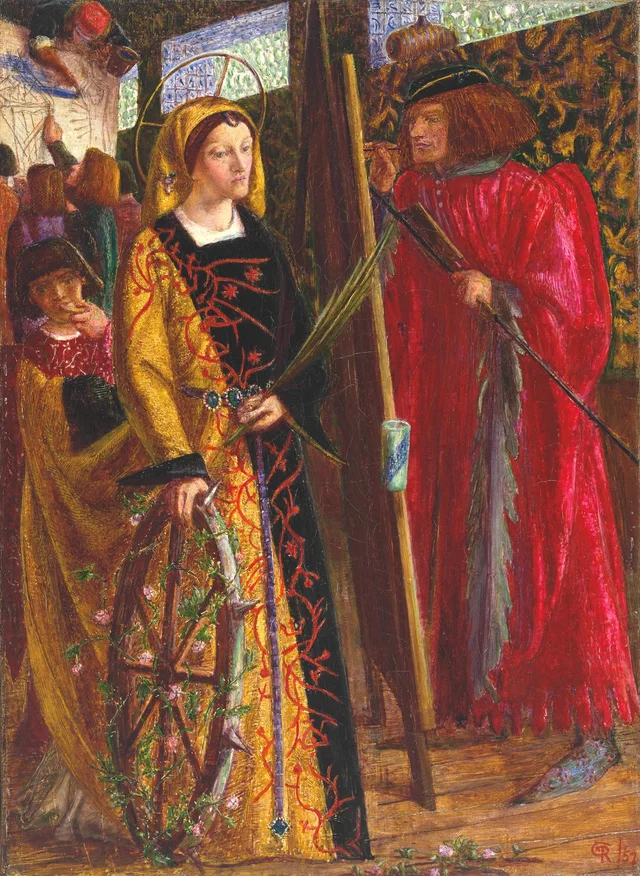 St CatherineDante Gabriel Rossetti, 1857