The story
On the day after Thanksgiving in 1985, a man and a woman walked into the University of Arizona Museum of Art in Tucson shortly after it opened. While she distracted a guard on the staircase, he cut Woman-Ochre, a painting by the Dutch-born New York artist Willem de Kooning, out of its frame and left with it under his coat. The canvas was missing for more than thirty years. In 2017 antique dealers in Silver City, New Mexico, found it in the house of a woman who had died and returned it to the museum. After conservation at the Getty in Los Angeles it was shown there in 2022 and then came home to Tucson.
The museum grew out of a university gallery of the 1930s and now holds more than 6,000 works, mostly European and American art from the Renaissance on. Much of its old-master core came from the Samuel H. Kress Foundation, set up by a New York dime-store magnate, which gave more than sixty European paintings from the 1950s on.
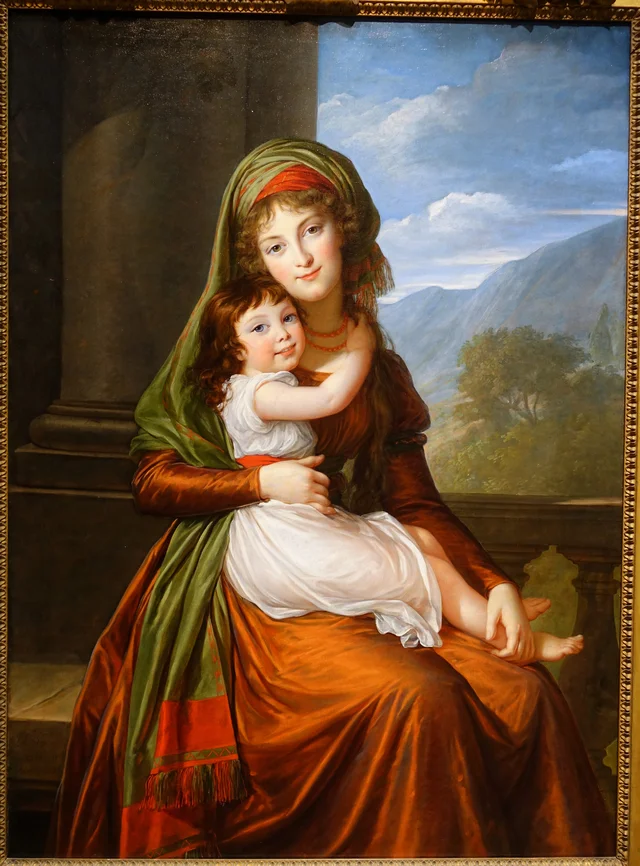
That gift includes 26 panels of a fifteenth-century altarpiece from the cathedral of Ciudad Rodrigo in western Spain, painted mostly by Fernando Gallego and Maestro Bartolomé and on permanent display since 2008. From the same source comes Élisabeth Vigée Le Brun's portrait of the Countess von Schönfeld with her daughter, painted in Vienna in 1793, while the French court painter was living in exile from the Revolution.