Antonello da Messina
1479 · Reino de Sicilia · Renacimiento temprano
La historia
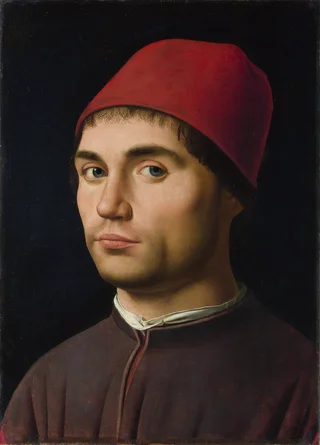
Antonello da Messina pasó su carrera moviéndose entre mundos que rara vez se tocaban en el siglo XV, Sicilia, Nápoles y finalmente Venecia, llevando consigo una técnica de pintura que la mayoría de los pintores italianos aún no tenía. Aprendió la pintura al óleo pura, probablemente a través de obras neerlandesas que habían llegado a Nápoles, la técnica que Jan van Eyck había perfeccionado en Brujas décadas antes, en la que finas capas transparentes de óleo permitían a un pintor construir brillos lustrosos y sombras suaves que ningún pintor italiano al temple de huevo podía igualar.
En 1475 viajó a Venecia y permaneció alrededor de un año y medio. Fue suficiente. Los pintores venecianos, incluido el joven Giovanni Bellini, absorbieron su manejo del óleo y su forma de modelar un rostro con suaves gradaciones de luz, cambios que dieron forma a la pintura veneciana durante la generación siguiente. Los retratos de Antonello de este periodo, vistas de tres cuartos y encuadre cerrado sobre fondos oscuros y lisos, son de los primeros en el arte italiano en dar a un modelo corriente esta clase de presencia serena e individual.
Regresó a Mesina, en Sicilia, y murió allí a comienzos de 1479, un nombre todavía menos conocido fuera de las ciudades en las que realmente había pintado.
Más artículos
 Artículo · 37 min de lecturaLas Galerías de la Academia de Venecia: veinte obras y el camino de cada una hasta aquí
 Artículo · 40 min de lecturaLa Galería Borghese: de Scipione Borghese a la compra del Estado
 Artículo · 49 min de lecturaMuseo de Historia del Arte de Viena: 25 obras y cómo llegaron a los Habsburgo
Obras
21 obras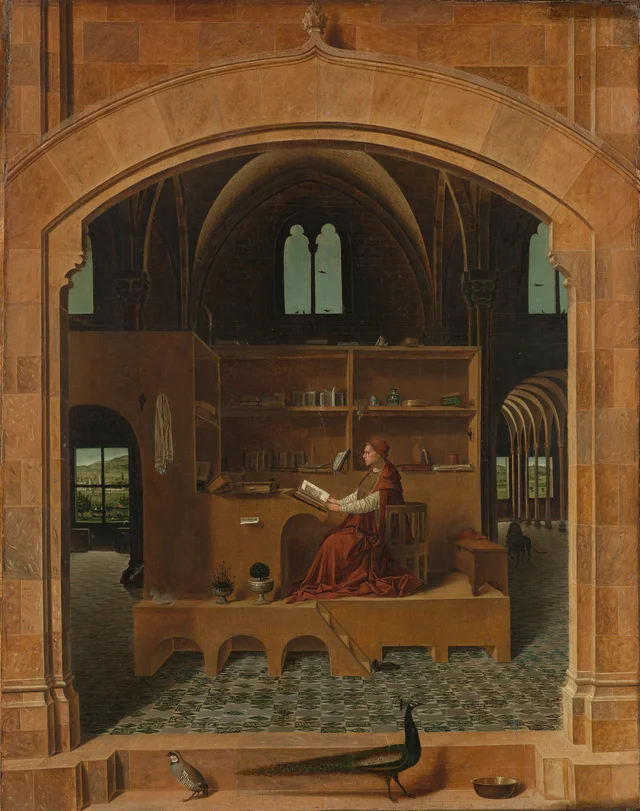 San Jerónimo en su estudioAntonello da Messina, 1474
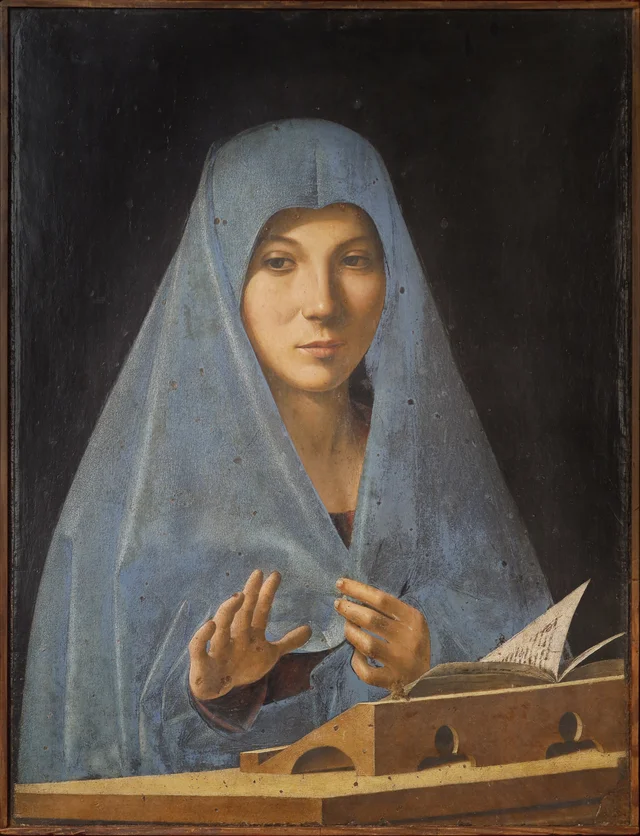 Virgen AnunciadaAntonello da Messina, 1476
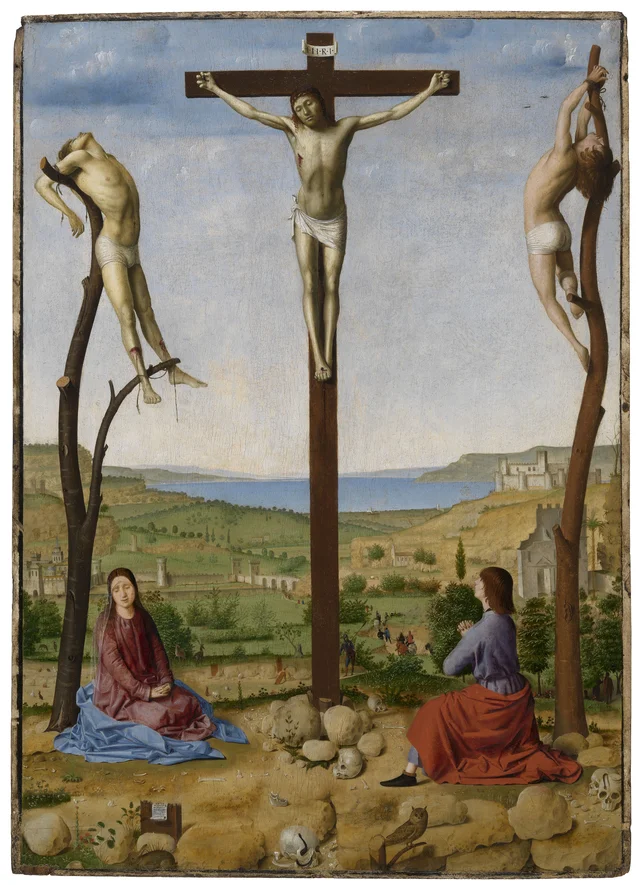 CalvarioAntonello da Messina, 1475
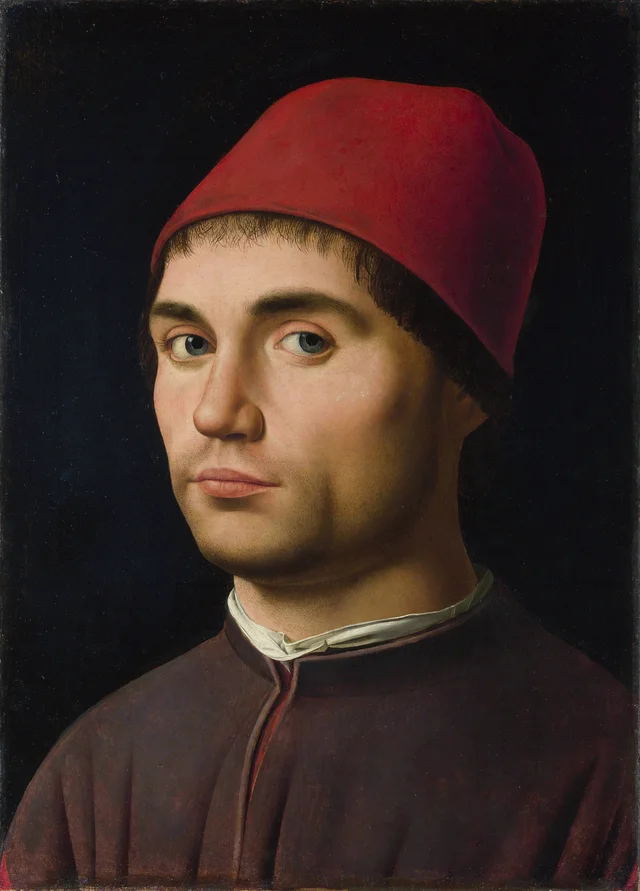 Retrato de un hombreAntonello da Messina, 1475
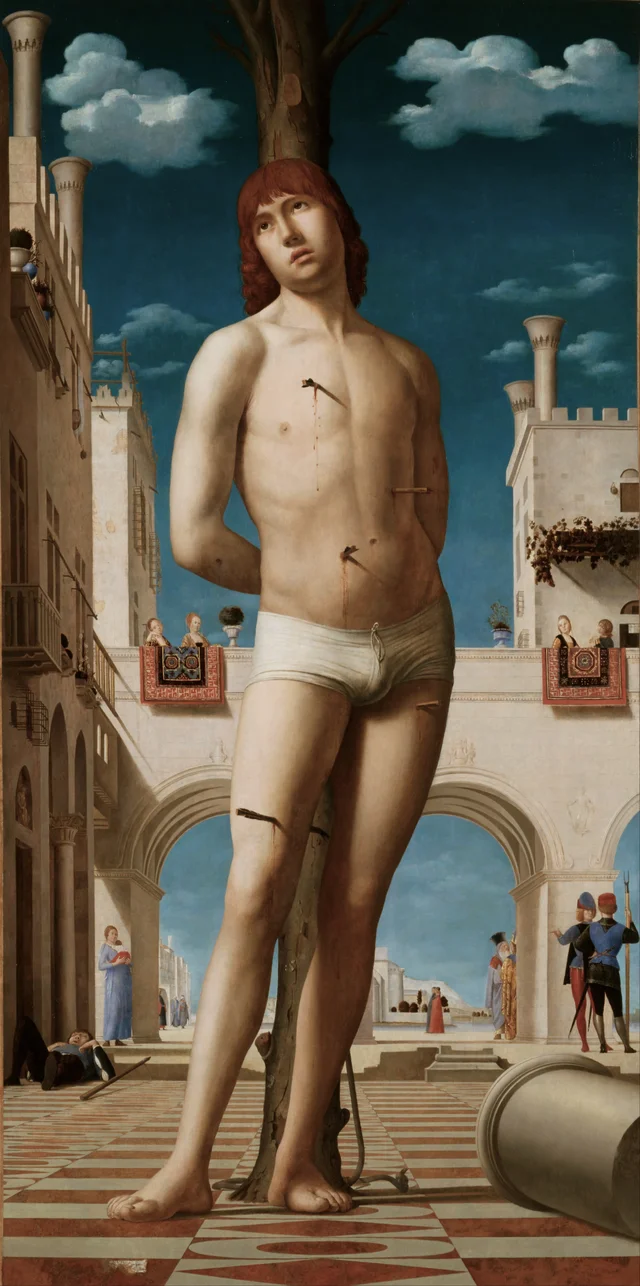 San SebastiánAntonello da Messina, 1478
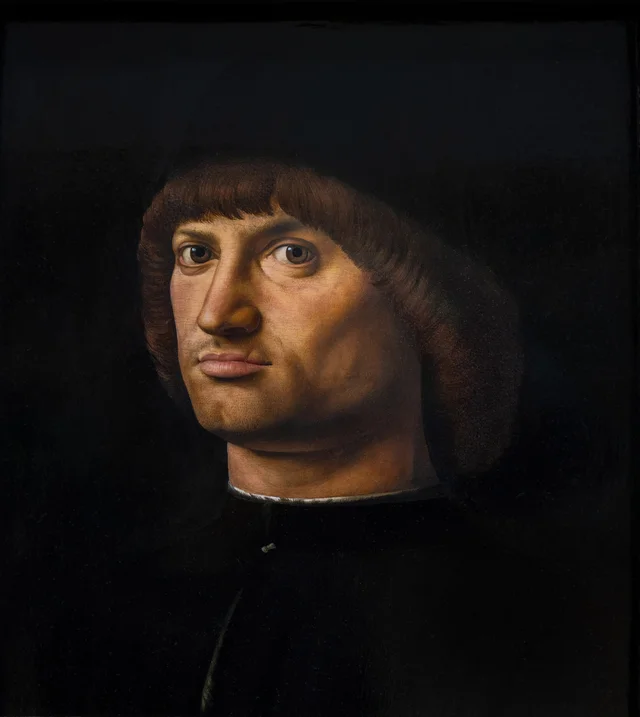 Retrato de hombre, llamado el CondotieroAntonello da Messina, 1475
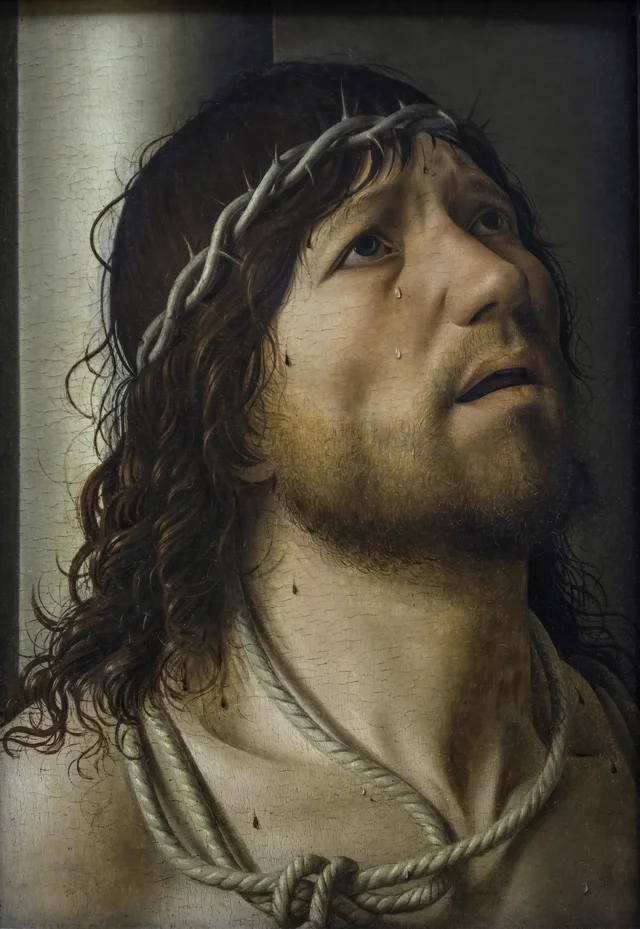 Cristo en la columnaAntonello da Messina, 1477
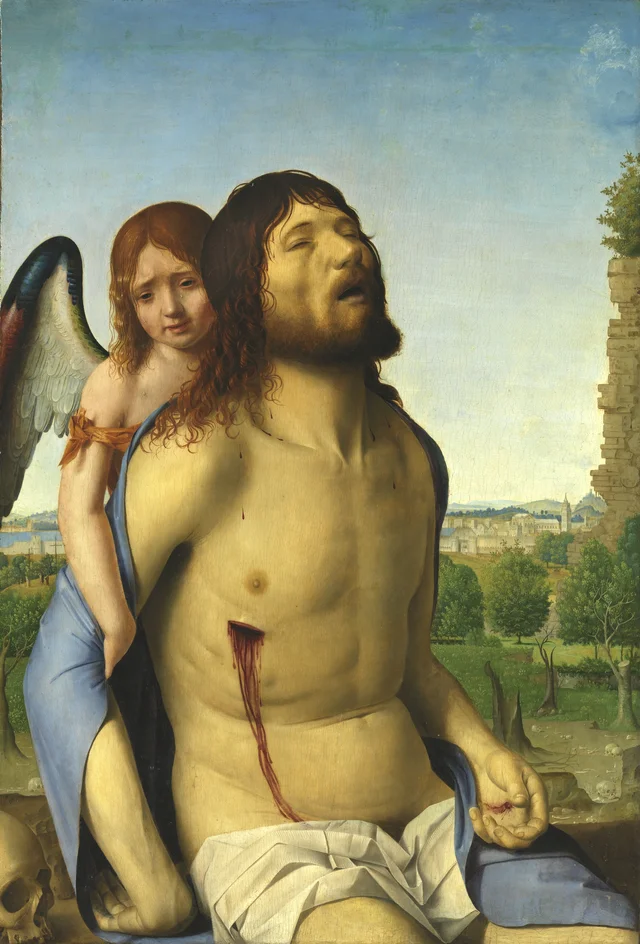 Cristo muerto sostenido por un ángelAntonello da Messina, 1475
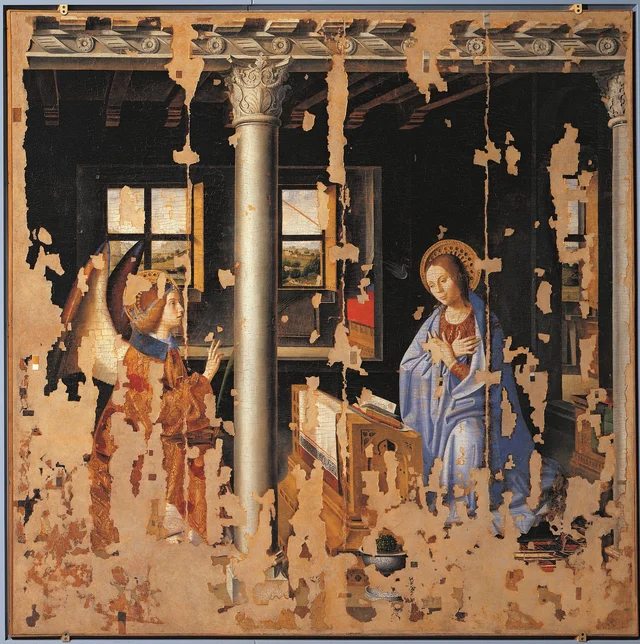 La AnunciaciónAntonello da Messina, 1474
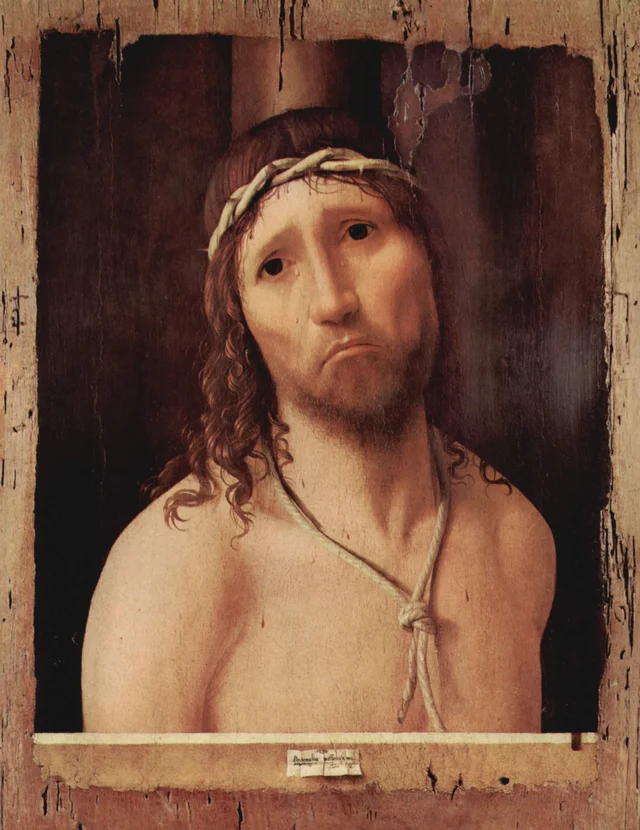 Ecce HomoAntonello da Messina, 1473
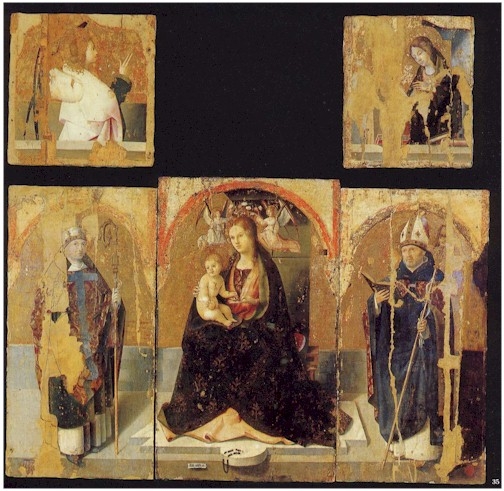 Políptico de San GregorioAntonello da Messina, 1473
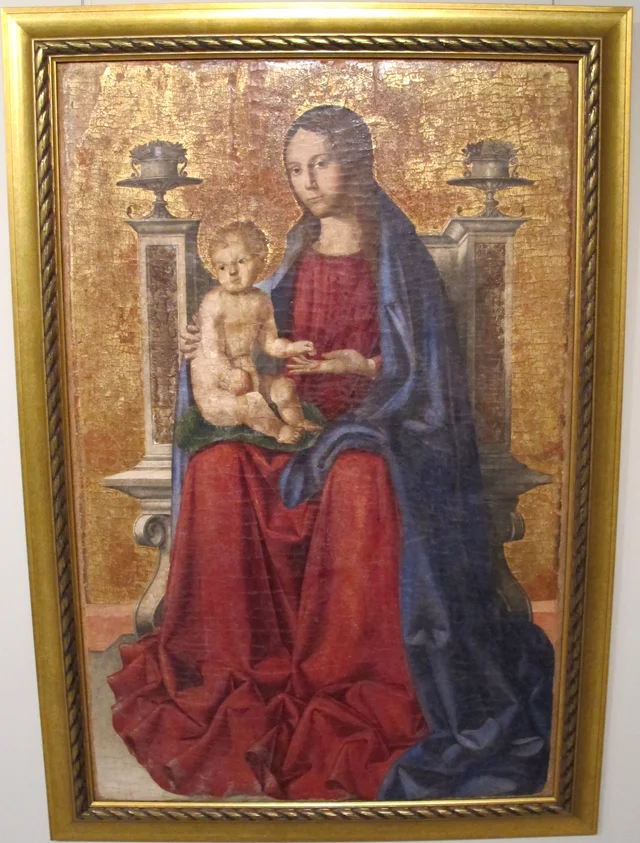 La Virgen con el NiñoAntonello da Messina
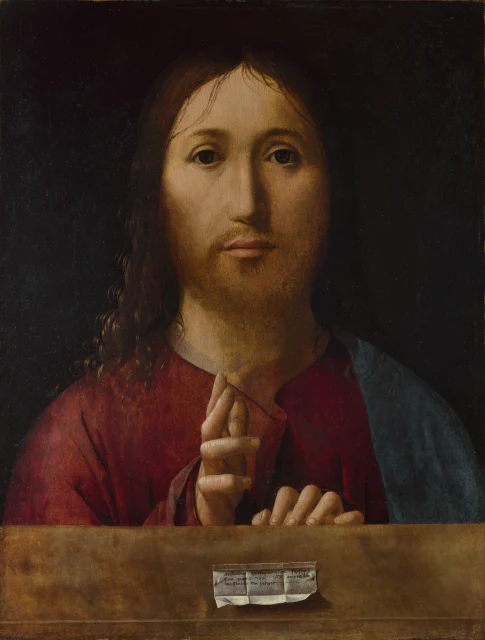 Cristo bendiciendoAntonello da Messina, 1465
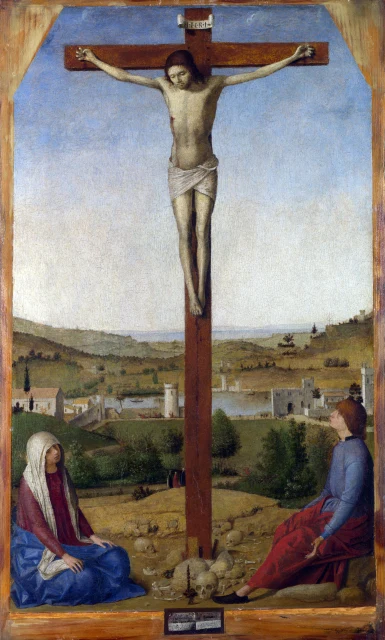 Cristo crucificadoAntonello da Messina, 1475
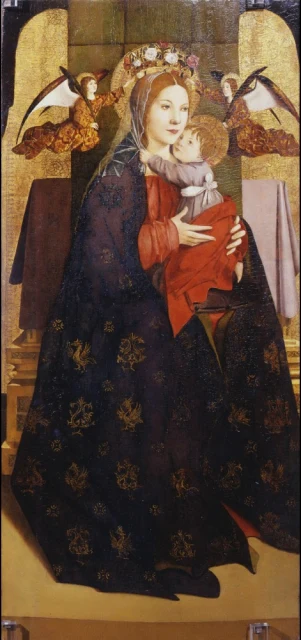 Madonna de los UffiziAntonello da Messina, 1470
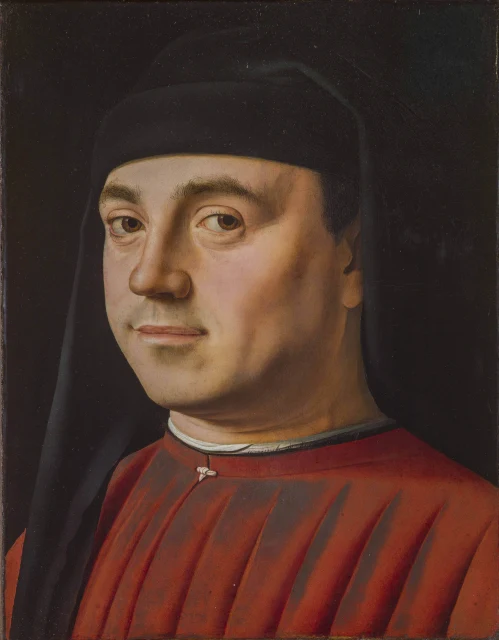 Retrato de un hombreAntonello da Messina, 1476
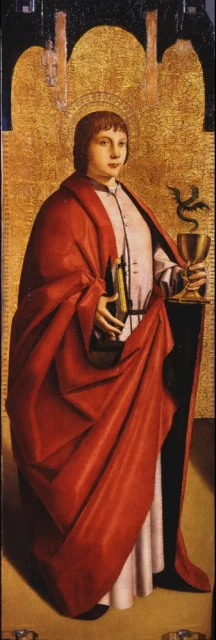 San Juan EvangelistaAntonello da Messina, 1470
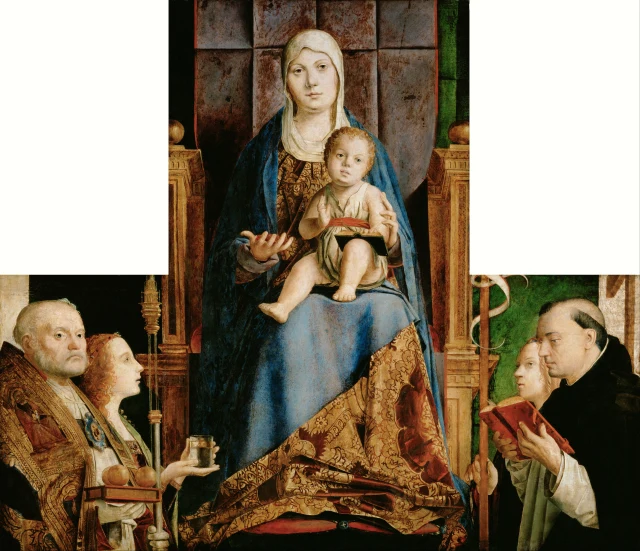 Retablo de San CasianoAntonello da Messina, 1475
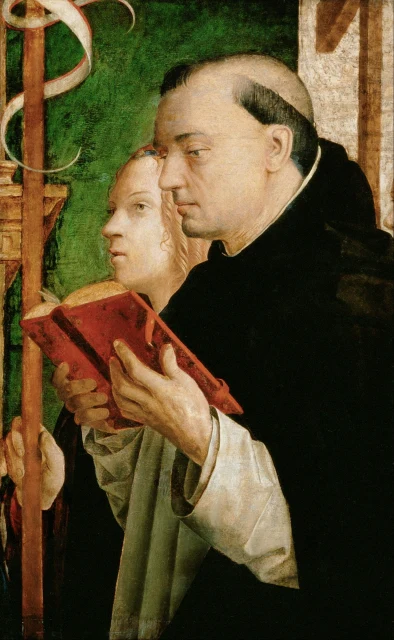 Retablo de San Casiano: santo Domingo (fragmento derecho)Antonello da Messina, 1475
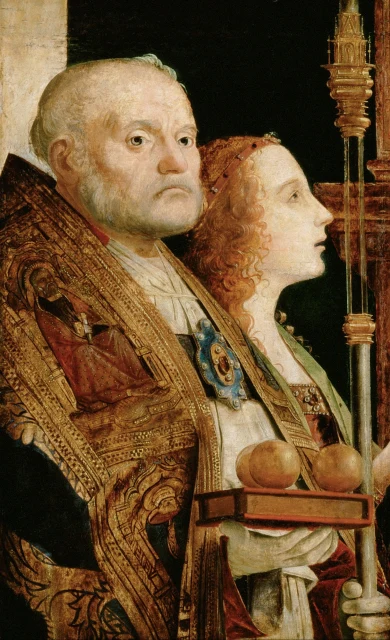 Retablo de San Casiano: san Nicolás de Bari (fragmento izquierdo)Antonello da Messina, 1475
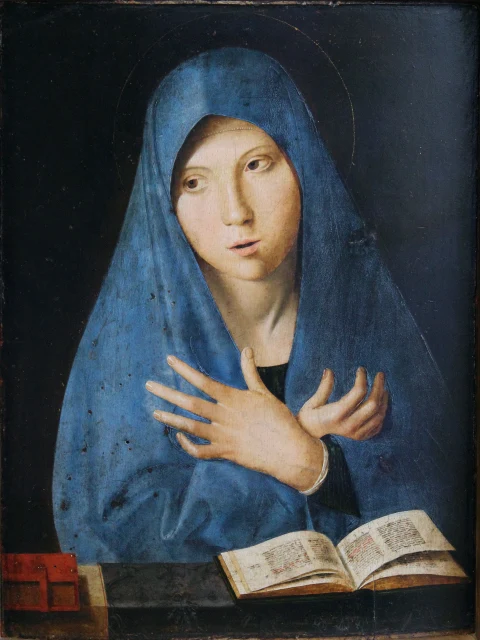 Virgen de la AnunciaciónAntonello da Messina, 1473