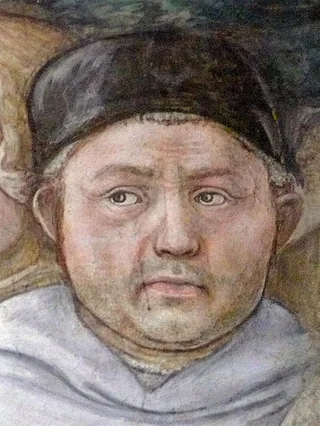
Filippo Lippi
1469 · República de Florencia · Renacimiento
La historia
Filippo Lippi fue un fraile que no dejaba de olvidar que era fraile. Huérfano desde niño en Florencia, lo internaron en el convento carmelita del Carmine, donde de muchacho pudo ver a Masaccio pintar los frescos que estaban reinventando el arte florentino, figuras sólidas con peso real en un espacio real. Lippi tomó los votos, pero era pintor ante todo, y con el tiempo los Médici, la familia de banqueros que gobernaba Florencia, lo mantuvieron trabajando casi como artista privado.
Hacia 1456, mientras servía de capellán en un convento de Prato, conoció a una joven novicia llamada Lucrezia Buti y se la llevó de entre las monjas durante una procesión religiosa. El escándalo fue enorme. La pareja tuvo un hijo, Filippino, que llegó a ser un buen pintor por derecho propio, y según el biógrafo Vasari fue el propio Cosme de Médici quien acabó allanando las cosas y logró que a ambos los liberaran de sus votos.
A lo largo de todo ello Lippi pintó algunas de las Vírgenes más tiernas del siglo, jóvenes de rostro humano ante paisajes reales. Su discípulo más importante absorbió justo esa dulzura de línea: Sandro Botticelli, que la llevó a la generación siguiente. Lippi murió en 1469 en Spoleto, donde trabajaba en los frescos de la catedral.
Más artículos
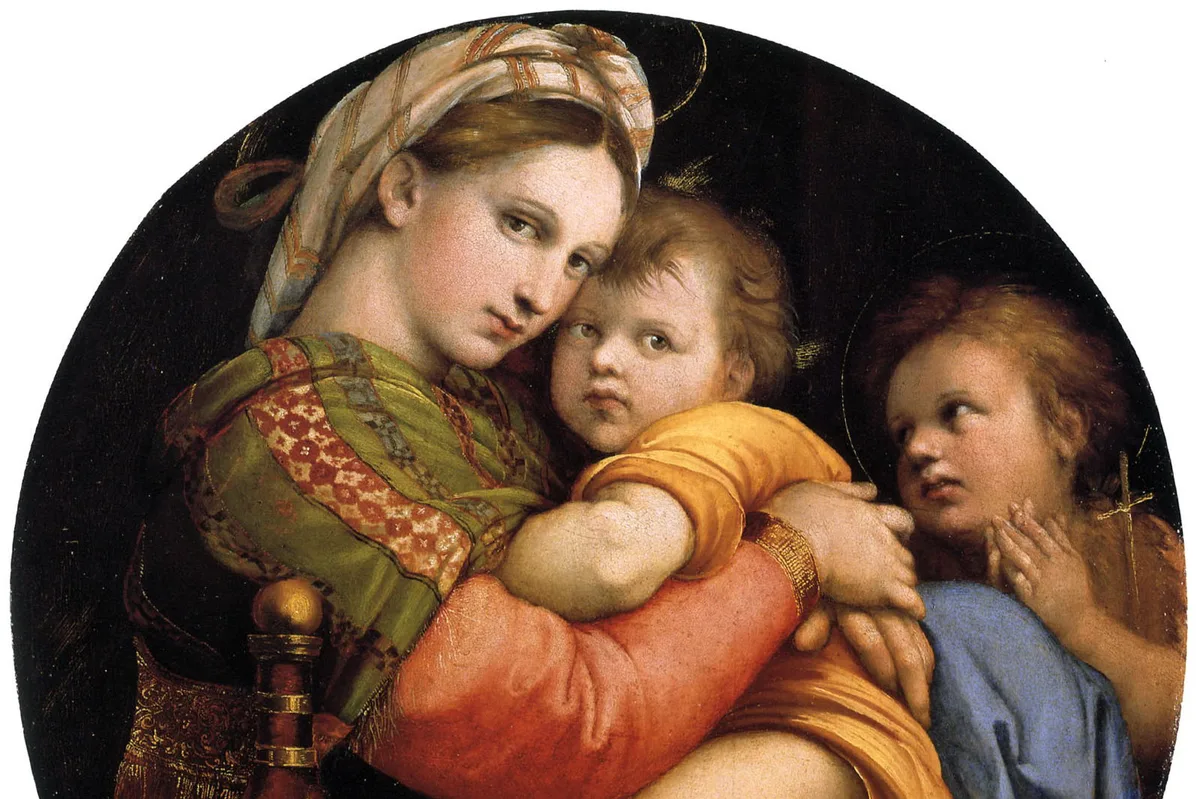
Obras
27 obras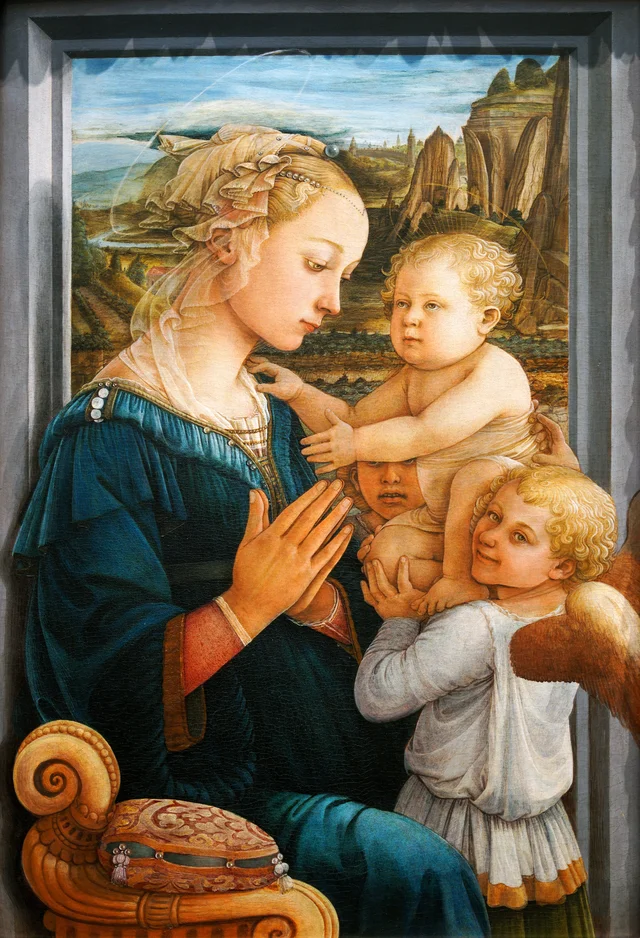 La Virgen con el NiñoFilippo Lippi, 1460
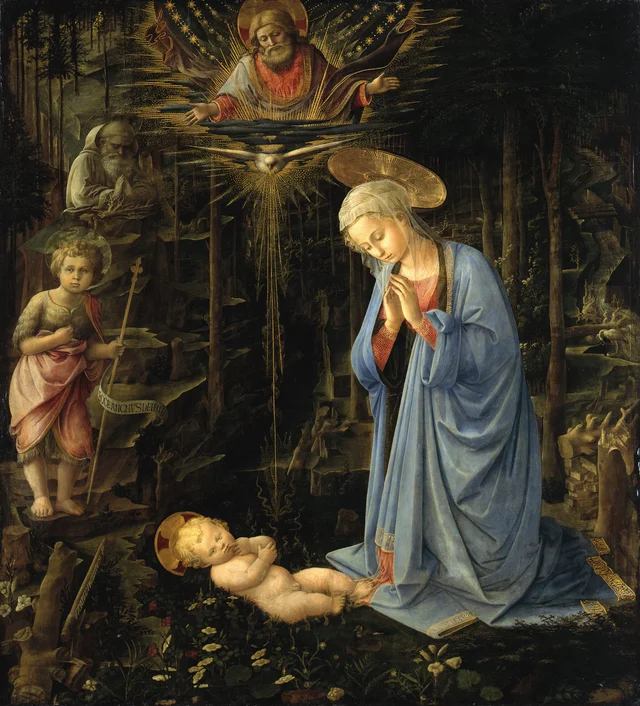 Adoración en el bosqueFilippo Lippi, 1459
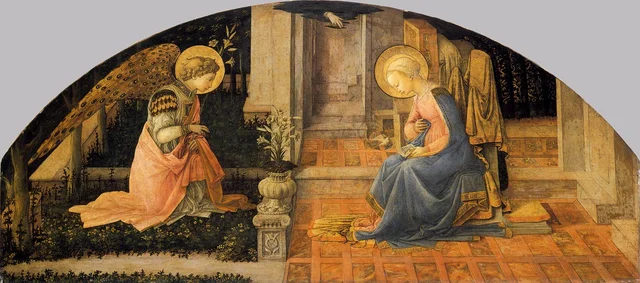 La AnunciaciónFilippo Lippi, 1450
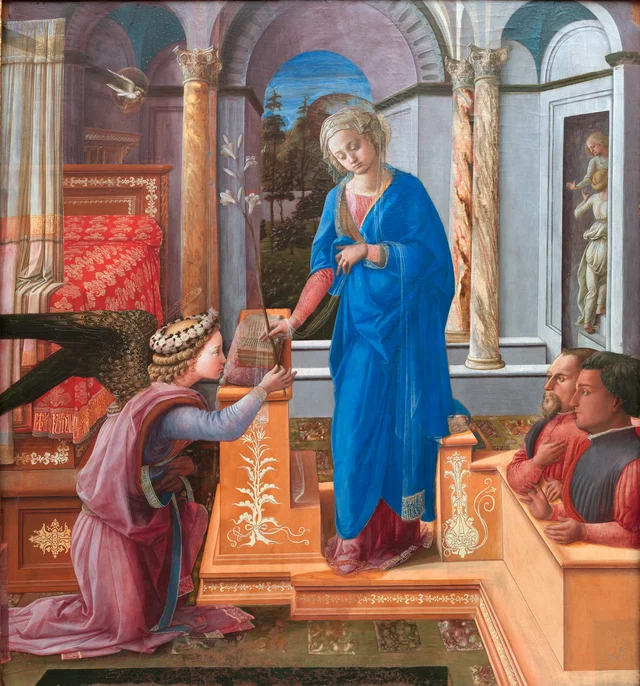 Anunciación con dos donantes arrodilladosFilippo Lippi, 1445
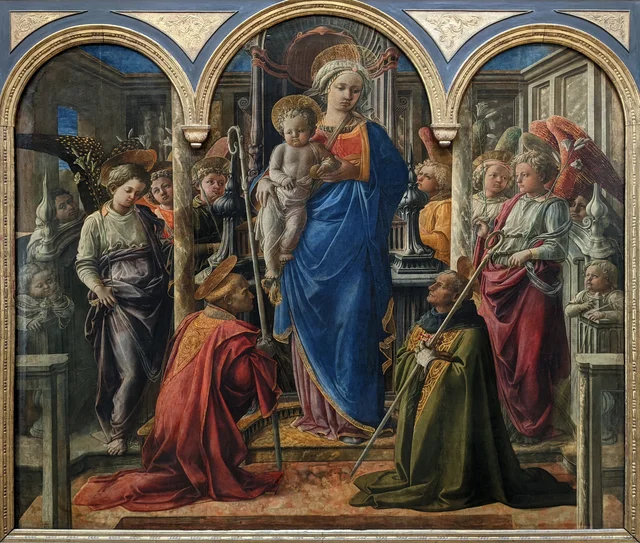 Retablo Barbadori y predelaFilippo Lippi, 1437
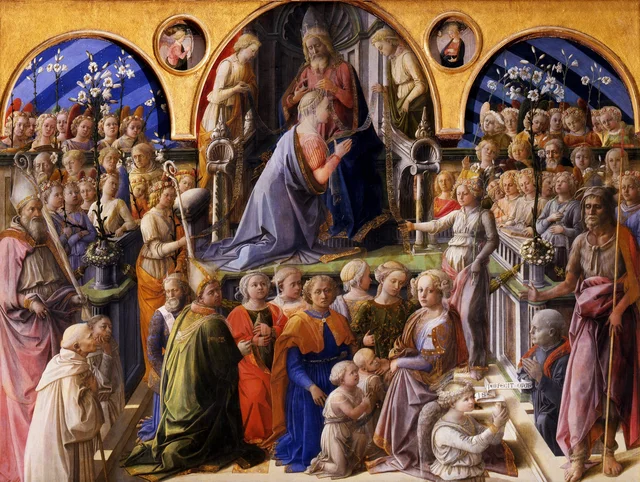 La coronación de la VirgenFilippo Lippi, 1441
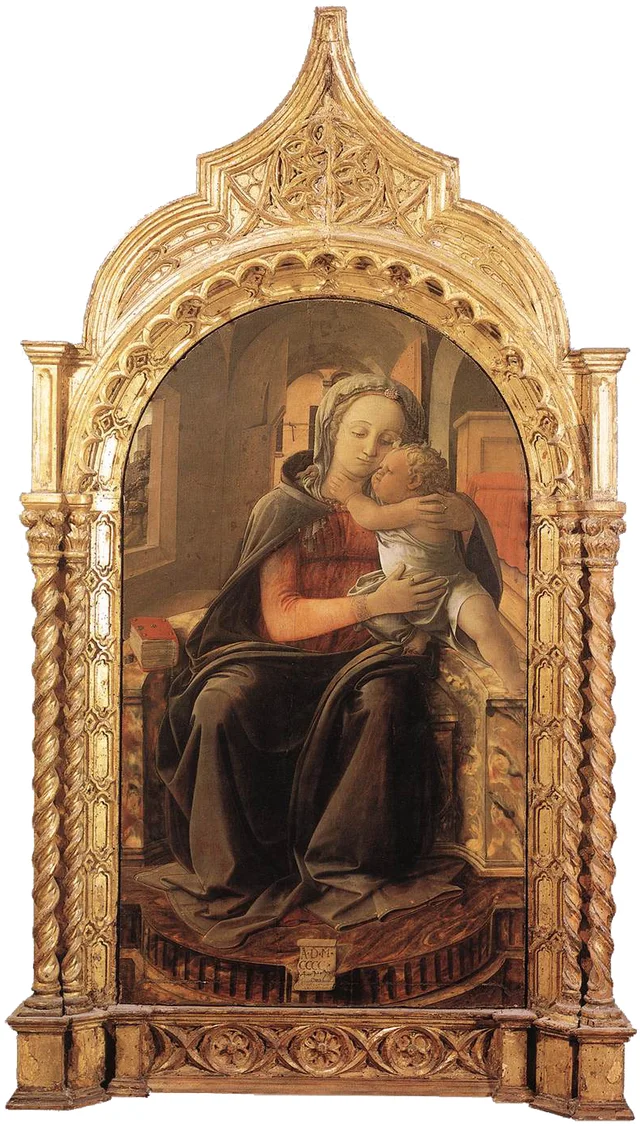 Virgen con el Niño entronizadaFilippo Lippi, 1437
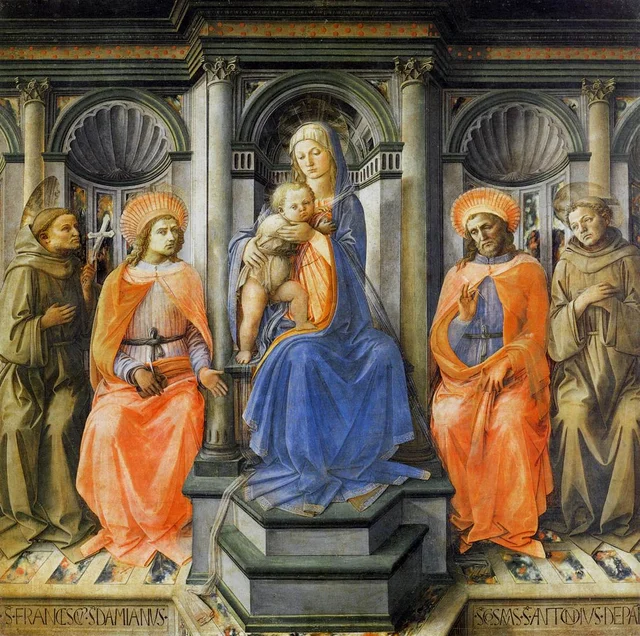 La Virgen y el Niño con los santos Francisco, Damián, Cosme y Antonio de PaduaFilippo Lippi, 1440
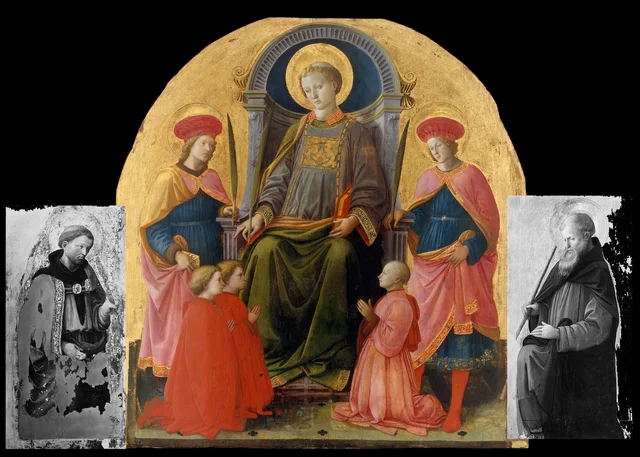 San Lorenzo entronizado con santos y donantesFilippo Lippi, 1453
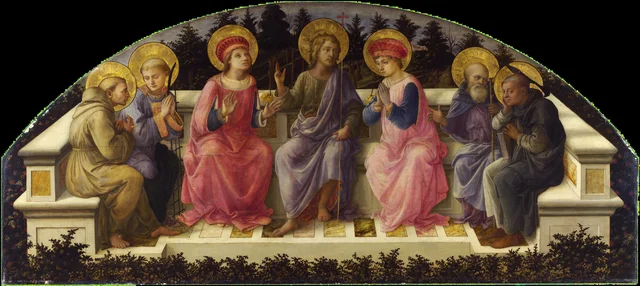 Siete santosFilippo Lippi, 1449
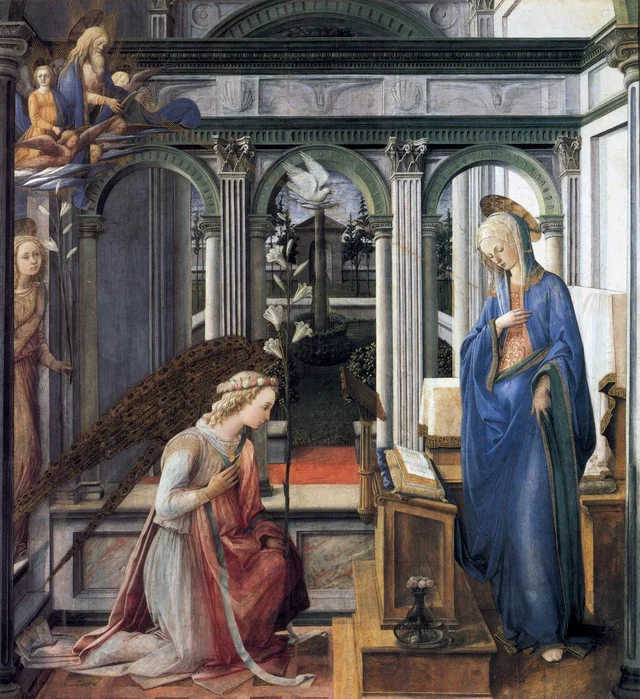 La AnunciaciónFilippo Lippi, 1447
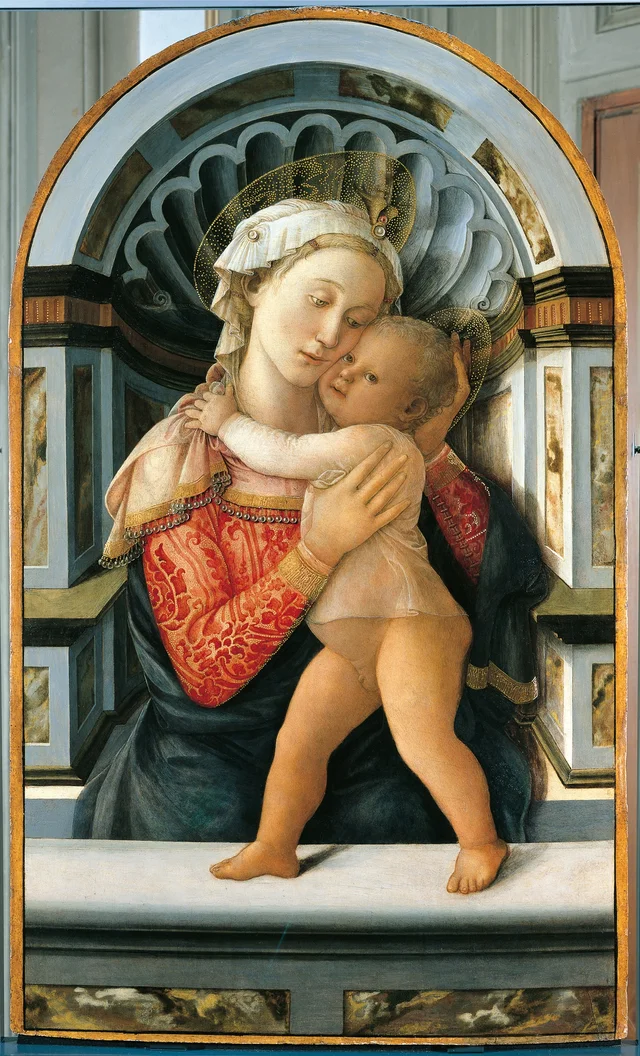 Virgen del Palacio Medici-RiccardiFilippo Lippi, 1466
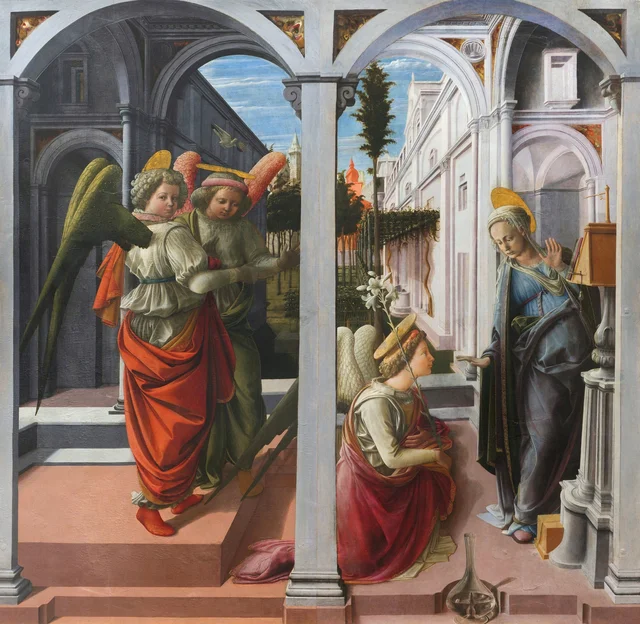 Anunciación MartelliFilippo Lippi, 1445
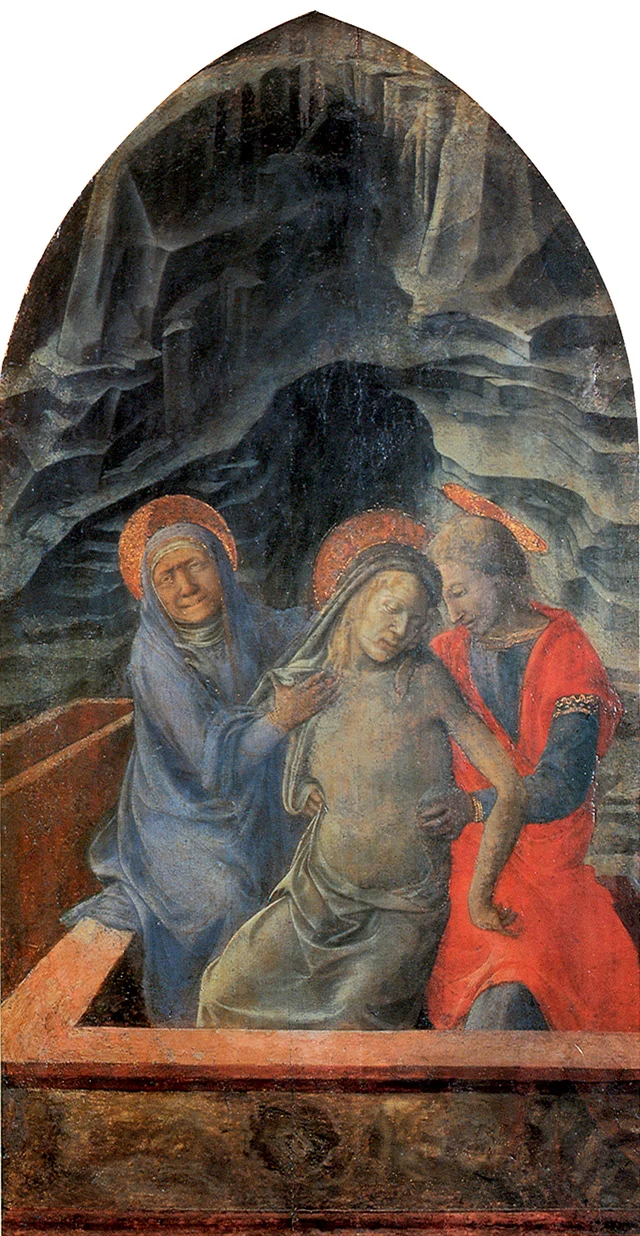 PiedadFilippo Lippi, 1437
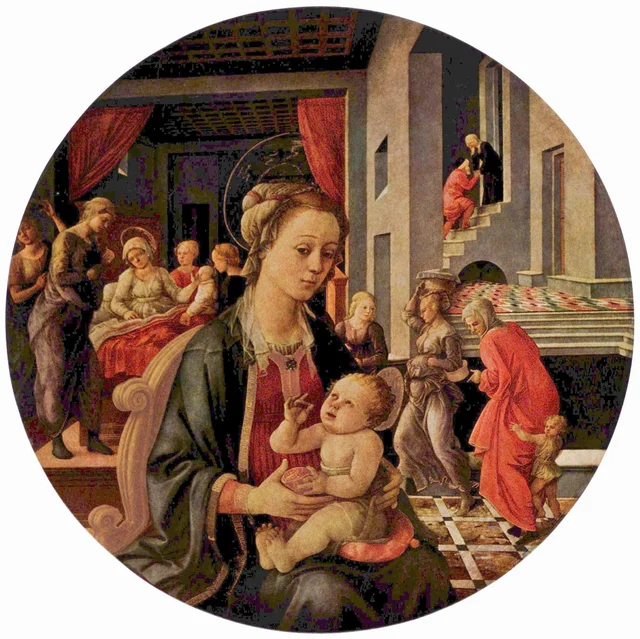 Virgen con el Niño y escenas de la vida de santa AnaFilippo Lippi, 1452
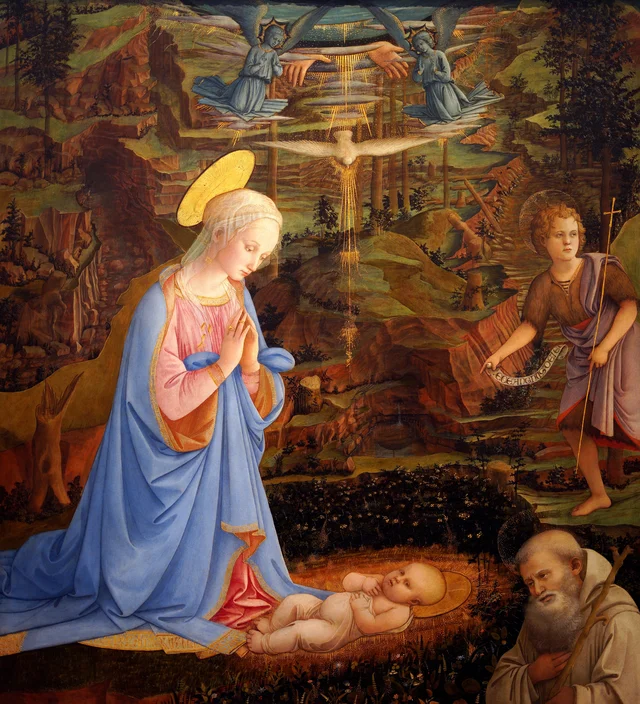 Adoración de CamaldoliFilippo Lippi, 1463
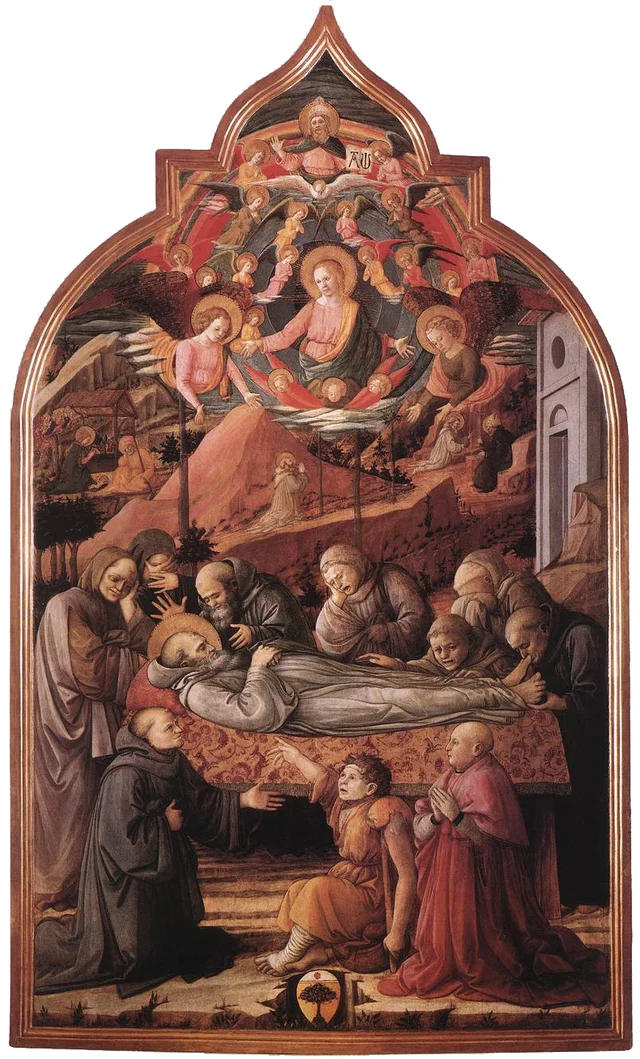 Funerales de san JerónimoFilippo Lippi, 1452
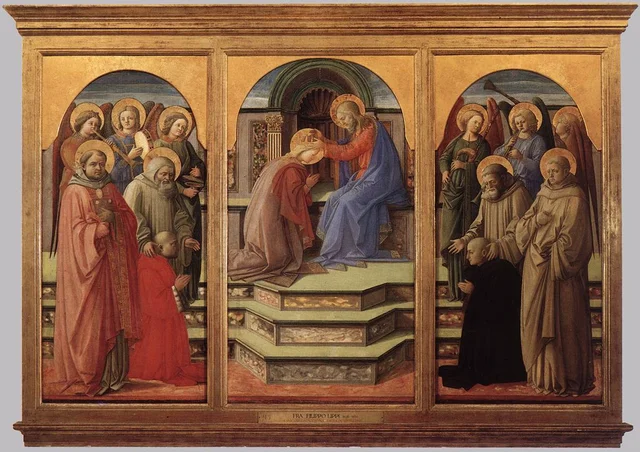 Coronación MarsuppiniFilippo Lippi, 1444
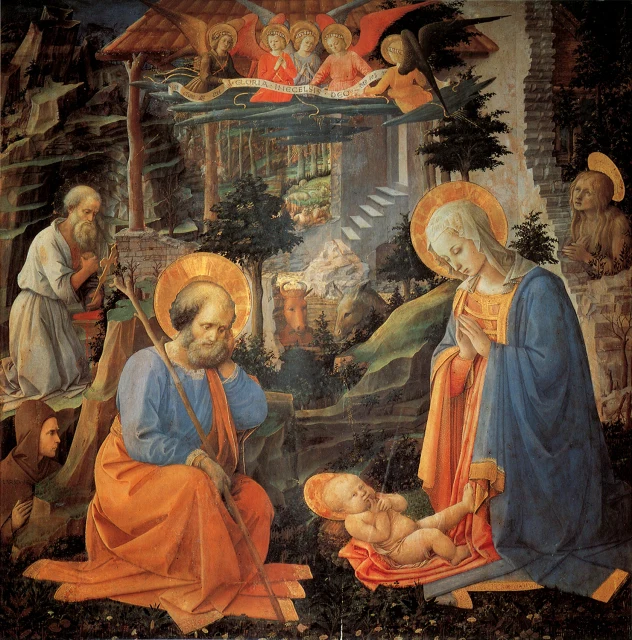 Adoración del Niño con los santos José, Jerónimo, Hilarión, Magdalena y ángelesFilippo Lippi, 1455
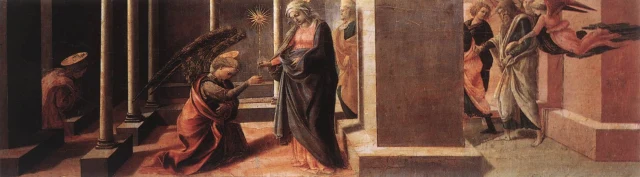 El anuncio de la muerte de la VirgenFilippo Lippi, 1438
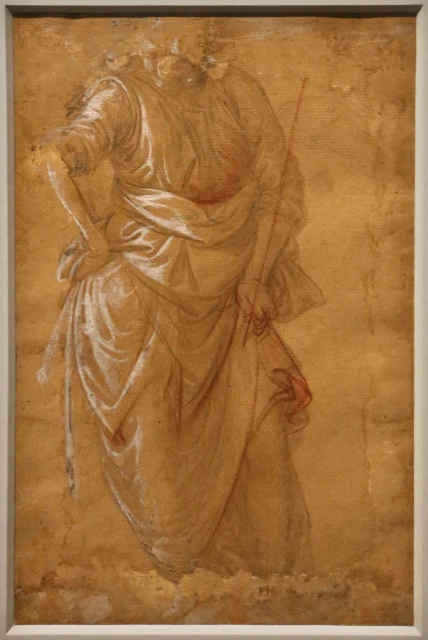 Estudio de figuraFilippo Lippi, 1464
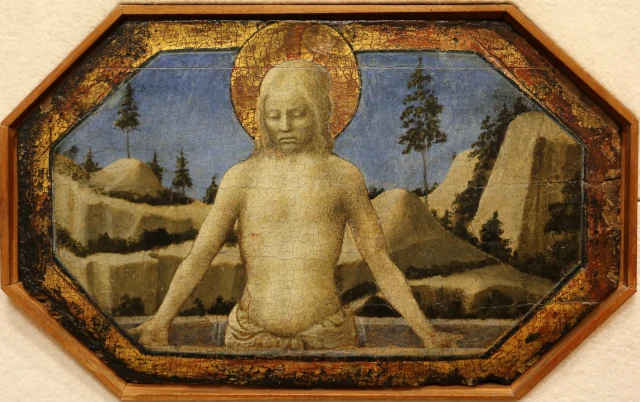 Varón de doloresFilippo Lippi
 Predela del retablo BarbadoriFilippo Lippi, 1438
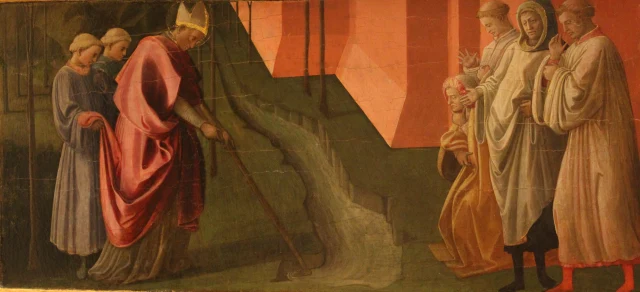 San Frediano desvía el curso del SerchioFilippo Lippi, 1438