
John Singer Sargent
1856–1925 · Estados Unidos · Impresionismo
La historia
En 1884, Sargent pidió a una mundana parisina nacida en Luisiana, Virginie Gautreau, que posara para un retrato, no como encargo sino porque quería pintarla: la piel pálida, un perfil por el que era célebre y un vestido negro con un tirante enjoyado deslizándose de un hombro. Cuando se expuso en el Salón como Retrato de Mme***, todo París sabía exactamente de quién se trataba, y el tirante caído se leyó como una franca admisión de los amoríos que ya se le rumoreaban. La reacción fue brutal. Un crítico la llamó payasa de pantomima, y la madre de Gautreau, según se cuenta, acudió llorando al estudio de Sargent para rogarle que lo retirara.
Sargent volvió a pintar el tirante sobre su hombro, pero el daño a su reputación en París ya estaba hecho, y en menos de un año se marchó a Londres. Allí reconstruyó su carrera casi de la nada, pintando a la aristocracia británica y a acaudalados expatriados estadounidenses, y hacia la década de 1890 era el retratista más solicitado del mundo angloparlante.
Conservó el Madame X original en su propio estudio durante décadas, negándose a venderlo o a exhibirlo en público, y solo lo cedió al Museo Metropolitano de Nueva York en 1916, diciendo que era lo mejor que había pintado nunca.
Más artículos
Obras
137 obras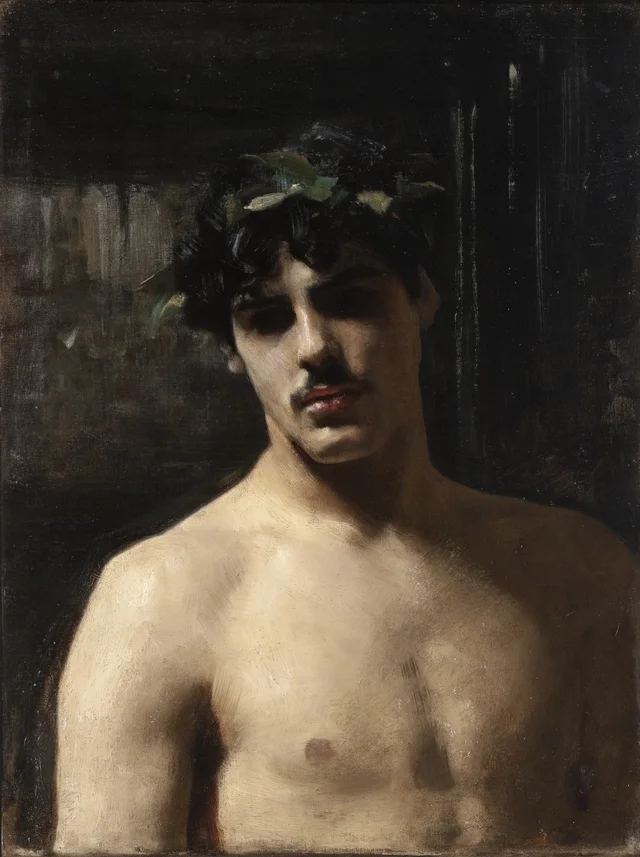 Hombre con laurelesJohn Singer Sargent, 1877
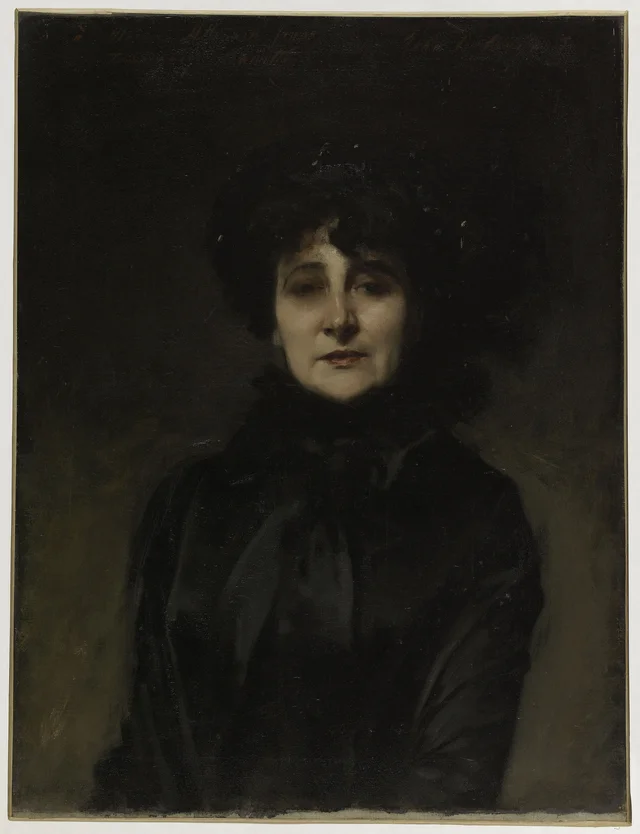 Sra. Emma-Marie Allouard-JouanJohn Singer Sargent, 1882
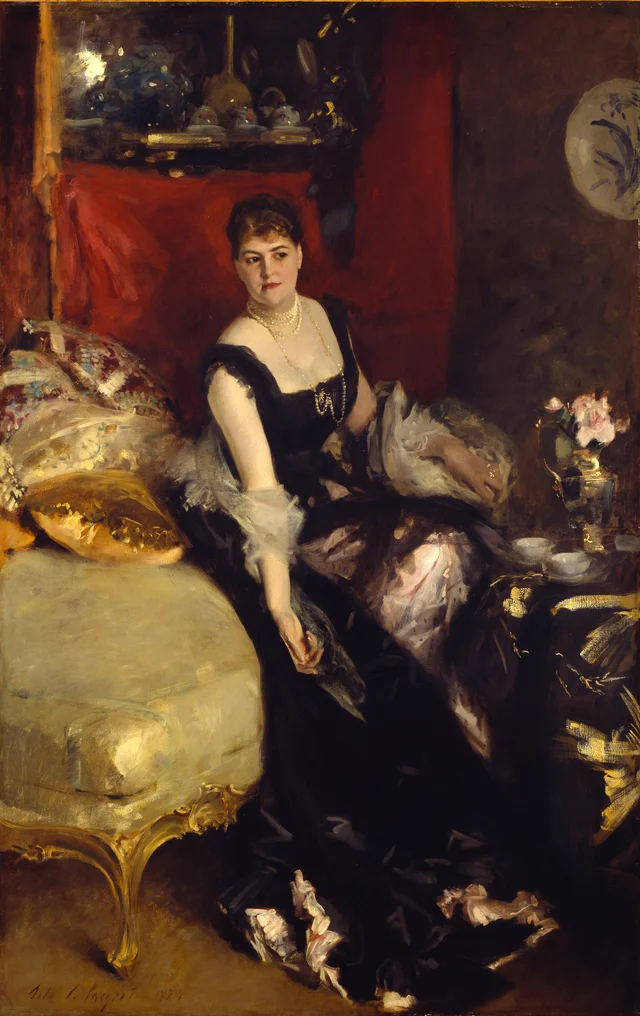 La señora Kate A. MooreJohn Singer Sargent, 1884
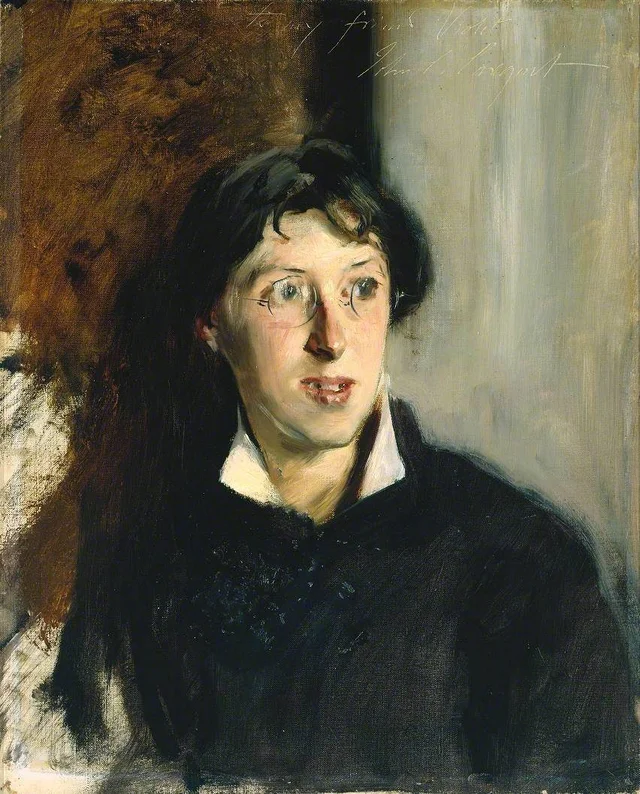 Retrato de Vernon LeeJohn Singer Sargent, 1881
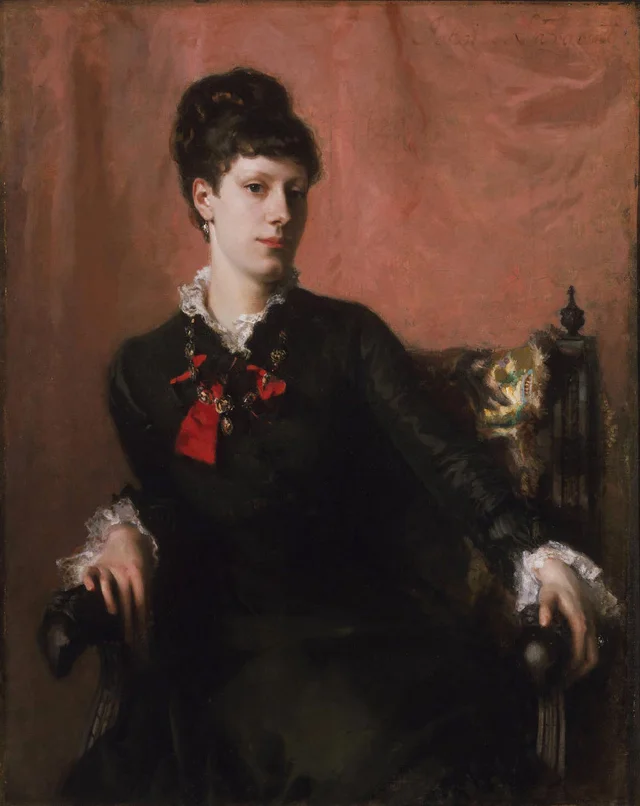 Retrato de Frances Sherborne Ridley WattsJohn Singer Sargent, 1877
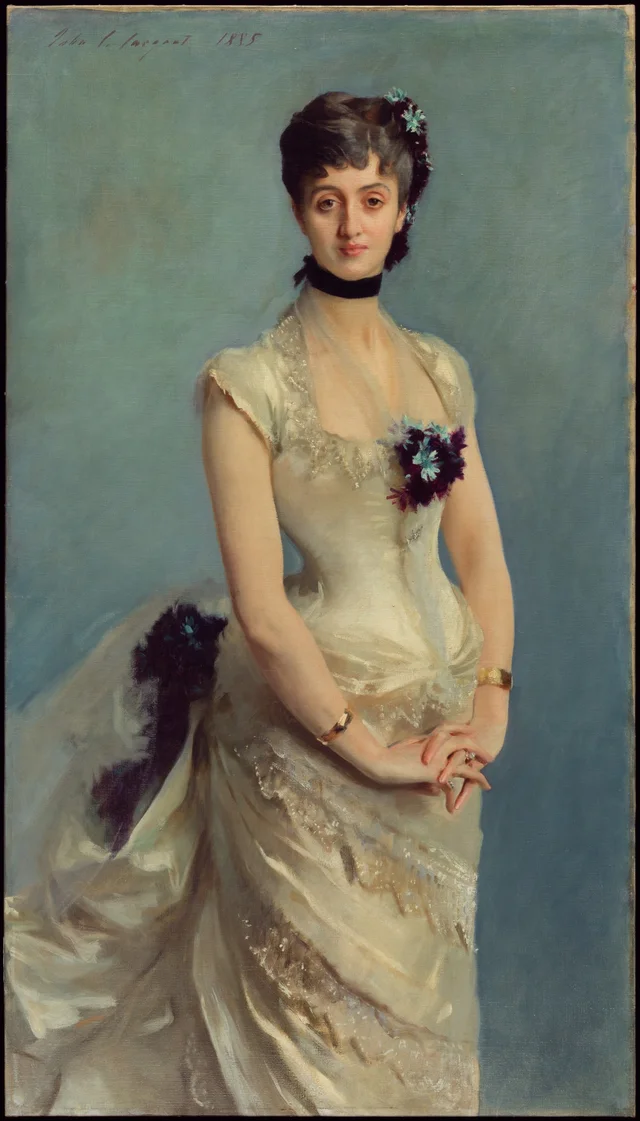 Retrato de Madame Paul PoirsonJohn Singer Sargent, 1885
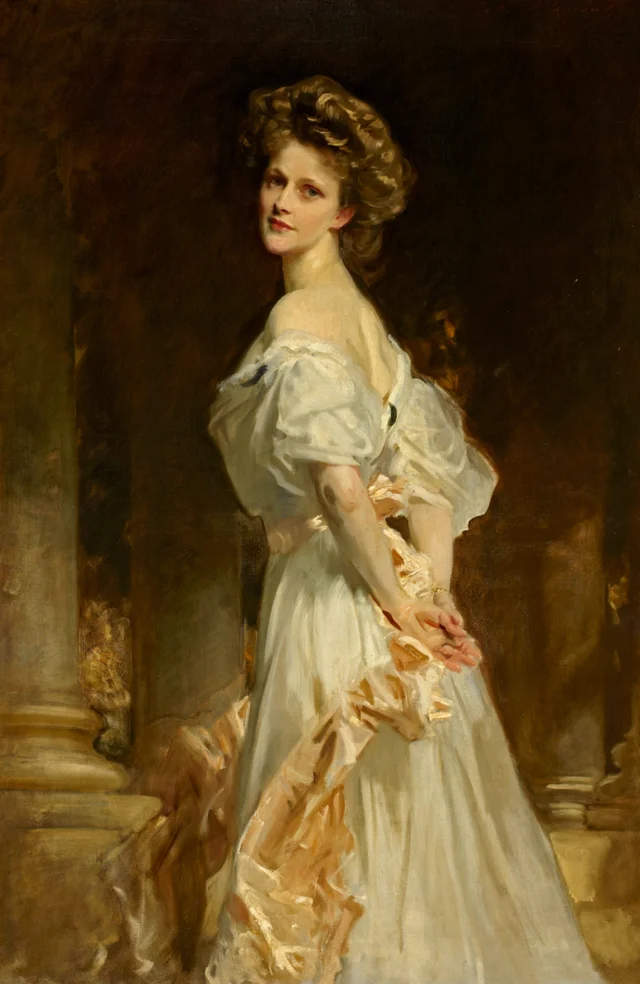 Retrato de Nancy AstorJohn Singer Sargent, 1908
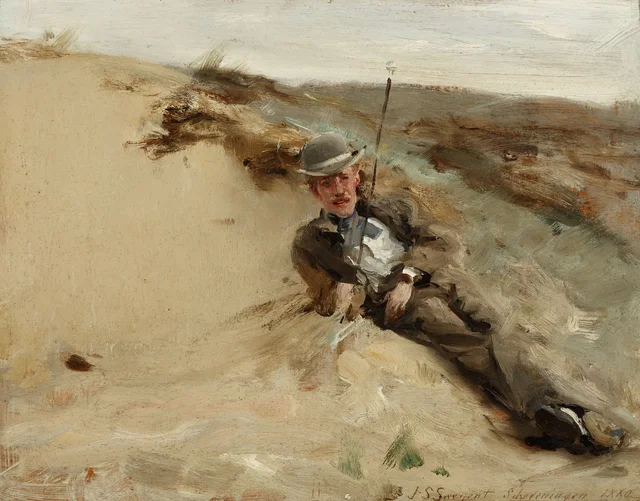 Retrato de Ralph Curtis en la playa de ScheveningenJohn Singer Sargent, 1880
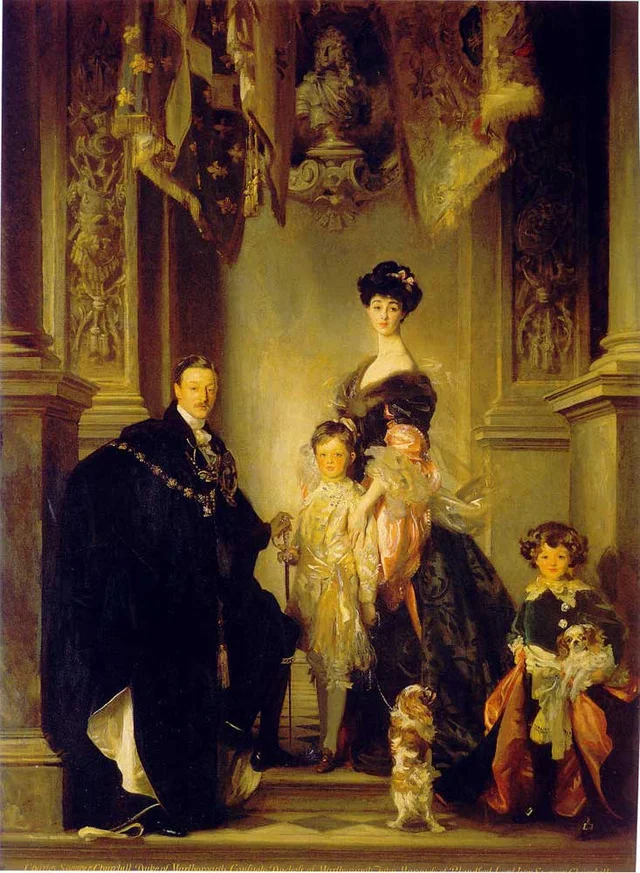 Retrato del noveno duque de Marlborough con su familiaJohn Singer Sargent, 1905
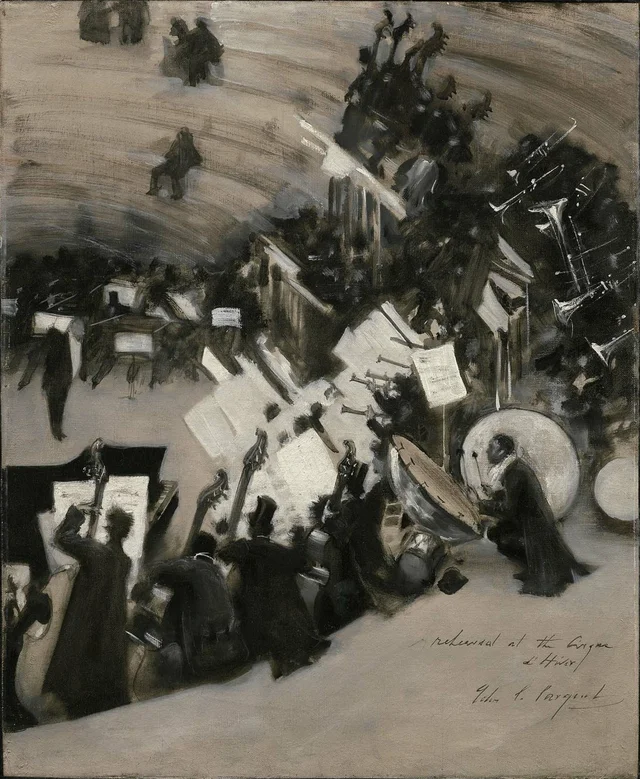 Ensayo de la orquesta Pasdeloup en el Cirque d'HiverJohn Singer Sargent, 1879
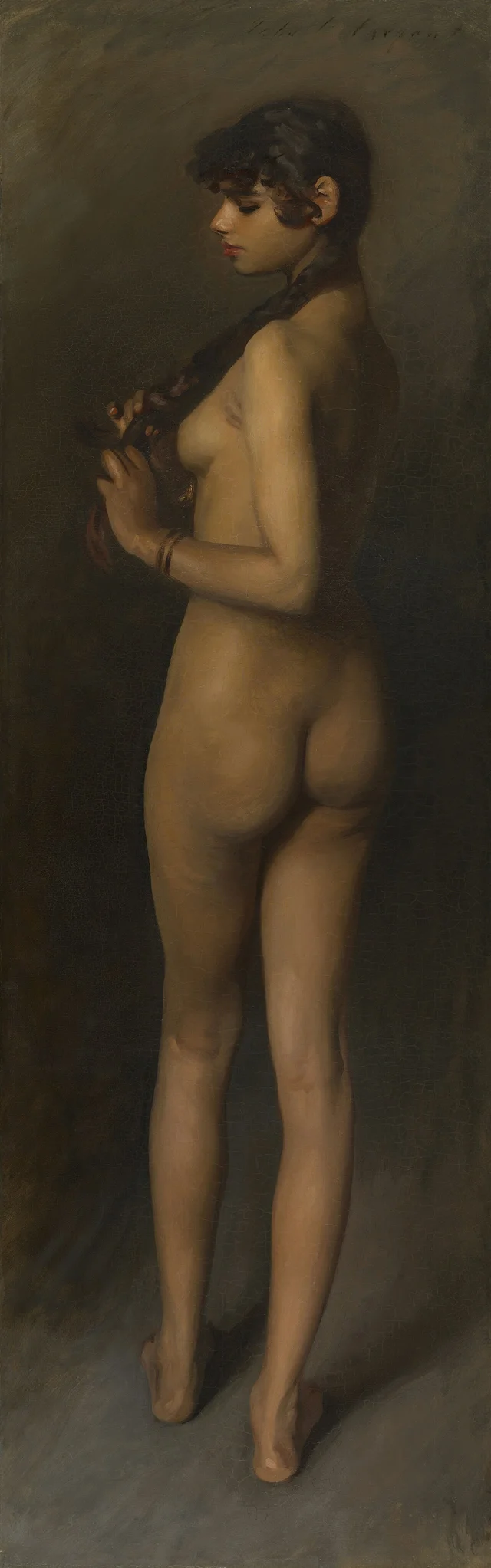 Estudio del naturalJohn Singer Sargent, 1891
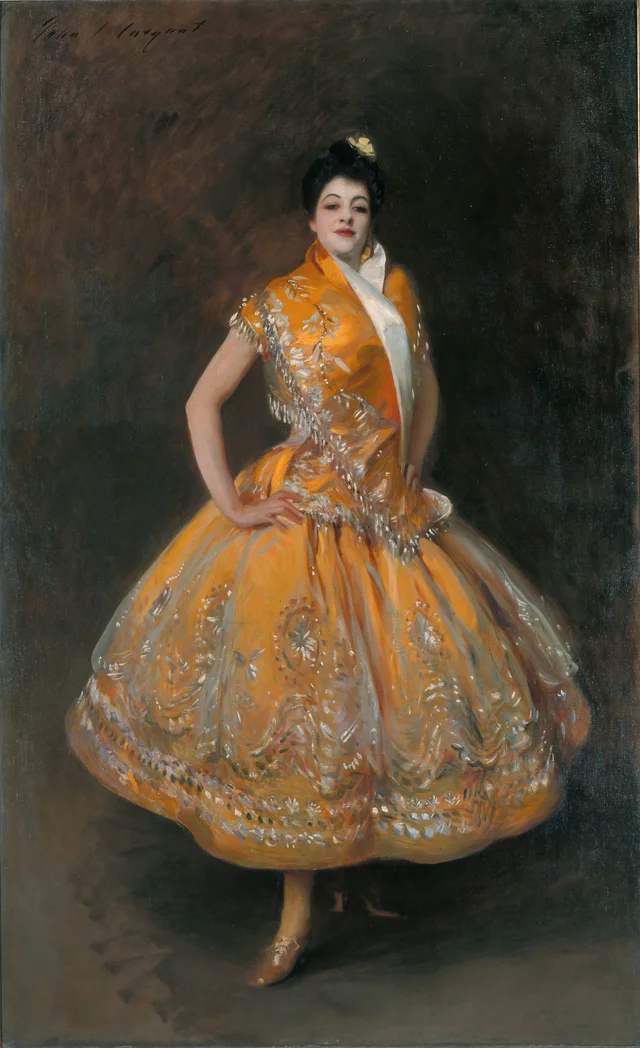 La CarmencitaJohn Singer Sargent, 1890
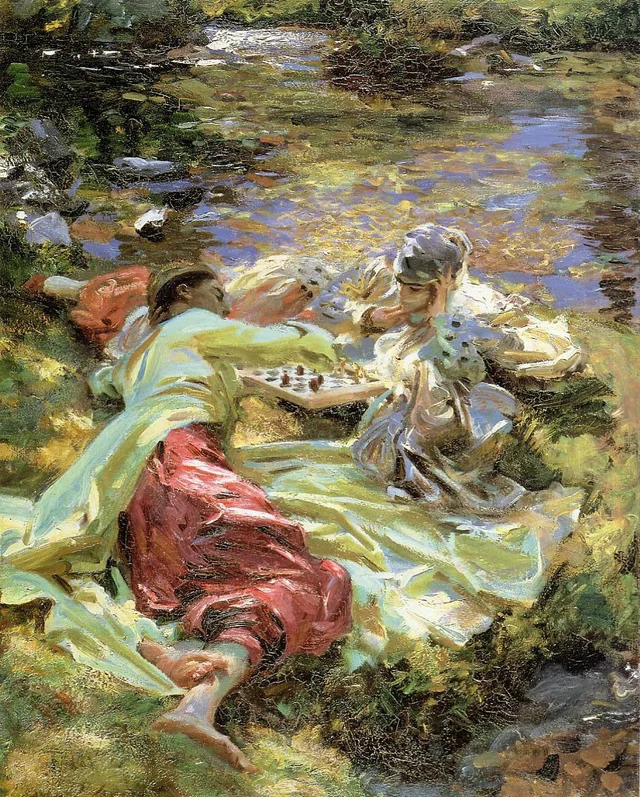 La partida de ajedrezJohn Singer Sargent, 1907
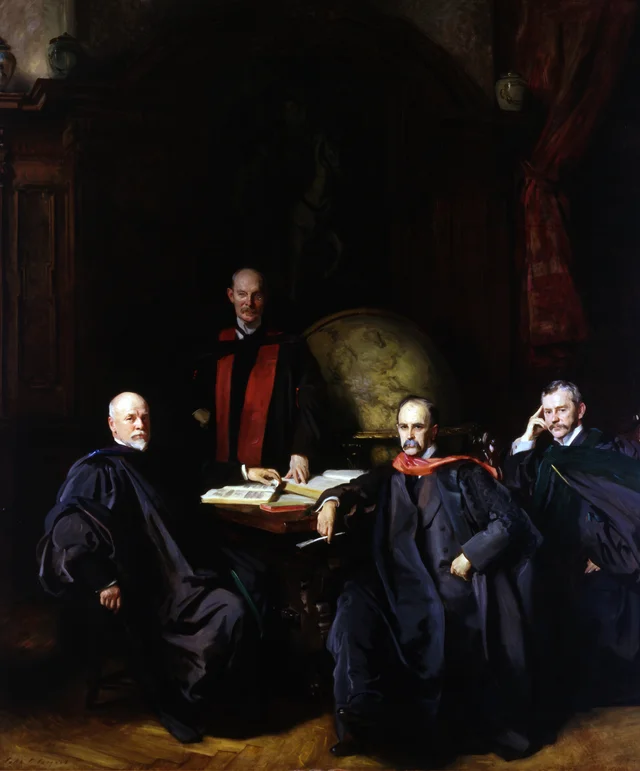 Los cuatro doctoresJohn Singer Sargent, 1906
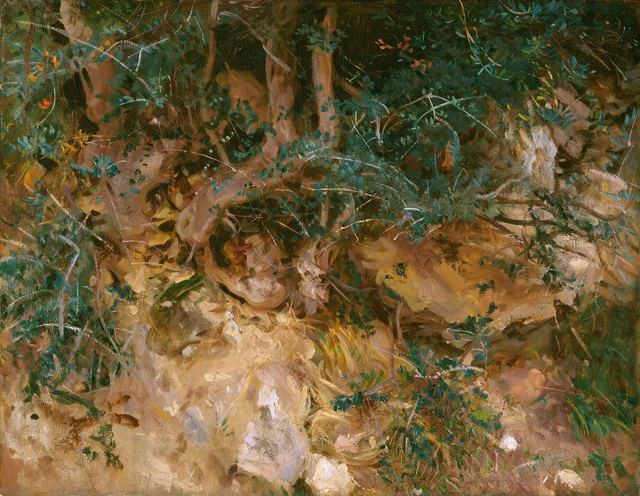 Valldemosa, Mallorca: cardos y hierba en una laderaJohn Singer Sargent, 1908
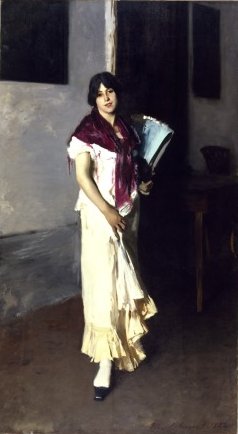 Una venecianaJohn Singer Sargent, 1882
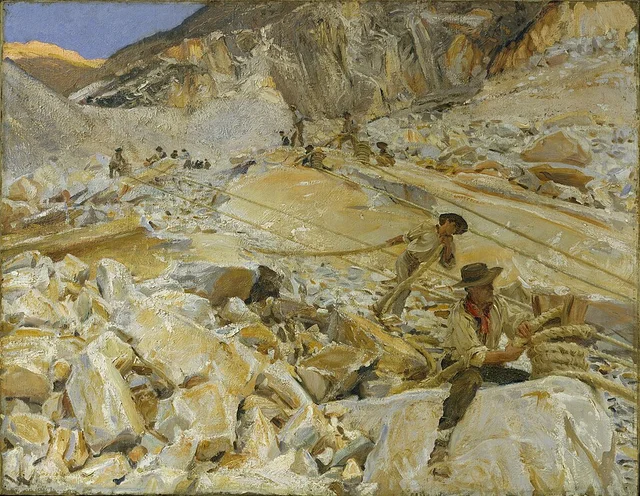 Bajando mármol de las canteras a CarraraJohn Singer Sargent, 1911
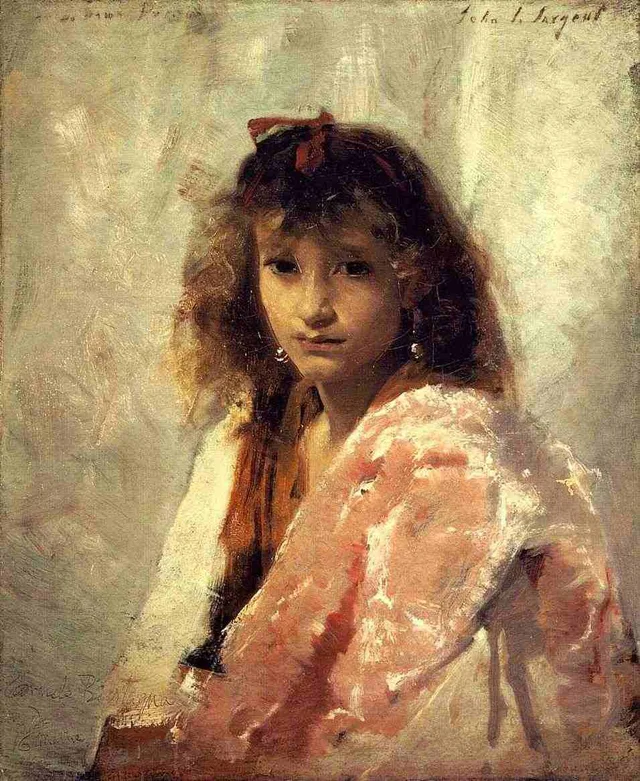 Carmela BertagnaJohn Singer Sargent, 1880
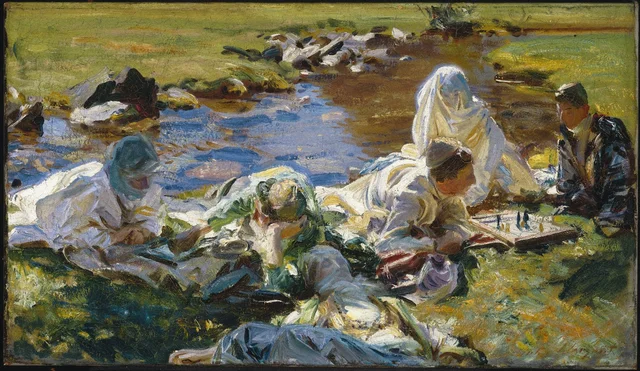 Dolce Far NienteJohn Singer Sargent, 1907
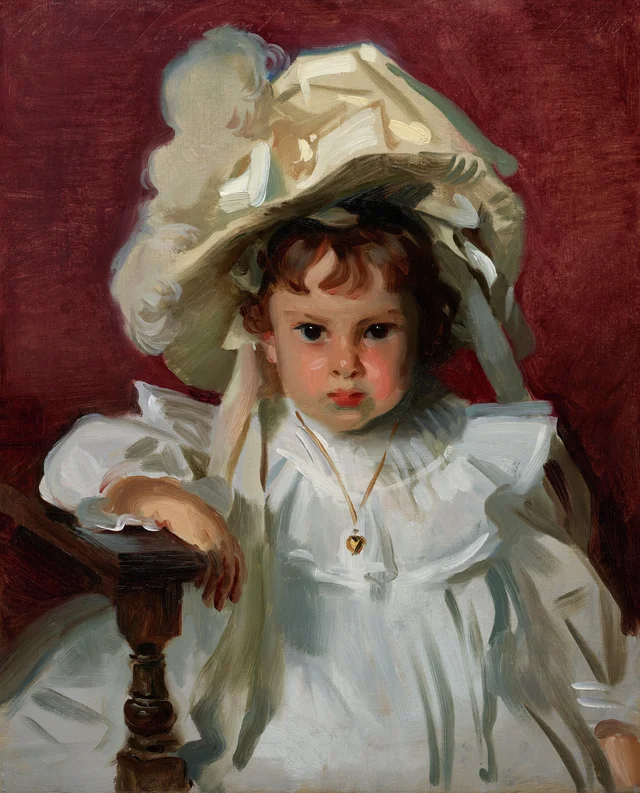 DorothyJohn Singer Sargent, 1900
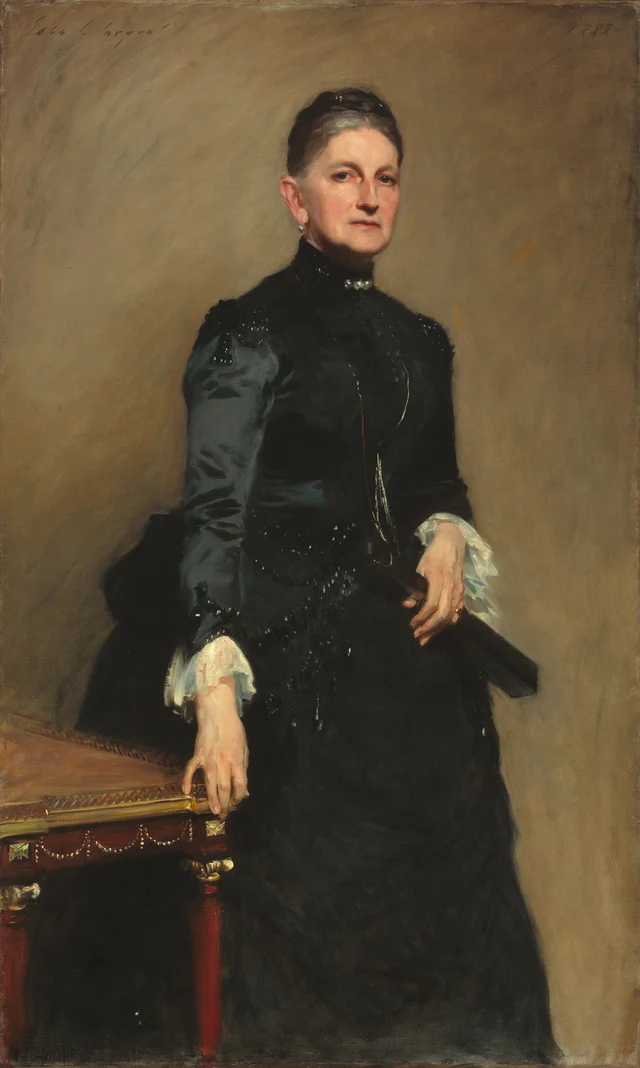 Eleanora O'Donnell Iselin (Sra. de Adrian Iselin)John Singer Sargent, 1888
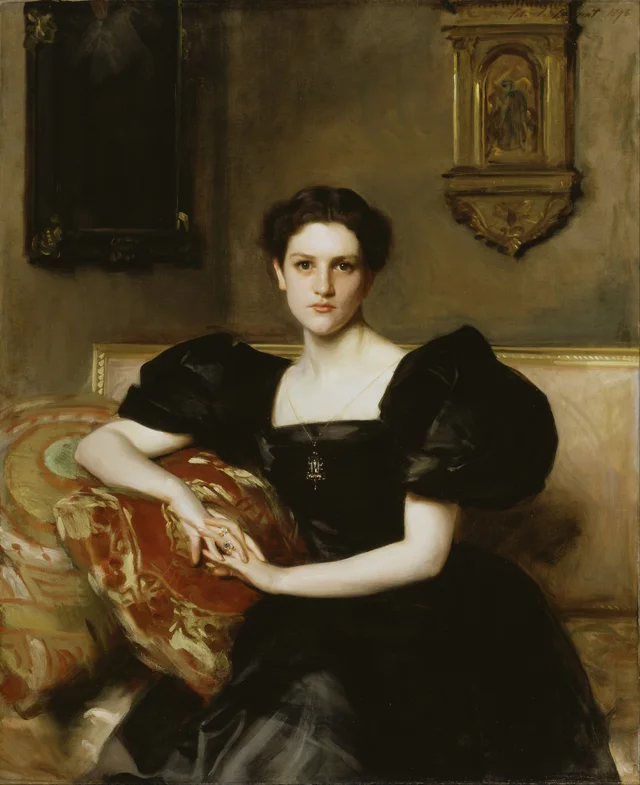 Elizabeth Winthrop Chanler (Sra. de John Jay Chapman)John Singer Sargent, 1893
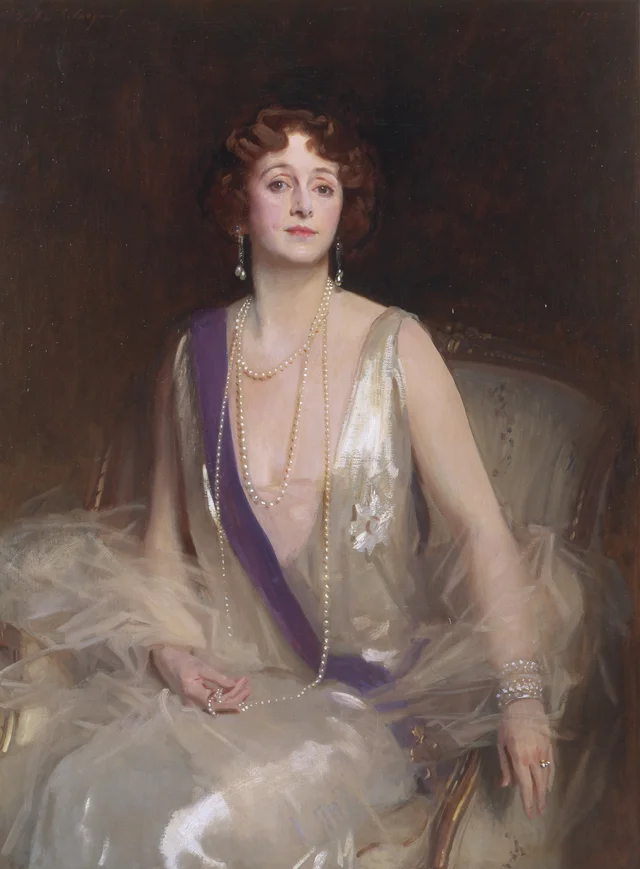 Grace Elvina, marquesa Curzon de KedlestonJohn Singer Sargent, 1925
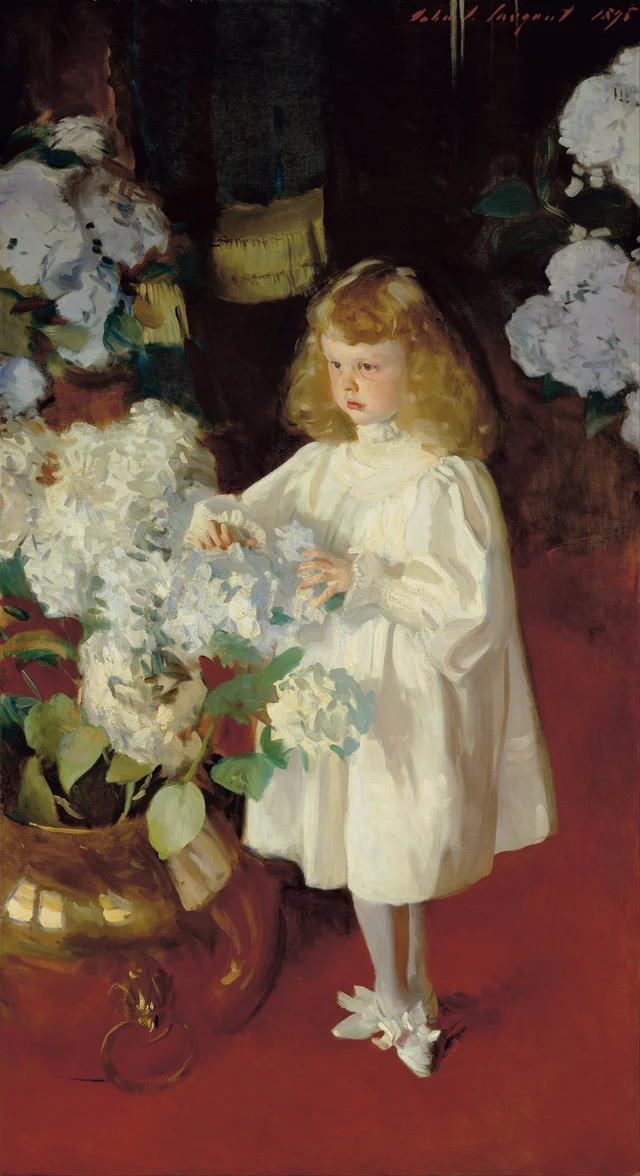 Helen SearsJohn Singer Sargent, 1895
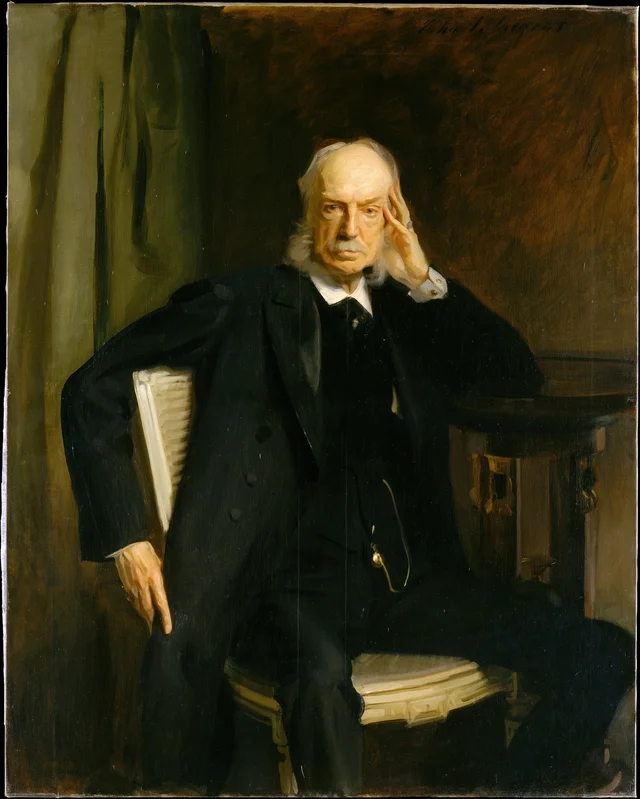 Henry G. MarquandJohn Singer Sargent, 1897