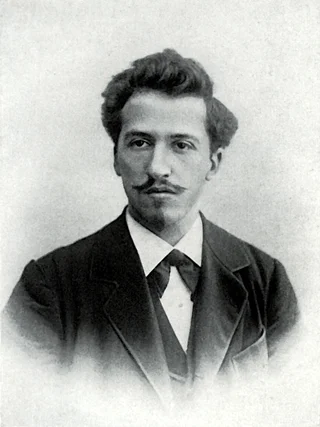
Piet Mondrian
1872–1944 · Reino de los Países Bajos · De Stijl, Postimpresionismo
La historia
En 1912 Mondrian dejó Holanda por París, entonces la capital del arte nuevo, y se topó de lleno con el cubismo. Picasso y Braque estaban descomponiendo los objetos en planos, y Mondrian tomó su retícula de líneas rectas pero la llevó más lejos de lo que ninguno de los dos estaba dispuesto a llegar. Siguió aplanando sus árboles y sus fachadas de iglesias hasta que el motivo desapareció por completo y solo quedaron horizontales, verticales y bloques de color.
A principios de los años veinte había reducido su paleta a tres colores, rojo, amarillo y azul, más el negro, el blanco y el gris, y a dos direcciones, vertical y horizontal. Lo llamó neoplasticismo y construyó a su alrededor toda una filosofía junto con el grupo neerlandés De Stijl, convencido de que esos elementos desnudos podían transmitir una armonía universal que los cuadros de cosas reales no podían alcanzar. Durante 20 años pintó poco más, ajustando el grosor de una línea negra o el tamaño de un cuadrado rojo sobre un campo blanco.
Luego la guerra lo obligó a huir. Pasó dos años en Londres y, en 1940, con los bombardeos cada vez más cerca, zarpó hacia Nueva York a los 67 años. La ciudad deshizo su severidad: se aficionó al boogie-woogie y al ritmo de semáforos de Manhattan, y sustituyó su pesada retícula negra por hileras de pequeños cuadrados de color en movimiento. Todavía estaba reelaborando ese estilo tardío, en un lienzo que llamó Victory Boogie Woogie, cuando murió de neumonía a principios de 1944.
Más artículos
Obras
112 obras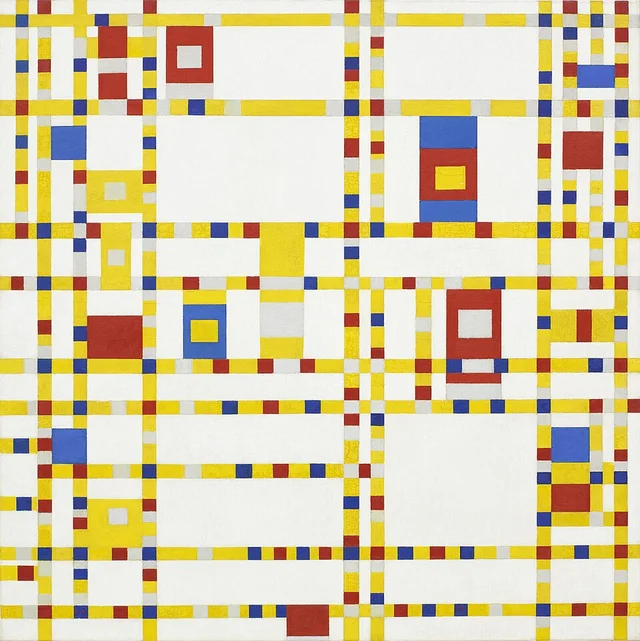 Broadway Boogie WoogiePiet Mondrian, 1942
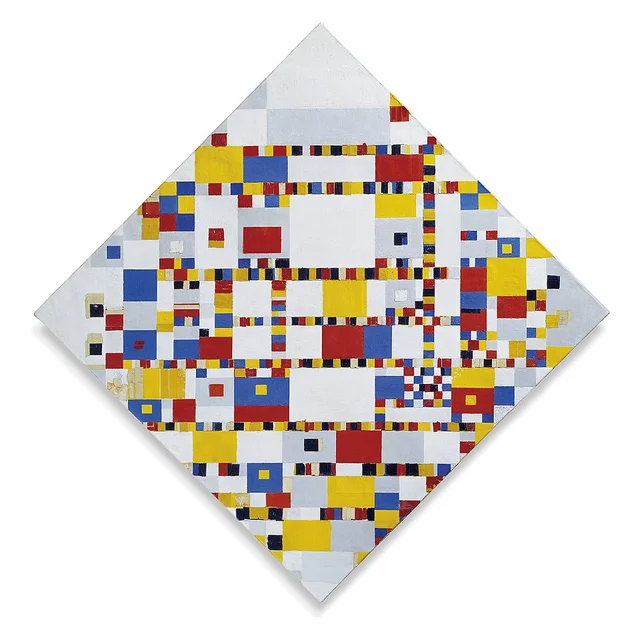 Victory Boogie WoogiePiet Mondrian, 1942
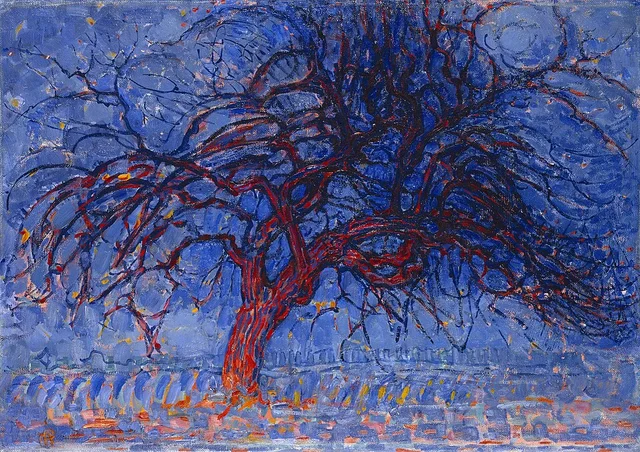 El árbol rojoPiet Mondrian, 1909
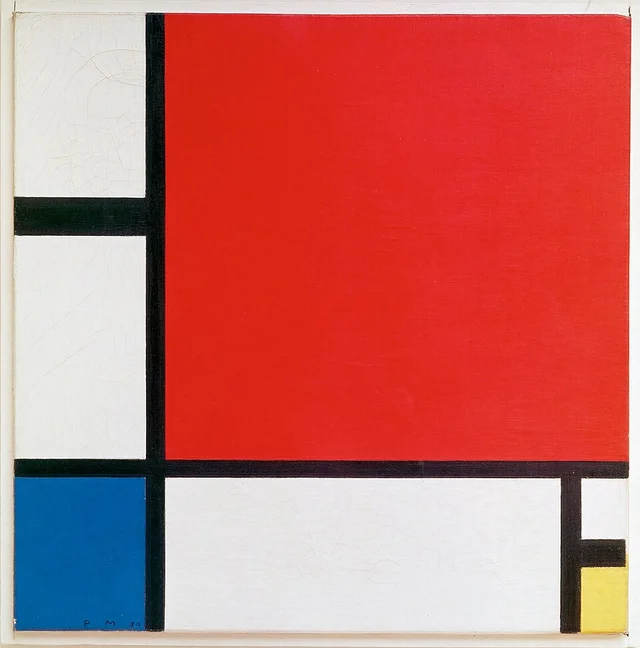 Composición II en rojo, azul y amarilloPiet Mondrian, 1930
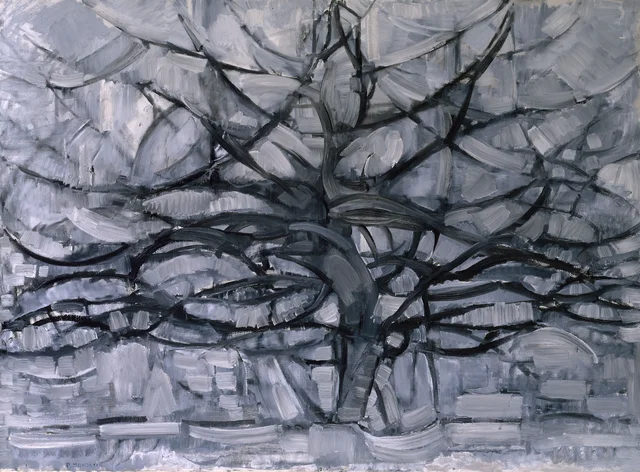 Árbol grisPiet Mondrian, 1911
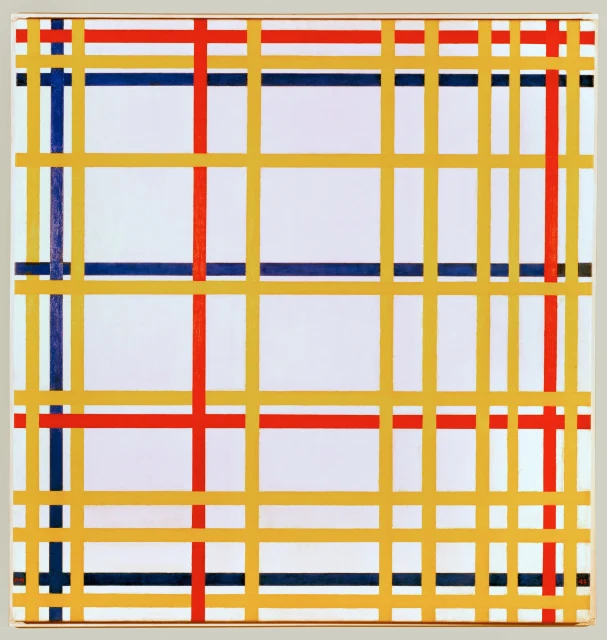 Nueva YorkPiet Mondrian, 1942
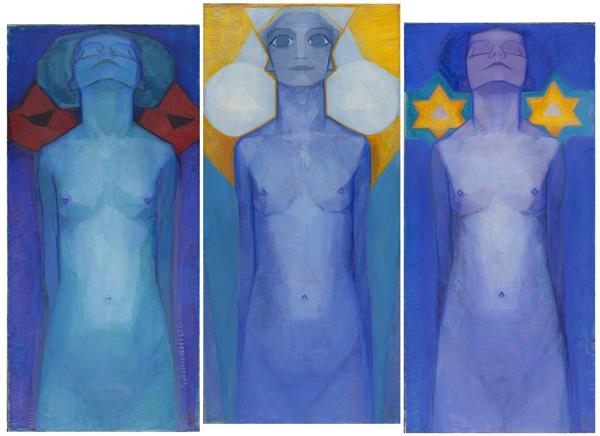 EvoluciónPiet Mondrian, 1911
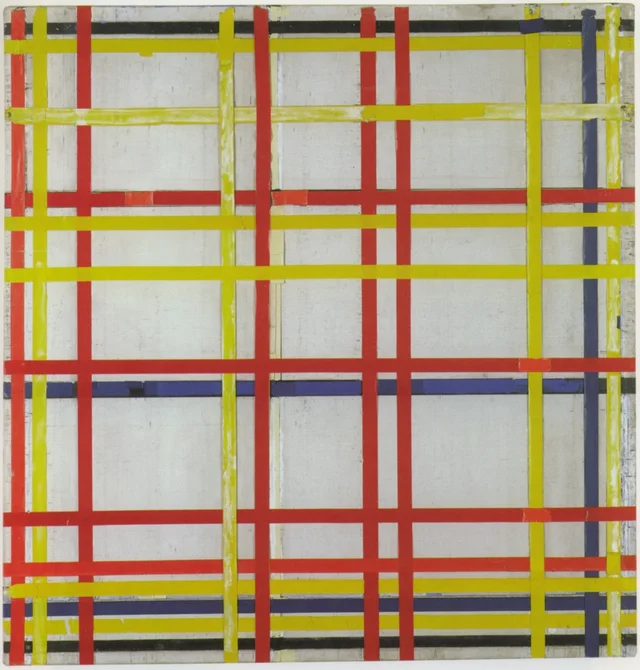 New York City IPiet Mondrian, 1941
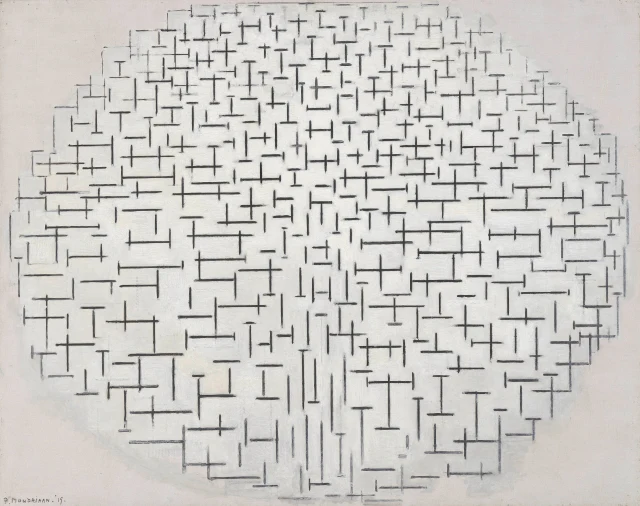 Composición 10 en blanco y negroPiet Mondrian, 1915
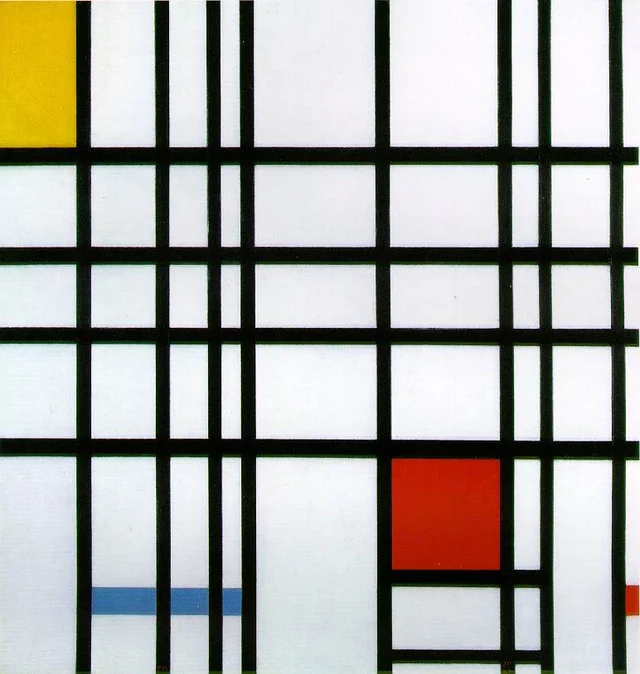 Composición con rojo, amarillo y azulPiet Mondrian, 1937
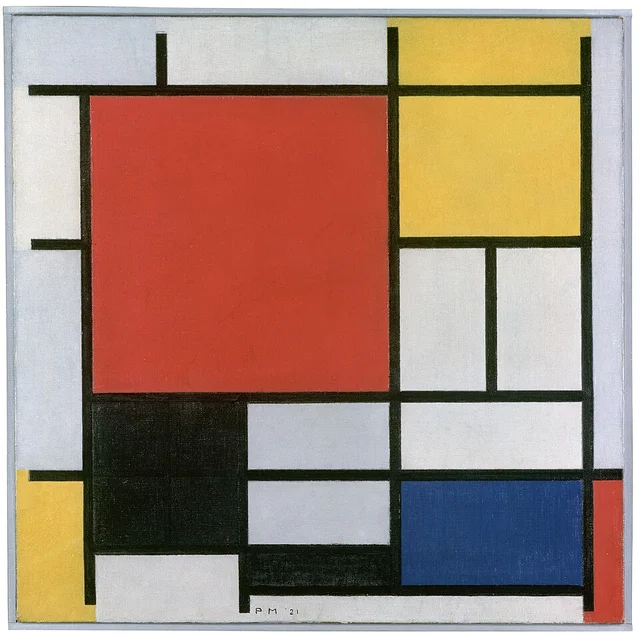 Composición con gran plano rojo, amarillo, negro, gris y azulPiet Mondrian, 1921
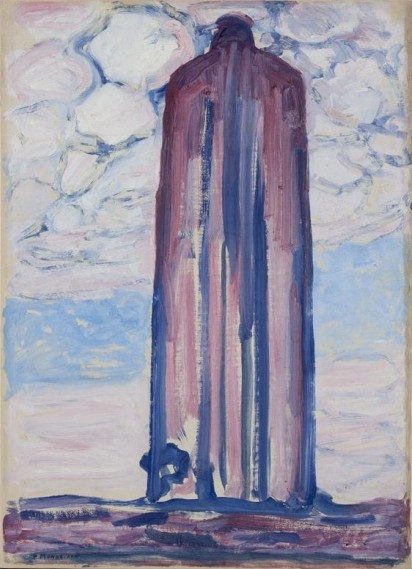 Faro en WestkapellePiet Mondrian, 1908
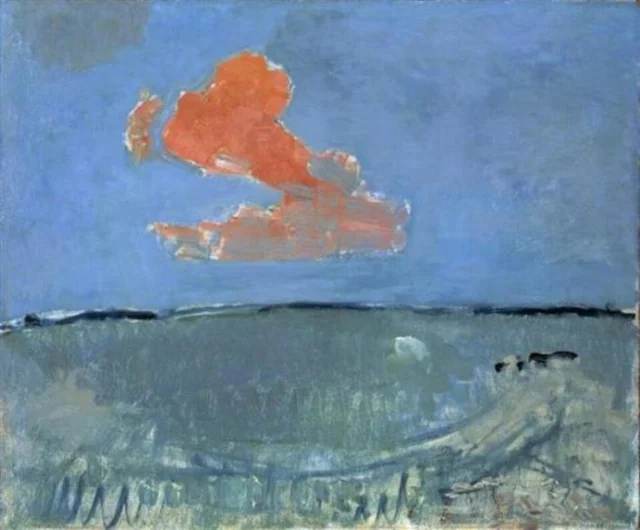 La nube rojaPiet Mondrian, 1907
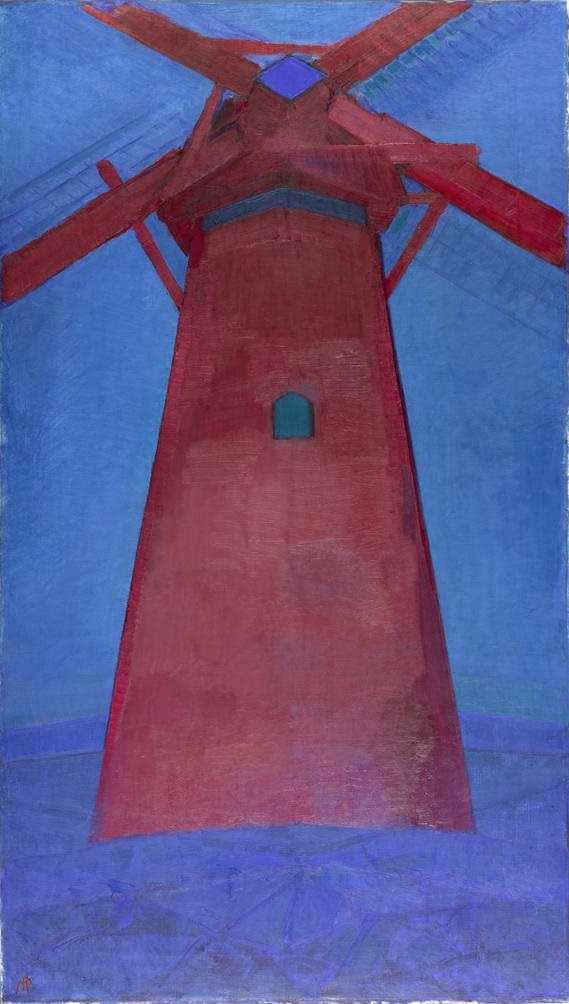 El molino rojoPiet Mondrian, 1910
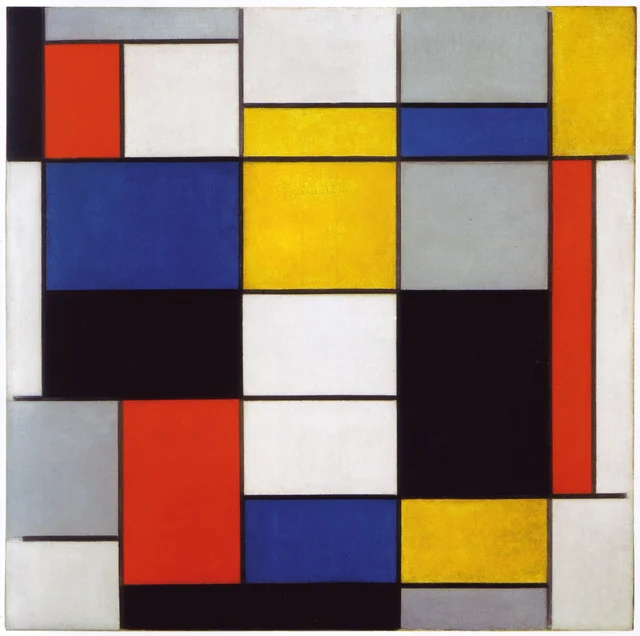 Composición A: Composición con negro, rojo, gris, amarillo y azulPiet Mondrian, 1920
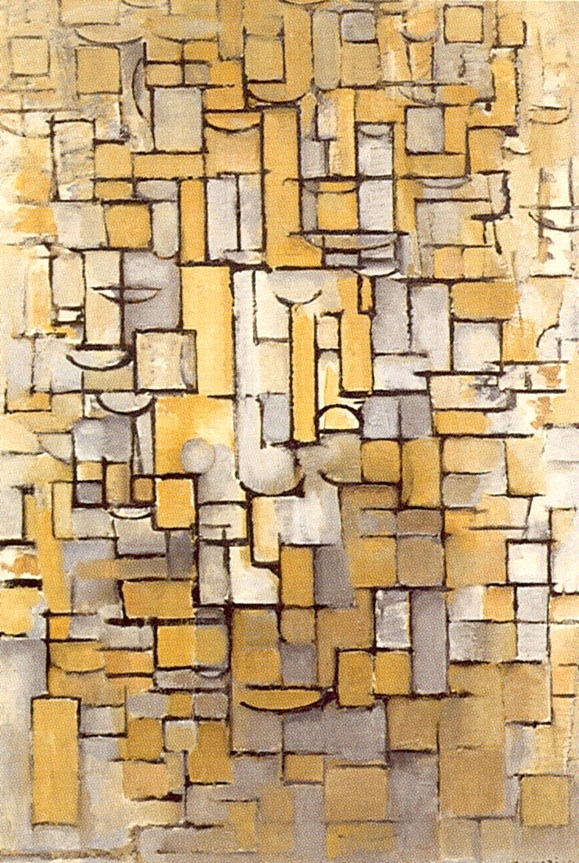 Composición XIVPiet Mondrian, 1913
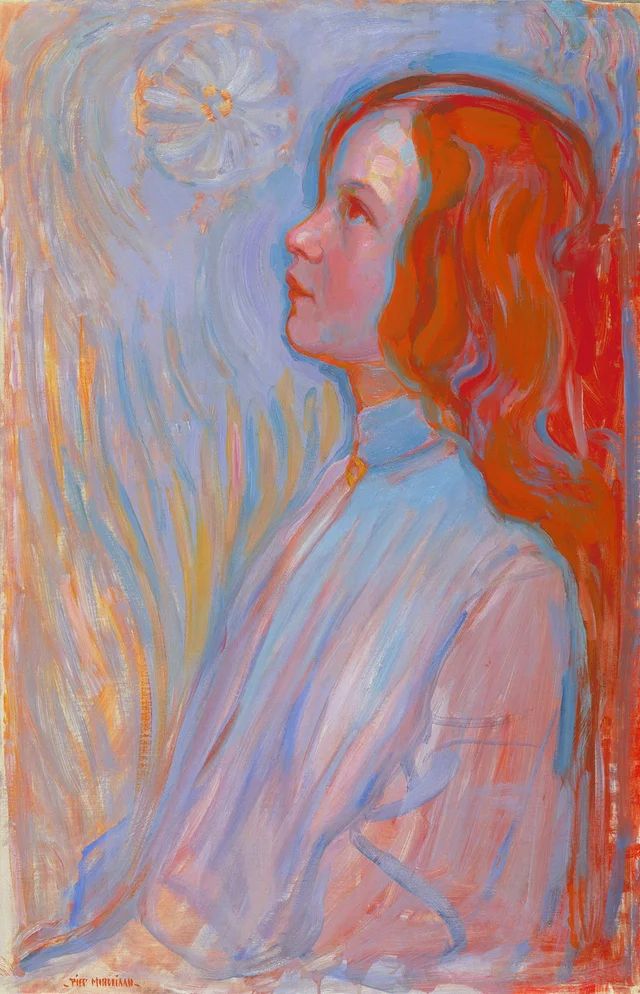 DevociónPiet Mondrian, 1908
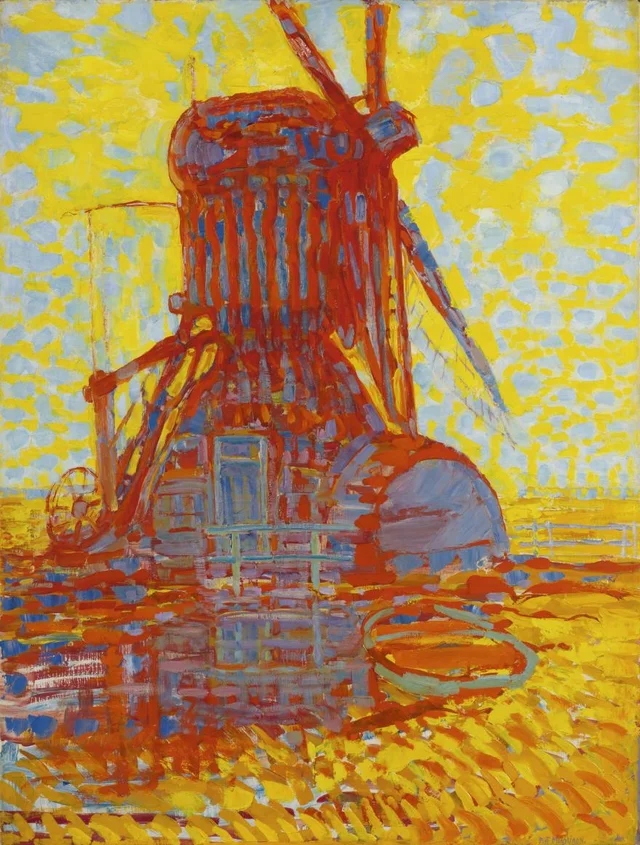 Molino a la luz del solPiet Mondrian, 1908
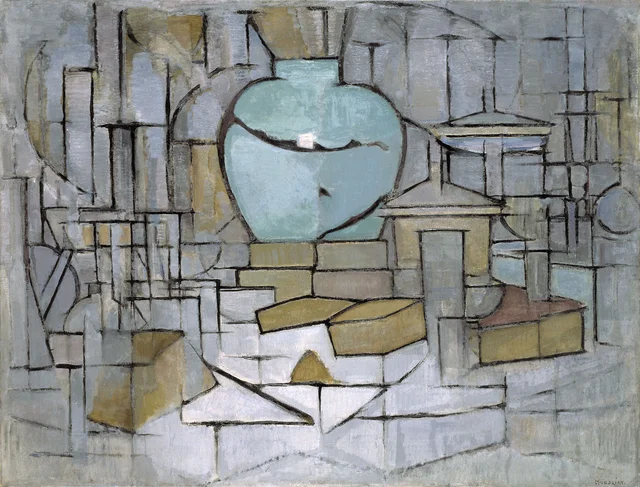 Bodegón con tarro de jengibre 2Piet Mondrian, 1912
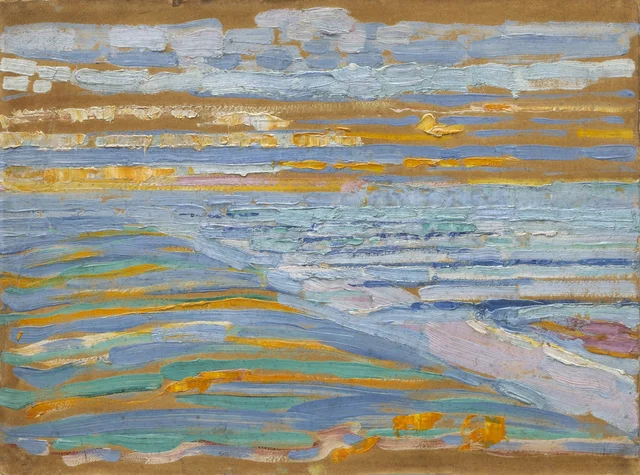 Vista desde las dunas con playa y muelles, DomburgPiet Mondrian, 1909
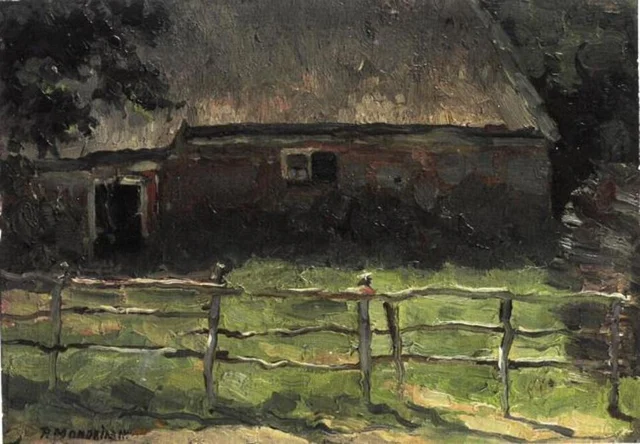 Granja detrás de una cercaPiet Mondrian, 1904
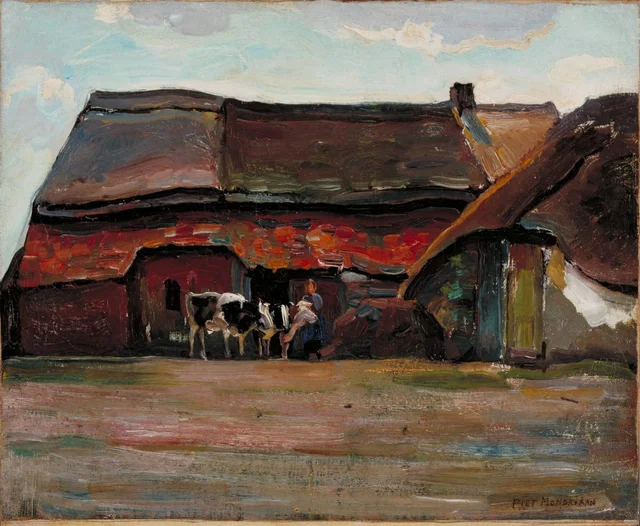 Corral de granja brabanzónPiet Mondrian, 1904
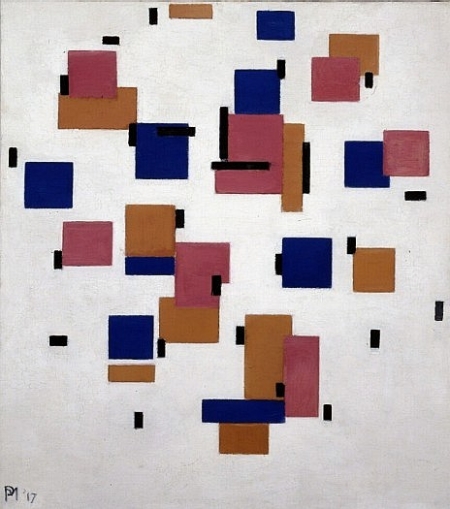 Composición en color BPiet Mondrian, 1917
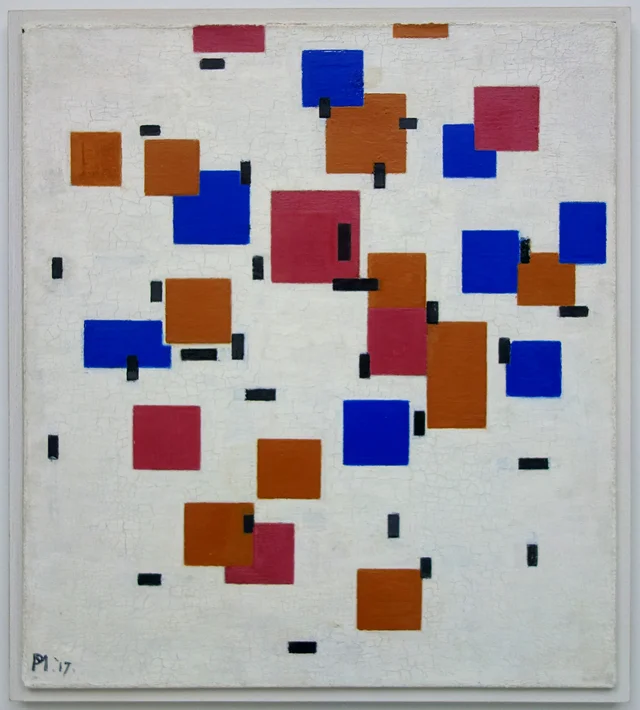 Composición en color APiet Mondrian, 1917
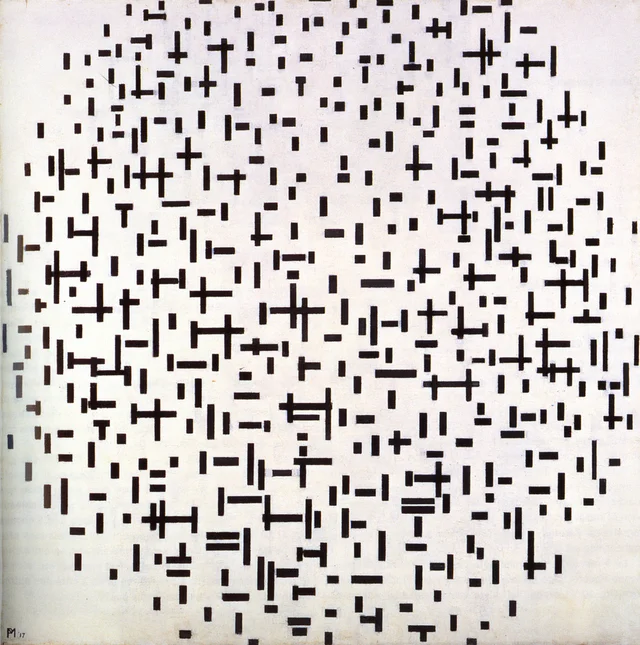 Composición en línea, segundo estadoPiet Mondrian, 1916