La historia
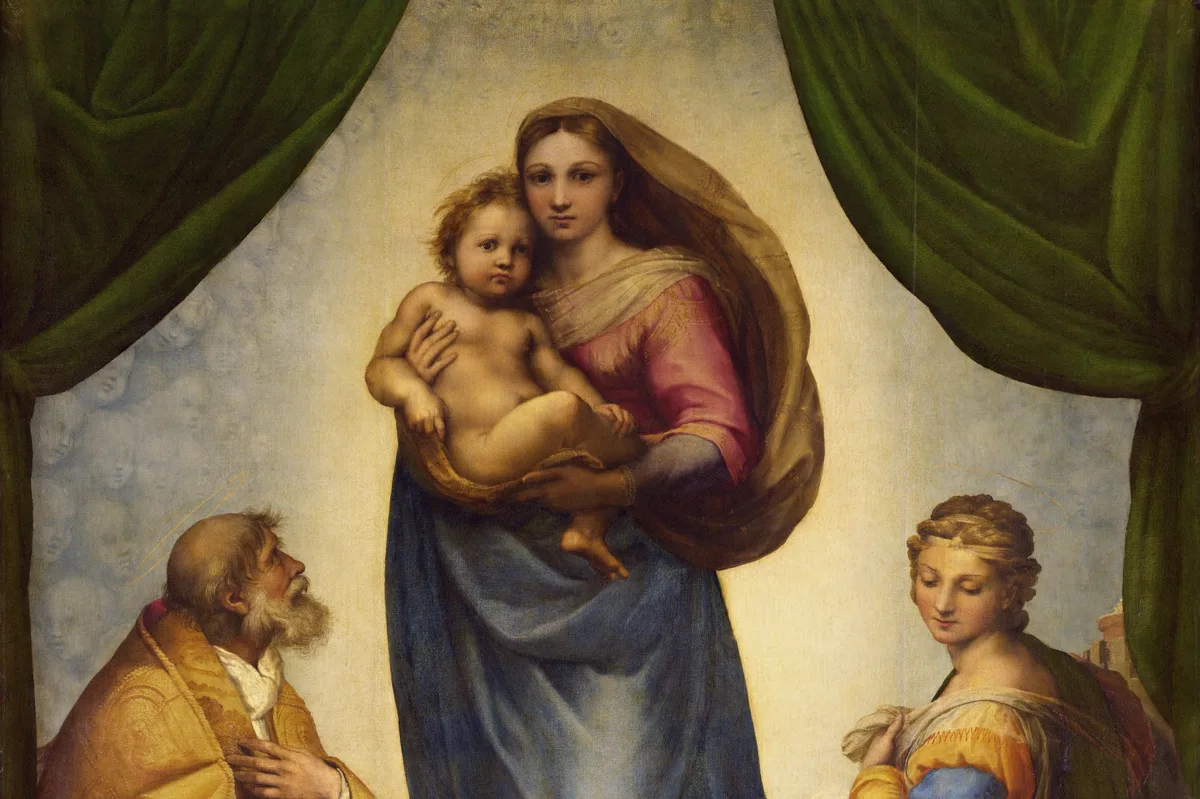
Desde hace más de dos siglos, hay quien viaja a Dresde en parte por una sola pintura. La Madonna Sixtina de Rafael, comprada por el elector sajón Augusto III en 1754, muestra a la Virgen avanzando entre unas cortinas verdes descorridas, y justo abajo dos pequeños niños alados se apoyan en una repisa, la barbilla en las manos, con cara de aburrimiento. Esos dos querubines se han impreso en más tazas, tarjetas y pósteres que casi cualquier otro detalle del arte, y la mayoría se topa con ellos sin saber de dónde vienen.
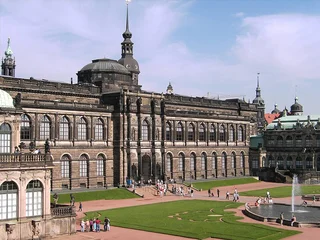
La galería guarda la colección de pintura que los soberanos sajones formaron en los siglos XVII y XVIII, cuando Dresde era una de las cortes más ricas de Europa. Ocupa la Galería Semper, el ala de estilo neorrenacentista que el arquitecto Gottfried Semper añadió al Zwinger, el recargado palacio de fiestas junto al río. Junto al Rafael cuelgan la Venus dormida de Giorgione, obras de Correggio y Tiziano, y un hondo repertorio de pintura holandesa.
Un pequeño Vermeer de aquí ha cambiado en tiempos recientes. Su Joven leyendo una carta ante una ventana abierta tuvo, durante generaciones, una pared desnuda a su espalda, hasta que los restauradores descubrieron que una gran figura de Cupido había sido cubierta de pintura tras la muerte de Vermeer. Retiraron el repinte posterior, y desde 2021 el dios del amor aparece revelado sobre su hombro. La colección entera pasó por una desaparición más dura: escondida durante la Segunda Guerra Mundial, luego llevada a la Unión Soviética y devuelta a Dresde en 1955.
Más artículos
Colección
75 obras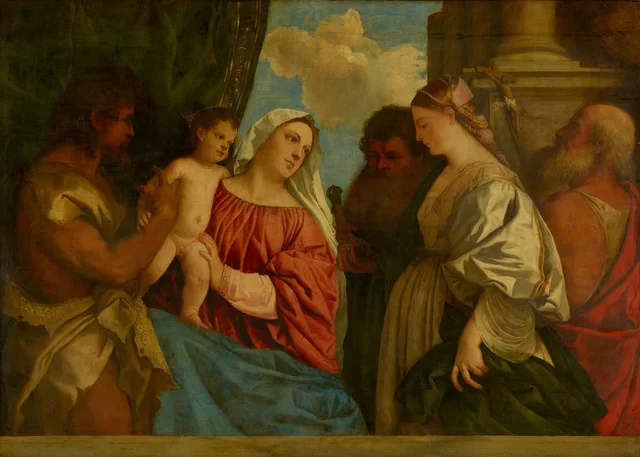 La Virgen con el Niño y cuatro santosTiziano, 1518
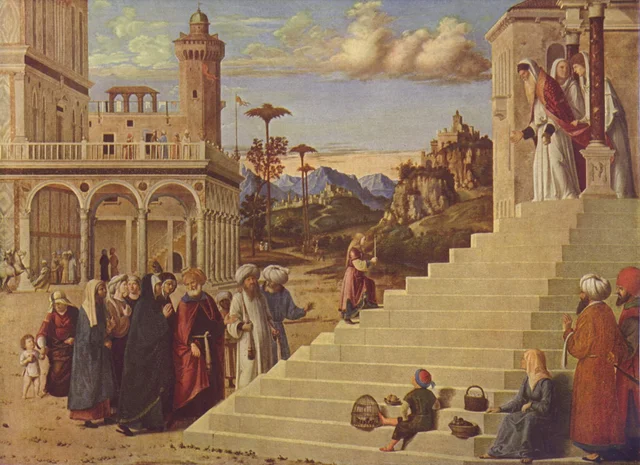 La presentación de la Virgen en el temploGiovanni Battista Cima da Conegliano, 1496
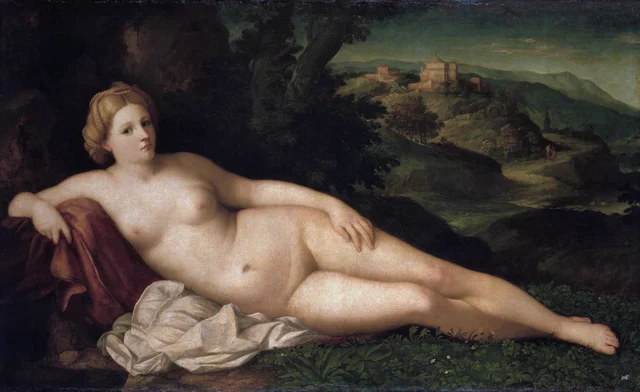 Venus en reposoPalma el Viejo, 1518
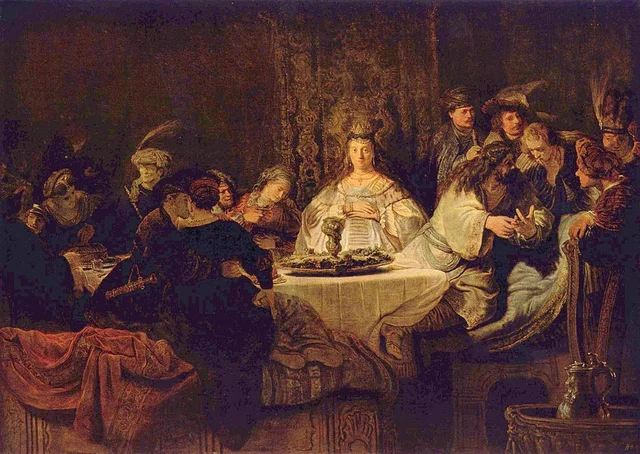 Las bodas de SansónRembrandt, 1638
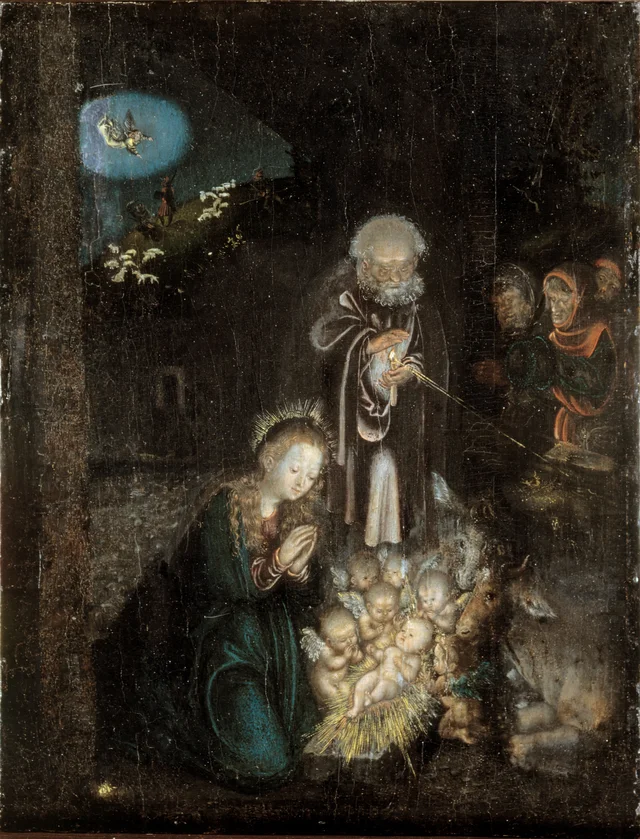 NatividadLucas Cranach el Viejo, 1510
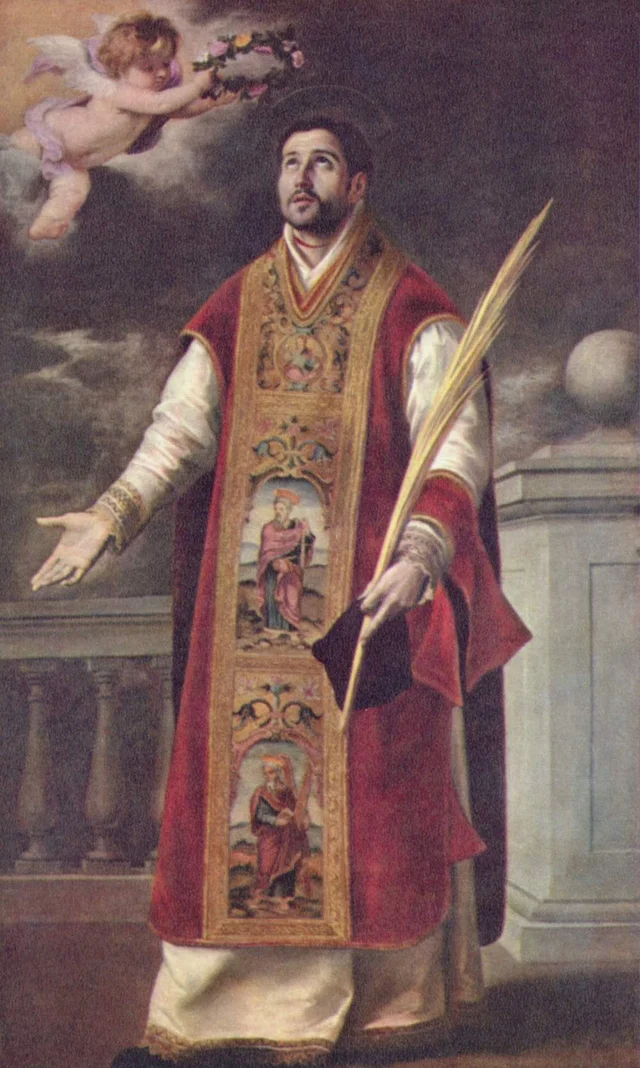 San RodrigoBartolomé Esteban Murillo, 1646
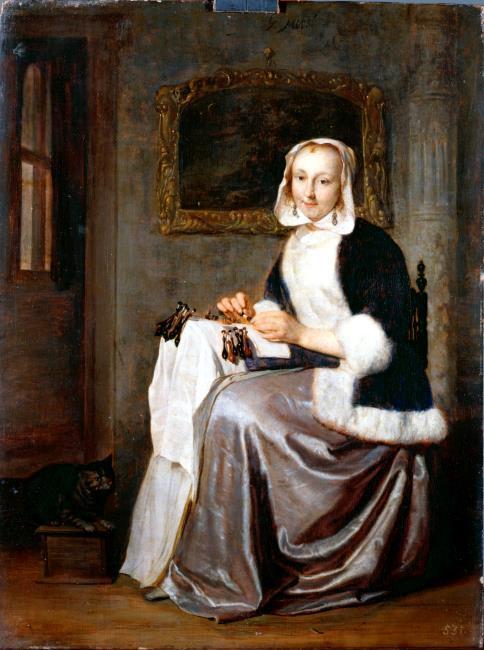 La encajeraGabriel Metsu, 1663
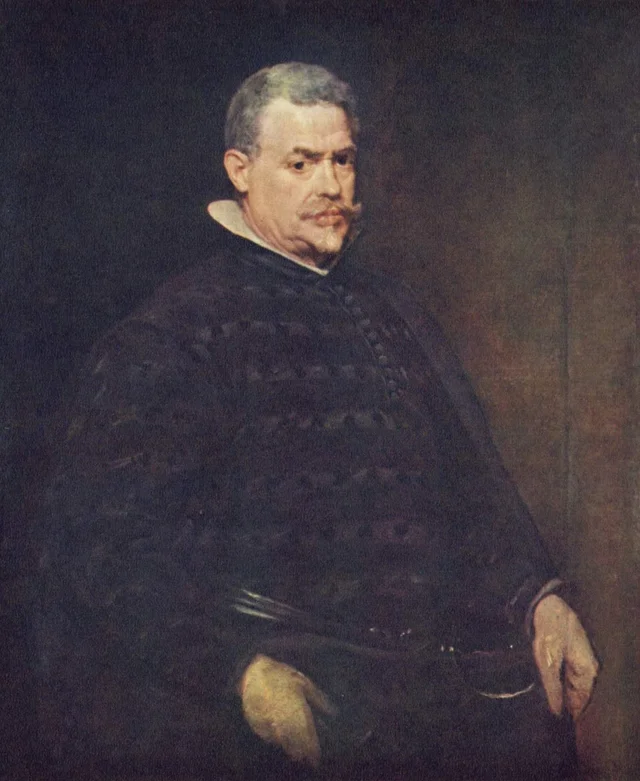 Don Juan MateosDiego Velázquez, 1634
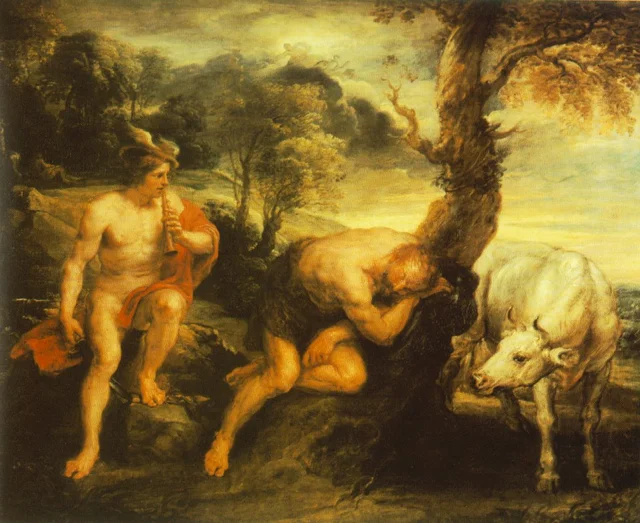 Mercurio y ArgosPedro Pablo Rubens, 1635
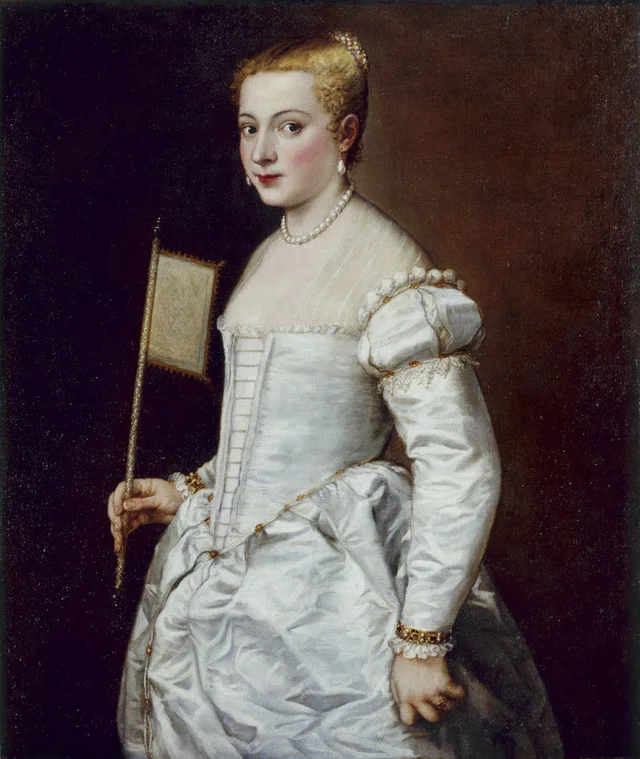 Retrato de dama de blancoTiziano, 1561
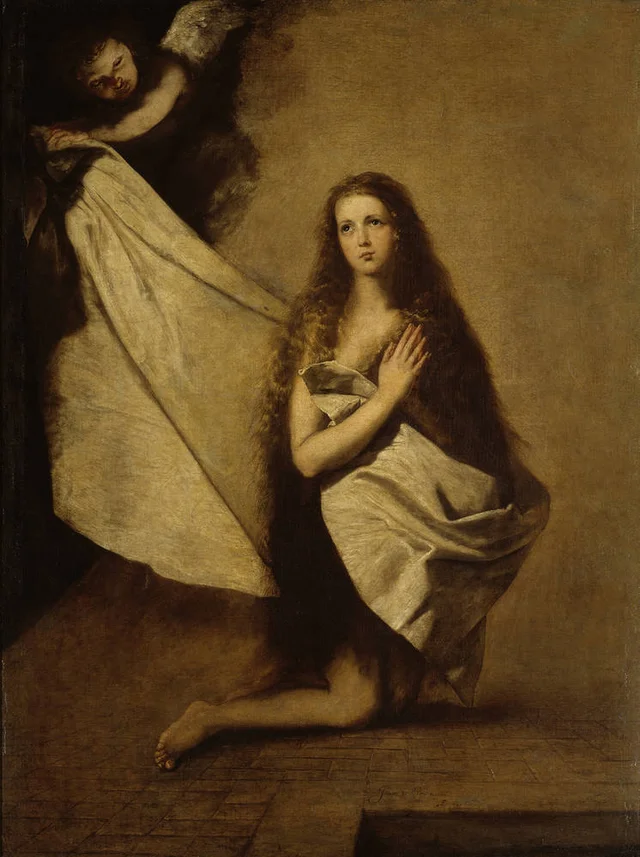 Santa InésJusepe de Ribera, 1640
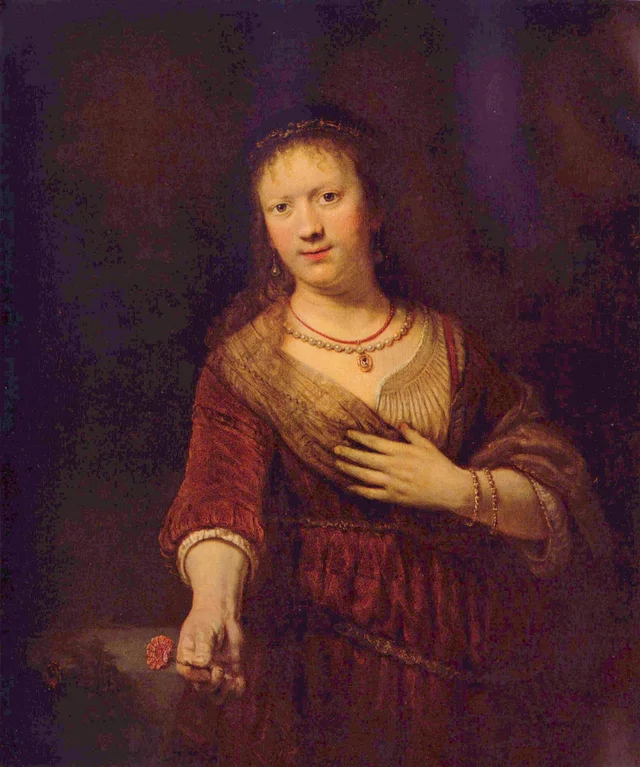 Saskia como FloraRembrandt, 1641
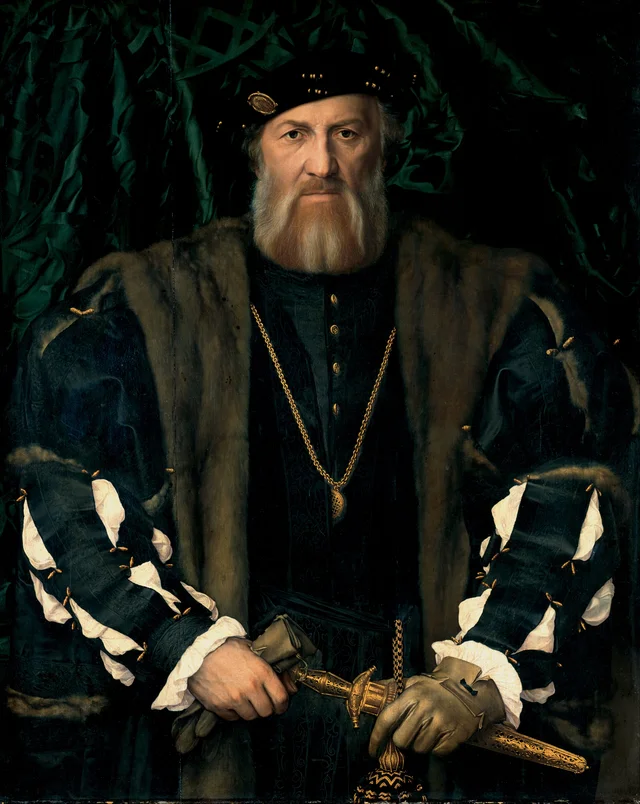 Charles de Solier, señor de MoretteHans Holbein el Joven, 1534
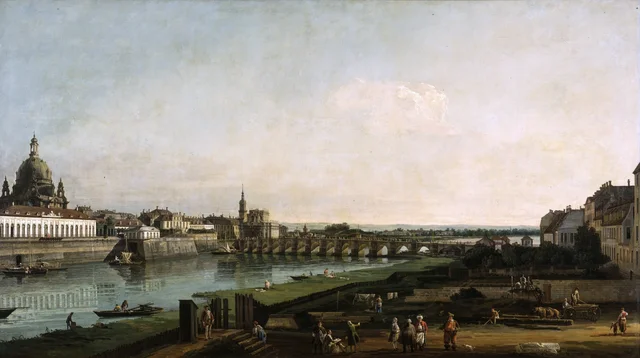 Dresde desde la orilla derecha del Elba, aguas arriba del puente de AugustoBernardo Bellotto, 1747
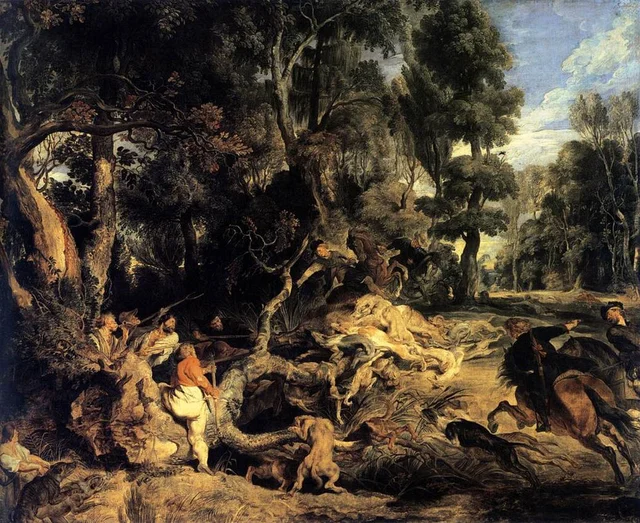 Paisaje con cacería de jabalíPedro Pablo Rubens, 1616
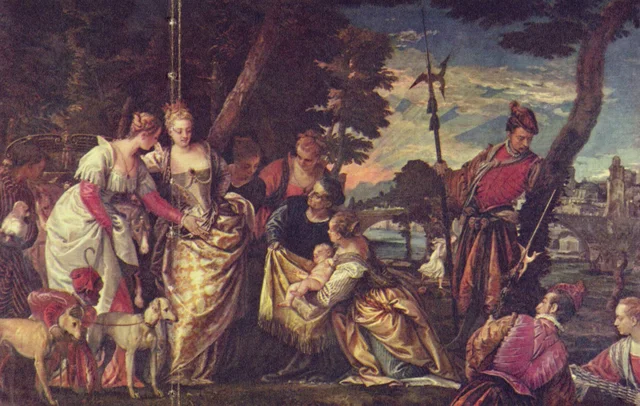 El hallazgo de MoisésPaolo Veronese, 1581
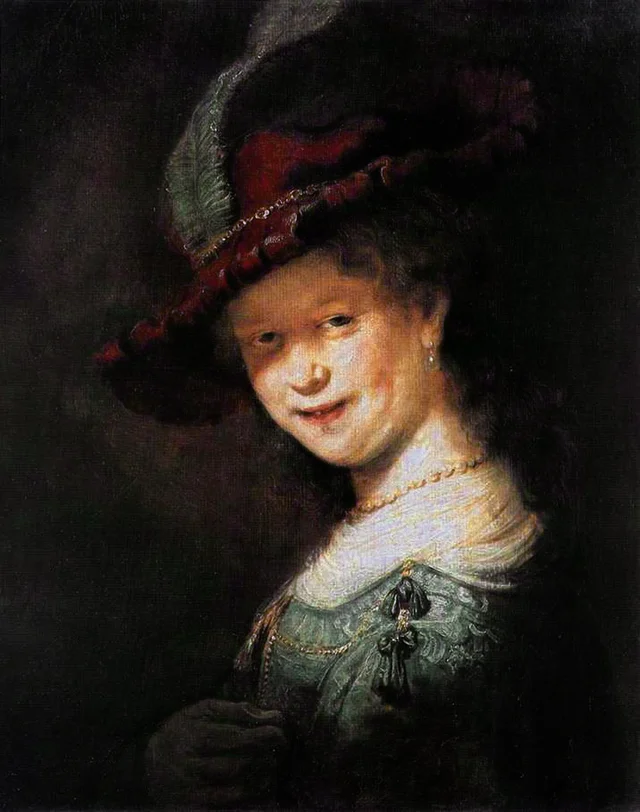 Busto de una joven sonriente, posiblemente Saskia van UylenburghRembrandt, 1633
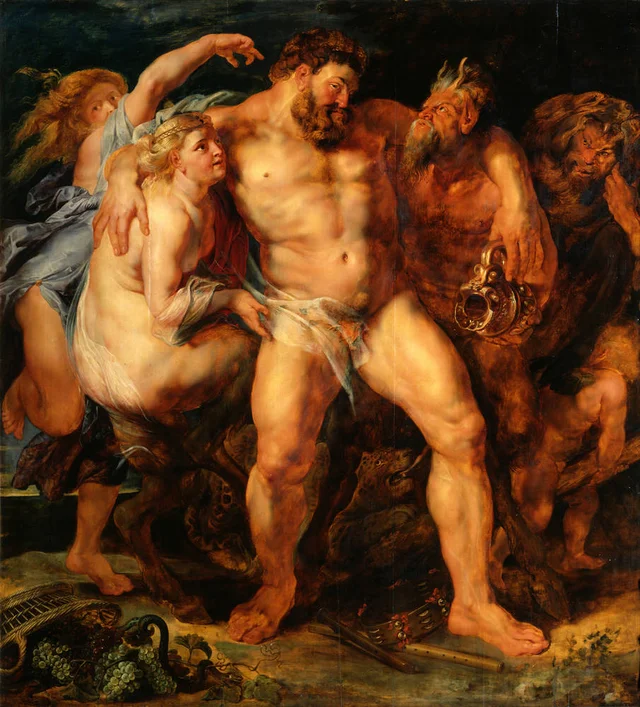 Hércules ebrioPedro Pablo Rubens, 1613
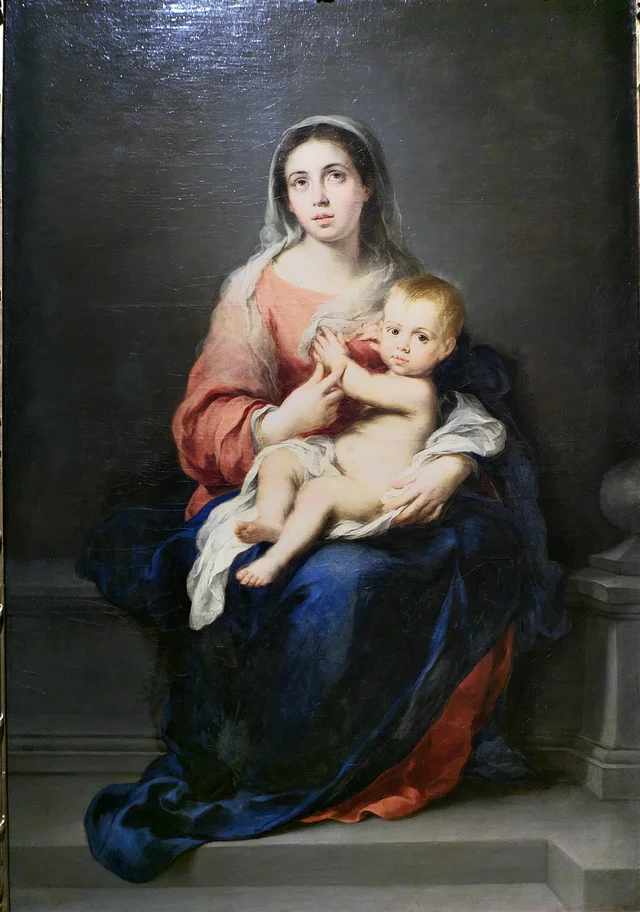 Virgen con el NiñoBartolomé Esteban Murillo, 1675
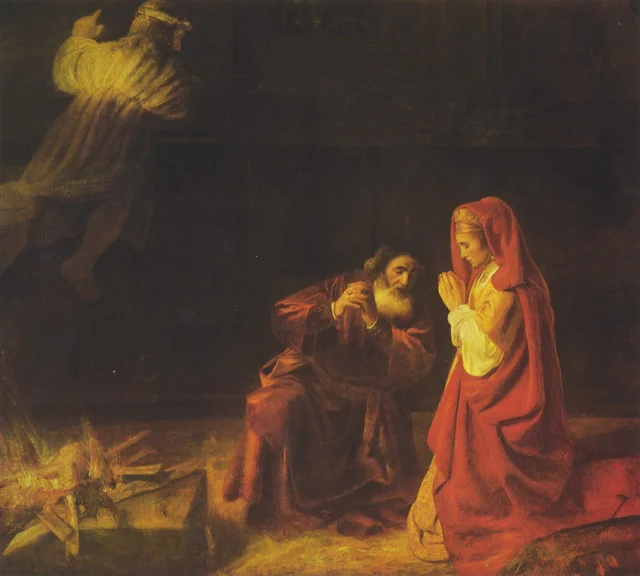 El sacrificio de ManoaRembrandt, 1641
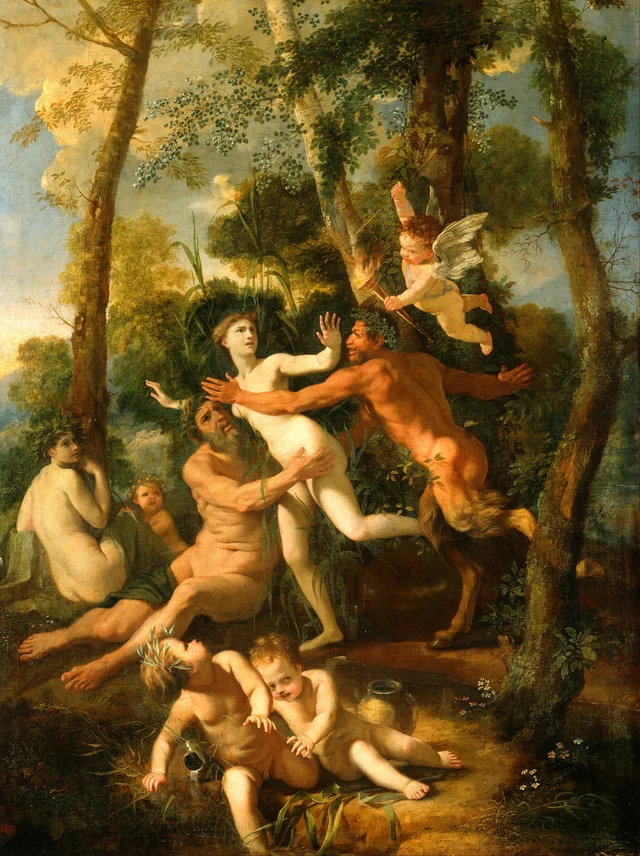 Pan y SiringaNicolas Poussin, 1637
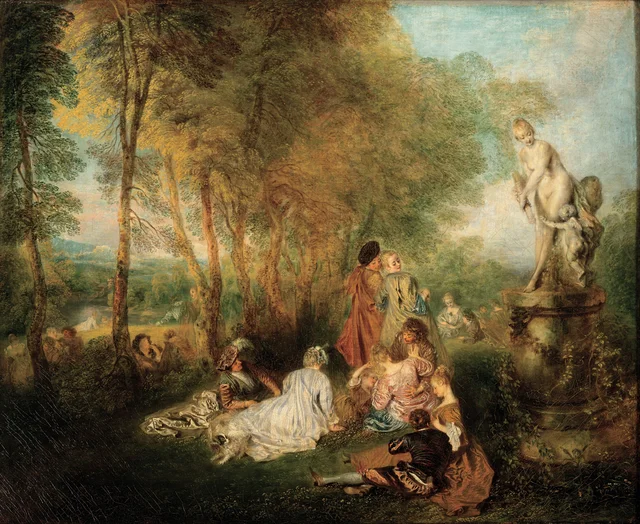 La Fiesta del amorJean-Antoine Watteau, 1718
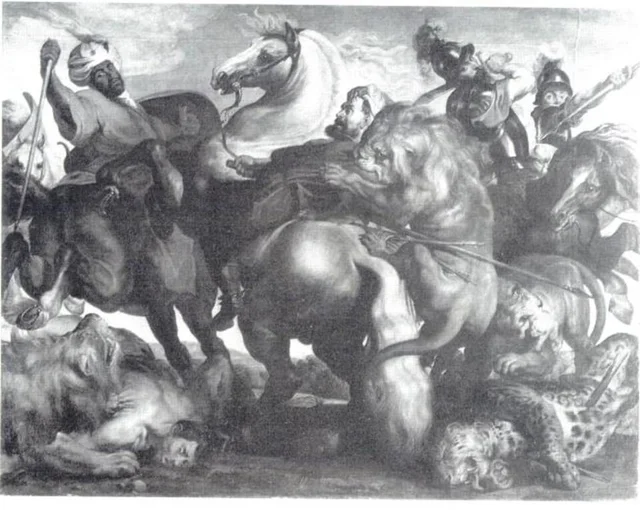 La caza del león y el leopardoAnónimo, 1617
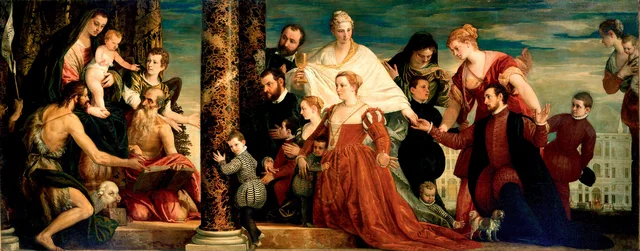 La Virgen de la familia CuccinaPaolo Veronese, 1571
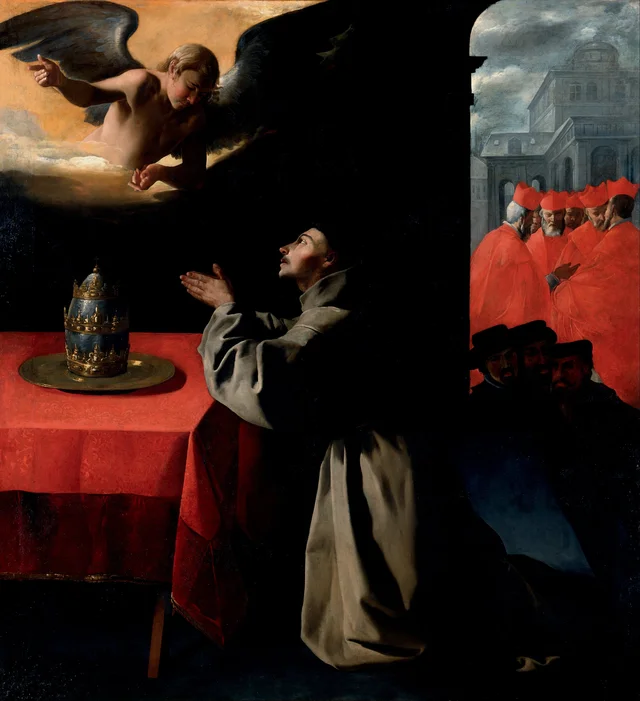 San Buenaventura en oraciónFrancisco de Zurbarán, 1628