La historia
El Louvre empezó siendo una fortaleza. Felipe II Augusto la levantó en la orilla derecha del Sena hacia 1190 para proteger el París medieval, y a lo largo de los siglos siguientes los reyes de Francia la reconstruyeron hasta convertirla en palacio real, hasta que Luis XIV trasladó su corte a Versalles en 1682 y dejó las salas a medio terminar a la colección real y a los artistas alojados dentro.
La Revolución lo transformó en museo público. El 10 de agosto de 1793 el Muséum central des arts abrió sus puertas, mostrando el arte confiscado a la corona y a la Iglesia a cualquier ciudadano que quisiera entrar. Napoleón lo llenó con el botín de sus campañas y por un tiempo lo rebautizó con su propio nombre. Mucho se devolvió tras Waterloo, pero la idea se mantuvo: una colección nacional dispuesta para el estudio y gratuita para el público.
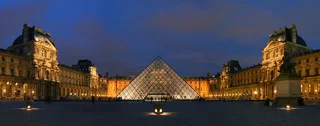
Hoy el Louvre guarda más de 35.000 obras, desde la Venus de Milo hasta La balsa de la Medusa de Géricault. La multitud, sin embargo, se agolpa ante un pequeño retrato. En agosto de 1911 desapareció. Vincenzo Peruggia, un operario italiano que había trabajado en el museo, descolgó La Gioconda de Leonardo y se la llevó bajo el abrigo. Durante dos años el marco colgó vacío mientras los visitantes acudían a contemplar el hueco, y el cuadro no regresó hasta 1913, después de que Peruggia intentara venderlo a un marchante en Florencia. La pirámide de cristal de I. M. Pei, colocada en el patio en 1989, marca ahora la entrada.
Más artículos
Colección
1174 obras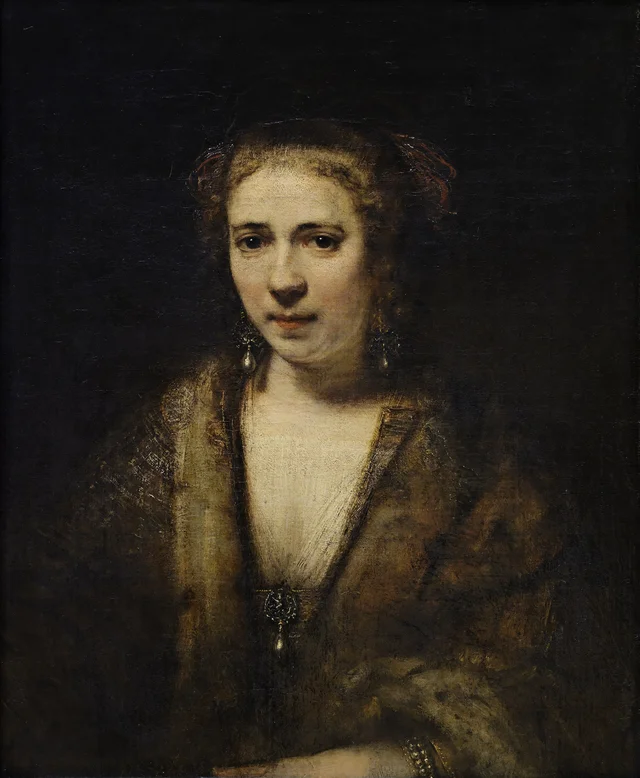 Hendrickje StoffelsRembrandt, 1654
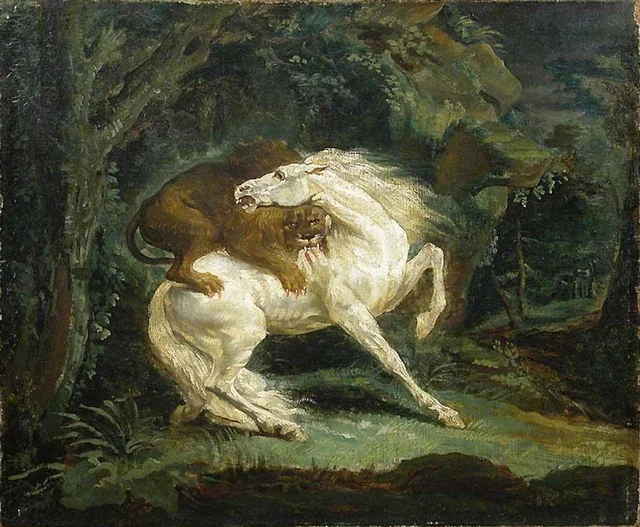 Caballo atacado por un leónThéodore Géricault, 1820
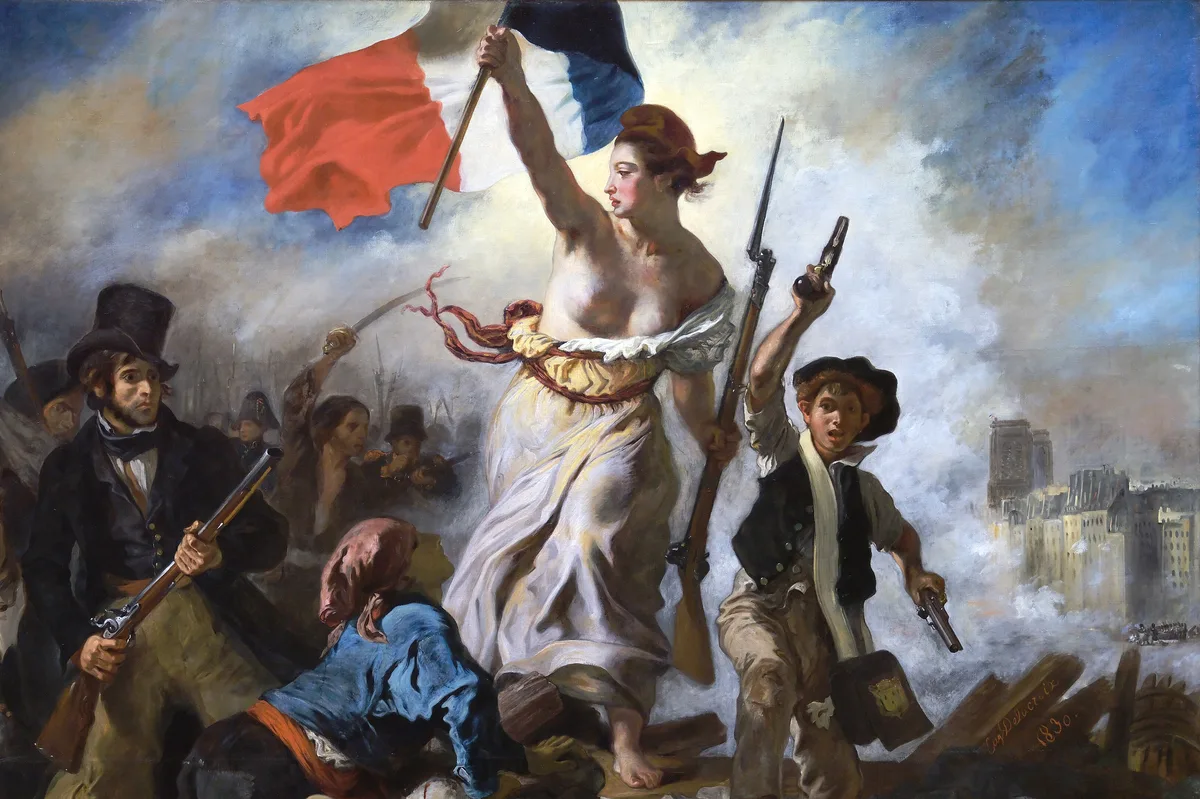
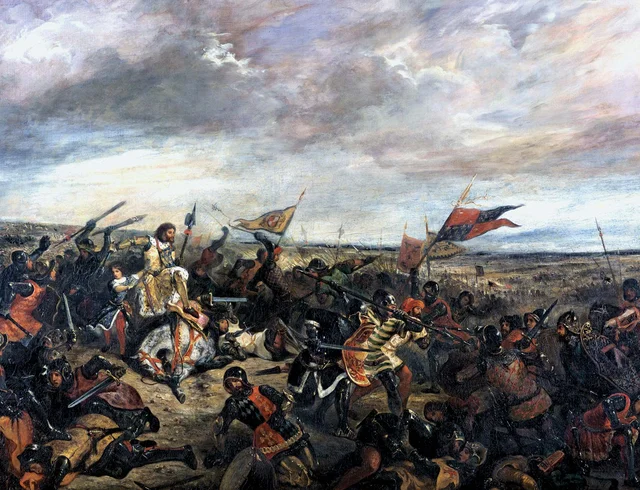 La batalla de PoitiersEugène Delacroix, 1830
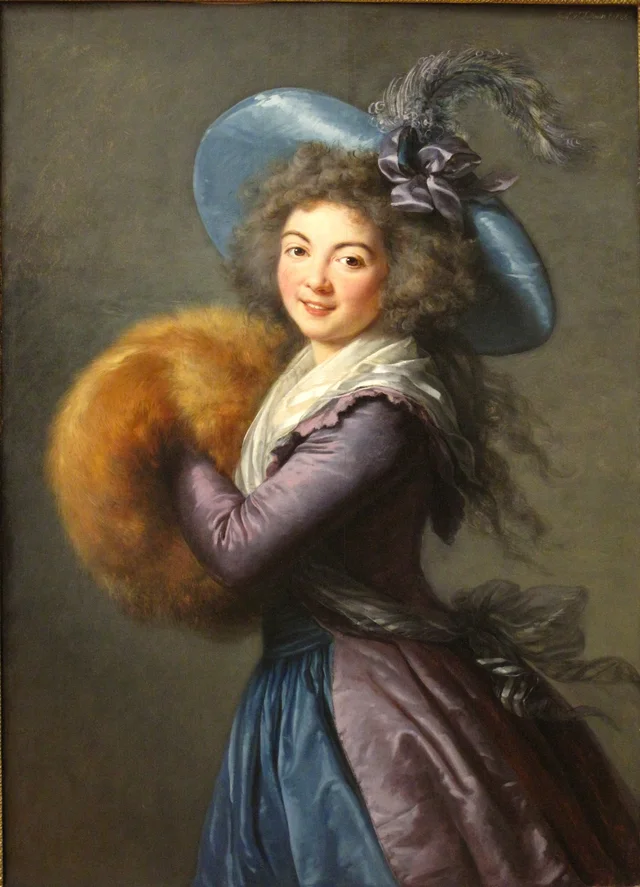 Madame Molé-Reymond con manguitoÉlisabeth Louise Vigée Le Brun, 1786
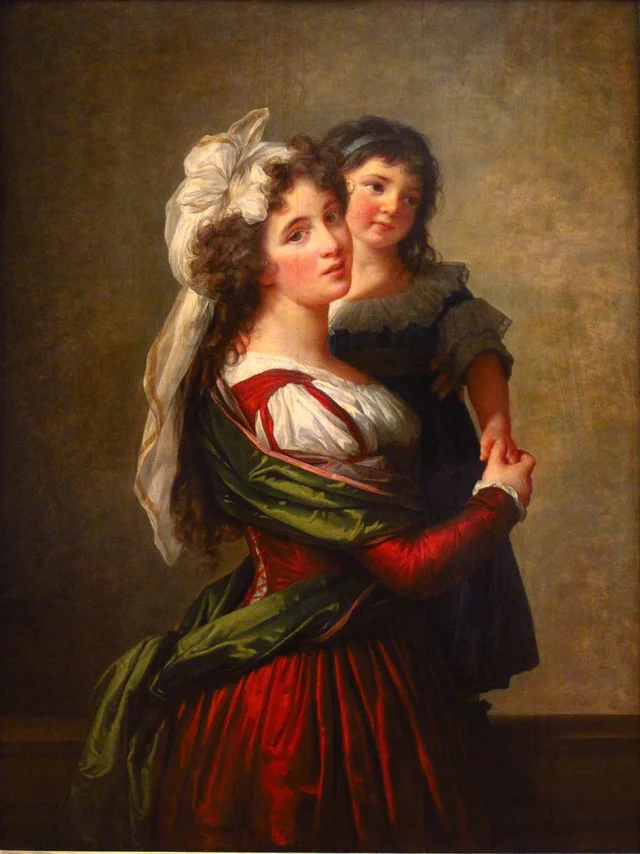 Madame Rousseau y su hijaÉlisabeth Louise Vigée Le Brun, 1789
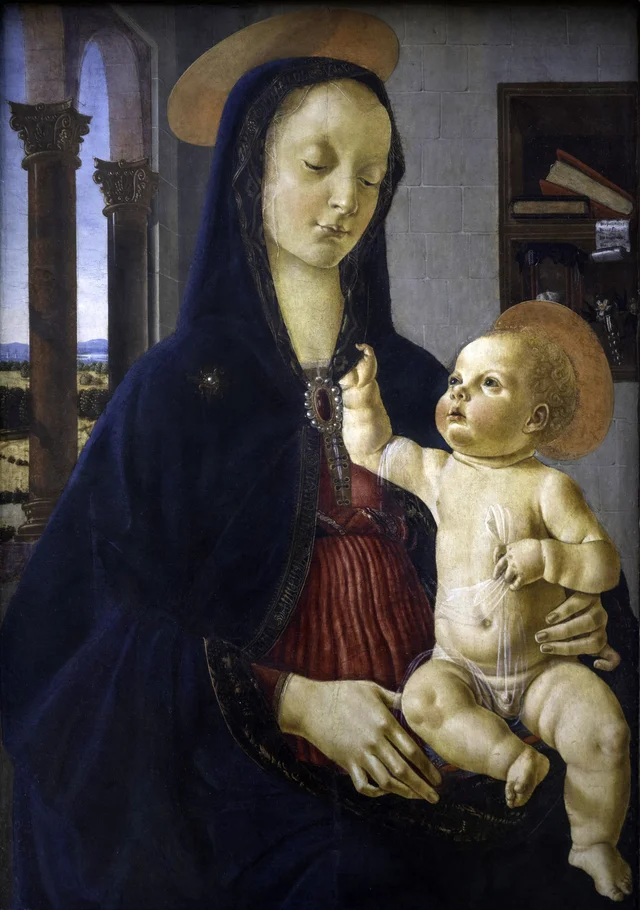 Virgen con el NiñoDomenico Ghirlandaio, 1475
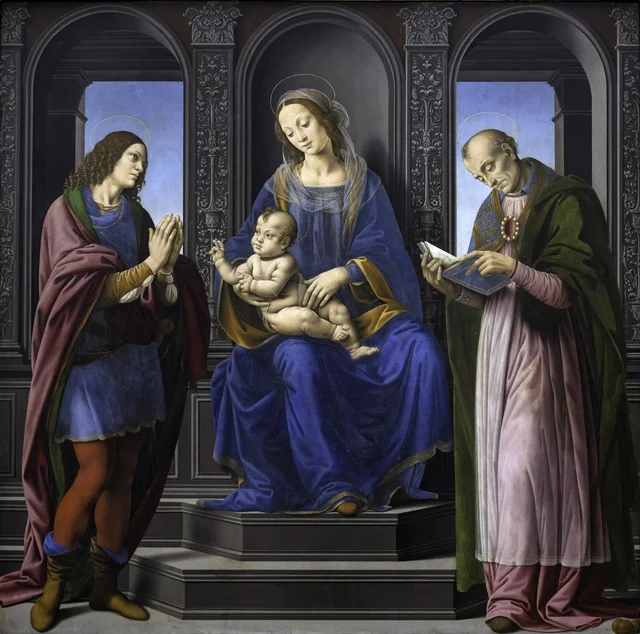 Virgen con el Niño y los santos Julián y NicolásLorenzo di Credi, 1494
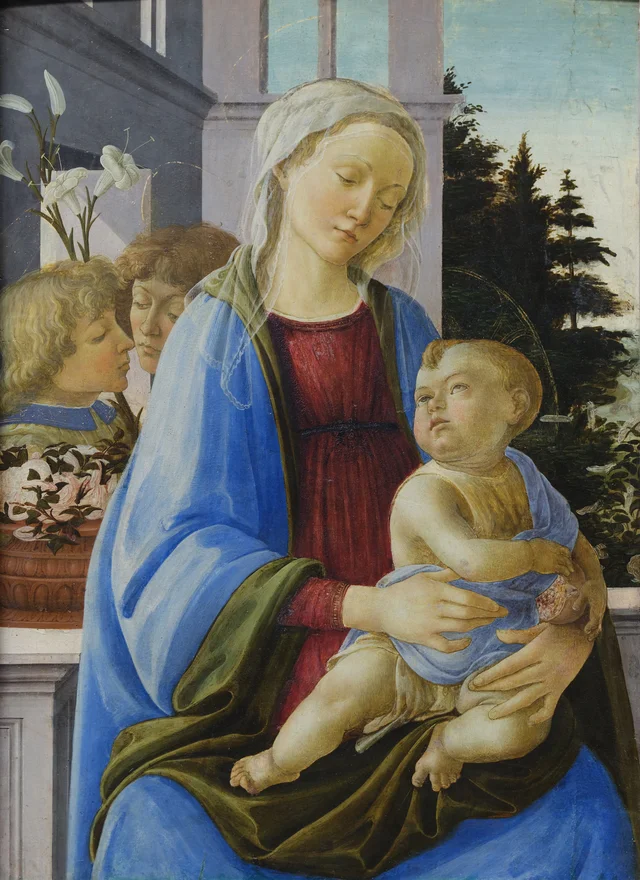 Virgen con el Niño y dos ángelesFilippino Lippi, 1472
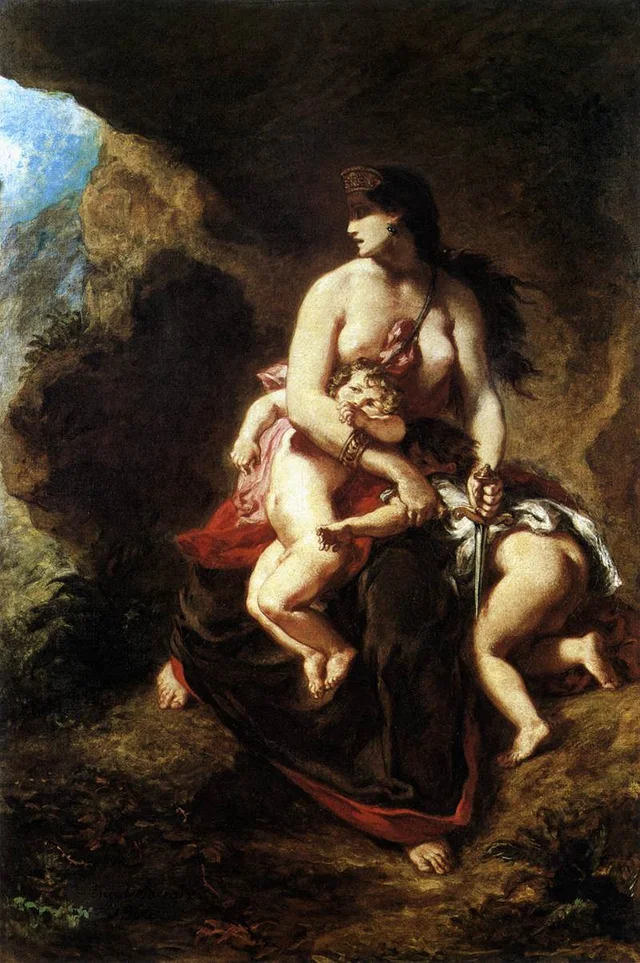 Medea a punto de matar a sus hijosEugène Delacroix, 1862
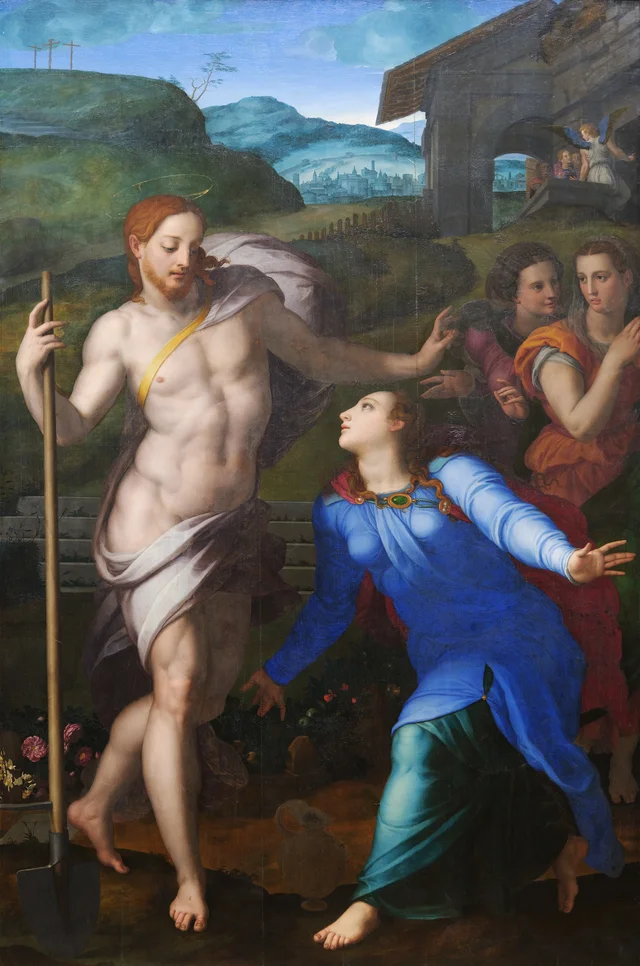 Noli me tangereBronzino, 1561
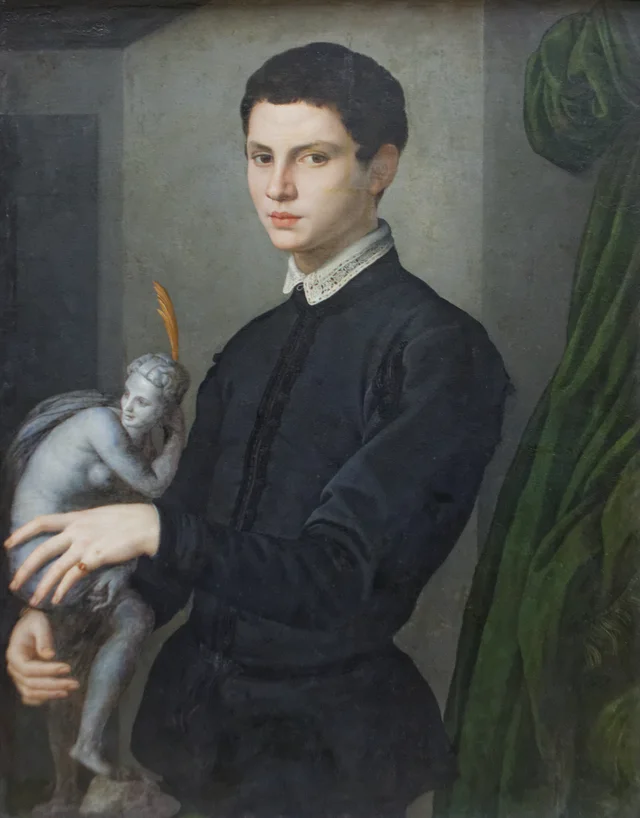 Retrato de un hombre sosteniendo una estatuillaBronzino, 1550
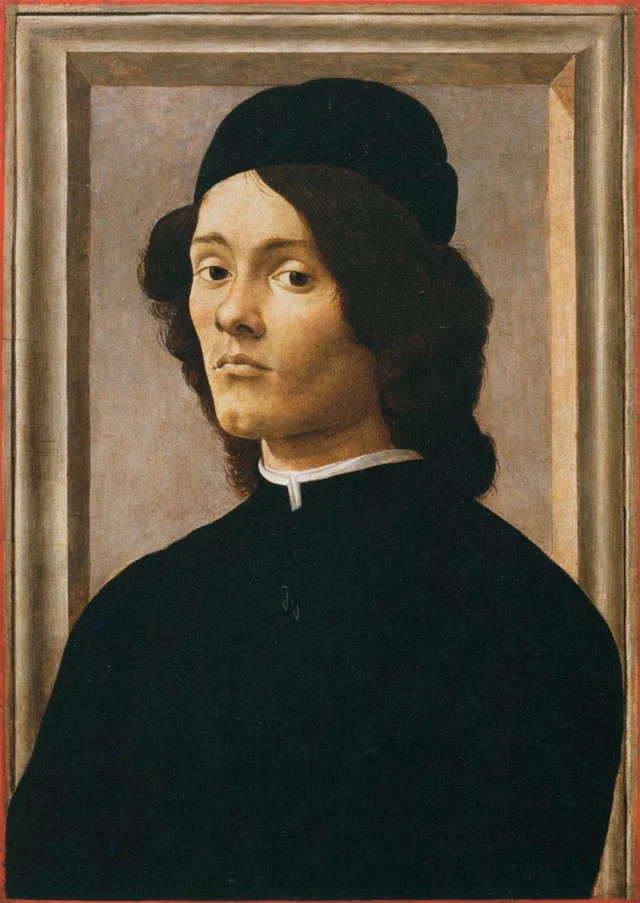 Retrato de un jovenSandro Botticelli, 1490
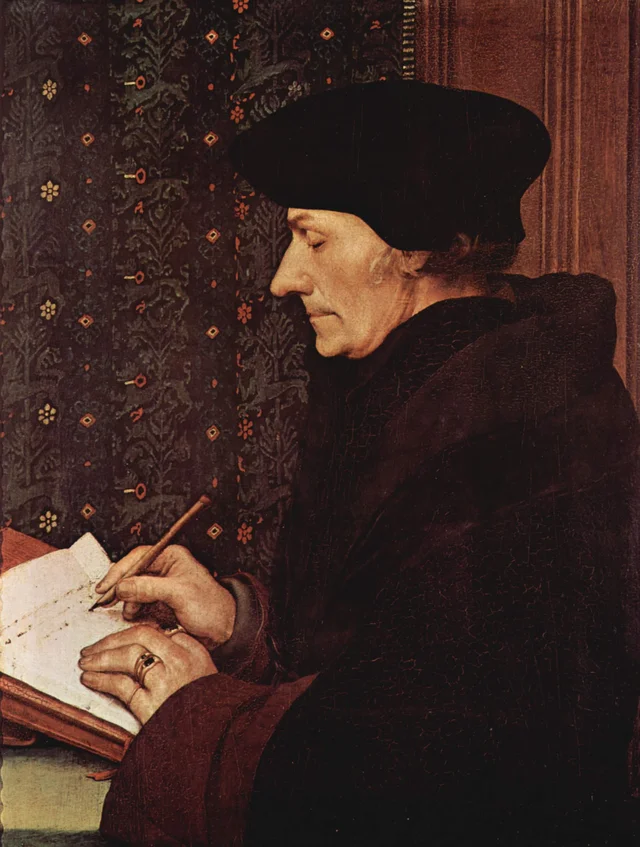 Retrato de Erasmo (1467-1536) escribiendoHans Holbein el Joven, 1528
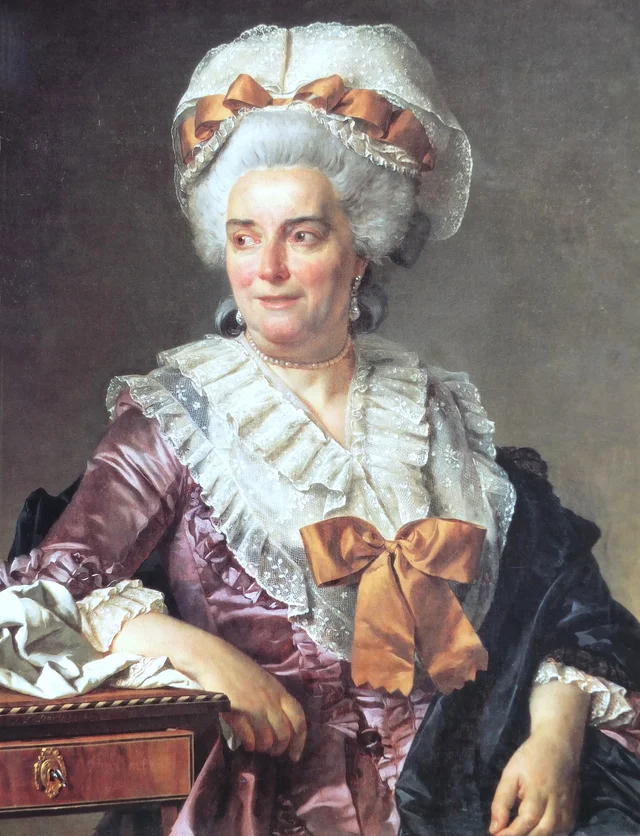 Retrato de Madame Charles-Pierre PecoulJacques-Louis David, 1784
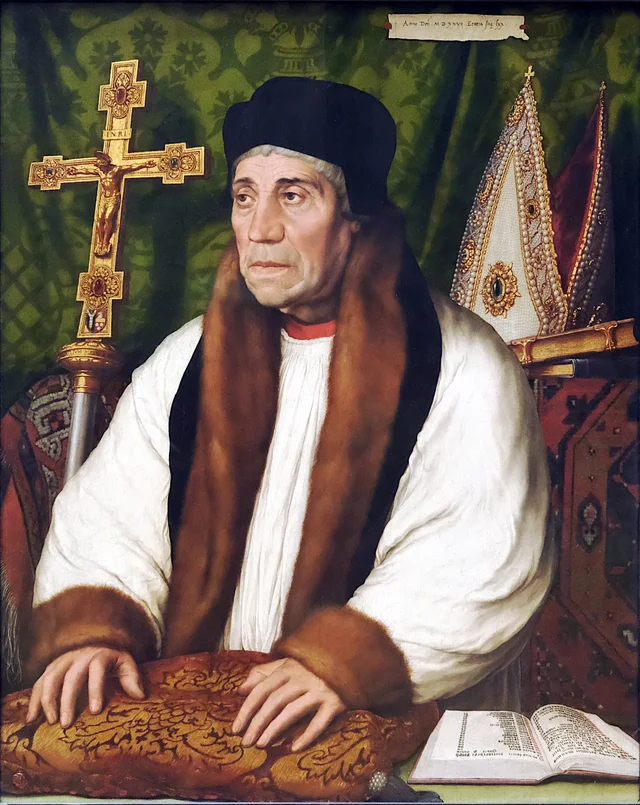 Retrato de William WarhamHans Holbein el Joven, 1528
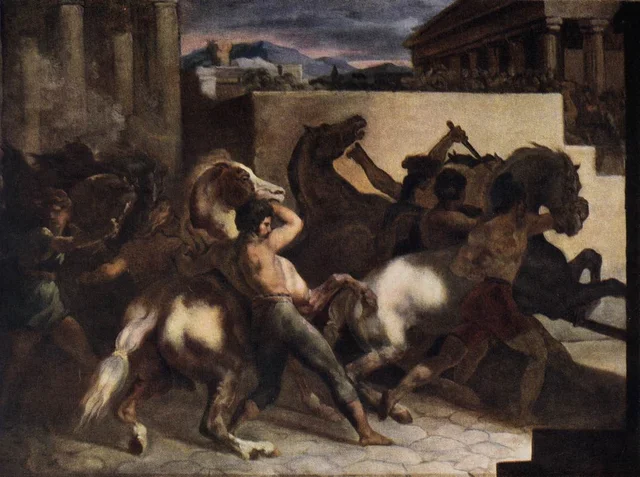 Carrera de caballos libresThéodore Géricault, 1817
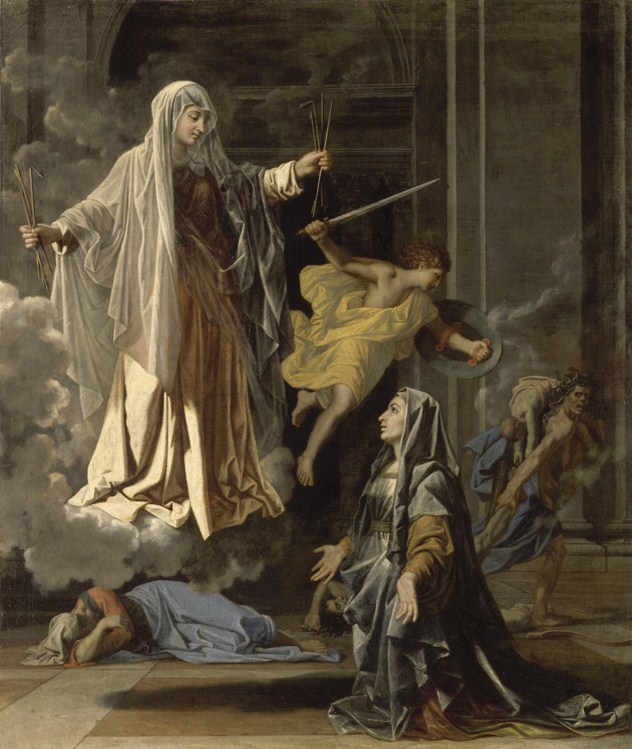 Santa Francisca anunciando el fin de la peste en RomaNicolas Poussin, 1657
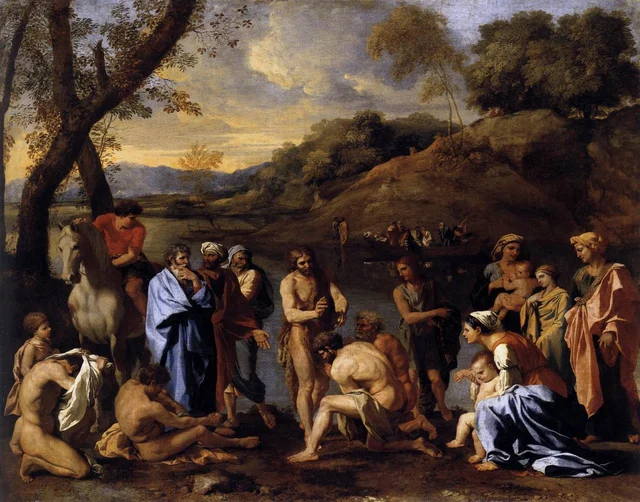 San Juan bautizando al puebloNicolas Poussin, 1635
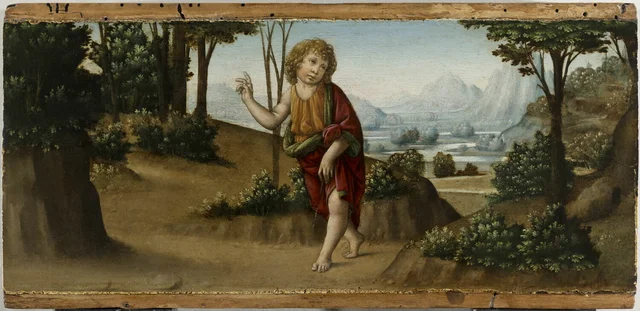 San Juan Bautista yendo al desiertoLorenzo di Credi, 1480
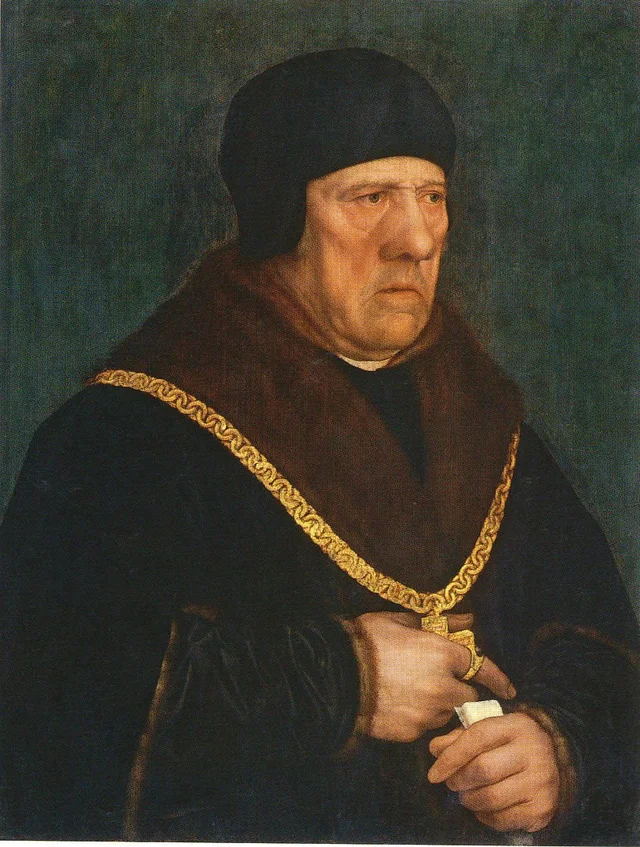 Sir Henry WyattHans Holbein el Joven, 1528
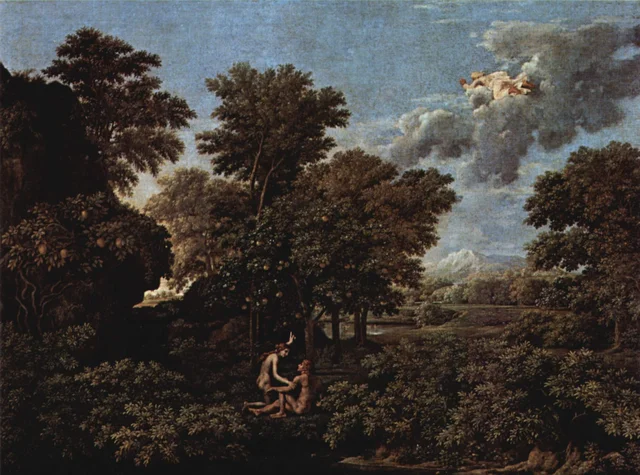 La primaveraNicolas Poussin, 1662
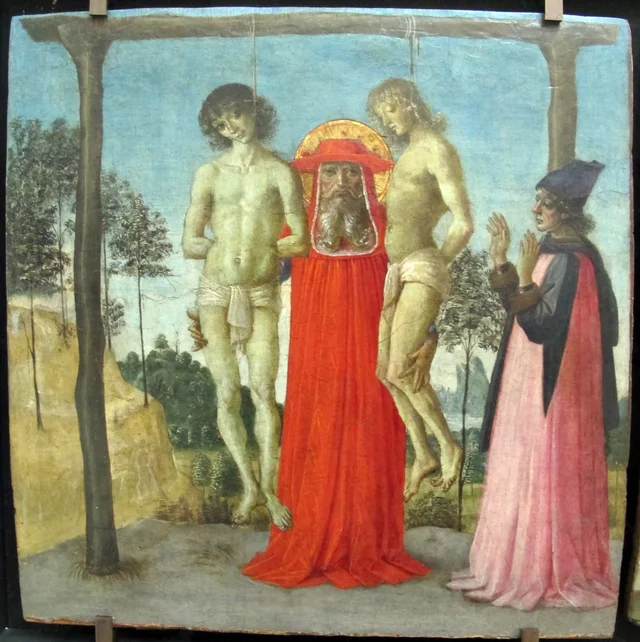 San Jerónimo sosteniendo a dos jóvenes ahorcadosPietro Perugino, 1472
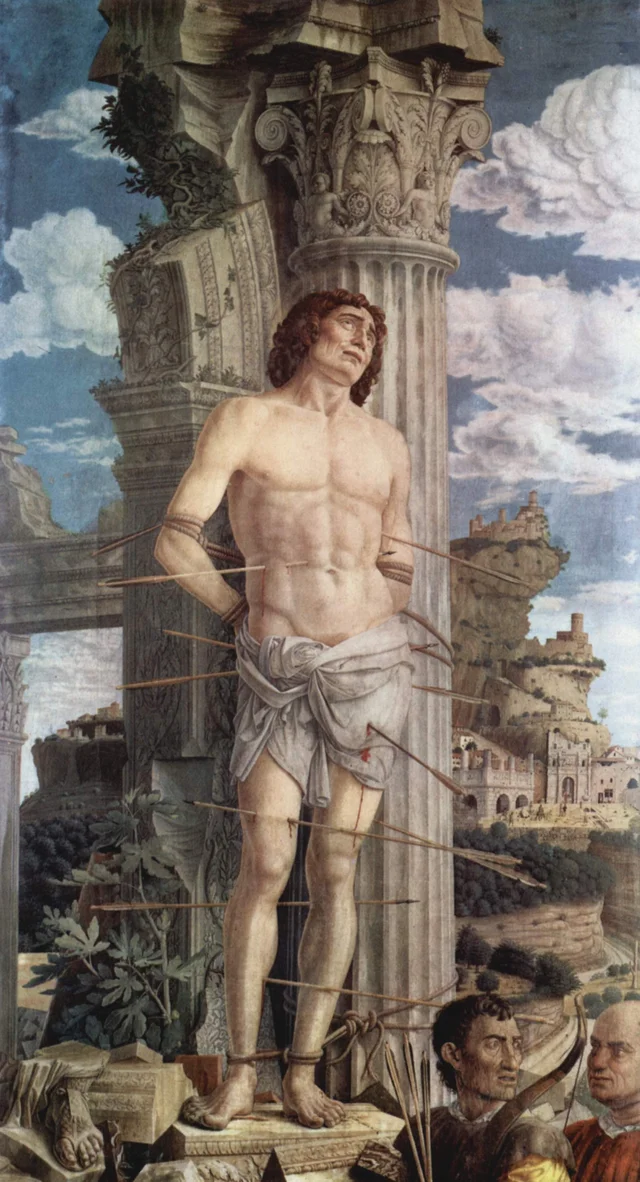 San SebastiánAndrea Mantegna, 1480
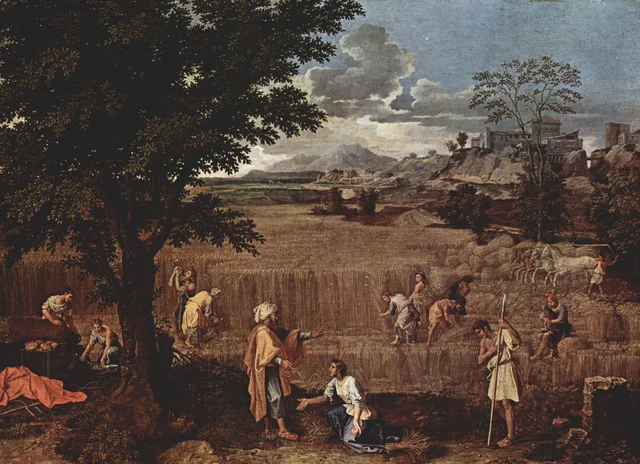 El veranoNicolas Poussin, 1660
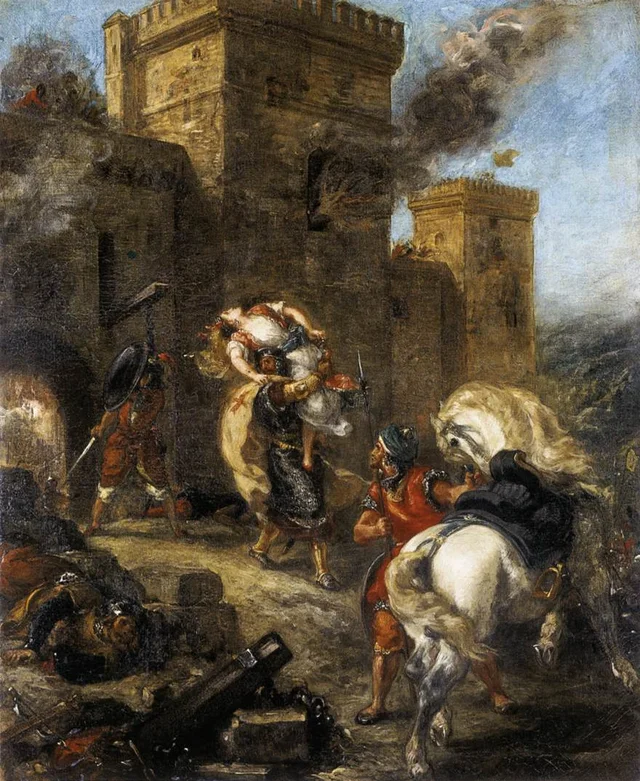 El rapto de RebecaEugène Delacroix, 1858