La historia
El Louvre empezó siendo una fortaleza. Felipe II Augusto la levantó en la orilla derecha del Sena hacia 1190 para proteger el París medieval, y a lo largo de los siglos siguientes los reyes de Francia la reconstruyeron hasta convertirla en palacio real, hasta que Luis XIV trasladó su corte a Versalles en 1682 y dejó las salas a medio terminar a la colección real y a los artistas alojados dentro.
La Revolución lo transformó en museo público. El 10 de agosto de 1793 el Muséum central des arts abrió sus puertas, mostrando el arte confiscado a la corona y a la Iglesia a cualquier ciudadano que quisiera entrar. Napoleón lo llenó con el botín de sus campañas y por un tiempo lo rebautizó con su propio nombre. Mucho se devolvió tras Waterloo, pero la idea se mantuvo: una colección nacional dispuesta para el estudio y gratuita para el público.
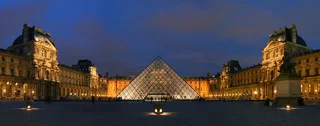
Hoy el Louvre guarda más de 35.000 obras, desde la Venus de Milo hasta La balsa de la Medusa de Géricault. La multitud, sin embargo, se agolpa ante un pequeño retrato. En agosto de 1911 desapareció. Vincenzo Peruggia, un operario italiano que había trabajado en el museo, descolgó La Gioconda de Leonardo y se la llevó bajo el abrigo. Durante dos años el marco colgó vacío mientras los visitantes acudían a contemplar el hueco, y el cuadro no regresó hasta 1913, después de que Peruggia intentara venderlo a un marchante en Florencia. La pirámide de cristal de I. M. Pei, colocada en el patio en 1989, marca ahora la entrada.
Más artículos
Colección
1174 obras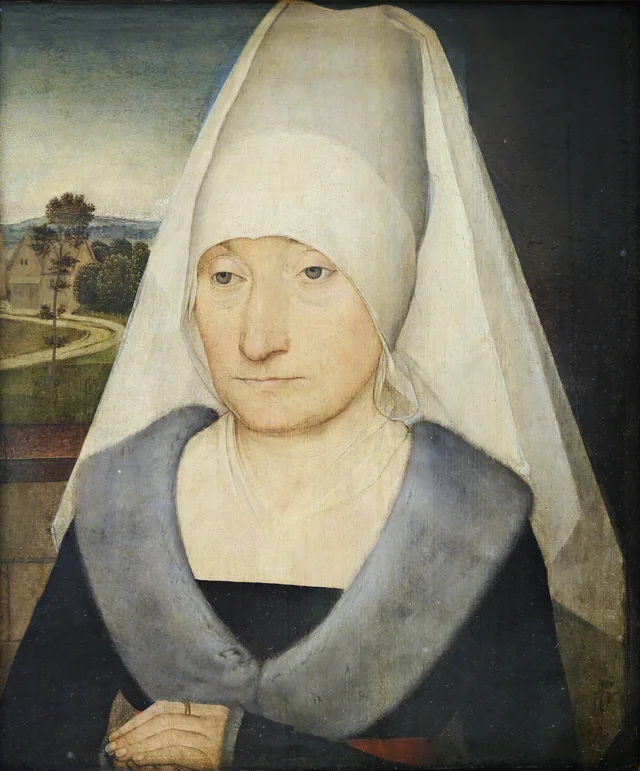 Retrato de una ancianaHans Memling, 1470
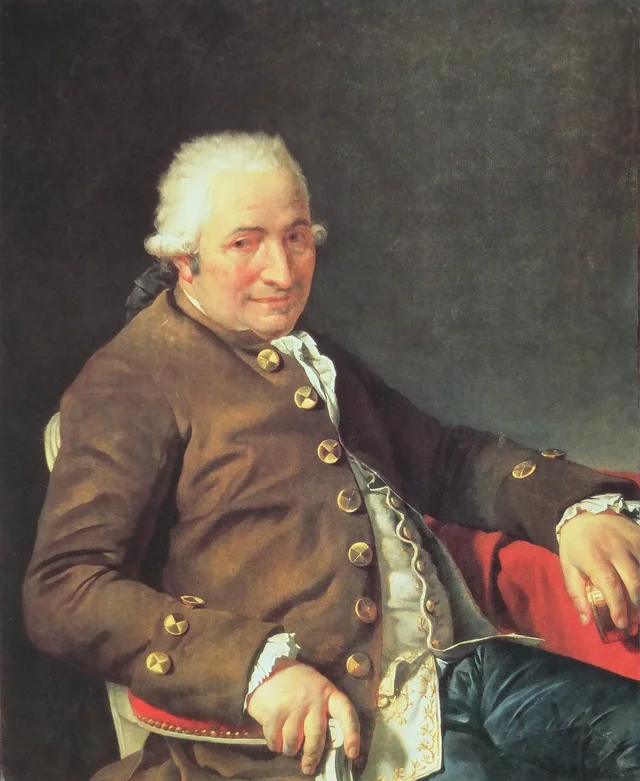 Retrato de Charles-Pierre PécoulJacques-Louis David, 1784
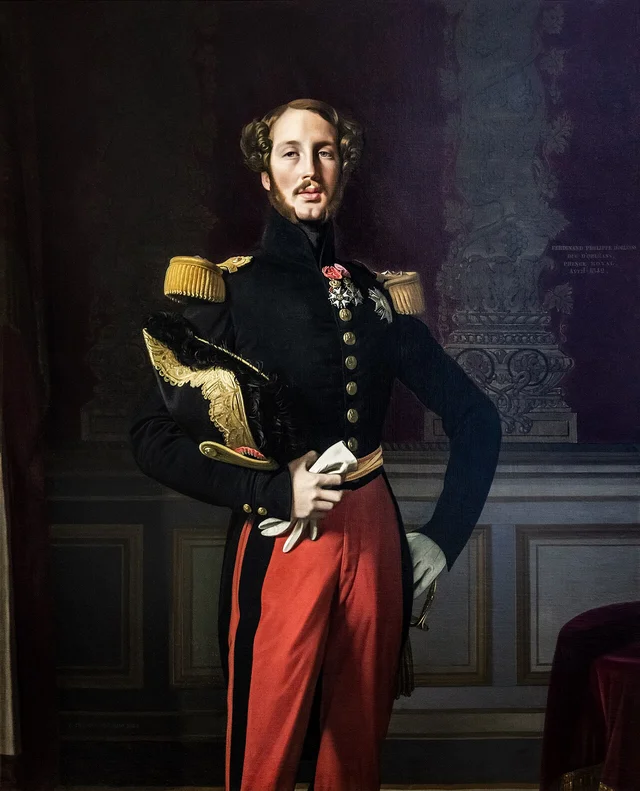 Retrato de Fernando Felipe, duque de OrleansJean-Auguste-Dominique Ingres, 1842
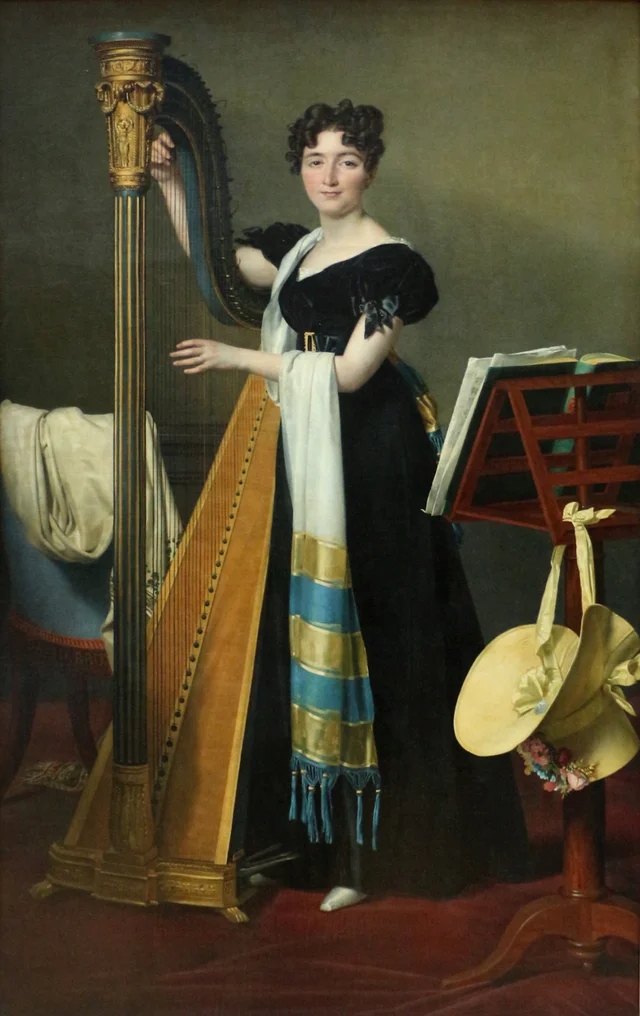 Retrato de Juliette de VilleneuveJacques-Louis David, 1824
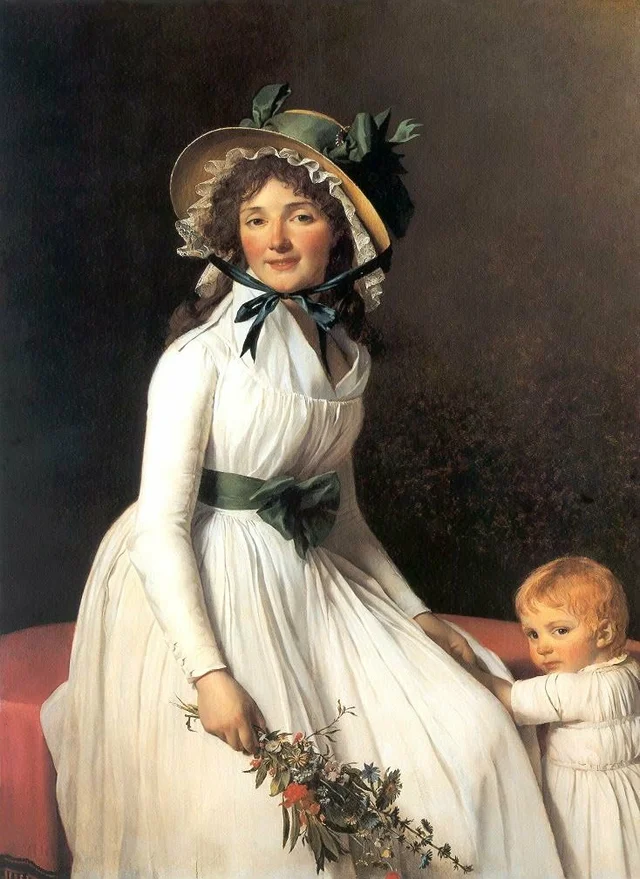 Retrato de Madame Émilie Sériziat y su hijoJacques-Louis David, 1795
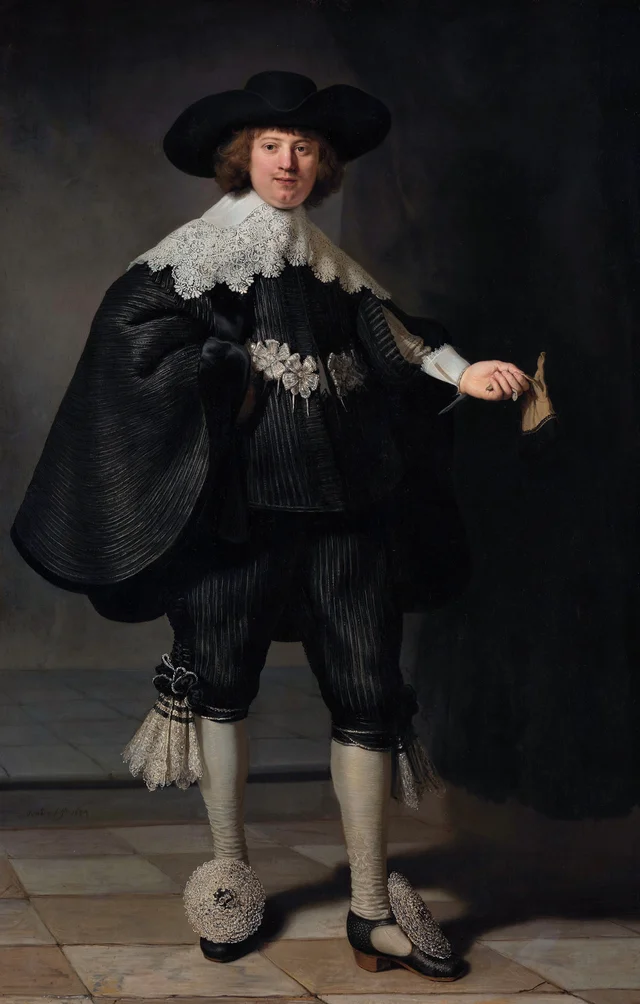 Retrato de Maerten SoolmansRembrandt, 1634
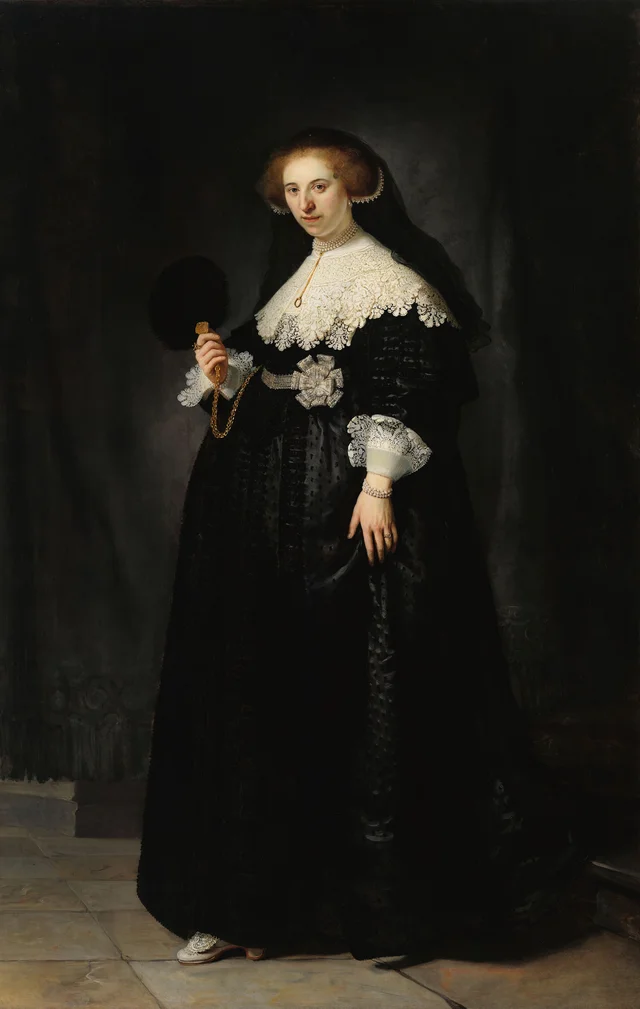 Retrato de Oopjen CoppitRembrandt, 1634
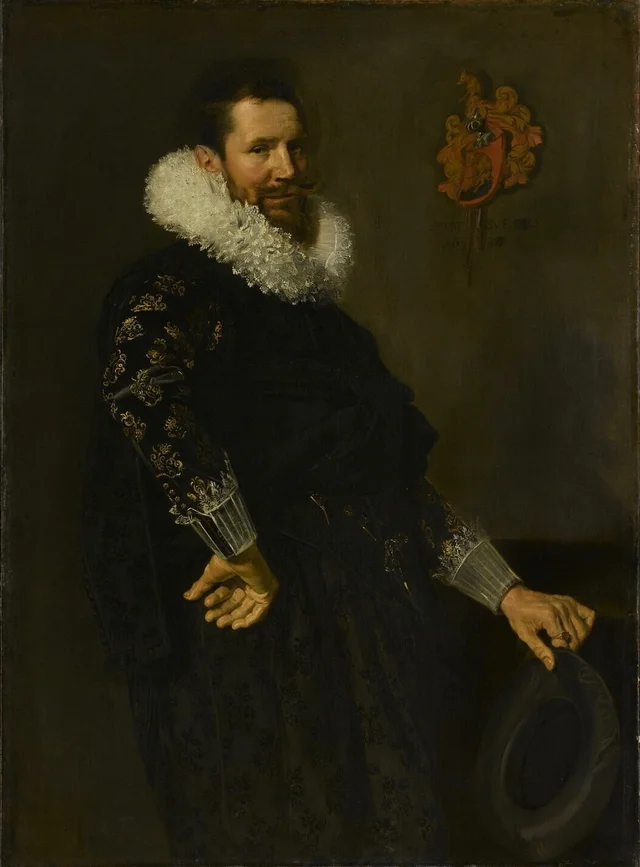 Retrato de Paulus van BeresteynFrans Hals, 1620
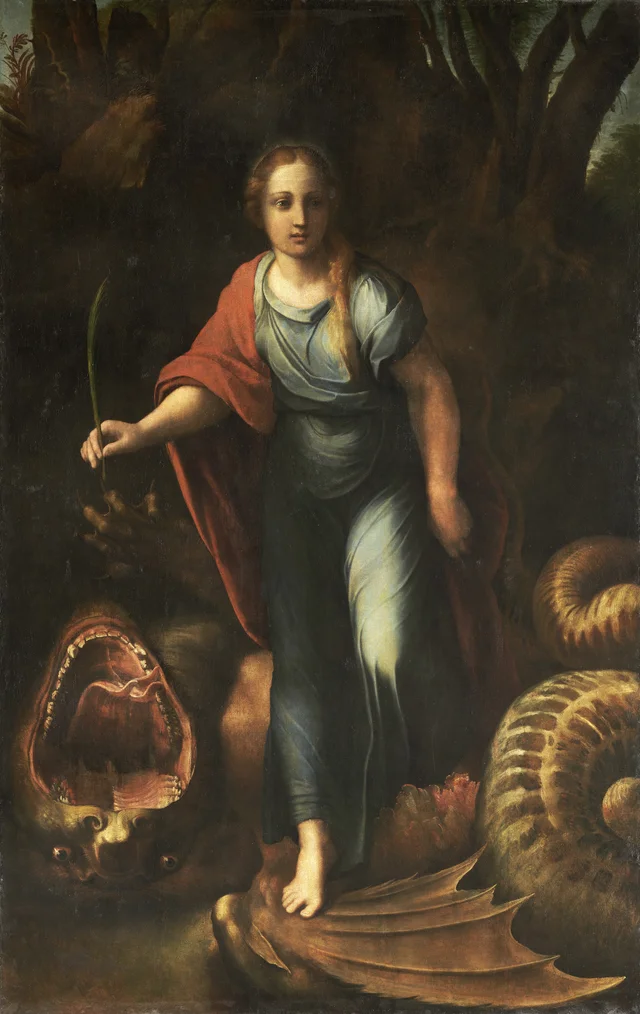 Santa MargaritaRafael, 1518
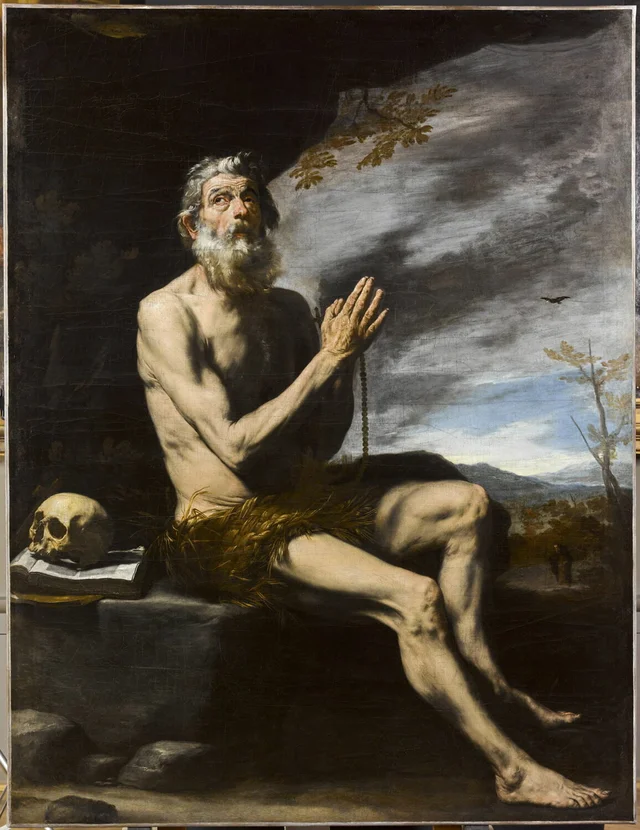 San Pablo ermitañoJusepe de Ribera, 1642
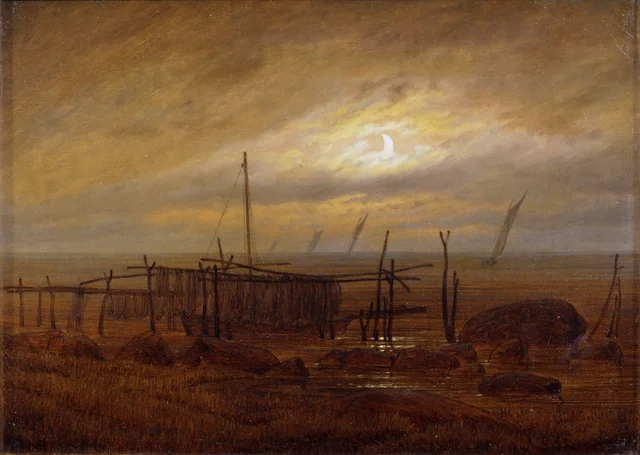 Salida de la luna sobre el marCaspar David Friedrich, 1818
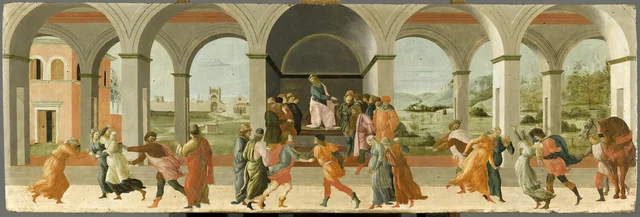 Historia de VirginiaFilippino Lippi, 1475
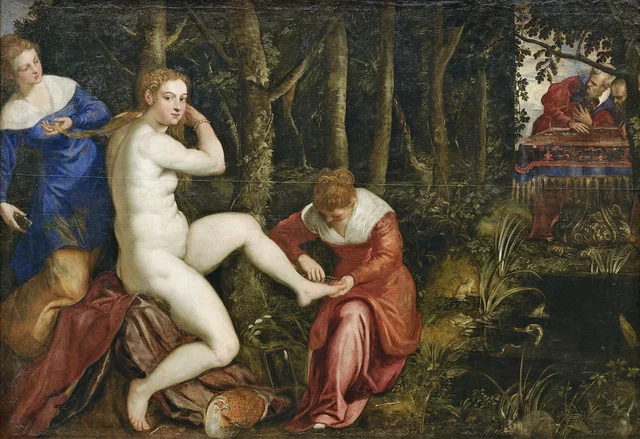 Susana en el bañoJacopo Tintoretto, 1550
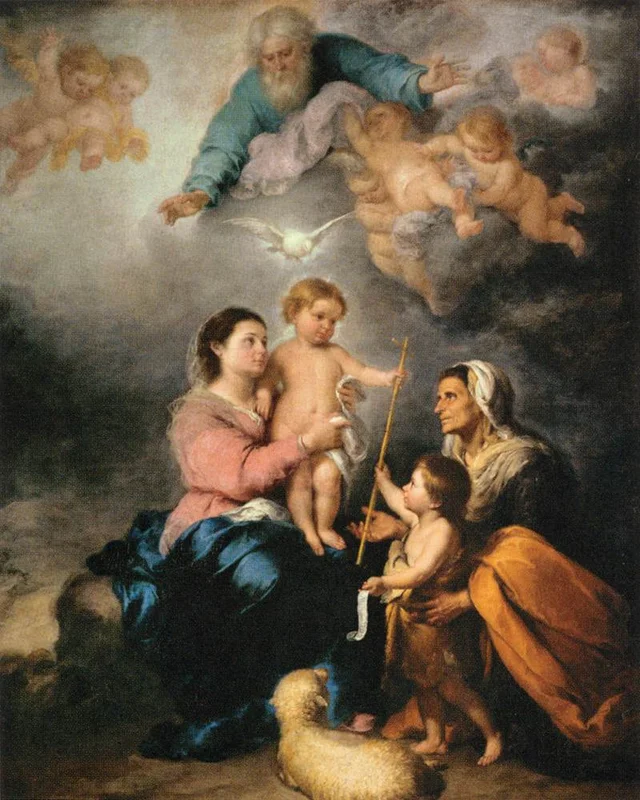 La Sagrada FamiliaBartolomé Esteban Murillo, 1667
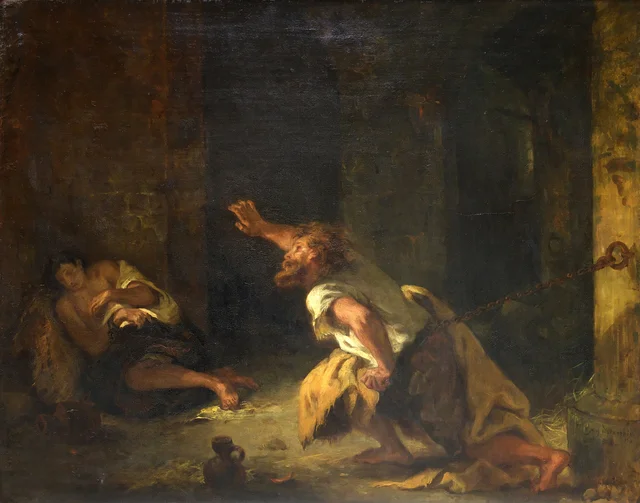 El prisionero de ChillonEugène Delacroix, 1834
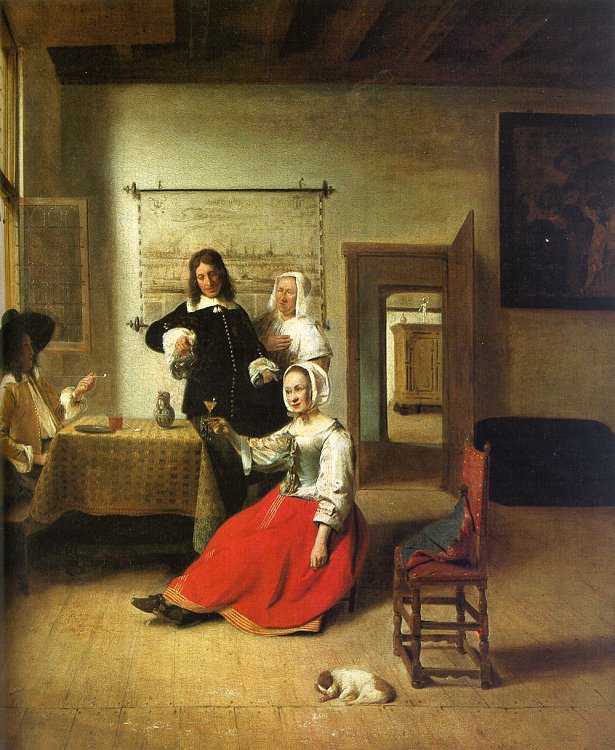 Mujer bebiendo con dos hombres y una criada en un interiorPieter de Hooch, 1658
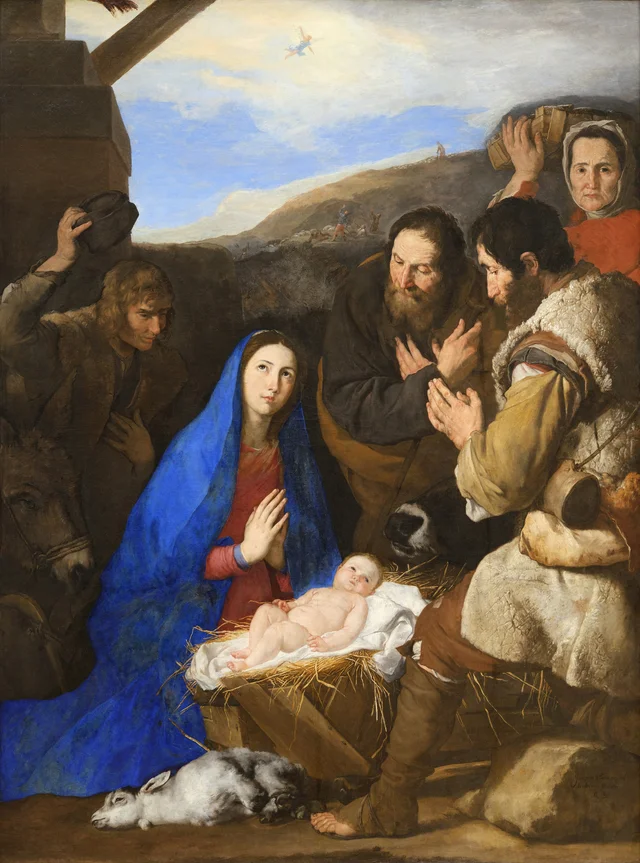 Adoración de los pastoresJusepe de Ribera, 1650
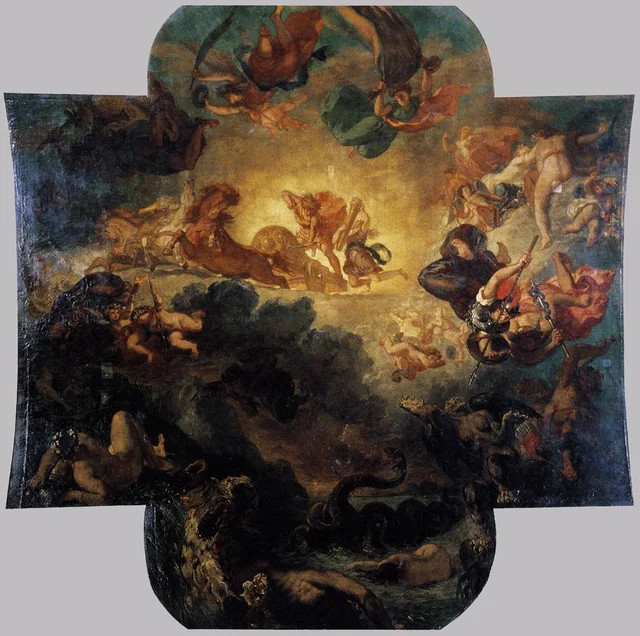 Apolo venciendo a PitónEugène Delacroix, 1850
 Bacanal con un tañedor de laúdNicolas Poussin, 1627
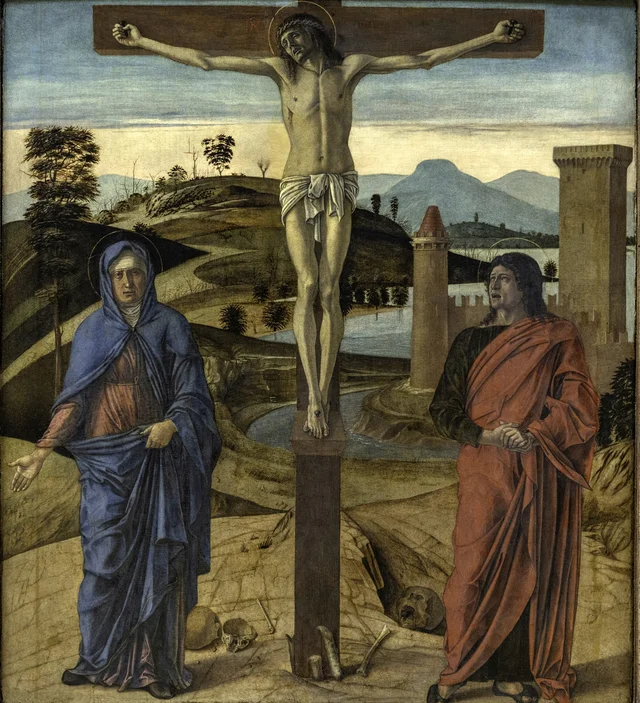 El CalvarioGiovanni Bellini, 1467
 Cristo y la mujer adúlteraNicolas Poussin, 1653
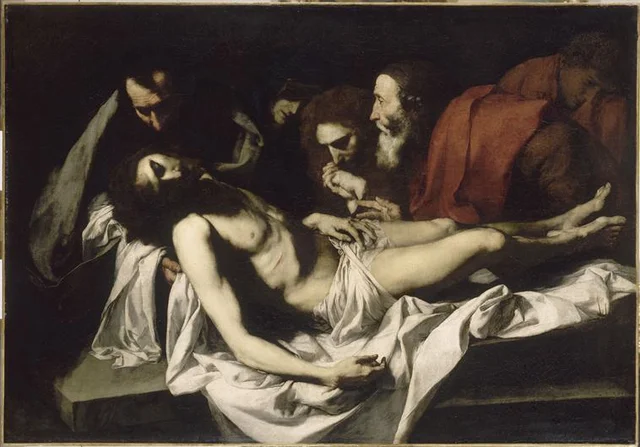 Descendimiento de CristoJusepe de Ribera, 1628
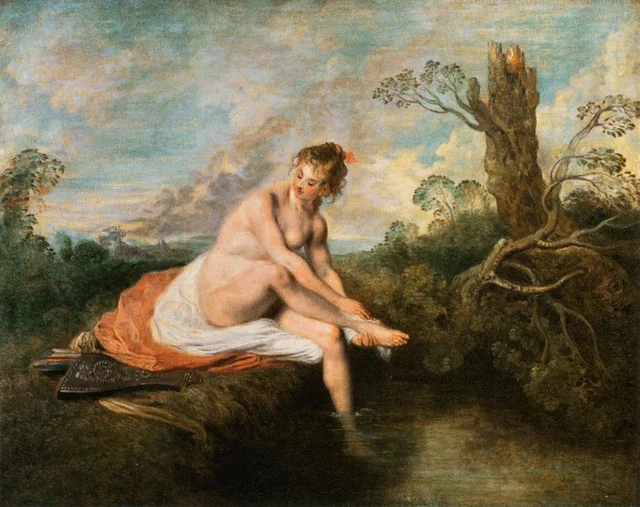 Diana en el bañoJean-Antoine Watteau, 1715
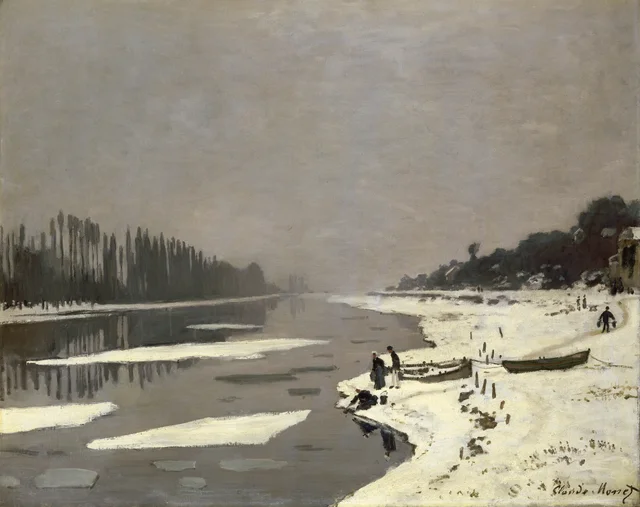 Témpanos de hielo en BougivalClaude Monet, 1867
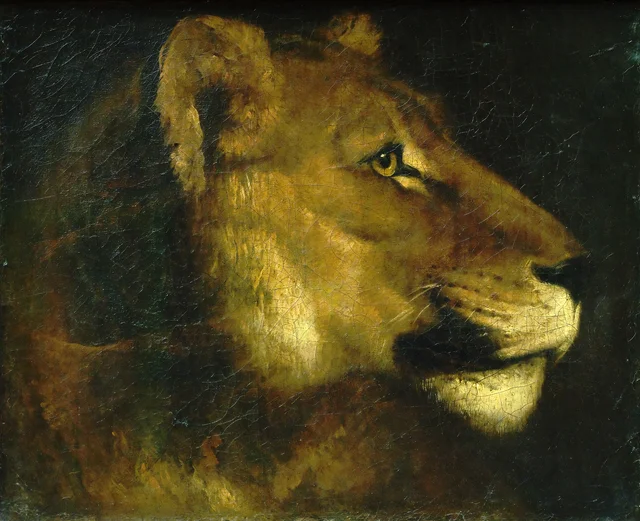 Cabeza de leónThéodore Géricault, 1819