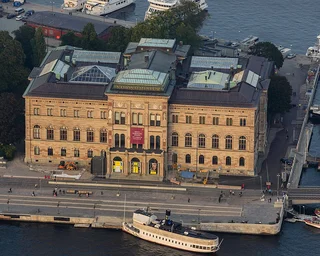
La historia
Sube la escalera principal y dos vastos murales se enfrentan a un lado y otro del vestíbulo. En una pared el pintor sueco Carl Larsson muestra al rey Gustavo Vasa entrando a caballo en Estocolmo en 1523, en la fundación de una Suecia independiente. En la pared de enfrente cuelga Midvinterblot, la sombría escena de Larsson de un legendario rey nórdico entregado en sacrificio para acabar con una hambruna. La terminó en 1915, el museo la rechazó por demasiado lúgubre y durante más de 80 años estuvo colgada en otro lugar. Solo en 1997 el Nationalmuseum la compró y la puso donde Larsson siempre quiso que fuera.
El edificio se levantó para el arte de la nación de la mano del arquitecto alemán Friedrich August Stüler y abrió en 1866, un palacio de estilo renacentista en el paseo marítimo de Blasieholmen, frente a la residencia real al otro lado del agua. Tras años de restauración reabrió en 2018 con sus colores originales y la luz natural recuperados.
Dentro se despliega todo el arco del arte sueco, de los interiores familiares llenos de sol de Larsson a los retratos y bañistas al aire libre de Anders Zorn, colgados junto a viejos maestros europeos, entre ellos Rembrandt. El Nationalmuseum conserva además una de las grandes colecciones de diseño de Suecia, que va de la plata y el mobiliario gustaviano del siglo XVIII al vidrio y la cerámica modernos.
Colección
66 obras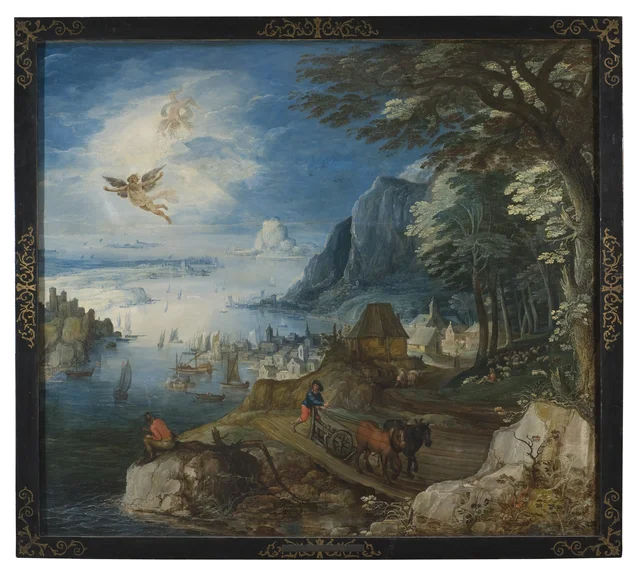 Paisaje con la caída de ÍcaroJoos de Momper el Joven, 1607
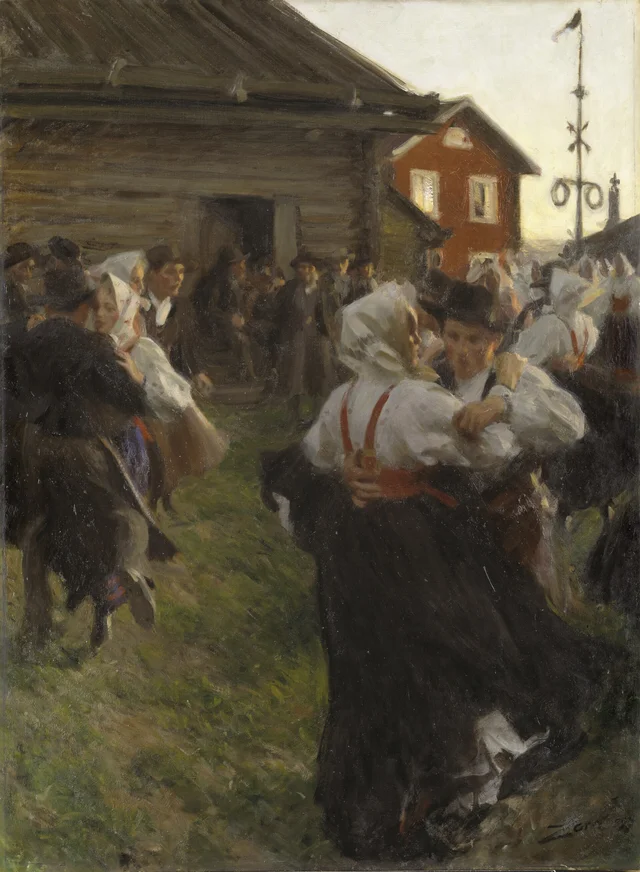 Danza de pleno veranoAnders Zorn, 1897
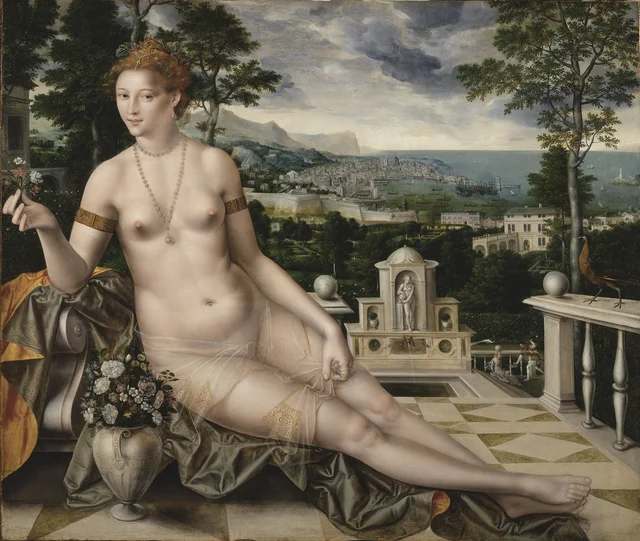 Venus CitereaJan Matsys, 1561
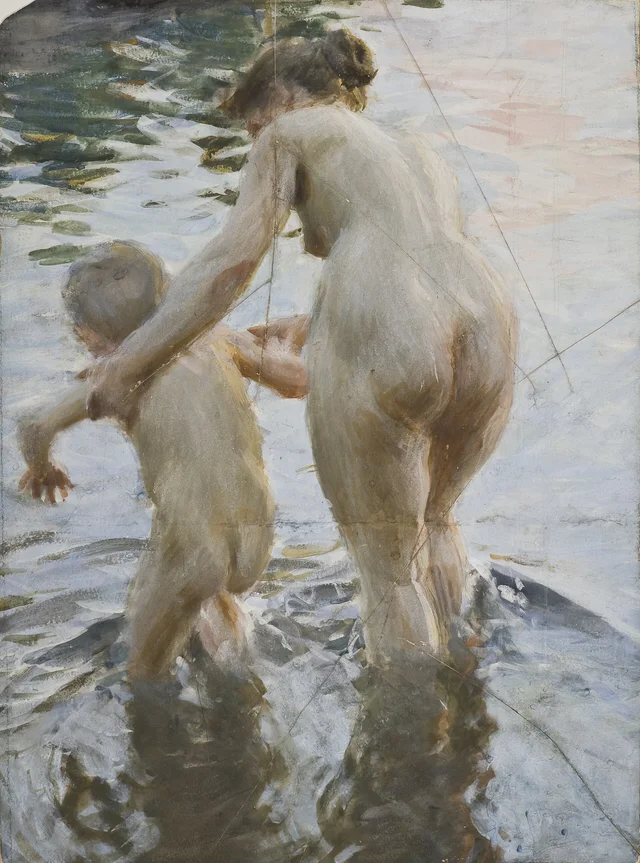 Un estrenoAnders Zorn, 1888
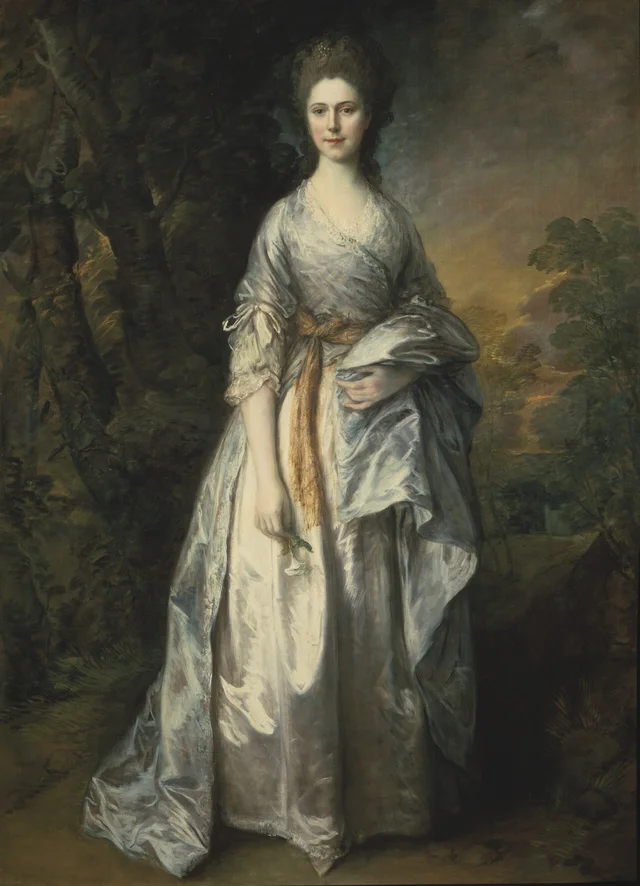 Maria, lady Eardley (1743-1794)Thomas Gainsborough, 1766
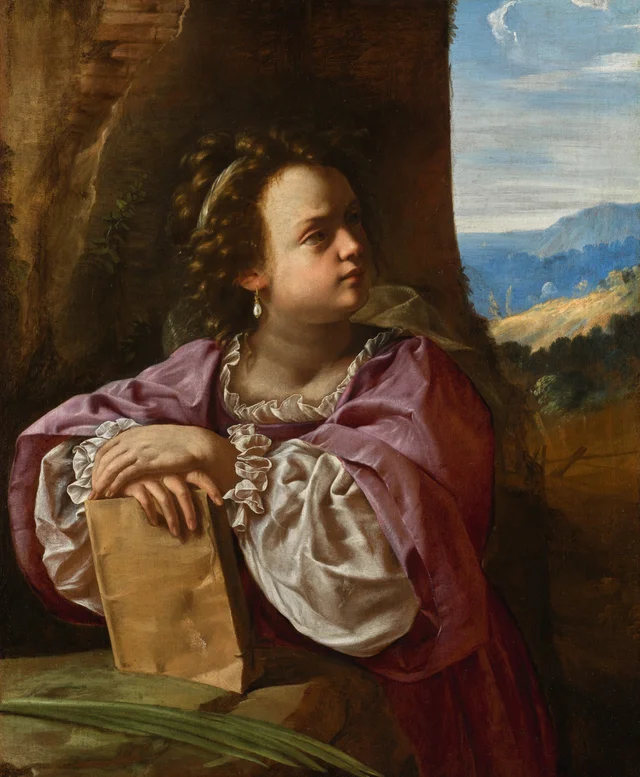 Santa Catalina de AlejandríaArtemisia Gentileschi, 1640
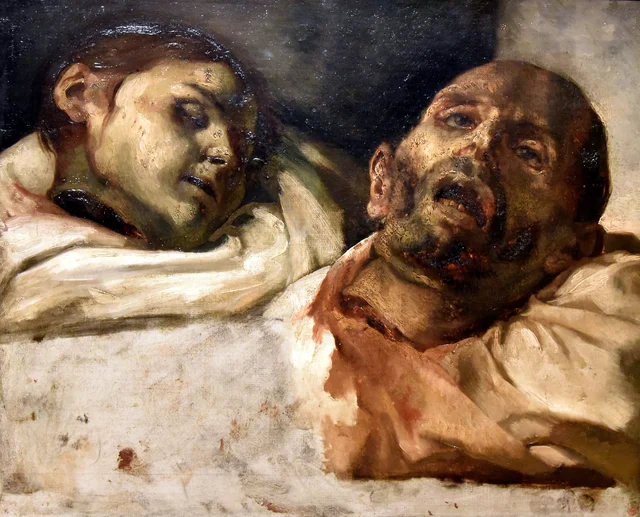 Las cabezas cortadasThéodore Géricault, 1818
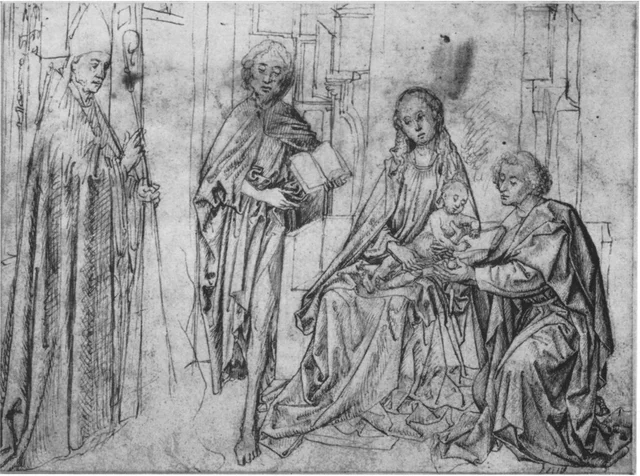 Virgen con el Niño y santosMaestro de los Estudios de Paños
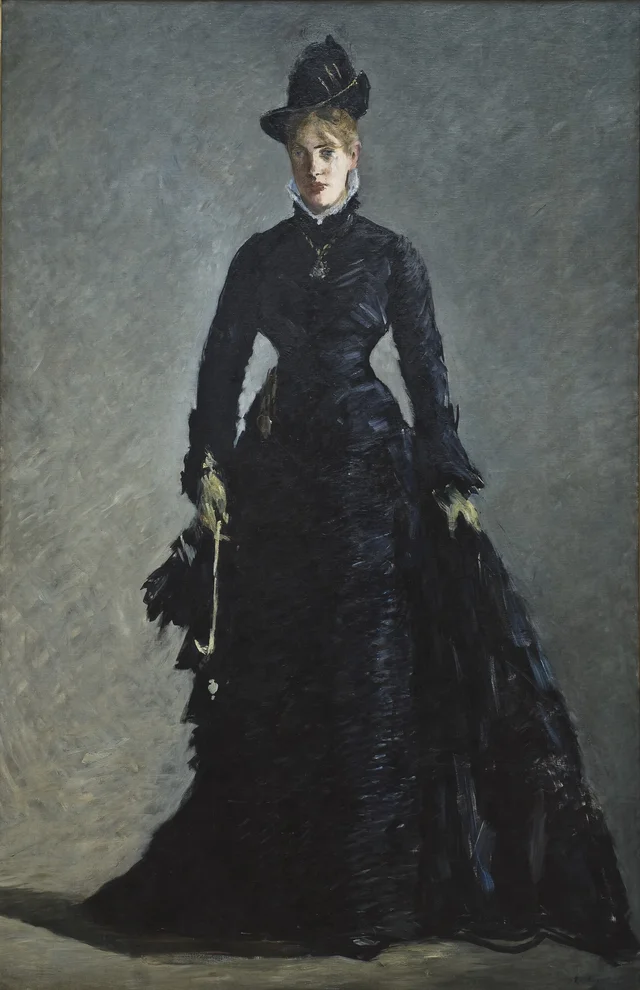 La parisinaÉdouard Manet, 1876
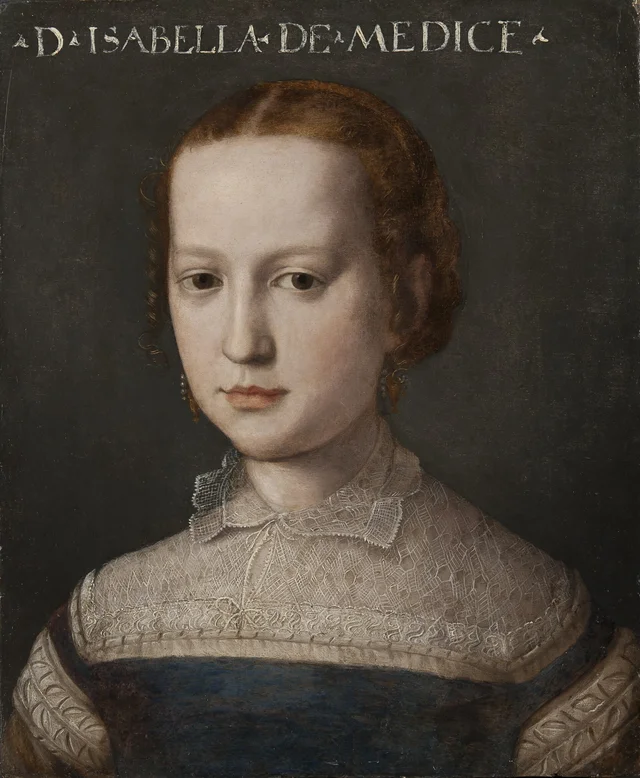 Isabel de Médici (1542-1576)Bronzino, 1552
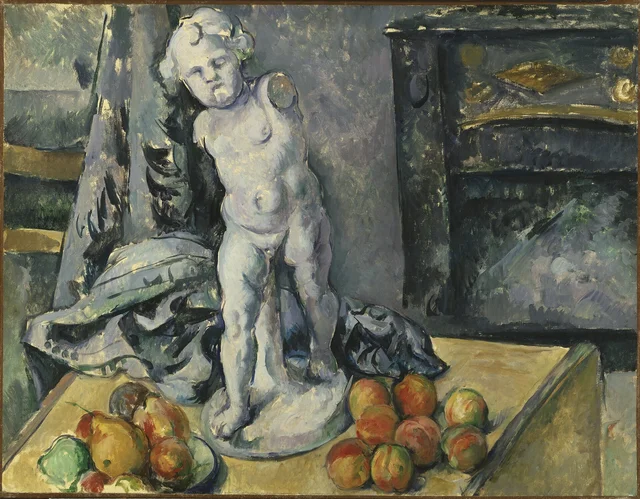 Bodegón con estatuillaPaul Cézanne, 1894
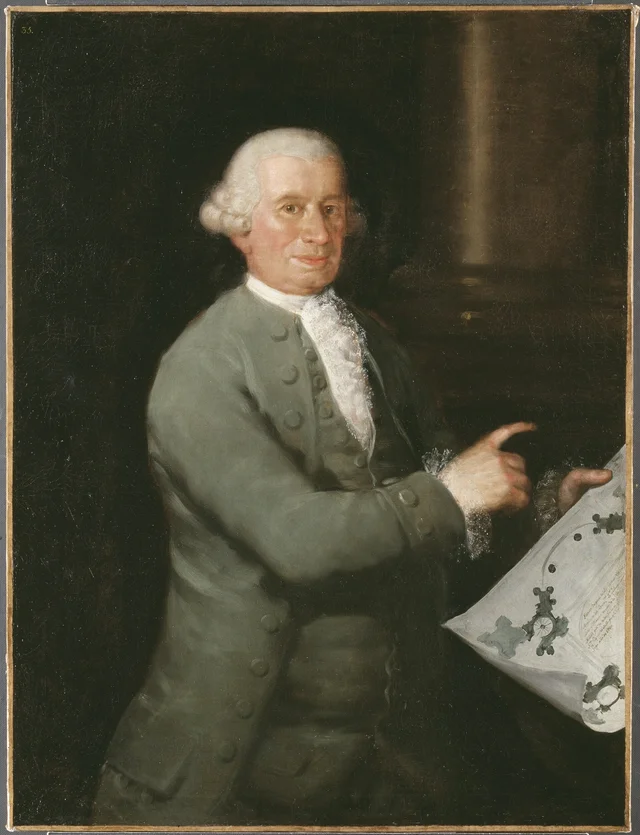 El arquitecto Ventura RodríguezFrancisco Goya, 1784
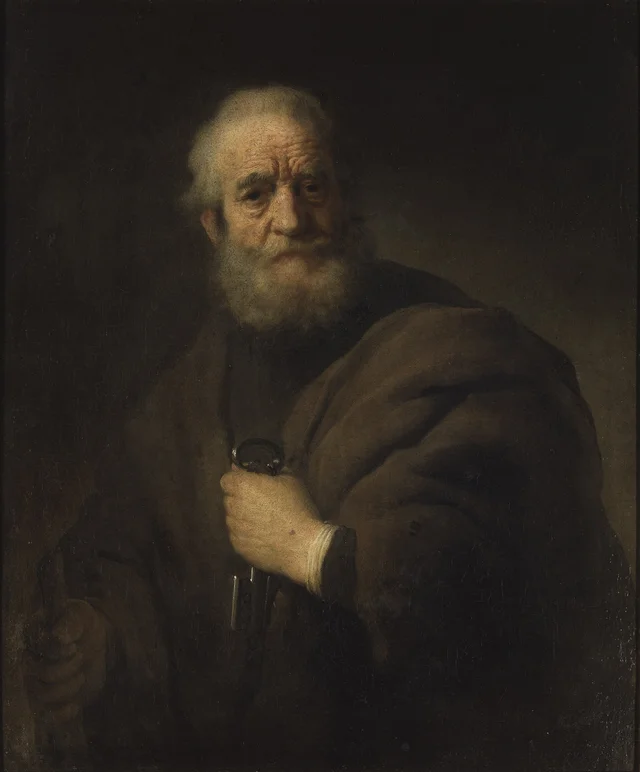 El apóstol PedroRembrandt, 1629
 Baco-ApoloNicolas Poussin, 1626
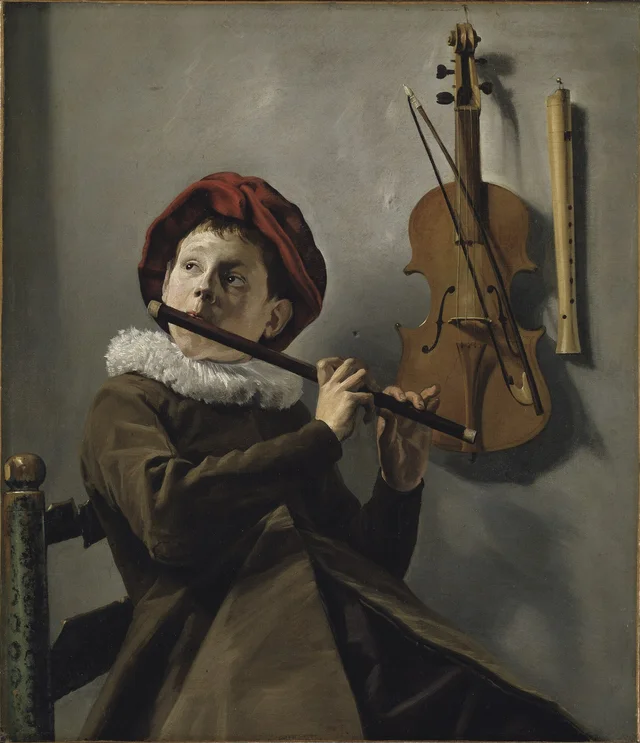 Muchacho tocando la flautaJudith Leyster, 1635
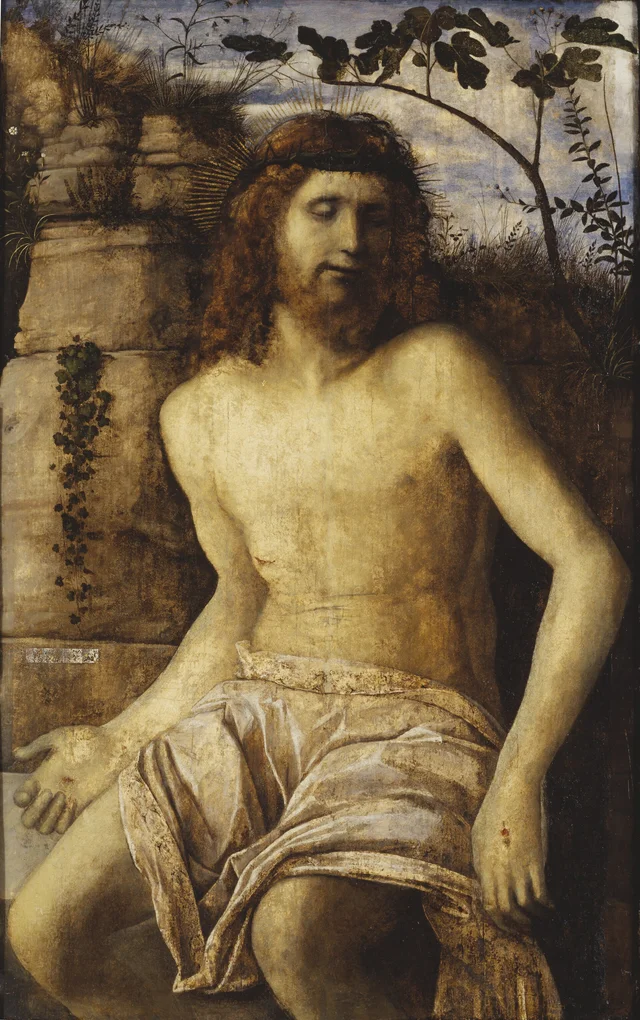 Cristo coronado de espinasGiovanni Bellini, 1507
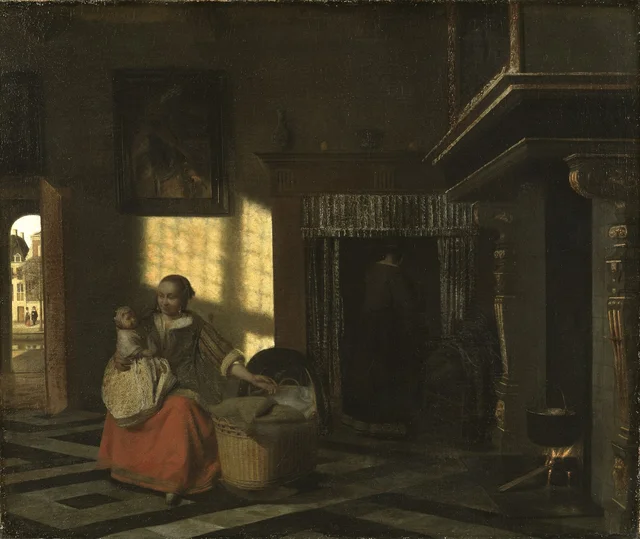 Interior con una madre junto a una cunaPieter de Hooch, 1665
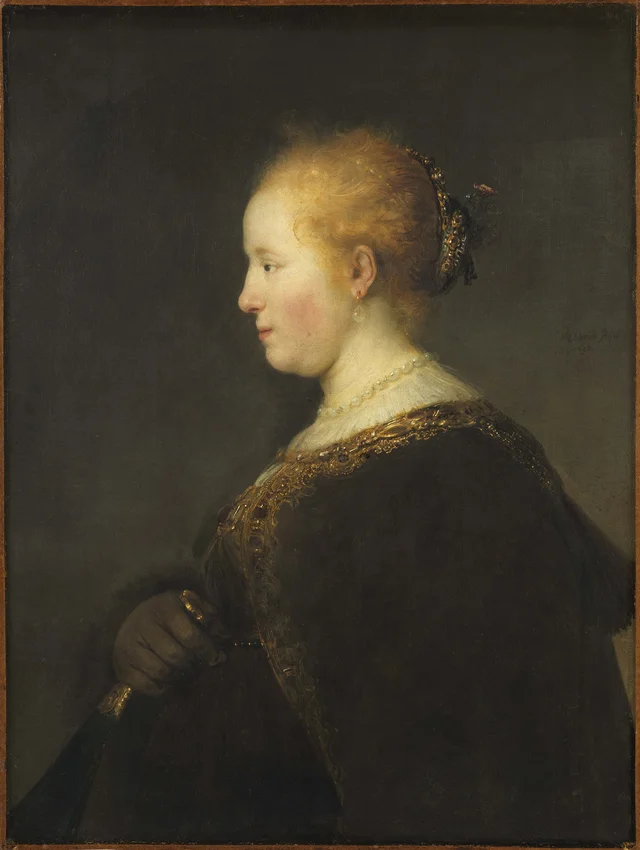 Retrato de una joven de perfilRembrandt, 1632
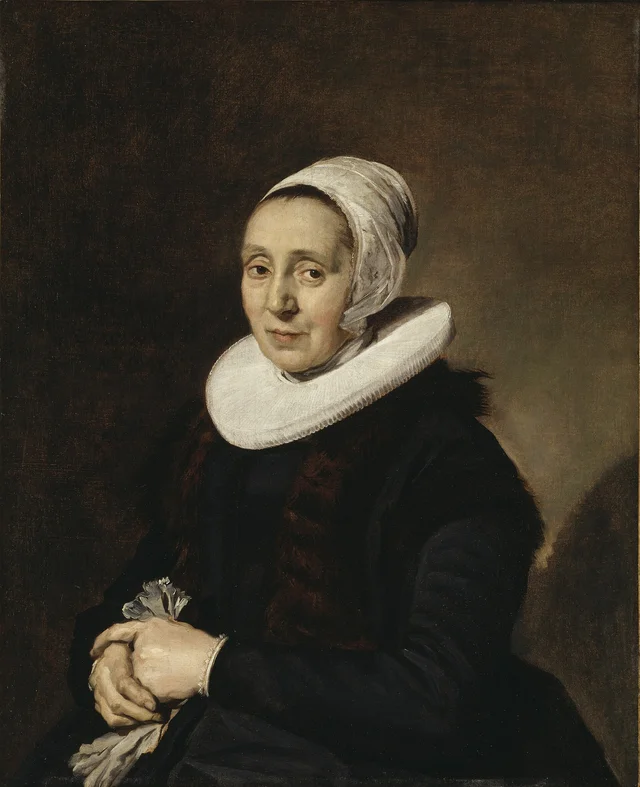 Retrato de Maria Bastiaens van HoutFrans Hals, 1643
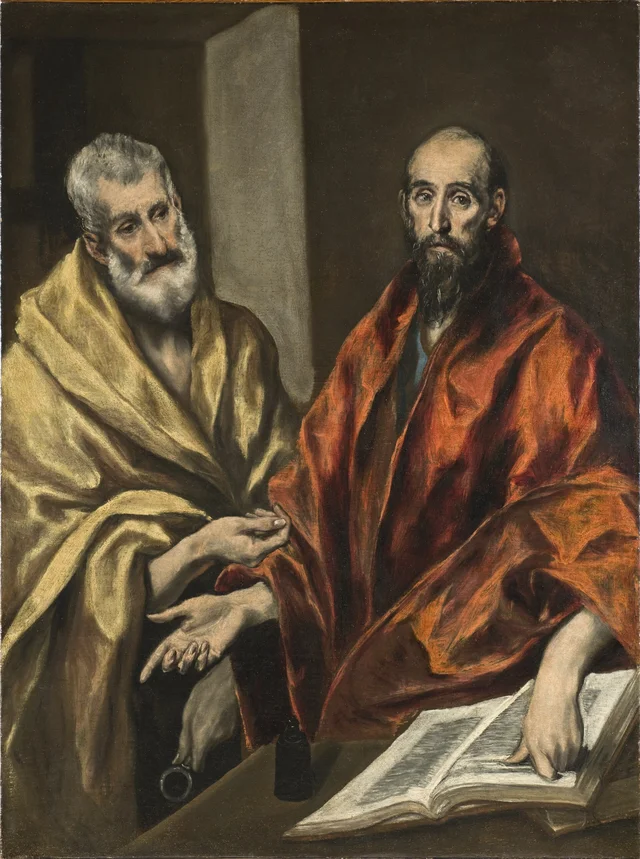 San Pedro y San PabloEl Greco, 1605
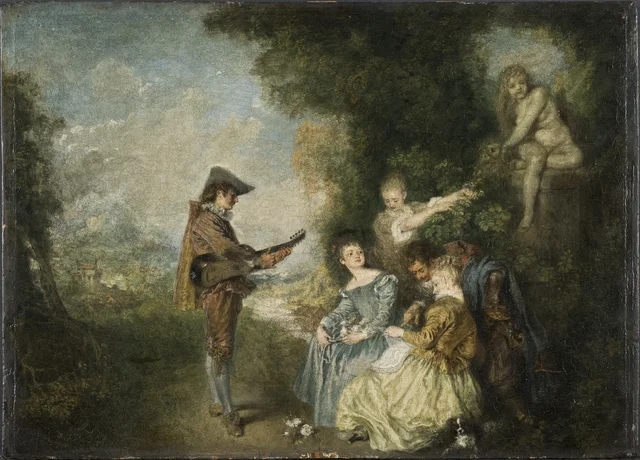 La lección de amorJean-Antoine Watteau, 1716
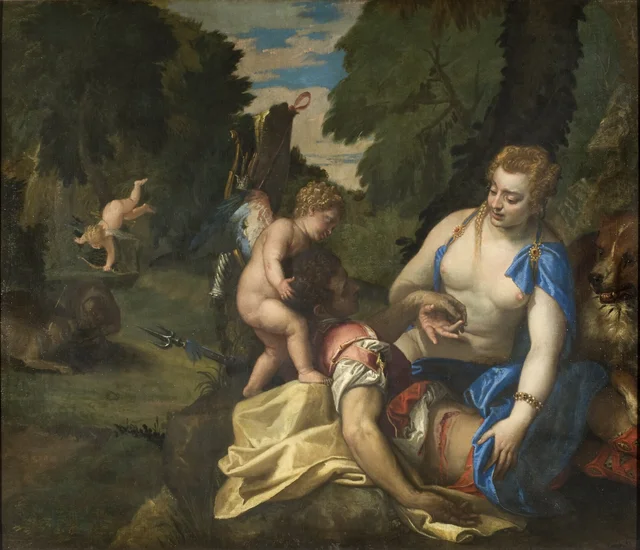 Venus llorando a AdonisPaolo Veronese
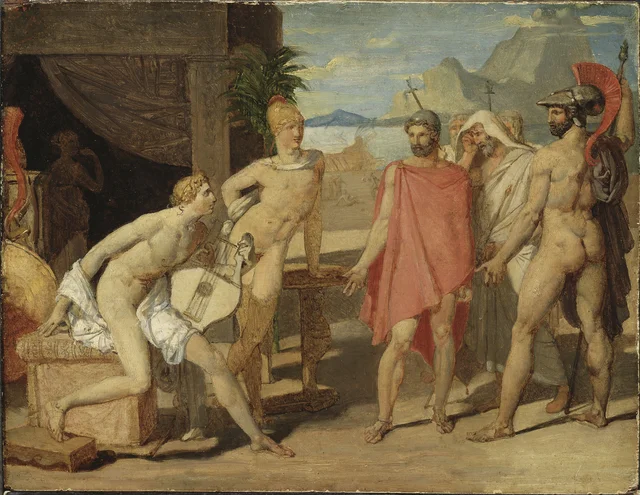 Aquiles recibiendo en su tienda a los embajadores de AgamenónJean-Auguste-Dominique Ingres, 1801
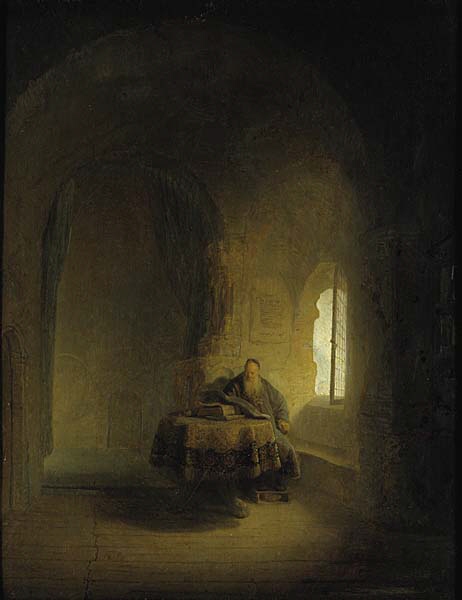 Un anciano erudito junto a una ventana en una sala abovedadaRembrandt, 1631
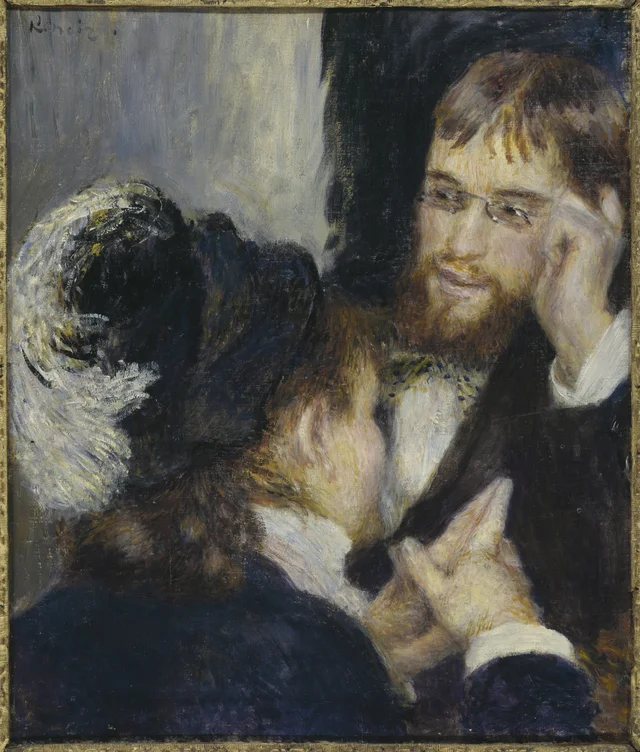 ConversaciónPierre-Auguste Renoir, 1878