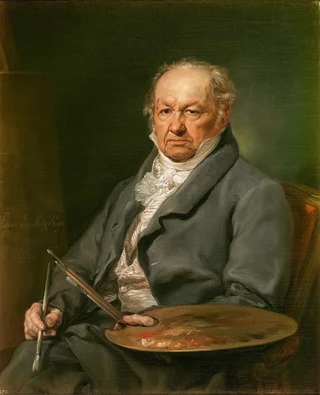
Francisco Goya
1746–1828 · Espagne · Romantisme
L'histoire
Francisco Goya s'éleva presque aussi haut qu'un peintre pouvait le faire dans l'Espagne du XVIIIe siècle. Venu d'Aragon, il gravit les échelons jusqu'à devenir premier peintre du roi à Madrid, produisant de brillants cartons de tapisserie et de flatteurs portraits royaux. Puis, à l'hiver 1792, une maladie que nul n'a jamais pu nommer le terrasse — mois de fièvre, vertiges, bourdonnements dans la tête —, et à son terme il est totalement sourd, et le restera 35 ans. Il conserve son poste à la cour, mais son œuvre se tourne vers l'intérieur et vers l'ombre.
Enfermé dans son silence, il réalise une série de gravures, les Caprices, peuplées de sorcières, d'ânes et de monstres, l'une portant pour légende que le sommeil de la raison engendre des monstres. Puis l'histoire rattrapa cette obscurité intime. En 1808, les armées de Napoléon déferlent sur l'Espagne, placent le frère de l'empereur sur le trône, et Madrid se soulève ; les Français fusillent les rebelles par groupes, toute la nuit. Des années plus tard, Goya peindra cette nuit-là : un homme en chemise blanche, bras grands ouverts devant un peloton d'exécution sans visage, une seule lanterne posée au sol entre eux. On l'appelle souvent le premier grand tableau moderne de la guerre, sans la moindre gloire.
Vers la fin, il alla plus loin encore. Vieux, sourd, meurtri par ce qu'il avait vécu, il couvrit les murs de sa maison de campagne, près de Madrid, de peintures destinées à n'être vendues — scènes noires, intimes, cauchemardesques, dont un dieu géant dévorant l'un de ses enfants. Il ne leur donna jamais de titre ; on les appelle les Peintures noires. Il ne les emporta même pas avec lui lorsque, à près de 80 ans et en délicatesse avec la couronne espagnole, il quitta le pays pour Bordeaux, en France, où il mourut. Les peintures murales furent décollées des décennies plus tard et sont aujourd'hui accrochées à Madrid.
Autres articles
Œuvres
374 œuvres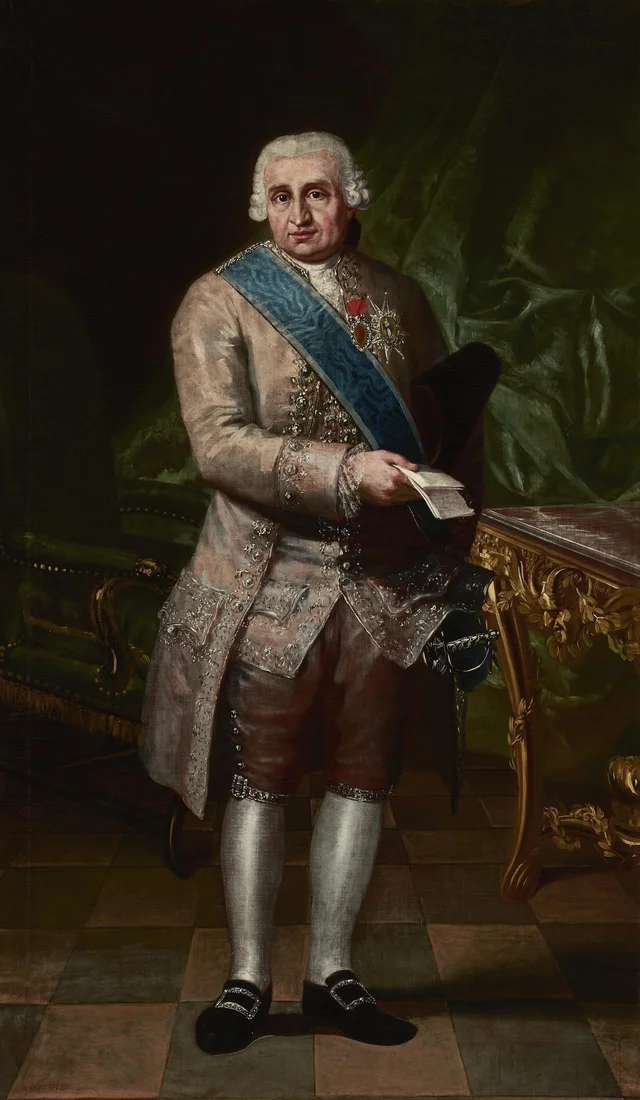 Miguel de Múzquiz y GoyenecheFrancisco Goya, 1783
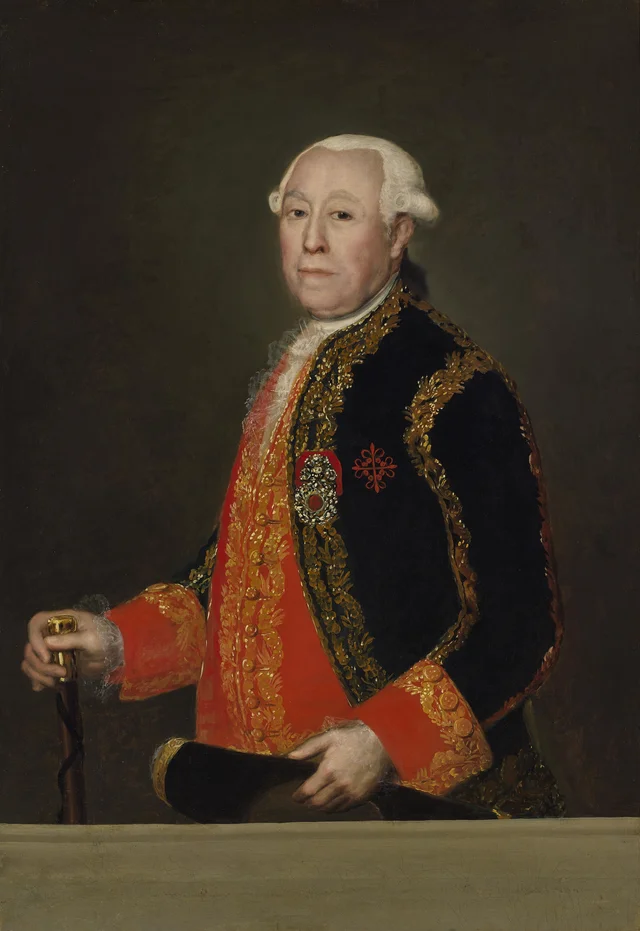 Miguel Fernández Durán, marquis de TolosaFrancisco Goya, 1786
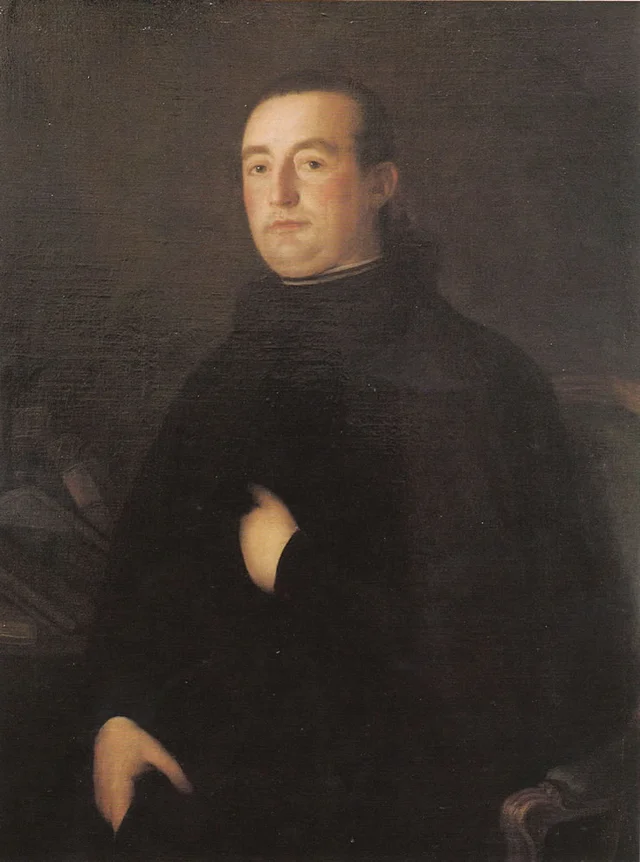 Portrait de Camilo GoyaFrancisco Goya, 1783
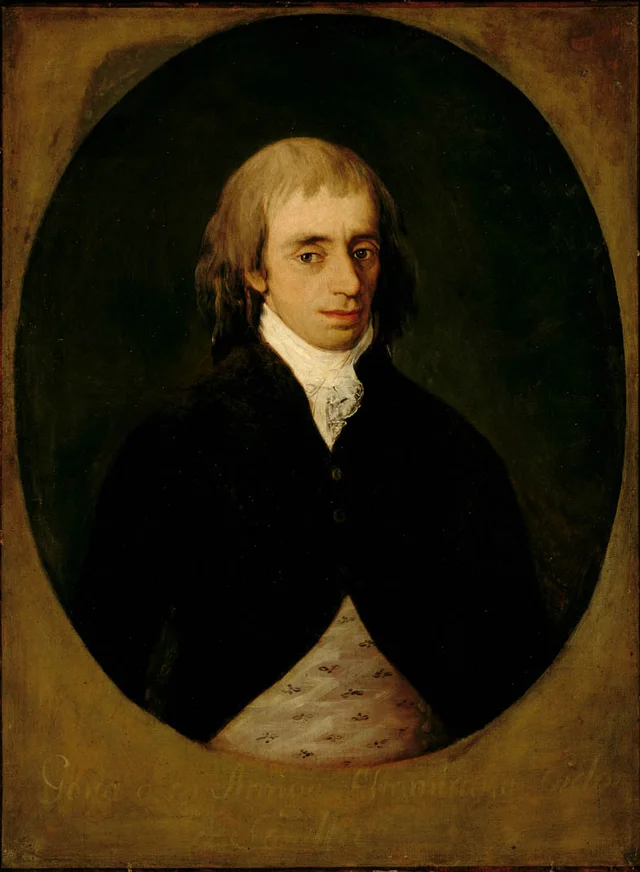 Portrait de Carlos López AltamiranoFrancisco Goya, 1796
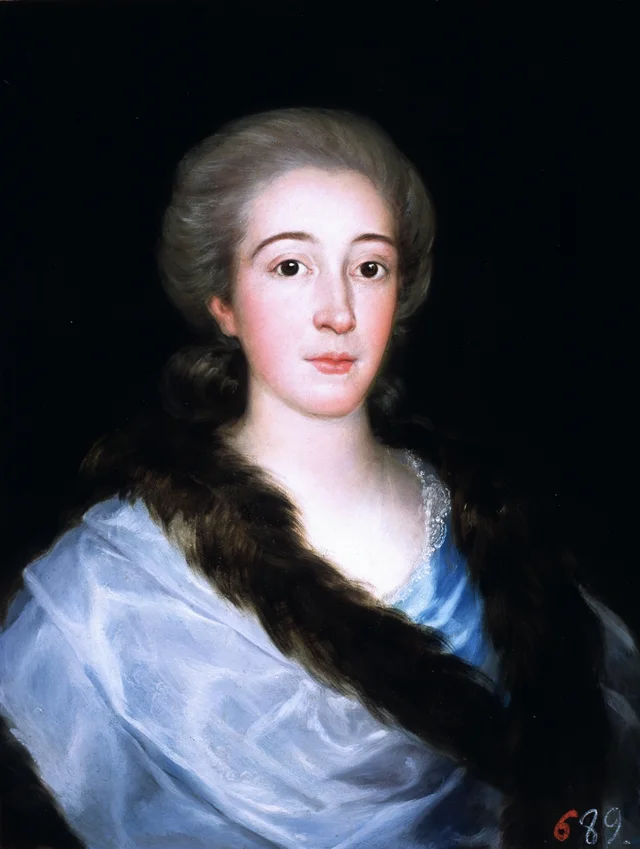 Portrait de doña María Teresa de Vallabriga y Rozas (1759-1820)Francisco Goya, 1783
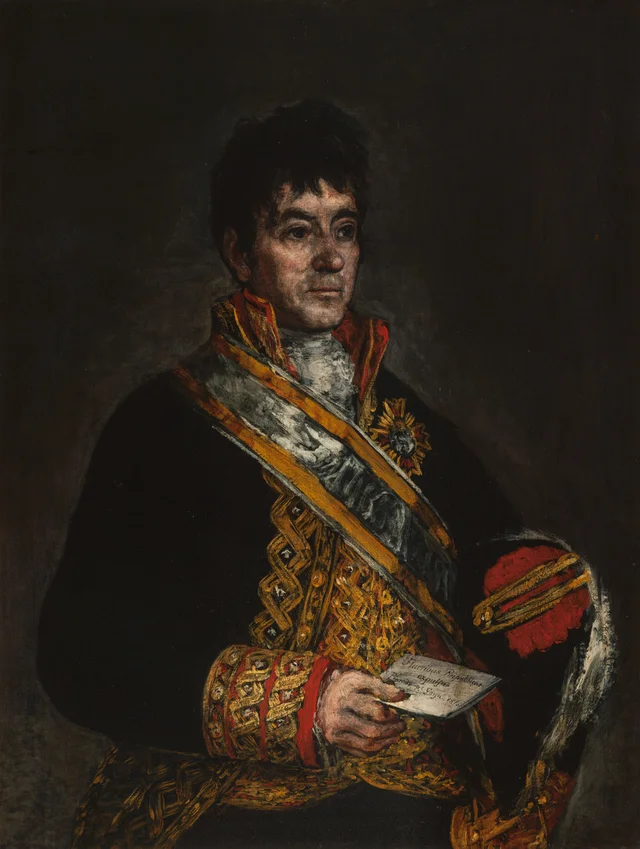 Portrait de don Miguel de LardizábalFrancisco Goya, 1815
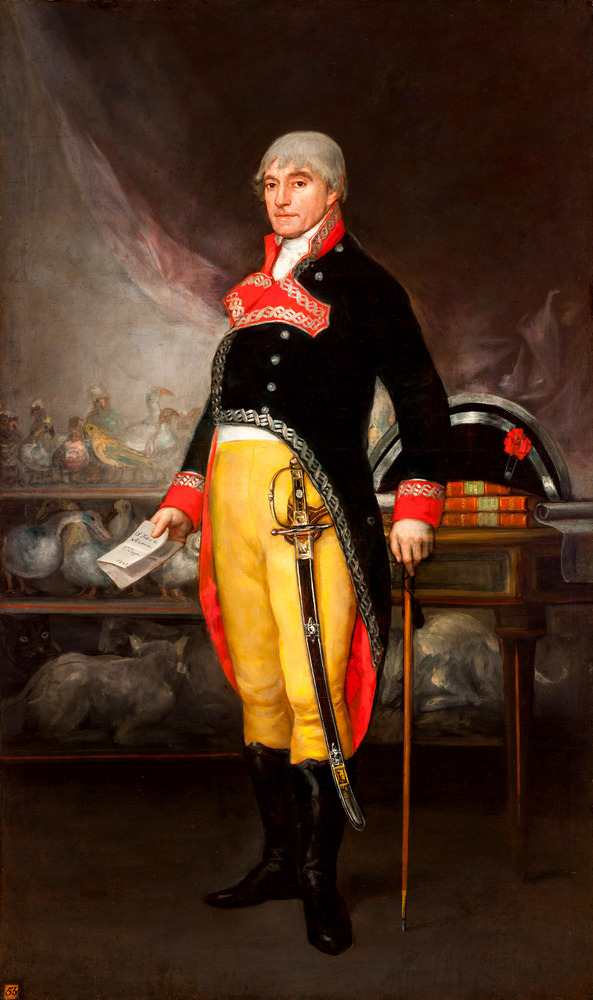 Portrait de Félix de AzaraFrancisco Goya, 1805
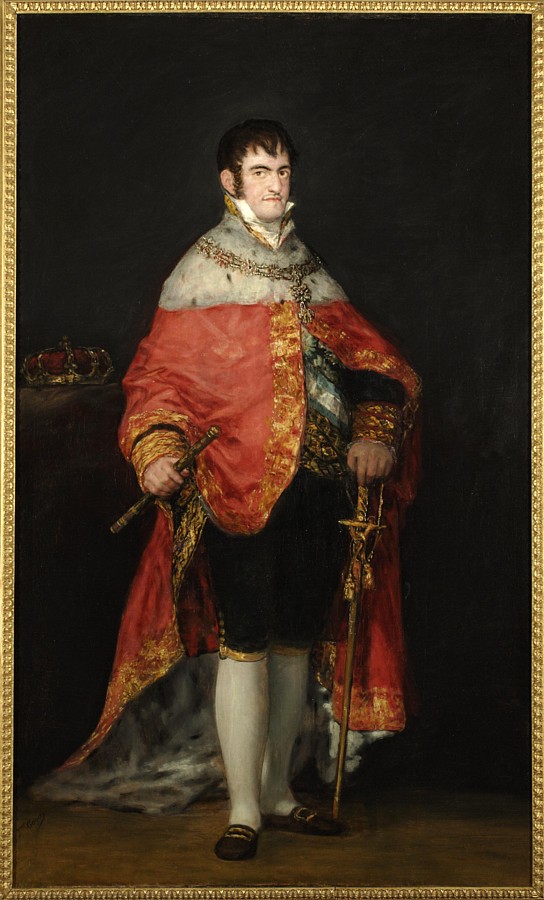 Portrait de Ferdinand VII en manteau royalFrancisco Goya, 1815
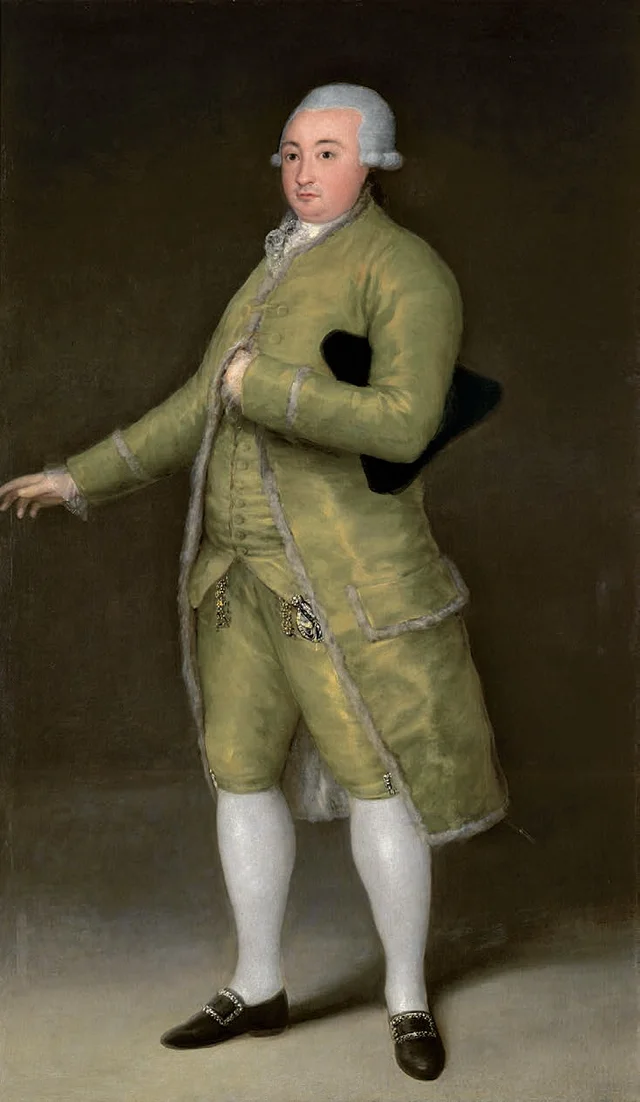 Portrait de Francisco CabarrúsFrancisco Goya, 1788
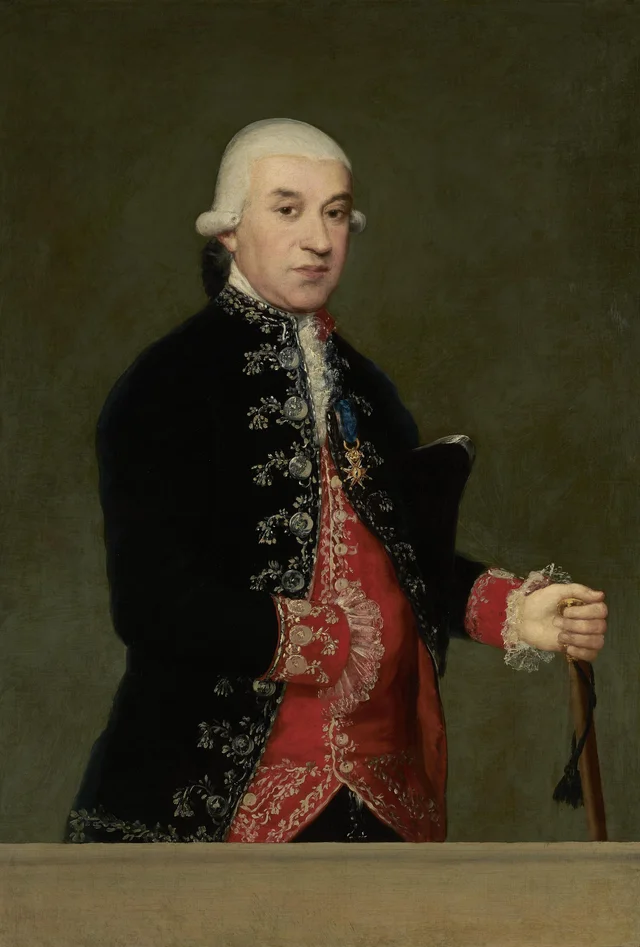 Portrait de Francisco Javier de LarumbeFrancisco Goya, 1787
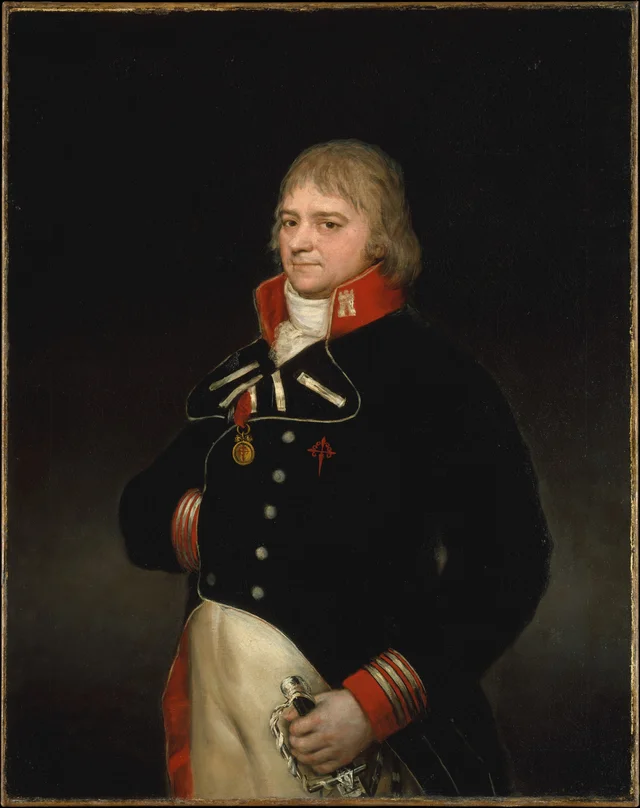 Portrait d'Ignacio Garcini y QueraltFrancisco Goya, 1804
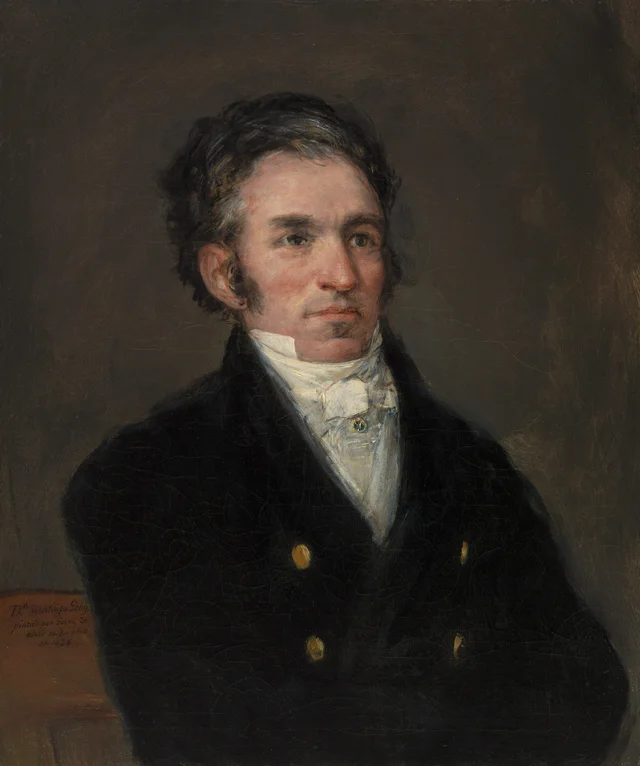 Portrait de Jacques GalosFrancisco Goya, 1826
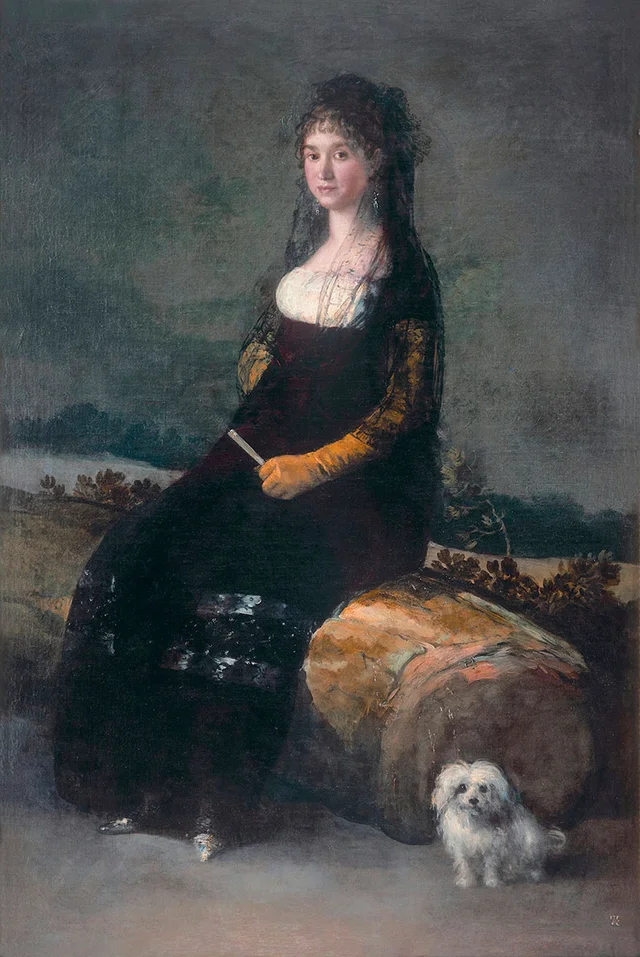 Portrait de Joaquina Candado RicarteFrancisco Goya, 1802
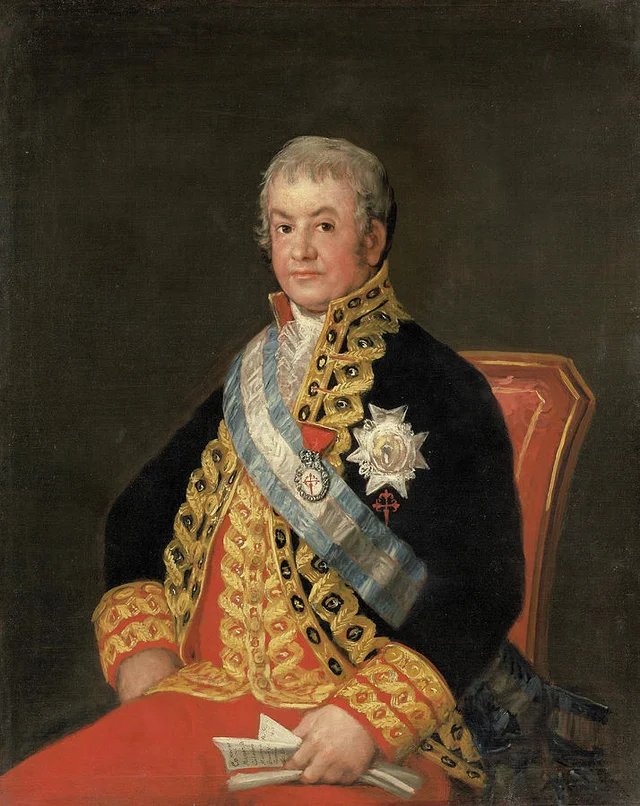 Portrait de José Antonio, marquis de CaballeroFrancisco Goya, 1807
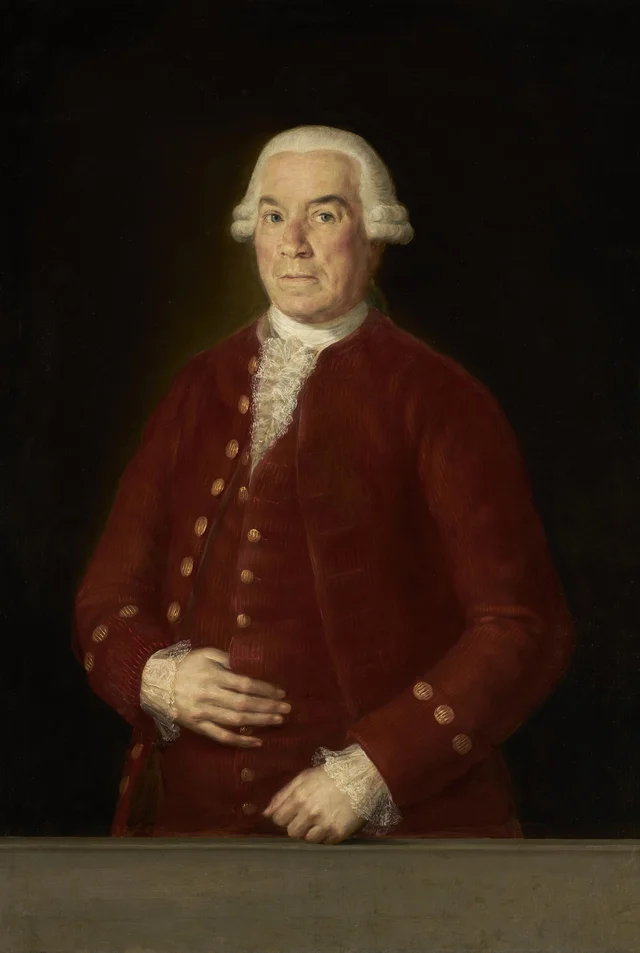 Portrait de José de Toro y ZambranoFrancisco Goya, 1785
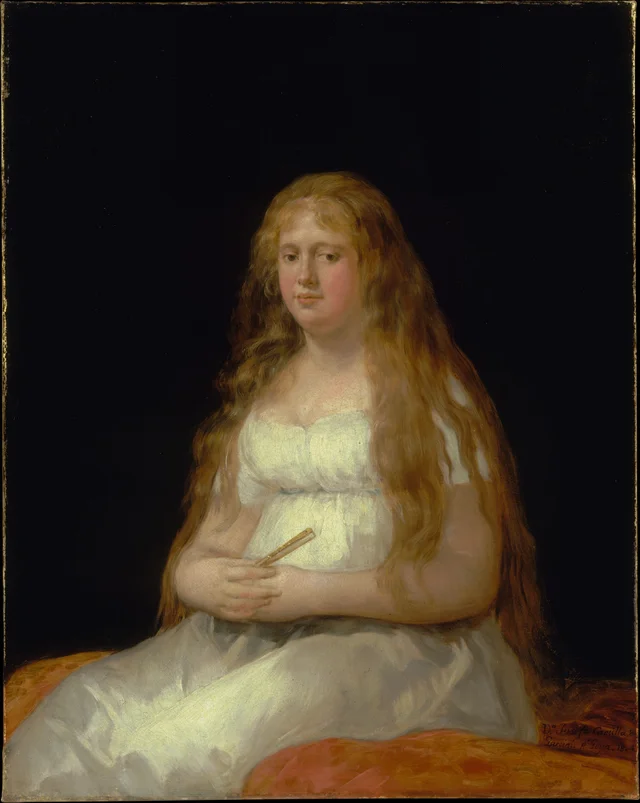 Portrait de Josefa de Castilla Portugal y van Asbrock de GarciniFrancisco Goya, 1804
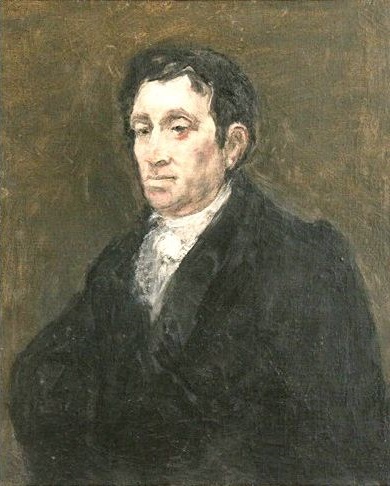 Portrait de José Pío de MolinaFrancisco Goya, 1827
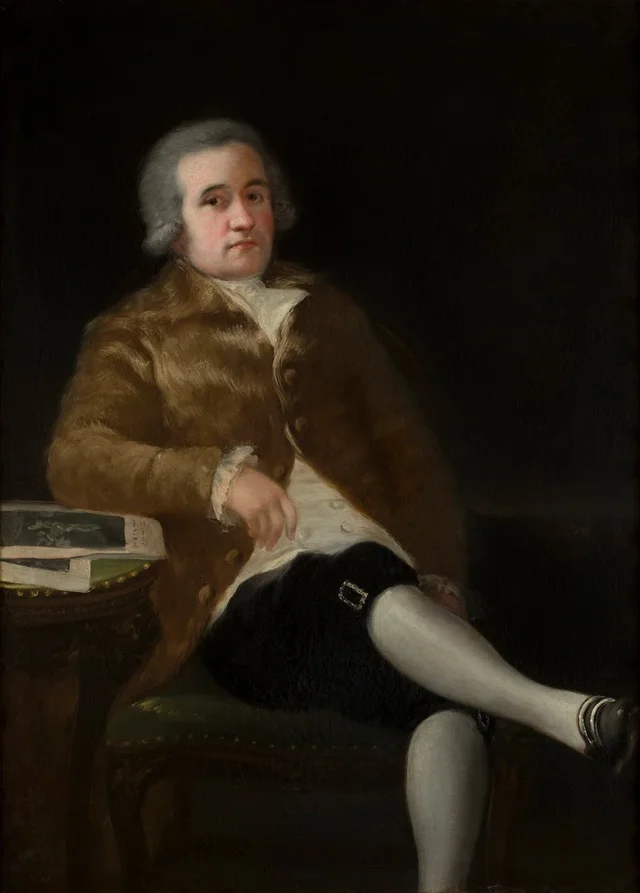 Portrait de Juan Agustín Ceán BermúdezFrancisco Goya, 1789
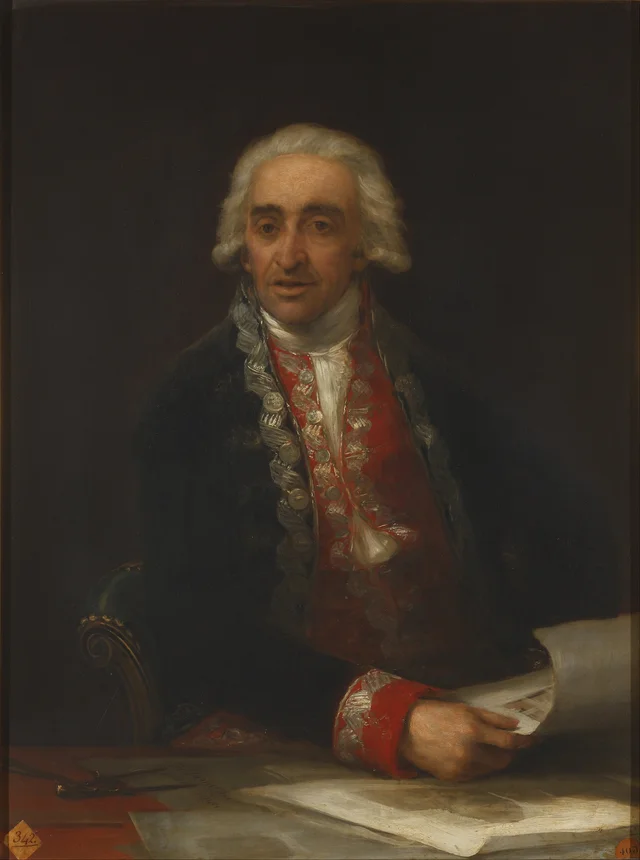 Portrait de Juan de VillanuevaFrancisco Goya, 1805
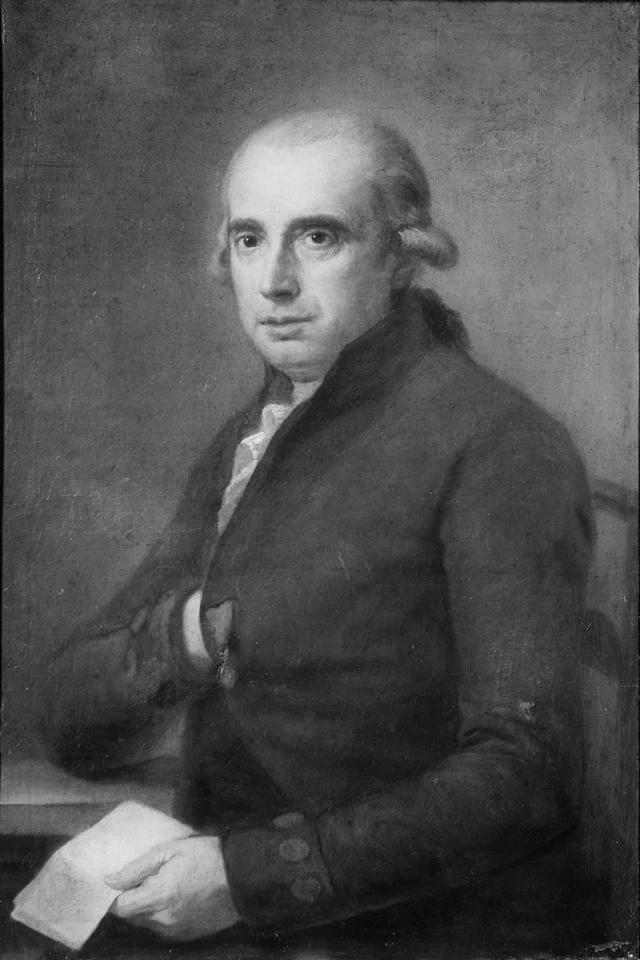 Portrait de Juan José de Arias Saavedra y VerdugoFrancisco Goya, 1794
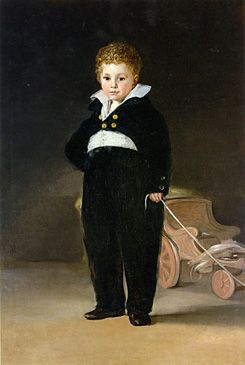 Portrait de Mariano GoyaFrancisco Goya, 1810
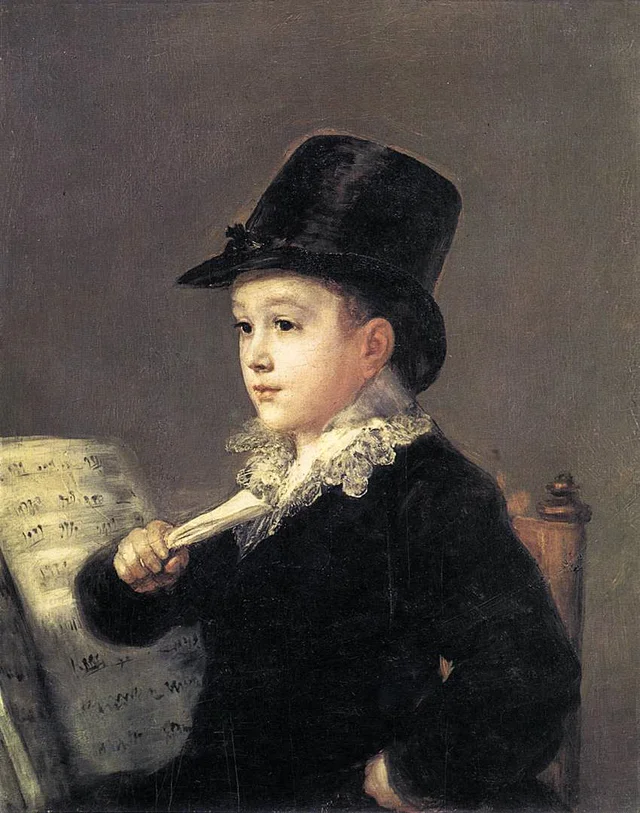 Portrait de Mariano Goya, petit-fils de l'artisteFrancisco Goya, 1827
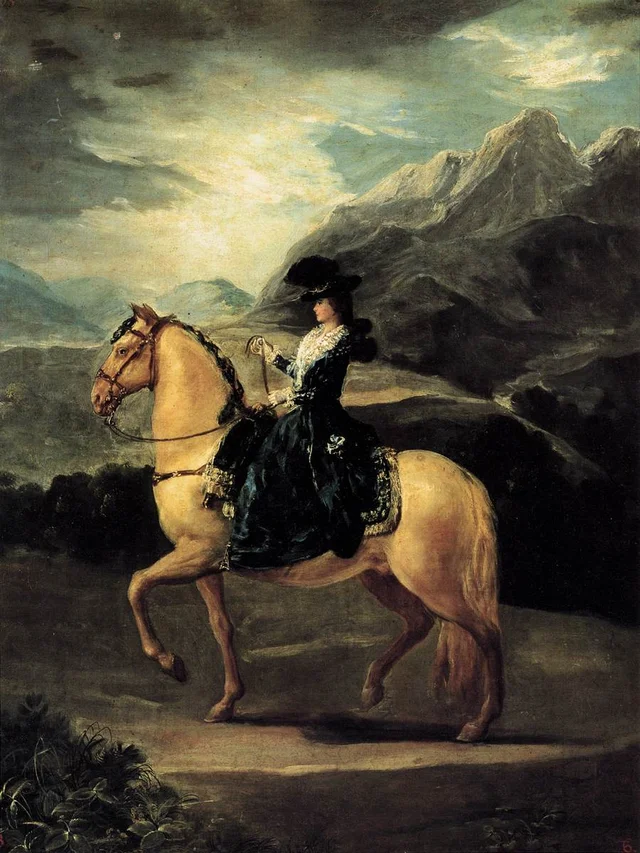 Portrait de María Teresa de Vallabriga à chevalFrancisco Goya, 1783
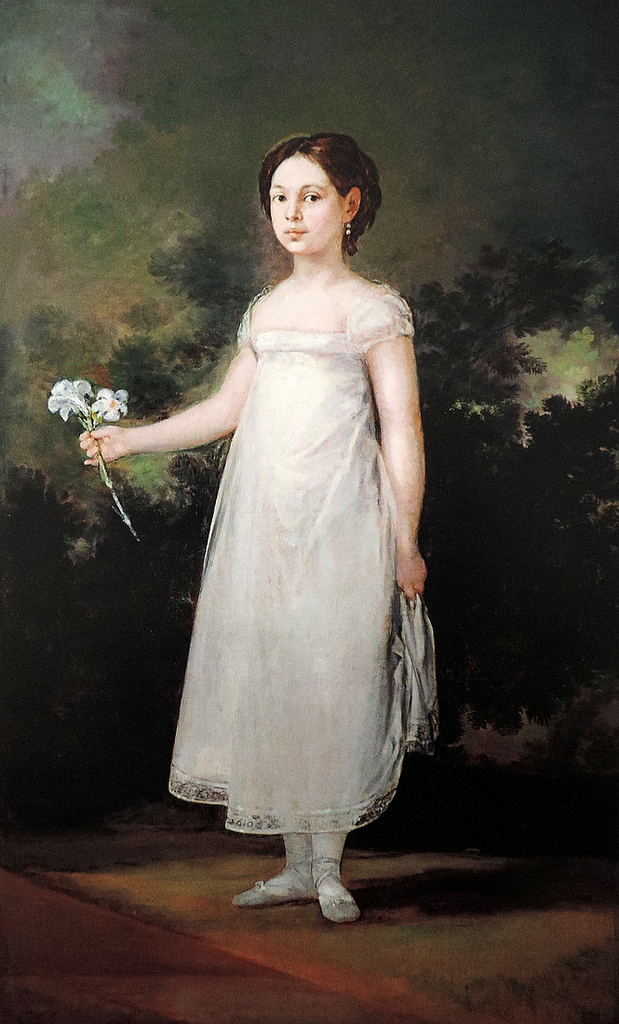 Portrait de la marquise de MontehermosoFrancisco Goya, 1810
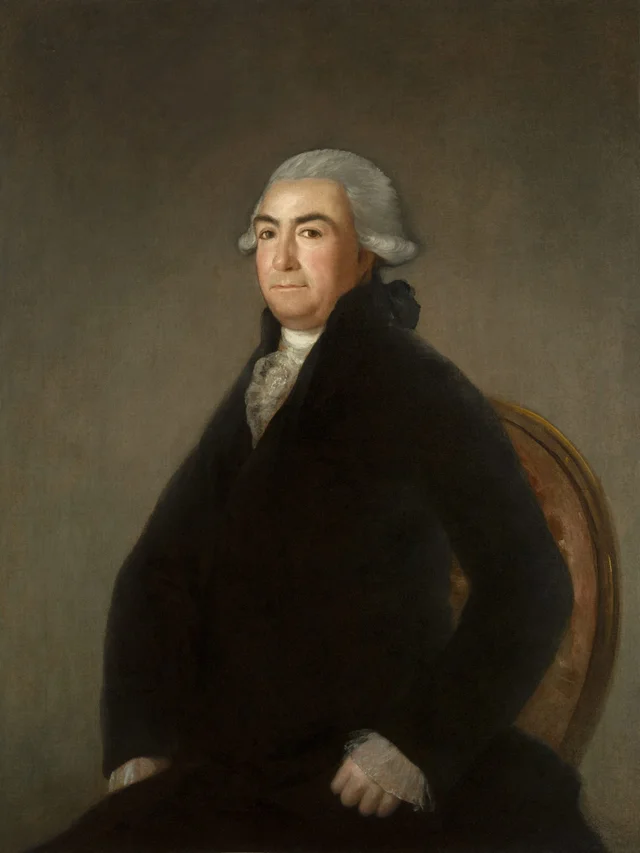 Portrait de Pedro Gil de TejadaFrancisco Goya, 1794