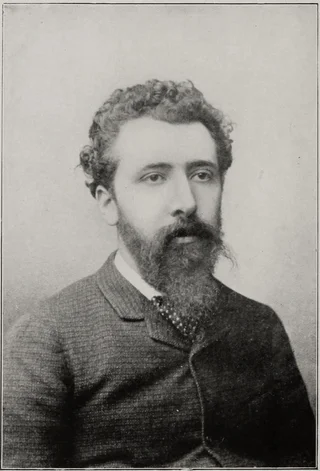
Georges Seurat
1859–1891 · France · Pointillisme
L'histoire
Georges Seurat abordait la peinture en scientifique. Formé à l'École des beaux-arts de Paris et influencé par les théories contemporaines de la couleur et de l'optique, il mit au point une technique consistant à juxtaposer des milliers de petites touches distinctes de pigment pur, que l'œil, et non le pinceau, mélangerait à distance — une méthode qu'il appelait le divisionnisme et que les critiques surnommèrent le pointillisme. Sa toile de 1884-1886, Un dimanche après-midi à l'île de la Grande Jatte, une scène de près de deux mètres sur trois montrant des Parisiens se détendant sur une île de la Seine, nécessita deux années d'esquisses préparatoires et demeure la vitrine par excellence de cette technique.
Il ne travailla ainsi que durant une petite dizaine d'années et dissimula une grande partie de sa vie privée, même à ses proches. Ce n'est que dans les deux derniers jours avant sa mort qu'il présenta à ses parents sa compagne, le modèle Madeleine Knobloch, et leur jeune fils, Pierre-Georges.
Seurat tomba brutalement malade et mourut à Paris le 29 mars 1891, à trente et un ans ; les médecins ne parvinrent pas à s'accorder sur la cause, entre méningite, diphtérie ou angine infectieuse. Son fils en bas âge mourut de la même maladie deux semaines plus tard et fut enterré à ses côtés au cimetière du Père-Lachaise.
Autres articles
 Article · 42 min de lectureHelene Kröller-Müller : comment s'est constitué le musée d'Otterlo
 Article · 42 min de lectureLe musée Van Gogh : sa mère, Theo, Gauguin et les autres personnages de ses tableaux
 Article · 43 min de lectureComment s'est constituée la National Gallery : d'Angerstein à Artemisia
Œuvres
116 œuvres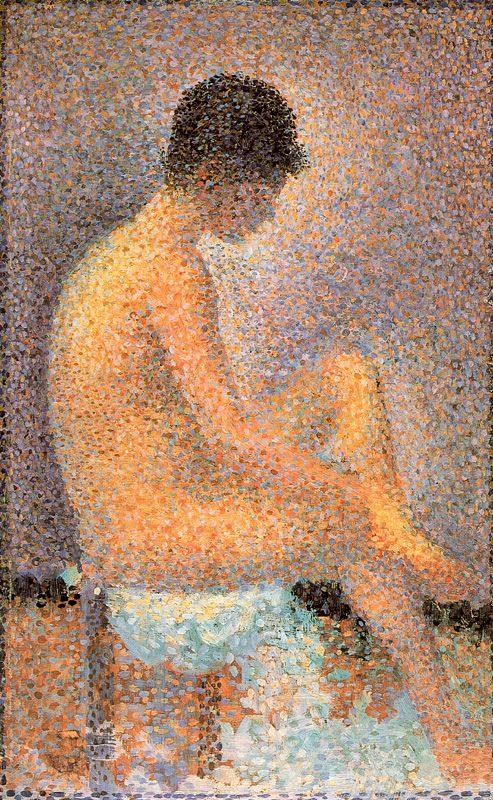 Poseuse assise, de profilGeorges Seurat, 1887
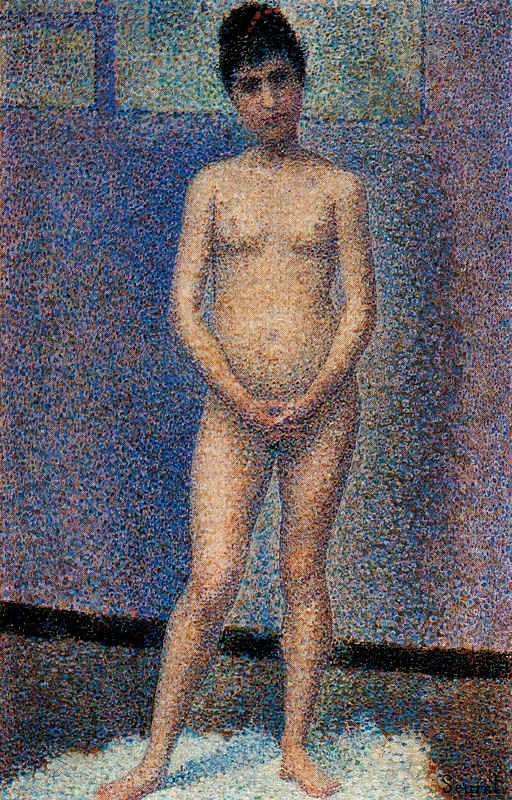 Poseuse deboutGeorges Seurat, 1887
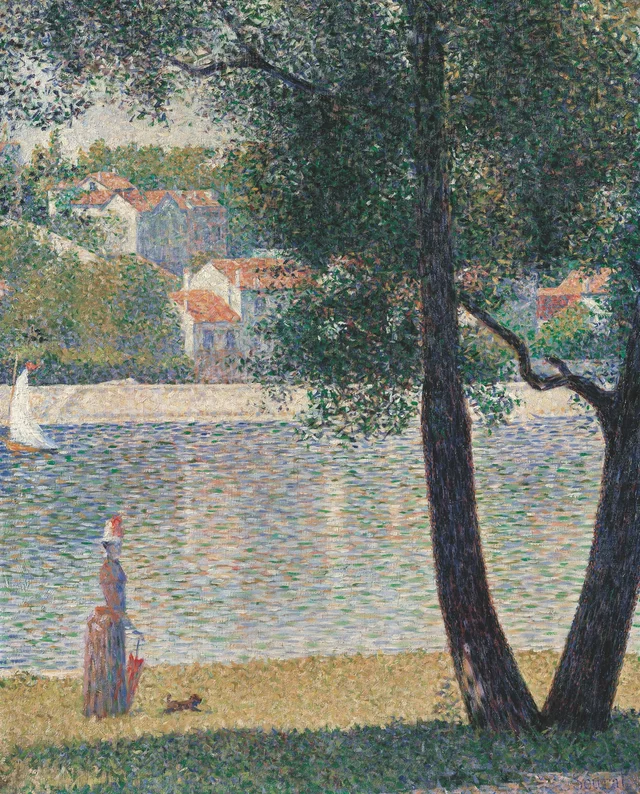 La Seine à CourbevoieGeorges Seurat, 1885
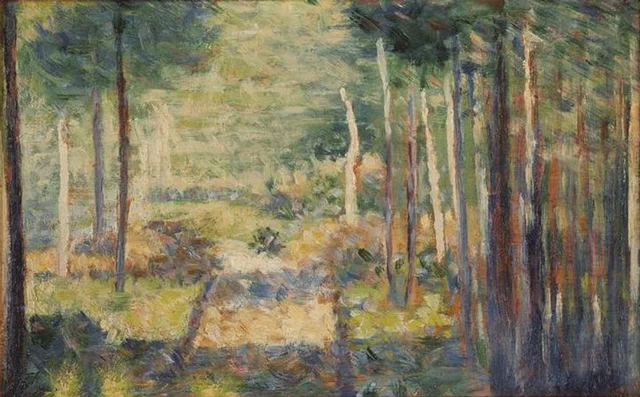 Allée en forêt, BarbizonGeorges Seurat, 1883
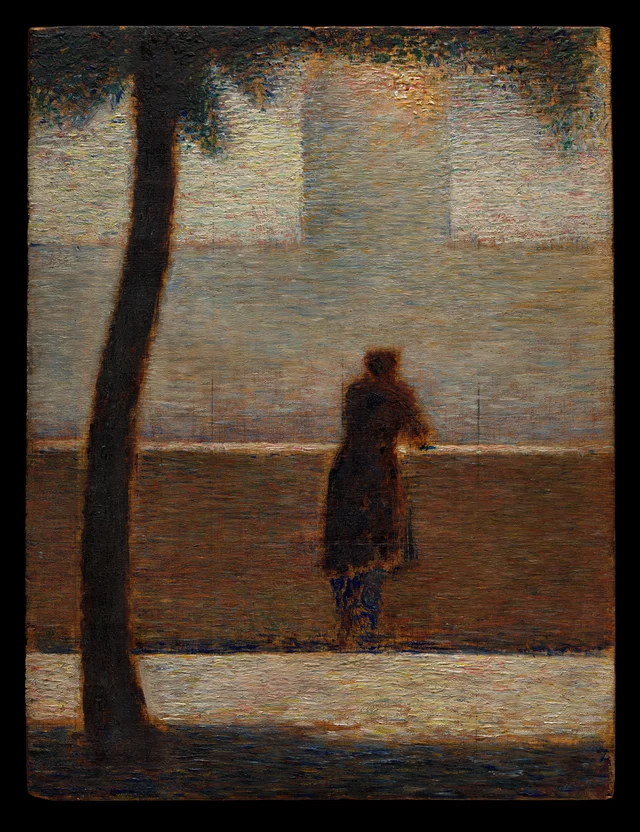 Un homme accoudé à un parapetGeorges Seurat, 1881
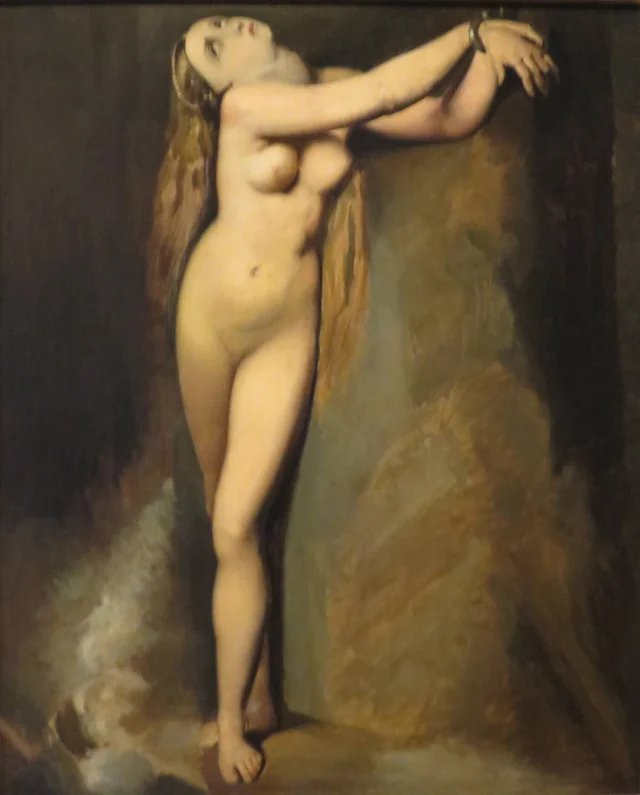 Angélique au rocher (d'après Ingres)Georges Seurat, 1878
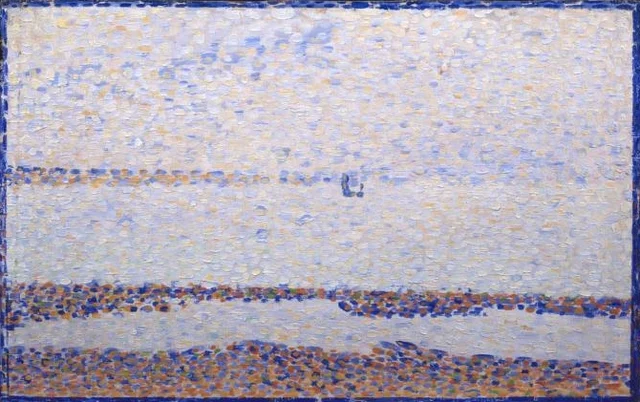 Plage de GravelinesGeorges Seurat, 1890
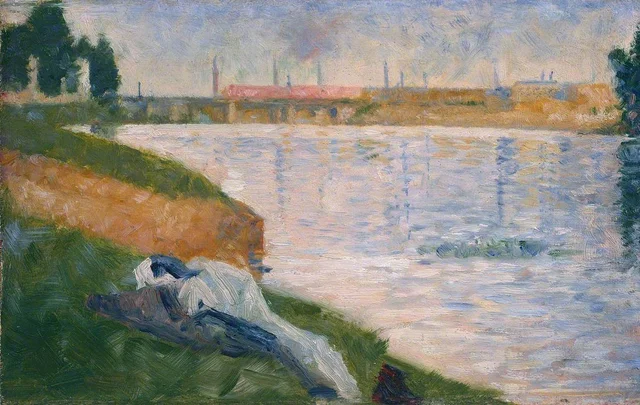 Vêtements sur l'herbeGeorges Seurat, 1883
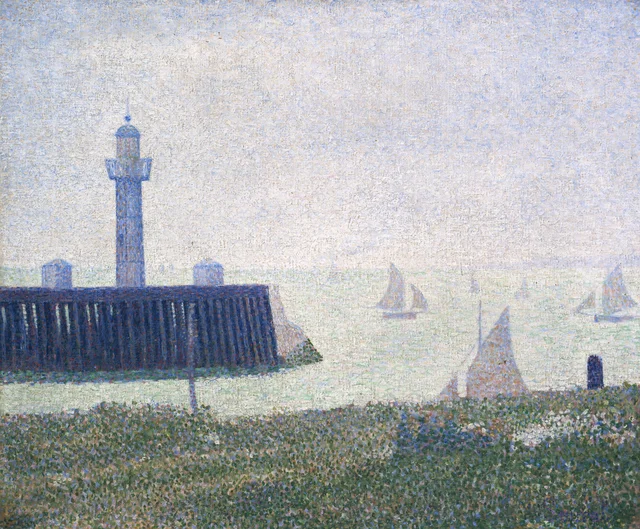 Bout de la jetée à HonfleurGeorges Seurat, 1886
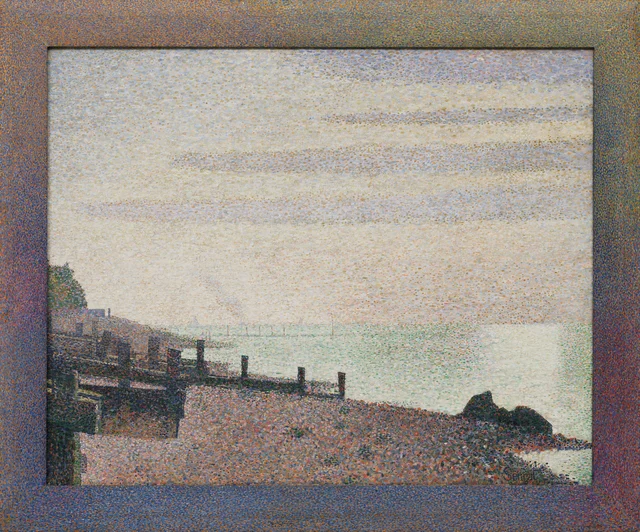 Soir, HonfleurGeorges Seurat, 1886
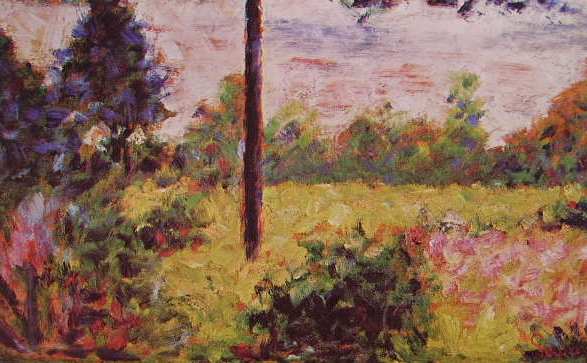 Champs avec arbres à BarbizonGeorges Seurat, 1883
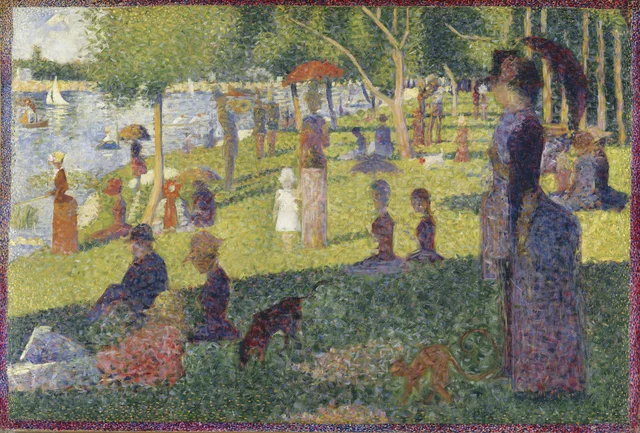 Étude finale pour «La Grande Jatte»Georges Seurat, 1884
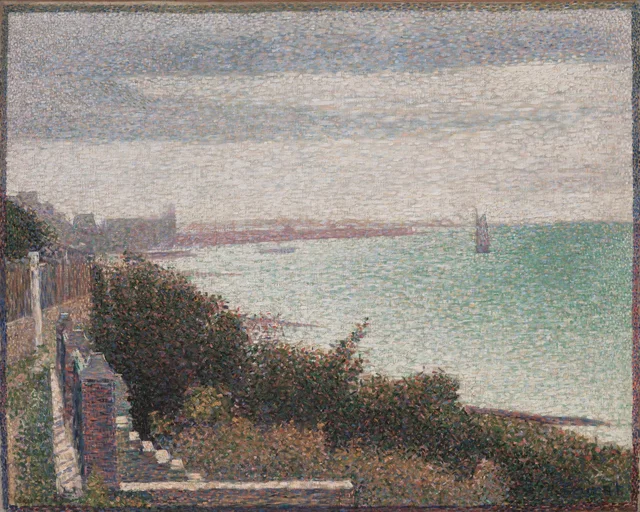 Grandcamp, le soirGeorges Seurat, 1885
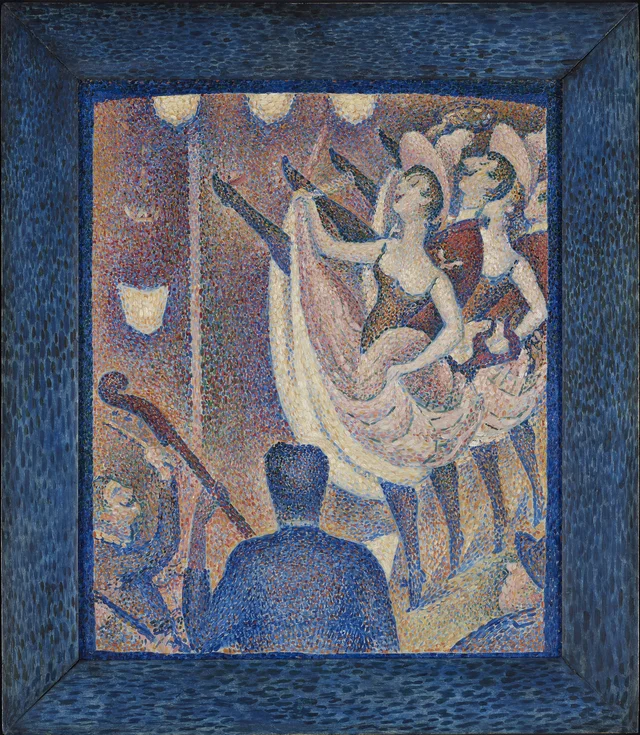 Le Chahut (Étude I)Georges Seurat, 1889
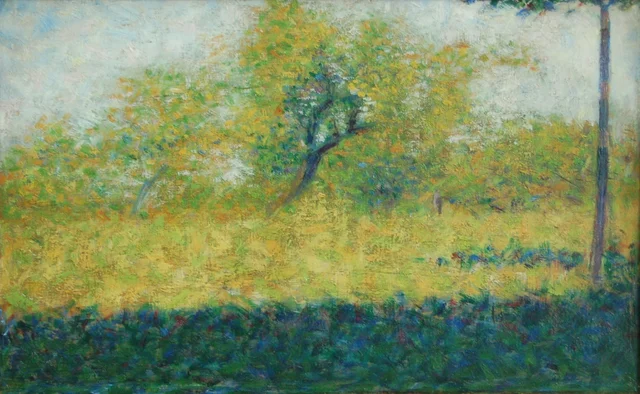 Lisière de bois au printempsGeorges Seurat, 1882
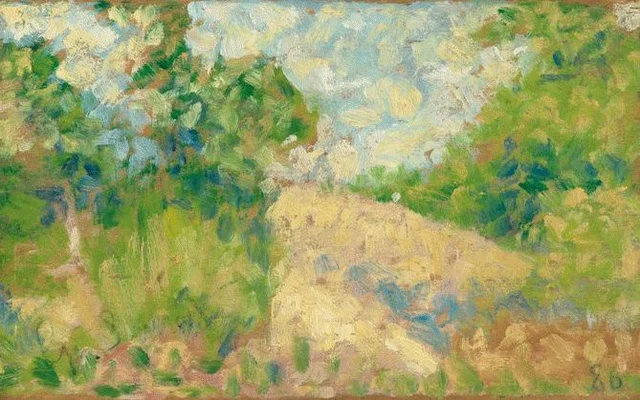 Paysage roseGeorges Seurat, 1886
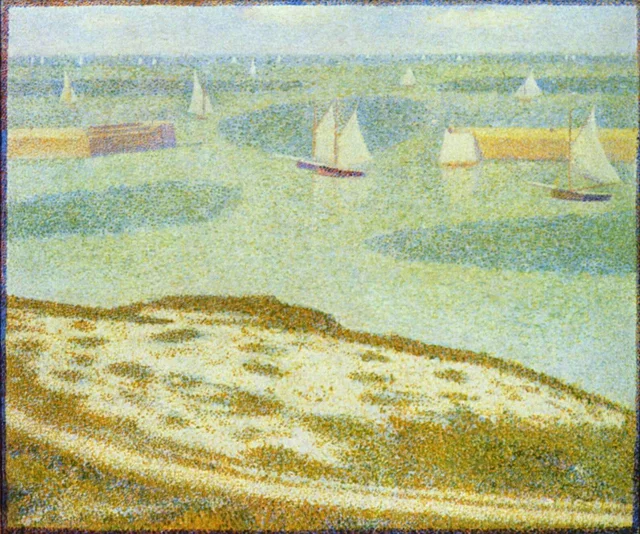 Port-en-Bessin, entrée du portGeorges Seurat, 1888
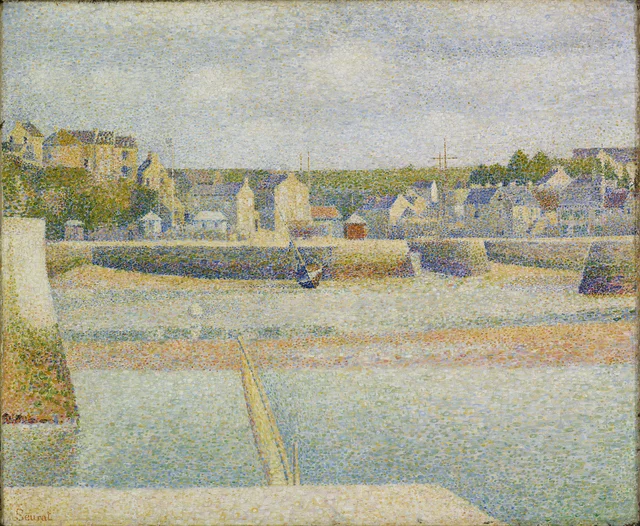 Port-en-Bessin, l'avant-port, marée basseGeorges Seurat, 1888
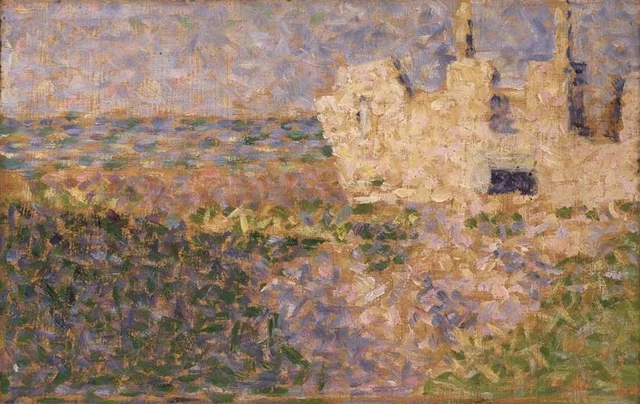 Ruines à GrandcampGeorges Seurat, 1885
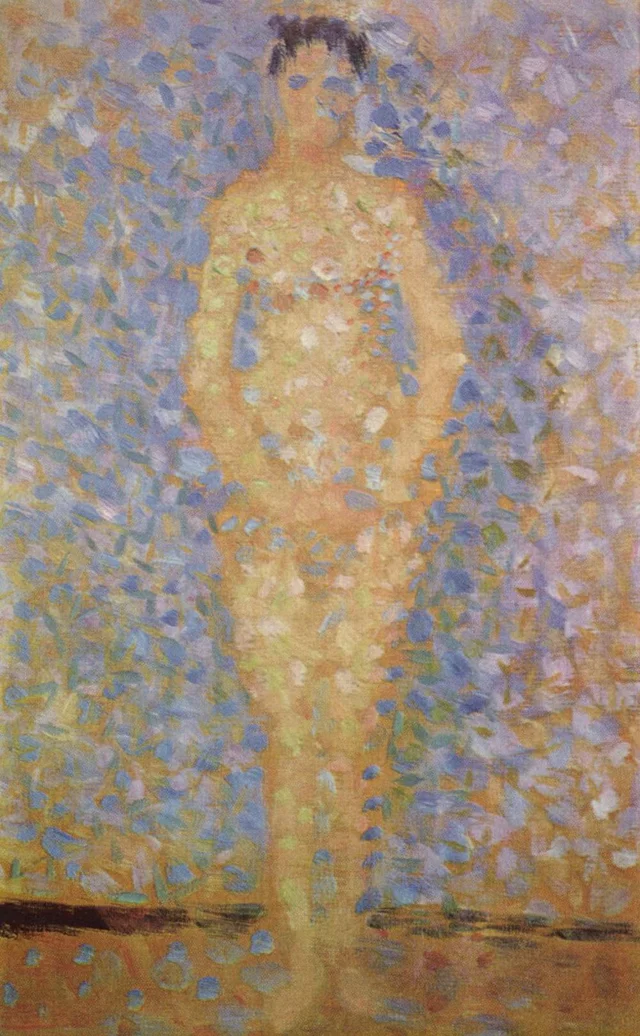 Poseuse debout, de face, étude pour Les PoseusesGeorges Seurat, 1886
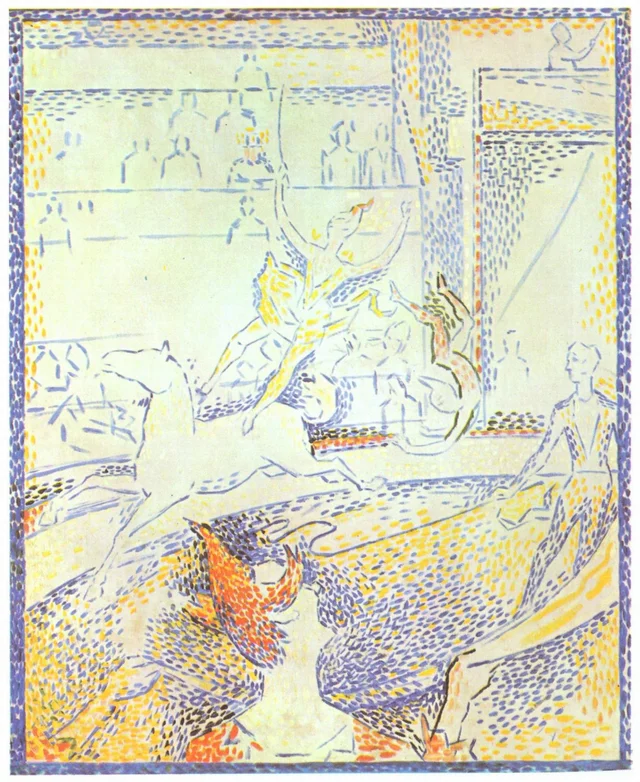 Le Cirque (étude)Georges Seurat, 1891
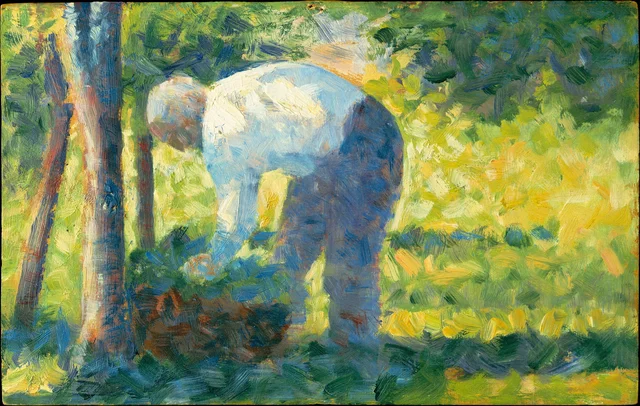 Le JardinierGeorges Seurat, 1882
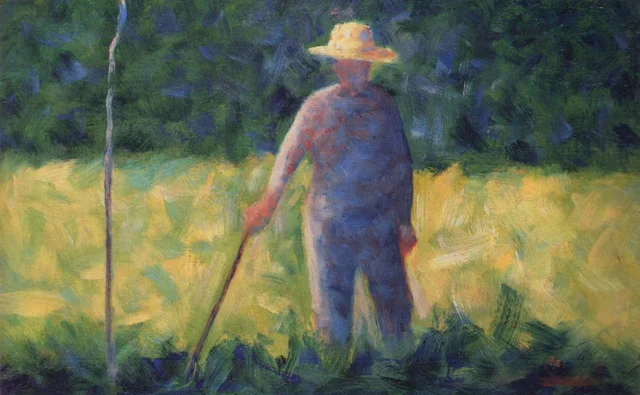 Le Jardinier IGeorges Seurat, 1882
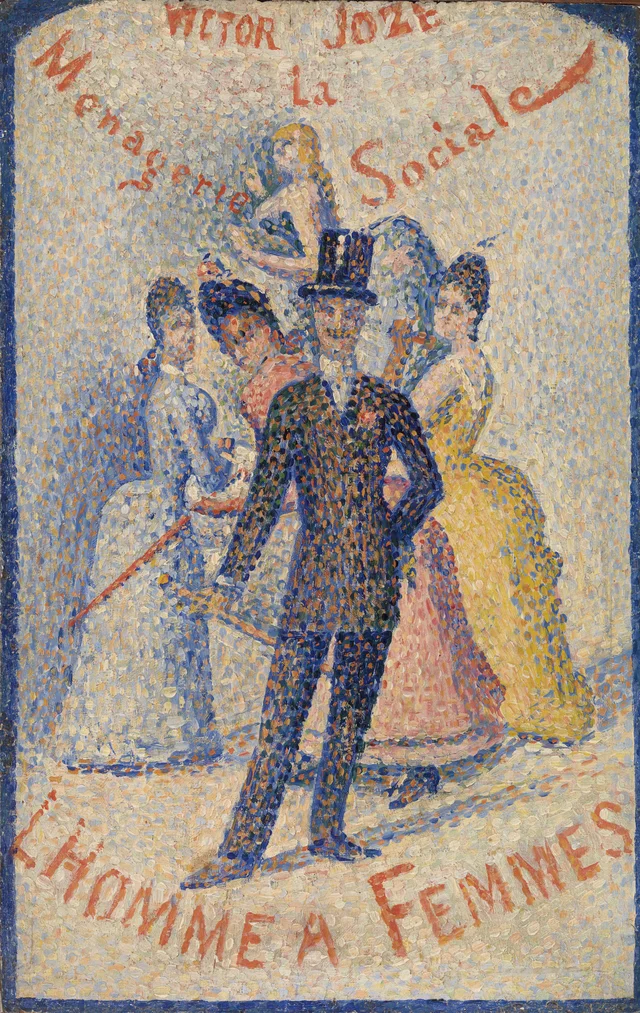 L'Homme à femmesGeorges Seurat, 1889
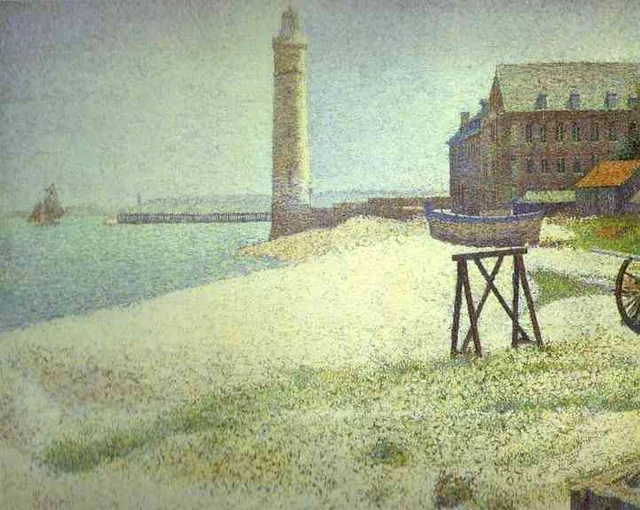 Le Phare de HonfleurGeorges Seurat, 1886