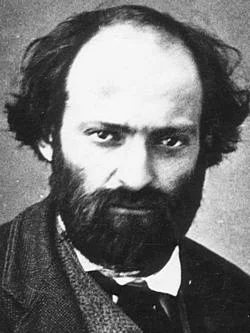
Paul Cézanne
1839–1906 · France · Post-impressionnisme
L'histoire
Pendant la majeure partie de sa vie, Paul Cézanne fut le peintre dont personne ne voulait. Il expose avec les impressionnistes dans les années 1870, essuie des moqueries plus dures que n'importe lequel d'entre eux, puis se retire discrètement dans sa ville natale d'Aix-en-Provence, dans le sud de la France, et cesse à peu près d'exposer. Il disposait d'un avantage que les autres n'avaient pas : son père était un riche banquier, et un héritage permit à Cézanne de peindre pendant des décennies exactement comme bon lui semblait, ignoré, sans besoin de vendre.
Ce qu'il poursuivait, c'était la structure solide sous la surface, la manière dont une montagne ou une pomme tient réellement dans l'espace, plutôt que la lumière fugace des impressionnistes. À partir des années 1880, il peint la montagne Sainte-Victoire, la crête calcaire pâle qui domine Aix, encore et encore, quelque 80 fois à l'huile et à l'aquarelle, chaque version plus plate et davantage bâtie à partir de blocs de couleur que la précédente. Les peintres plus jeunes qui le découvrirent tardivement, Picasso et Matisse parmi eux, reprirent ces blocs et les démontèrent pour en tirer le cubisme, la géométrie fracturée de la génération suivante. Picasso l'appelait « le père de nous tous ».
Son plus ancien ami était le romancier Émile Zola. Ils avaient grandi ensemble à Aix, deux garçons qui appelaient leur bande les Inséparables, et s'étaient installés à Paris côte à côte. En 1886, Zola publie un roman sur un peintre de grand talent qui échoue et se donne la mort. Cézanne le lit, s'y reconnaît, envoie à Zola un bref mot de remerciement, formel, et ne lui reparlera plus jamais. Il travaille presque jusqu'au bout en plein air ; en octobre 1906, surpris par un orage alors qu'il peignait, il s'effondre au bord de la route et meurt d'une pneumonie quelques jours plus tard, à 67 ans.
Autres articles
Œuvres
263 œuvres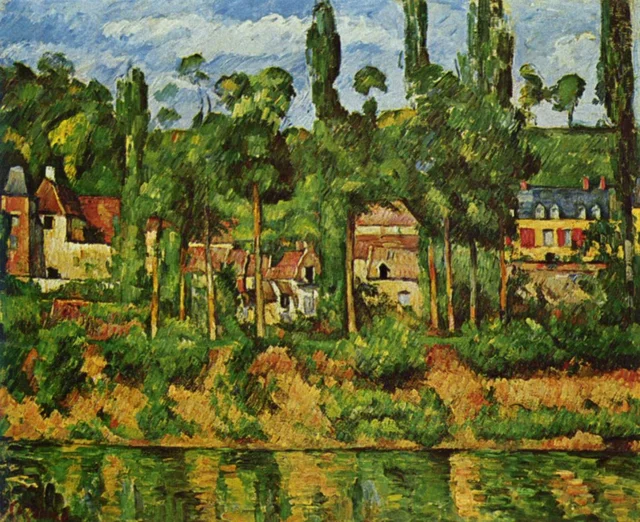 Le Château de MédanPaul Cézanne, 1879
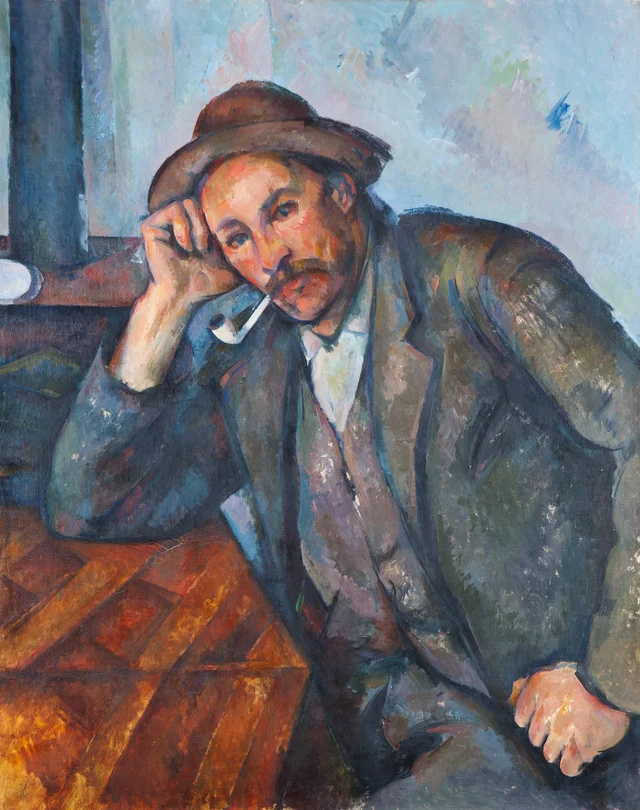 Le Fumeur accoudéPaul Cézanne, 1890
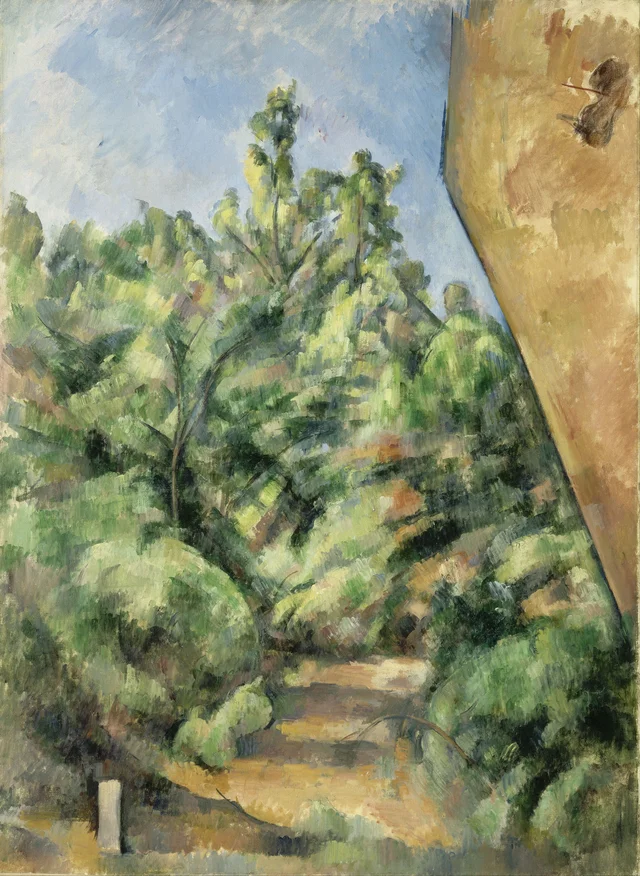 Le Rocher rougePaul Cézanne, 1895
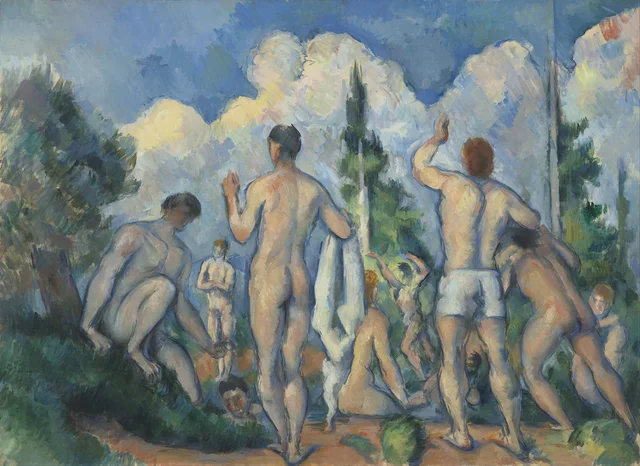 Les Baigneurs, 1890Paul Cézanne, 1890
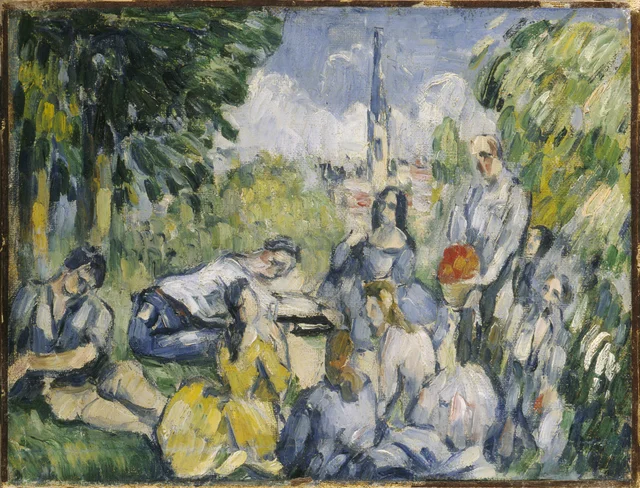 Le Déjeuner sur l'herbePaul Cézanne, 1876
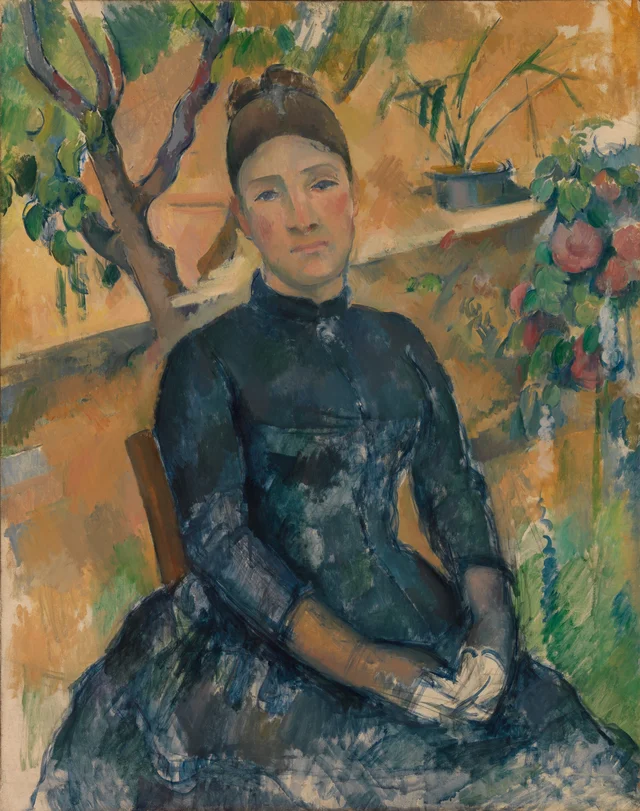 Madame Cézanne (Hortense Fiquet, 1850-1922) dans la serrePaul Cézanne, 1891
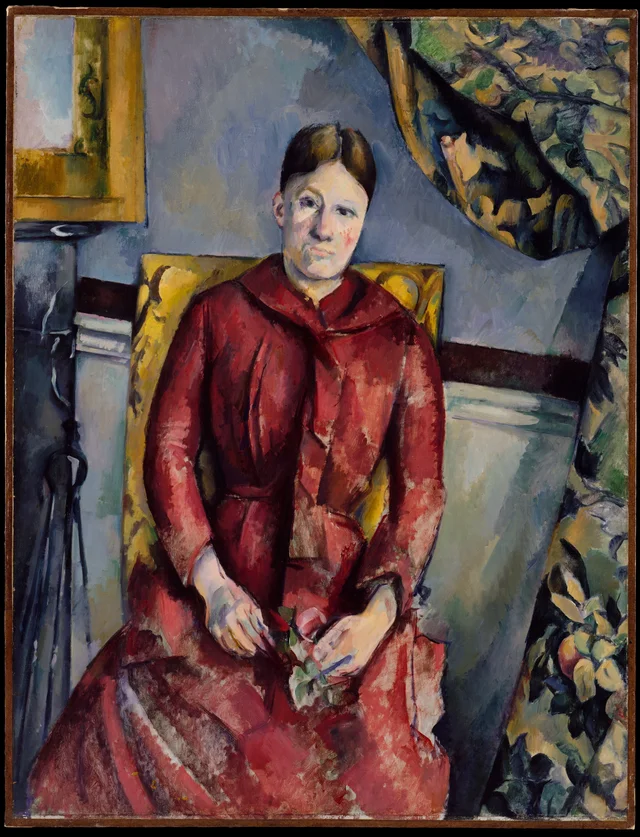 Madame Cézanne à la robe rougePaul Cézanne, 1889
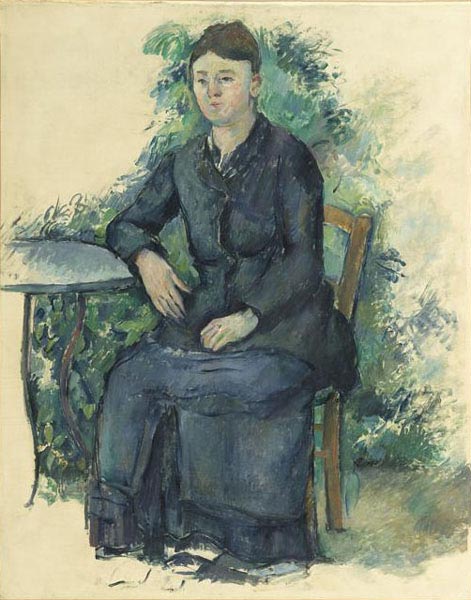 Madame Cézanne dans le jardinPaul Cézanne, 1880
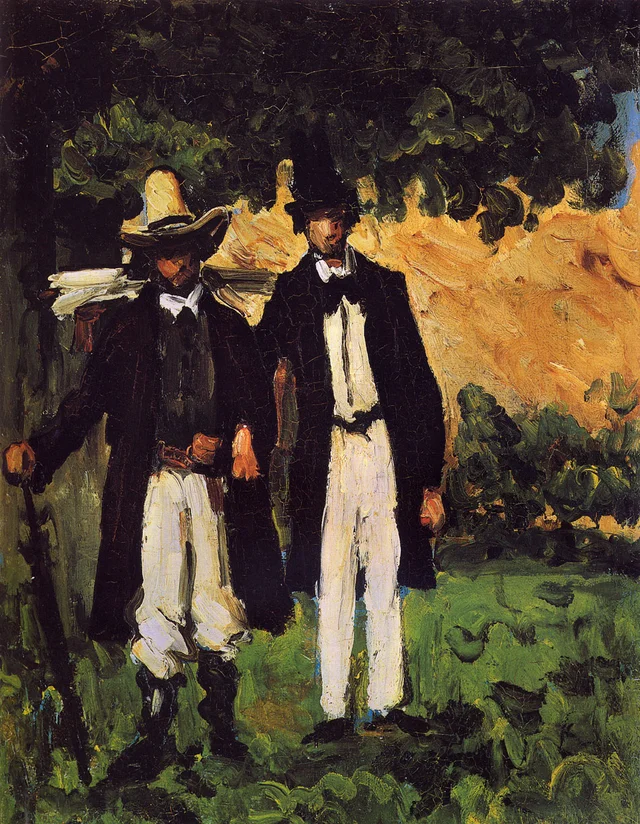 Marion et Valabrègue partant pour le motifPaul Cézanne, 1866
 La montagne Sainte-VictoirePaul Cézanne, 1890
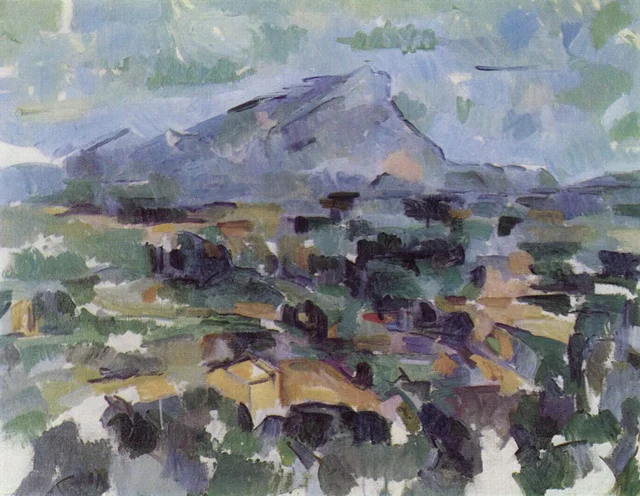 La Montagne Sainte-VictoirePaul Cézanne, 1905
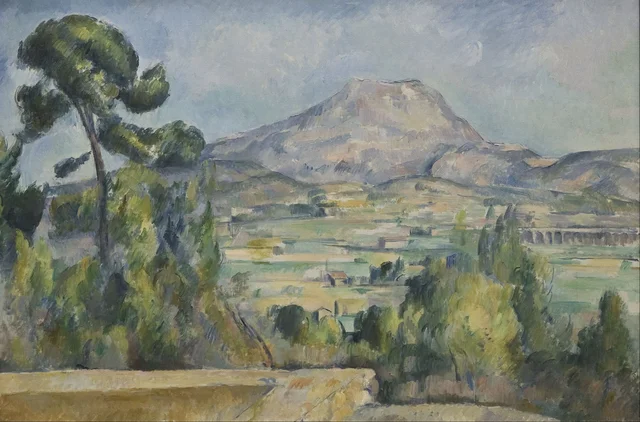 La Montagne Sainte-VictoirePaul Cézanne, 1890
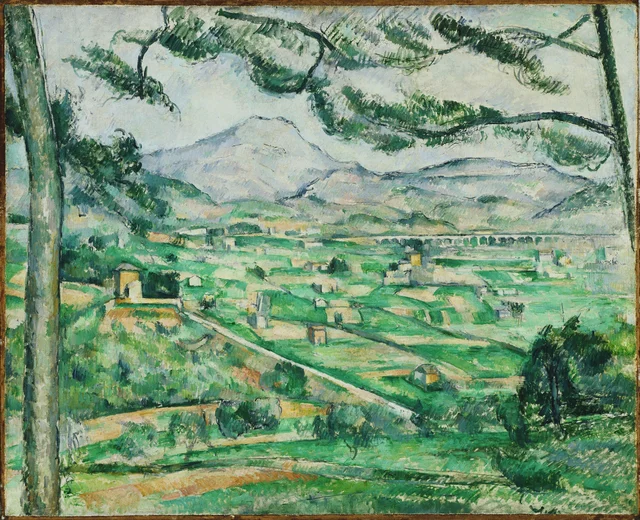 La Montagne Sainte-Victoire, 1886-1887Paul Cézanne, 1886
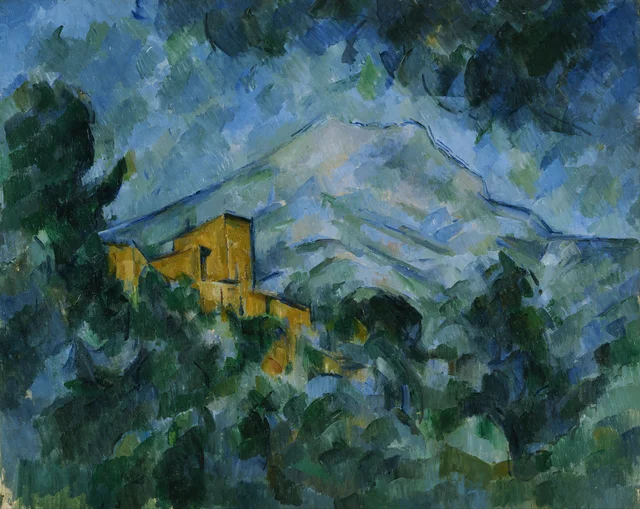 La Montagne Sainte-Victoire et le Château noirPaul Cézanne, 1904
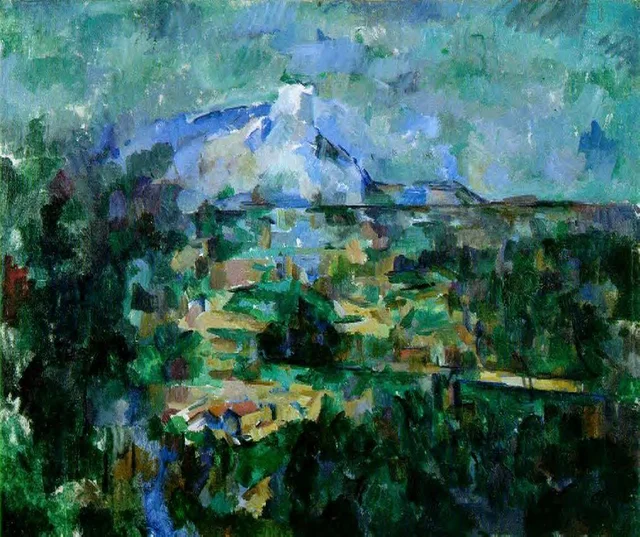 La Montagne Sainte-Victoire vue des LauvesPaul Cézanne, 1904
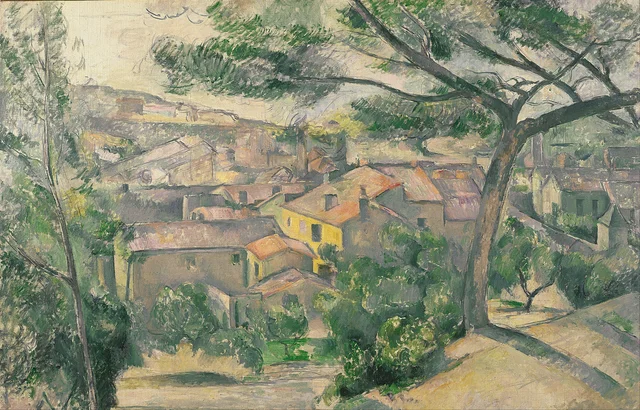 Vue matinale de L'Estaque à contre-jourPaul Cézanne, 1882
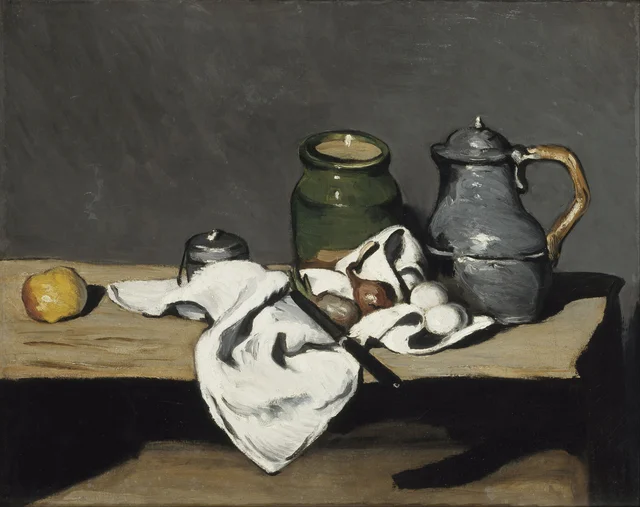 Nature morte à la bouilloirePaul Cézanne, 1867
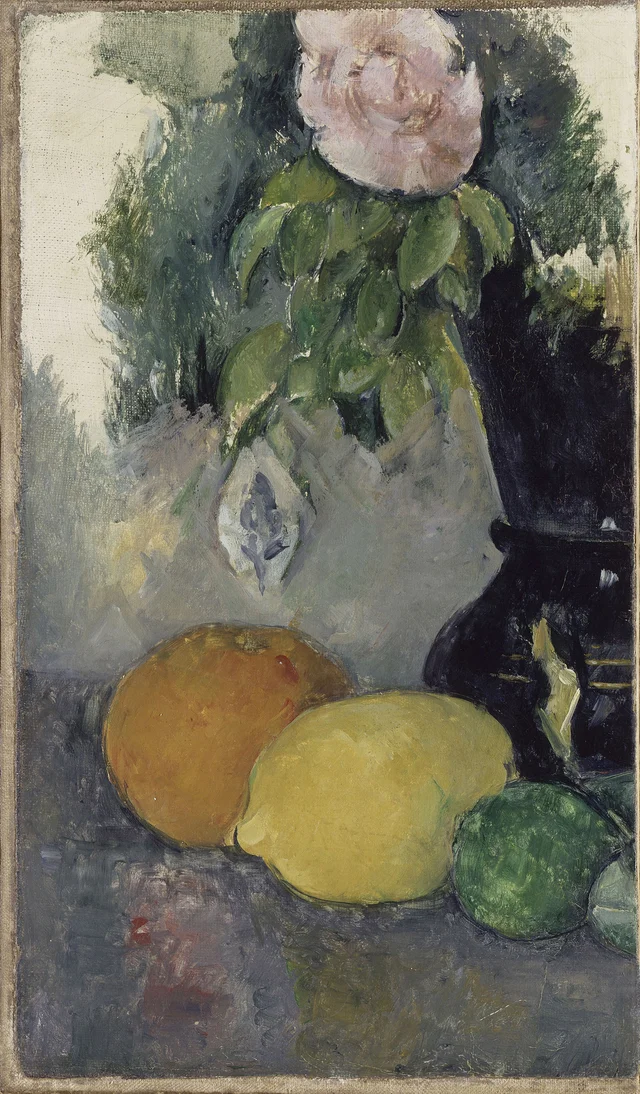 Nature morte, rose et fruitsPaul Cézanne, 1880
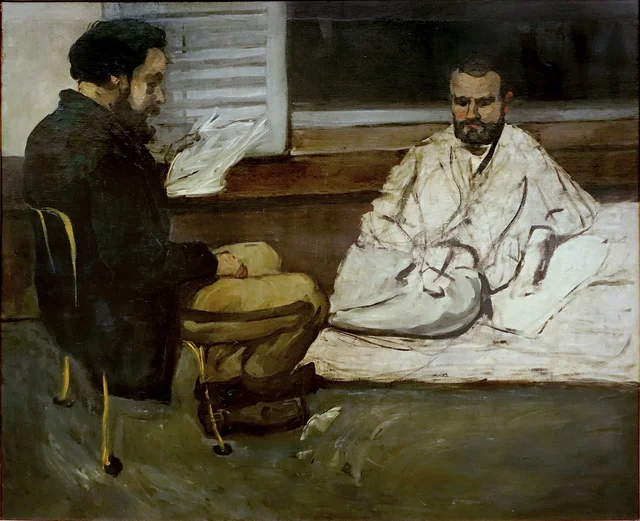 Paul Alexis lisant à Émile ZolaPaul Cézanne, 1869
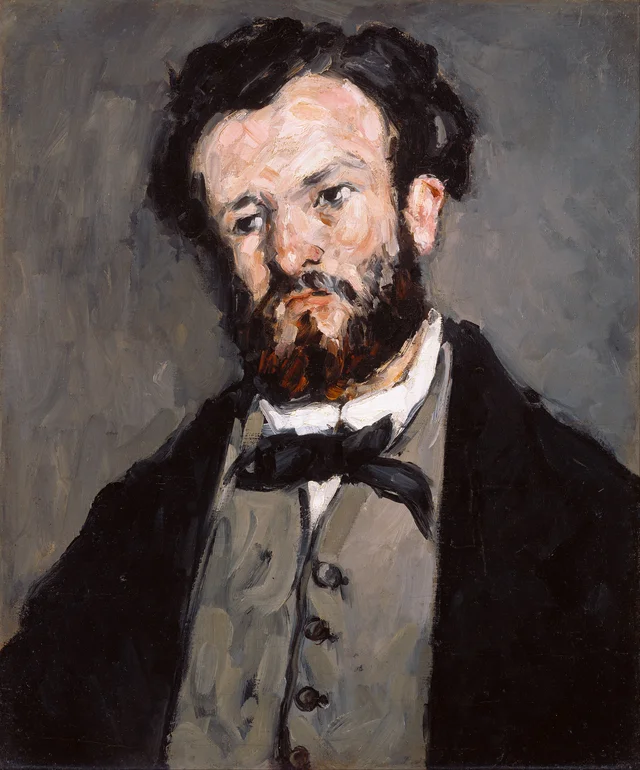 Portrait d'Antony ValabrèguePaul Cézanne, 1870
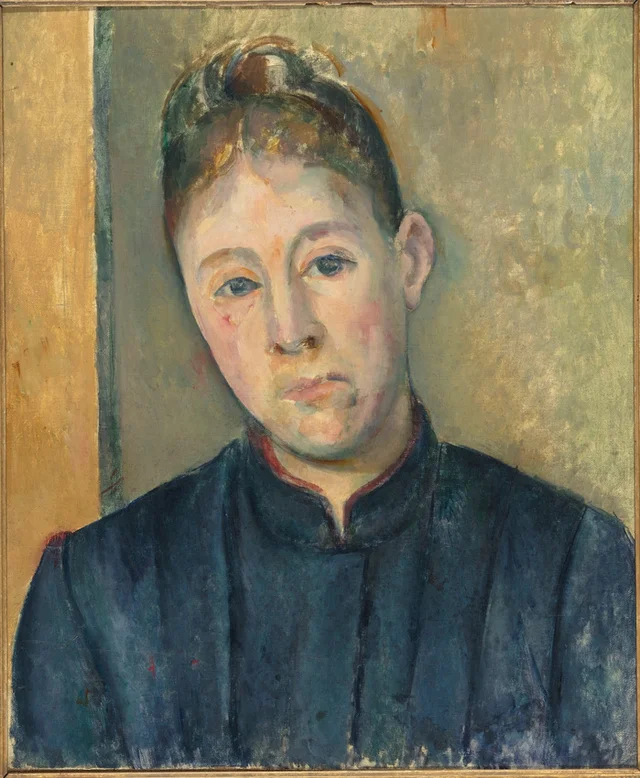 Portrait de Madame CézannePaul Cézanne, 1885
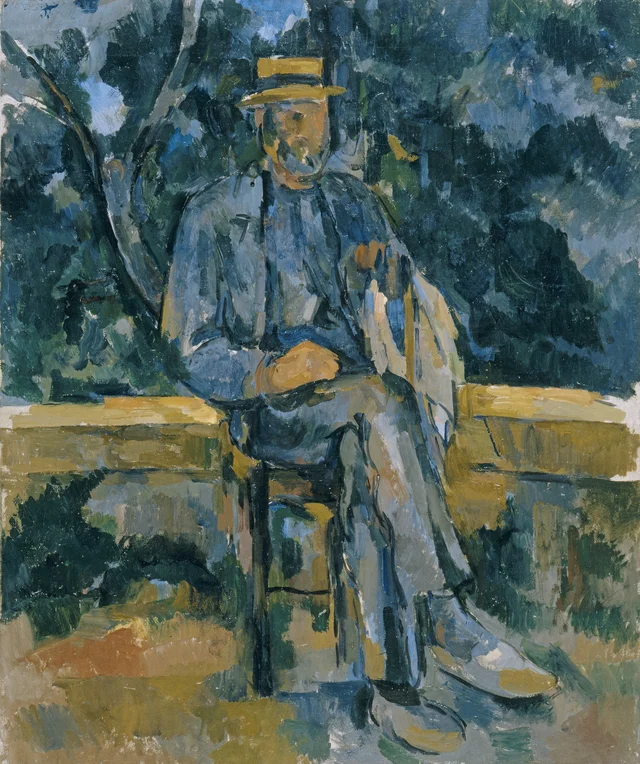 Portrait d'un paysanPaul Cézanne, 1900
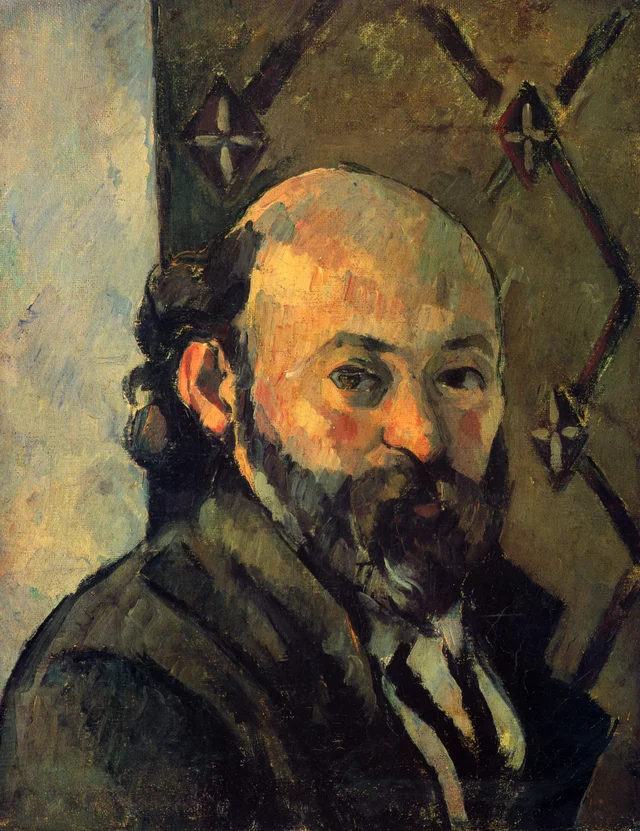 AutoportraitPaul Cézanne, 1880
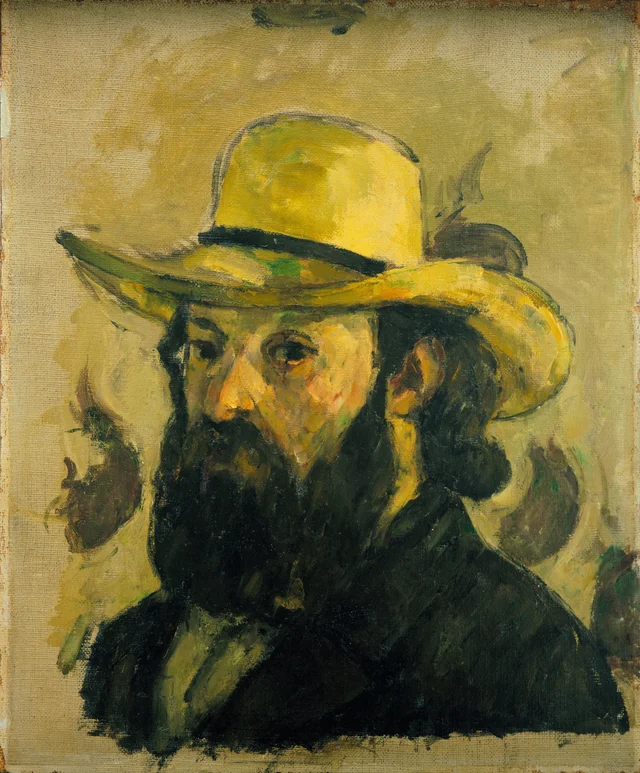 Autoportrait au chapeau de paillePaul Cézanne, 1878
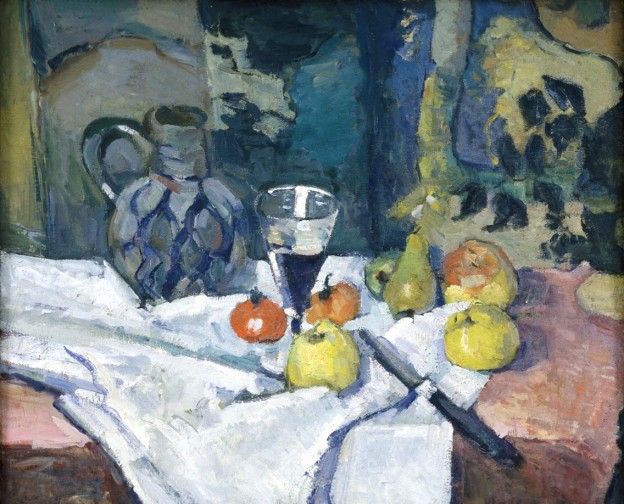 Nature morte au pot de grèsPaul Cézanne, 1874