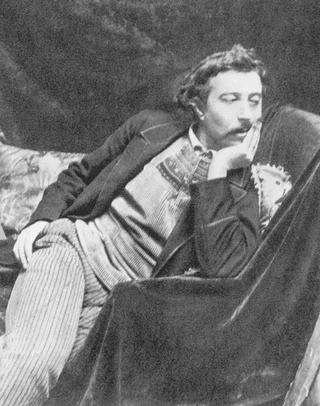
Paul Gauguin
1848–1903 · France · Post-impressionnisme
L'histoire
Jusqu'au milieu de sa trentaine, Paul Gauguin fut un agent de change parisien au bon salaire, avec une épouse danoise et cinq enfants. Il collectionnait des tableaux impressionnistes en riche amateur et s'essayait lui-même à en peindre. Puis, en 1882, la Bourse de Paris s'effondre, la maison pour laquelle il travaillait fait faillite, et la vie confortable disparaît avec elle. Gauguin décide que le désastre est une permission : il peindra désormais à plein temps. Sa famille, atterrée, finira par le quitter.
Il dérive vers Pont-Aven, un village d'artistes bon marché en Bretagne, et y met au point le style qui fera sa réputation. En 1888, il peint un groupe de Bretonnes en coiffe blanche assistant, après l'office, à une vision — Jacob luttant avec l'ange sur un fond de rouge pur et plat. Aucune tentative d'espace réel ou de couleur naturelle : le tableau est bâti à partir de contours nets et d'aplats de teinte, une idée plutôt qu'une scène. Cette manière de peindre depuis l'imagination et le symbole, qu'il appelait le synthétisme, nourrira directement l'art moderne.
Cet automne-là, Vincent van Gogh le convainc de descendre à Arles pour partager une maison et fonder une colonie d'artistes. Cela dure neuf semaines. Les deux hommes peignent avec fureur et se disputent pire encore, et juste avant Noël 1888, la querelle s'achève avec Van Gogh se tranchant une partie de l'oreille et Gauguin fuyant vers Paris. Gauguin veut désormais un ailleurs plus loin encore de l'Europe, et en 1891 il embarque pour Tahiti, colonie française du Pacifique, en quête d'un paradis qu'il avait à moitié inventé dans sa propre tête. Il y trouve une Papeete déjà colonisée et catholique, y peint malgré tout certaines des toiles les plus célèbres de sa vie, et meurt pauvre sur les îles Marquises, plus reculées encore, en 1903.
Autres articles
 Article · 53 min de lectureLe musée d'Orsay : du Cabanel acheté par Napoléon III au Caillebotte à 43 millions
 Article · 45 min de lectureLe musée Thyssen-Bornemisza : vingt tableaux achetés par un père et son fils
 Article · 45 min de lectureLe Kunstmuseum de Bâle : de l'achat du cabinet Amerbach à l'affaire de « La Muse », 1661–2023
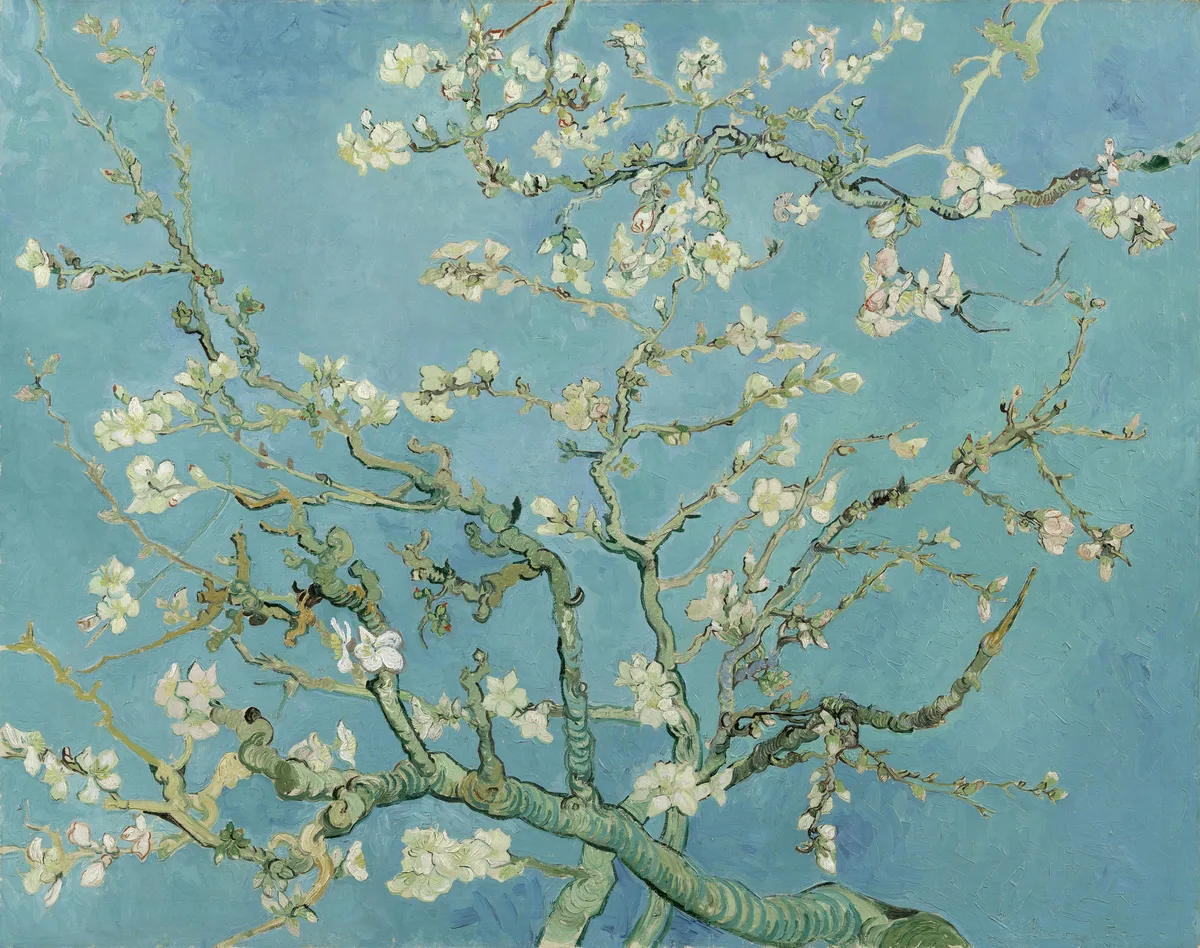 Article · 42 min de lectureLe musée Van Gogh : sa mère, Theo, Gauguin et les autres personnages de ses tableaux
Œuvres
158 œuvres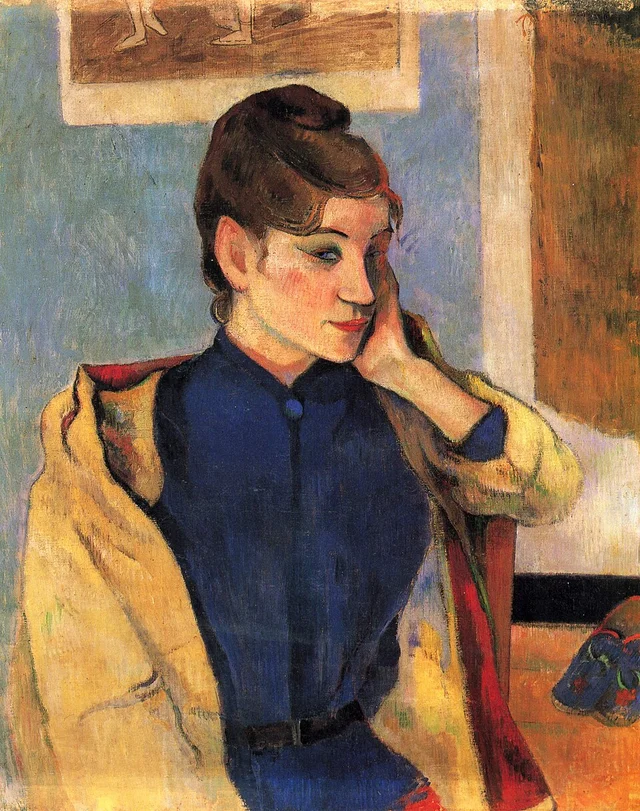 Portrait de Madeleine BernardPaul Gauguin, 1888
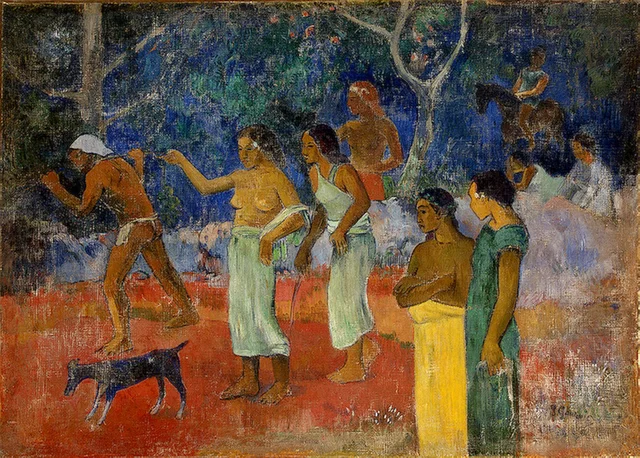 Scène de la vie tahitiennePaul Gauguin, 1896
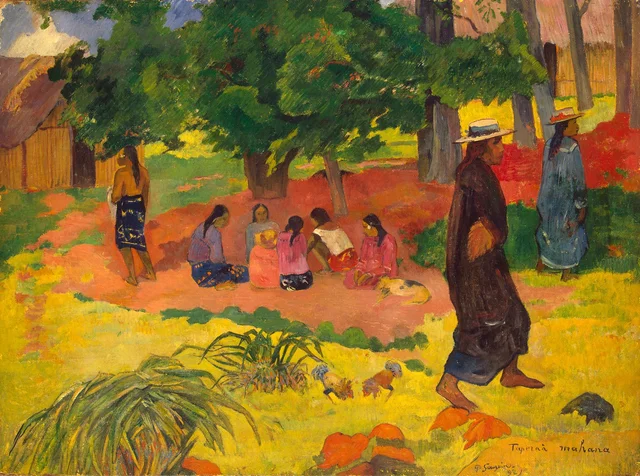 Taperaa MahanaPaul Gauguin, 1892
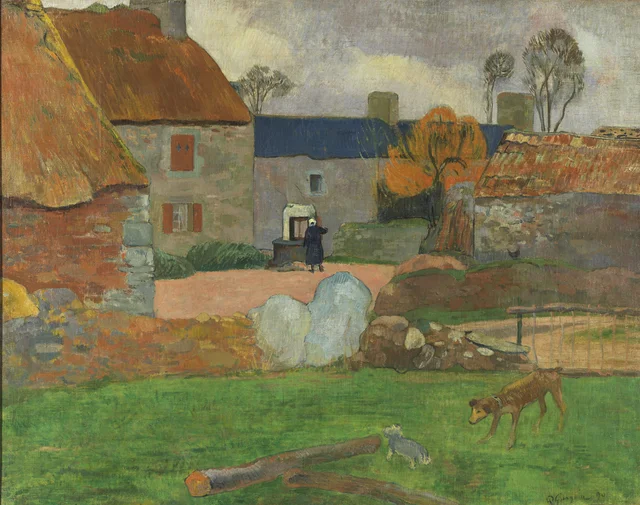 Le Toit bleuPaul Gauguin, 1890
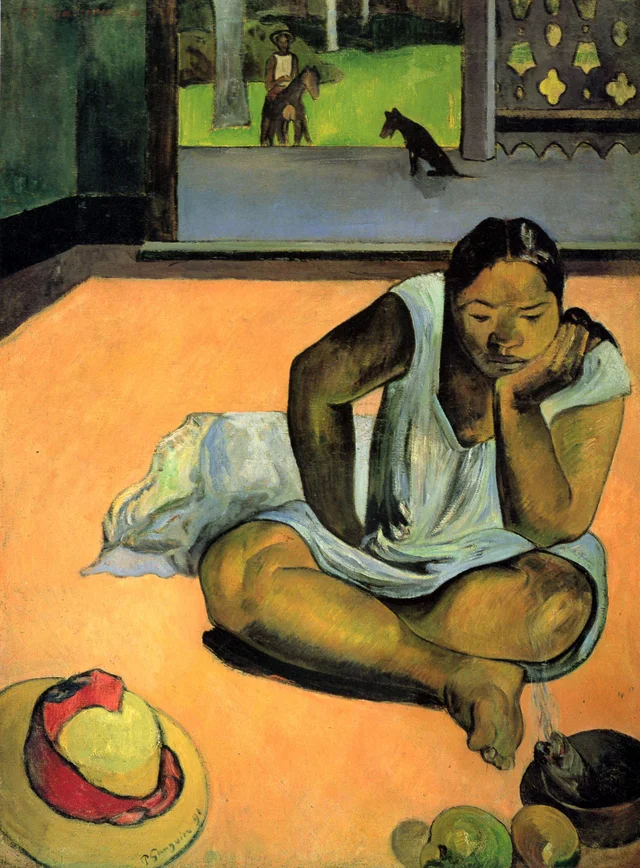 La femme boudeuse (Te Faaturuma)Paul Gauguin, 1891
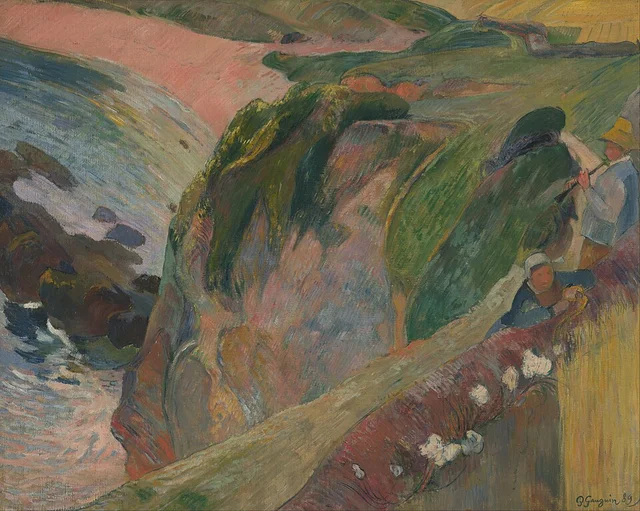 Joueur de flageolet sur la falaisePaul Gauguin, 1889
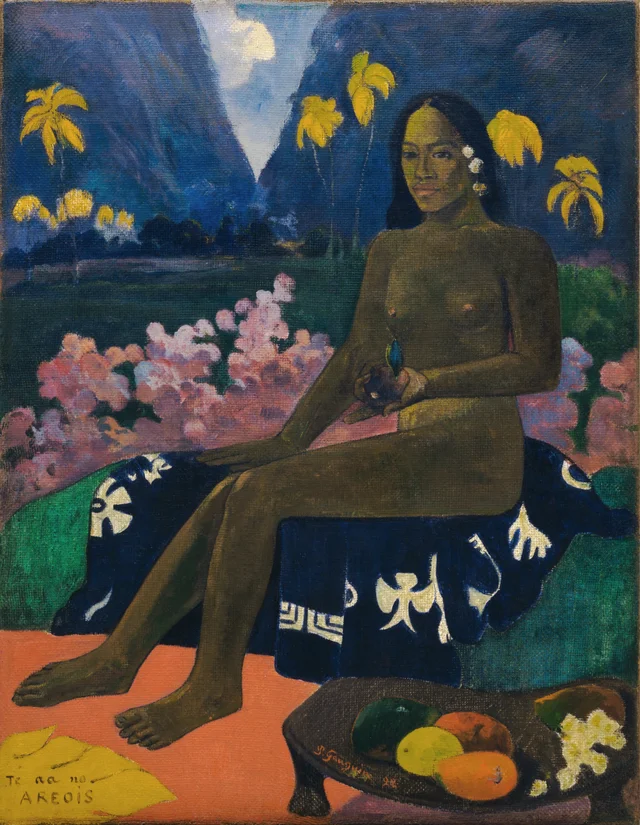 La Graine des AréoïPaul Gauguin, 1892
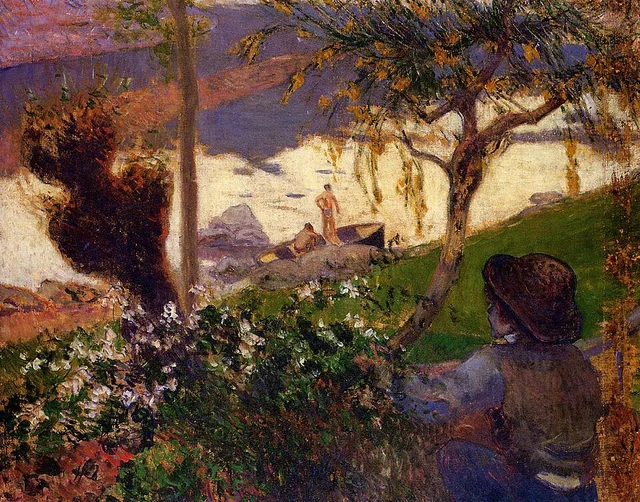 La Rivière blanchePaul Gauguin, 1888
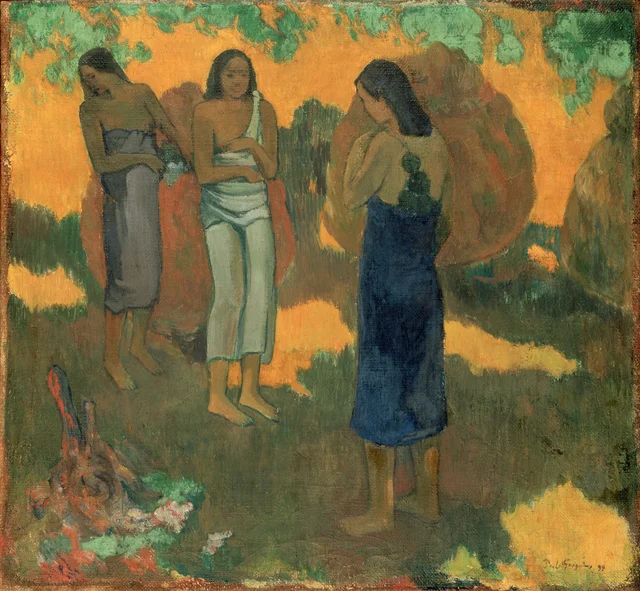 Trois Tahitiennes sur fond jaunePaul Gauguin, 1899
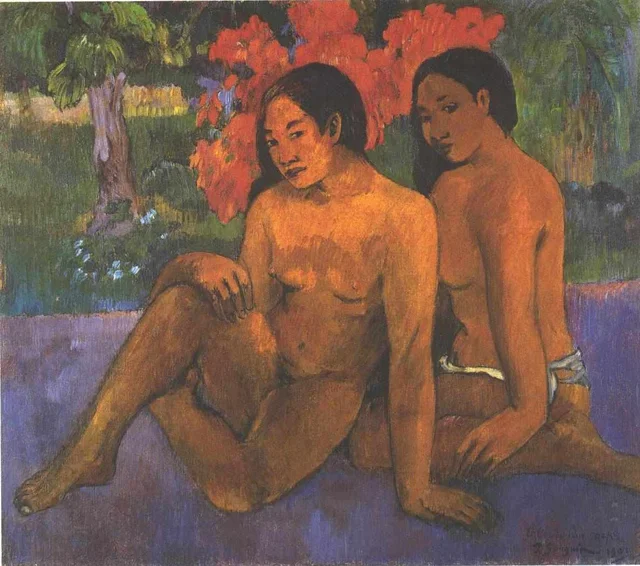 Et l'or de leur corpsPaul Gauguin, 1901
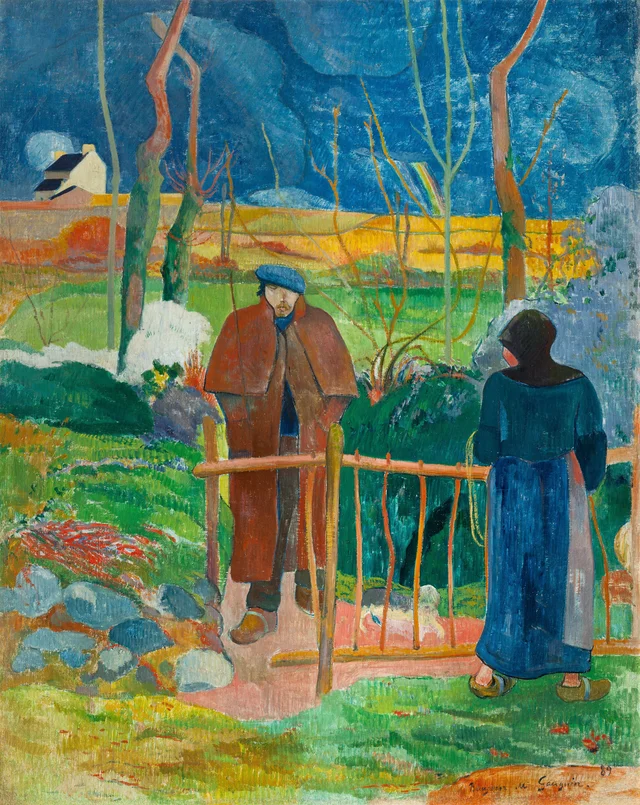 Bonjour Monsieur GauguinPaul Gauguin, 1889
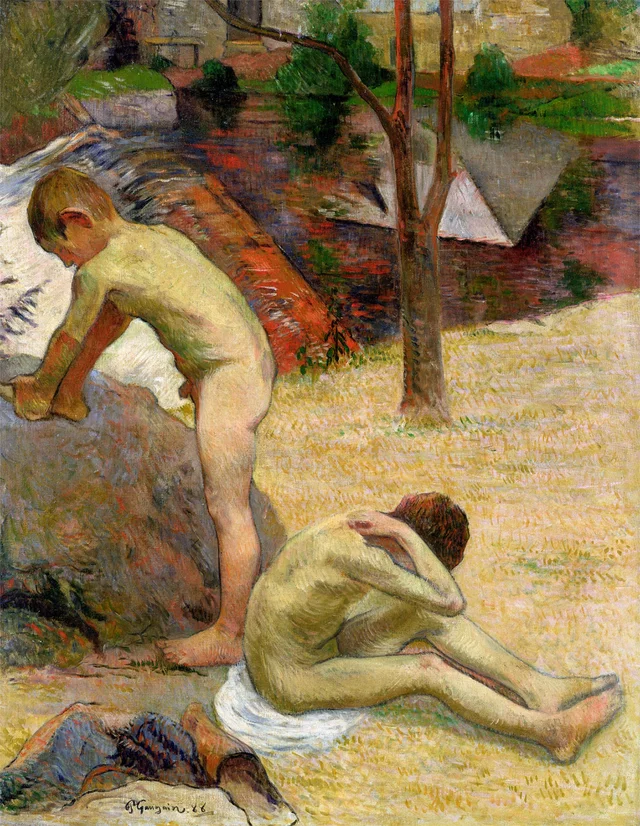 Baigneurs bretonsPaul Gauguin, 1888
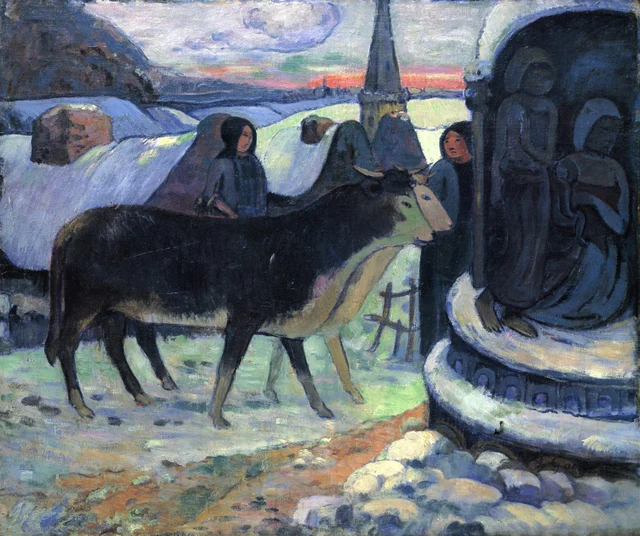 Nuit de Noël (La Bénédiction des bœufs)Paul Gauguin, 1902
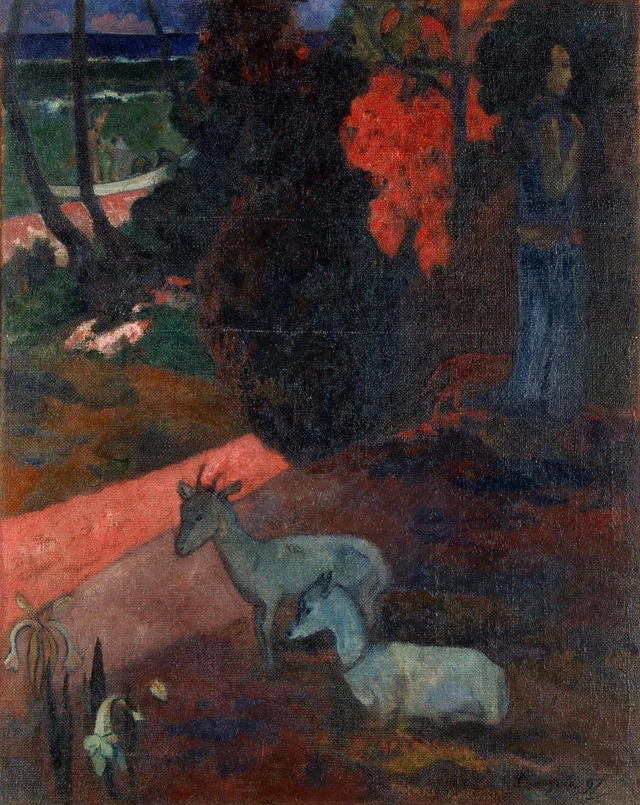 Paysage aux deux chèvres (Tarari Maruru)Paul Gauguin, 1897
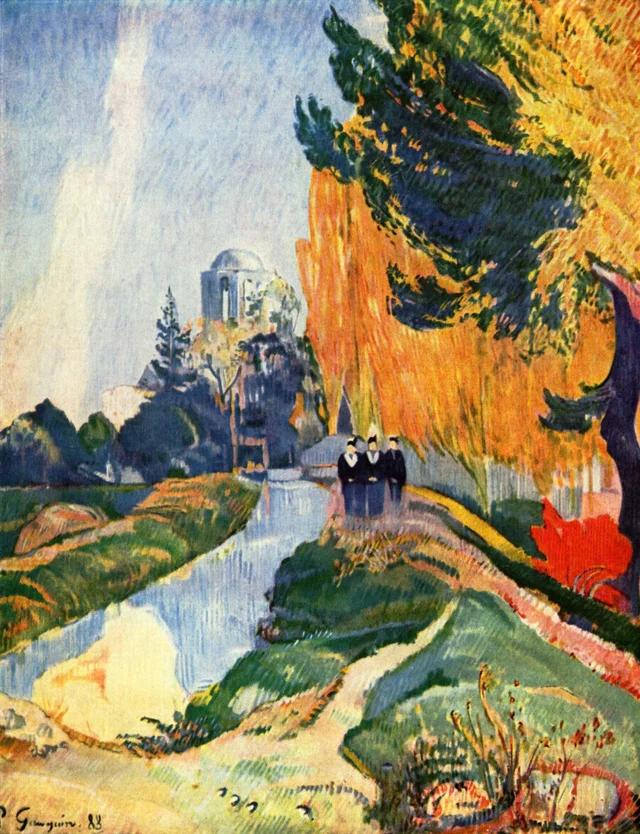 Les AlyscampsPaul Gauguin, 1888
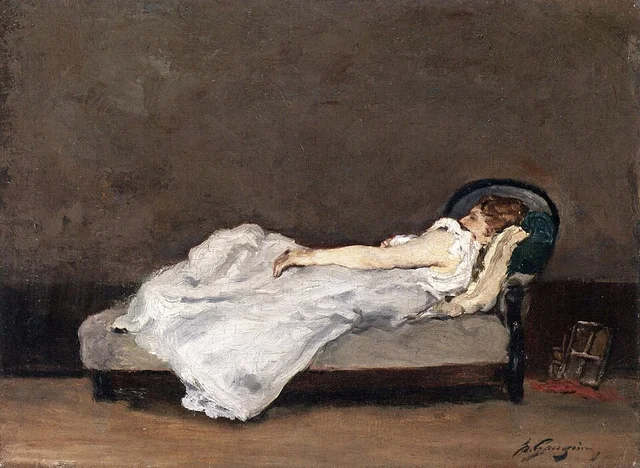 Mette endormie sur un canapéPaul Gauguin, 1875
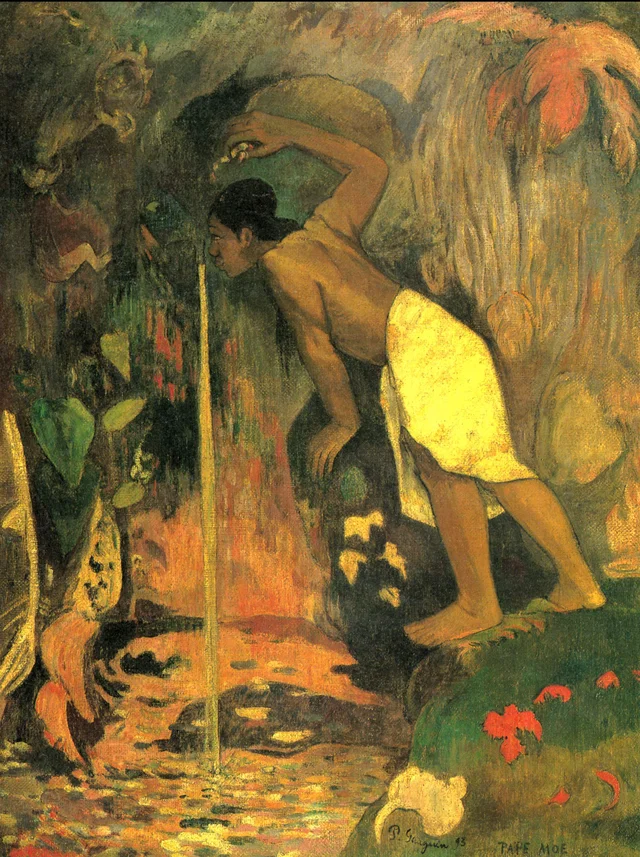 Source mystérieusePaul Gauguin, 1893
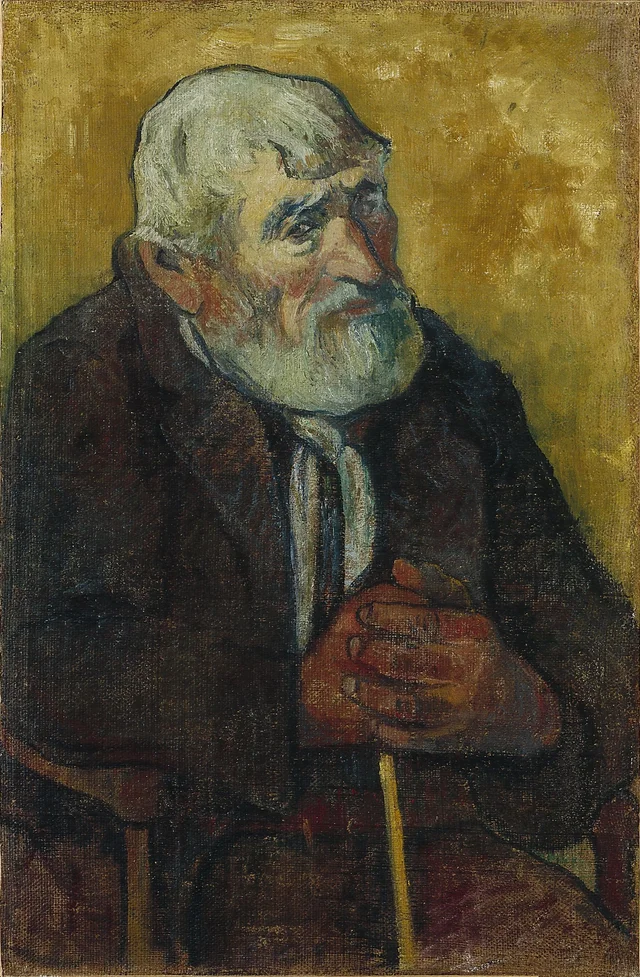 Vieil homme avec un bâtonPaul Gauguin, 1888
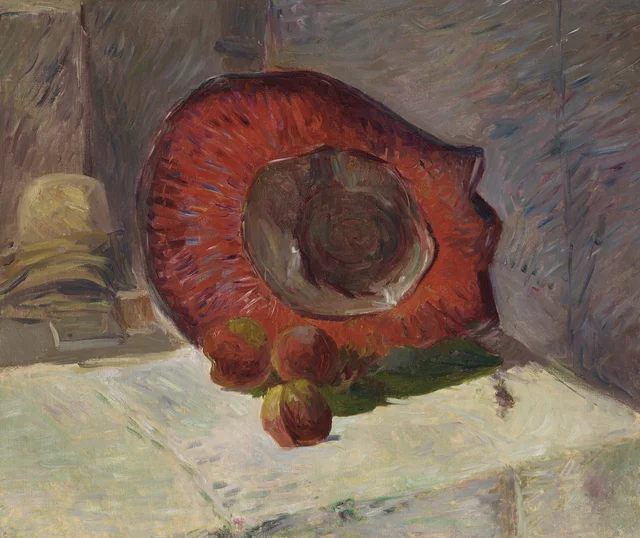 Chapeau rougePaul Gauguin, 1886
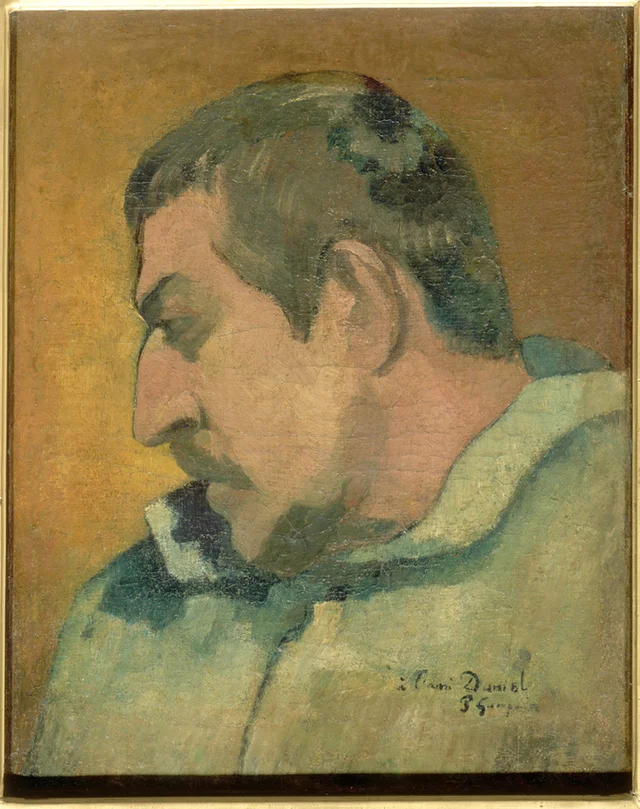 Autoportrait, dédié à son ami DanielPaul Gauguin, 1896
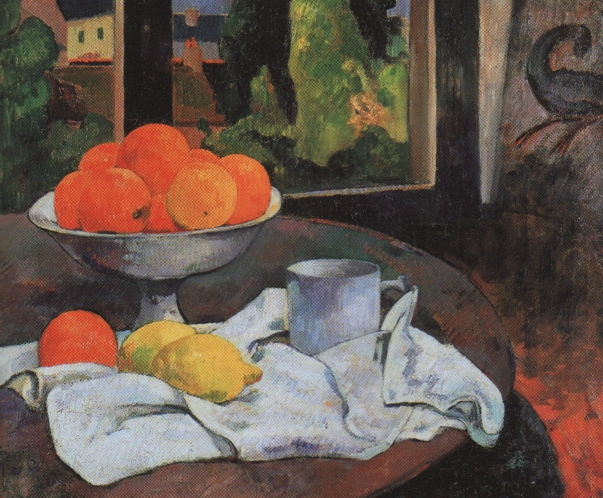 Nature morte au compotier et aux citronsPaul Gauguin, 1890
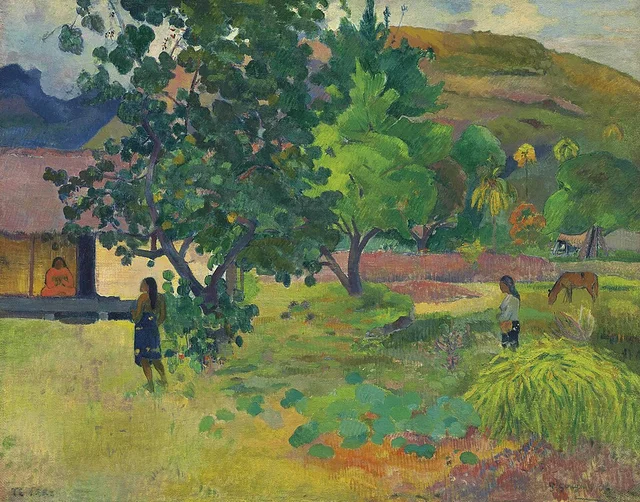 Te FarePaul Gauguin, 1892
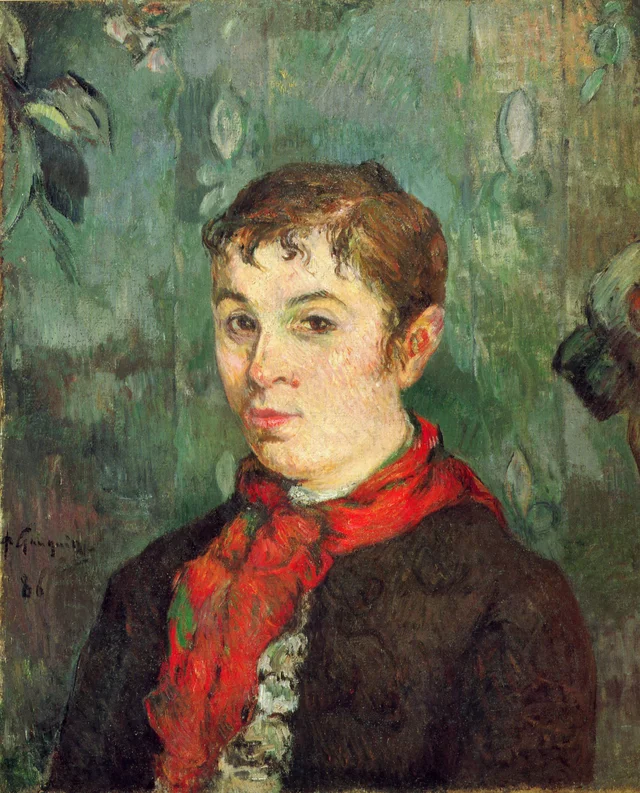 La Fille du patronPaul Gauguin, 1886
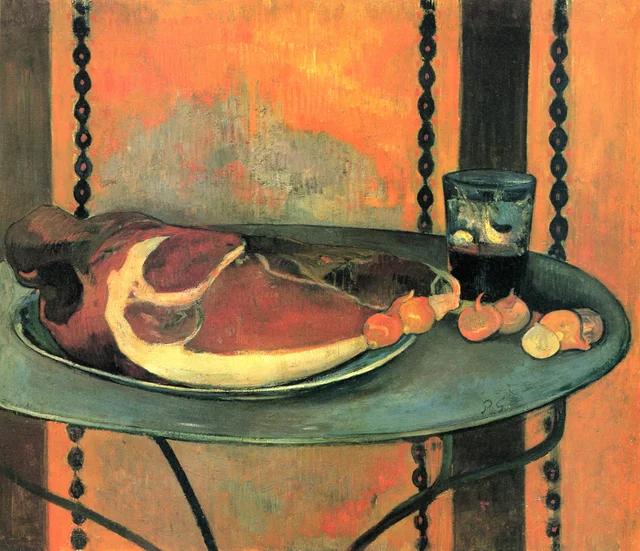 Le JambonPaul Gauguin, 1889
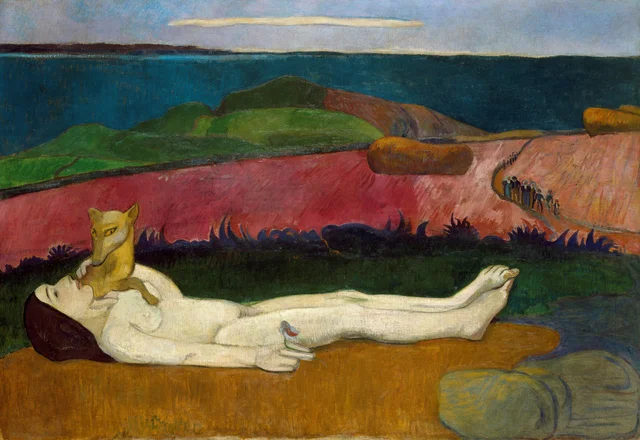 La Perte du pucelagePaul Gauguin, 1890