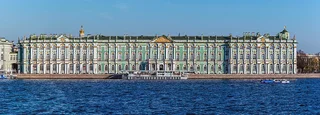
L'histoire
L'essentiel de l'Ermitage se trouve à l'intérieur du Palais d'Hiver, la résidence baroque vert et blanc des tsars de Russie, au bord de la Neva à Saint-Pétersbourg. La collection y naquit comme un plaisir privé. En 1764, l'impératrice Catherine II prit 225 tableaux hollandais et flamands qu'un marchand berlinois, Johann Gotzkowsky, avait réunis pour le roi de Prusse, lequel, ruiné après une longue guerre, ne les paya jamais. Catherine, elle, les paya, et les accrocha dans des pièces si privées qu'elle les appelait son ermitage, une retraite où presque personne n'avait le droit d'entrer.
Deux siècles et demi d'achats plus tard, c'est l'une des plus vastes collections d'art au monde. On gravit l'Escalier de Jourdain sous l'or et les miroirs et l'on s'avance vers les tableaux que l'on vient voir, Le Retour du fils prodigue de Rembrandt, les mains du vieux père posées sur le dos de son fils en haillons, et deux petites Madones de Léonard de Vinci, la Madone Benois et la Madone Litta, peintes dans sa jeunesse. Dans une salle, une Pendule au Paon grandeur nature, automate anglais du XVIIIe siècle, déploie encore sa queue dorée quand on la remonte.
Le bâtiment en a vu beaucoup. Un incendie ravagea le palais en 1837, la révolution de 1917 chassa le dernier tsar de ces pièces, et quand les forces allemandes assiégèrent Léningrad en 1941, le personnel emballa plus d'un million d'objets et les expédia vers l'est, dans l'Oural, laissant les cadres vides accrochés aux murs. Des guides firent visiter ces cadres nus durant tout le siège. Les œuvres revinrent à la fin, et les chats gardés dans les caves pour chasser les rats, une tradition qui remonte au temps de Catherine, sont toujours sur les registres.
Collection
248 œuvres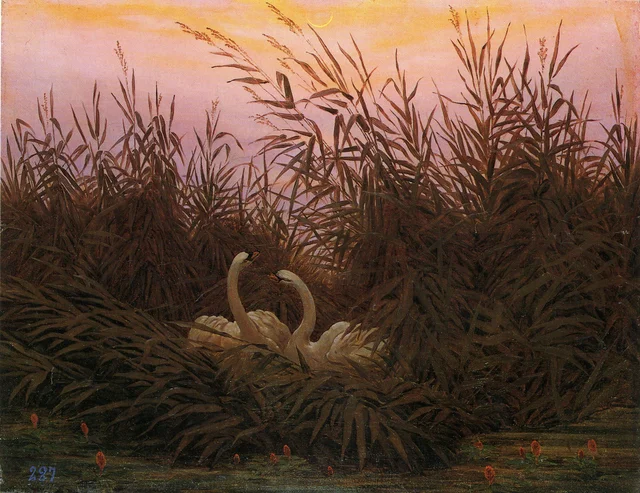 Cygnes dans les roseaux à la première aubeCaspar David Friedrich, 1832
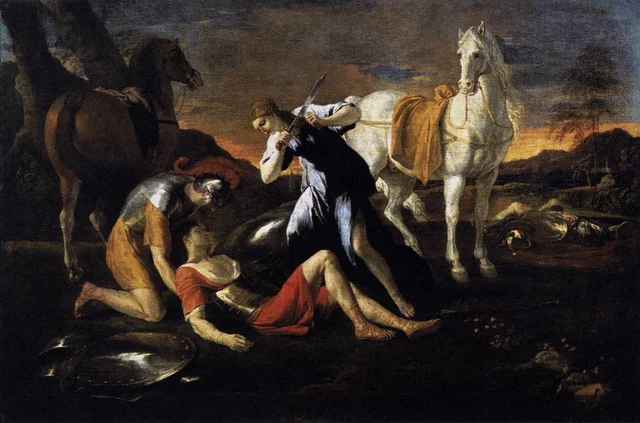 Tancrède et HerminieNicolas Poussin, 1631
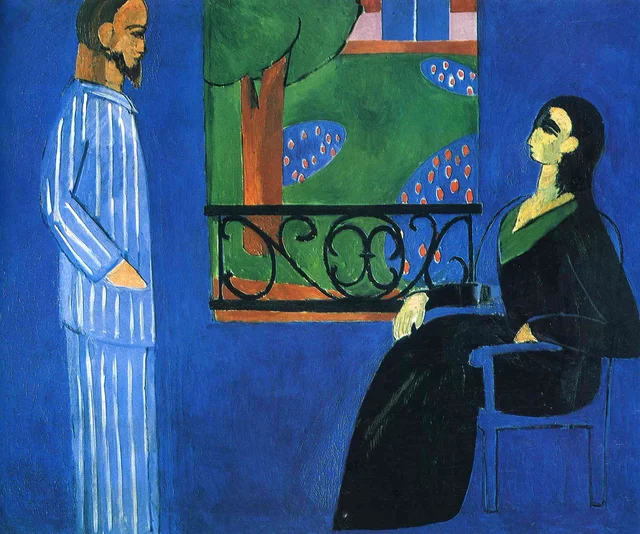 La ConversationHenri Matisse, 1908
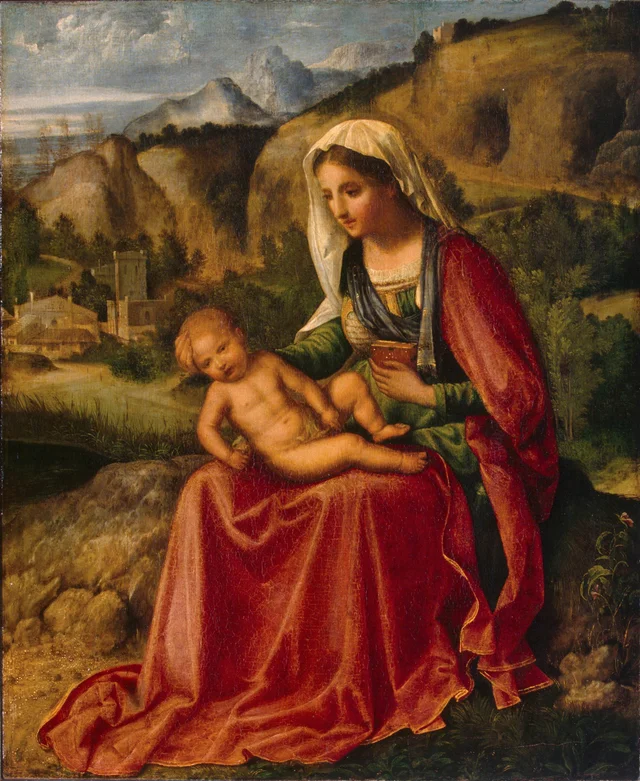 Vierge à l'Enfant dans un paysageGiorgione, 1498
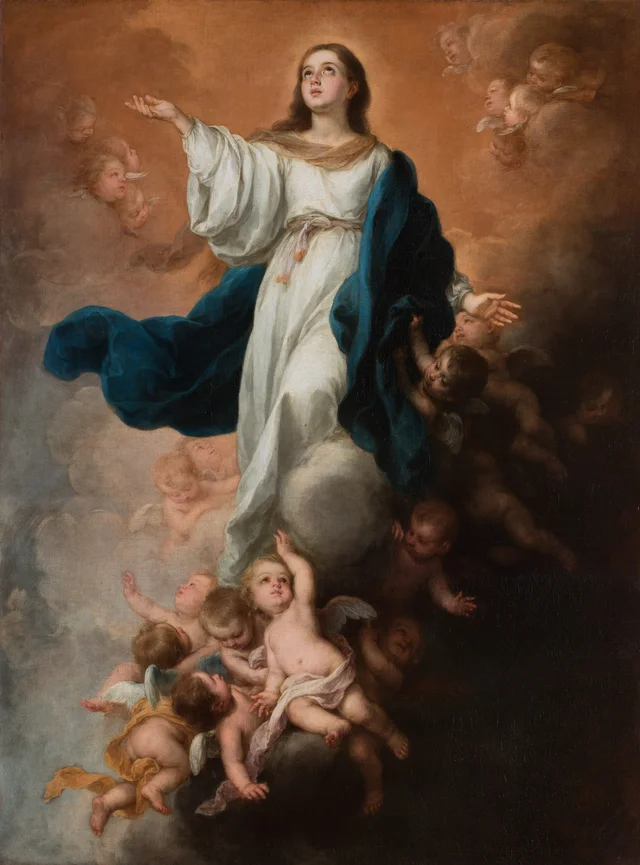 Immaculée Conception (Walpole)Bartolomé Esteban Murillo, 1680
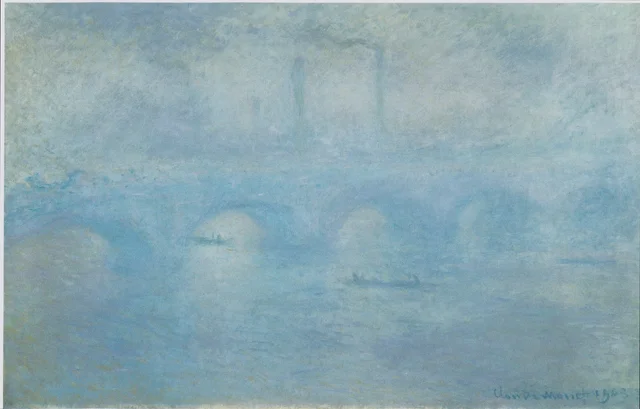 Le Pont de Waterloo, effet de brouillardClaude Monet, 1903
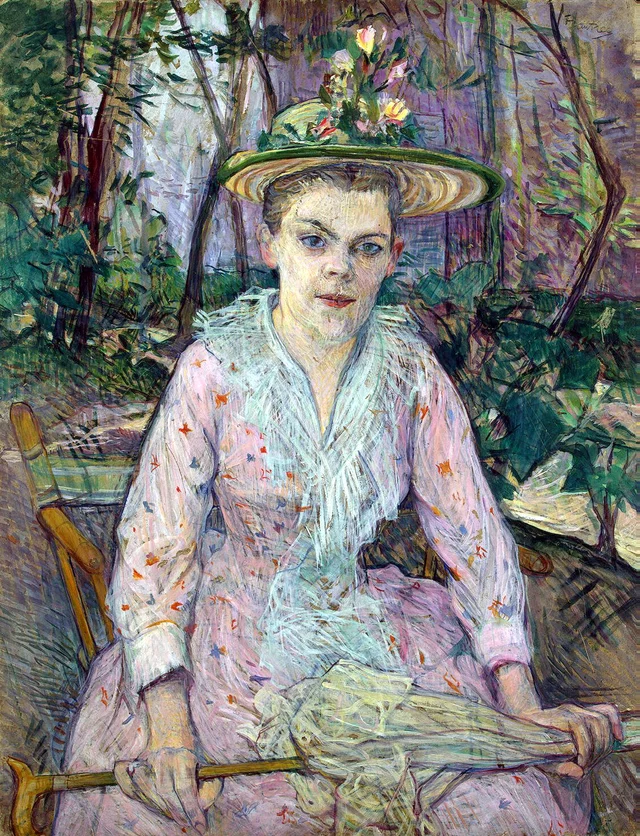 Femme à l'ombrelleHenri de Toulouse-Lautrec, 1889
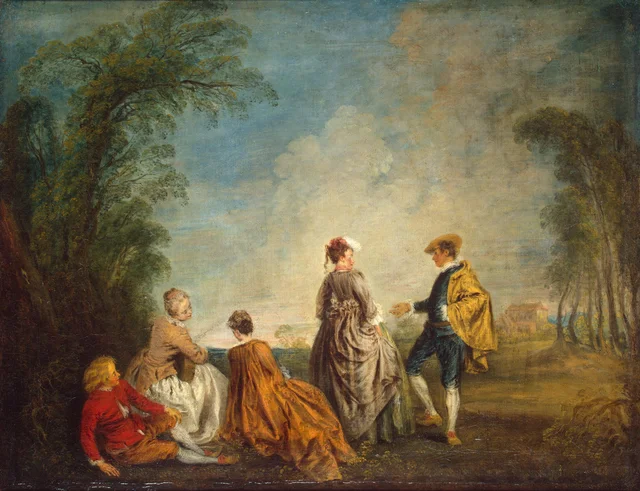 La Proposition embarrassanteJean-Antoine Watteau, 1715
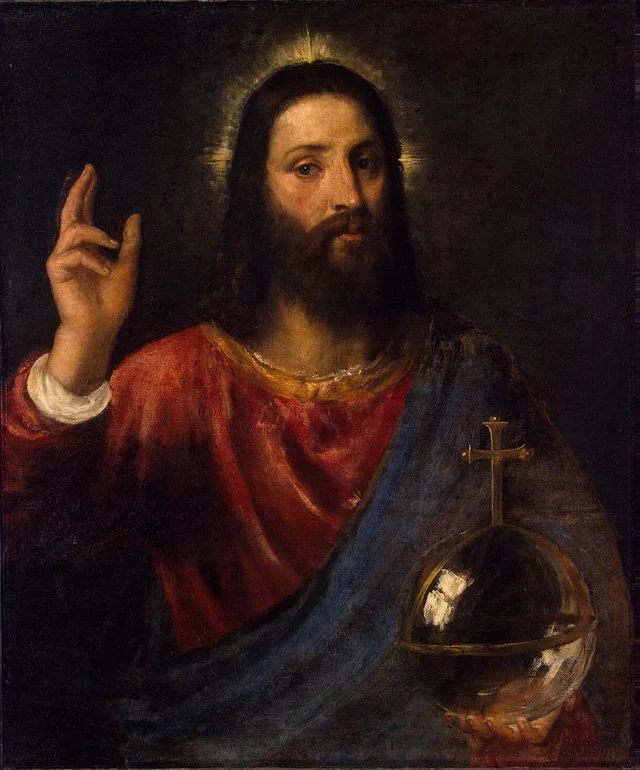 Le Christ bénissantTitien, 1570
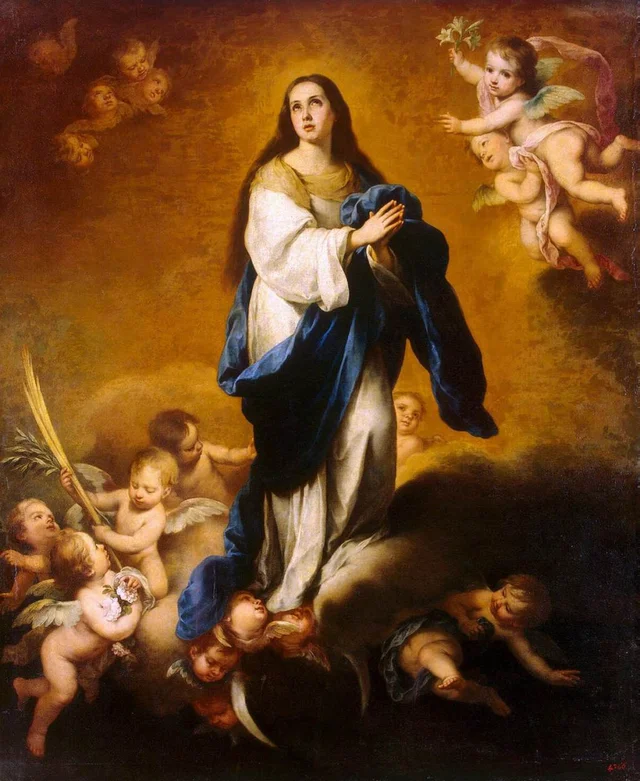 Immaculée Conception d'EsquilacheBartolomé Esteban Murillo, 1645
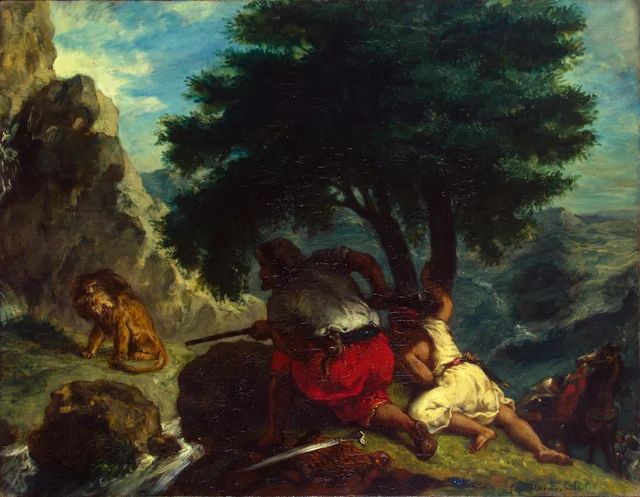 Chasse aux lions au MarocEugène Delacroix, 1854
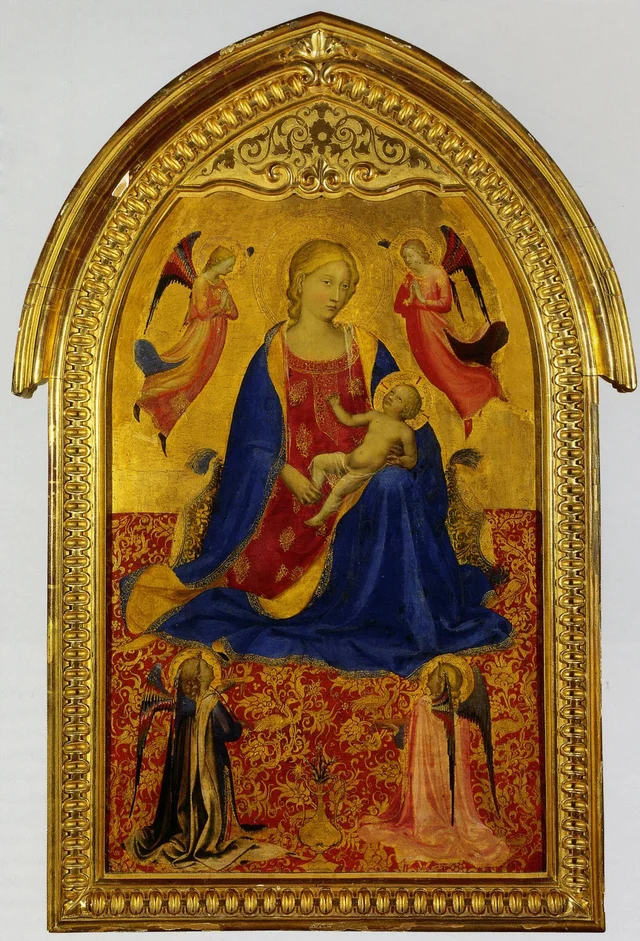 Vierge à l'Enfant avec quatre angesFra Angelico, 1420
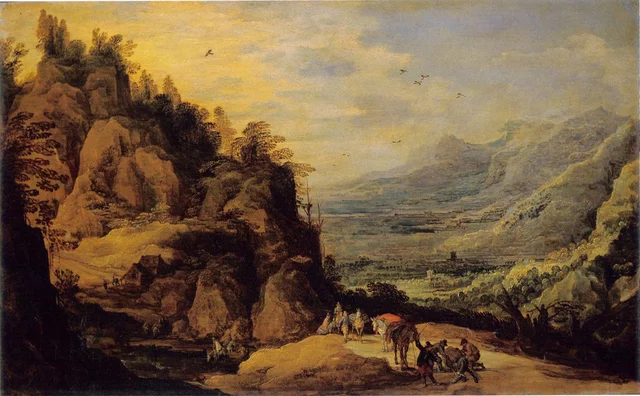 Paysage montagneux avec personnages et un âneJoos de Momper le Jeune, 1610
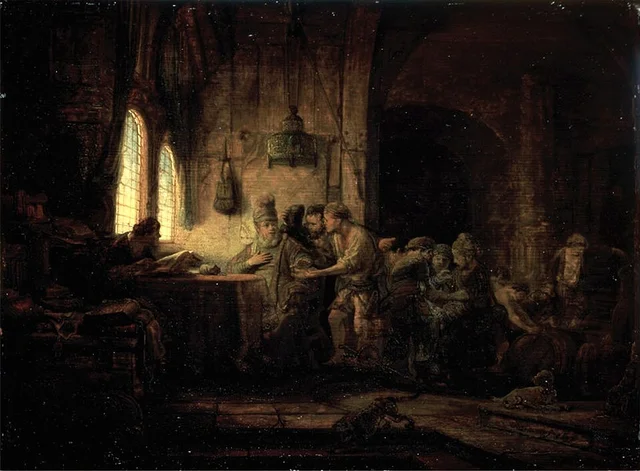 Parabole des ouvriers de la vigneRembrandt, 1637
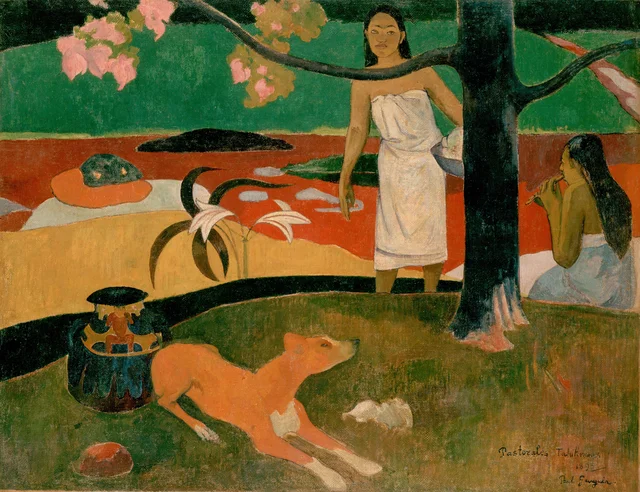 Pastorales tahitiennesPaul Gauguin, 1892
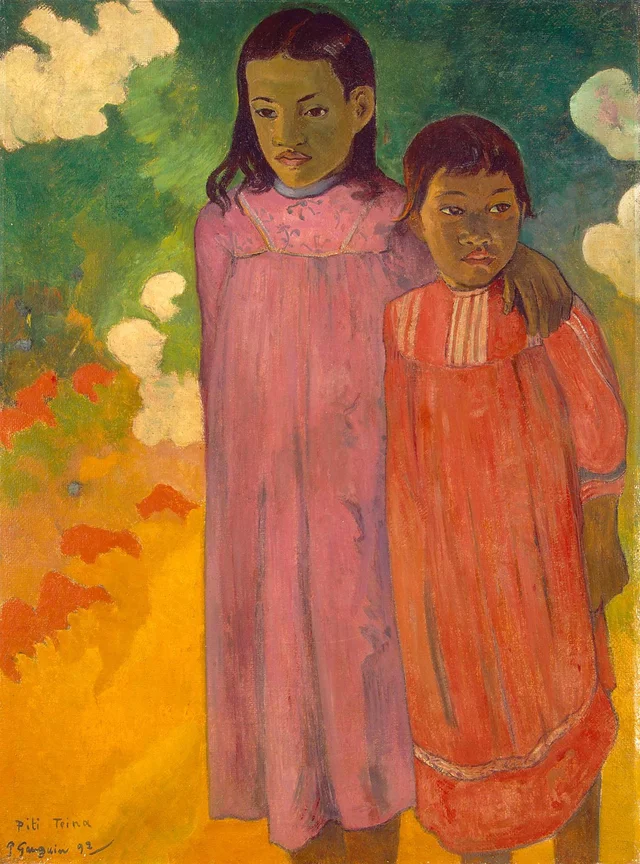 Piti Teina (Les Deux Sœurs)Paul Gauguin, 1892
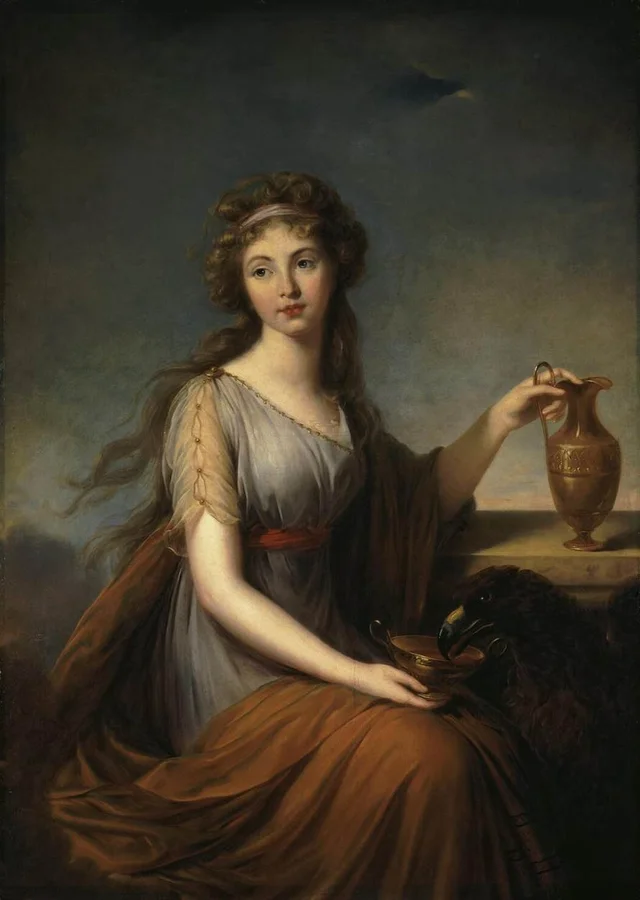 Portrait d'Anna Pitt en HébéÉlisabeth Louise Vigée Le Brun, 1792
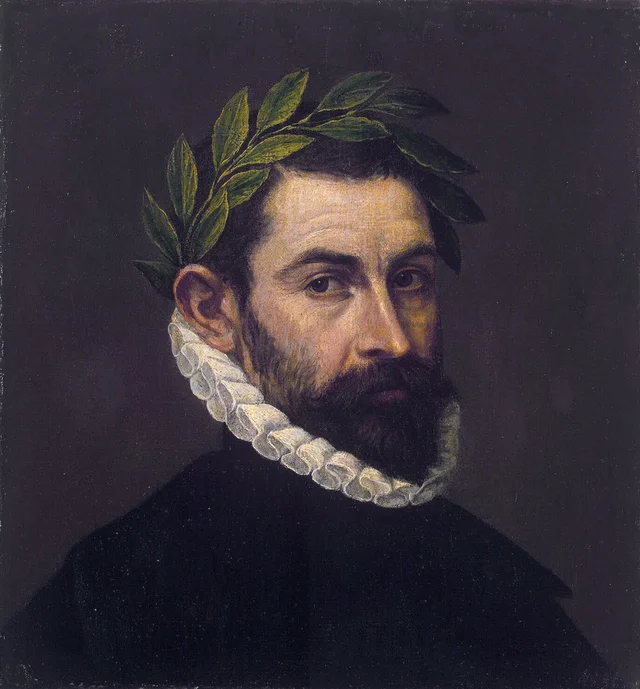 Portrait du poète Alonso de Ercilla y ZúñigaEl Greco, 1570
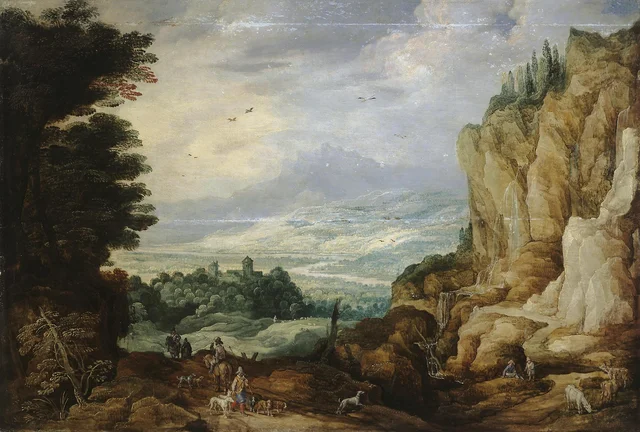 Paysage rocheux avec cascadeJoos de Momper le Jeune, 1610
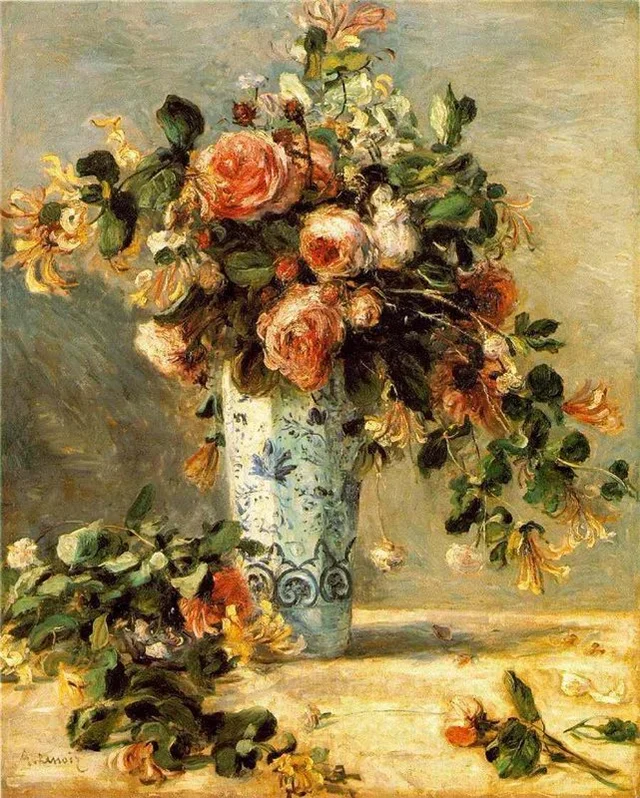 Roses et jasmin dans un vase de DelftPierre-Auguste Renoir, 1880
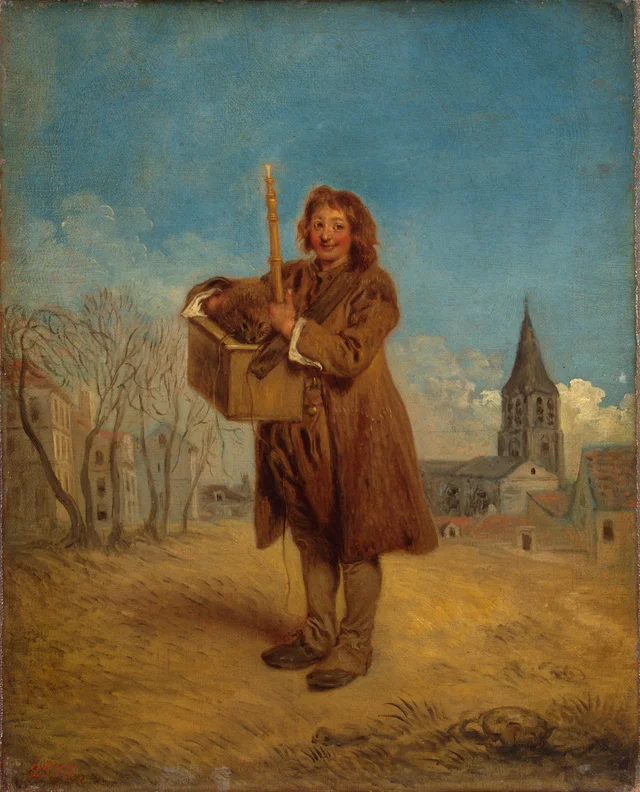 Le Savoyard à la marmotteJean-Antoine Watteau, 1716
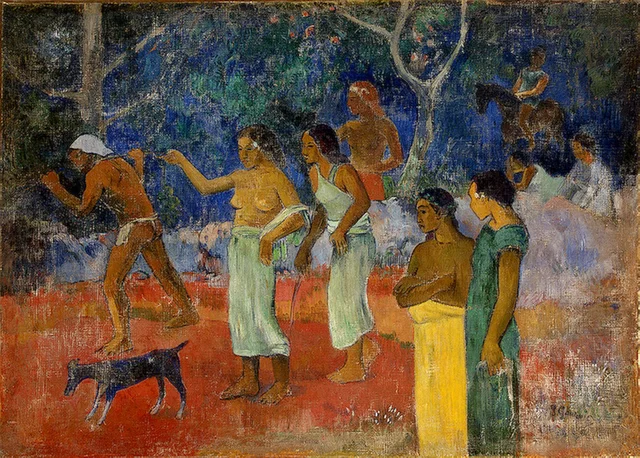 Scène de la vie tahitiennePaul Gauguin, 1896
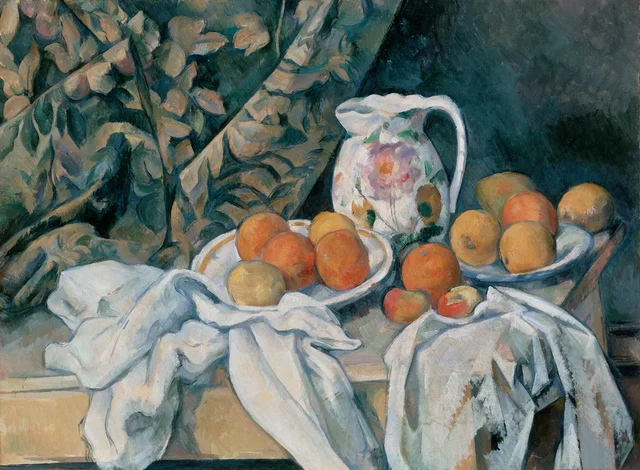 Nature morte au rideauPaul Cézanne, 1898
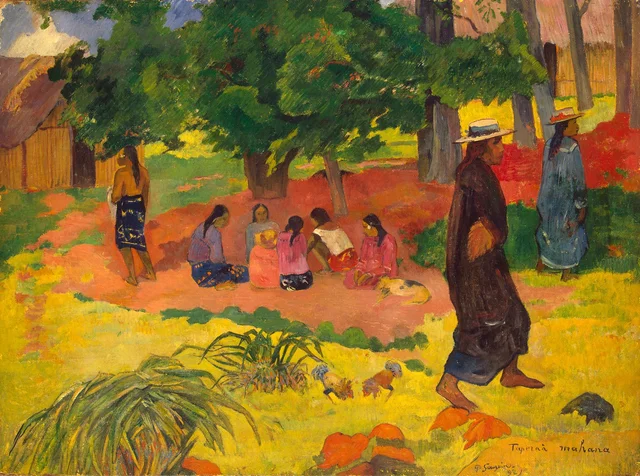 Taperaa MahanaPaul Gauguin, 1892
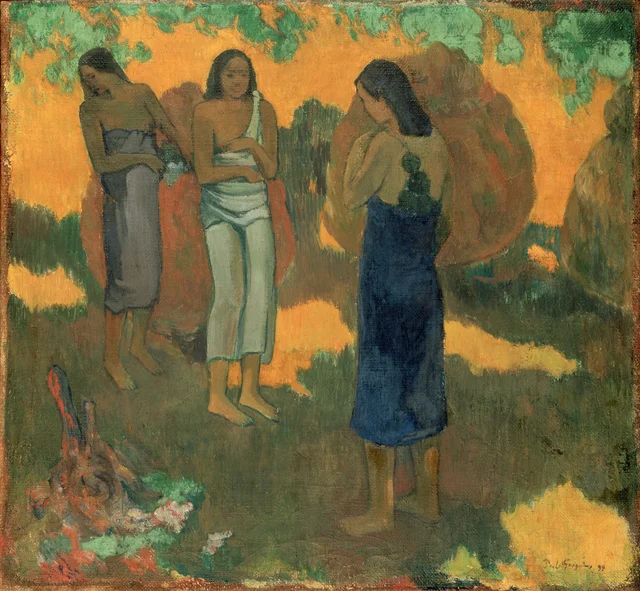 Trois Tahitiennes sur fond jaunePaul Gauguin, 1899