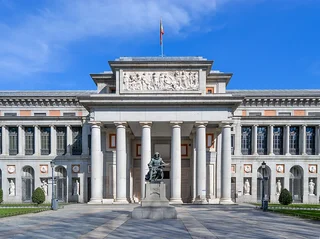
L'histoire
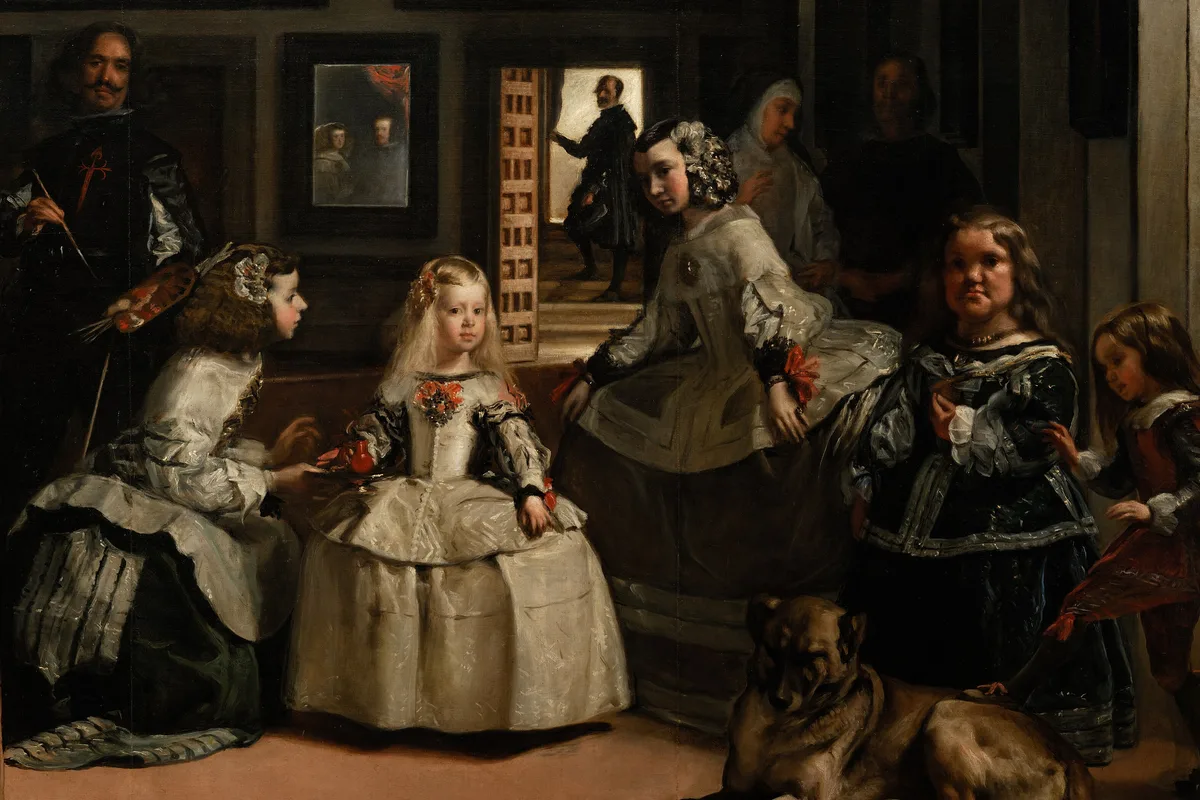
Le Prado est la collection d'un roi rendue publique. Pendant trois siècles, les Habsbourg puis les Bourbons d'Espagne achetèrent et commandèrent à l'échelle royale, et leur goût est le musée : le Titien et Rubens que les rois aimaient, Vélasquez qui servit la cour d'Espagne presque toute sa vie. Ses Ménines sont accrochées au cœur du bâtiment, le peintre regardant depuis l'arrière de sa propre toile, dans une salle du vieil Alcázar royal.
La galerie ouvrit en 1819 dans un édifice que l'architecte Juan de Villanueva avait d'abord conçu comme un cabinet de sciences naturelles. Ses murs portent les versants les plus sombres de l'art espagnol autant que sa splendeur, le Tres de Mayo de Goya, le peloton d'exécution levant ses lanternes dans la nuit, et les Peintures noires qu'il appliqua directement sur les murs de sa propre maison, âgé, sourd et retiré du monde, sans jamais vouloir les montrer.
Le plus ancien de ses grands trésors précède ce goût royal espagnol, Le Jardin des délices de Jérôme Bosch, la vision en trois panneaux du paradis, du désir et de l'enfer, entrée plus tard dans la collection de Philippe II et envoyée à son palais-monastère de l'Escurial. Elle attire maintenant les foules vers ce que seule la cour avait jadis le droit de voir.
Autres articles
Collection
870 œuvres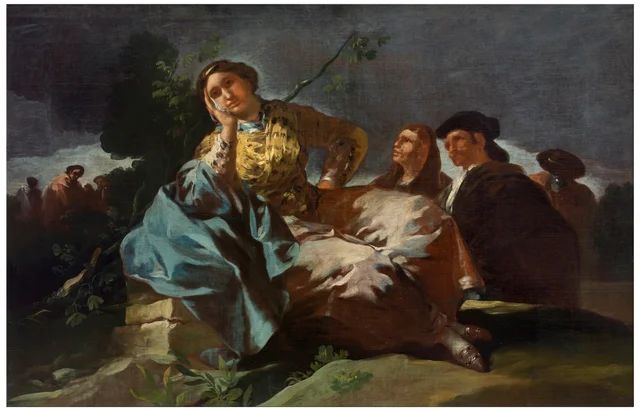 Le Rendez-vousFrancisco Goya, 1779
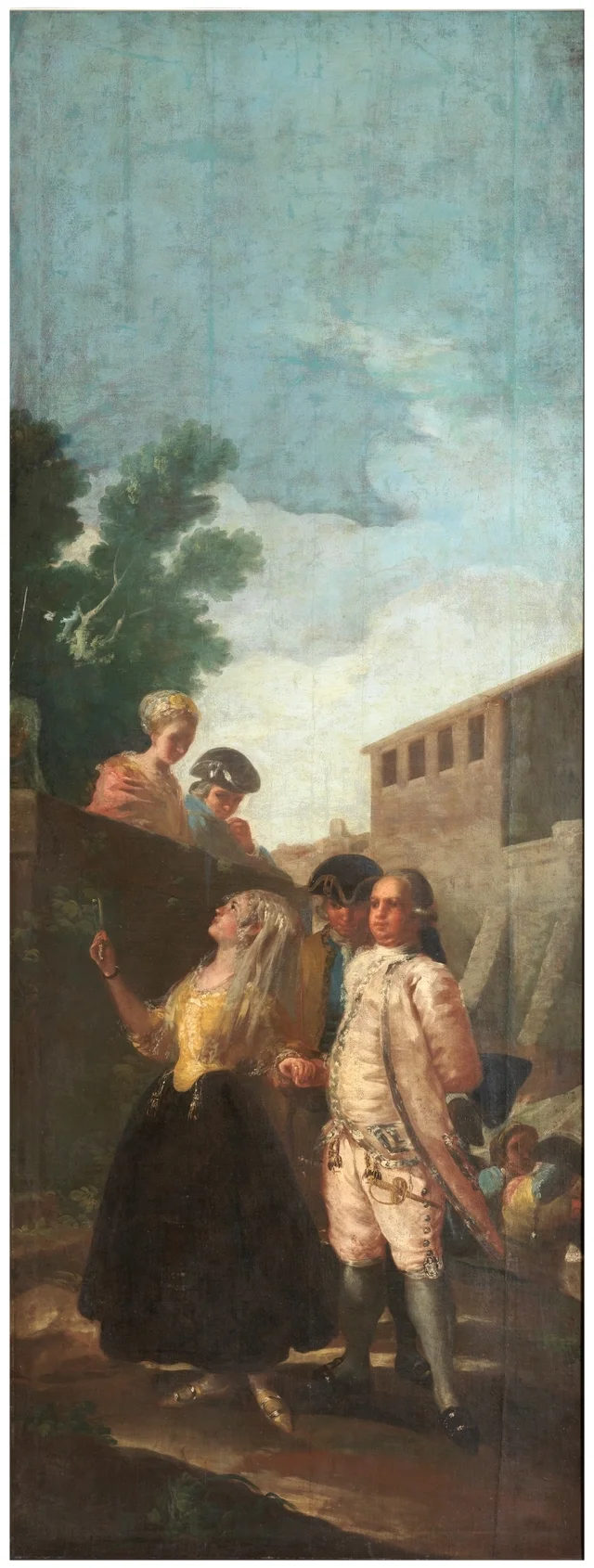 Le Militaire et la dameFrancisco Goya, 1779
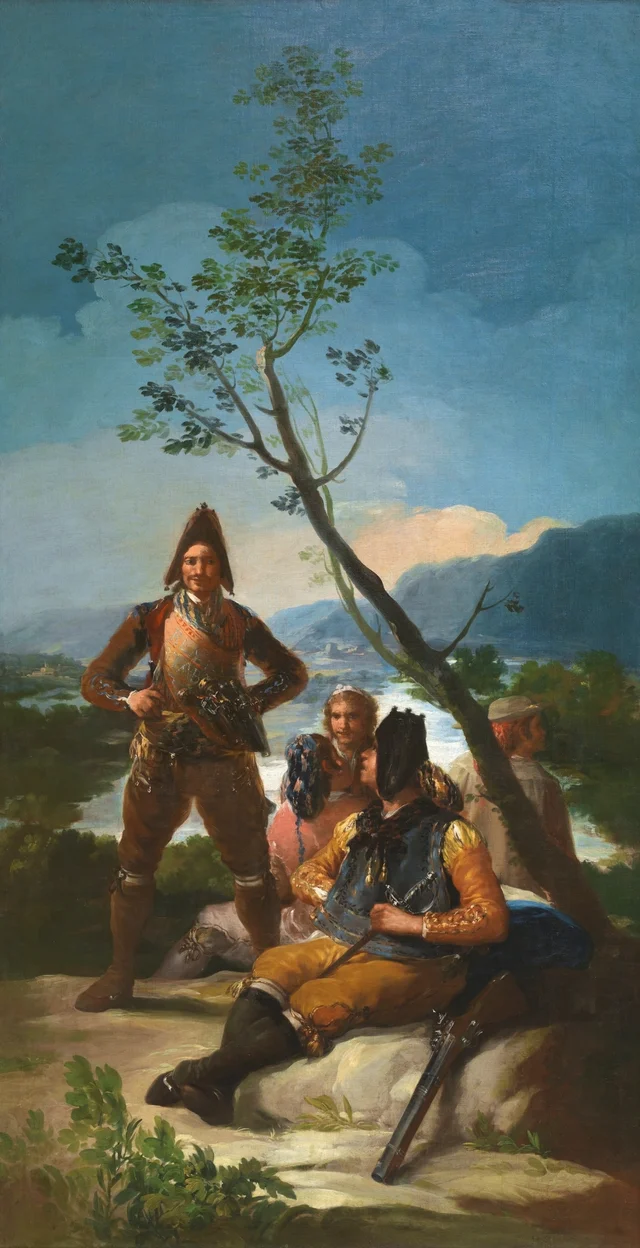 Les Gardes du tabacFrancisco Goya, 1779
 L'Enfant à l'arbreFrancisco Goya, 1779
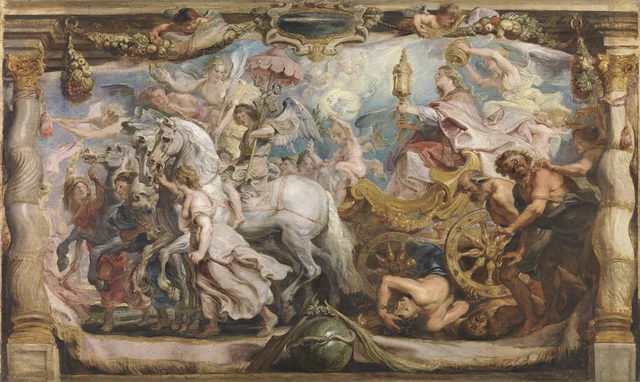 Le Triomphe de l'ÉglisePierre Paul Rubens, 1625
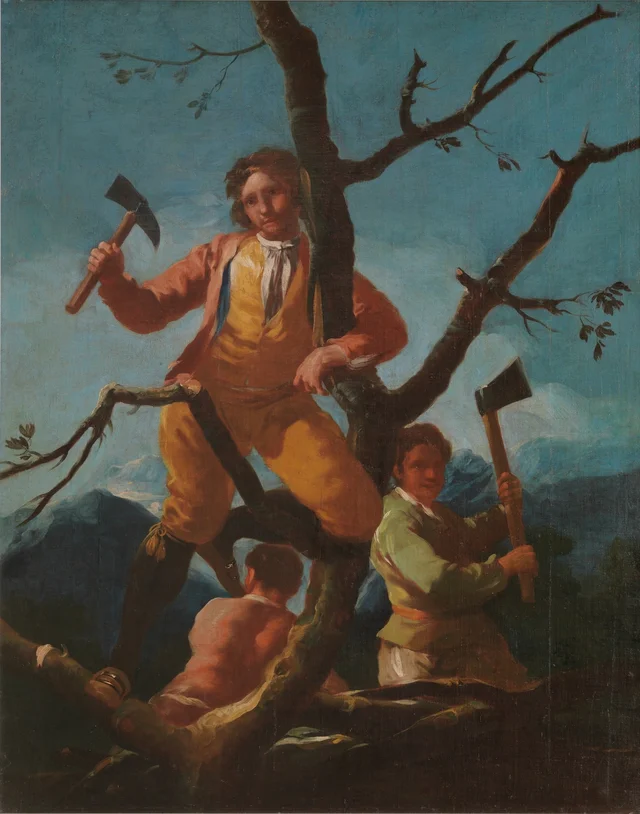 Les BûcheronsFrancisco Goya, 1780
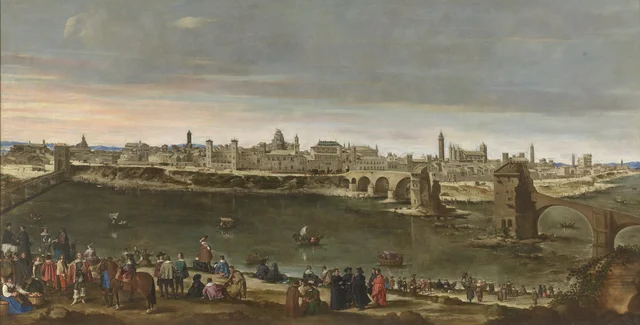 Vue de Saragosse en 1647Juan Bautista Martínez del Mazo, 1647
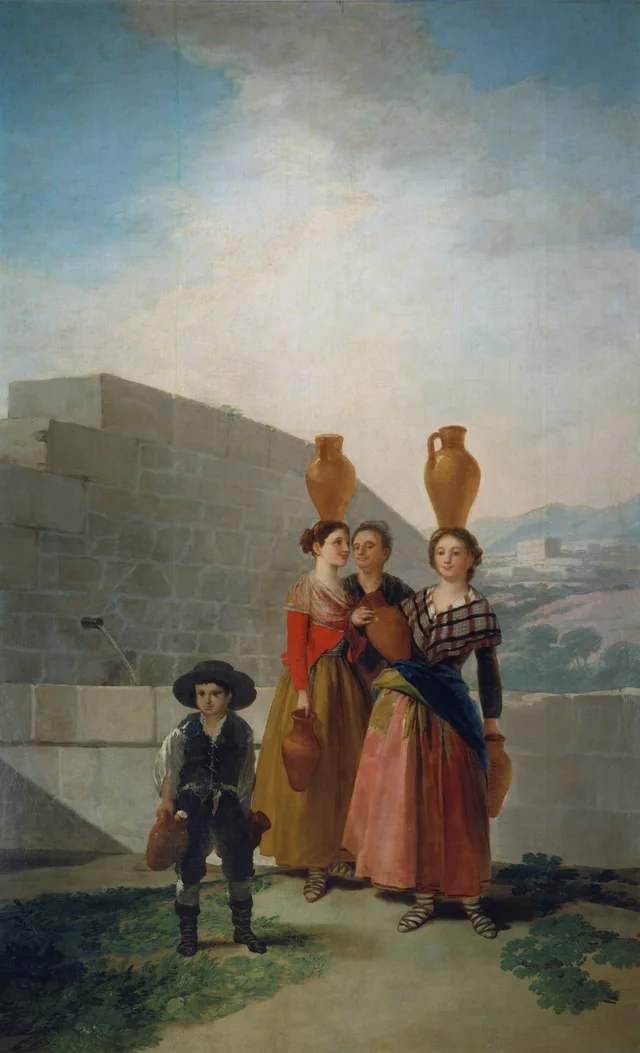 Les Jeunes filles à la crucheFrancisco Goya, 1791
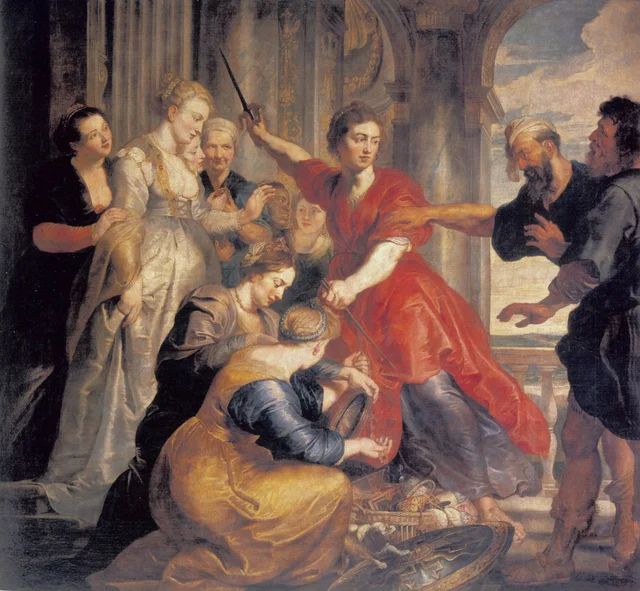 Achille découvert par Ulysse et DiomèdePierre Paul Rubens, 1617
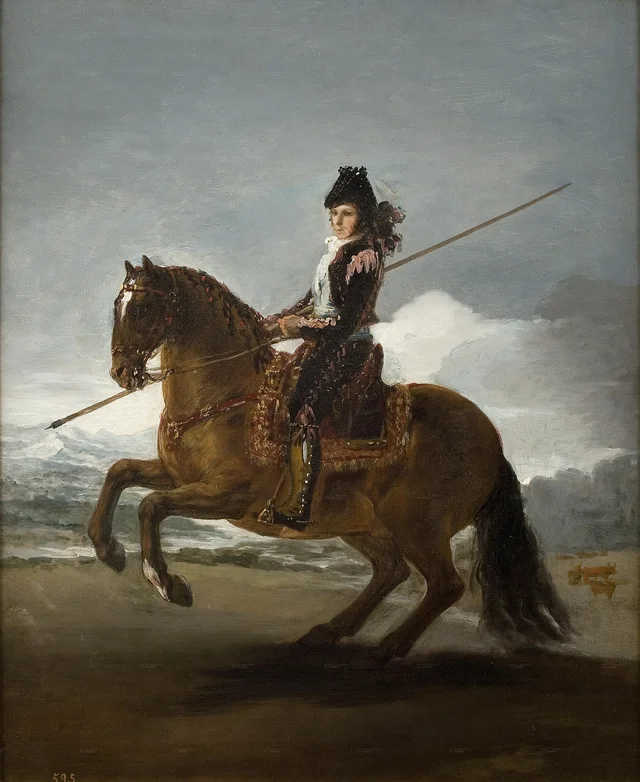 Un lancierAttribué à Francisco de Goya, 1795
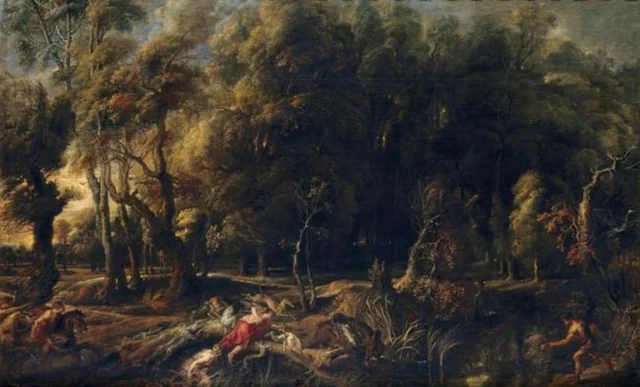 Atalante et Méléagre chassant le sanglier de CalydonPierre Paul Rubens, 1635
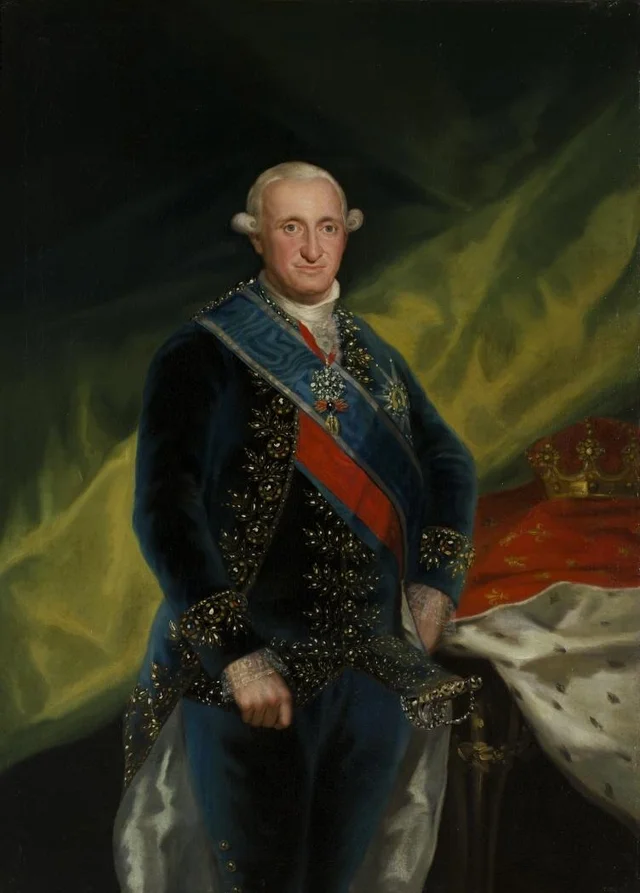 Charles IV d'EspagneFrancisco Goya, 1789
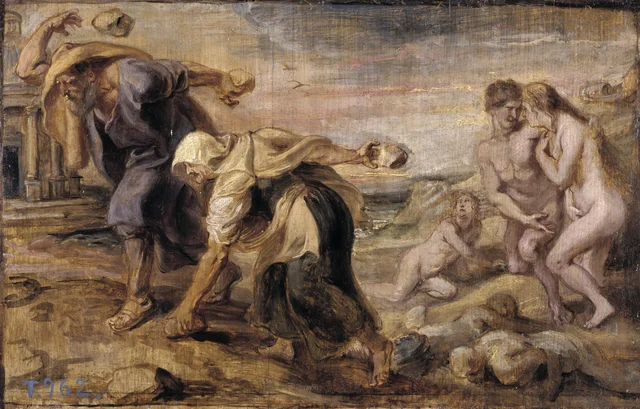 Deucalion et PyrrhaPierre Paul Rubens, 1636
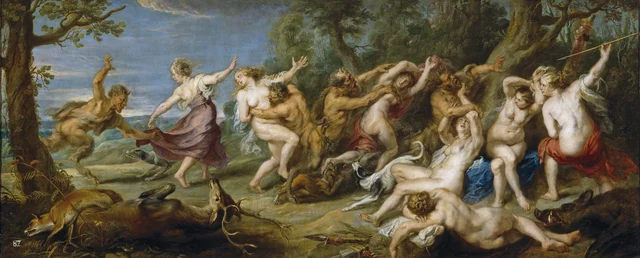 Diane et ses nymphes surprises par des satyresPierre Paul Rubens, 1639
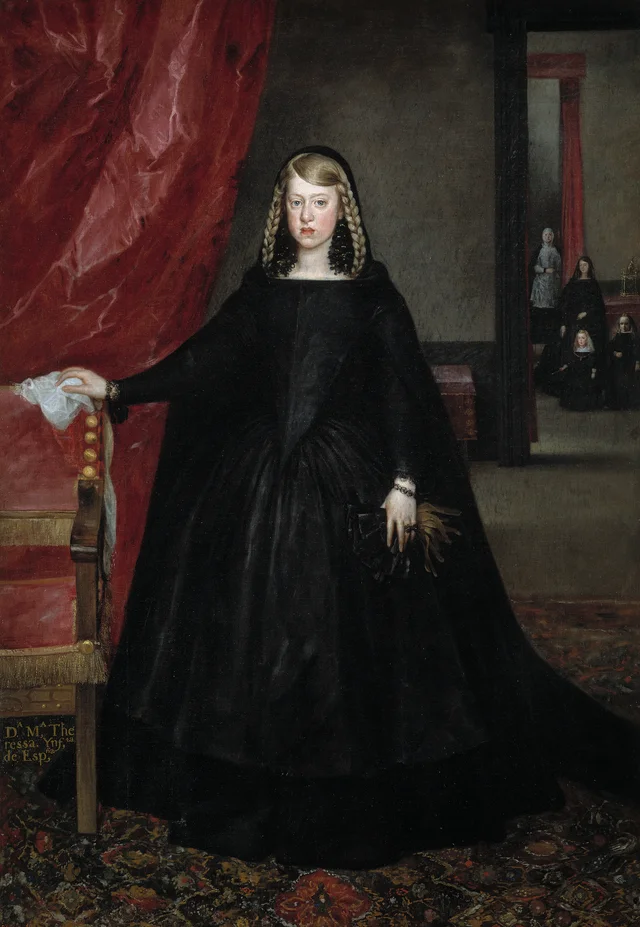 L'impératrice Marguerite d'Autriche en deuilJuan Bautista Martínez del Mazo, 1665
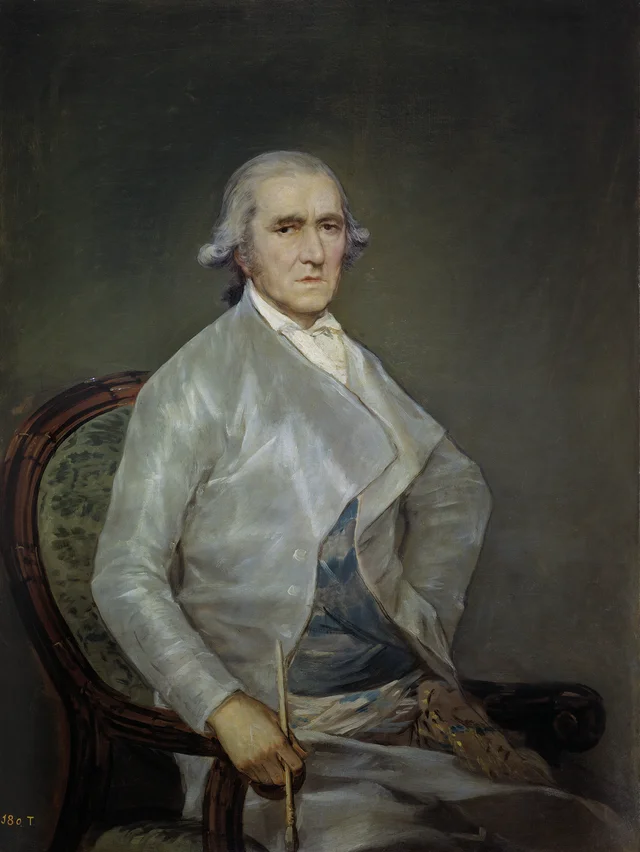 Francisco BayeuFrancisco Goya, 1795
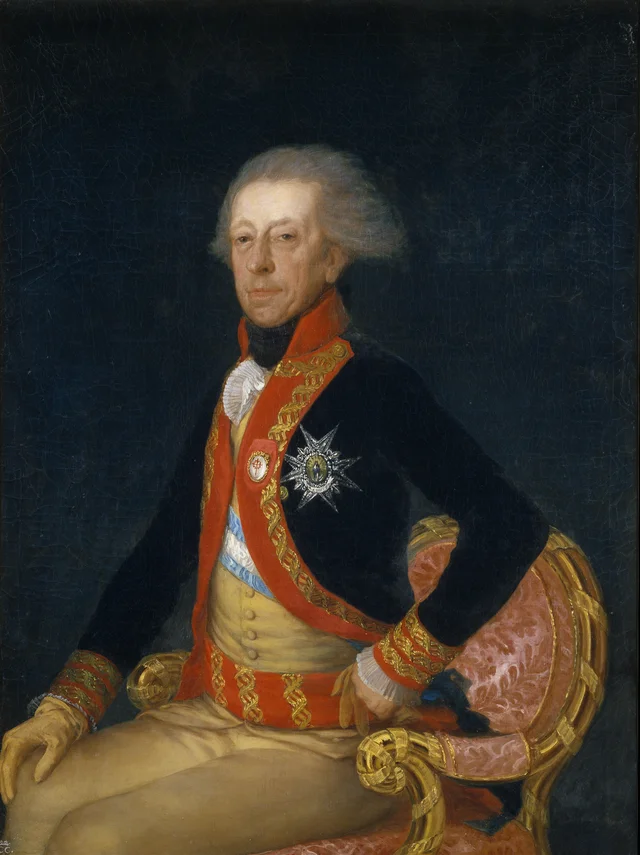 Général Antonio RicardosFrancisco Goya, 1793
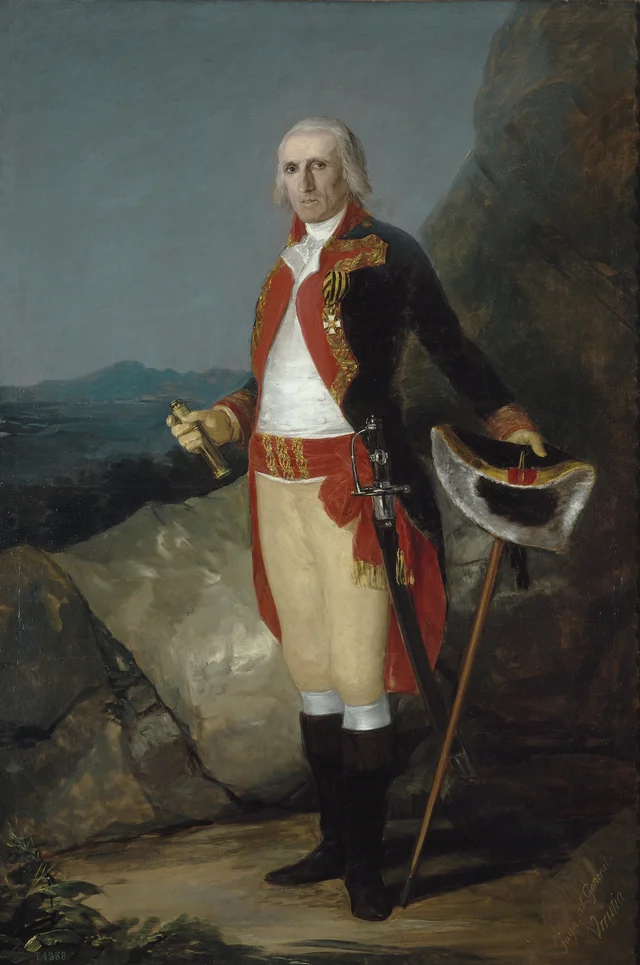 Le général José de UrrutiaFrancisco Goya, 1798
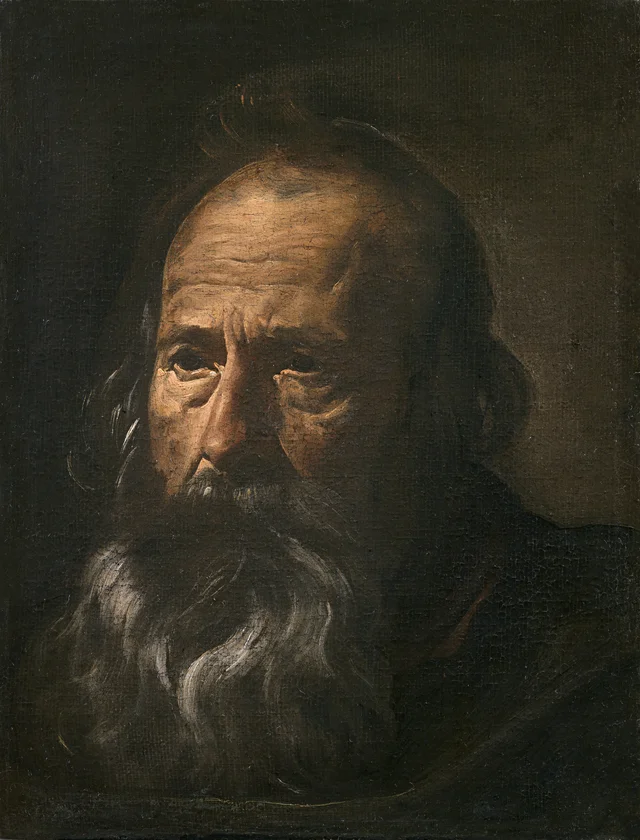 Tête d'apôtreDiego Vélasquez, 1619
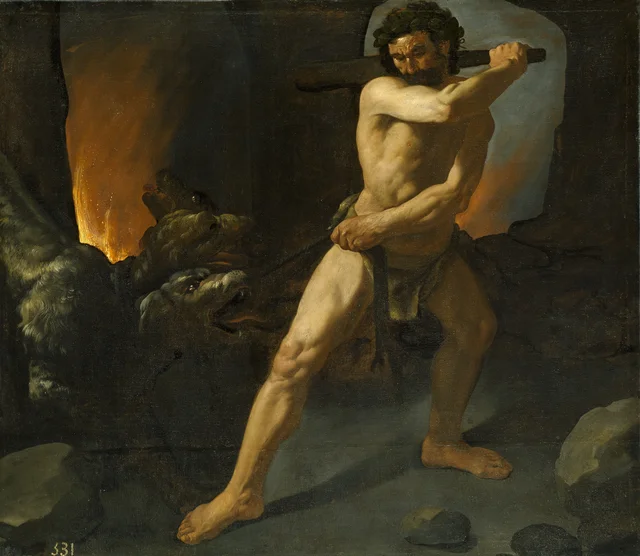 Hercule et CerbèreFrancisco de Zurbarán, 1634
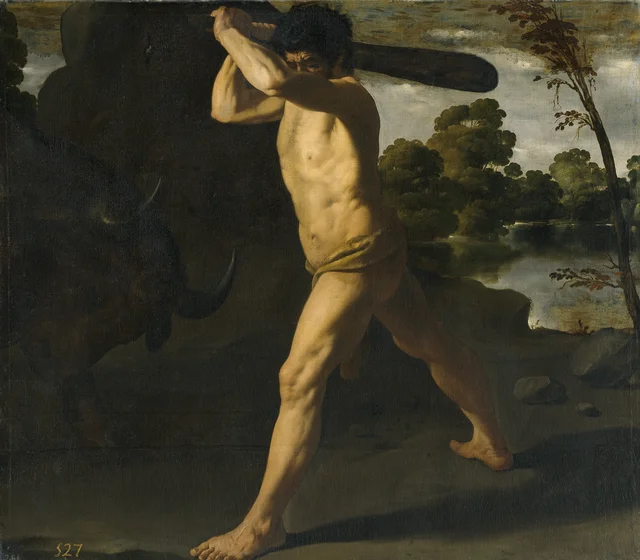 Hercule et le taureau de CrèteFrancisco de Zurbarán, 1634
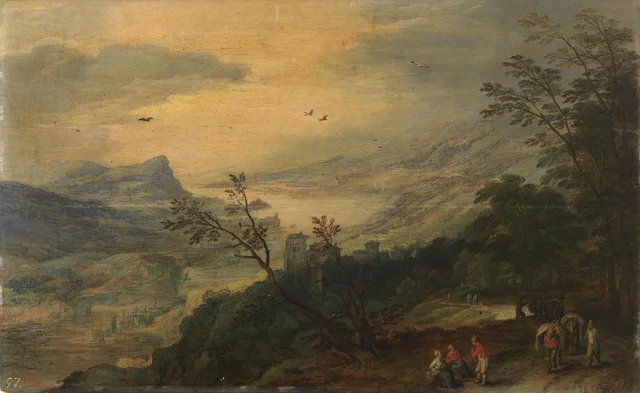 PaysageJan Brueghel l'Ancien, 1601
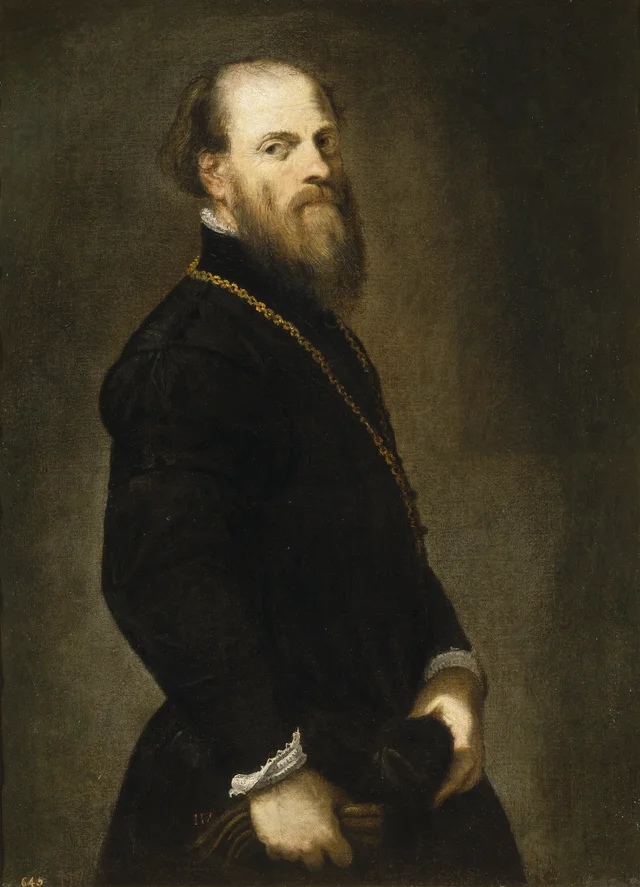 Homme à la chaîne d'orJacopo Tintoretto, 1560
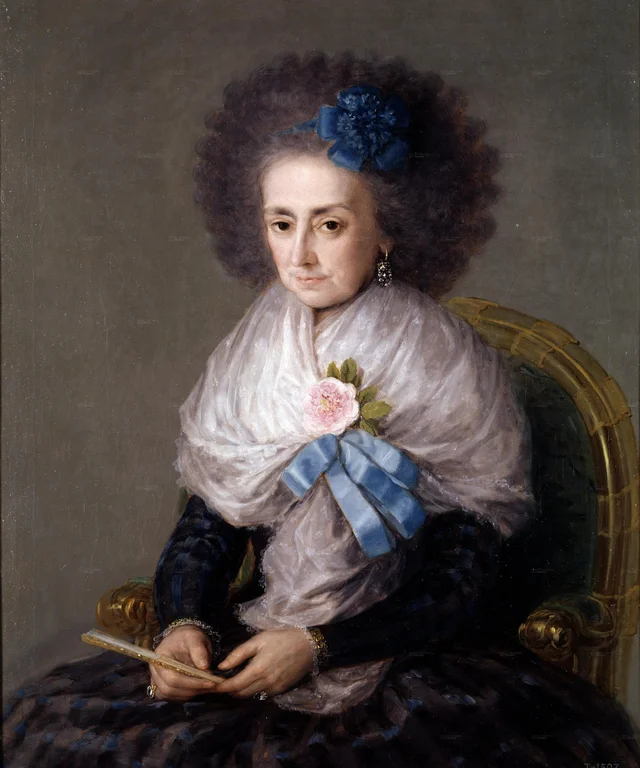 María Antonia Gonzaga, marquise douairière de VillafrancaFrancisco Goya, 1795
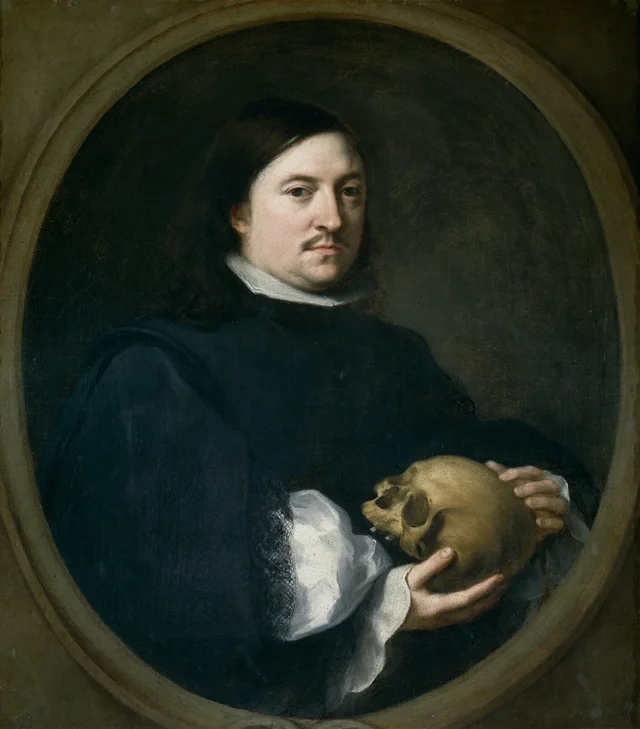 Nicolás OmazurBartolomé Esteban Murillo, 1672