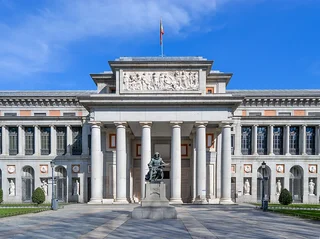
L'histoire
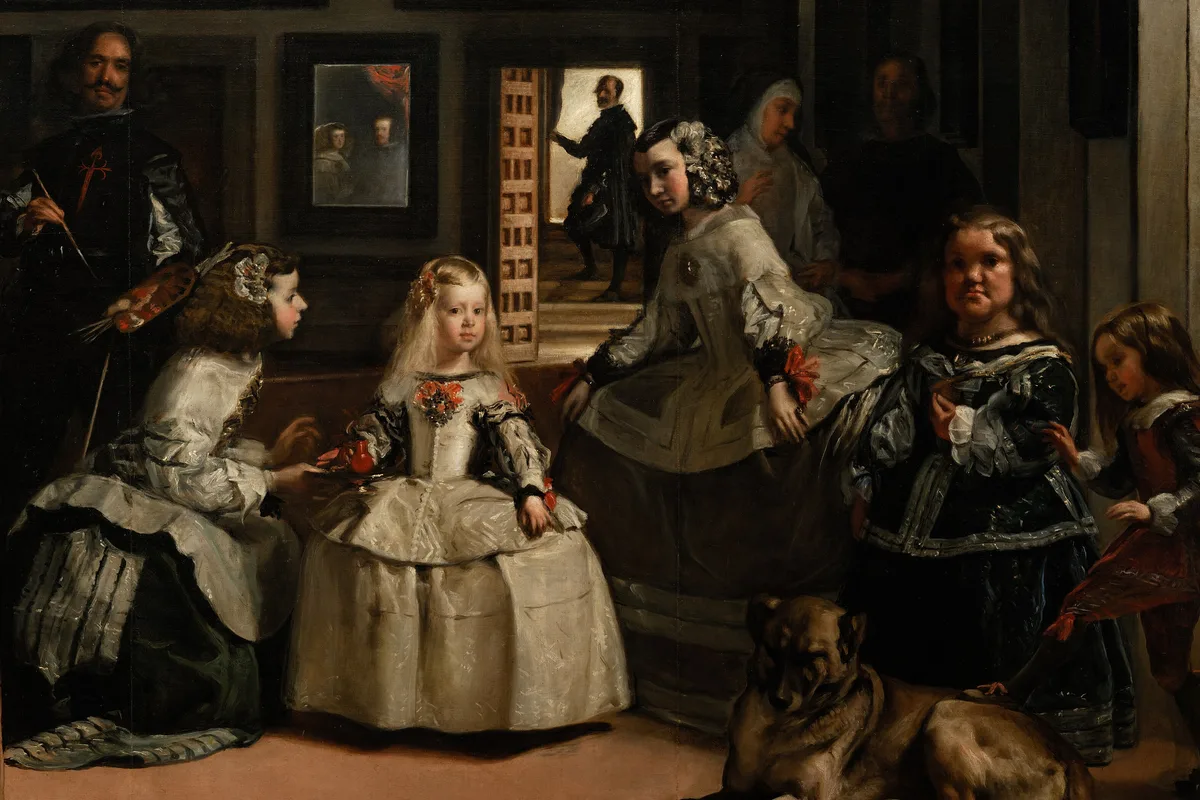
Le Prado est la collection d'un roi rendue publique. Pendant trois siècles, les Habsbourg puis les Bourbons d'Espagne achetèrent et commandèrent à l'échelle royale, et leur goût est le musée : le Titien et Rubens que les rois aimaient, Vélasquez qui servit la cour d'Espagne presque toute sa vie. Ses Ménines sont accrochées au cœur du bâtiment, le peintre regardant depuis l'arrière de sa propre toile, dans une salle du vieil Alcázar royal.
La galerie ouvrit en 1819 dans un édifice que l'architecte Juan de Villanueva avait d'abord conçu comme un cabinet de sciences naturelles. Ses murs portent les versants les plus sombres de l'art espagnol autant que sa splendeur, le Tres de Mayo de Goya, le peloton d'exécution levant ses lanternes dans la nuit, et les Peintures noires qu'il appliqua directement sur les murs de sa propre maison, âgé, sourd et retiré du monde, sans jamais vouloir les montrer.
Le plus ancien de ses grands trésors précède ce goût royal espagnol, Le Jardin des délices de Jérôme Bosch, la vision en trois panneaux du paradis, du désir et de l'enfer, entrée plus tard dans la collection de Philippe II et envoyée à son palais-monastère de l'Escurial. Elle attire maintenant les foules vers ce que seule la cour avait jadis le droit de voir.
Autres articles
Collection
870 œuvres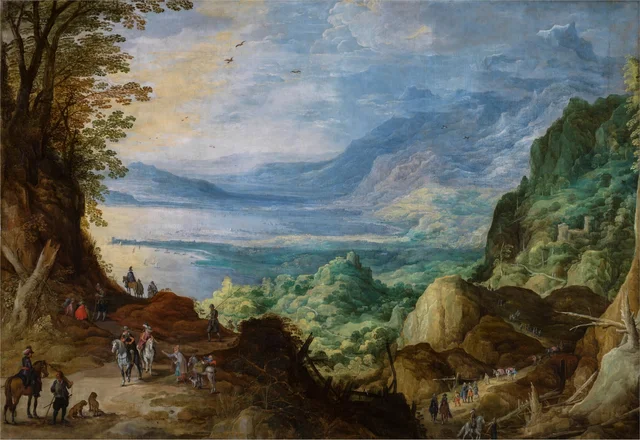 Paysage de mer et de montagnesJoos de Momper le Jeune, 1623
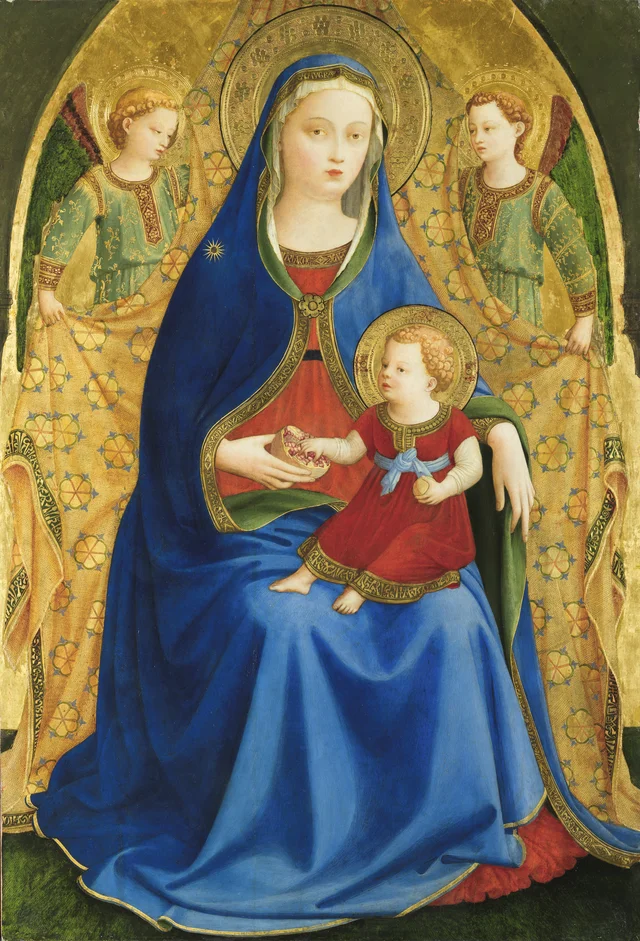 Vierge à la grenadeFra Angelico, 1426
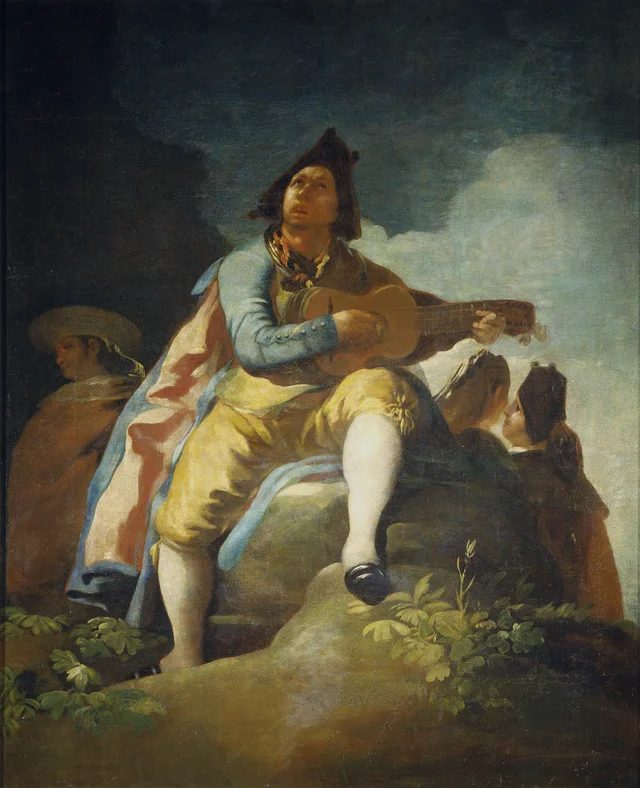 Le Majo à la guitareFrancisco Goya, 1779
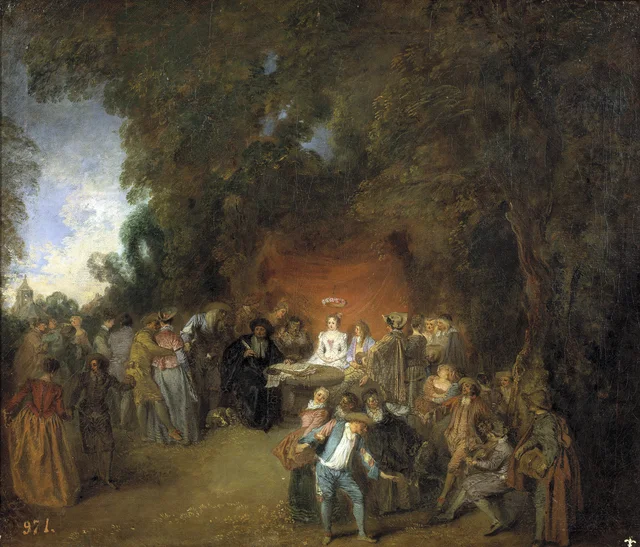 Contrat de mariage et danse champêtreJean-Antoine Watteau, 1711
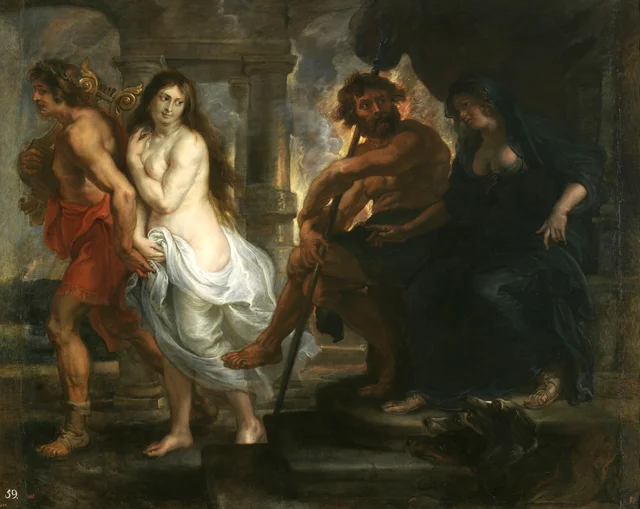 Orphée et EurydicePierre Paul Rubens, 1636
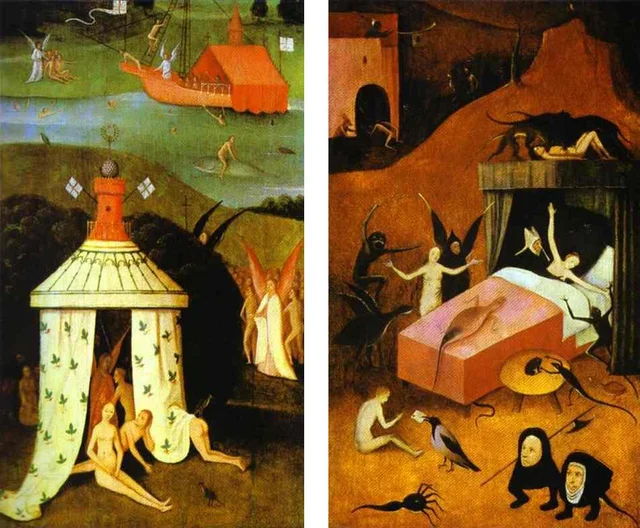 Le Paradis et l'EnferSuiveur de Jérôme Bosch, 1513
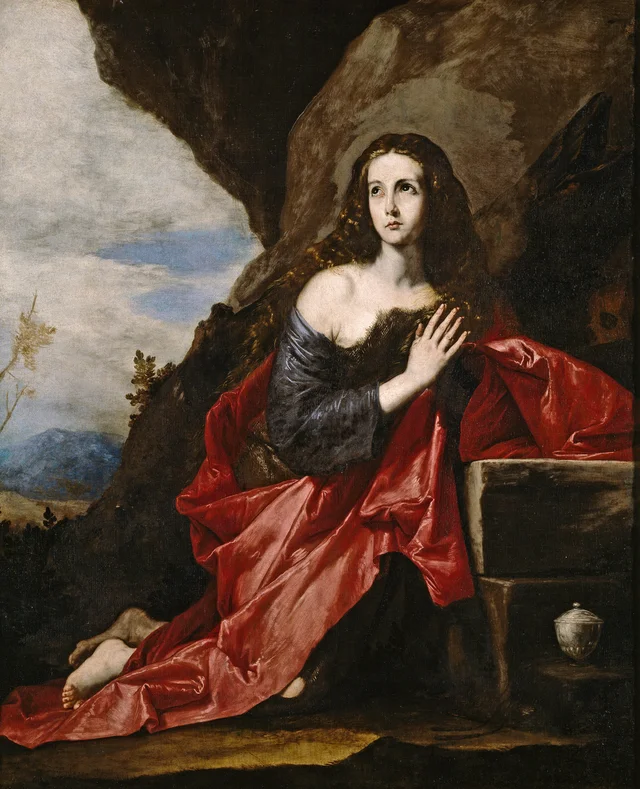 La Madeleine pénitenteJusepe de Ribera, 1641
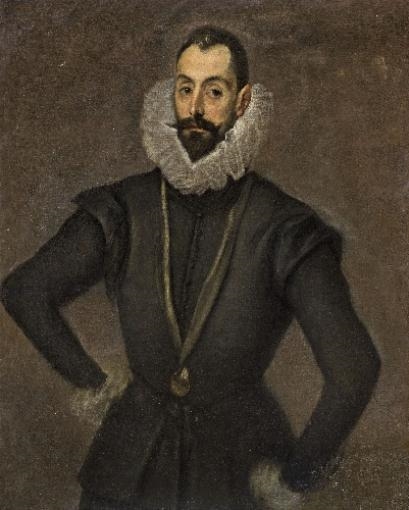 Portrait d'un gentilhommeEl Greco, 1605
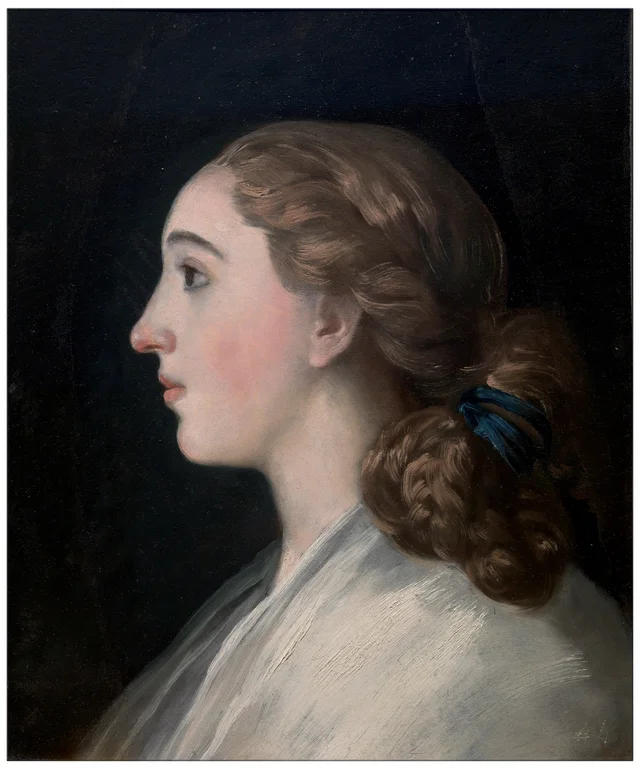 Portrait de María Teresa de VallabrigaFrancisco Goya, 1783
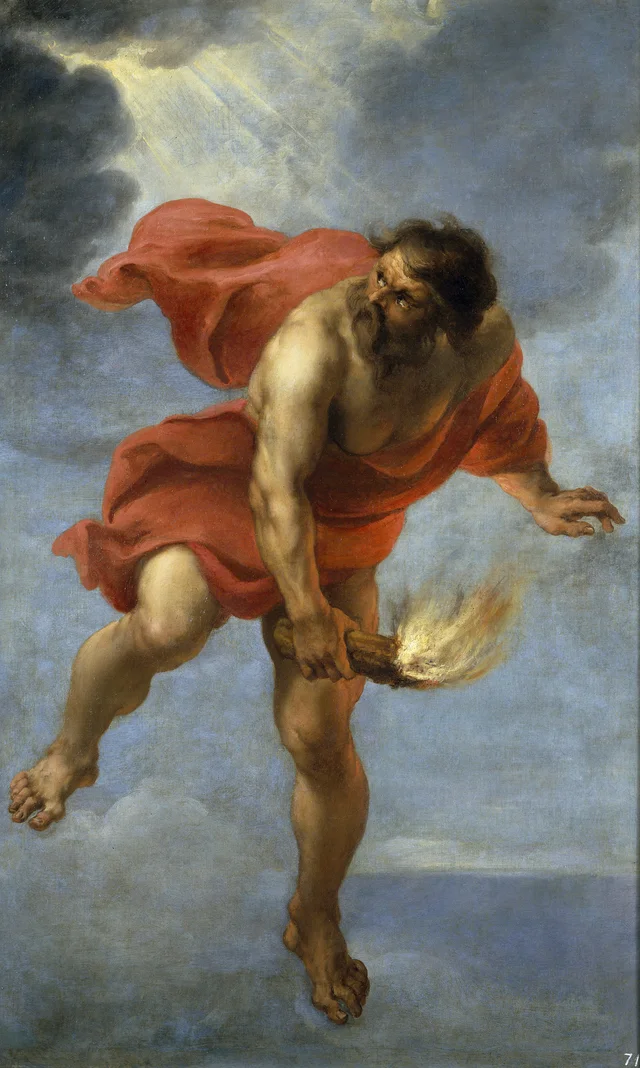 Prométhée portant le feuJan Cossiers, 1637
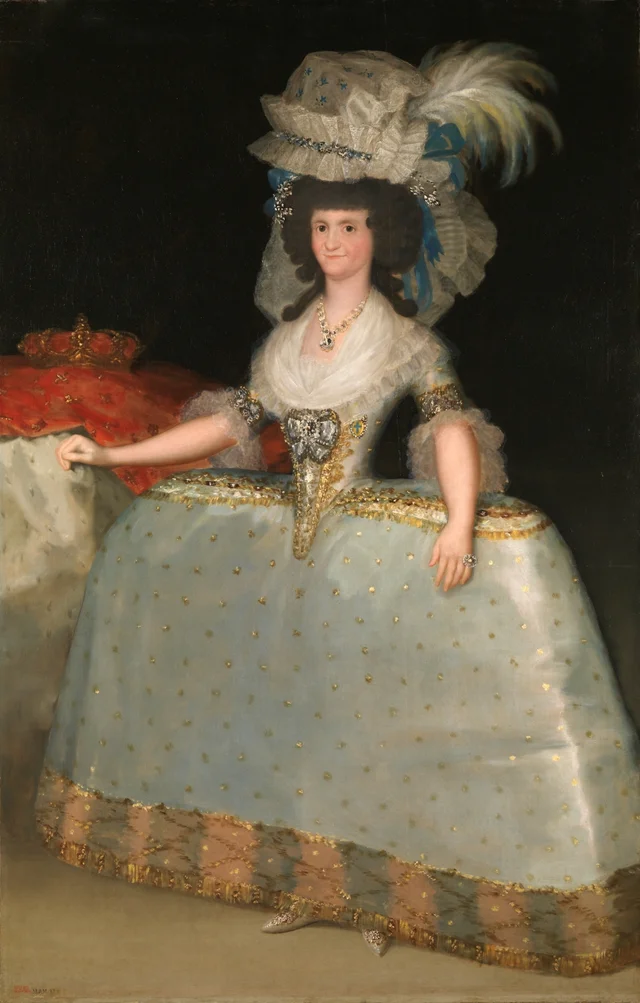 La reine Marie-Louise en robe à paniersFrancisco Goya, 1789
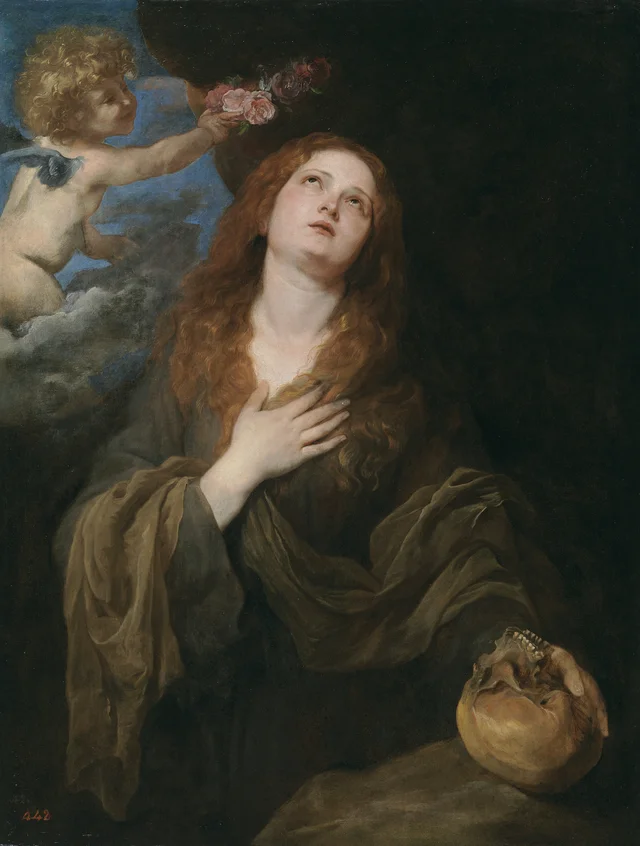 Sainte RosalieAntoine van Dyck, 1625
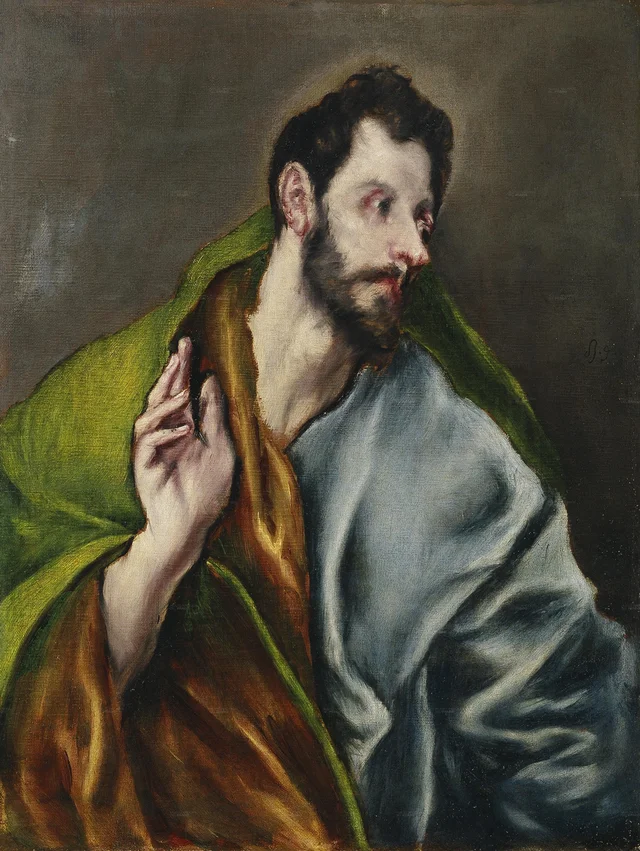 Saint Thomas l'ApôtreEl Greco, 1608
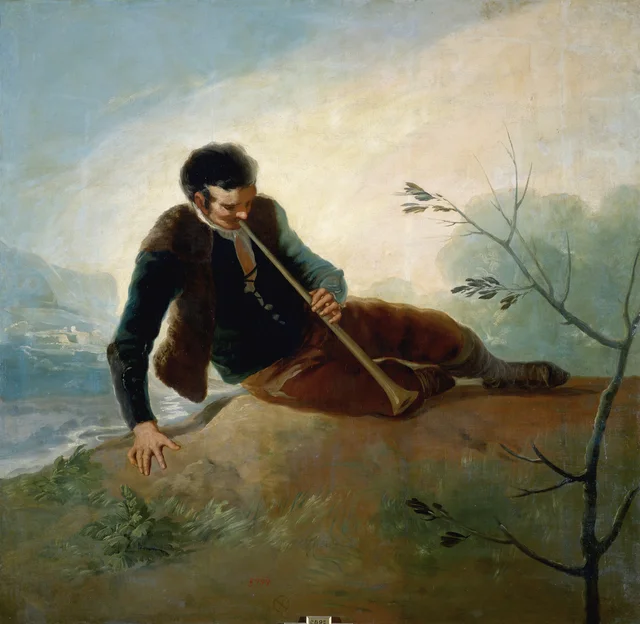 Le Berger jouant de la dulzainaFrancisco Goya, 1786
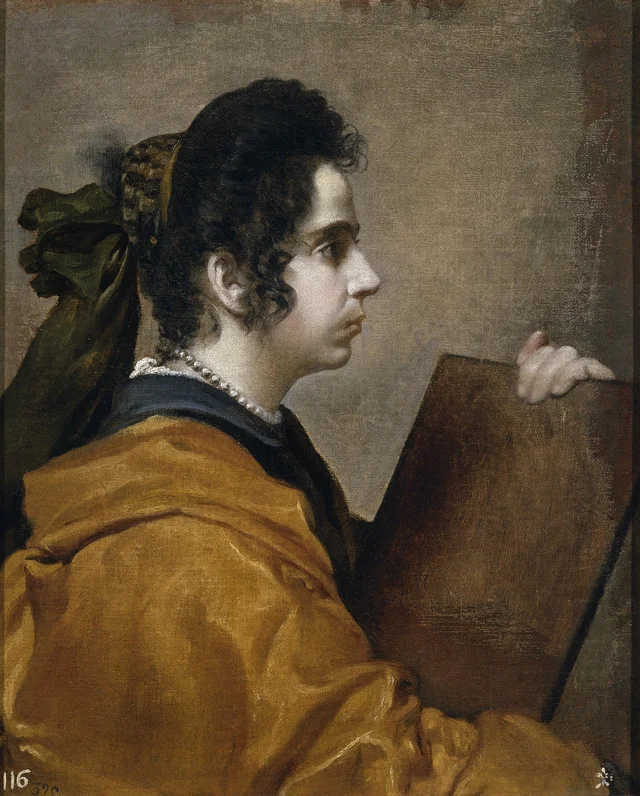 SibylleDiego Vélasquez, 1632
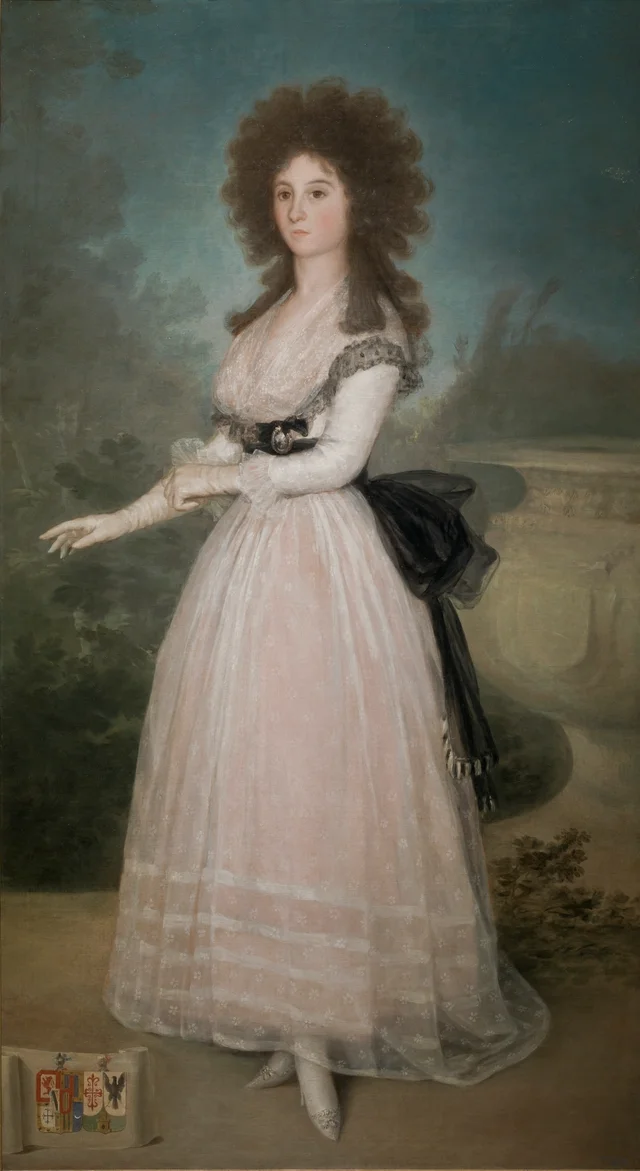 Tadea Arias de EnríquezFrancisco Goya, 1789
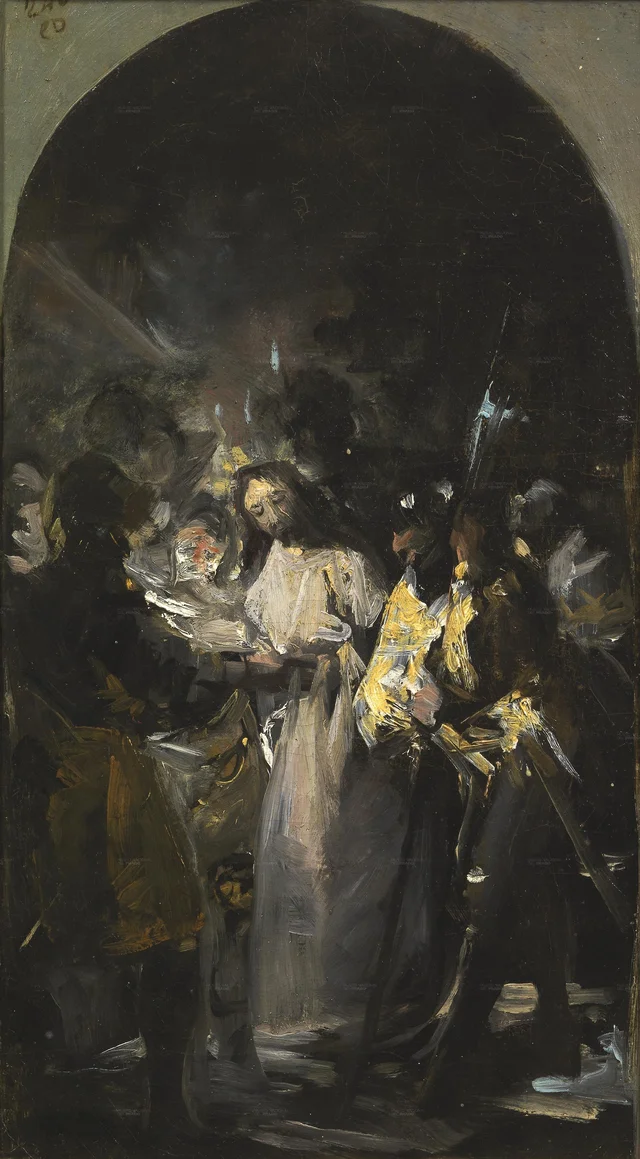 L'Arrestation du ChristFrancisco Goya, 1798
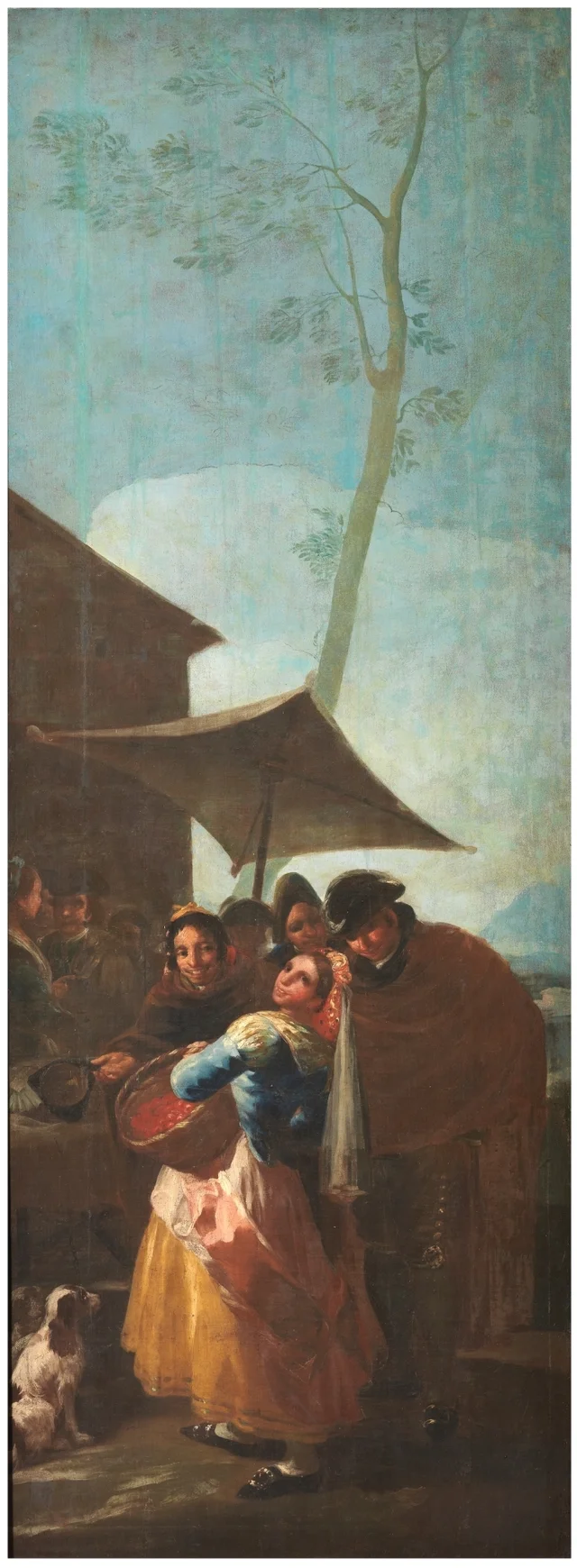 La Marchande de vaisselleFrancisco Goya, 1778
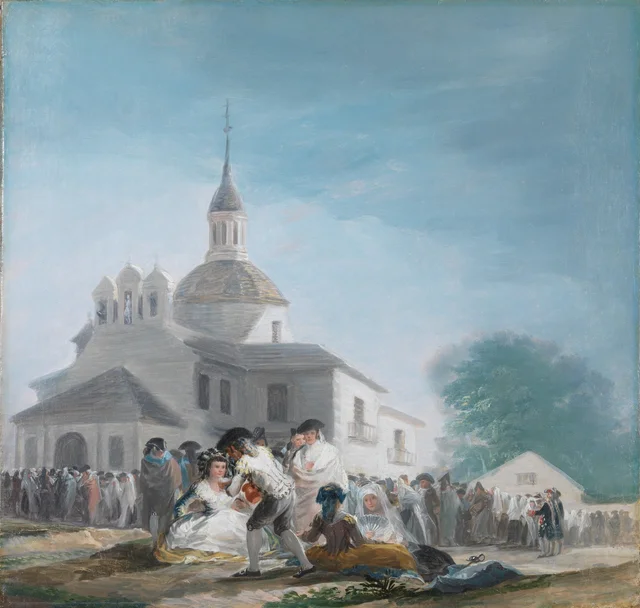 L'Ermitage de Saint-IsidoreFrancisco Goya, 1788
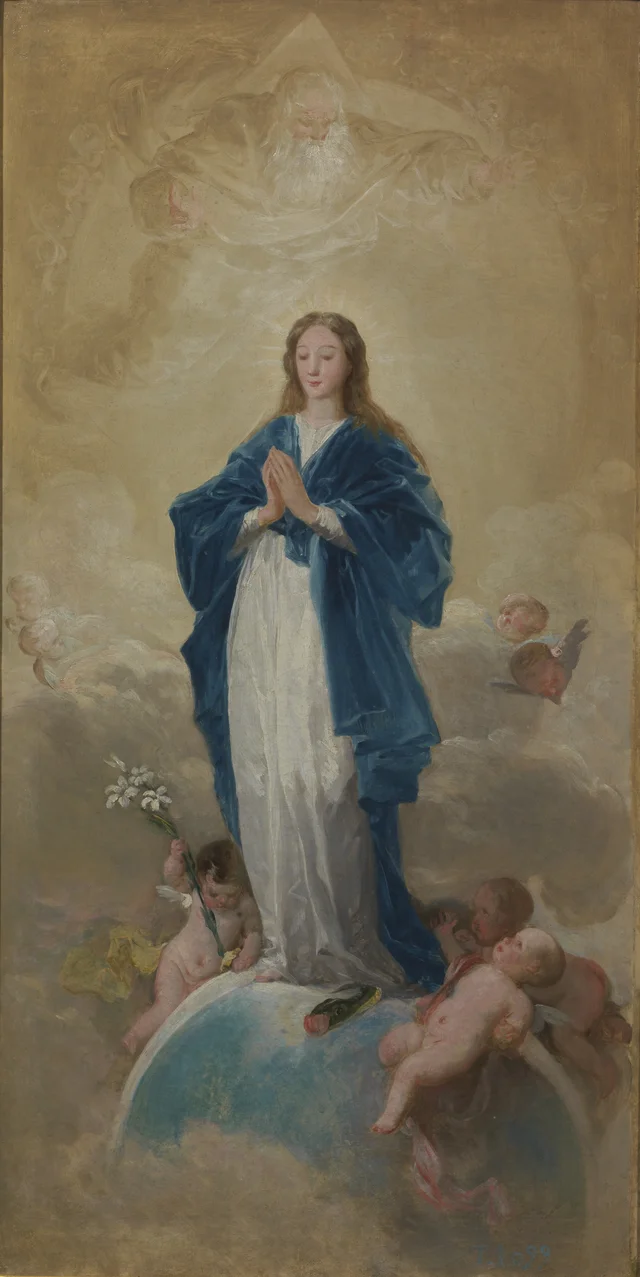 L'Immaculée ConceptionFrancisco Goya, 1784
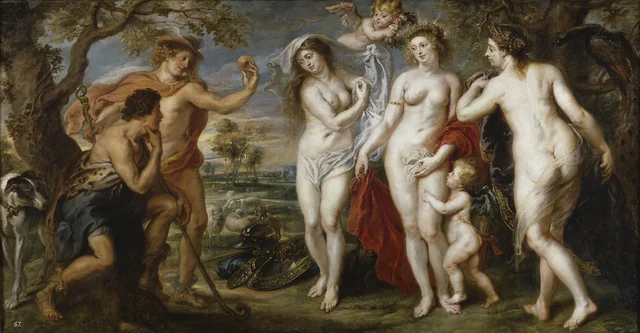 Le Jugement de PârisPierre Paul Rubens, 1638
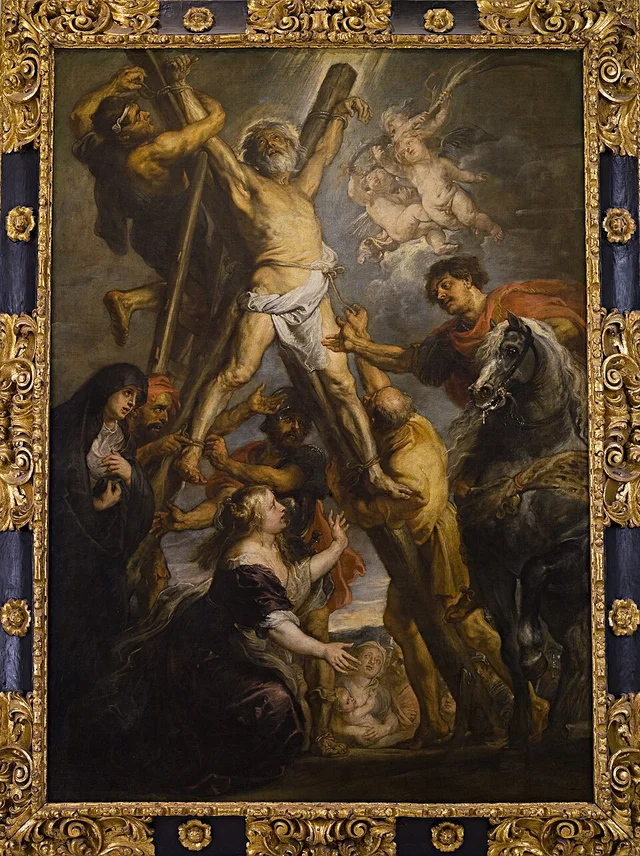 Le Martyre de saint AndréPierre Paul Rubens, 1639
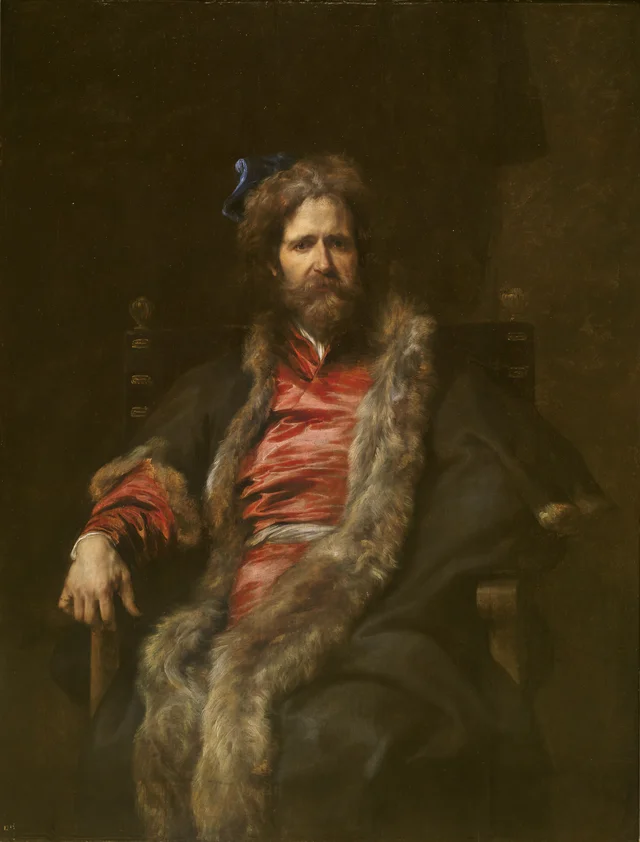 Le Peintre Martin RyckaertAntoine van Dyck, 1631
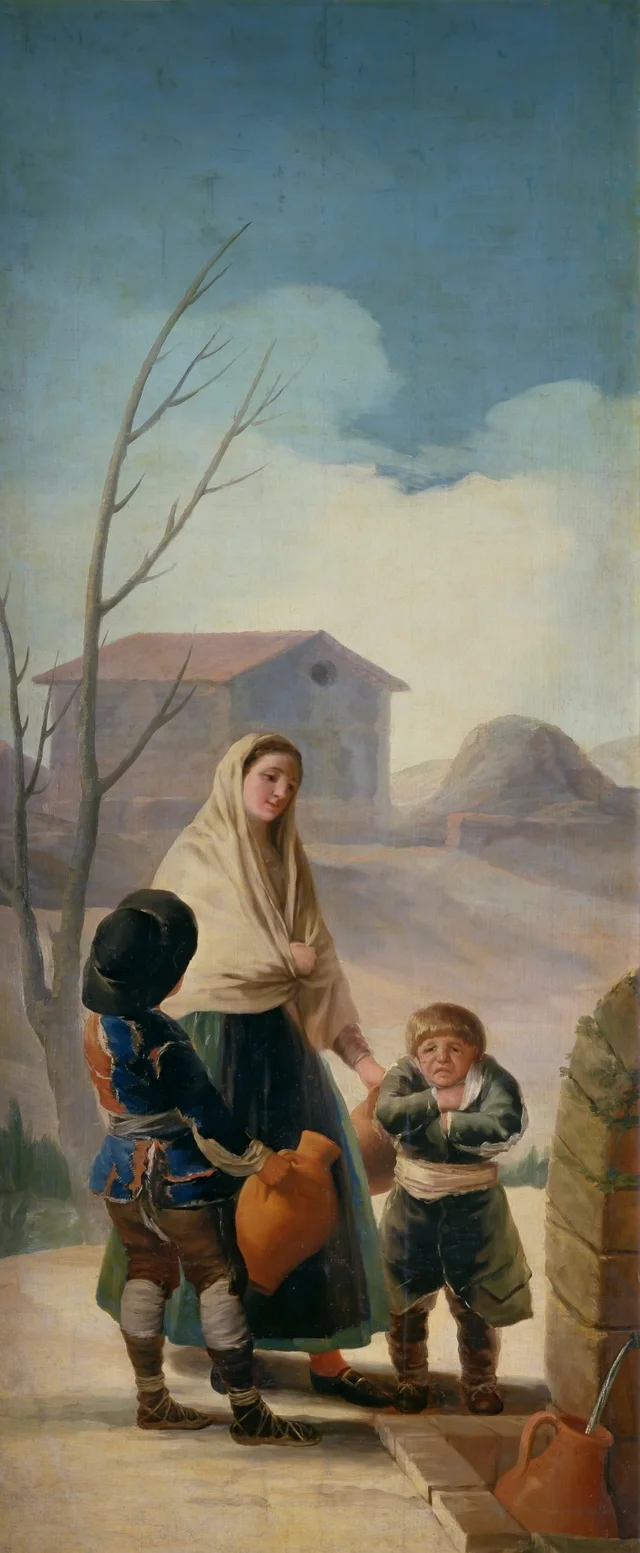 Les Pauvres à la fontaineFrancisco Goya, 1786
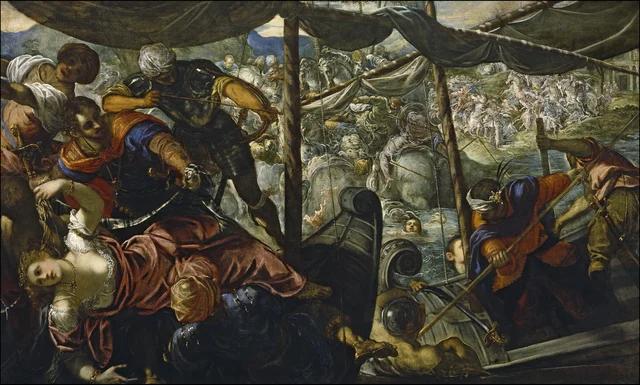 L'Enlèvement d'HélèneJacopo Tintoretto, 1578