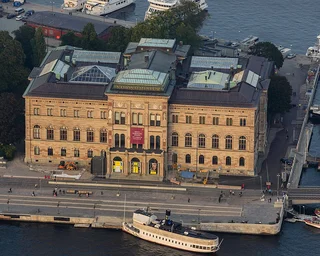
L'histoire
Montez l'escalier principal et deux vastes fresques se font face à travers le hall. Sur un mur, le peintre suédois Carl Larsson montre le roi Gustav Vasa entrant à cheval dans Stockholm en 1523, à la naissance d'une Suède indépendante. Sur le mur d'en face est accroché Midvinterblot, la sombre scène de Larsson d'un roi nordique légendaire livré en sacrifice pour mettre fin à une famine. Il l'acheva en 1915, le musée le refusa comme trop lugubre, et pendant plus de 80 ans il fut accroché ailleurs. Ce n'est qu'en 1997 que le Nationalmuseum l'acheta et le plaça là où Larsson avait toujours voulu qu'il aille.
Le bâtiment fut élevé pour l'art de la nation par l'architecte allemand Friedrich August Stüler et ouvert en 1866, un palais de style Renaissance sur le front de mer de Blasieholmen, face à la résidence royale de l'autre côté de l'eau. Après des années de restauration, il rouvrit en 2018 avec ses couleurs d'origine et la lumière du jour retrouvées.
À l'intérieur se déploie l'art suédois, des intérieurs familiaux ensoleillés de Larsson aux portraits et aux baigneuses en plein air d'Anders Zorn, accrochés à côté de maîtres européens plus anciens dont Rembrandt. Le Nationalmuseum conserve aussi l'une des grandes collections de design de Suède, de l'argenterie et du mobilier gustaviens du XVIIIe siècle au verre et à la céramique modernes.
Collection
66 œuvres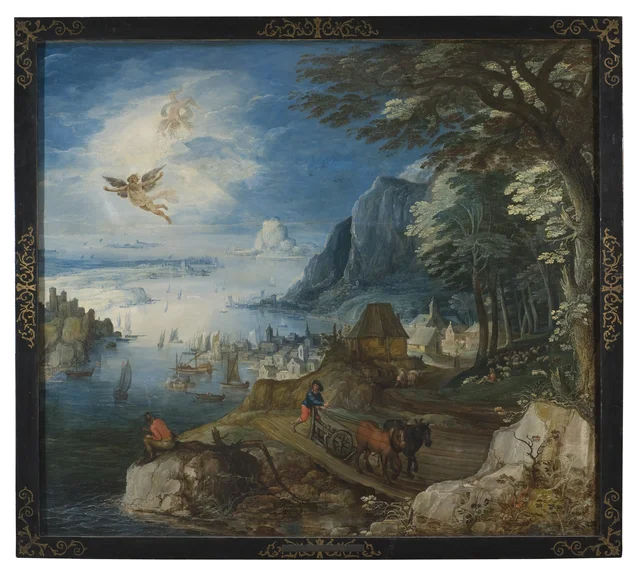 Paysage avec la chute d'IcareJoos de Momper le Jeune, 1607
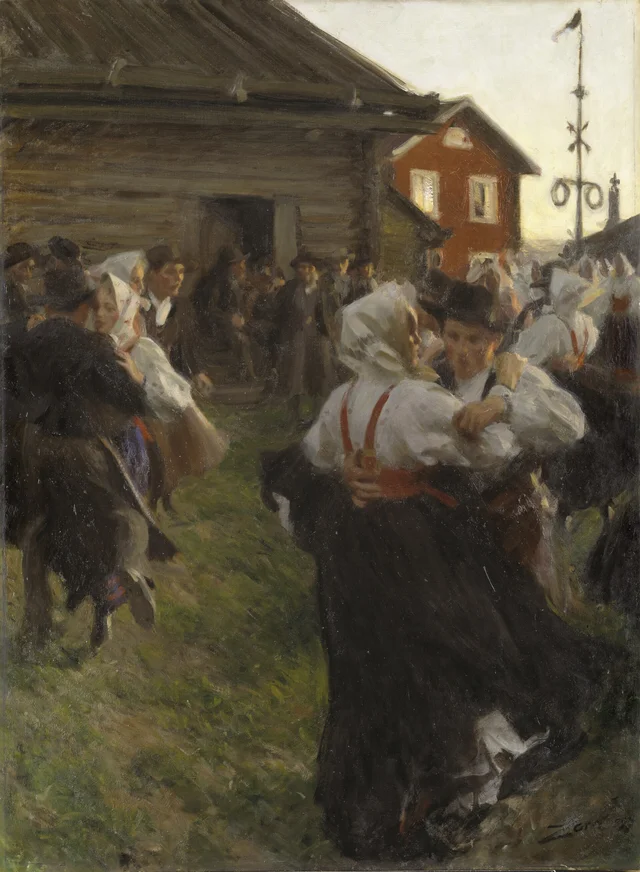 Danse de la mi-étéAnders Zorn, 1897
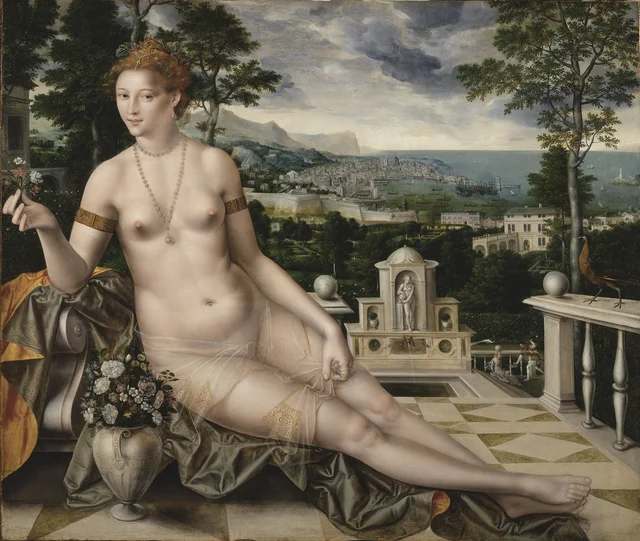 Vénus CythéréeJan Matsys, 1561
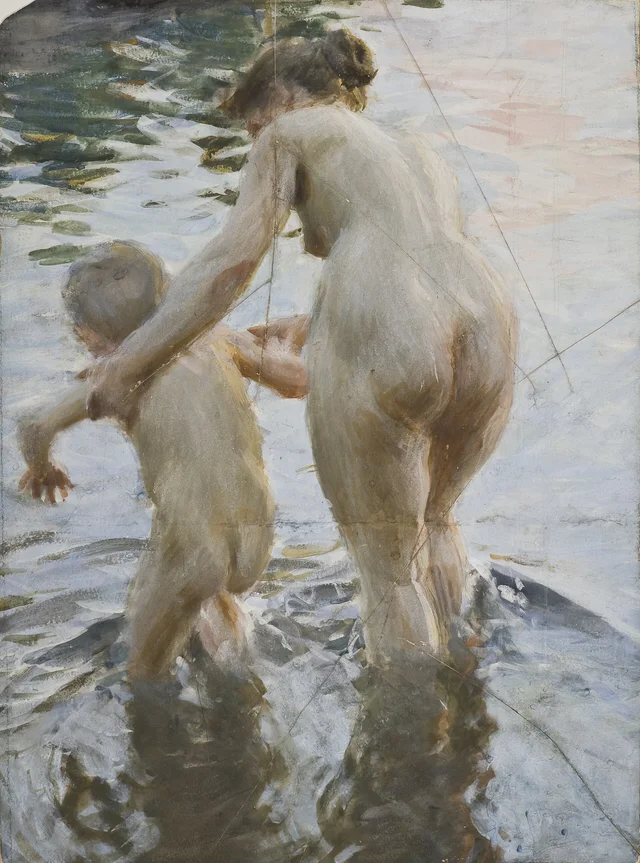 Une premièreAnders Zorn, 1888
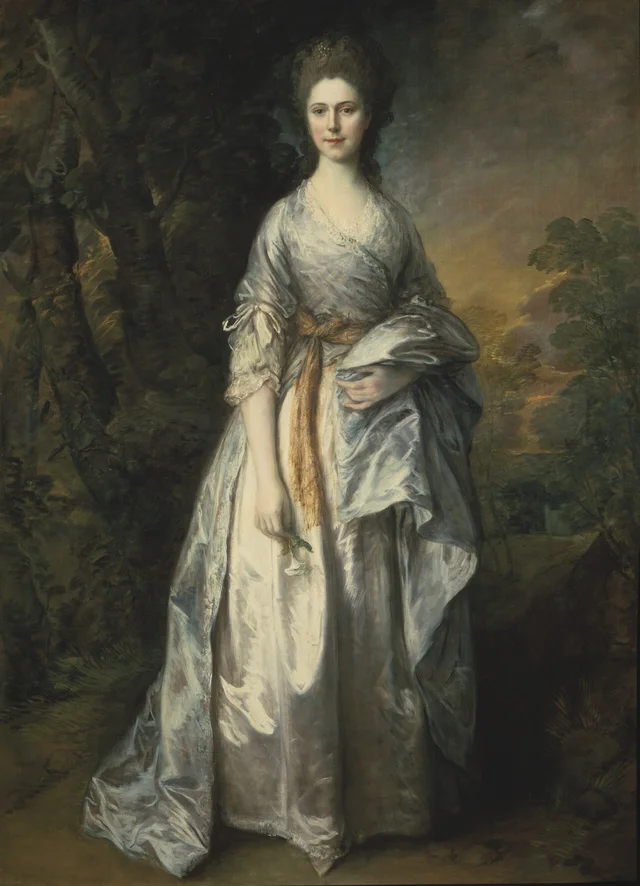 Maria, lady Eardley (1743-1794)Thomas Gainsborough, 1766
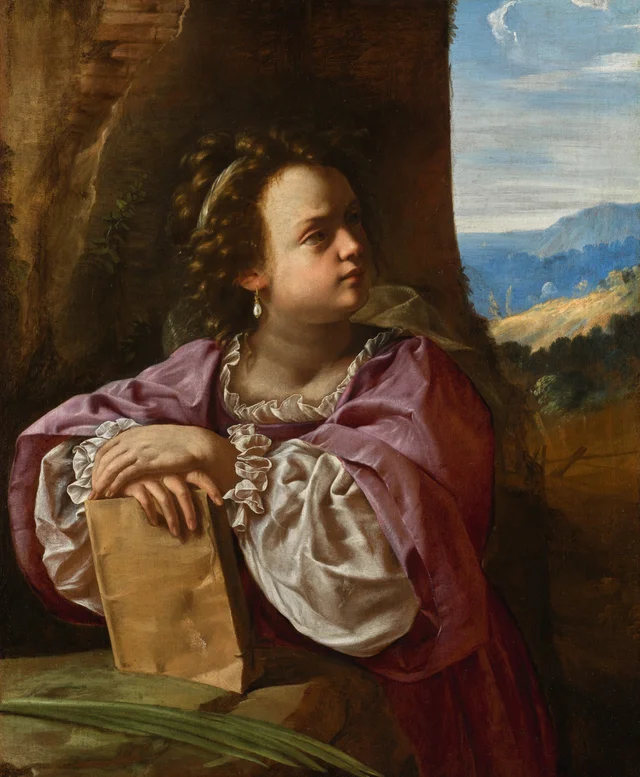 Sainte Catherine d'AlexandrieArtemisia Gentileschi, 1640
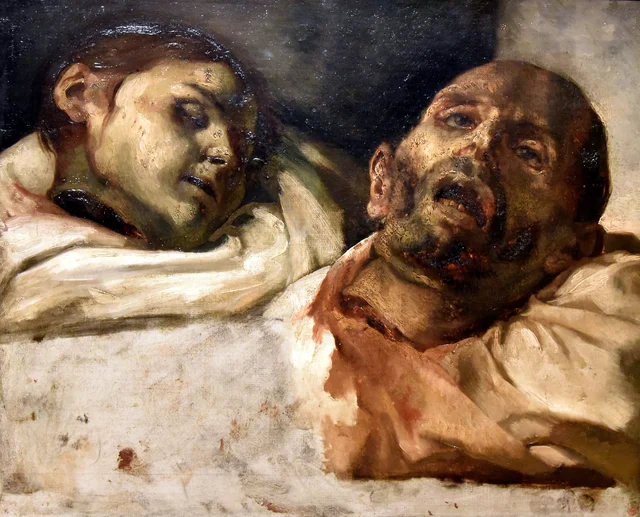 Têtes coupéesThéodore Géricault, 1818
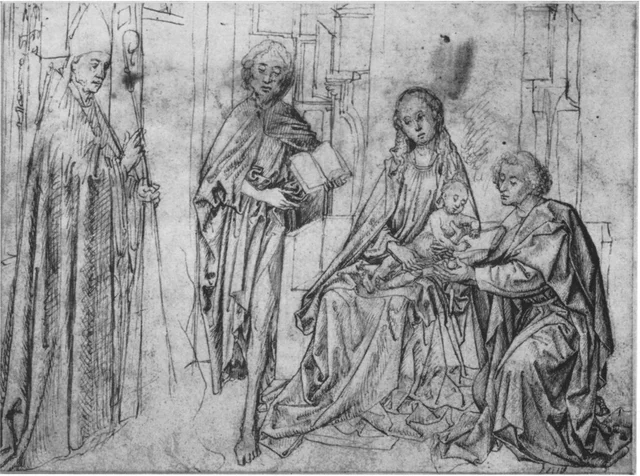 Vierge à l'Enfant avec des saintsMaître des études de draperie
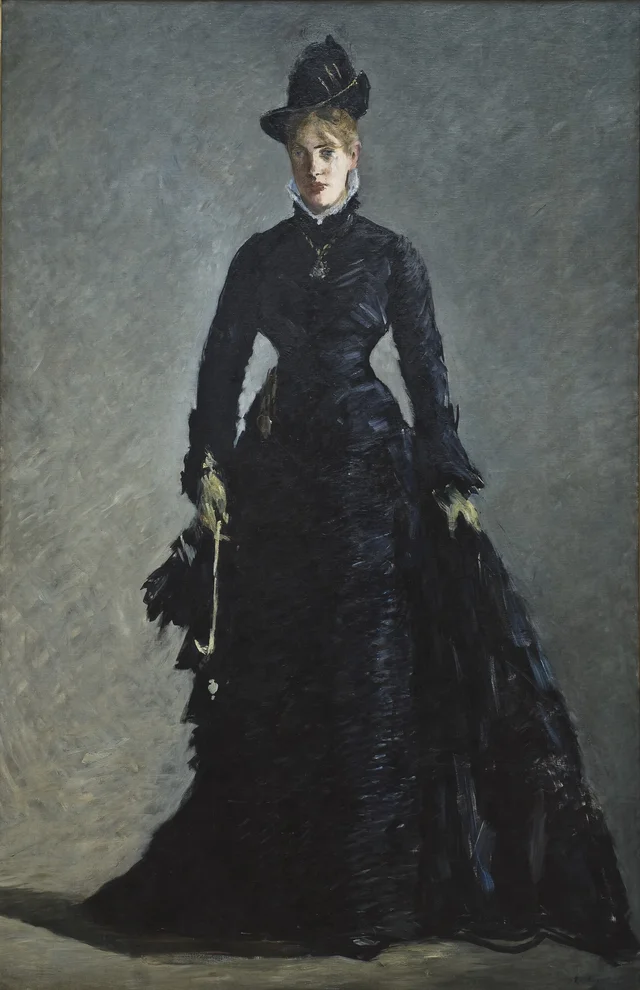 La ParisienneÉdouard Manet, 1876
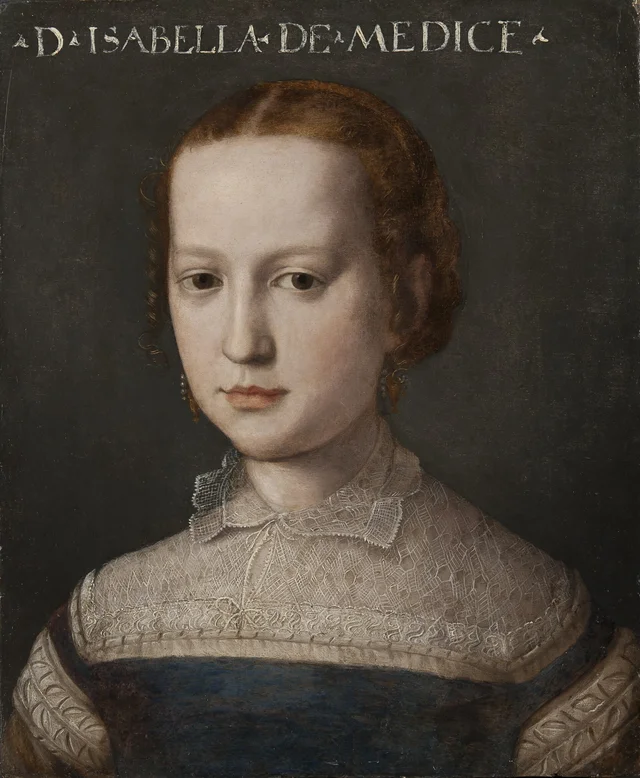 Isabelle de Médicis (1542-1576)Bronzino, 1552
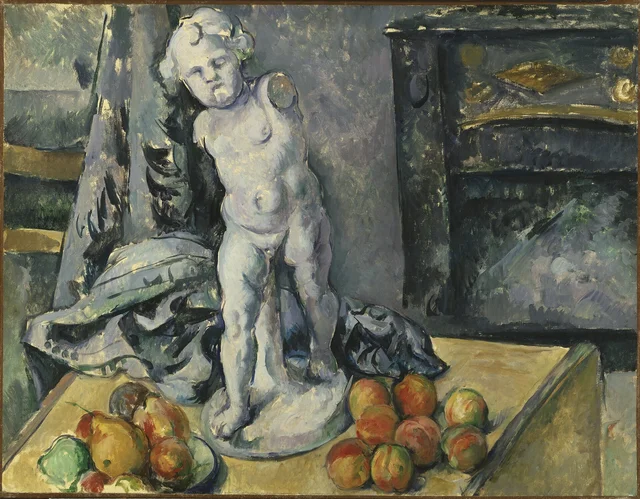 Nature morte à la statuettePaul Cézanne, 1894
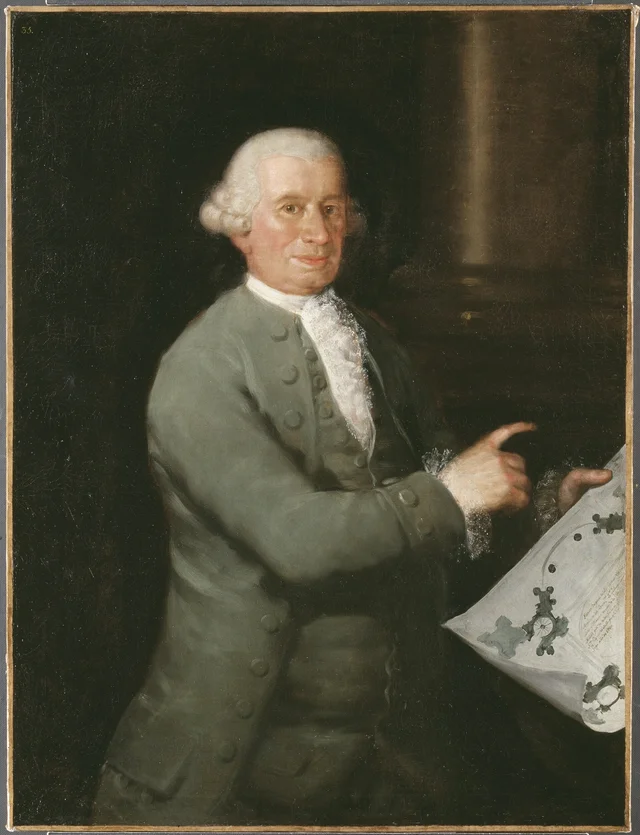 L'Architecte Ventura RodríguezFrancisco Goya, 1784
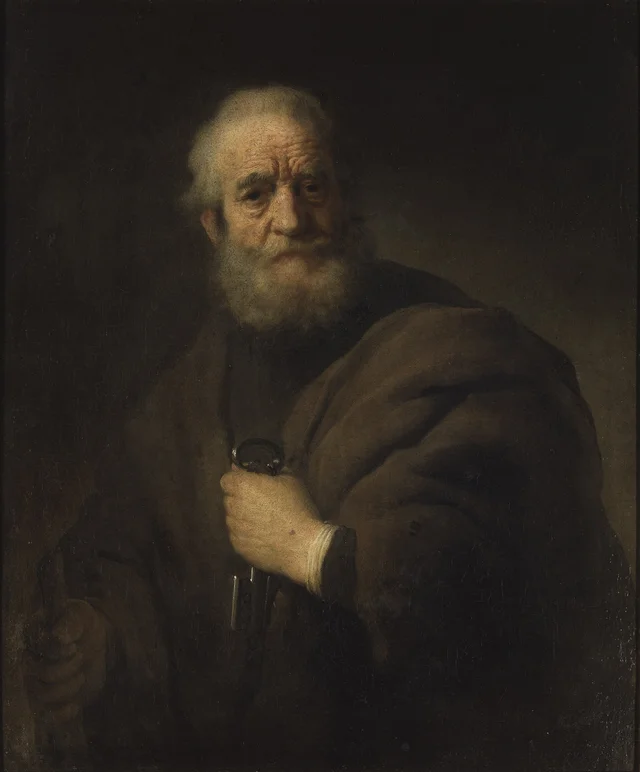 L'Apôtre PierreRembrandt, 1629
 Bacchus-ApollonNicolas Poussin, 1626
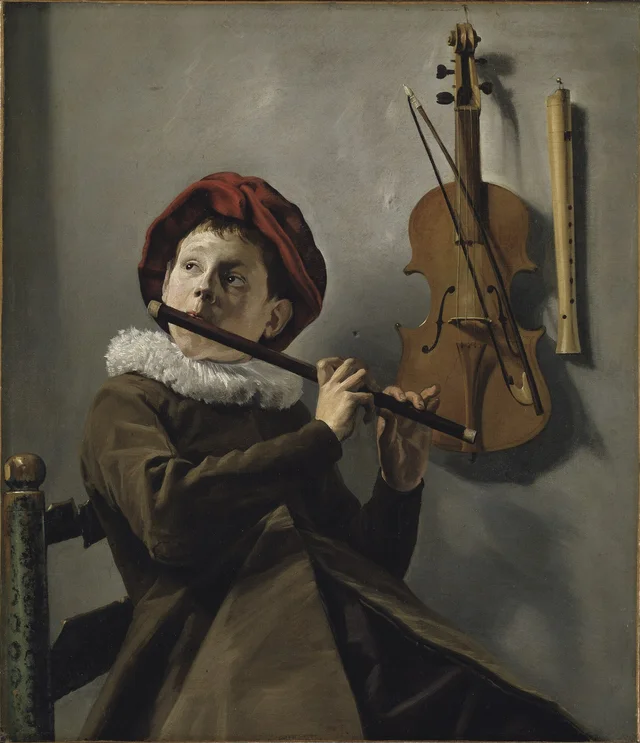 Garçon jouant de la flûteJudith Leyster, 1635
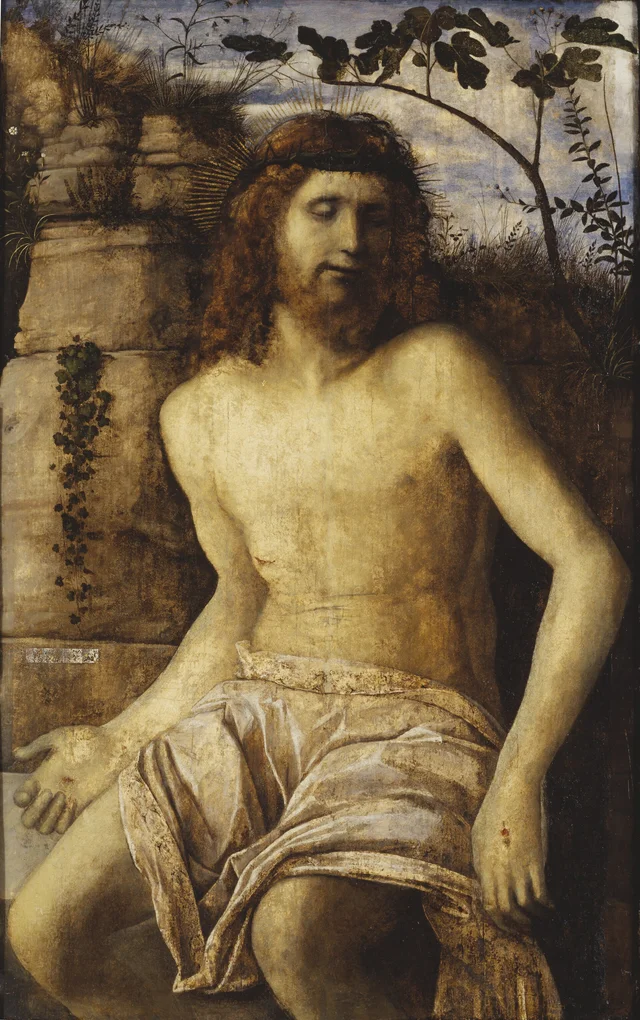 Le Christ couronné d'épinesGiovanni Bellini, 1507
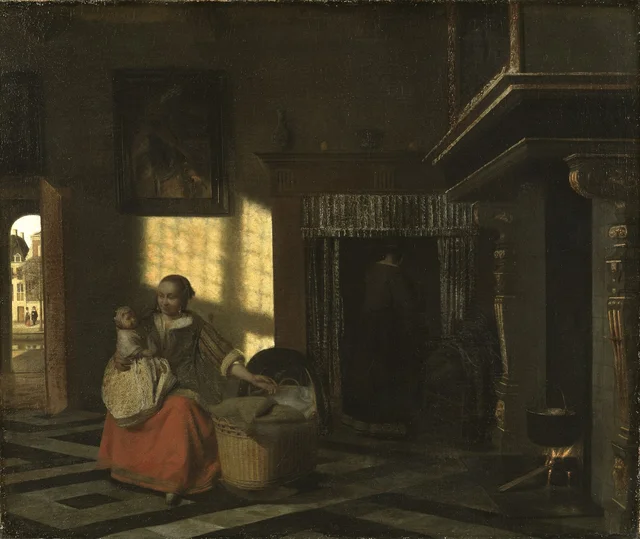 Intérieur avec une mère près d'un berceauPieter de Hooch, 1665
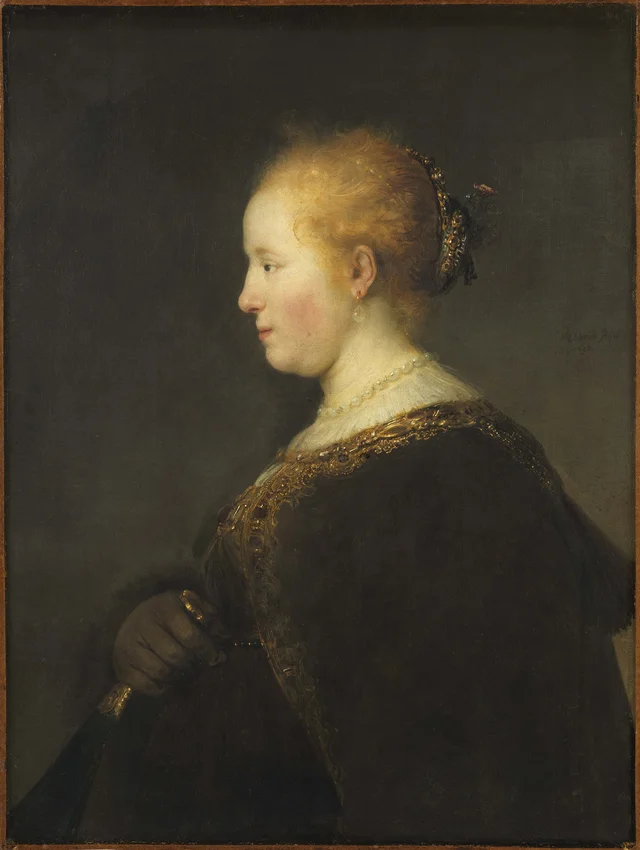 Portrait d'une jeune femme de profilRembrandt, 1632
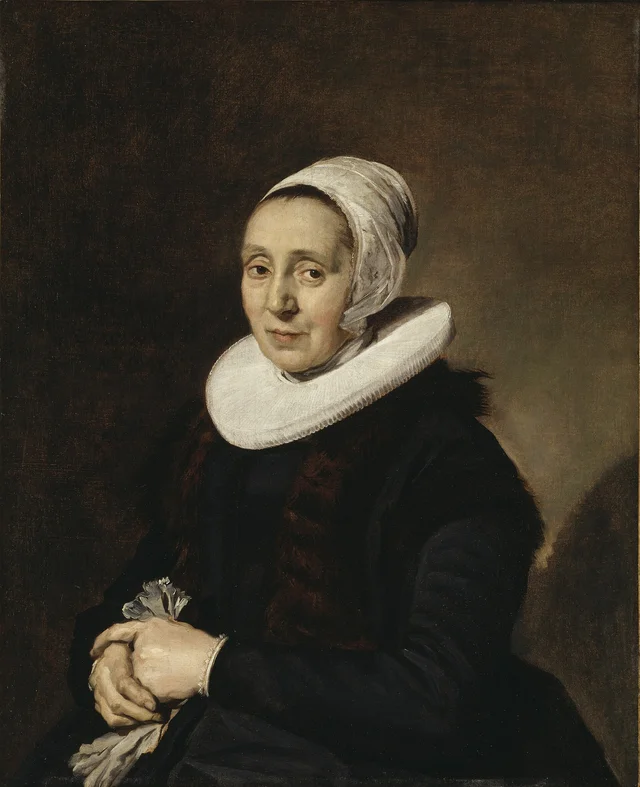 Portrait de Maria Bastiaens van HoutFrans Hals, 1643
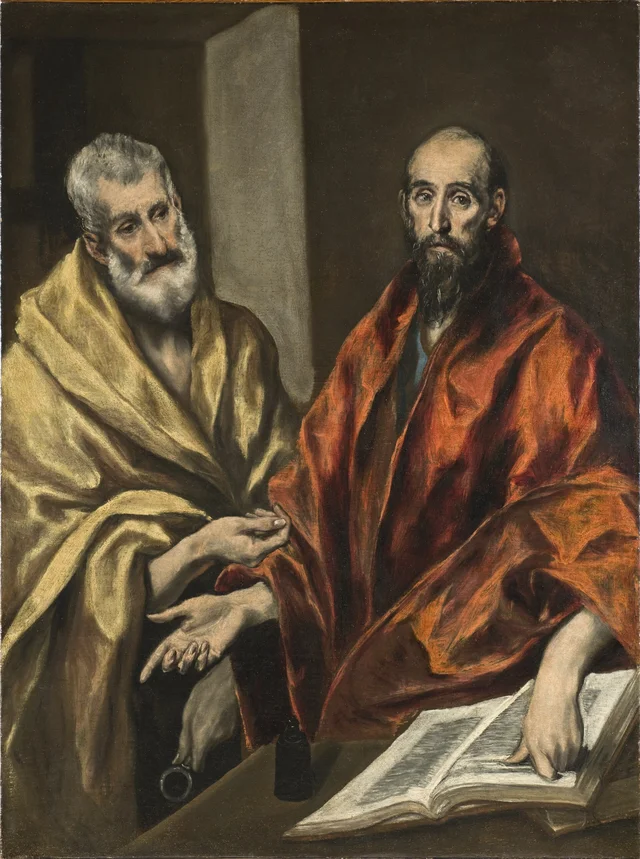 Saint Pierre et Saint PaulEl Greco, 1605
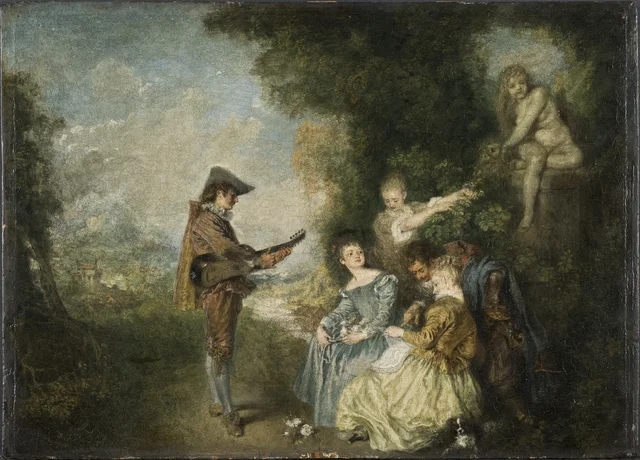 La Leçon d'amourJean-Antoine Watteau, 1716
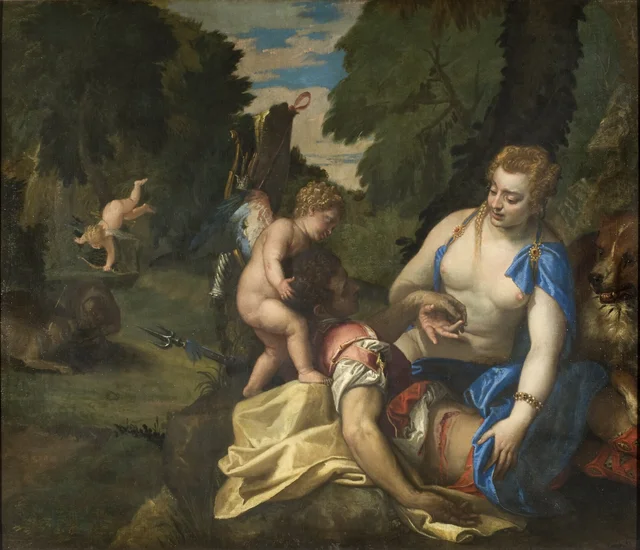 Vénus pleurant AdonisPaolo Véronèse
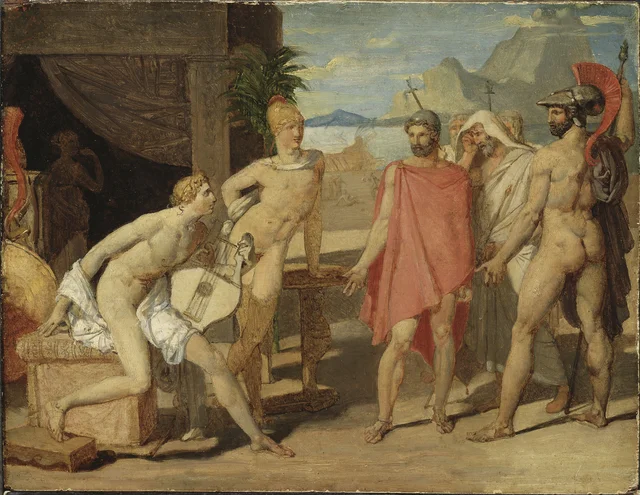 Achille recevant dans sa tente les ambassadeurs d'AgamemnonJean-Auguste-Dominique Ingres, 1801
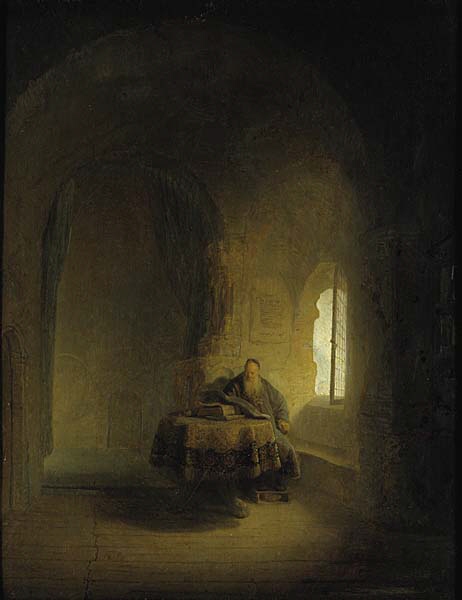 Un vieux savant près d'une fenêtre dans une salle voûtéeRembrandt, 1631
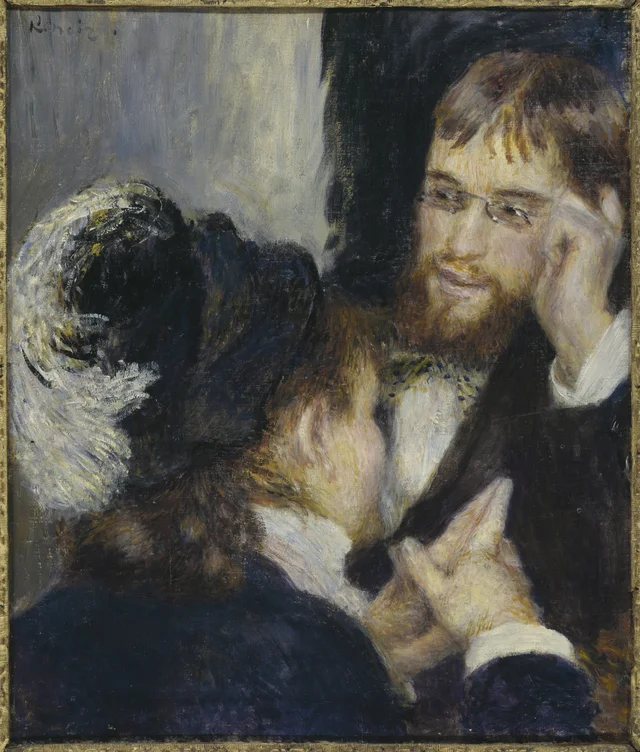 ConversationPierre-Auguste Renoir, 1878