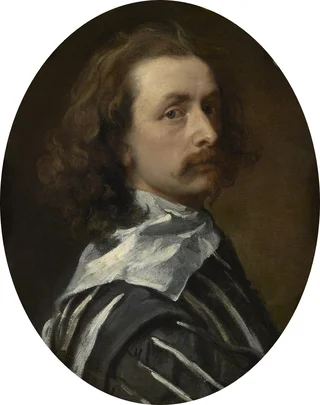
Anton van Dyck
1599–1641 · Paesi Bassi spagnoli · Pittura barocca
La storia
Nel 1632 Carlo I d'Inghilterra, un re ossessionato dall'apparenza di un'autorità che non possedeva del tutto nei confronti del Parlamento, portò a Londra il pittore anversese Anton van Dyck, lo nominò cavaliere e gli concesse alloggi a Blackfriars e una barca per raggiungere il palazzo reale risalendo il Tamigi. Van Dyck si era formato anni prima nella bottega di Peter Paul Rubens, il maggiore pittore dei Paesi Bassi meridionali, e aveva trascorso buona parte della sua giovinezza in Italia studiando i ritratti di Tiziano a Genova. Ciò che riportò in Inghilterra fu un modo di dipingere l'aristocrazia che rendeva il ritratto formale disinvolto, quasi intimo, senza perdere un grammo di grandiosità.
Per il resto del decennio van Dyck dipinse quasi esclusivamente il re, la regina e la loro cerchia, producendo immagine dopo immagine di una monarchia che si ritraeva, in pittura, esattamente come voleva essere ricordata. Carlo non posò quasi più per nessun altro. Quei ritratti restano ancora oggi l'immagine che la maggior parte delle persone associa alla corte degli Stuart: mani allungate, sete, disinvoltura, un re che appare del tutto sicuro sul proprio trono.
Van Dyck morì a Londra nel dicembre del 1641, un anno prima che scoppiasse la guerra civile tra Carlo e il Parlamento. Carlo fu giustiziato fuori dalla sua stessa Banqueting House a Whitehall nel 1649, indossando, si racconta, due camicie contro il freddo di gennaio perché non si vedesse tremare per la paura.
Altri articoli
Opere
240 opere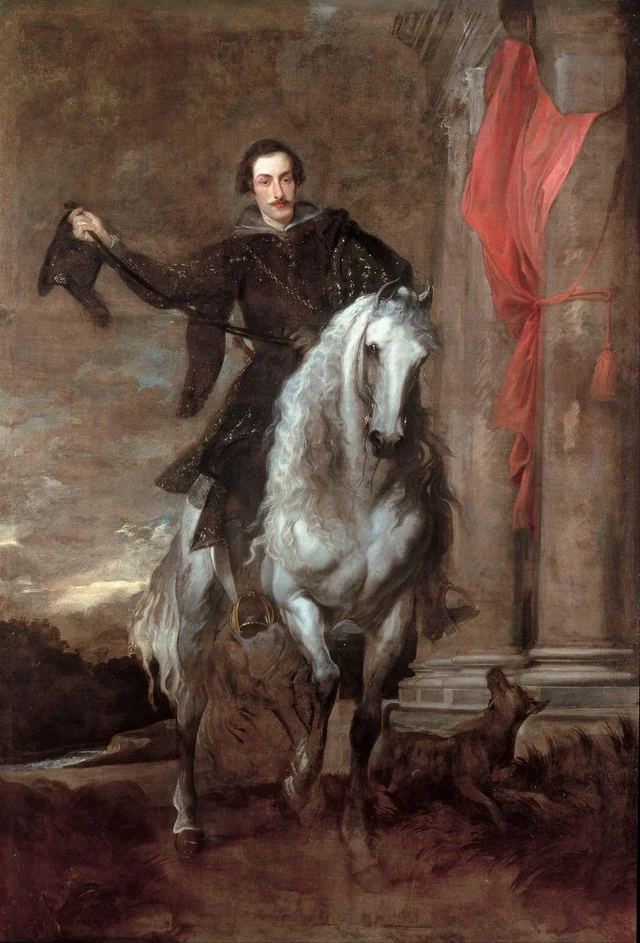 Ritratto equestre di Anton Giulio Brignole-SaleAnton van Dyck, 1627
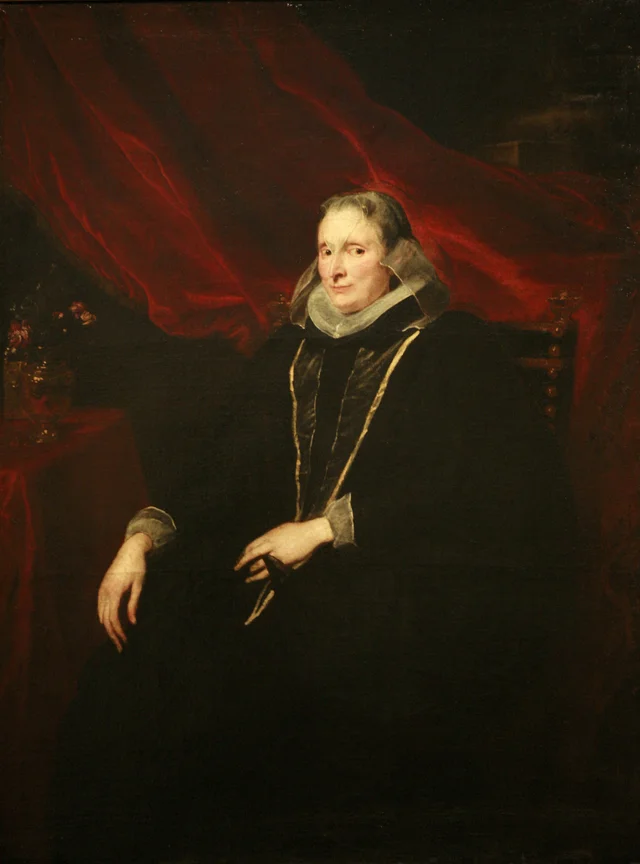 Luigia Cattaneo-GentileAnton van Dyck, 1622
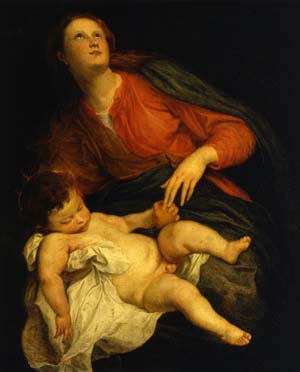 Madonna col BambinoAnton van Dyck, 1621
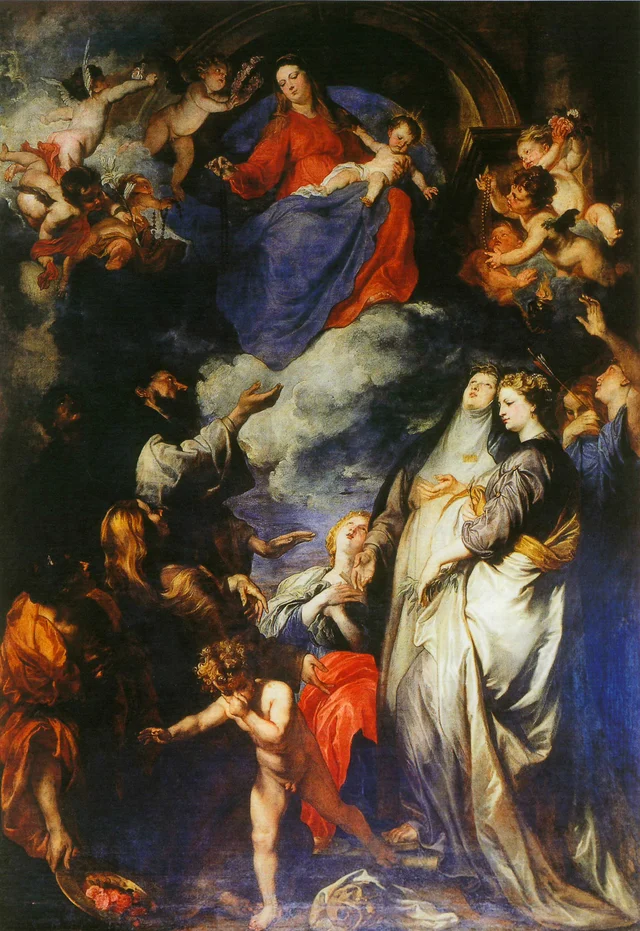 Madonna del RosarioAnton van Dyck, 1628
 I magistrati di BruxellesAnton van Dyck, 1634
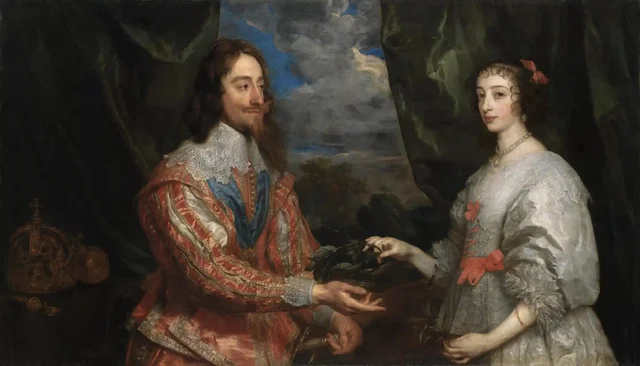 Ritratto di Carlo I e della regina Enrichetta MariaAnton van Dyck, 1632
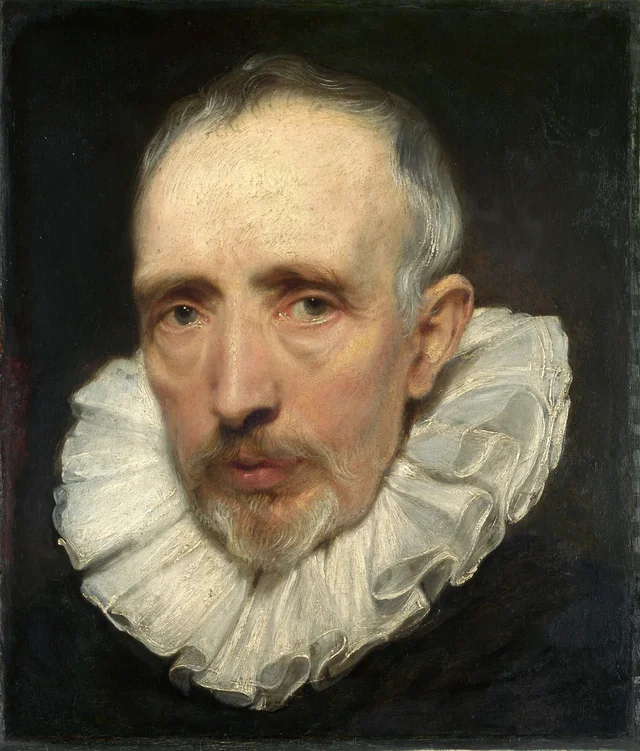 Ritratto di Cornelis van der GeestAnton van Dyck, 1619
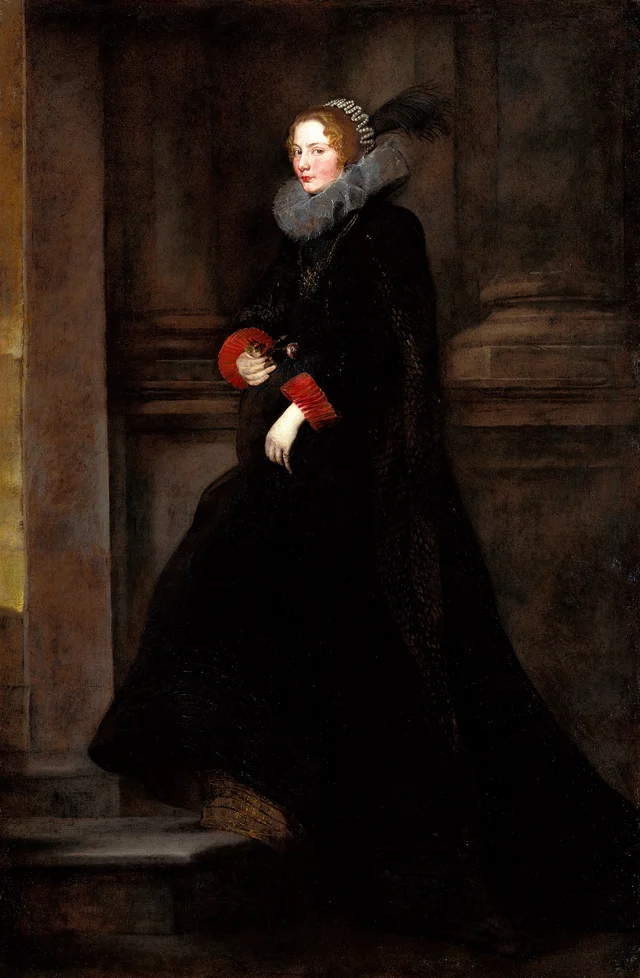 Ritratto della marchesa Geronima SpinolaAnton van Dyck, 1625
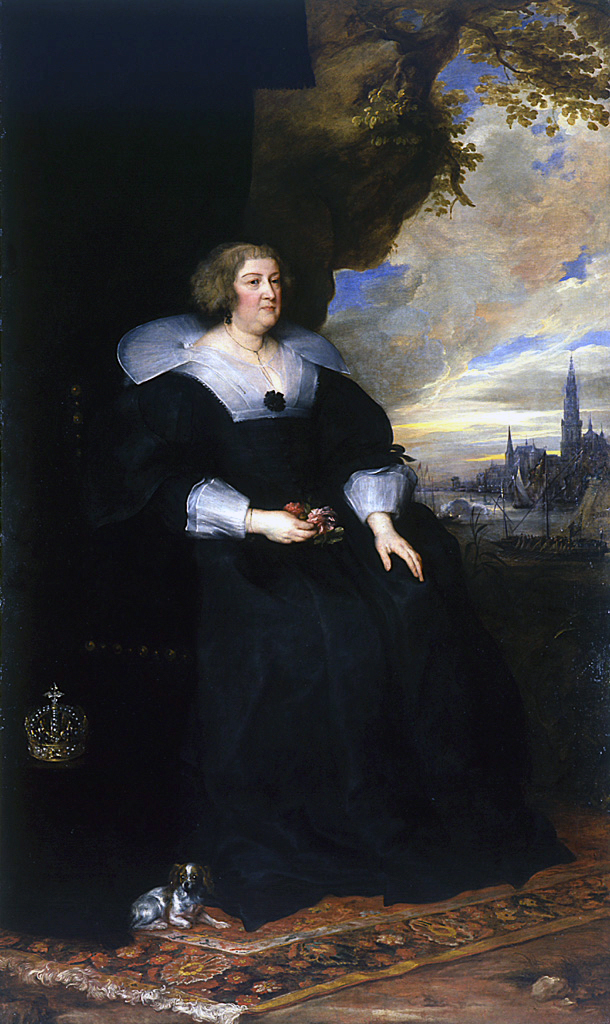 Ritratto di Maria de' MediciAnton van Dyck, 1631
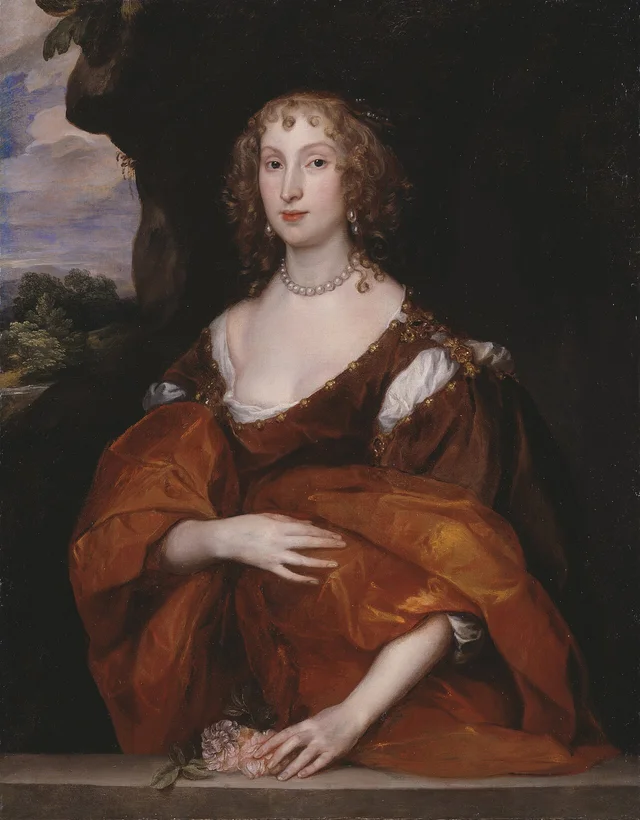 Ritratto di Mary Hill, Lady KilligrewAnton van Dyck, 1638
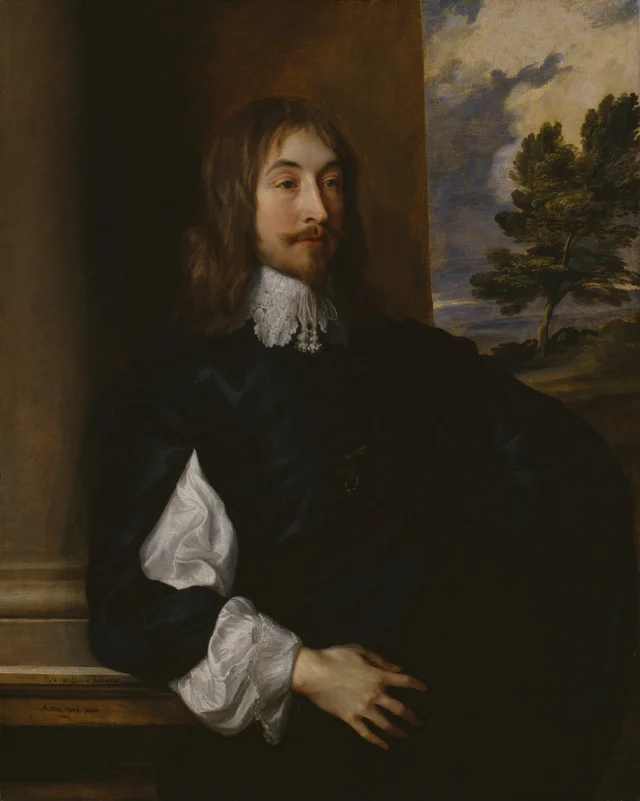 Ritratto di Sir William KilligrewAnton van Dyck, 1638
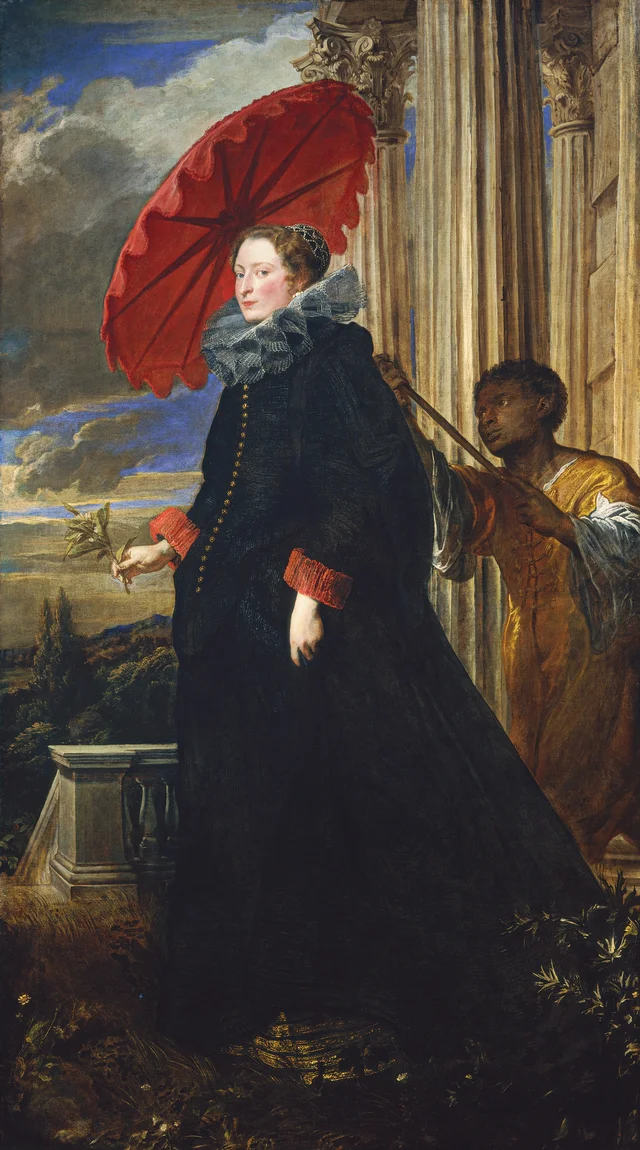 Ritratto della marchesa Elena Grimaldi CattaneoAnton van Dyck, 1623
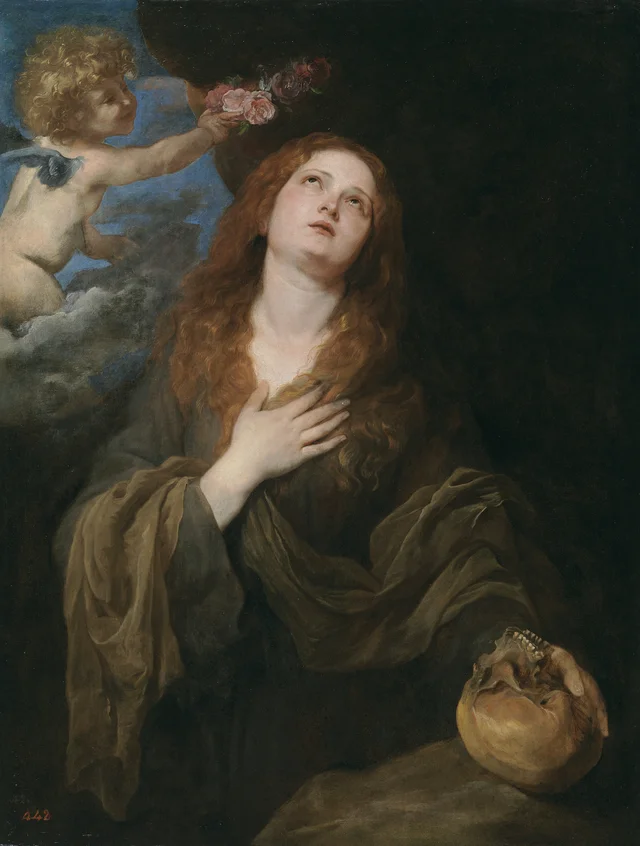 Santa RosaliaAnton van Dyck, 1625
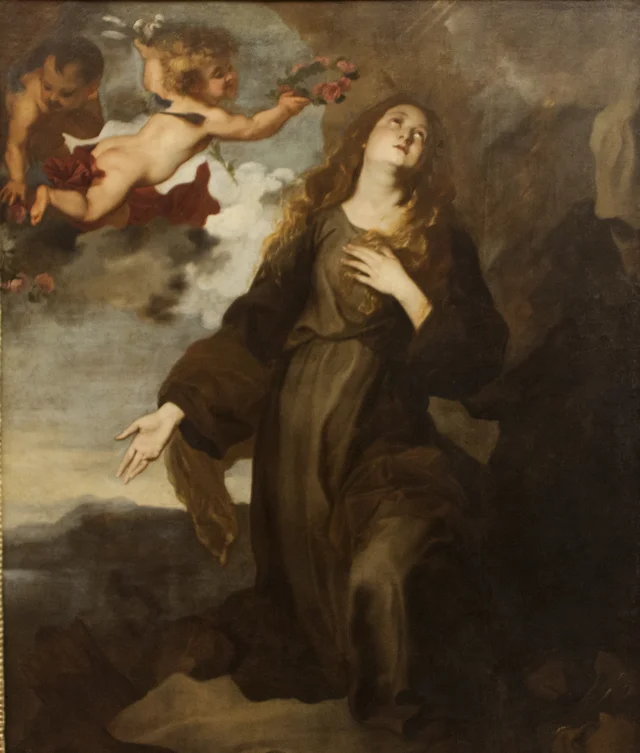 Santa RosaliaAnton van Dyck, 1624
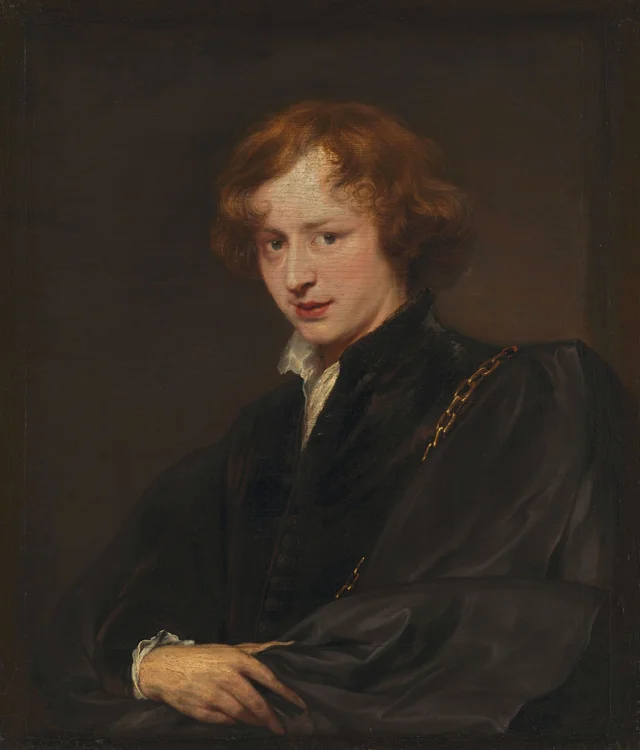 AutoritrattoAnton van Dyck, 1620
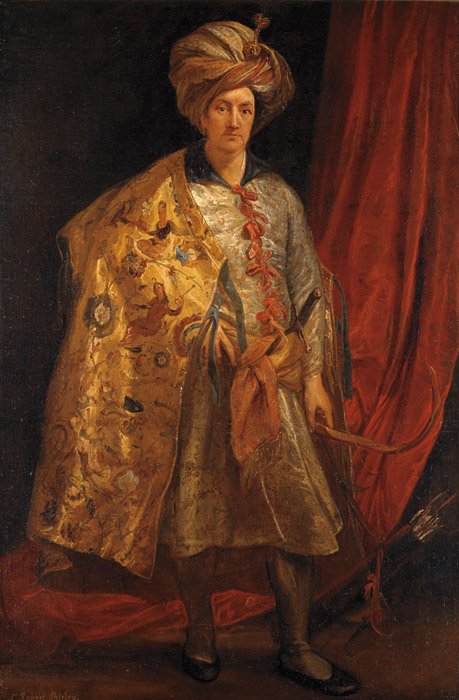 Sir Robert Shirley (1581-1628)Anton van Dyck, 1622
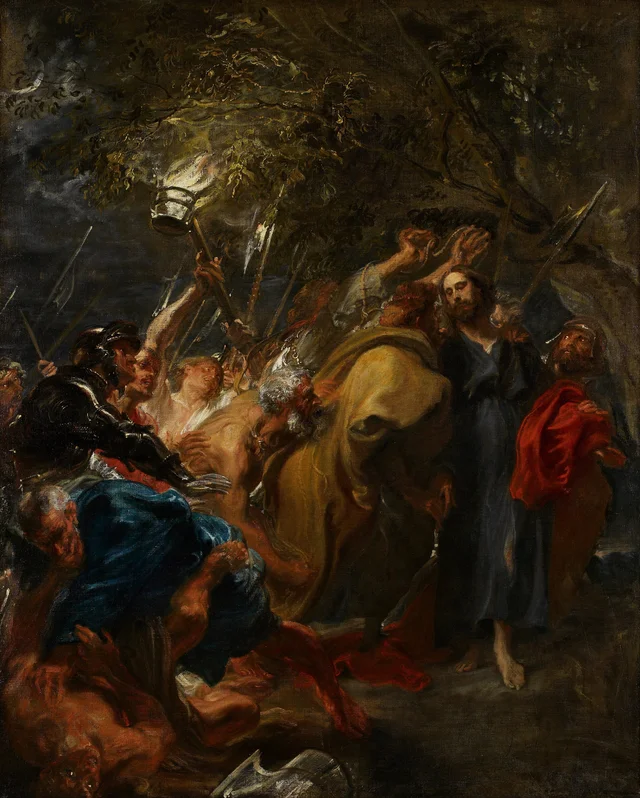 Il tradimento di CristoAnton van Dyck, 1620
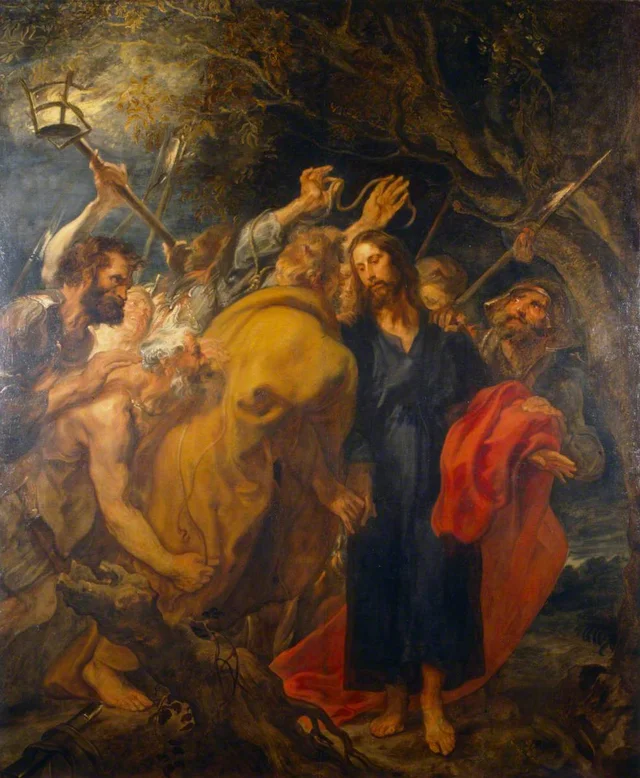 La cattura di CristoAnton van Dyck, 1620
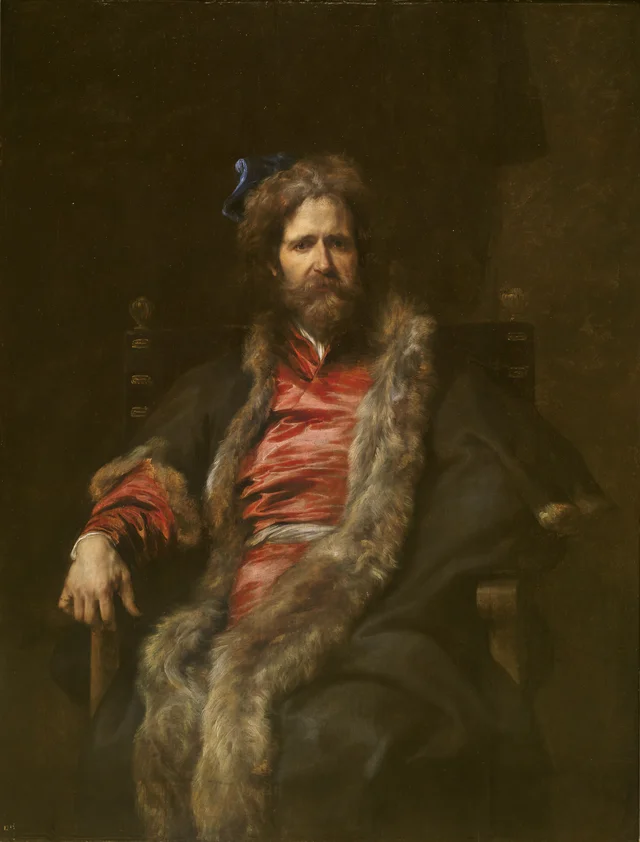 Il pittore Martin RyckaertAnton van Dyck, 1631
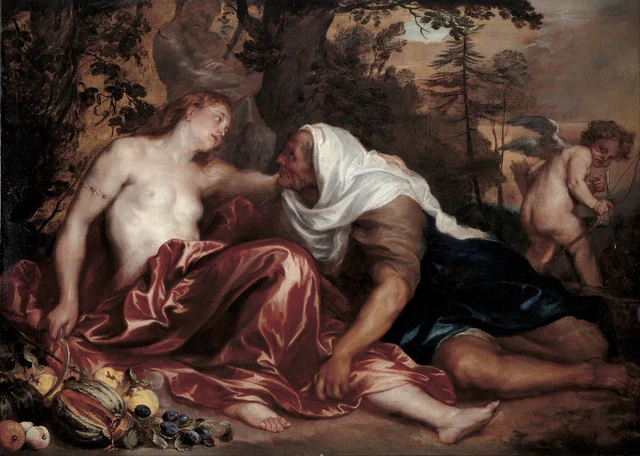 Vertumno e PomonaAnton van Dyck, 1625
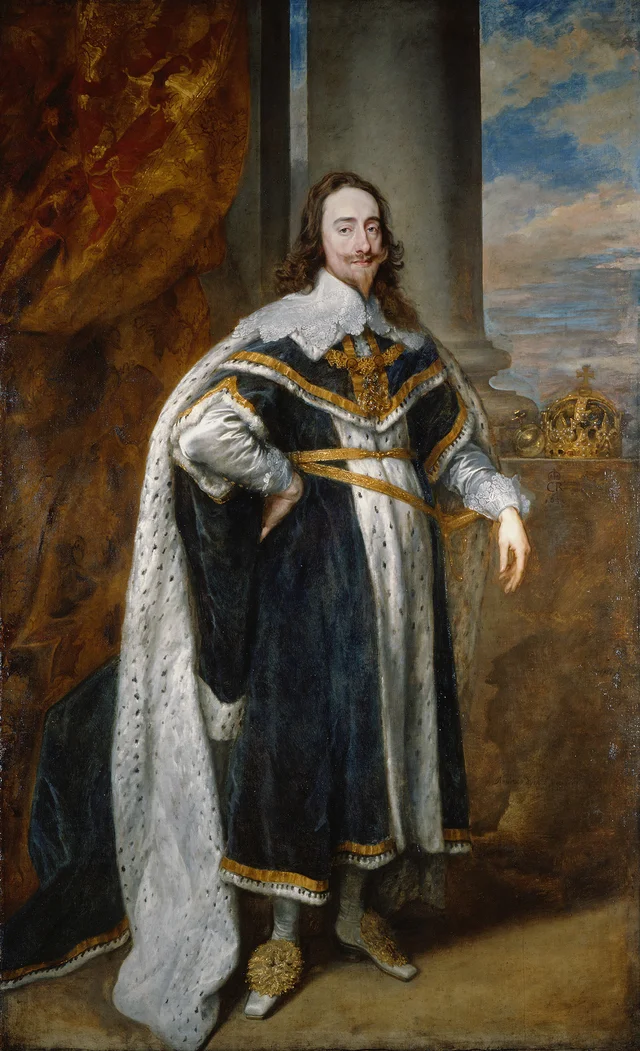 Carlo I (1600-1649)Anton van Dyck, 1636
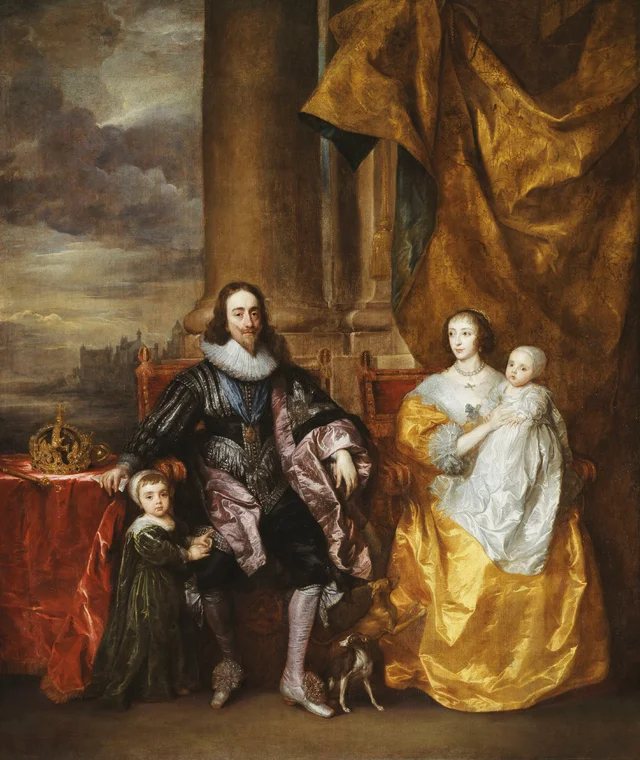 Carlo I ed Enrichetta Maria con i loro due figli maggiori, il principe Carlo e la principessa MariaAnton van Dyck, 1632
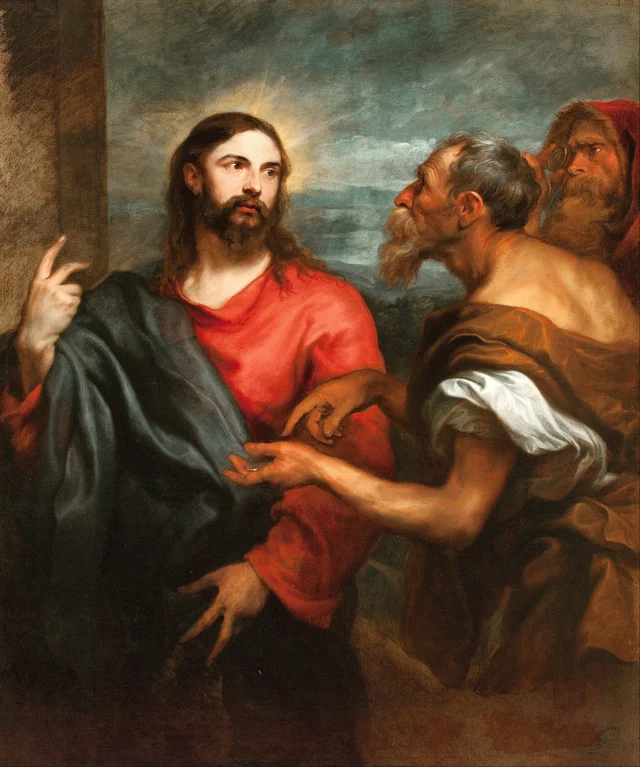 Cristo della MonetaAnton van Dyck, 1625
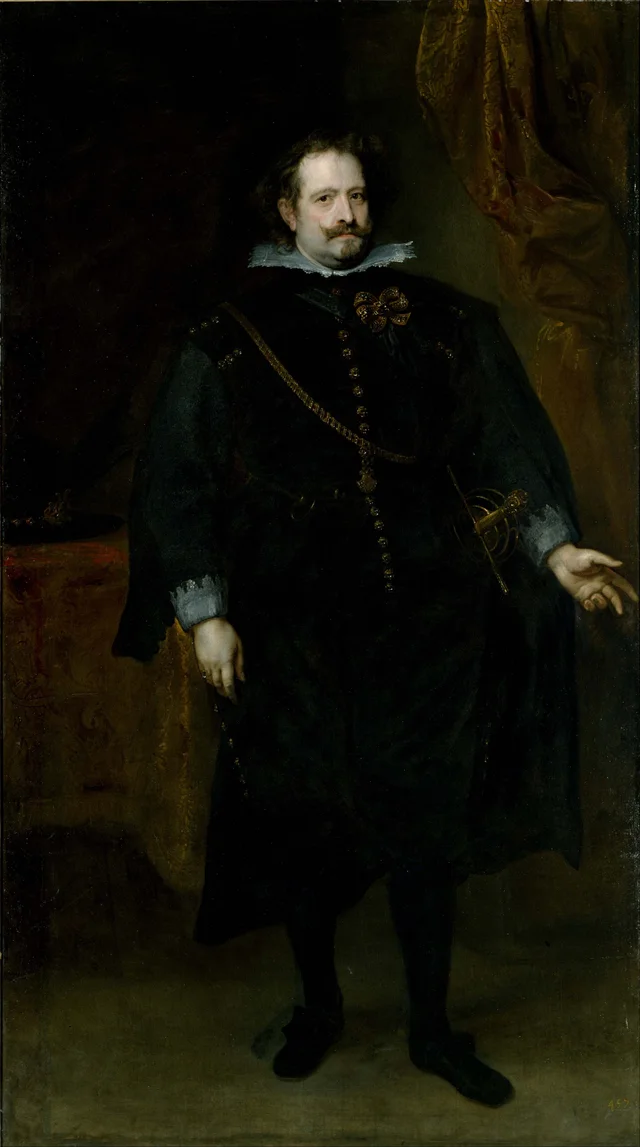 Diego Felipe de Guzmán, marchese di LeganésAnton van Dyck, 1634
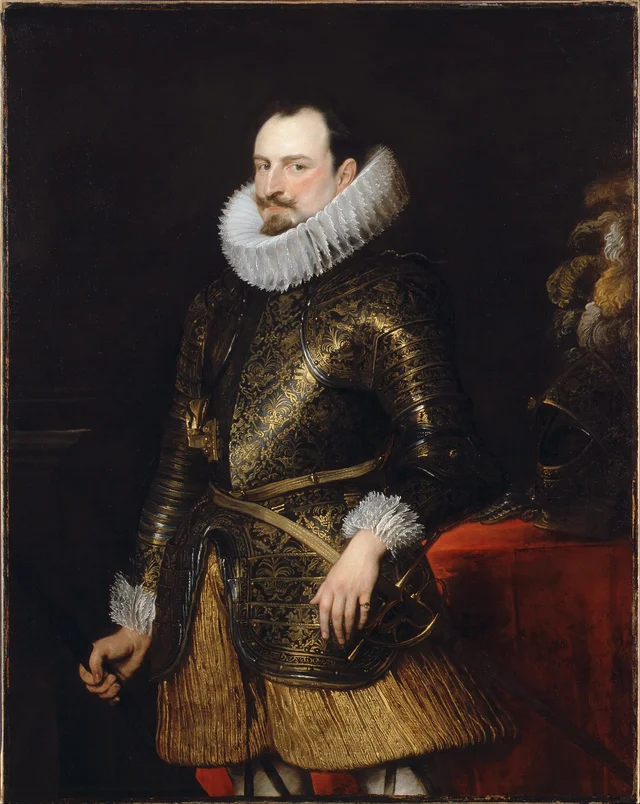 Emanuele Filiberto di Savoia, principe di OnegliaAnton van Dyck, 1624