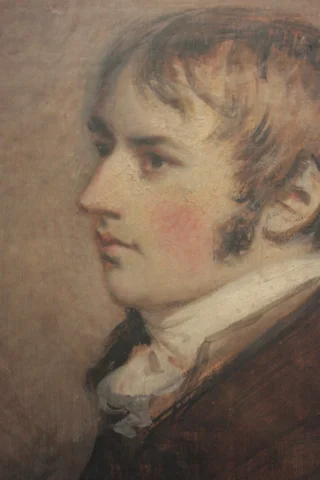
John Constable
1776–1837 · Regno di Gran Bretagna · Romanticismo
La storia
Nel 1824, tre anni dopo che Il carro di fieno era rimasto appeso quasi inosservato alla Royal Academy di Londra, lo stesso dipinto fu esposto al Salon di Parigi e vinse una medaglia d'oro assegnata da re Carlo X. I pittori francesi conoscevano già il nome di Constable. Il pittore Théodore Géricault aveva visto il quadro durante una visita a Londra ed era tornato a Parigi elogiandolo con gli amici, e una volta arrivato al Salon, si racconta che Eugène Delacroix abbia ridipinto il cielo di una delle proprie tele dopo aver studiato le nuvole di Constable. In Inghilterra il riconoscimento fu più lento. Constable fu eletto membro a pieno titolo della Royal Academy solo nel 1829, a 52 anni, con un solo voto di scarto.
Si guadagnò quell'onore tardivo dipingendo quasi soltanto le stesse poche miglia della valle dello Stour nel Suffolk, intorno ai mulini di famiglia a Flatford e Dedham, per gran parte della vita lavorativa. Realizzava piccoli studi a olio all'aperto, direttamente davanti al tempo atmosferico, catturando un cielo particolare o un'ora particolare invece di comporre una veduta ideale, e li rielaborava poi nelle grandi tele da esposizione nel proprio studio londinese. Quell'abitudine di osservare nuvole e luce reali, insolita per un pittore della Royal Academy del suo tempo, è ciò che i francesi avevano riconosciuto prima dei suoi stessi connazionali.
Flatford Mill, il mulino ad acqua di proprietà del padre e ambientazione sia de Il carro di fieno sia di altri dipinti sullo Stour, sorge ancora oggi sul fiume, custodito dal National Trust.
Altri articoli
Opere
66 opere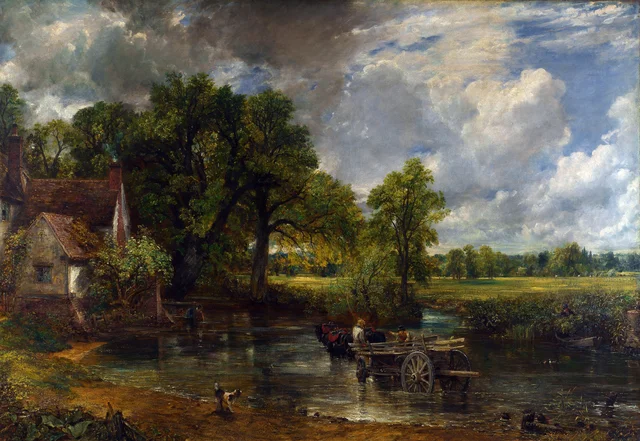 Il carro di fienoJohn Constable, 1821
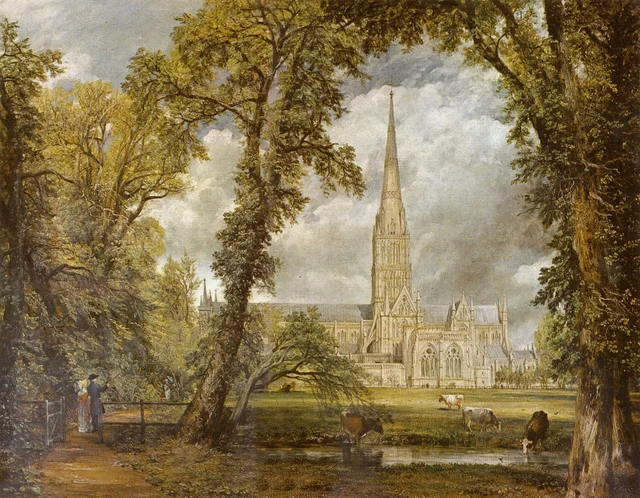 La cattedrale di Salisbury dai giardini del vescovoJohn Constable, 1823
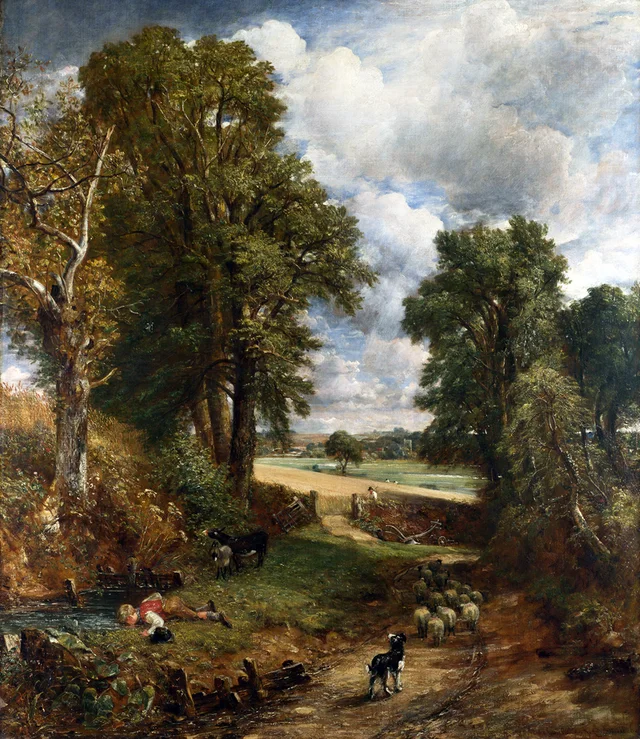 Il campo di granoJohn Constable, 1826
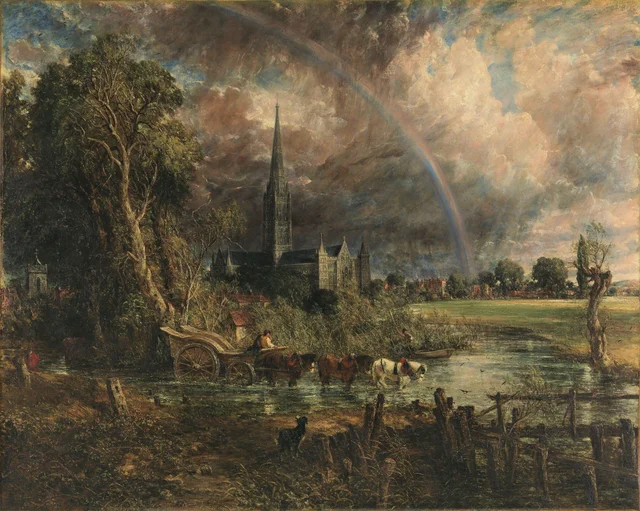 La cattedrale di Salisbury dai pratiJohn Constable, 1831
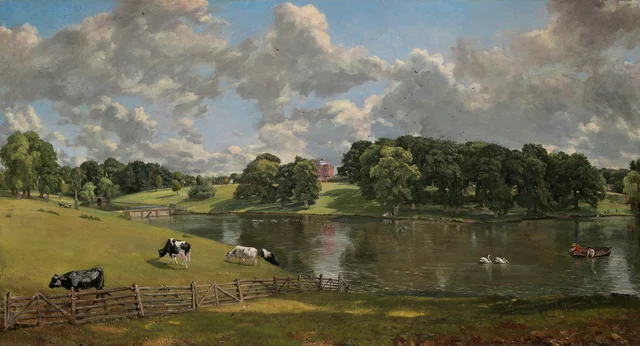 Wivenhoe ParkJohn Constable, 1816
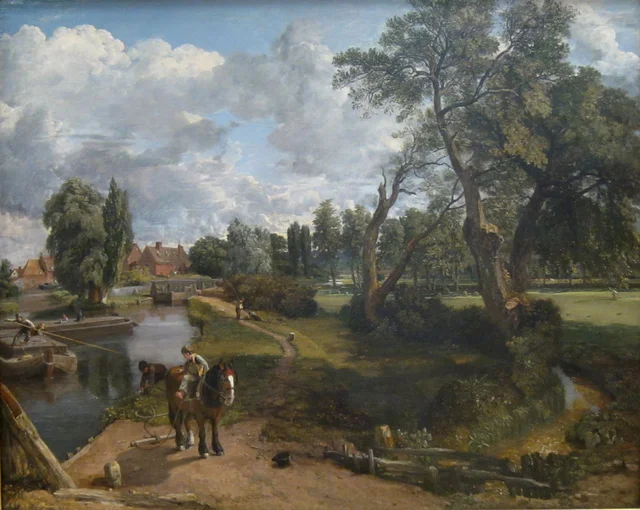 Il mulino di FlatfordJohn Constable, 1816
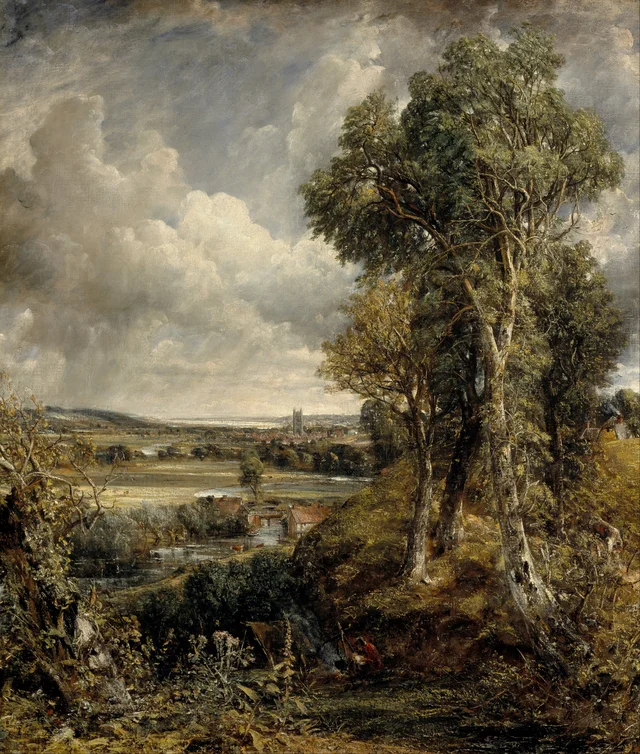 La valle di DedhamJohn Constable, 1828
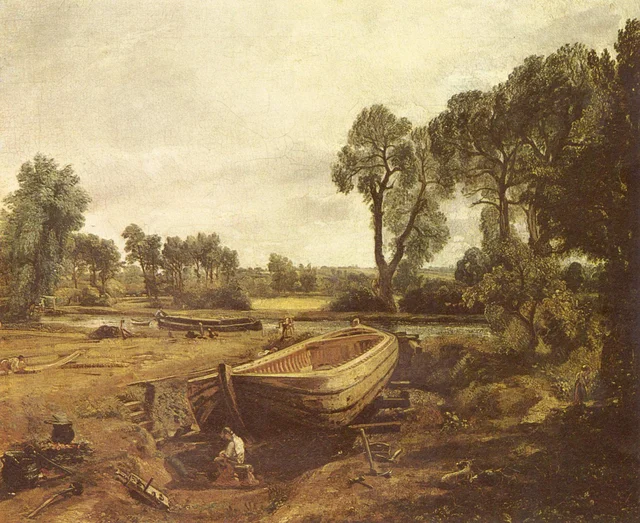 Costruzione di barche presso il mulino di FlatfordJohn Constable, 1815
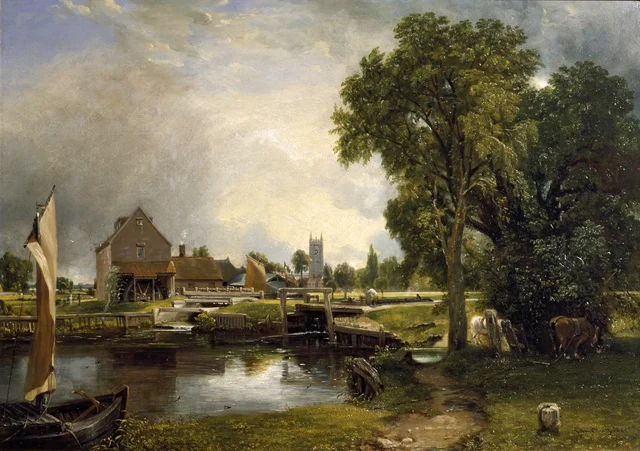 La chiusa e il mulino di DedhamJohn Constable, 1820
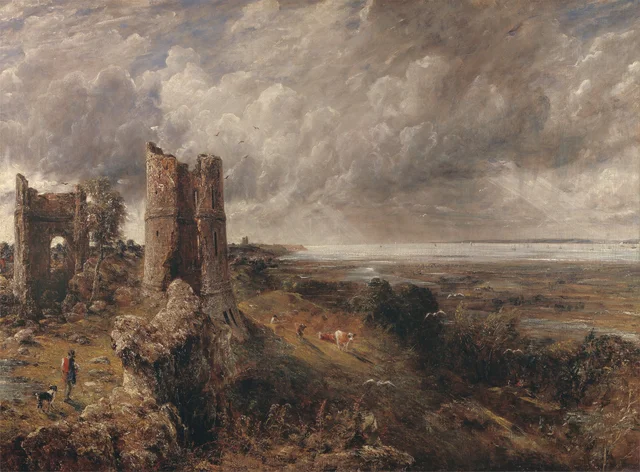 Castello di Hadleigh, la foce del Tamigi: mattina dopo una notte di tempestaJohn Constable, 1829
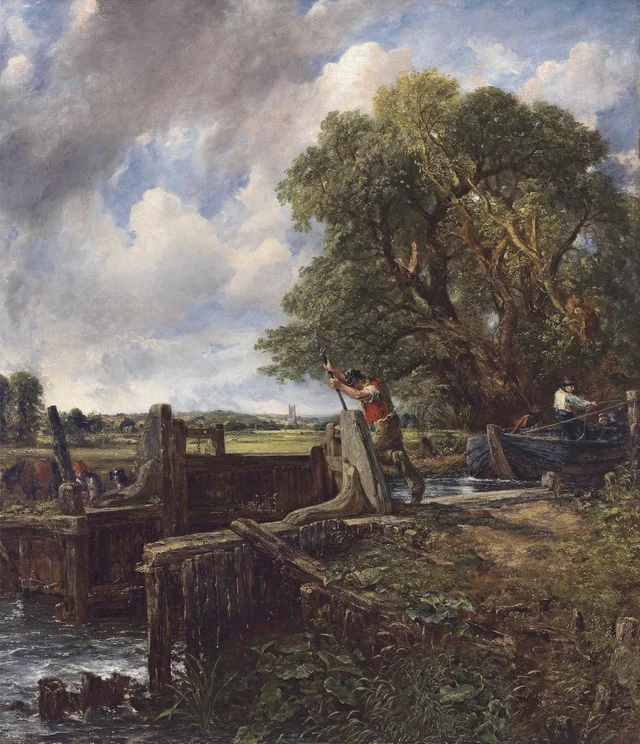 La ChiusaJohn Constable, 1824
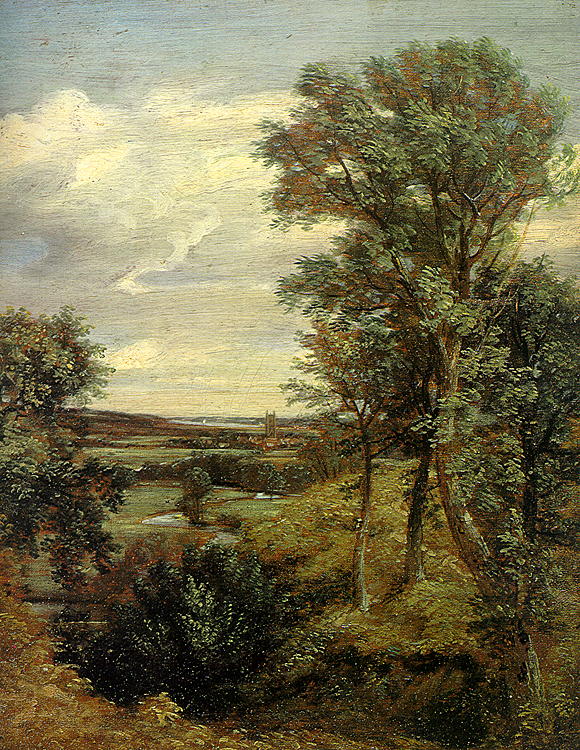 Valle di DedhamJohn Constable, 1802
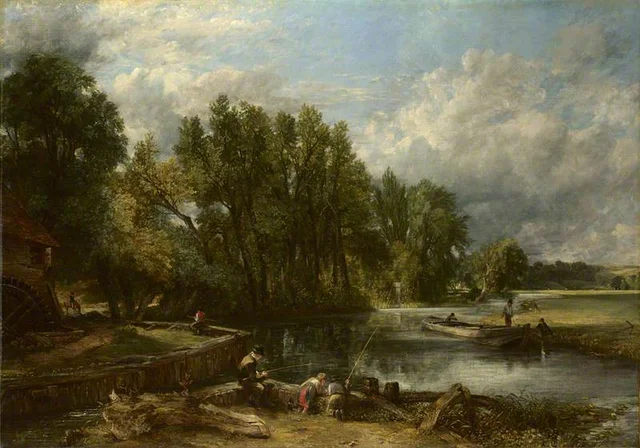 Stratford MillJohn Constable, 1820
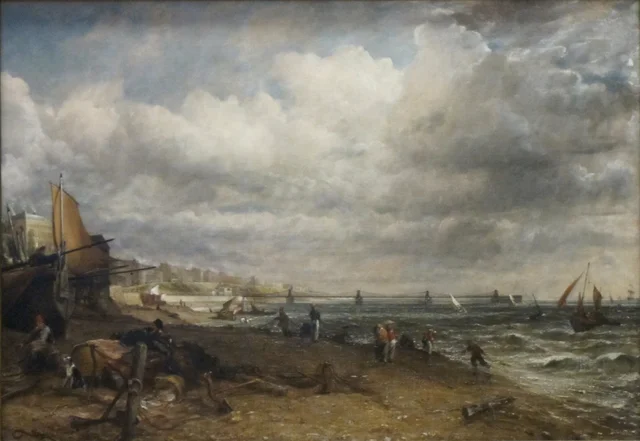 Il molo a catena, BrightonJohn Constable, 1826
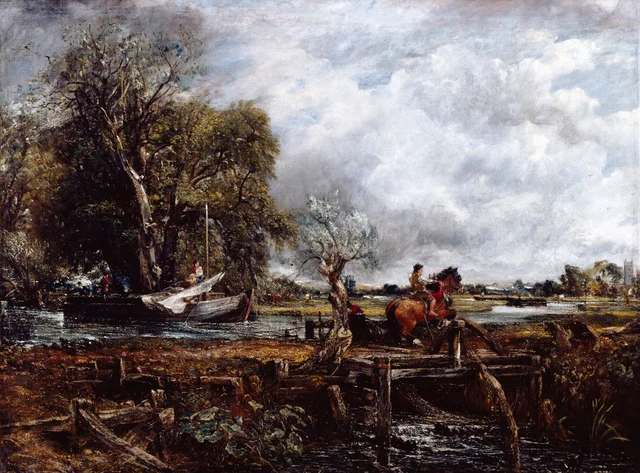 Il cavallo che saltaJohn Constable, 1825
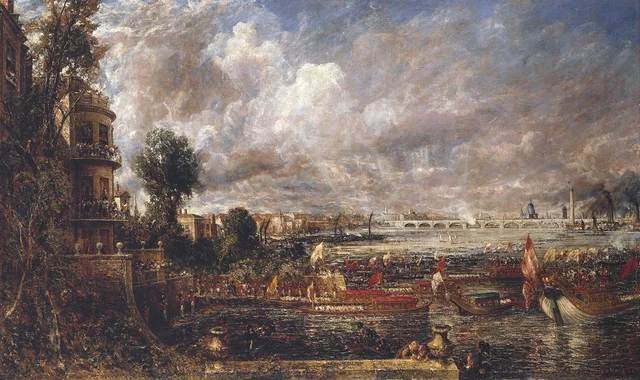 L'inaugurazione del ponte di Waterloo (“Whitehall Stairs, 18 giugno 1817”)John Constable, 1832
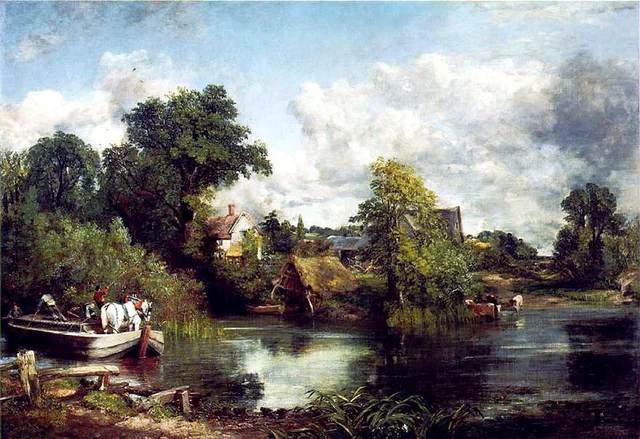 Il cavallo biancoJohn Constable, 1819
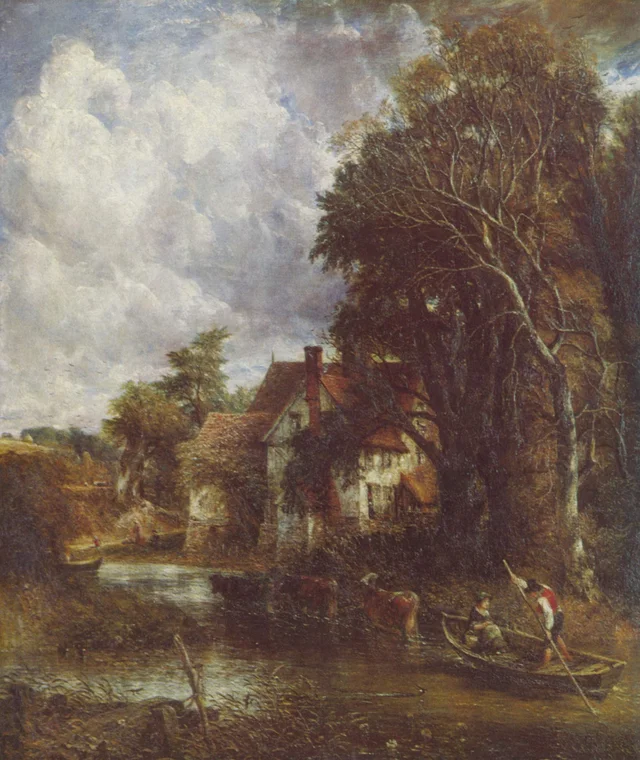 La fattoria della valleJohn Constable, 1835
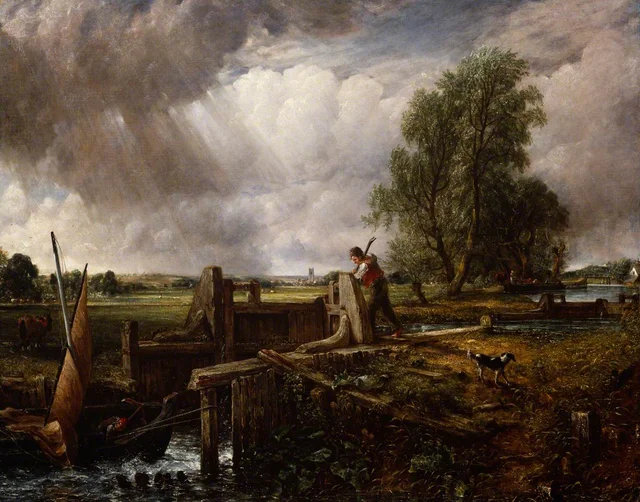 Una barca che attraversa una chiusaJohn Constable, 1826
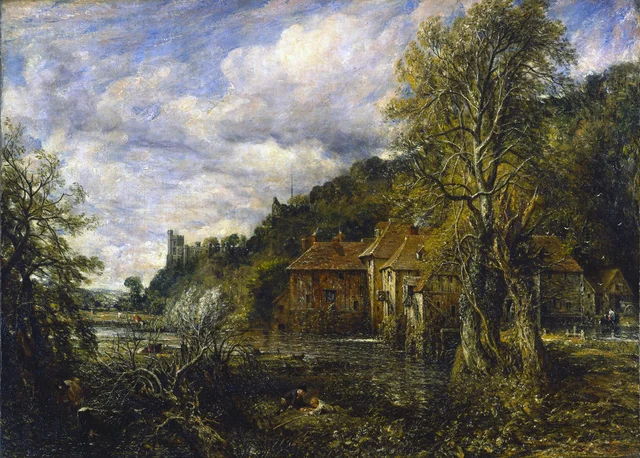 Il mulino e il castello di ArundelJohn Constable, 1837
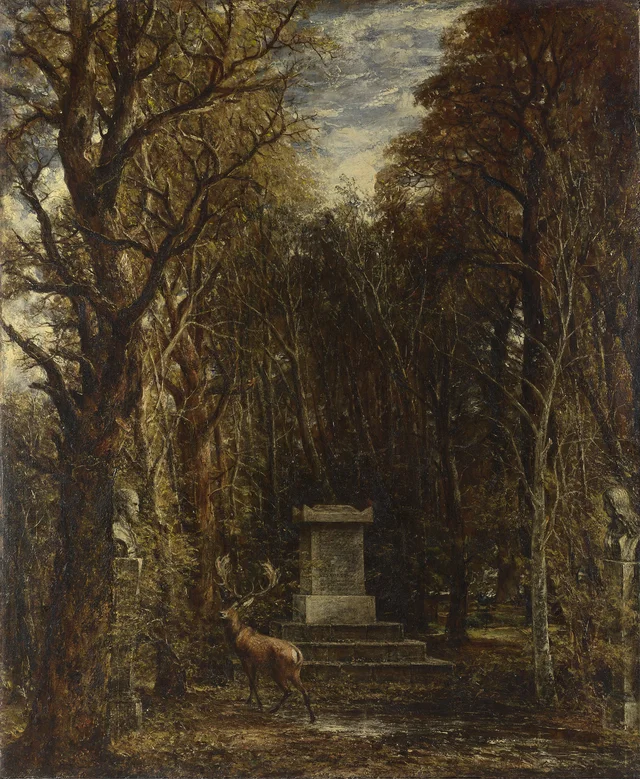 Cenotafio alla memoria di Sir Joshua ReynoldsJohn Constable, 1836
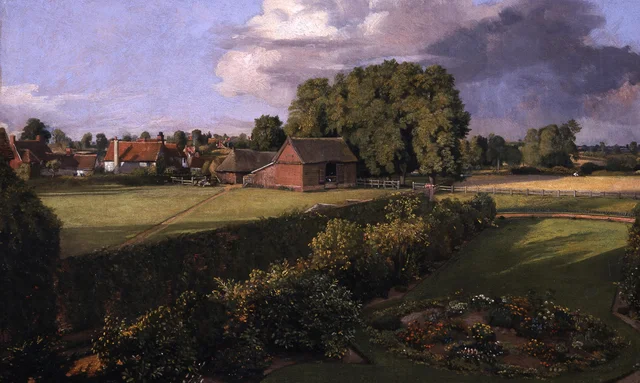 Il giardino fiorito di Golding ConstableJohn Constable, 1815
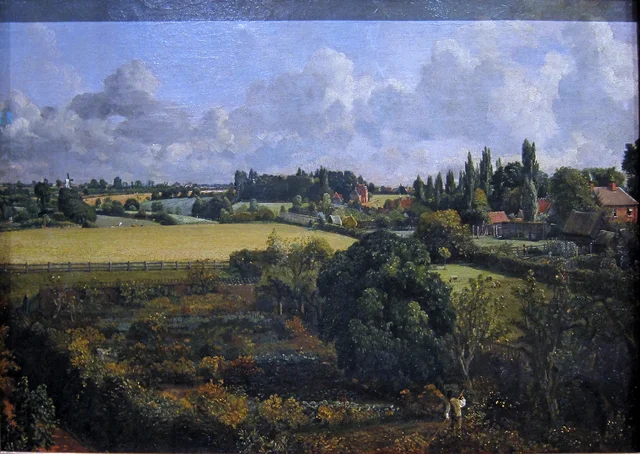 L'orto di Golding ConstableJohn Constable, 1815
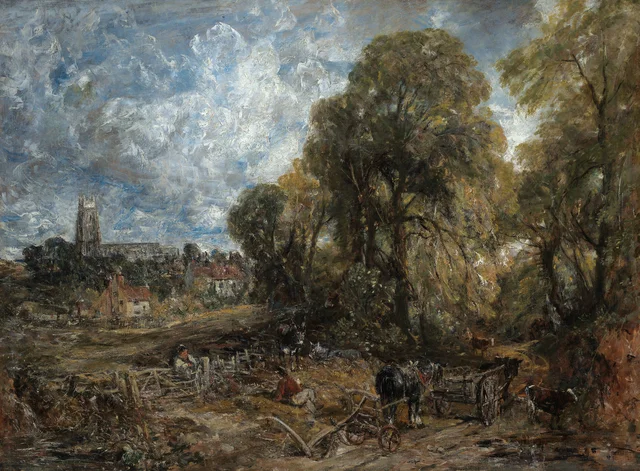 Stoke-by-NaylandJohn Constable, 1836
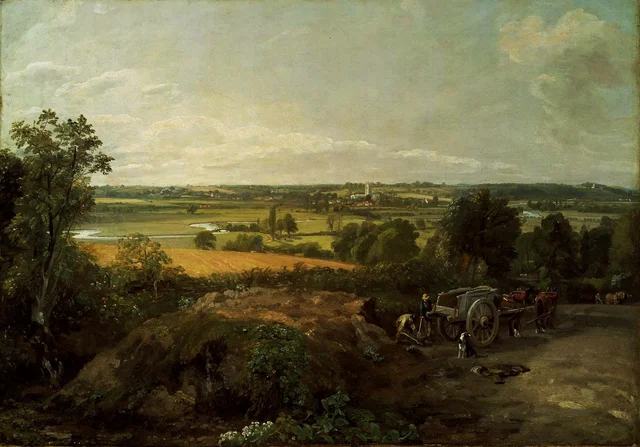 La valle dello Stour e la chiesa di DedhamJohn Constable, 1814