音声ガイド
ストーリー
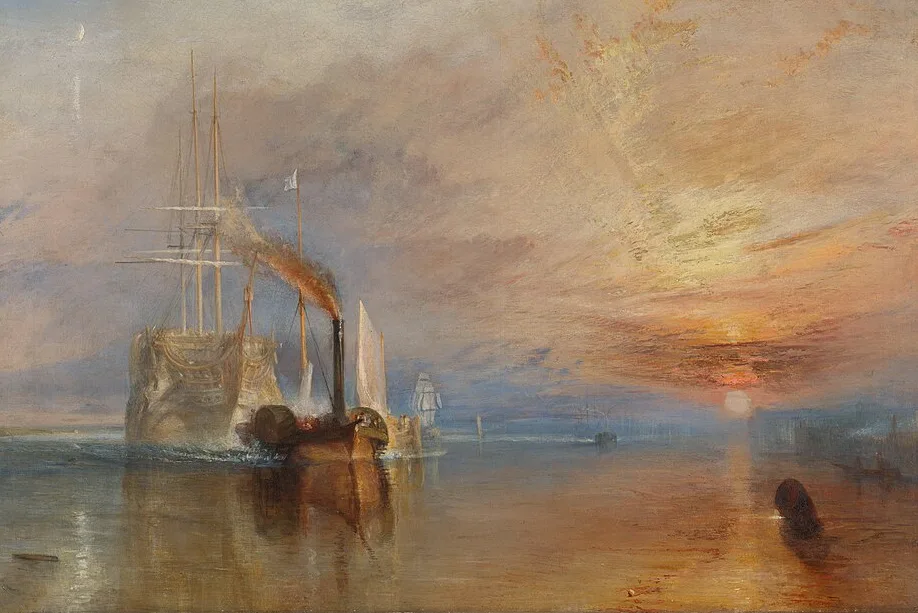
戦争が始まり、1940年には侵攻が予期されるなか、ナショナル・ギャラリーの絵はロンドンから疎開させられた。1941年の夏までに、それらは北ウェールズの山中のスレート鉱山に隠された。カナダへ送ってはという意見も出たが、チャーチルはこう答えた。洞窟にも地下室にも隠せ、だが一枚たりともこの島を離れさせてはならぬ、と。マノッドの採石場の奥、湿度と温度を安定させるために築かれたれんがの部屋で、ファン・エイクの「アルノルフィーニ夫妻の肖像」やターナーの「戦艦テメレール号」が空襲の嵐をやり過ごした。一方ロンドンでは、ピアニストのマイラ・ヘスが、空になったギャラリーで昼どきの演奏会を開いた。
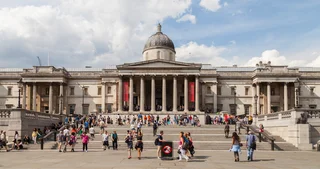
このギャラリーは、宮殿ではなく初めから民衆のものだった。始まりは1824年、議会が銀行家ジョン・ジュリアス・アンガースタインから38点の絵を買い上げたときだ。そして書記や荷馬車引きも貴族と同じように来られるよう、あえてロンドンの中心、トラファルガー広場に置かれた。常設コレクションはいまも入場無料である。
戦争のあいだ、職員は名画を一枚ずつウェールズから運び戻し、爆撃下の街のために「今月の絵」として、がらんとした建物に掛け続けた。同じ部屋は今日、「ウィルトンの二連祭壇画」、ファン・ゴッホの「ひまわり」、コンスタブルの「乾草車」を収め、広場から階段をのぼる誰にでも開かれている。
他の記事
コレクション
648点の作品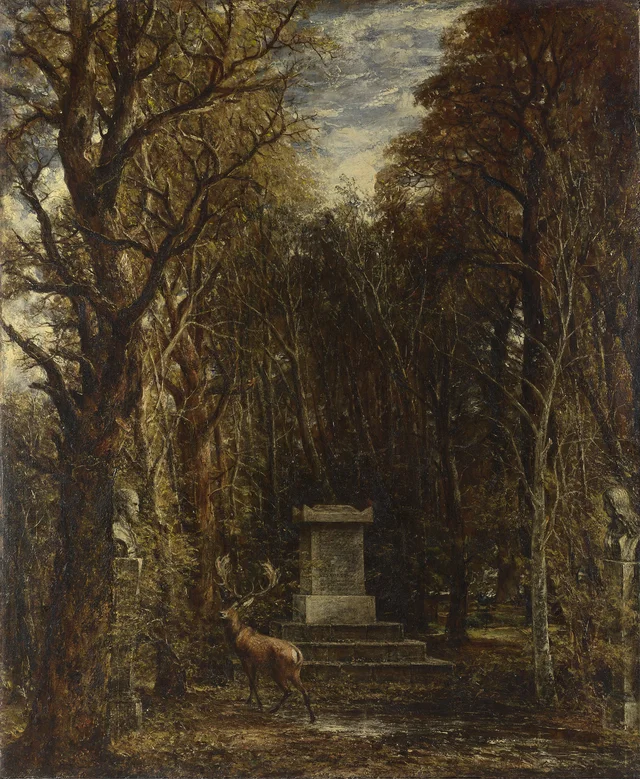 サー・ジョシュア・レノルズを偲ぶ記念碑ジョン・コンスタブル, 1836
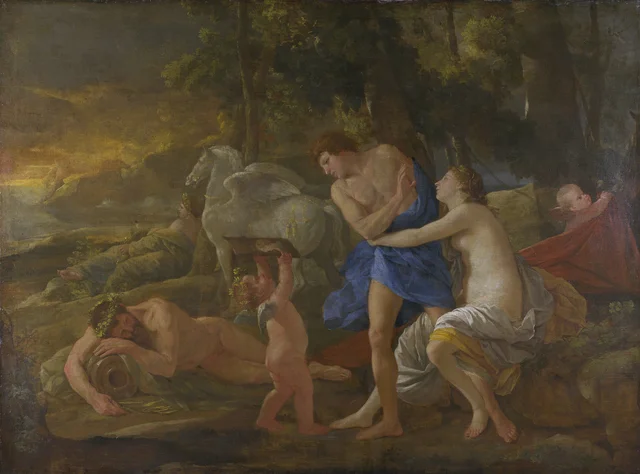 ケパロスとエオスニコラ・プッサン, 1630
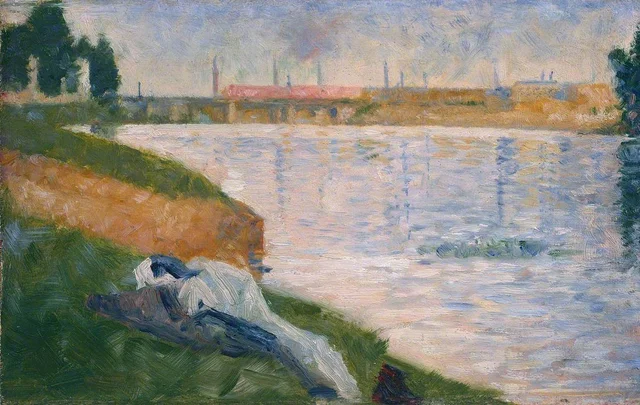 草の上の衣服ジョルジュ・スーラ, 1883
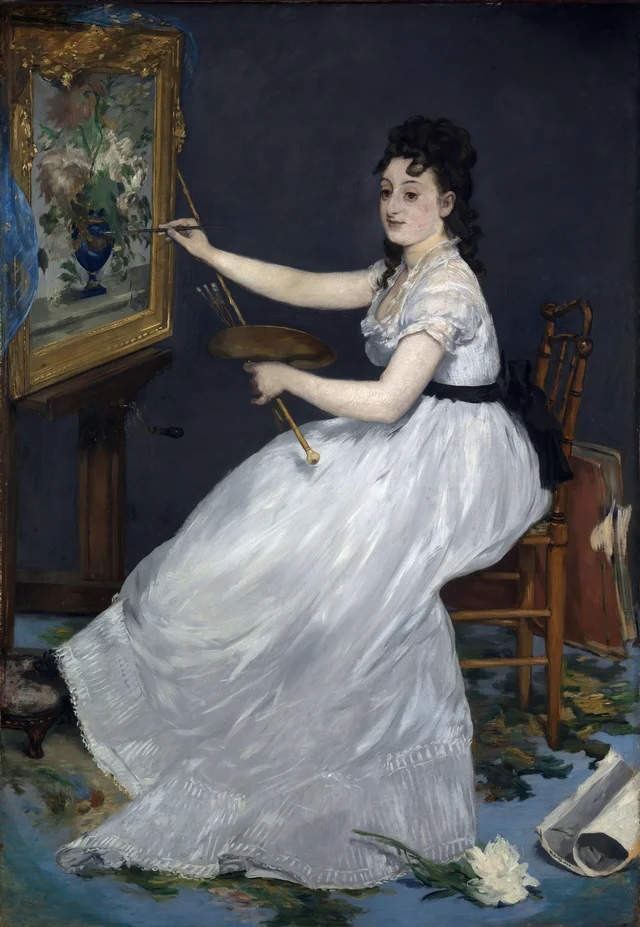 エヴァ・ゴンザレスエドゥアール・マネ, 1870
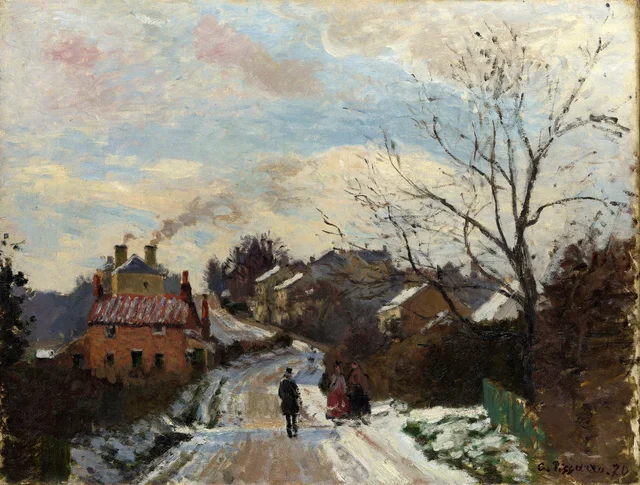 フォックス・ヒル、アッパー・ノーウッドカミーユ・ピサロ, 1870
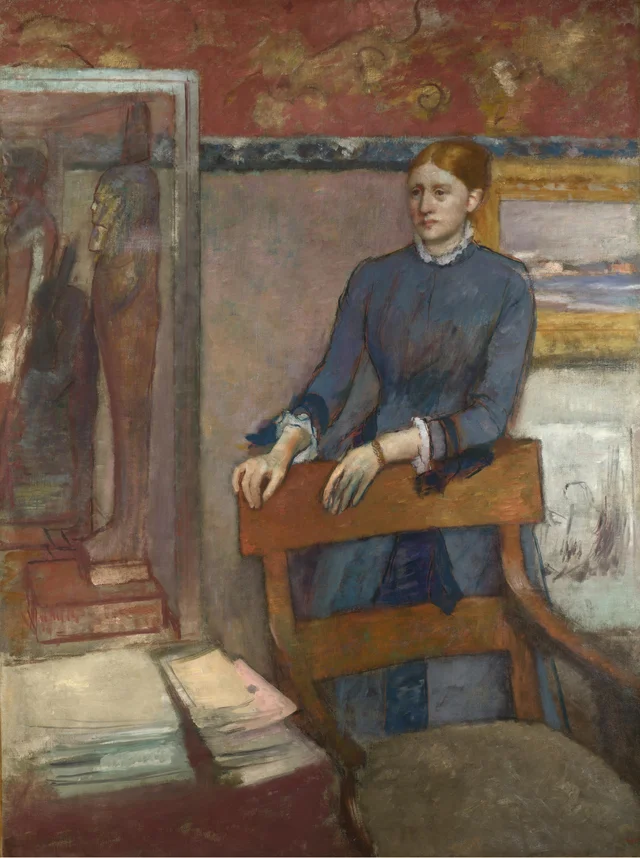 父の書斎のエレーヌ・ルアールエドガー・ドガ, 1886
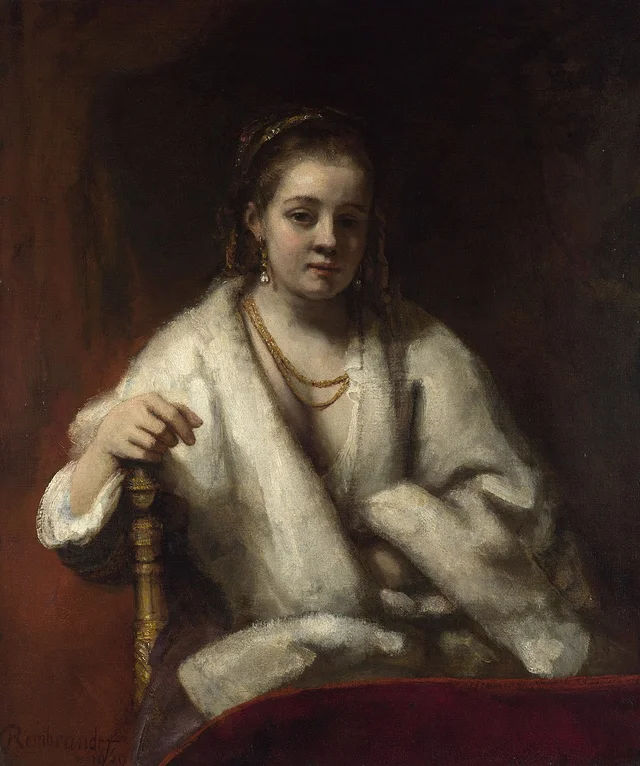 毛皮をまとうヘンドリッキェレンブラント, 1659
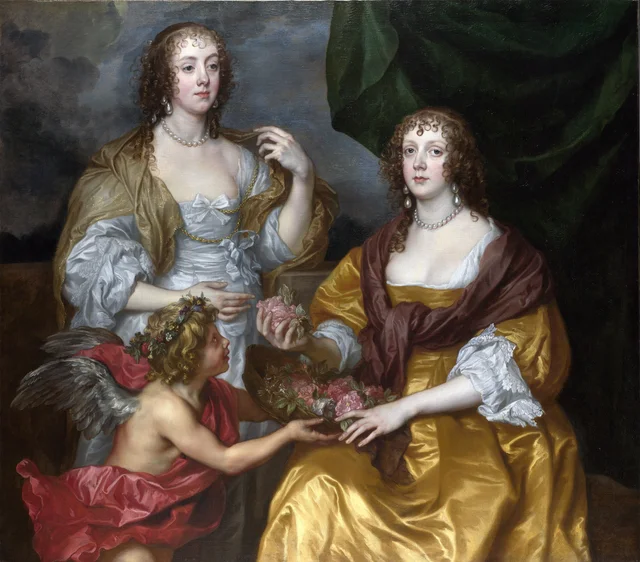 レディ・エリザベス・シンベルビーとその妹アンソニー・ヴァン・ダイク, 1637
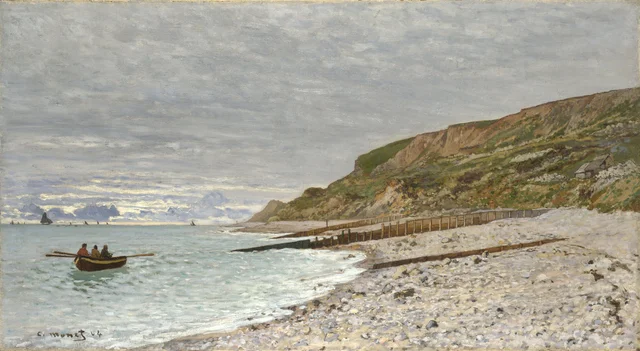 サントアドレスのラ・エーヴ岬クロード・モネ, 1864
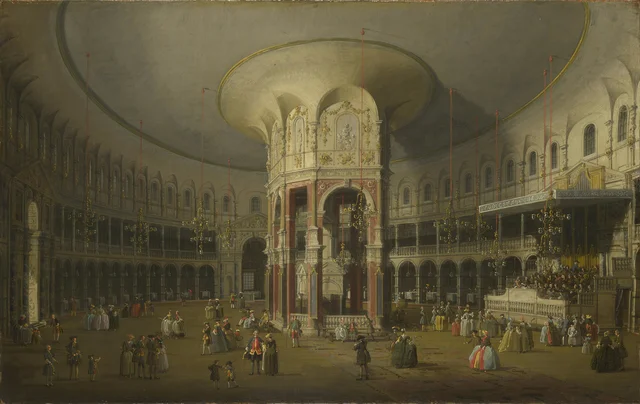 ロンドン:ラネラのロタンダ内部カナレット, 1754
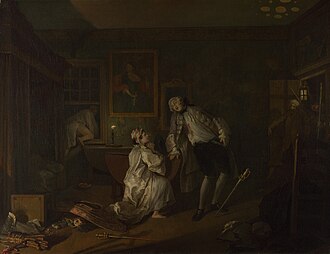 マリッジ・ア・ラ・モード:5. 浴場(バニオ)ウィリアム・ホガース, 1743
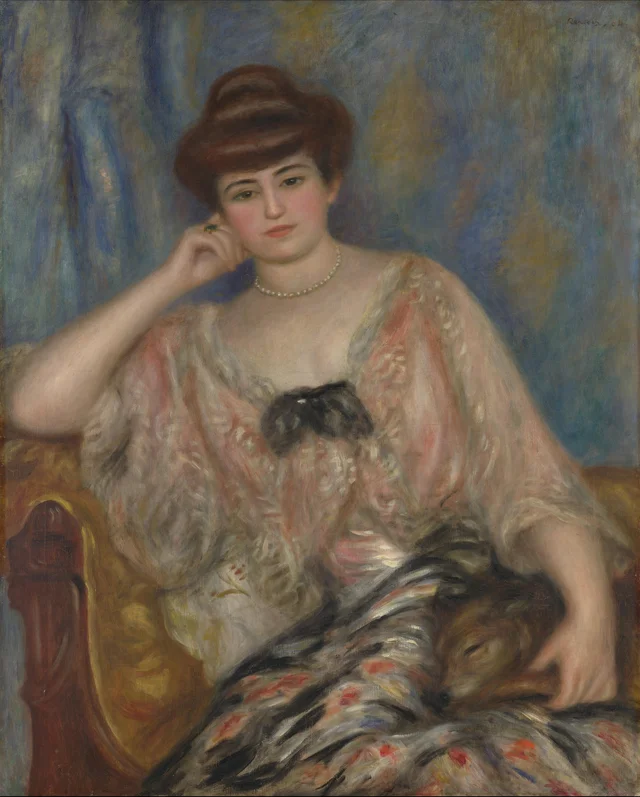 ミシア・セールピエール=オーギュスト・ルノワール, 1904
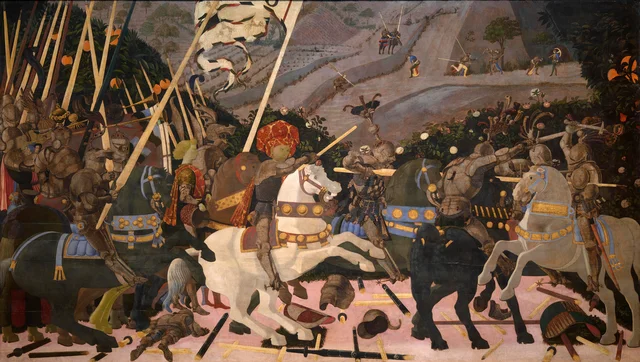 サン・ロマーノの戦いでのニッコロ・マウルジ・ダ・トレンティーノパオロ・ウッチェロ, 1439
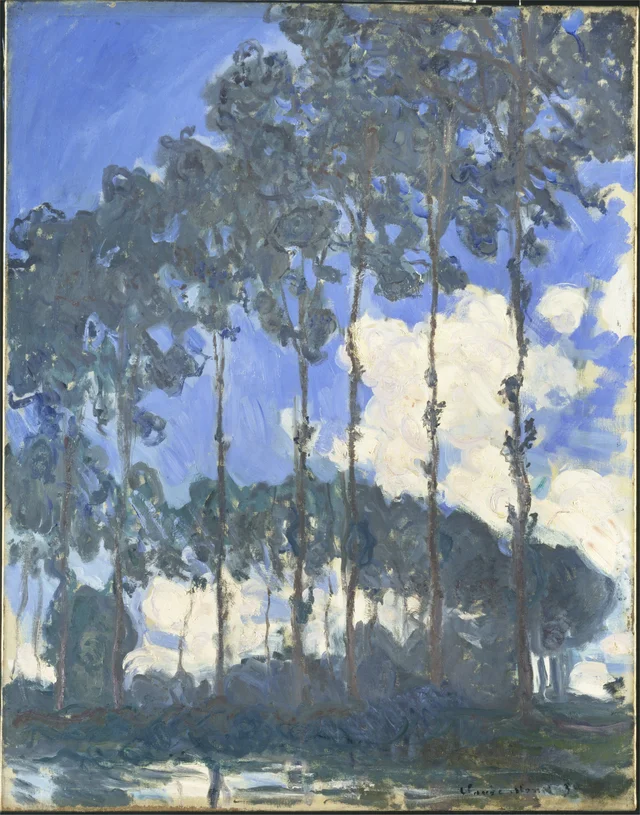 エプト川畔のポプラクロード・モネ, 1891
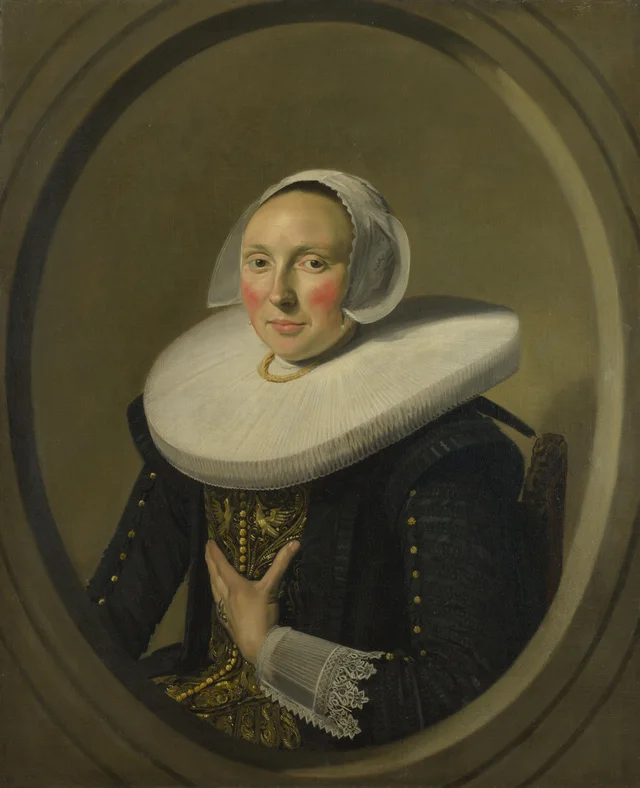 女性の肖像、おそらくマリア・ラルプフランス・ハルス, 1634
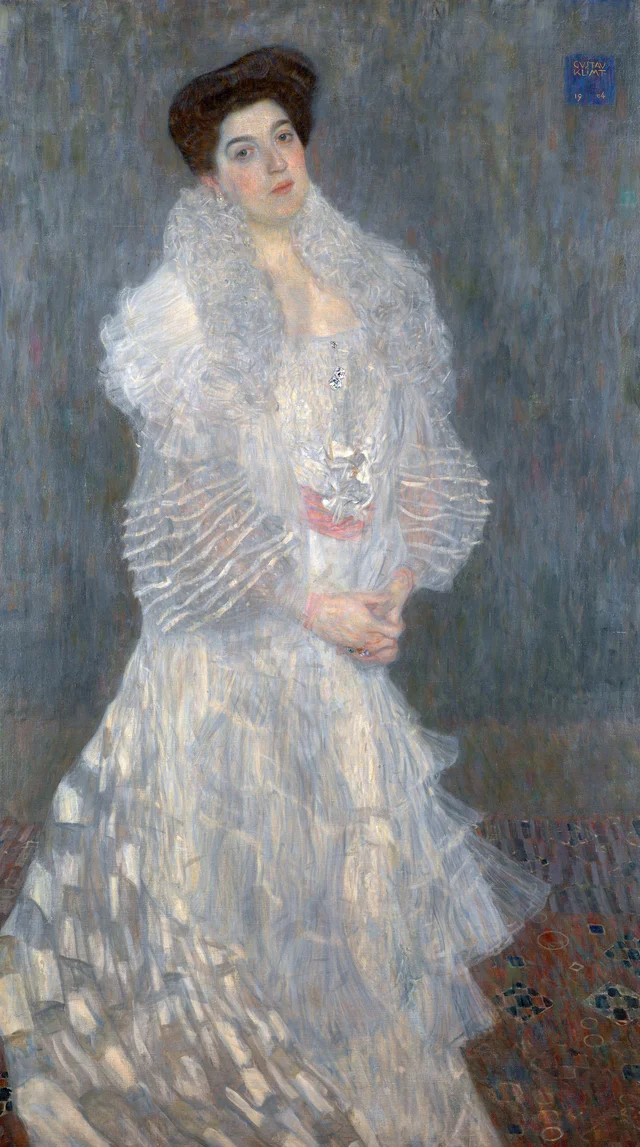 ヘルミーネ・ガリアの肖像グスタフ・クリムト, 1904
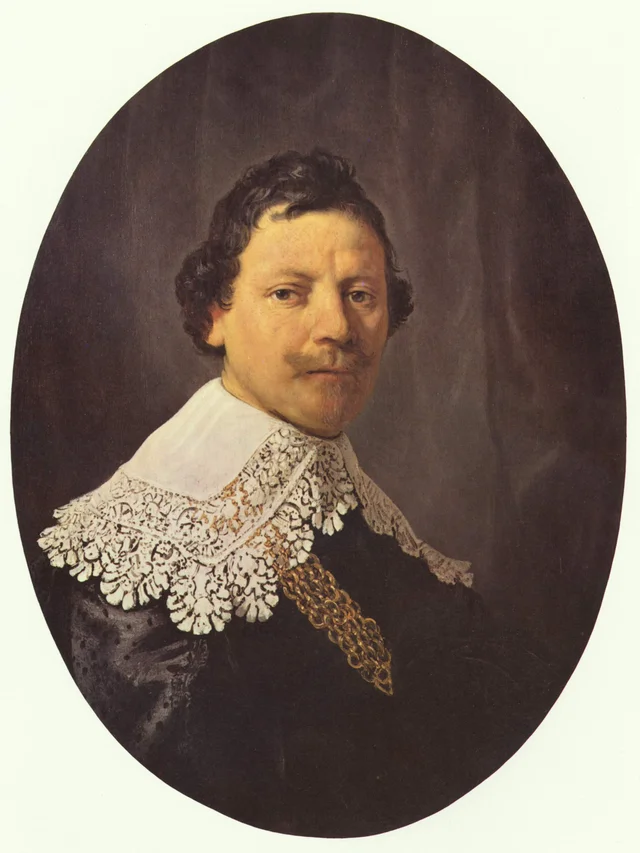 フィリップス・ルカスの肖像レンブラント, 1635
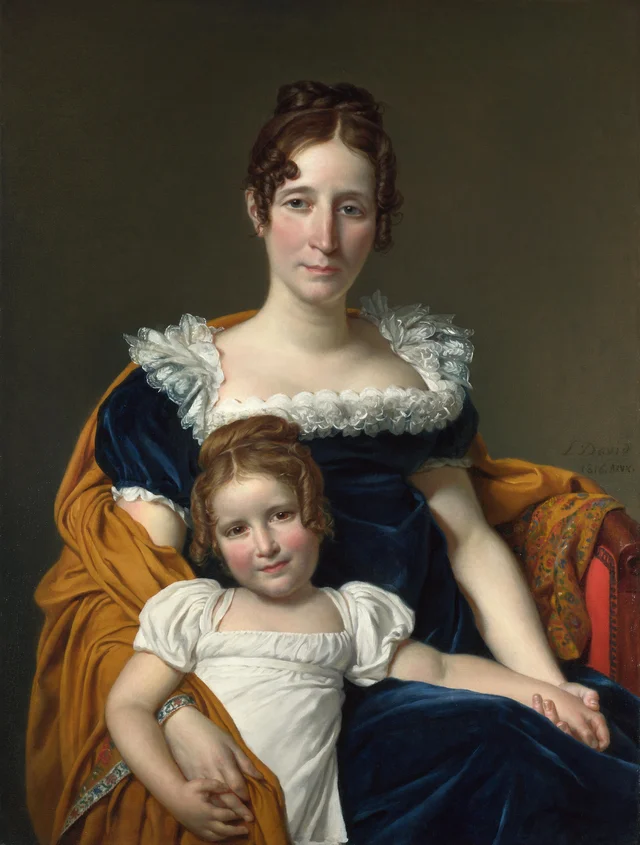 ヴィラン14世伯爵夫人とその娘ルイーズの肖像ジャック=ルイ・ダヴィッド, 1816
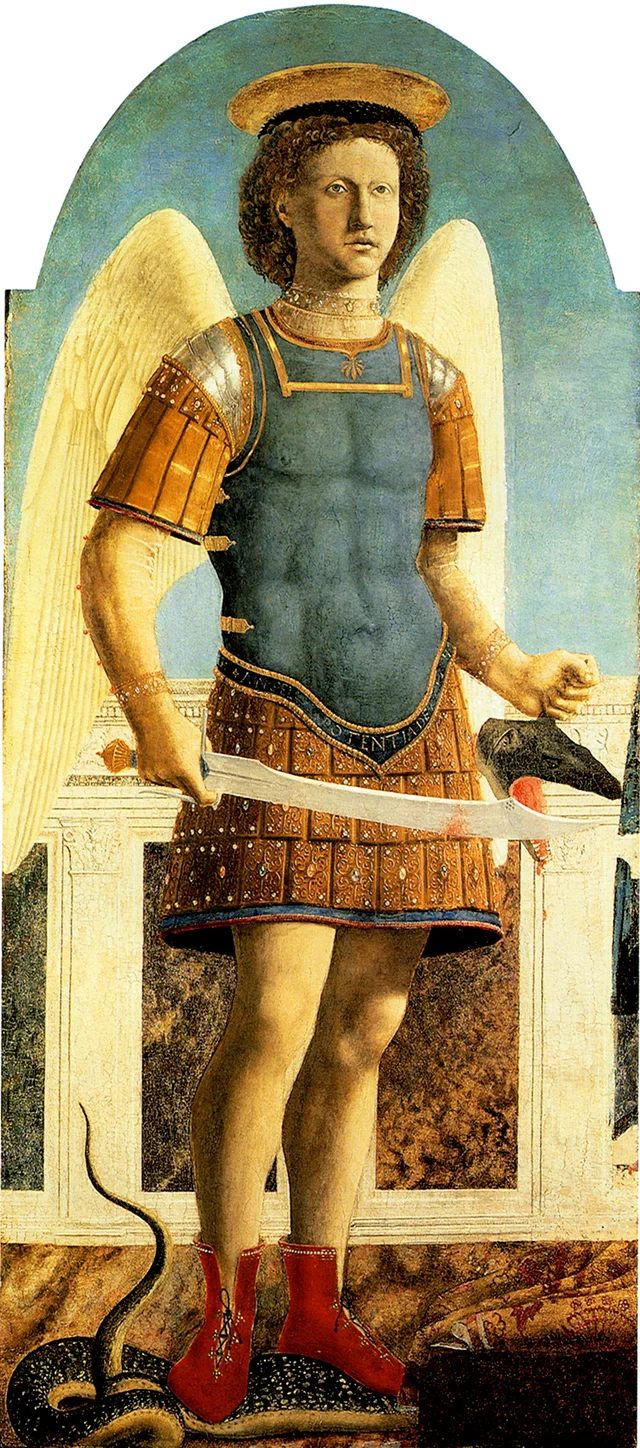 聖ミカエルピエロ・デラ・フランチェスカ, 1454
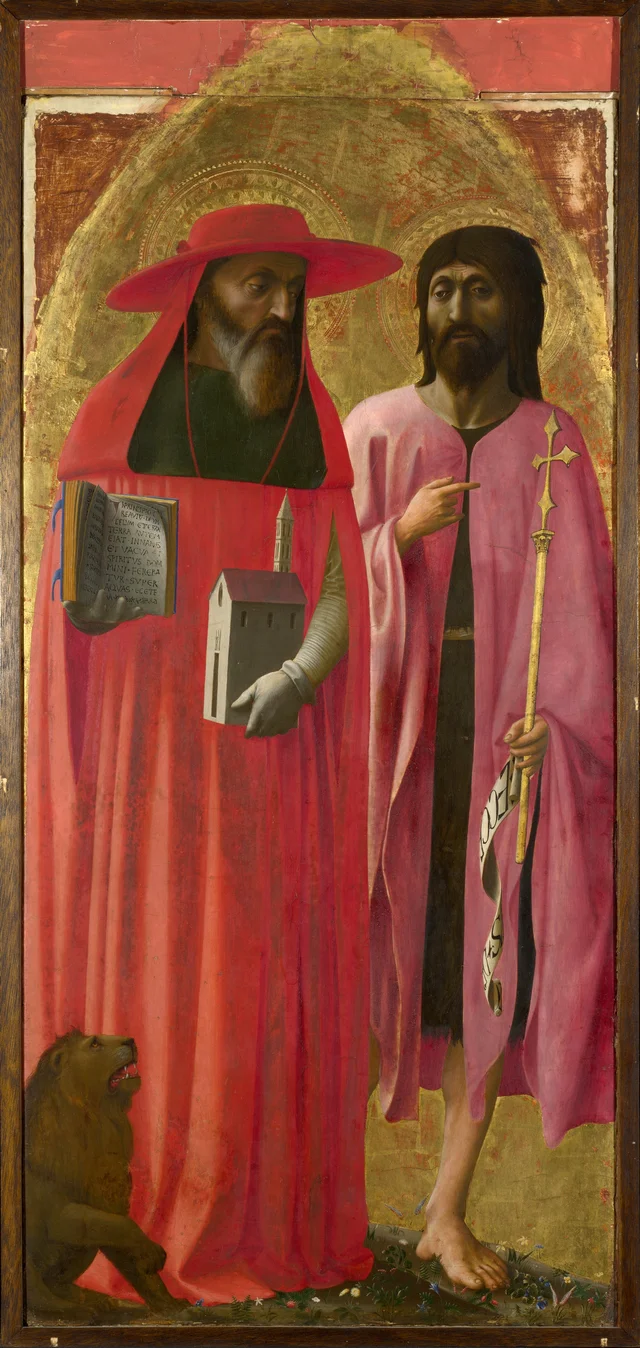 聖ヒエロニムスと洗礼者聖ヨハネマザッチョ, 1428
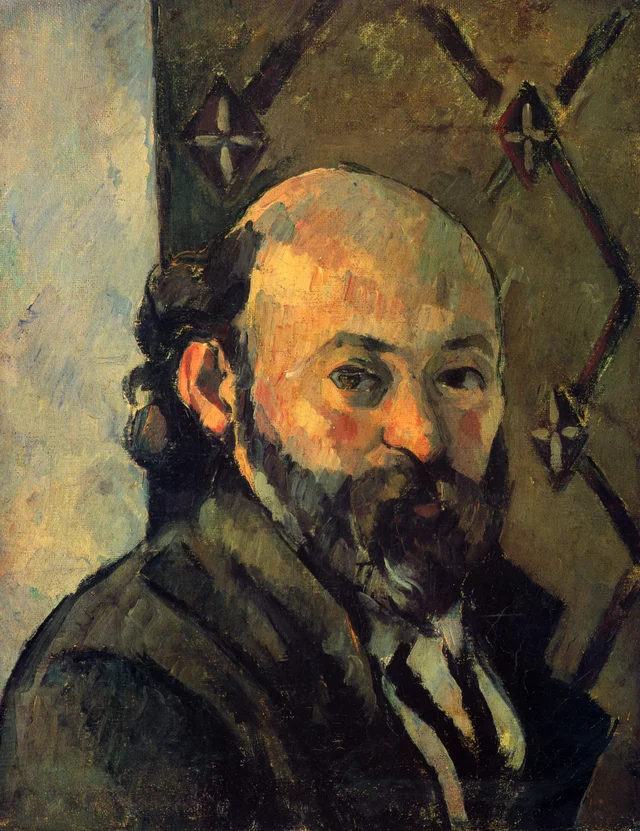 自画像ポール・セザンヌ, 1880
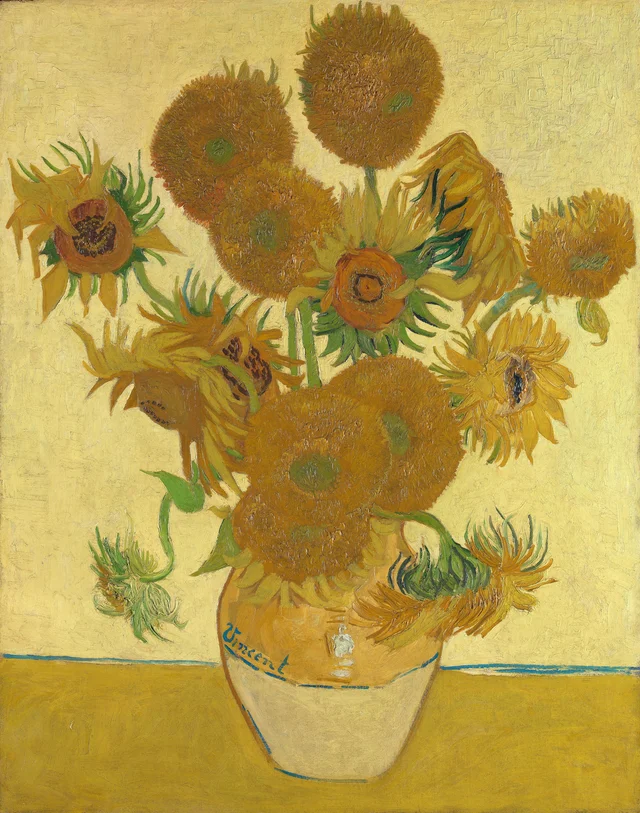 ひまわりフィンセント・ファン・ゴッホ, 1888
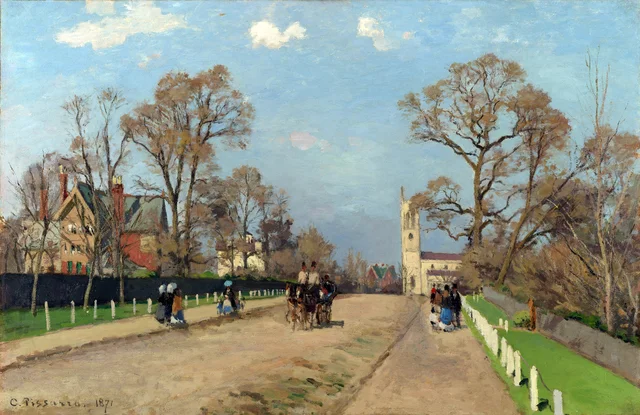 並木道、シドナムカミーユ・ピサロ, 1871
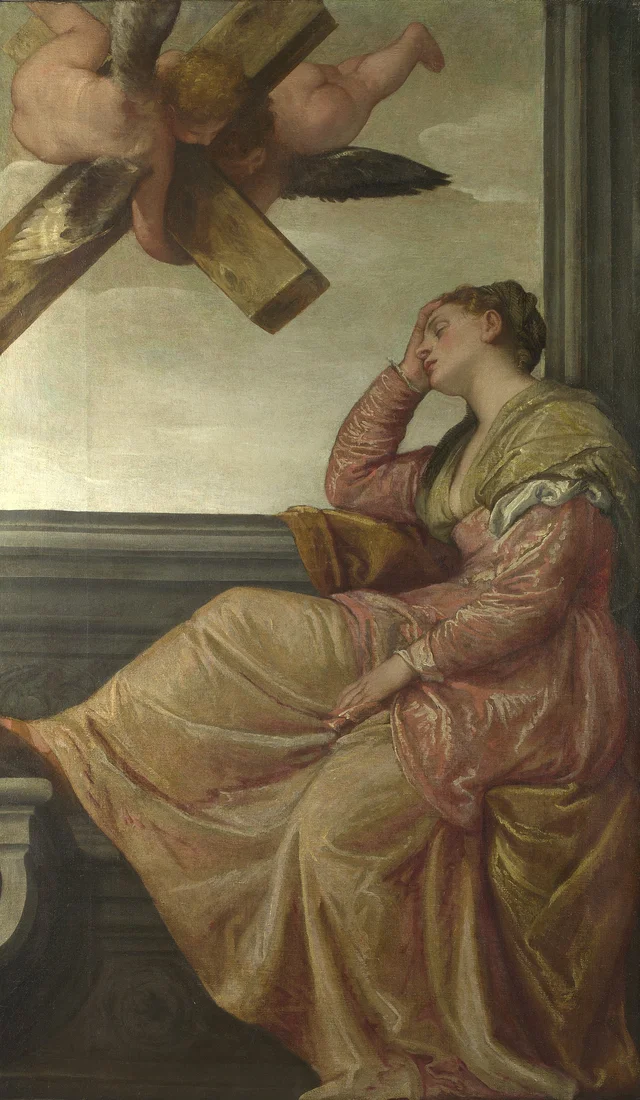 聖ヘレナの夢パオロ・ヴェロネーゼ, 1570
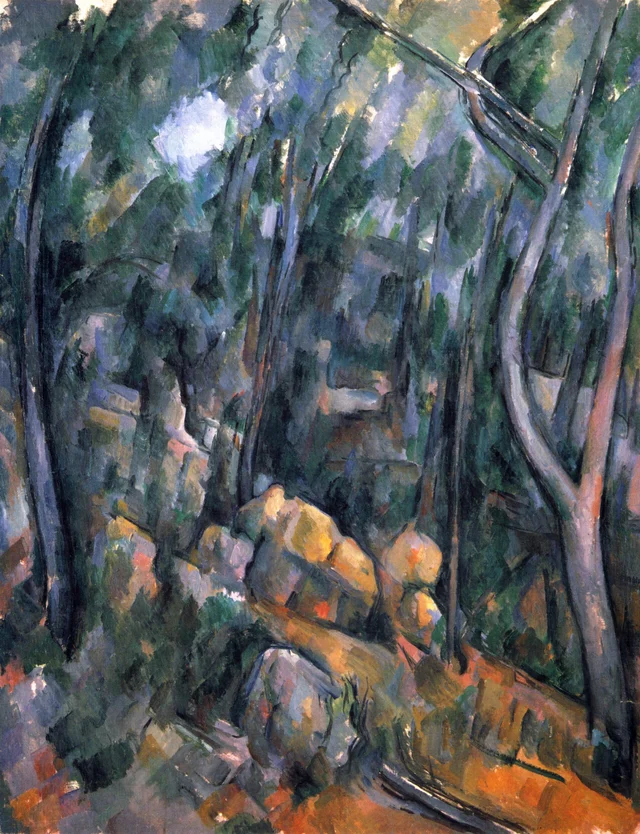 シャトー・ノワールの敷地ポール・セザンヌ, 1902