音声ガイド
ストーリー
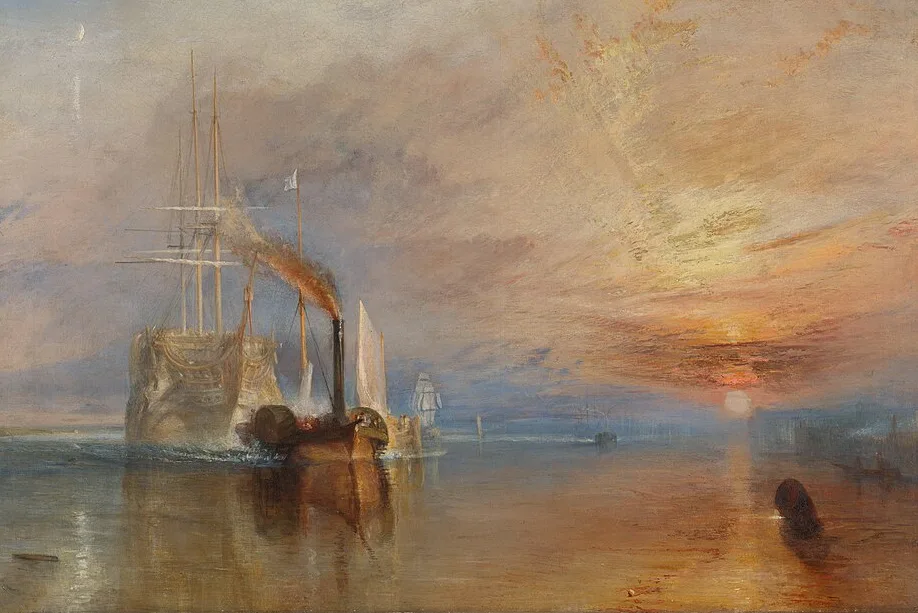
戦争が始まり、1940年には侵攻が予期されるなか、ナショナル・ギャラリーの絵はロンドンから疎開させられた。1941年の夏までに、それらは北ウェールズの山中のスレート鉱山に隠された。カナダへ送ってはという意見も出たが、チャーチルはこう答えた。洞窟にも地下室にも隠せ、だが一枚たりともこの島を離れさせてはならぬ、と。マノッドの採石場の奥、湿度と温度を安定させるために築かれたれんがの部屋で、ファン・エイクの「アルノルフィーニ夫妻の肖像」やターナーの「戦艦テメレール号」が空襲の嵐をやり過ごした。一方ロンドンでは、ピアニストのマイラ・ヘスが、空になったギャラリーで昼どきの演奏会を開いた。
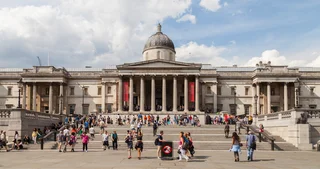
このギャラリーは、宮殿ではなく初めから民衆のものだった。始まりは1824年、議会が銀行家ジョン・ジュリアス・アンガースタインから38点の絵を買い上げたときだ。そして書記や荷馬車引きも貴族と同じように来られるよう、あえてロンドンの中心、トラファルガー広場に置かれた。常設コレクションはいまも入場無料である。
戦争のあいだ、職員は名画を一枚ずつウェールズから運び戻し、爆撃下の街のために「今月の絵」として、がらんとした建物に掛け続けた。同じ部屋は今日、「ウィルトンの二連祭壇画」、ファン・ゴッホの「ひまわり」、コンスタブルの「乾草車」を収め、広場から階段をのぼる誰にでも開かれている。
他の記事
コレクション
648点の作品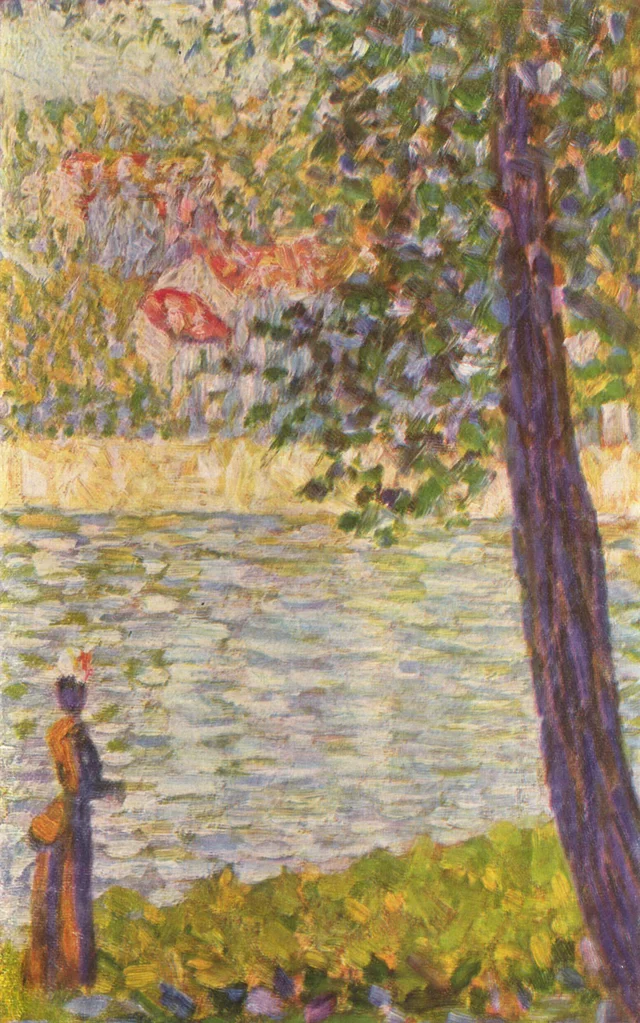 朝の散歩ジョルジュ・スーラ, 1884
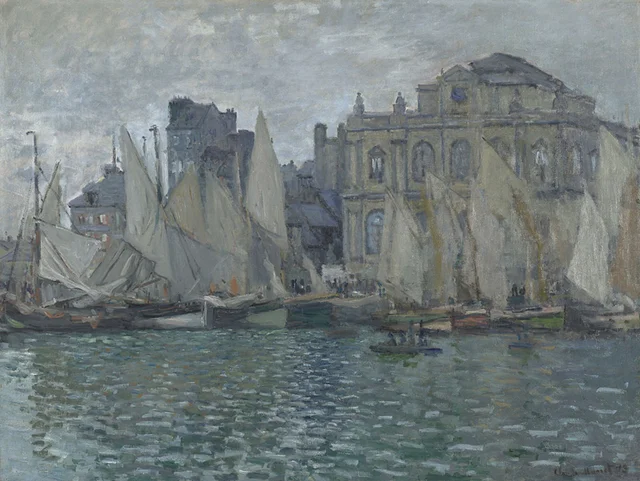 ル・アーヴルの美術館クロード・モネ, 1873
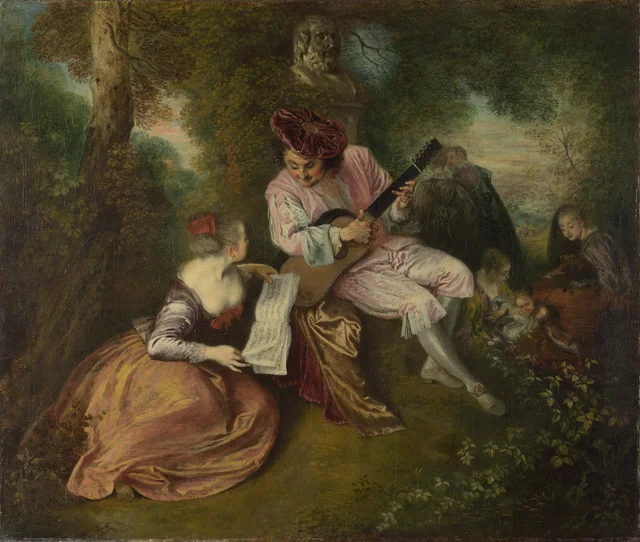 愛の音階ジャン=アントワーヌ・ヴァトー, 1717
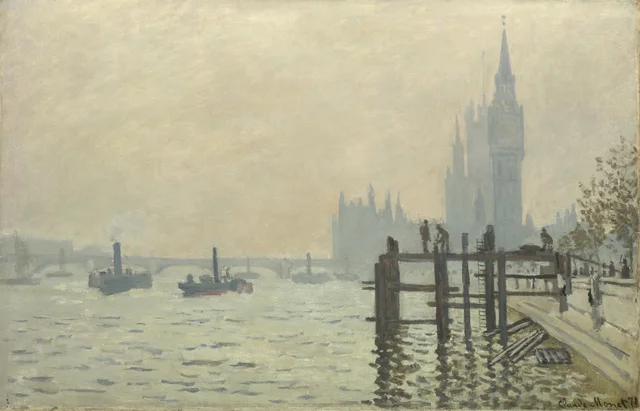 ウェストミンスター下流のテムズ川クロード・モネ, 1871
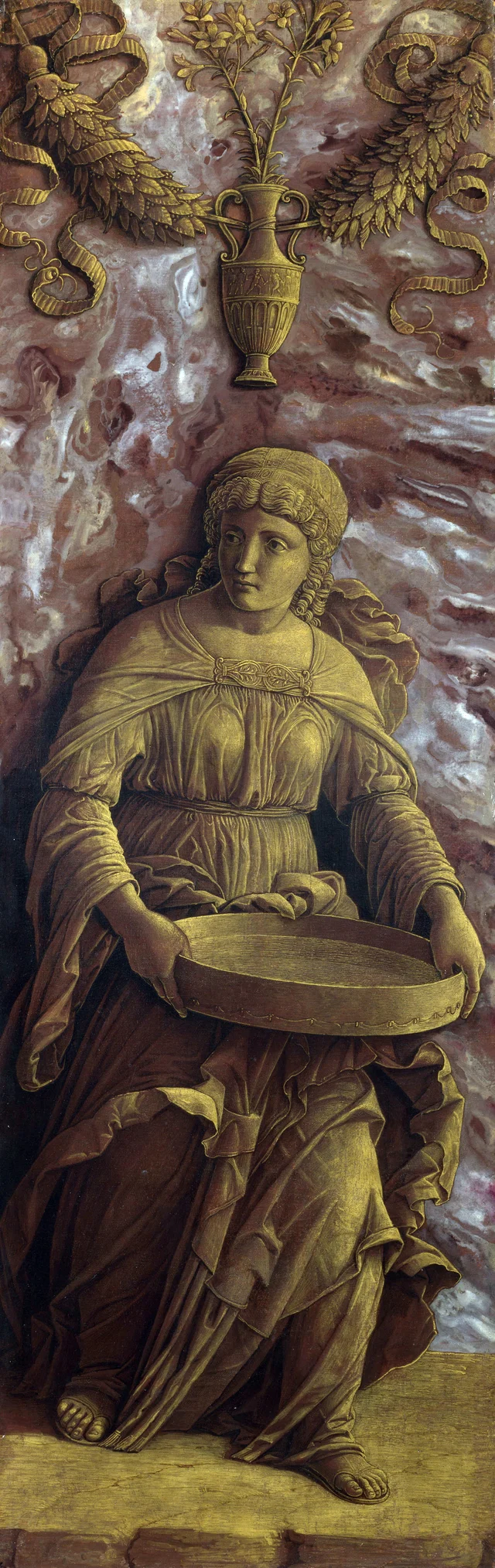 ふるいを持つ巫女トゥッキアアンドレア・マンテーニャ, 1495
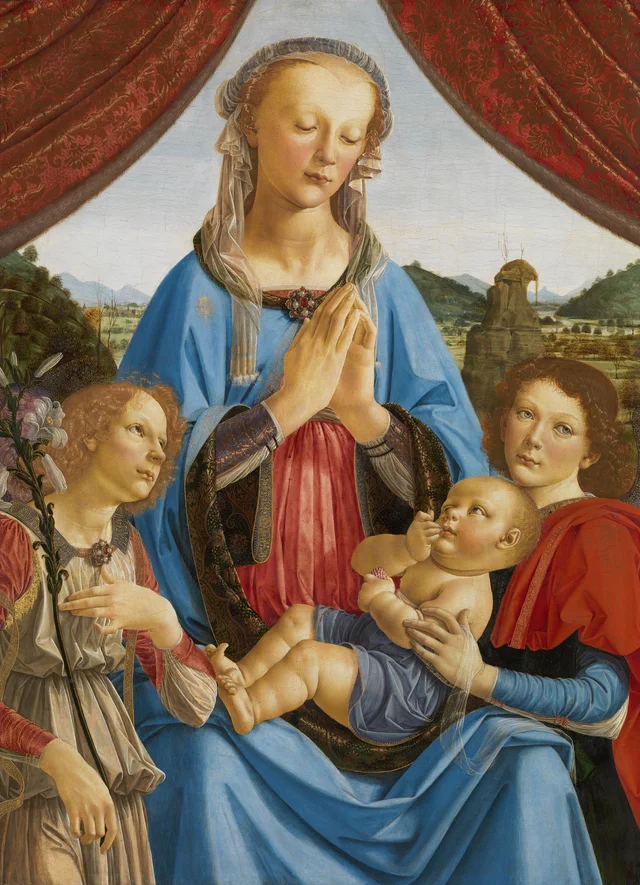 二天使を伴う聖母子アンドレア・デル・ヴェロッキオ, 1476
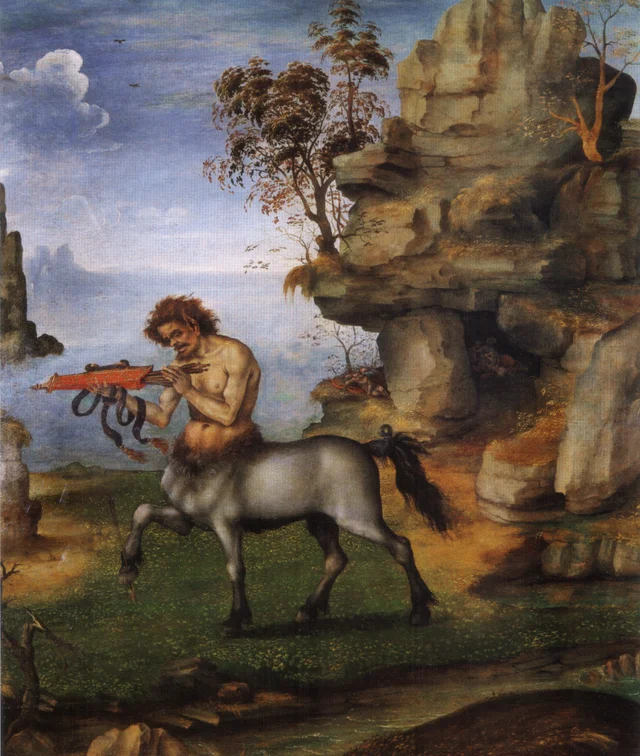 傷ついたケンタウロス(裏面:「ヴィーナスの誕生」?)フィリッピーノ・リッピ, 1495
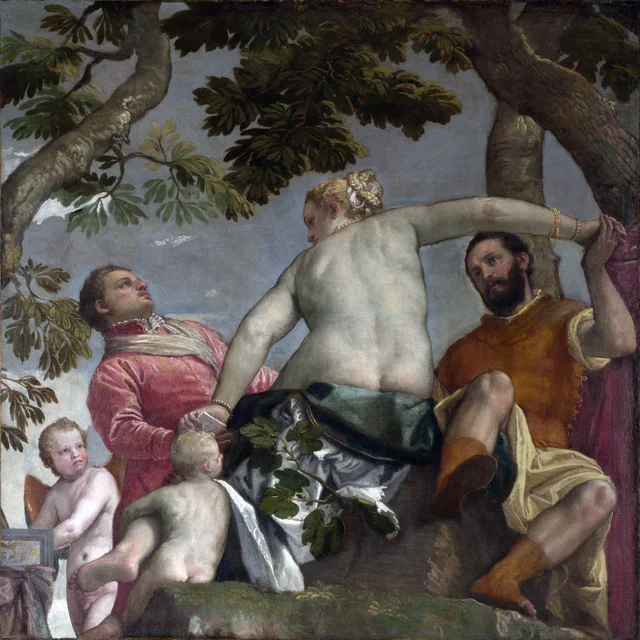 不誠実パオロ・ヴェロネーゼ, 1575
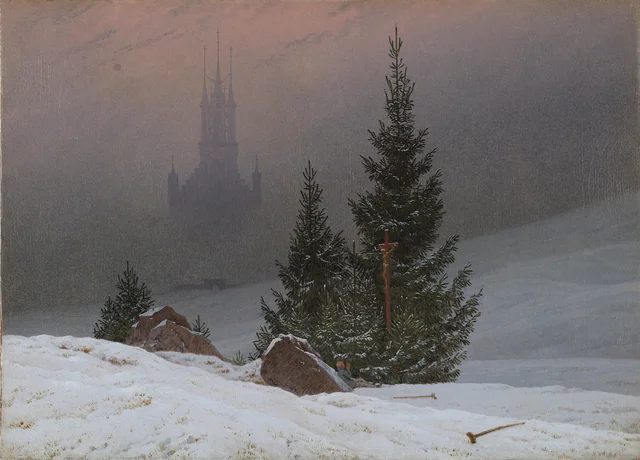 冬の風景カスパー・ダーヴィト・フリードリヒ, 1811
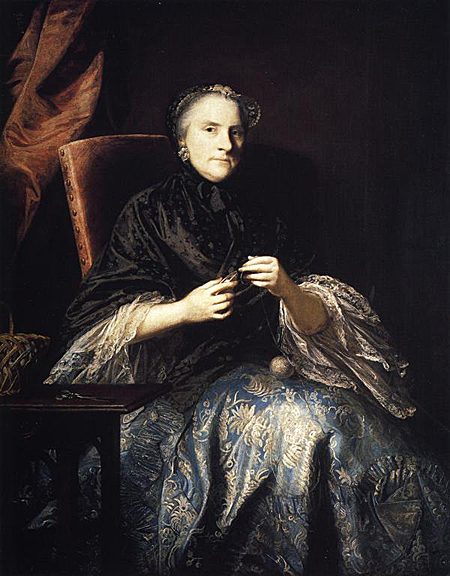 アン、第2代アルベマール伯爵夫人ジョシュア・レノルズ, 1760
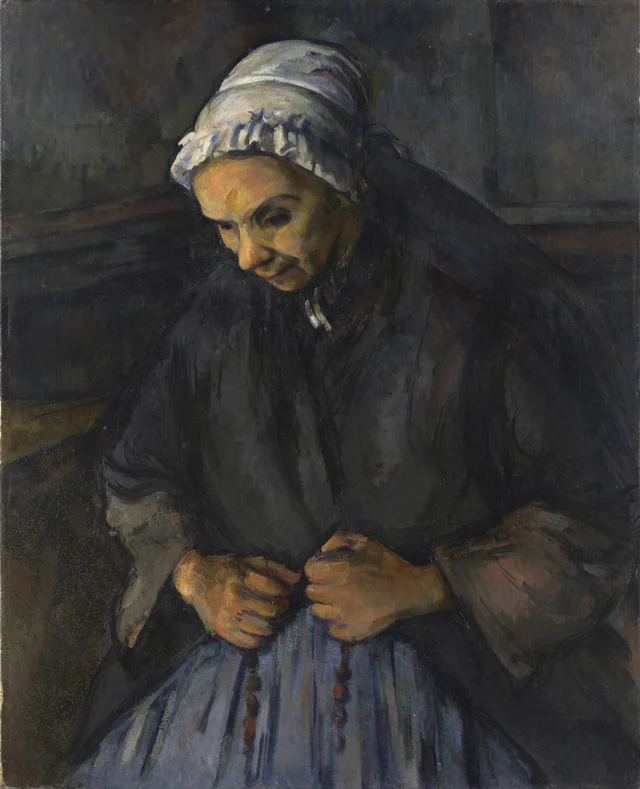 ロザリオを持つ老女ポール・セザンヌ, 1895
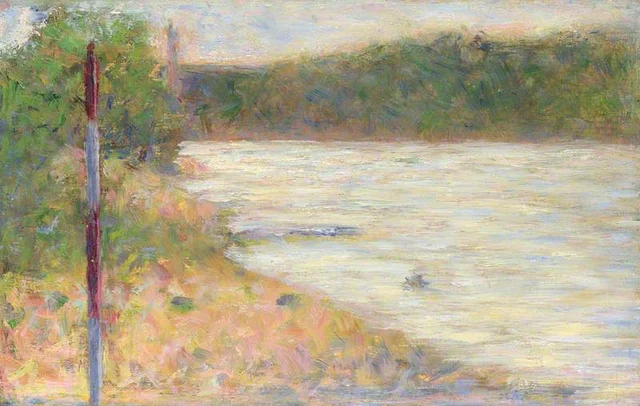 川岸(アニエールのセーヌ川)ジョルジュ・スーラ, 1883
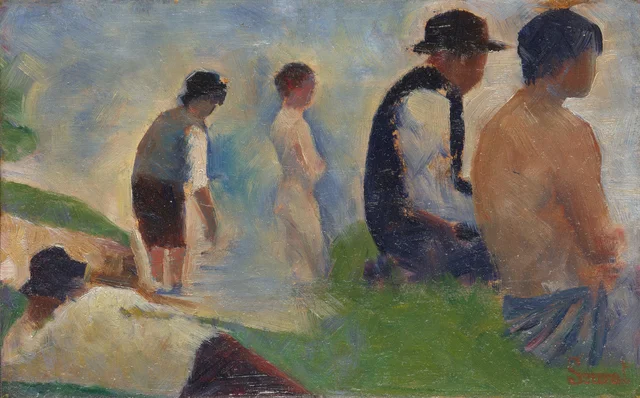 アニエールの水浴(習作II)ジョルジュ・スーラ, 1883
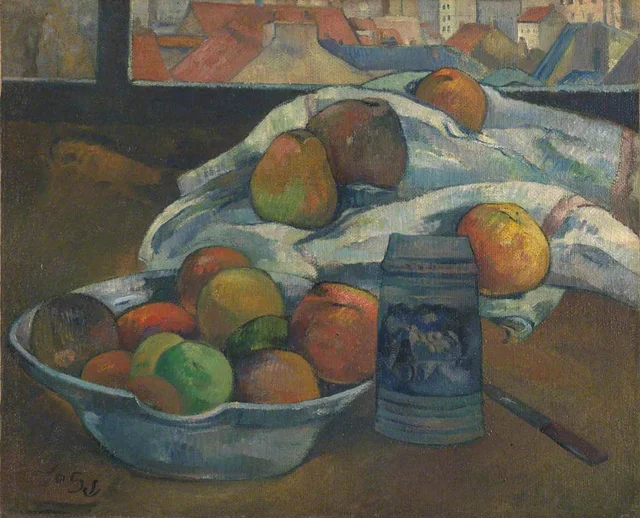 窓辺の果物鉢とタンカードポール・ゴーギャン, 1890
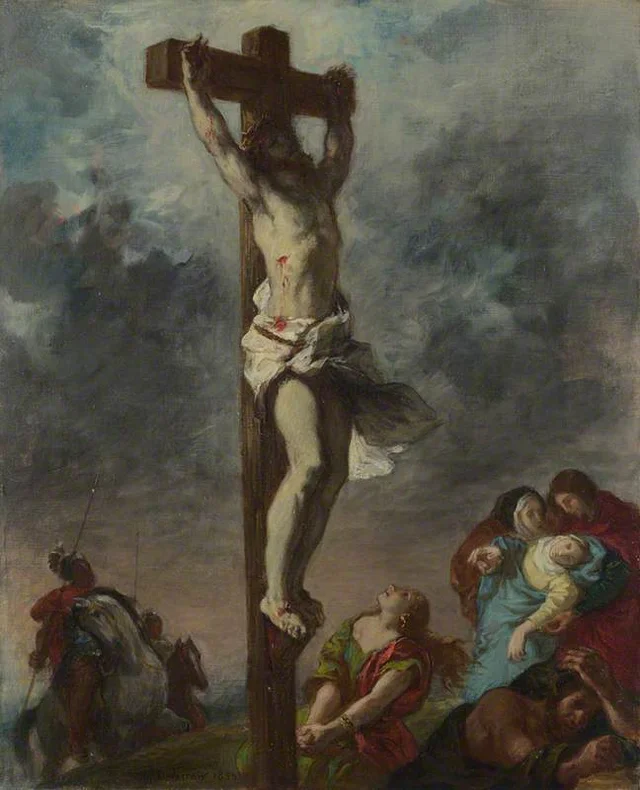 十字架上のキリストウジェーヌ・ドラクロワ, 1853
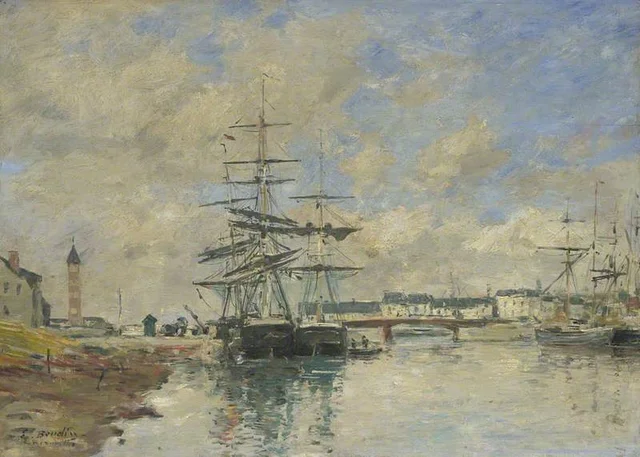 ドーヴィルの港ウジェーヌ・ブーダン, 1889
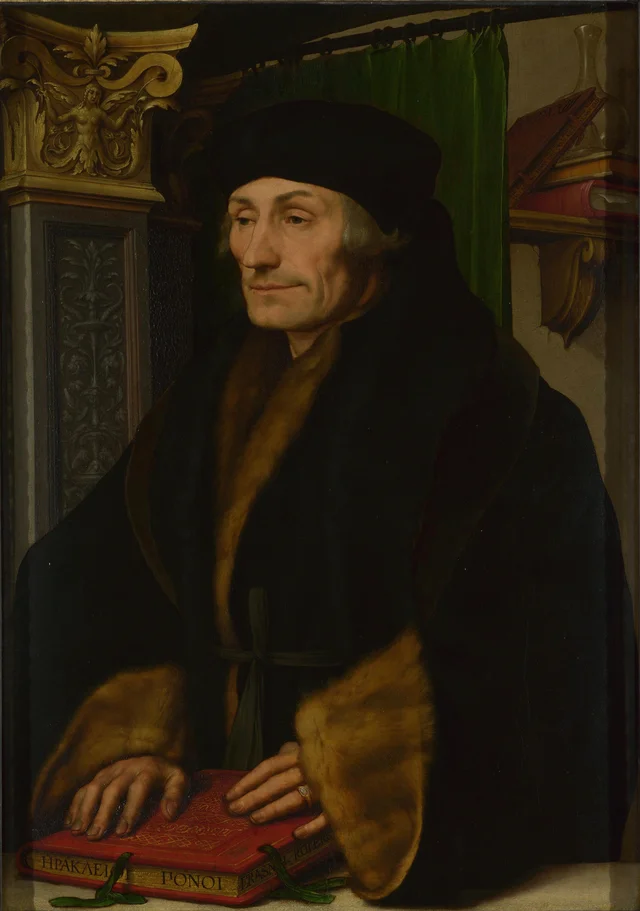 エラスムス小ハンス・ホルバイン, 1523
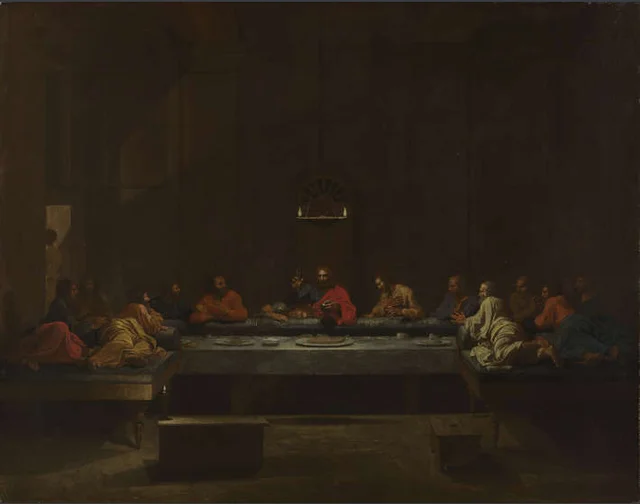 聖体の秘跡ニコラ・プッサン, 1638
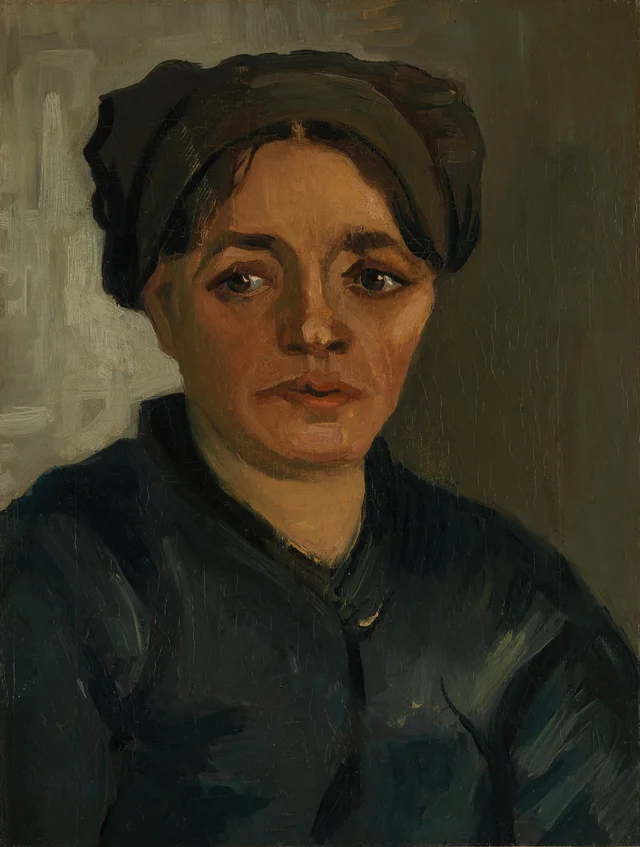 農婦の頭部フィンセント・ファン・ゴッホ, 1885
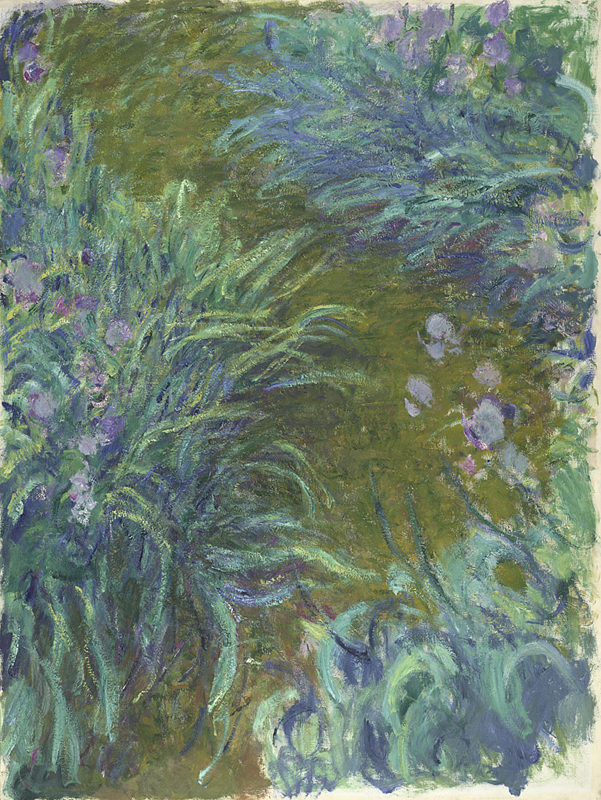 アイリスクロード・モネ, 1915
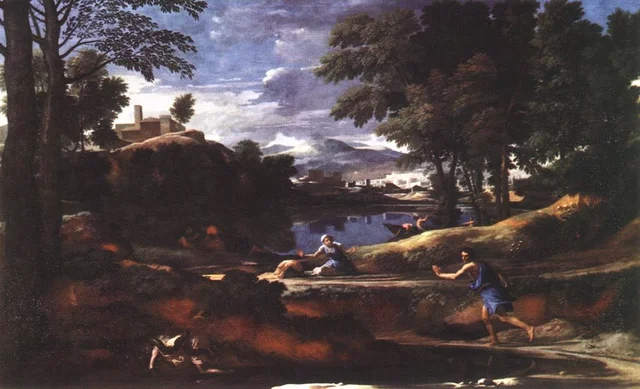 蛇に殺された男のいる風景ニコラ・プッサン, 1648
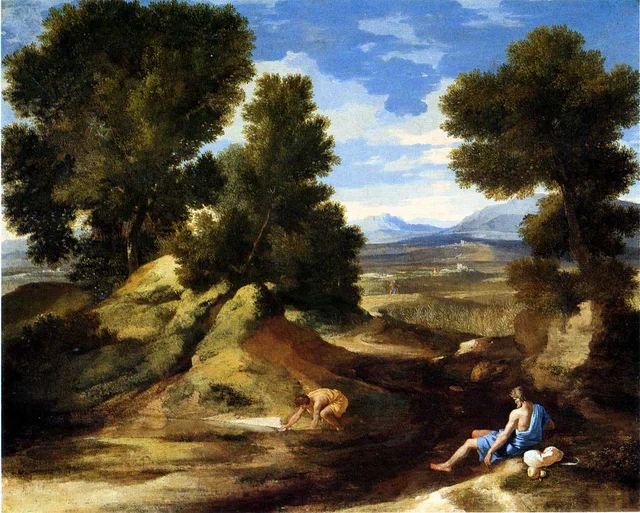 小川から水を汲む男のいる風景ニコラ・プッサン, 1637
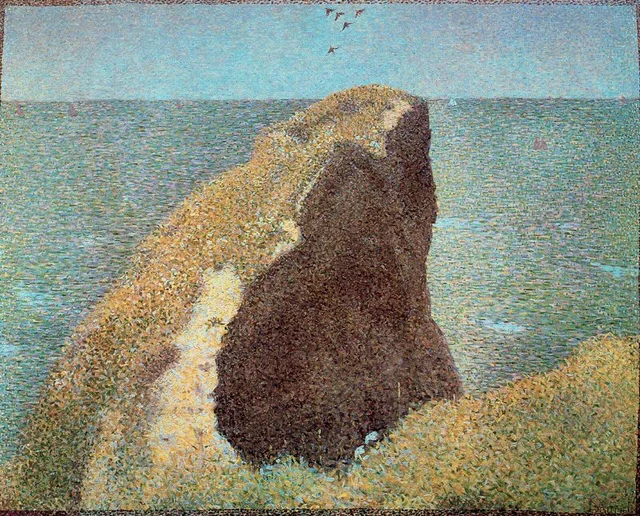 ル・ベック・デュ・オック、グランカンジョルジュ・スーラ, 1885
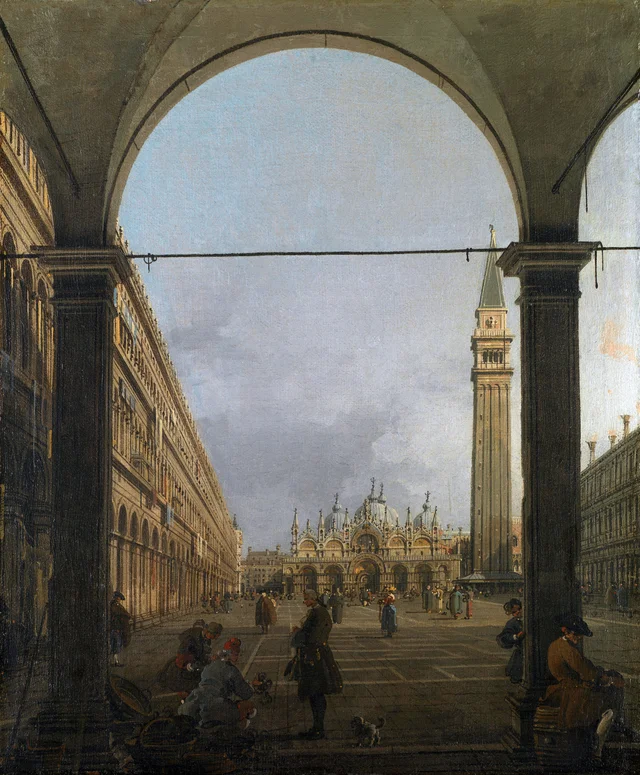 北西の隅から東を望むサン・マルコ広場カナレット, 1758
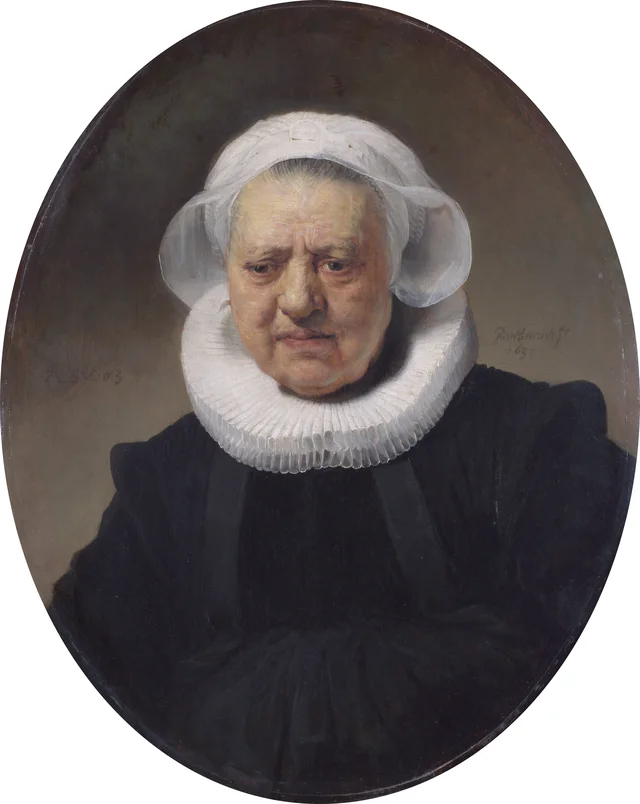 アーヒエ・クラースドホテルの肖像レンブラント, 1634