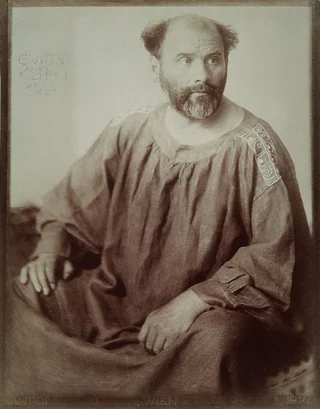
구스타프 클림트
1862–1918 · 오스트리아 제국 · 상징주의, 아르누보
이야기
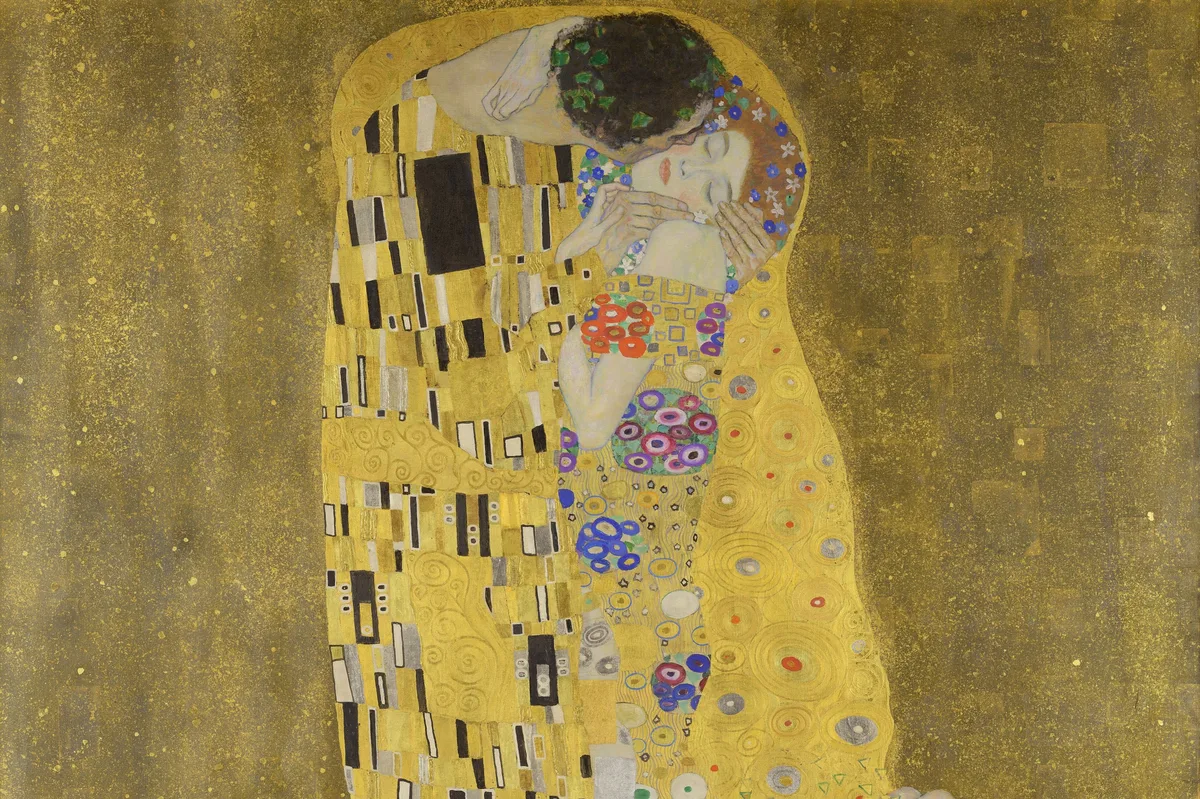
구스타프 클림트의 아버지는 빈에서 활동한 금세공사였고, 그 기술은 아들에게서도 사라지지 않았다. 1908년을 전후한 시기 클림트는 흔히 "황금기"라 불리는 시절을 보내며, 마치 중세 성화 제작자처럼 얇은 금박을 그림에 실제로 눌러 붙여, <키스> 같은 작품이 빛이 움직일 때마다 반짝이도록 만들었다. 두 연인이 하나의 금빛 망토에 감싸인 채 무릎을 꿇고 있는데, 남자의 옷자락은 각진 사각형 무늬로, 여자의 옷자락은 부드러운 원형 무늬로 장식되어 있으며, 전체 구도는 꽃이 핀 절벽 끝에서 아슬아슬하게 균형을 이룬다.
그 무렵 클림트는 빈에서 가장 유명하면서도 가장 논란이 많은 예술가였다. 1897년 그는 젊은 예술가 그룹과 함께 빈의 보수적인 미술 기득권층에서 벗어나 분리파를 창설했다. 독자적인 전시관과 "시대에는 그 시대의 예술을"이라는 모토를 내건 새로운 예술가 단체였다. 클림트는 그 초대 회장을 맡았다. 빈 대학 천장화를 의뢰받았을 때, 그가 완성해 온 원초적이고 성적이며 비관적인 이미지에 학교 교수단은 크게 동요해 작품 게시를 거부했고, 클림트는 그림을 수정하는 대신 직접 되사들였다.
그는 1862년 종종 형편이 어려웠던 가정의 일곱 남매 중 둘째로 태어났다. 그는 자신의 그림을 거의 설명하지 않았고 인터뷰에도 거의 응하지 않았으며, 방대한 양의 에로틱한 소묘를 남겼다. 그는 1918년 초 빈에서 뇌졸중으로 세상을 떠났고, 이젤 위에는 몇 점의 미완성 캔버스가 남아 있었다.
다른 아티클
작품
작품 120점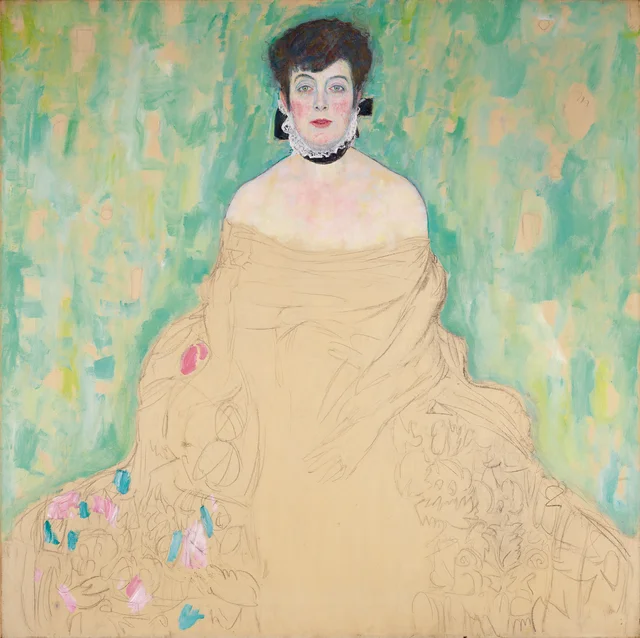 아말리에 추커칸들의 초상구스타프 클림트, 1917
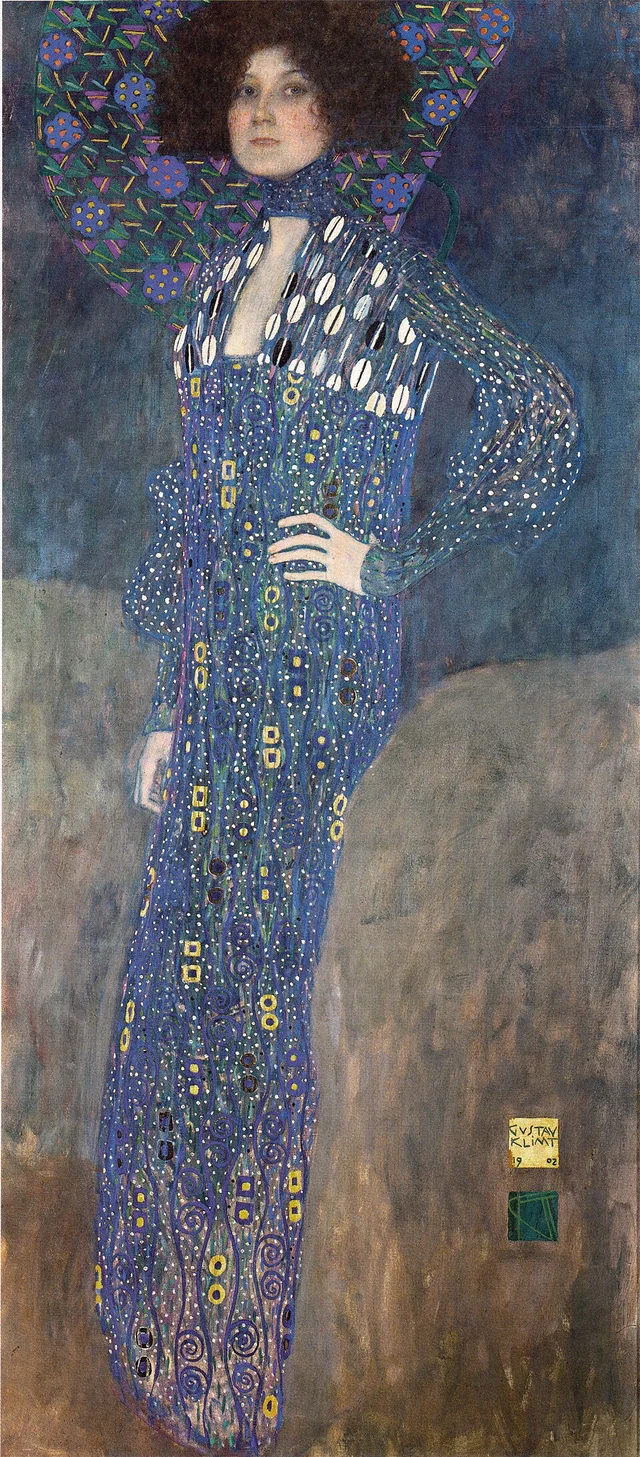 에밀리 플뢰게의 초상구스타프 클림트, 1902
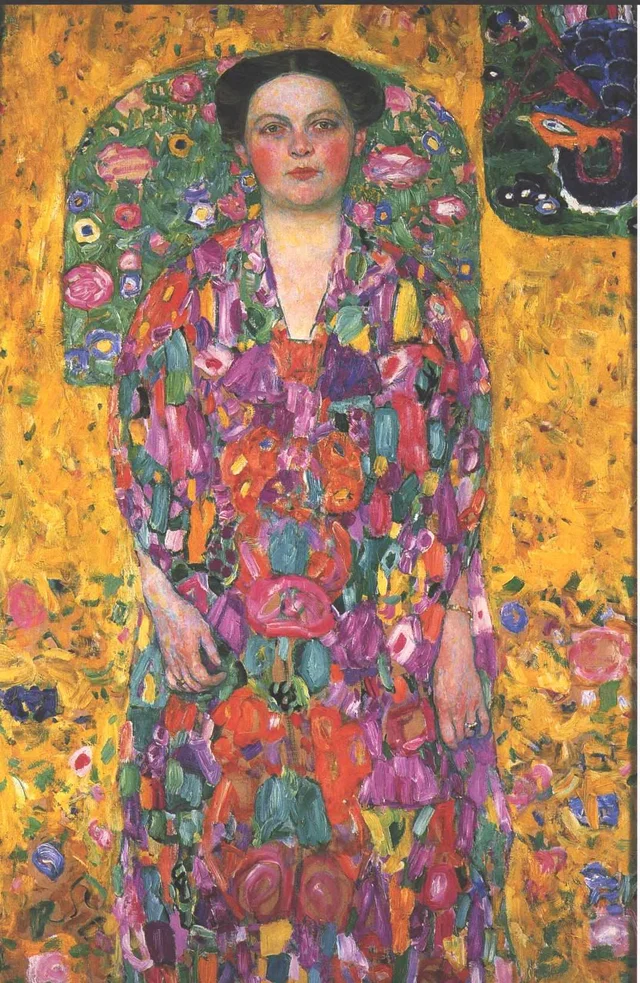 오이게니아 프리마베지의 초상구스타프 클림트, 1913
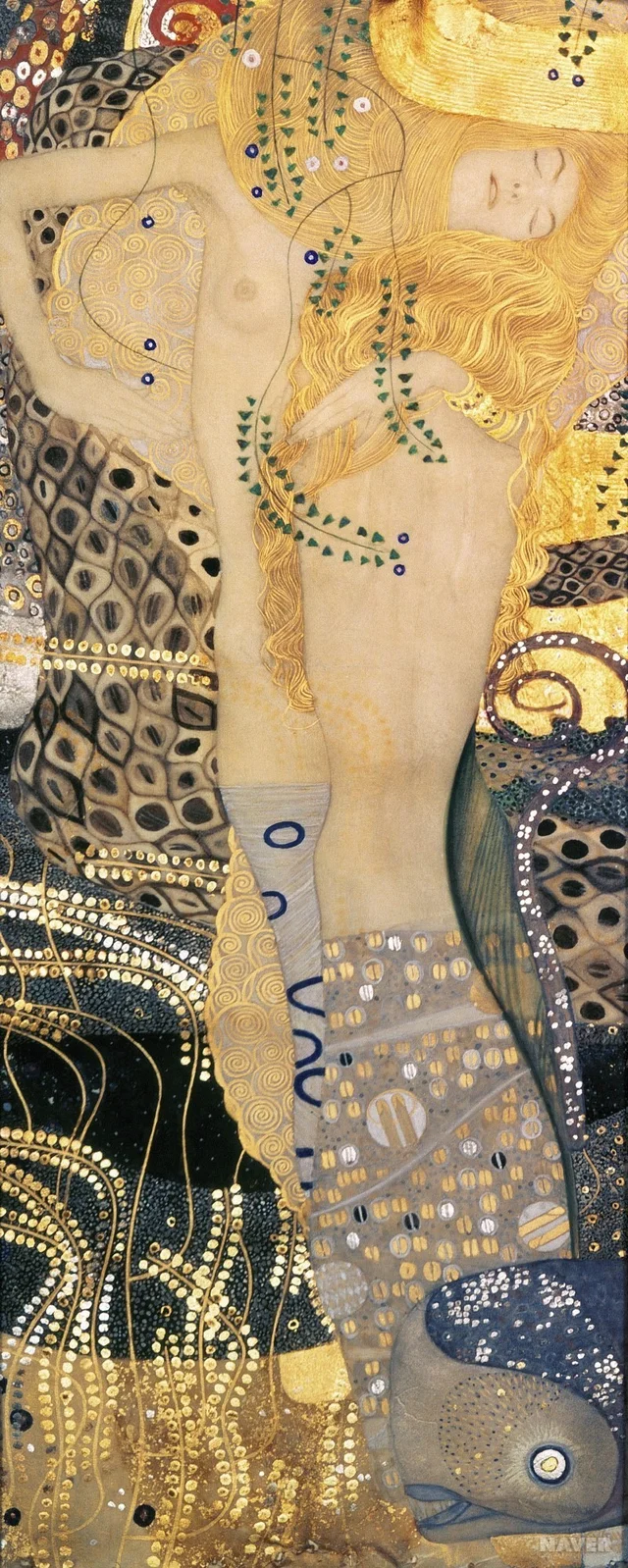 히드라구스타프 클림트, 1906
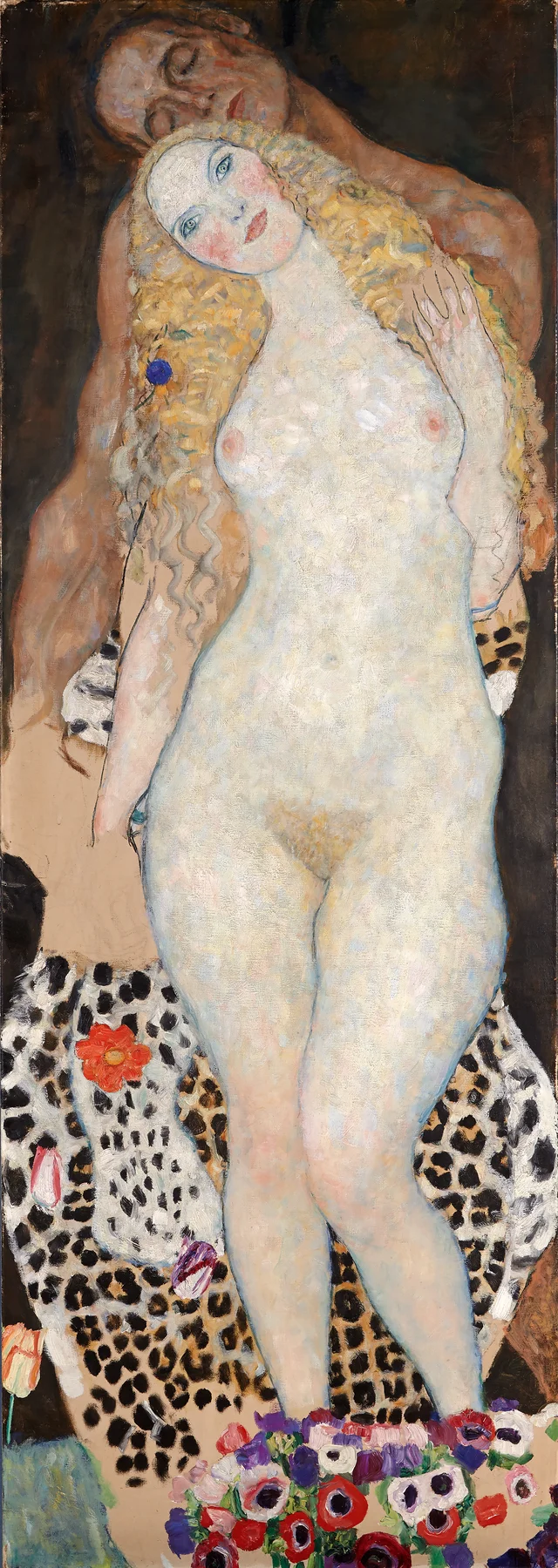 아담과 이브구스타프 클림트, 1917
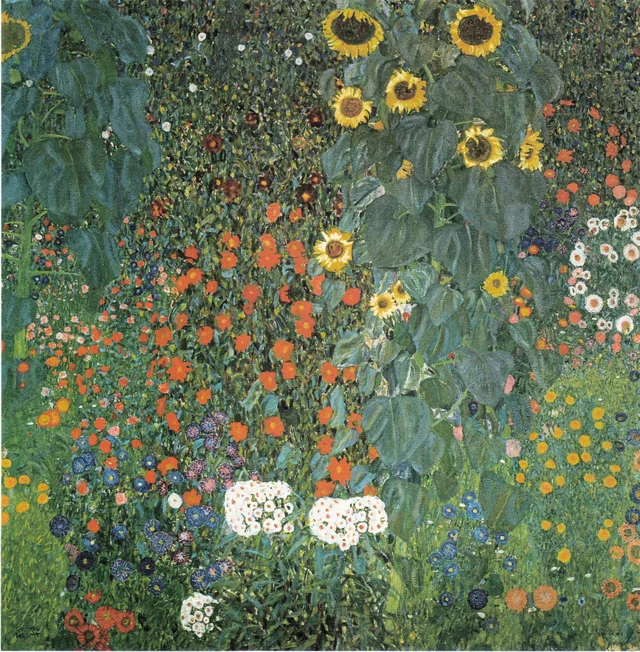 해바라기가 있는 농가 정원구스타프 클림트, 1907
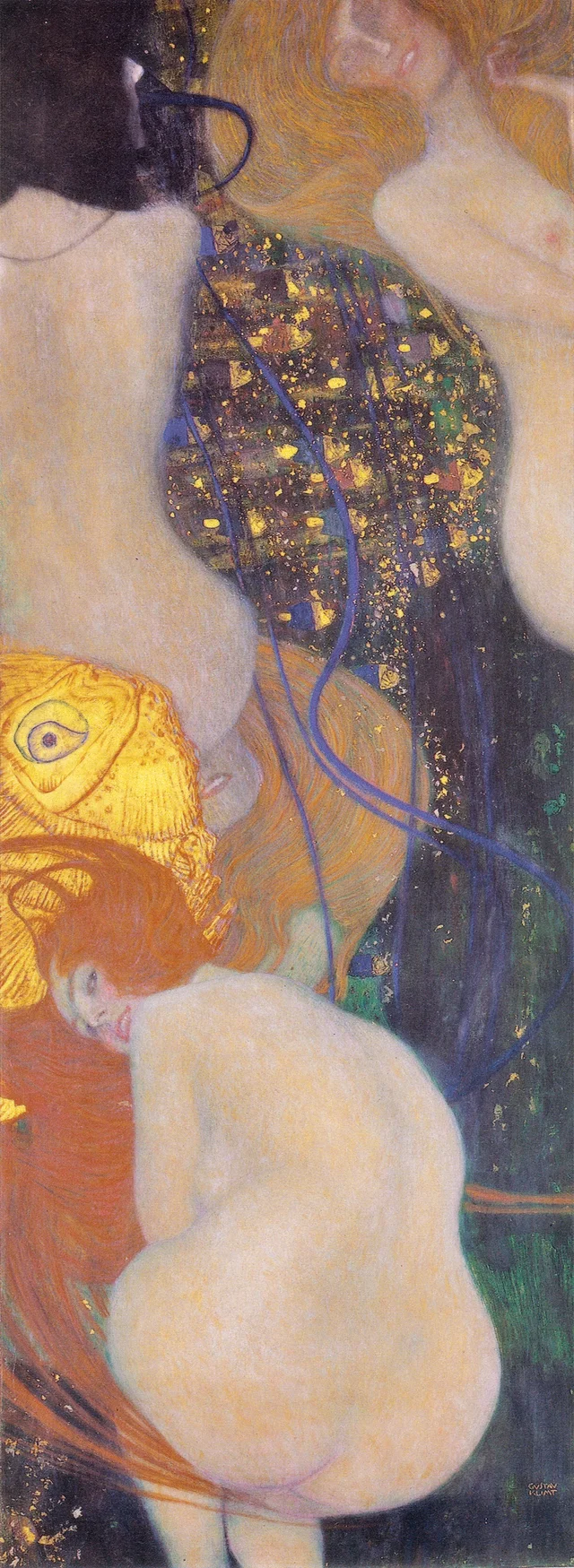 금붕어구스타프 클림트, 1902
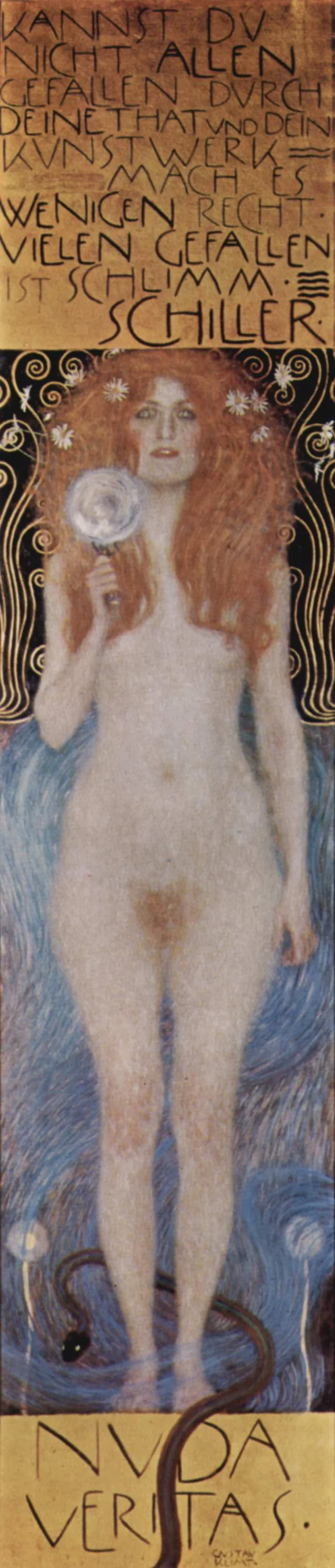 누다 베리타스구스타프 클림트, 1899
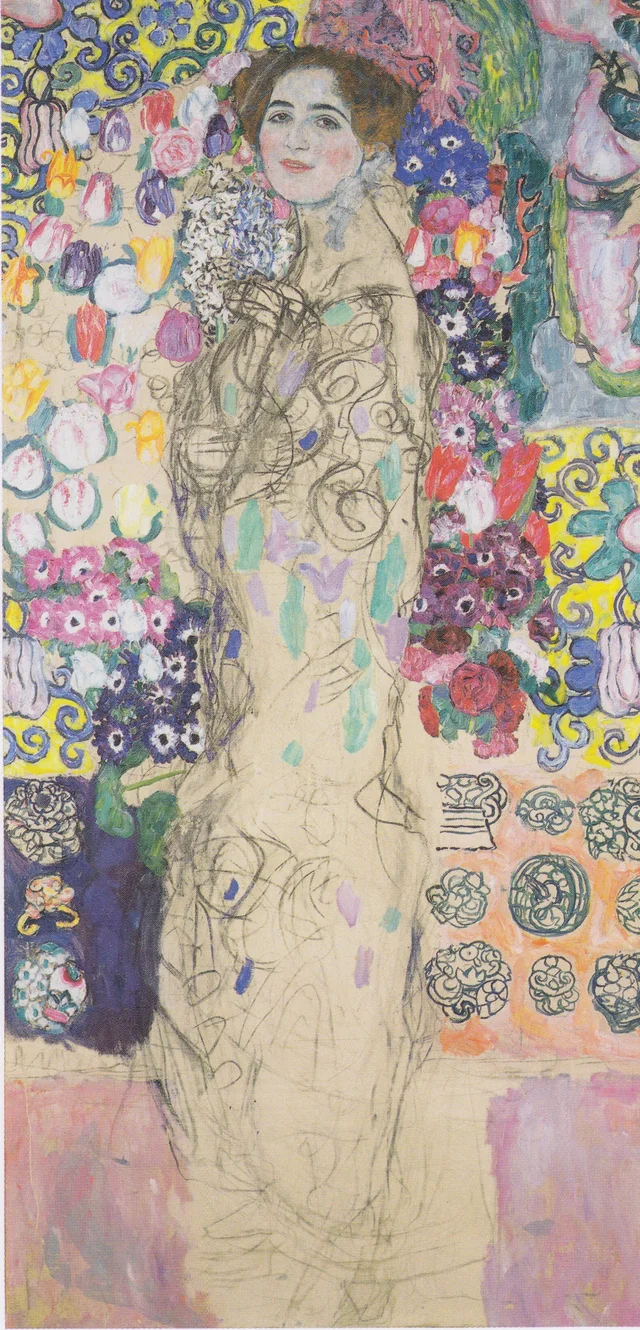 리아 뭉크 3세의 초상구스타프 클림트, 1917
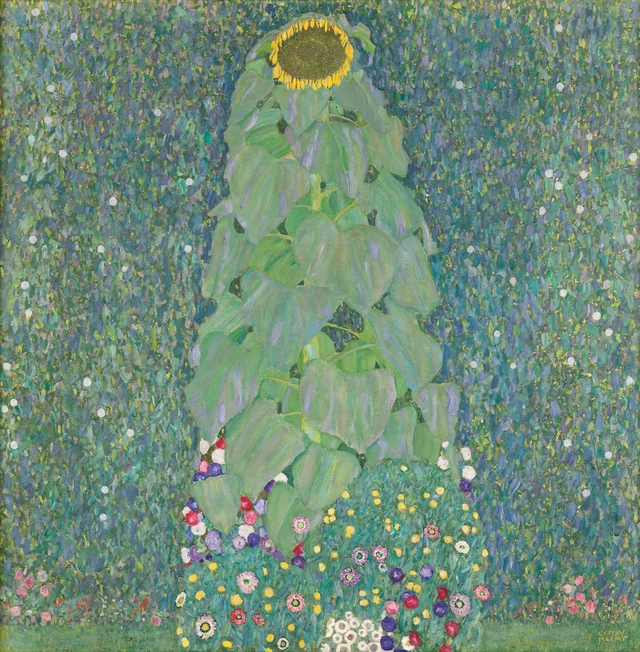 해바라기구스타프 클림트, 1907
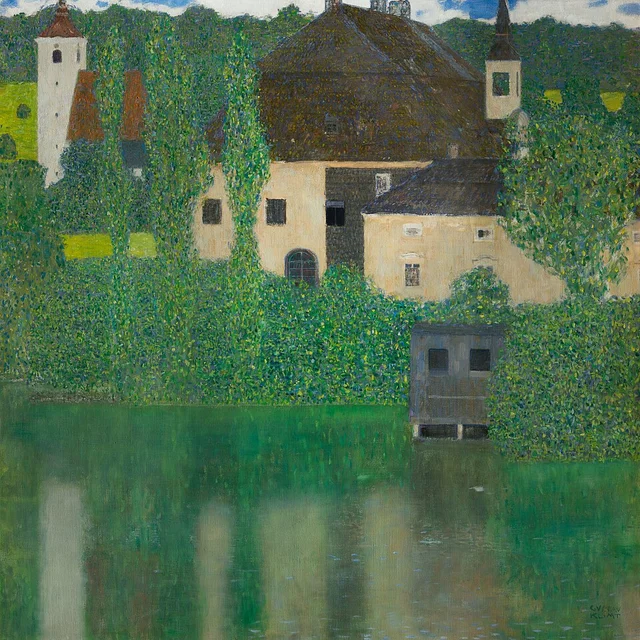 물가의 성구스타프 클림트, 1908
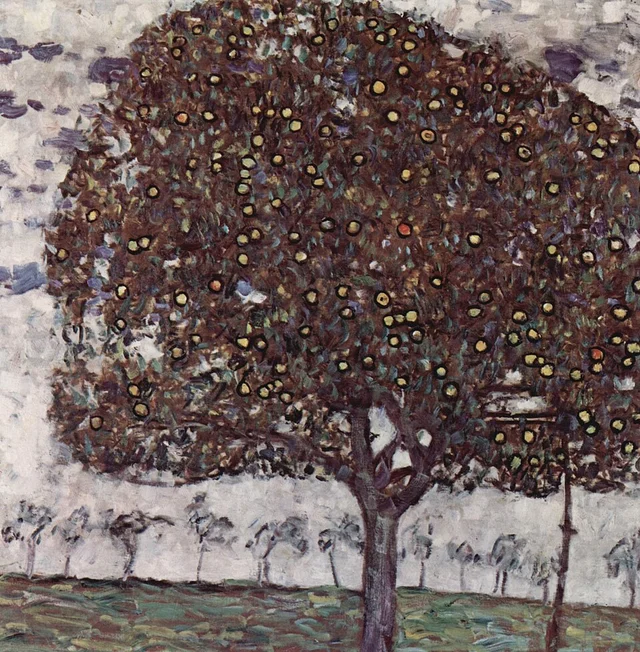 사과나무 II구스타프 클림트, 1916
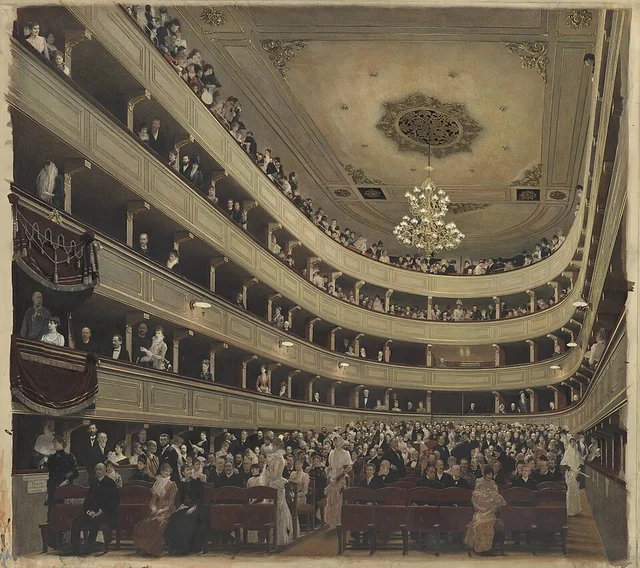 옛 부르크 극장의 관객석구스타프 클림트, 1888
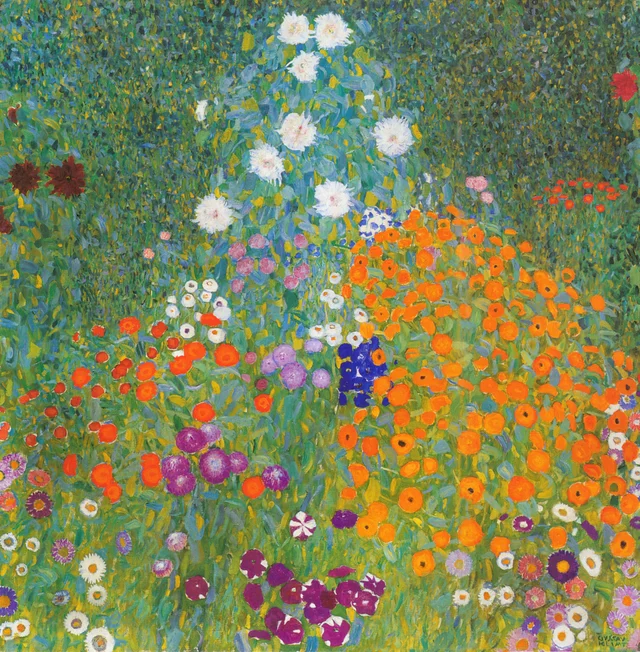 농가의 정원구스타프 클림트, 1905
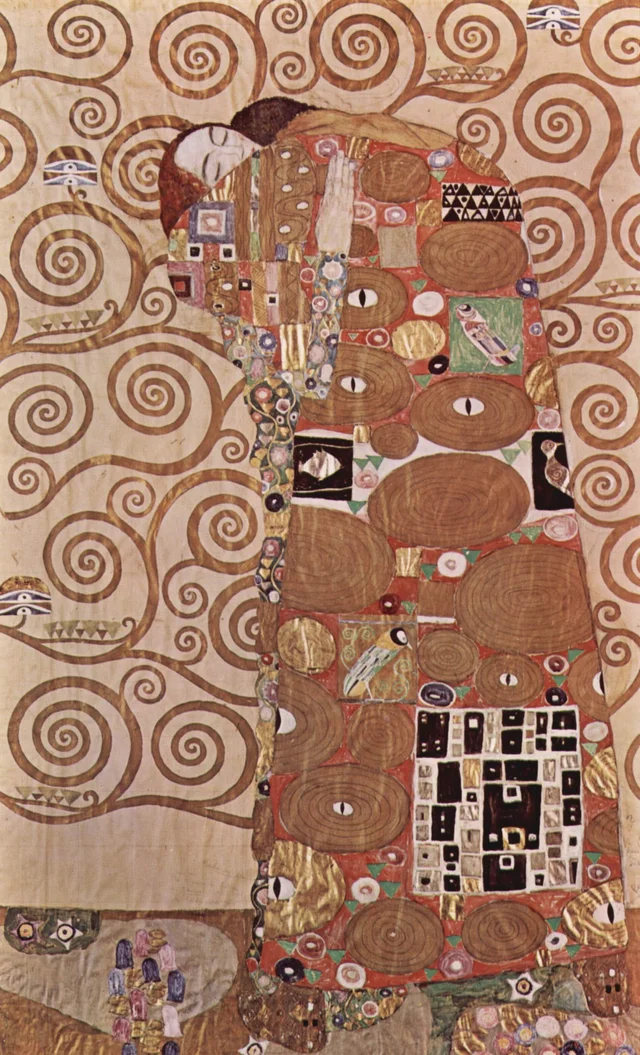 성취구스타프 클림트, 1907
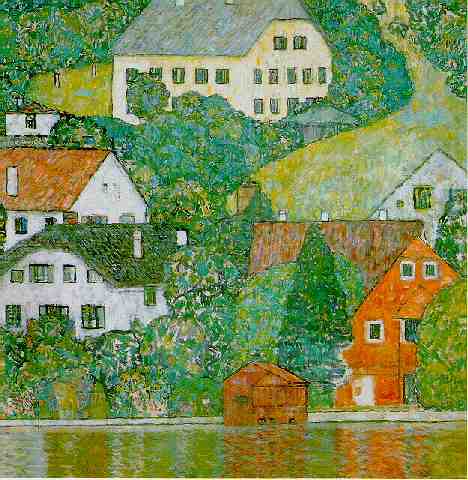 아터 호숫가 운터아흐의 집들구스타프 클림트, 1916
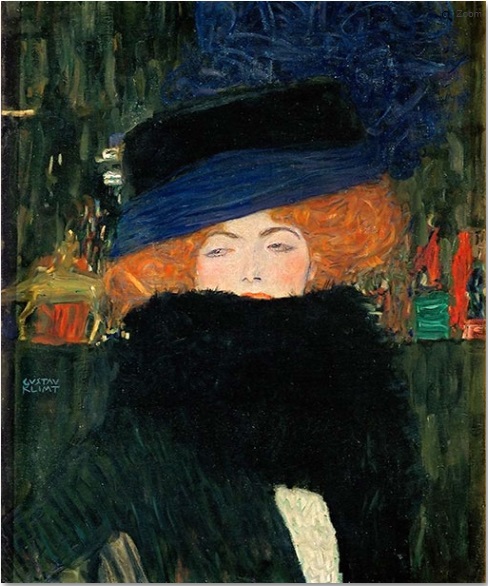 모자와 깃털 보아를 두른 여인구스타프 클림트, 1910
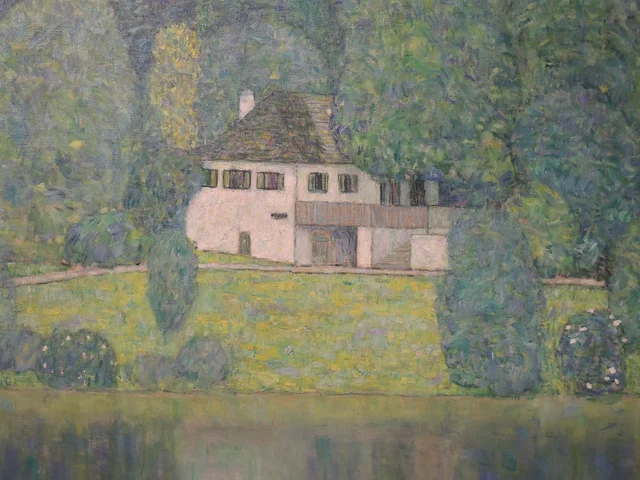 리츨베르크켈러구스타프 클림트, 1916
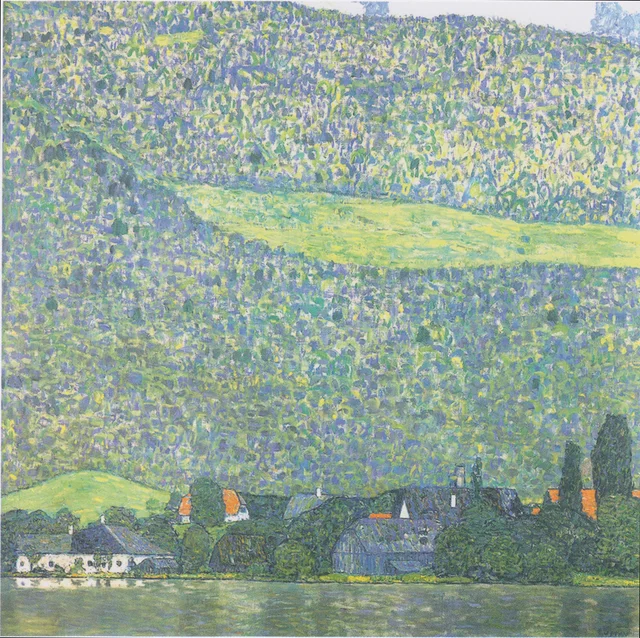 아터 호수의 리츨베르크구스타프 클림트, 1914
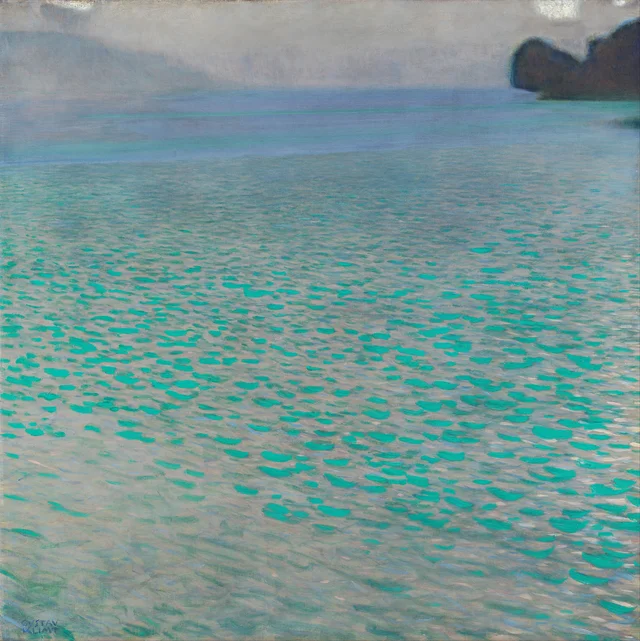 아터 호수에서구스타프 클림트, 1900
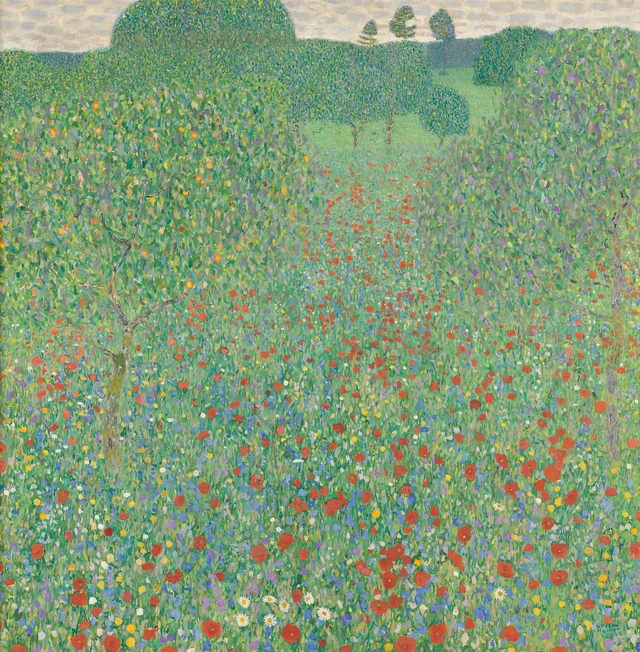 양귀비 밭 (모른펠트)구스타프 클림트, 1907
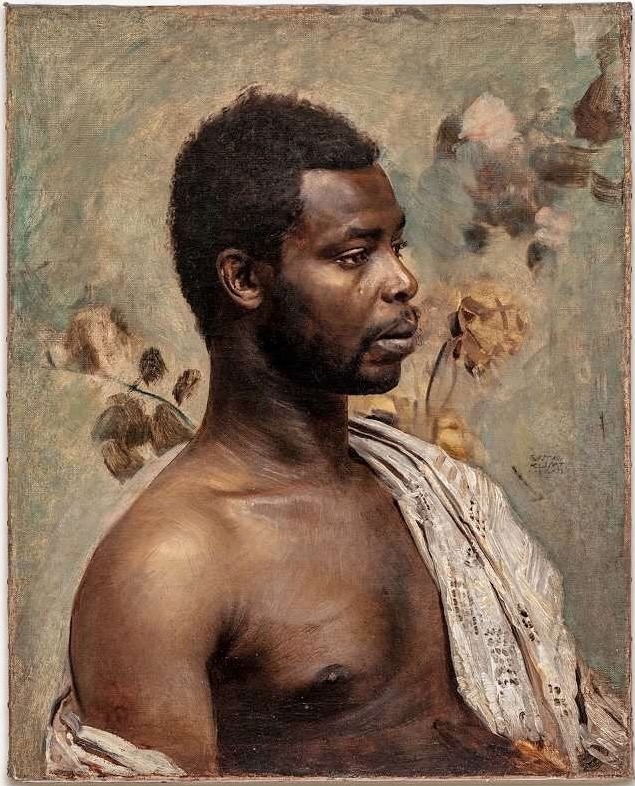 윌리엄 니이 노르테이 도우오나 왕자의 초상구스타프 클림트, 1897
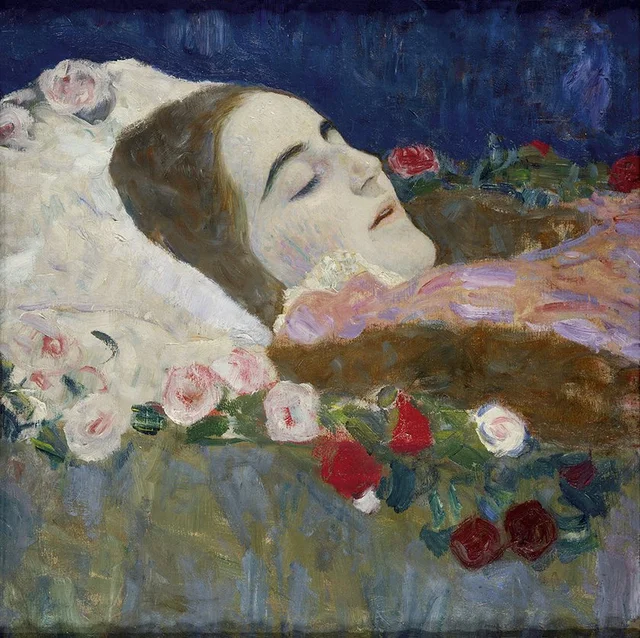 임종하는 리아 뭉크구스타프 클림트, 1912
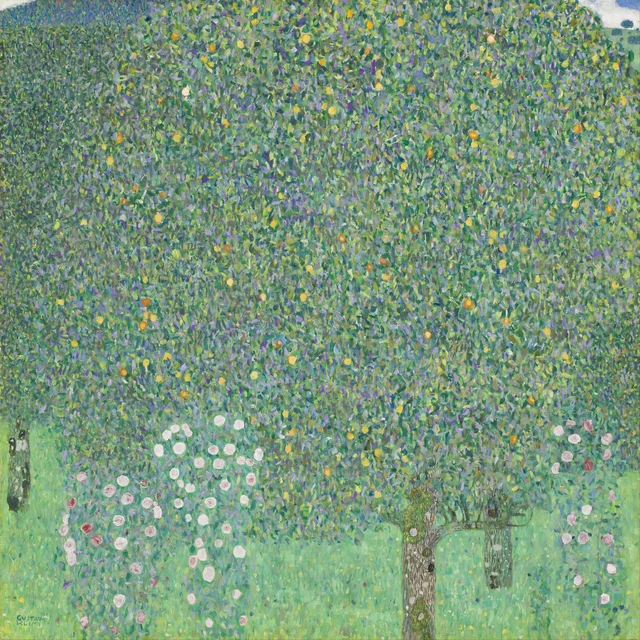 나무 아래 장미 덤불구스타프 클림트, 1905
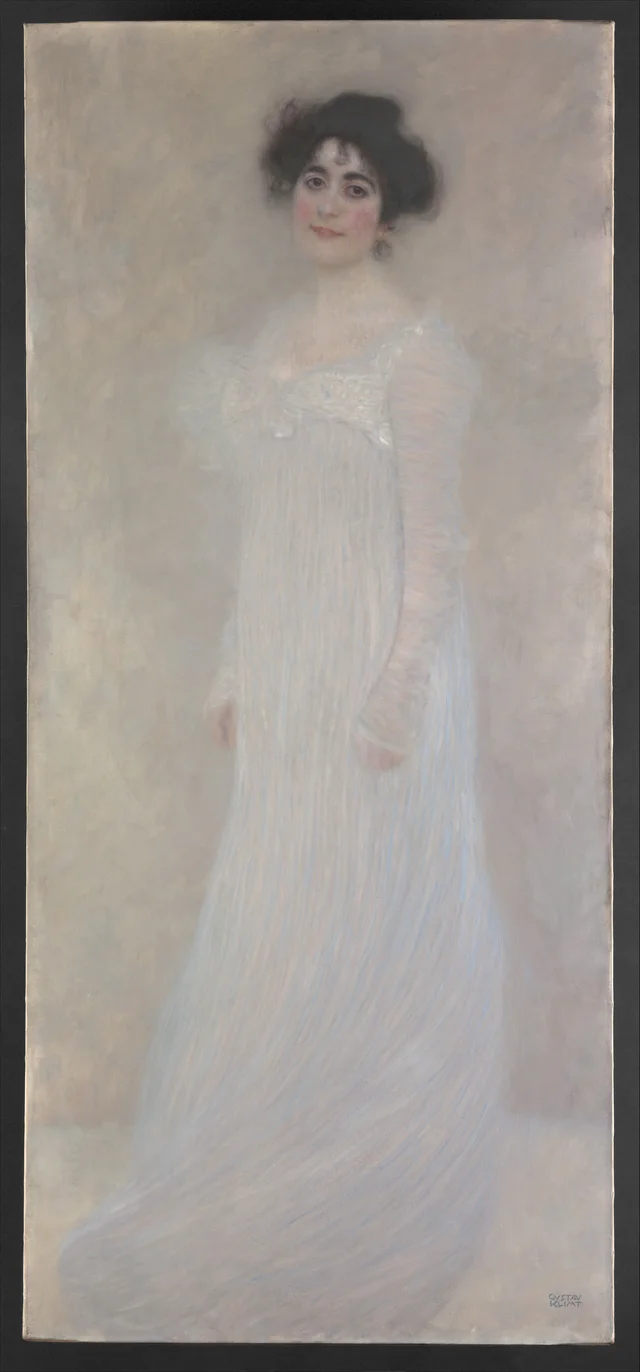 세레나 퓰리처 레더러(1867-1943)구스타프 클림트, 1899