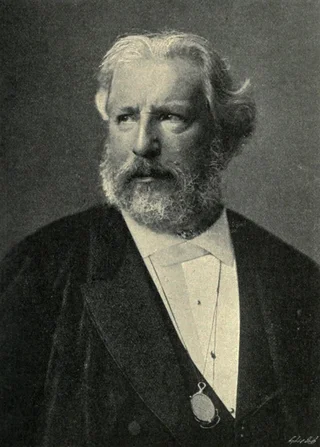
윌리암아돌프 부그로
1825–1905 · 프랑스 · 아카데미 미술
이야기
1870년대에 이르러 부그로는 프랑스에서 가장 성공한 화가라 할 만했다. 살롱의 붙박이였던 그는 매끄럽고 고전적으로 마무리한 누드화와 신화 장면을 엄청난 값에 팔아 큰 부를 쌓았다. 그는 살롱에 무엇을 걸 수 있는지 심사하는 심사위원단에도 앉아, 아카데미 기득권 대다수와 함께 그 자리를 이용해 인상주의자들을 배제했다.
인상주의자들도 경멸로 되갚았다. 드가와 그 무리는 지나치게 매끈하고 인위적이라 여긴 그림을 두고 '부그로풍(Bouguereauté)'이라는 말을 지어냈는데, 물감이 실제로 어떻게 움직이는지에 대해 정직하지 못한, 반들반들 핥은 듯한 마감을 가리키는 조롱이었다. 부그로는 그림이 붓질을 완전히 감추고 살결의 환영을 최대한 설득력 있게 보여줘야 한다는 자신의 신념을 끝내 굽히지 않았다. 그는 또한 여성을 받아들인 몇 안 되는 파리 화실 가운데 하나인 아카데미 쥘리앙에서 수십 년간 가르쳤고, 대다수 아카데미가 여성의 인체 드로잉 수업 참여를 노골적으로 거부하던 시절에 그들의 참여를 밀어붙였다.
1905년 그가 죽고 20년이 채 안 되어 그의 명성은 거의 완전히 무너졌고, 20세기 대부분 동안 미술관들은 그의 그림을 지나치게 감상적이고 지나치게 매끈해 진지하게 볼 수 없다며 지하 수장고에 넣어두었다. 여러 세대 만에 처음 열린 대규모 회고전인 1984년 파리 프티 팔레 전시가 대개 그에 대한 관심을 되살린 계기로 꼽히며, 오늘날 그의 그림은 경매에서 수백만 달러에 팔린다.
작품
작품 85점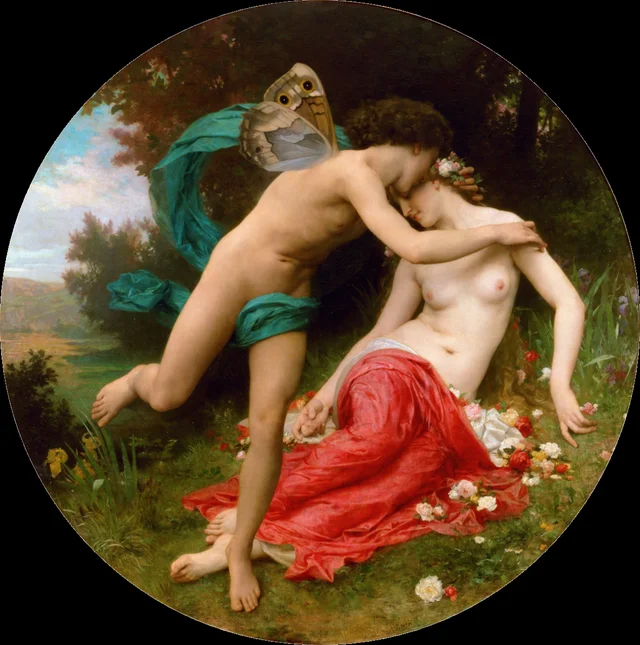 플로라와 제피로스윌리암아돌프 부그로, 1875
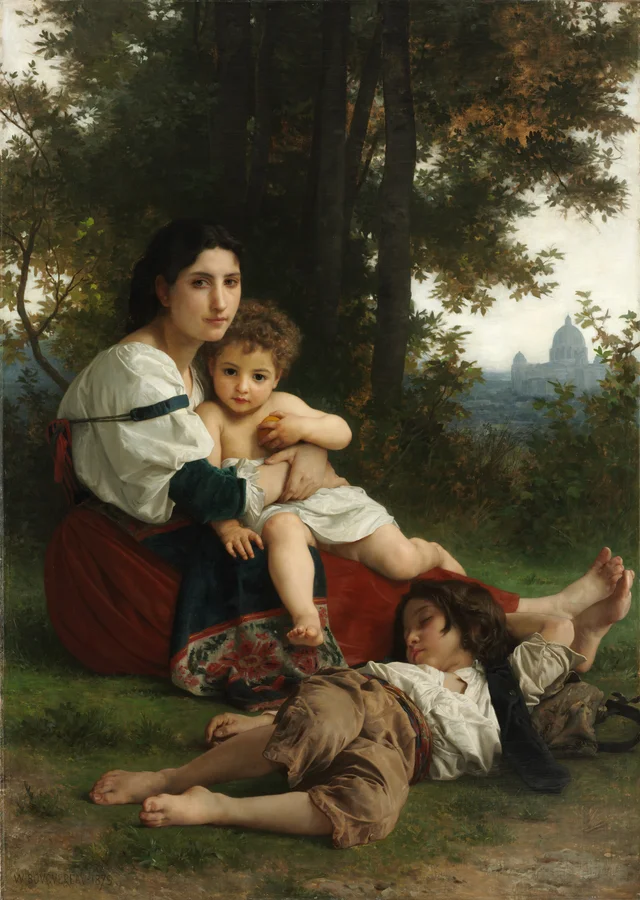 휴식윌리암아돌프 부그로, 1879
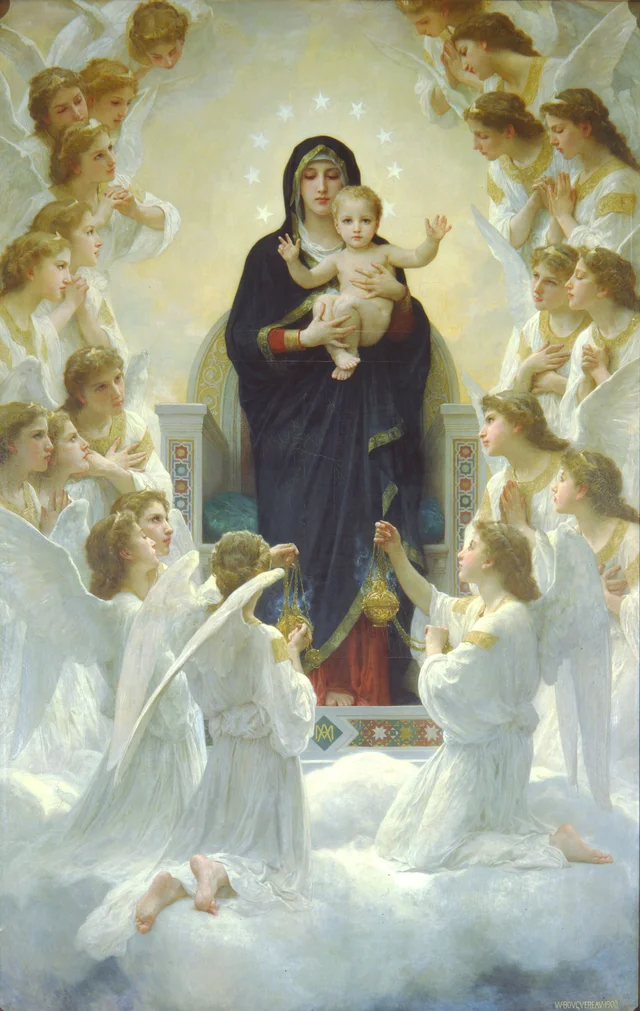 천사들과 함께한 성모윌리암아돌프 부그로, 1900
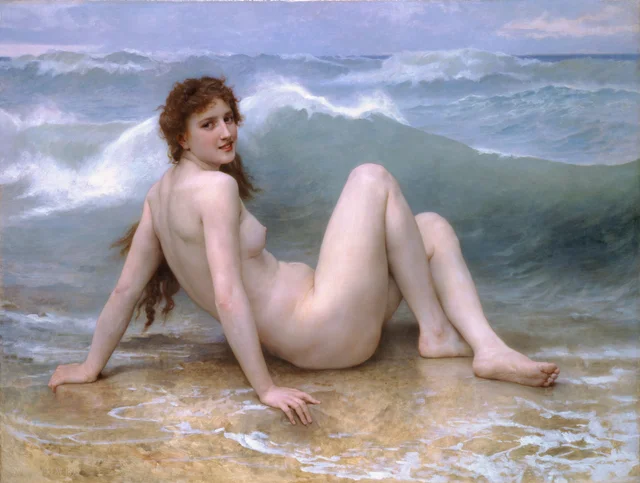 파도윌리암아돌프 부그로, 1896
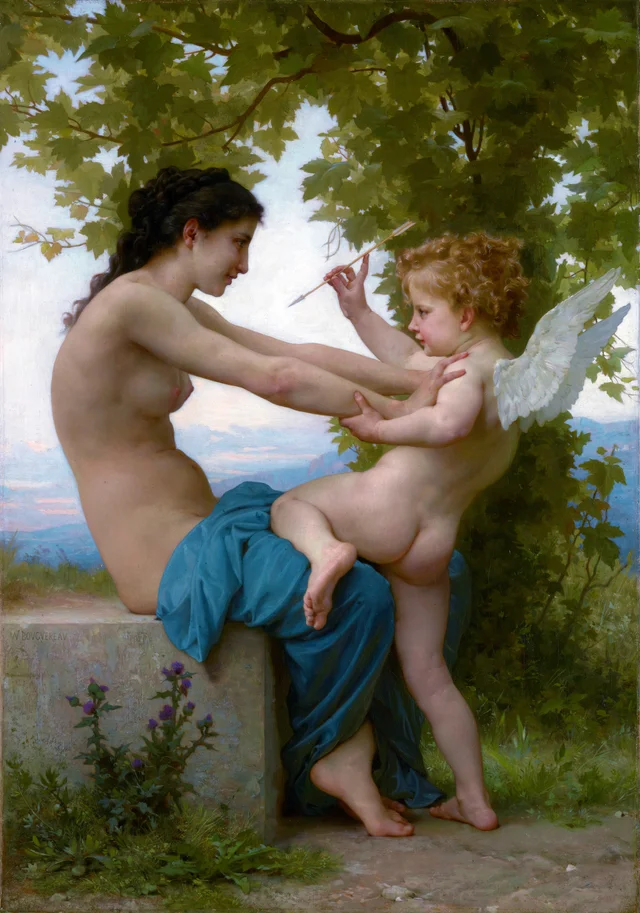 에로스에 맞서는 소녀윌리암아돌프 부그로, 1880
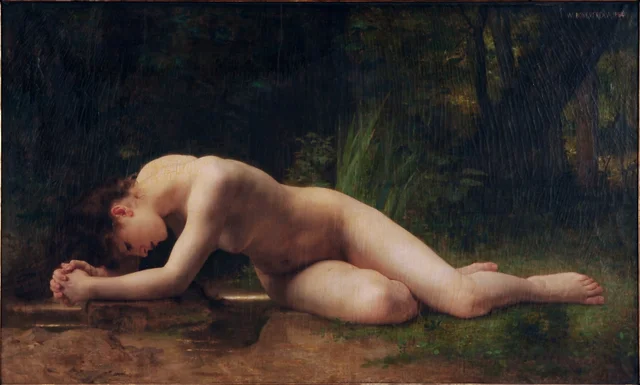 비블리스윌리암아돌프 부그로, 1884
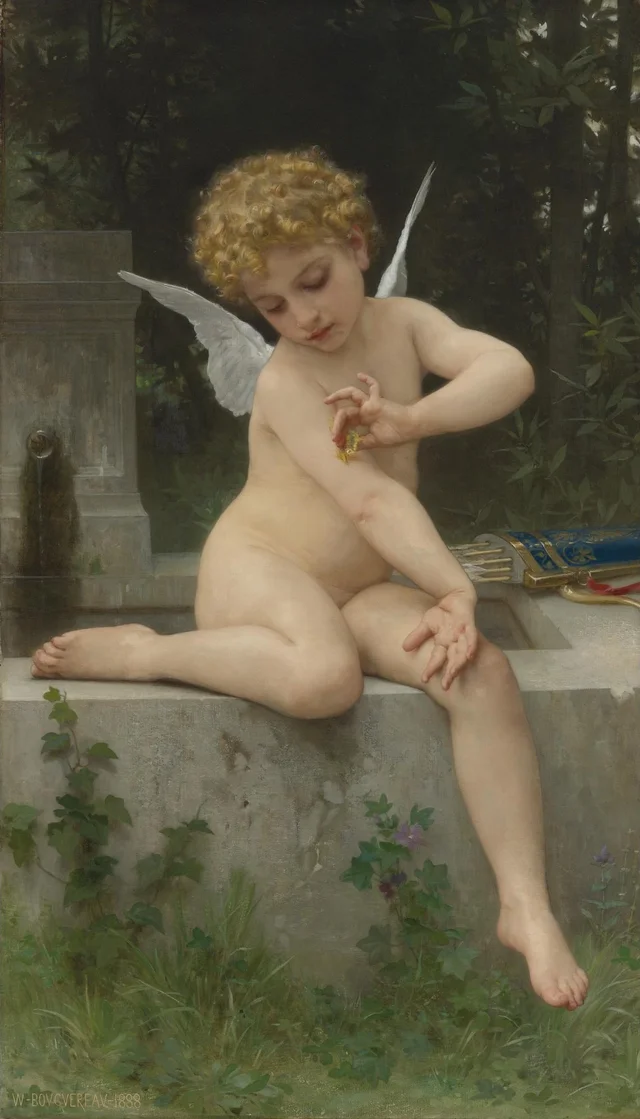 나비를 든 큐피드윌리암아돌프 부그로, 1888
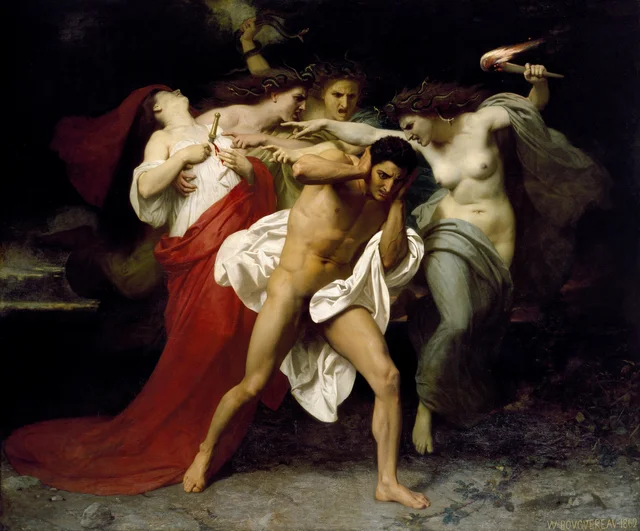 복수의 여신들에게 쫓기는 오레스테스윌리암아돌프 부그로, 1862
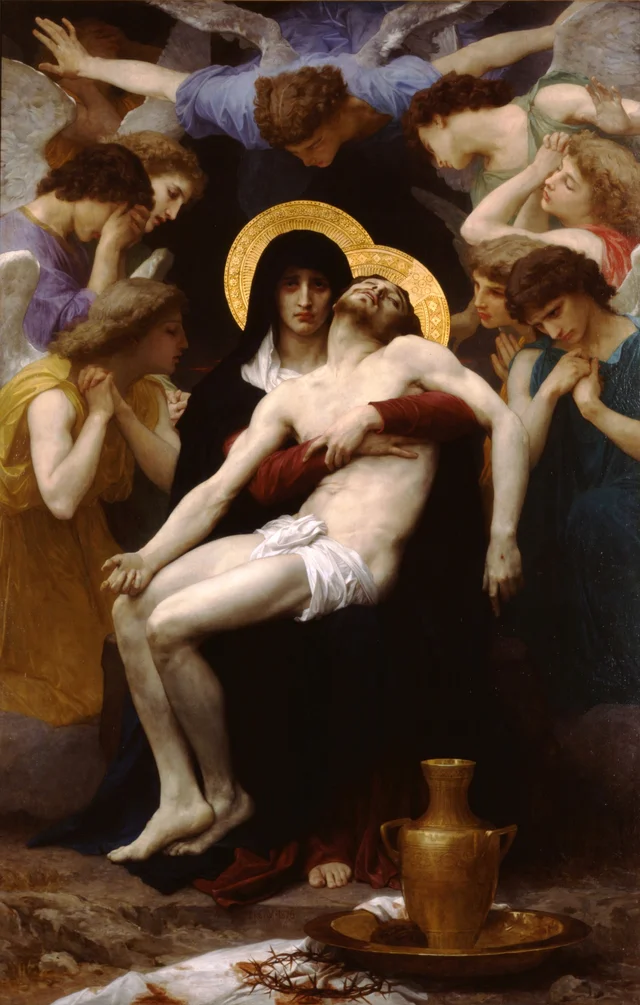 피에타윌리암아돌프 부그로, 1876
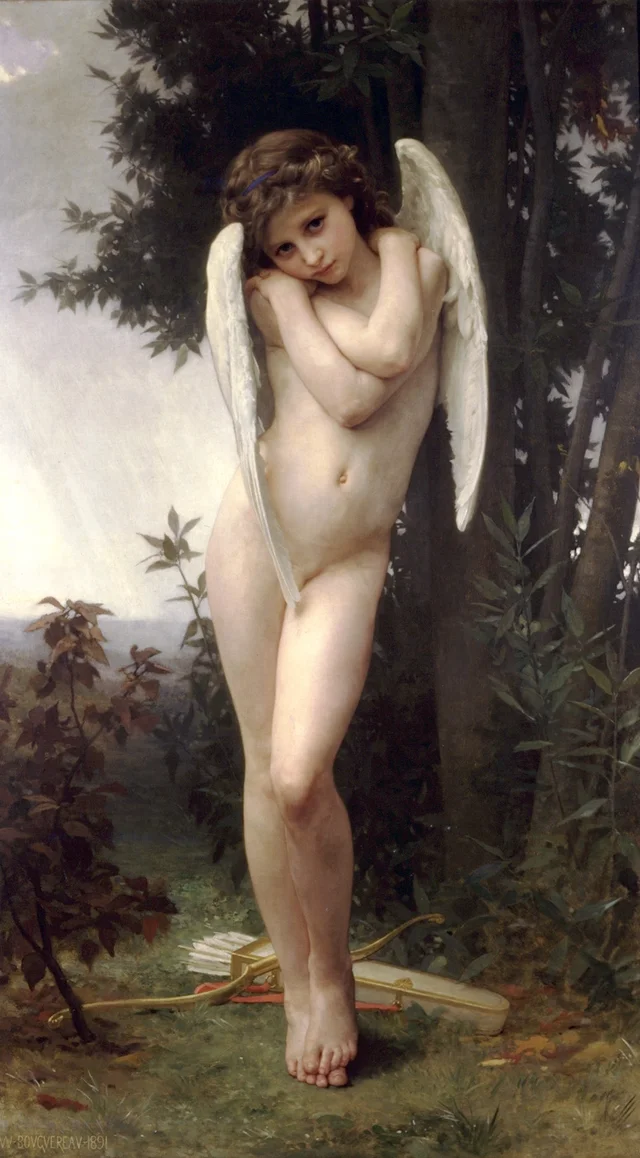 젖은 큐피드윌리암아돌프 부그로, 1891
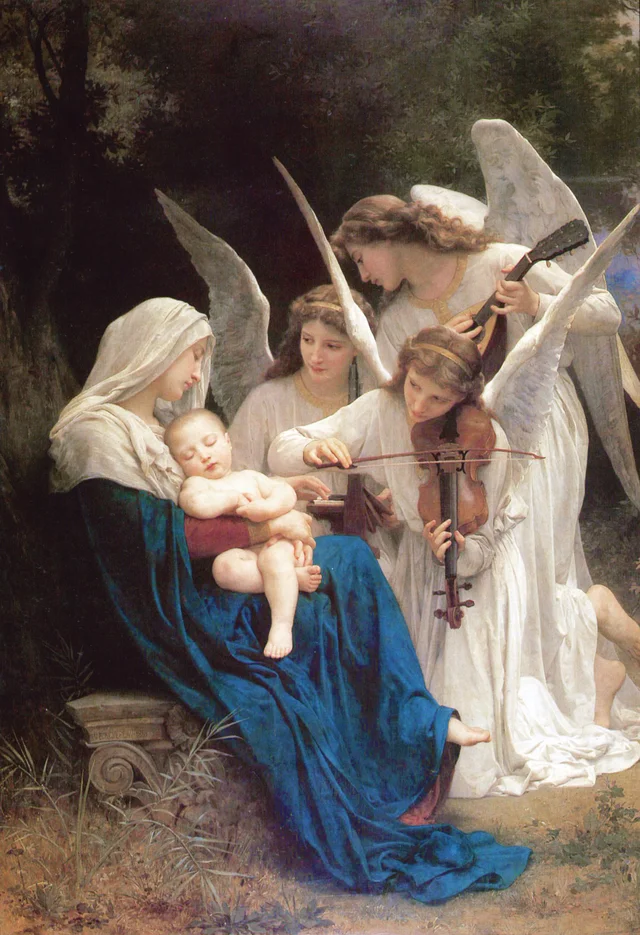 천사와 성모윌리암아돌프 부그로, 1881
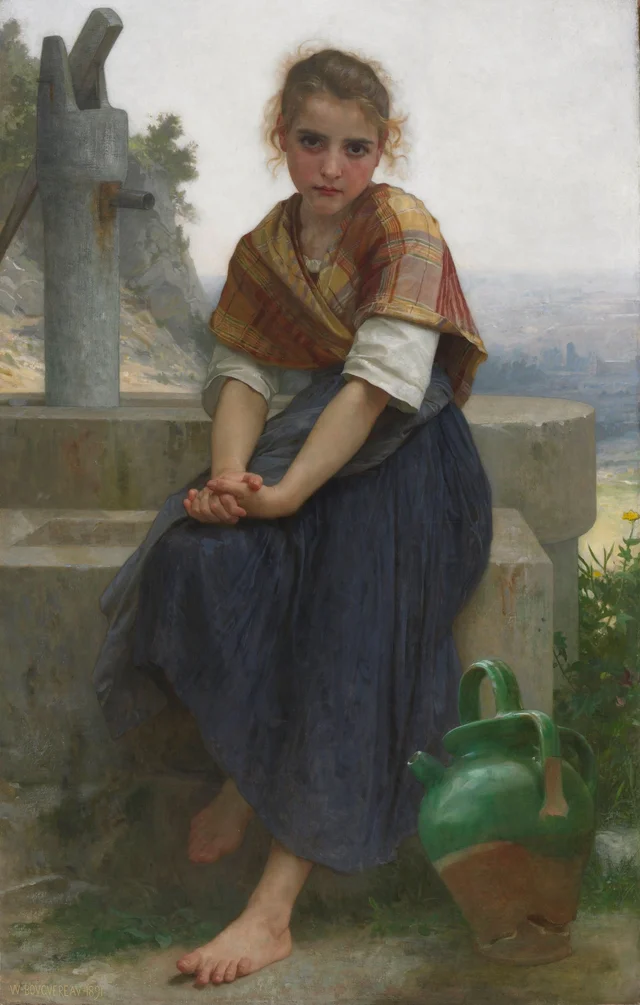 깨진 물주전자윌리암아돌프 부그로, 1891
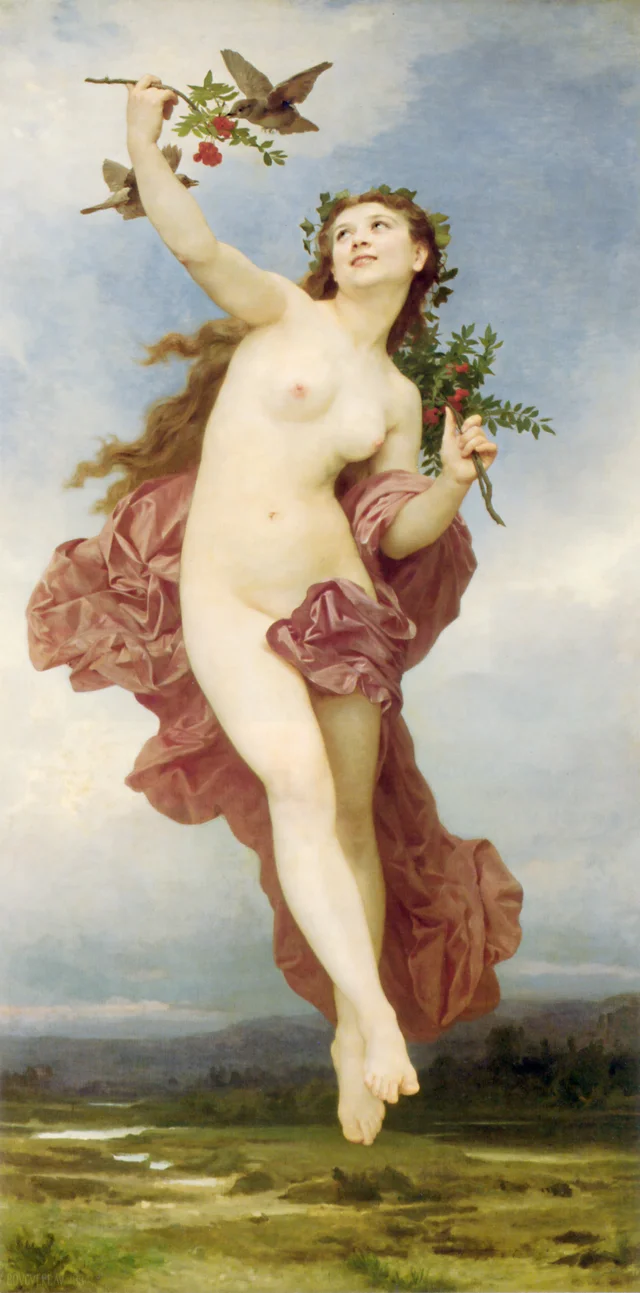 낮윌리암아돌프 부그로, 1884
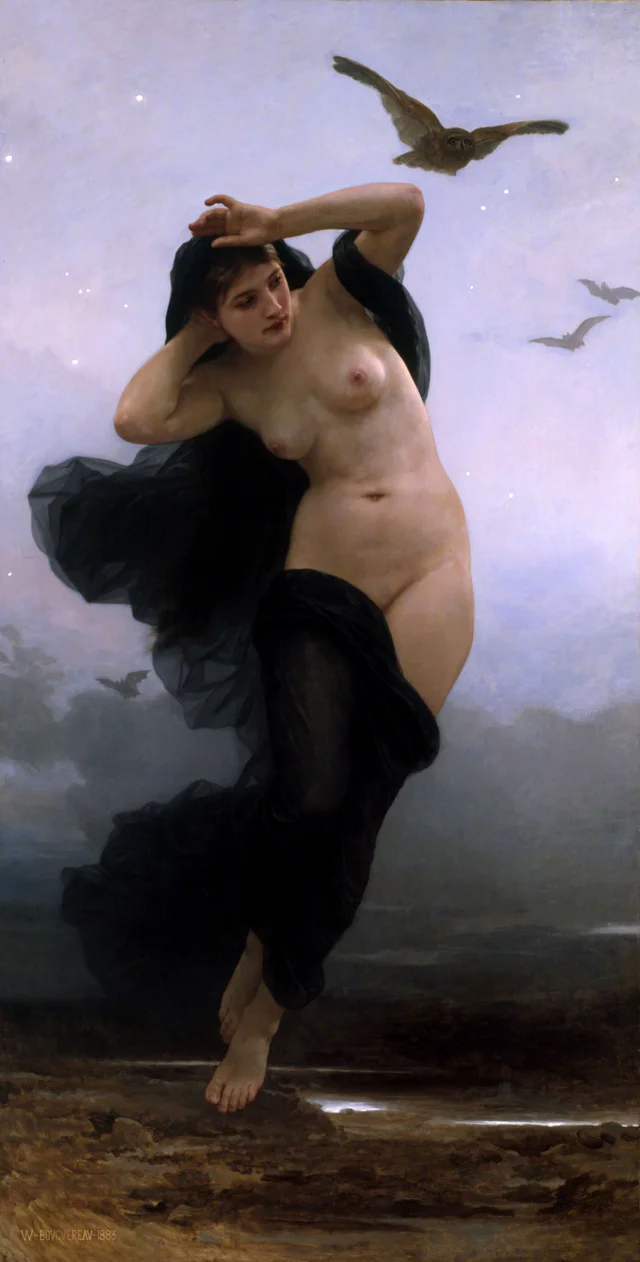 밤윌리암아돌프 부그로, 1883
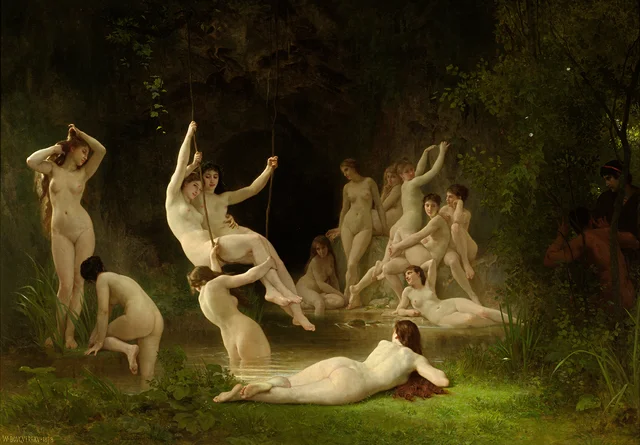 님프의 전당윌리암아돌프 부그로, 1878
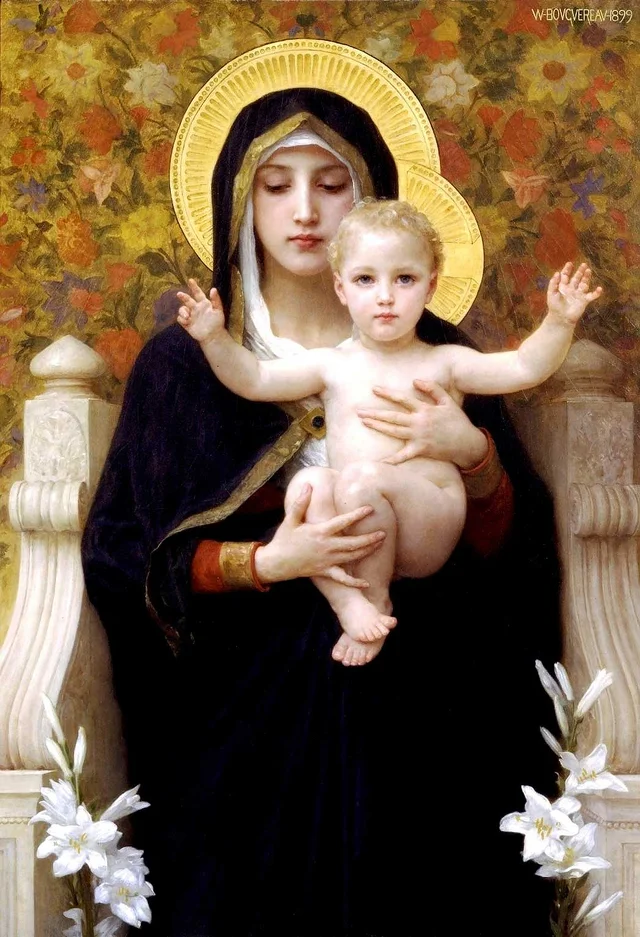 백합의 성모윌리암아돌프 부그로, 1899
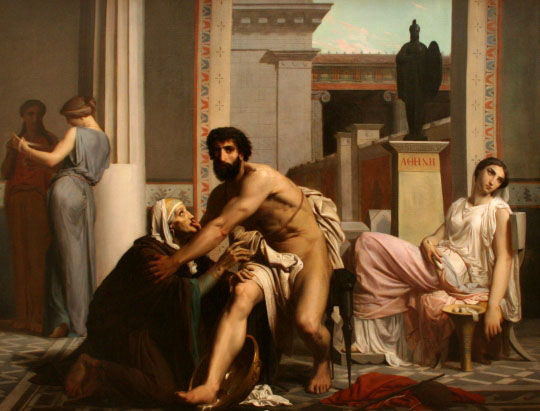 트로이에서 돌아온 율리시스를 유모가 알아보다윌리암아돌프 부그로, 1849
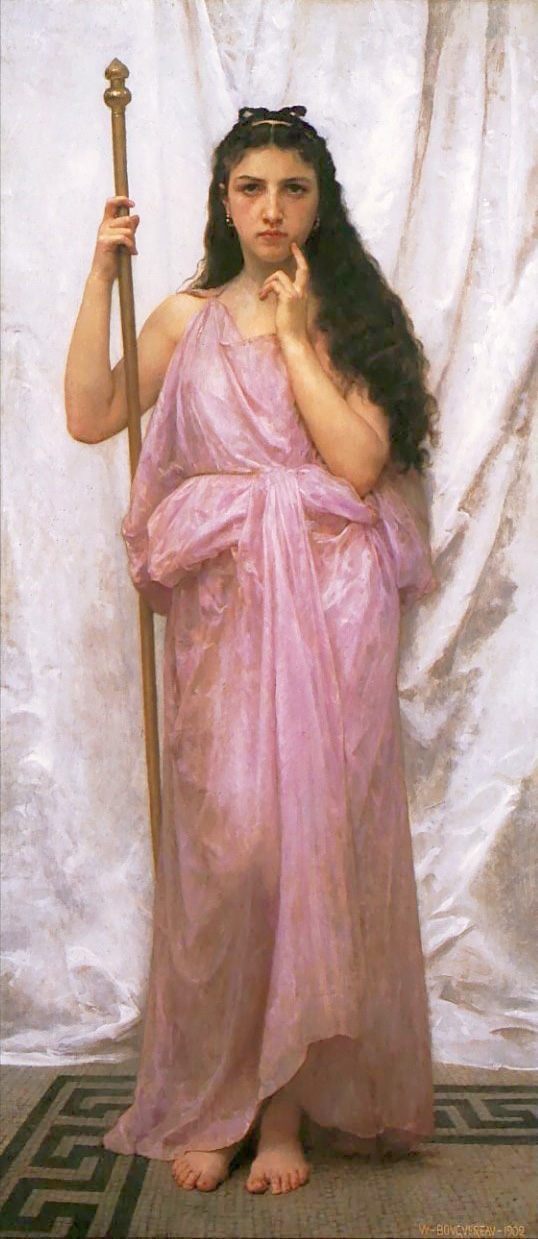 젊은 여사제윌리암아돌프 부그로, 1902
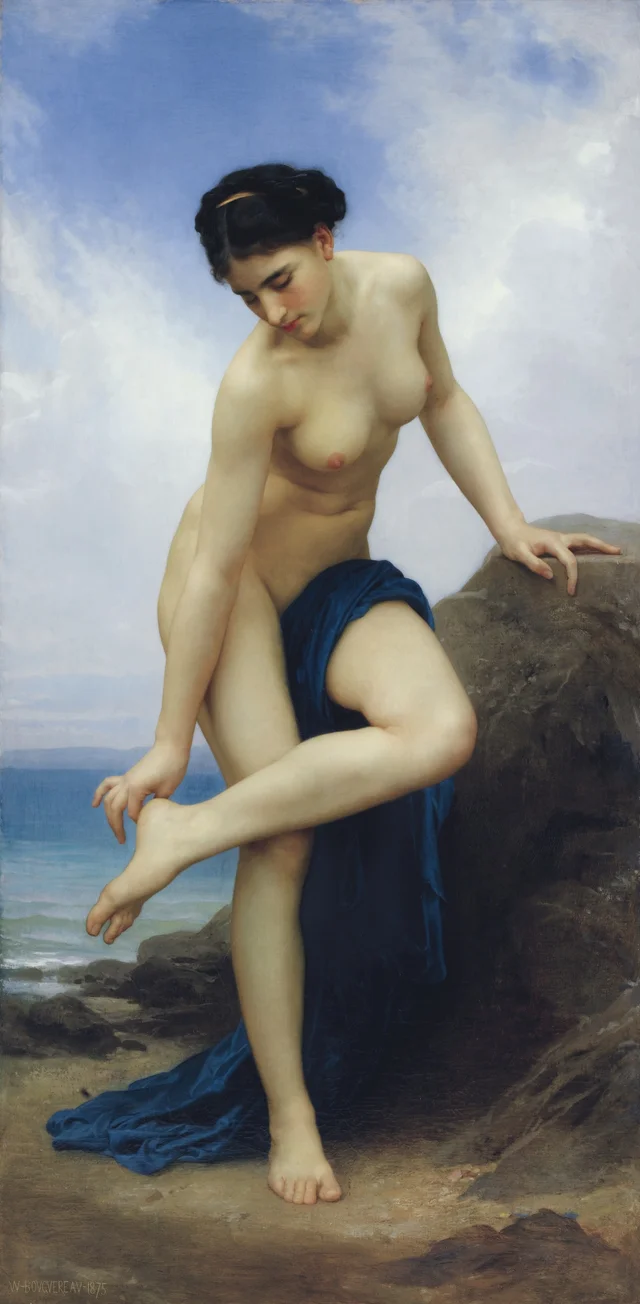 목욕 후윌리암아돌프 부그로, 1875
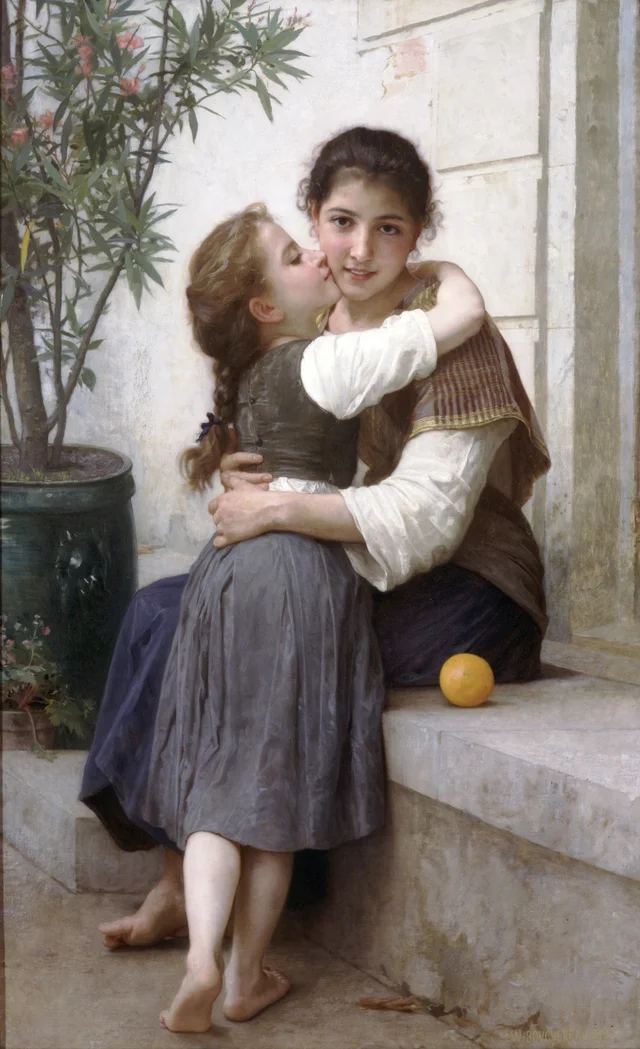 약간의 애교윌리암아돌프 부그로, 1890
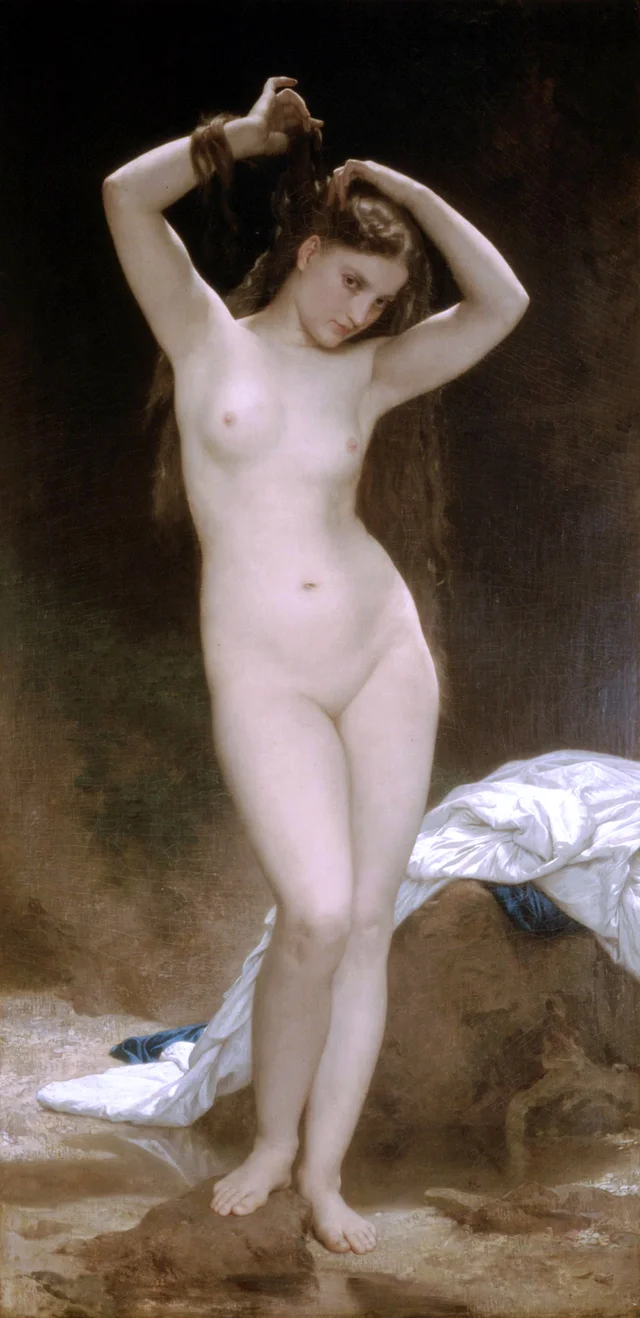 목욕하는 여인윌리암아돌프 부그로, 1870
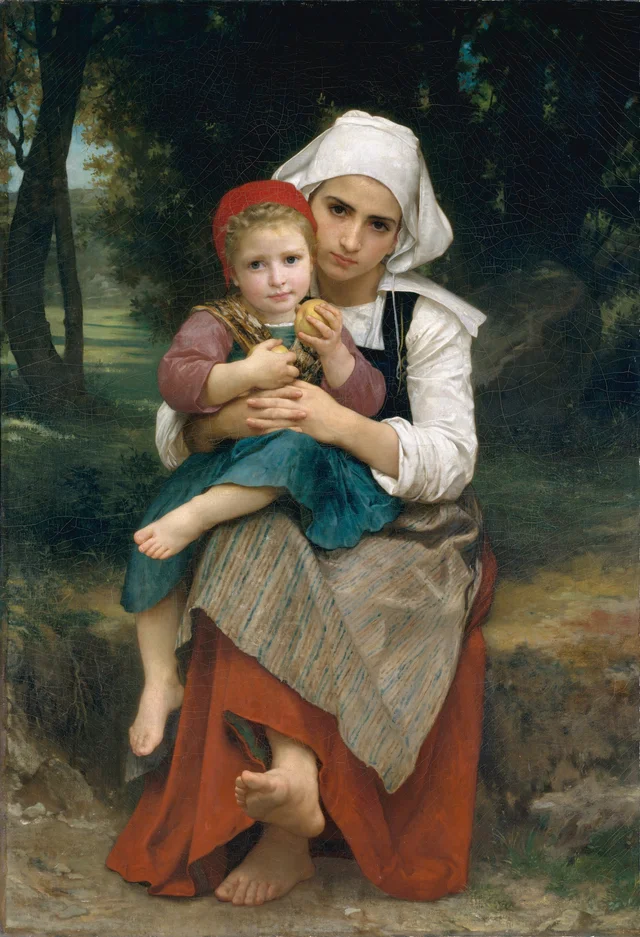 브르타뉴의 오누이윌리암아돌프 부그로, 1871
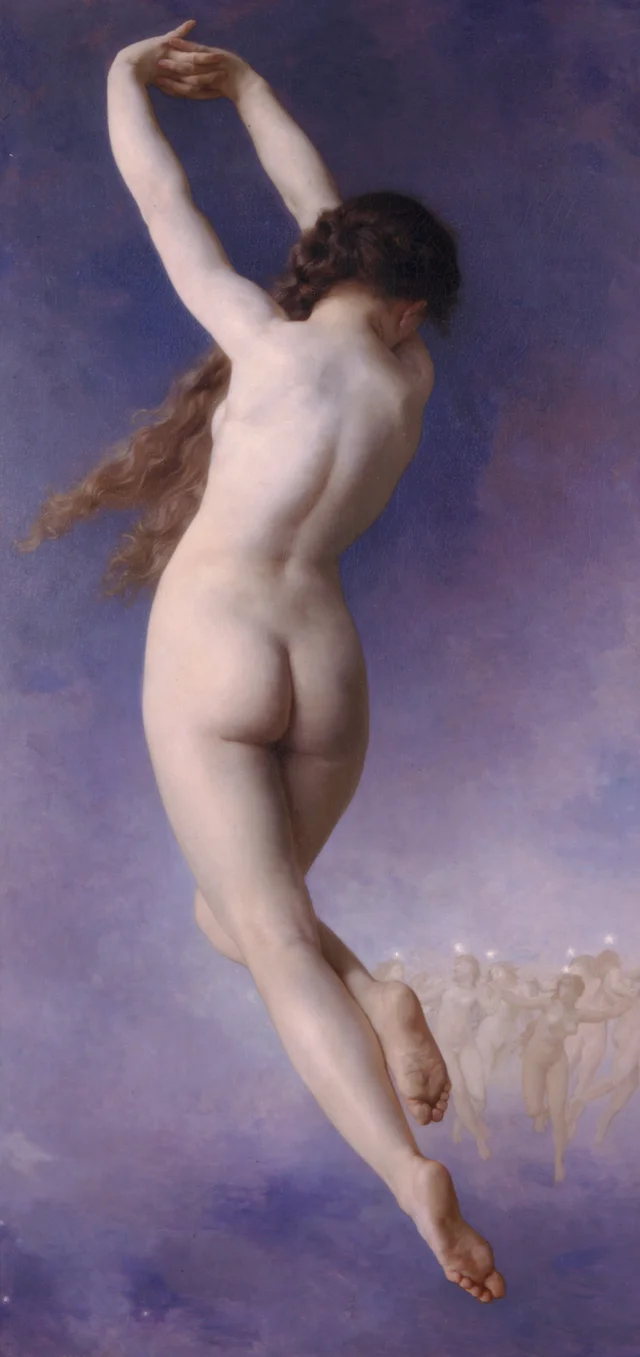 잃어버린 플레이아데스윌리암아돌프 부그로, 1884
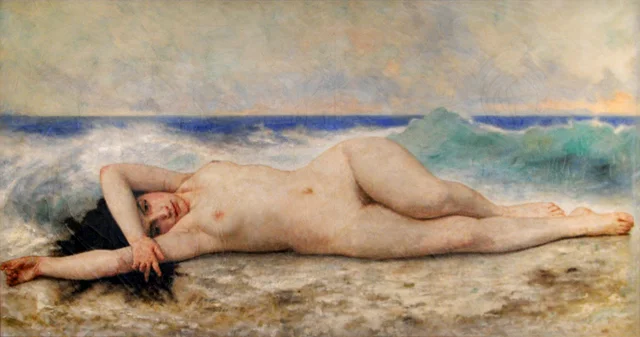 바다의 님프윌리암아돌프 부그로, 1904
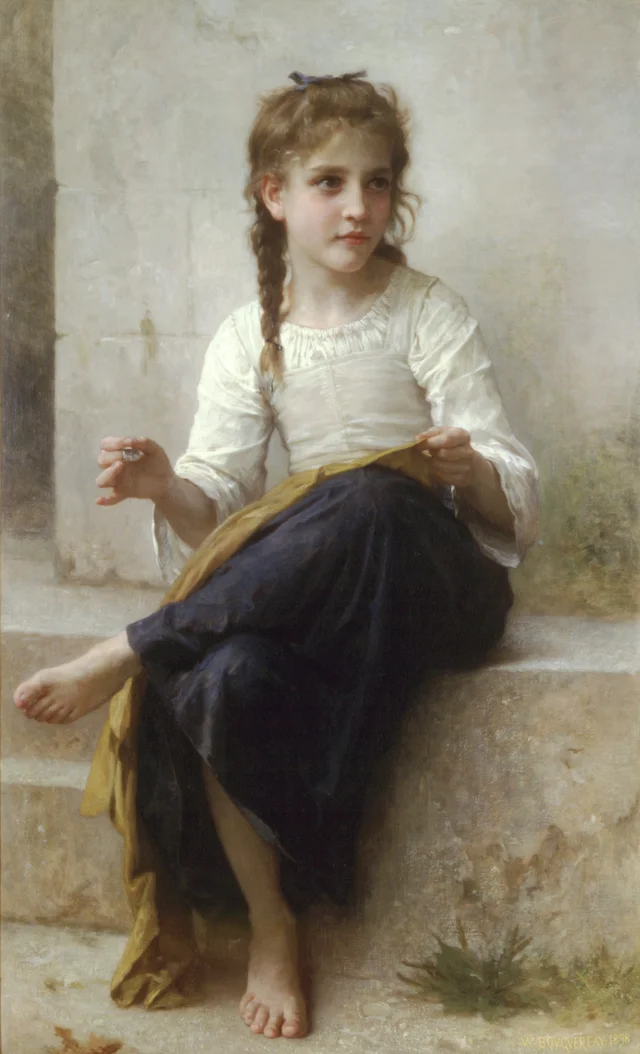 바느질윌리암아돌프 부그로, 1898