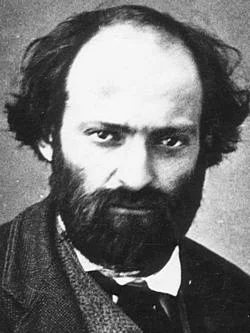
Paul Cézanne
1839–1906 · França · Pós-impressionismo
A história
Por quase toda a vida, Paul Cézanne foi o pintor de quem ninguém queria saber. Expôs com os impressionistas nos anos 1870, foi zombado com mais dureza do que qualquer um deles, depois se recolheu discretamente à sua cidade natal, Aix-en-Provence, no sul da França, e praticamente parou de expor. Tinha uma vantagem que os outros não tinham: o pai era um banqueiro rico, e uma herança permitiu que Cézanne pintasse por décadas exatamente como bem entendia, ignorado, sem necessidade de vender.
O que ele buscava era a estrutura sólida sob a superfície, o modo como uma montanha ou uma maçã realmente se sustentam no espaço, em vez da luz fugaz dos impressionistas. A partir da década de 1880 pintou o Mont Sainte-Victoire, o cume pálido de calcário acima de Aix, repetidas vezes, cerca de 80 vezes a óleo e aquarela, cada versão mais plana e mais construída a partir de blocos de cor do que a anterior. Os pintores mais jovens que o descobriram tarde, Picasso e Matisse entre eles, pegaram esses blocos e os desmontaram no Cubismo, a geometria fraturada da geração seguinte. Picasso o chamou de "o pai de todos nós".
Seu amigo mais antigo era o romancista Émile Zola. Tinham crescido juntos em Aix, dois meninos que chamavam sua turma de Os Inseparáveis, e se mudaram para Paris lado a lado. Em 1886 Zola publicou um romance sobre um pintor de grande talento que fracassa e se mata. Cézanne o leu, reconheceu um retrato de si mesmo, mandou a Zola um bilhete curto e formal de agradecimento, e nunca mais falou com ele. Trabalhou quase até o fim ao ar livre; em outubro de 1906 foi surpreendido por uma tempestade enquanto pintava, desmaiou à beira da estrada e morreu de pneumonia poucos dias depois, aos 67 anos.
Mais artigos
Obras
263 obras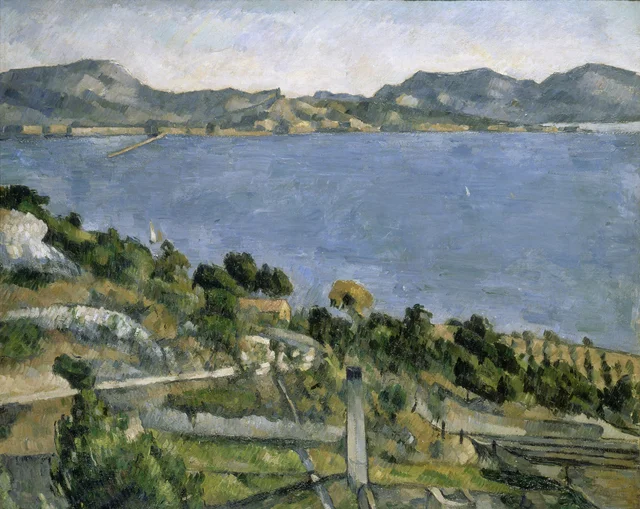 O golfo de Marselha visto de l'EstaquePaul Cézanne, 1885
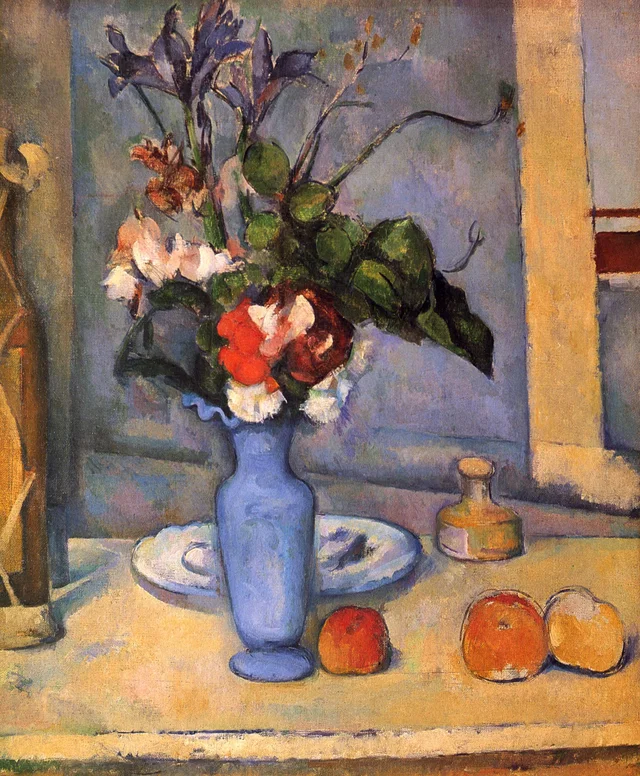 O vaso azulPaul Cézanne, 1890
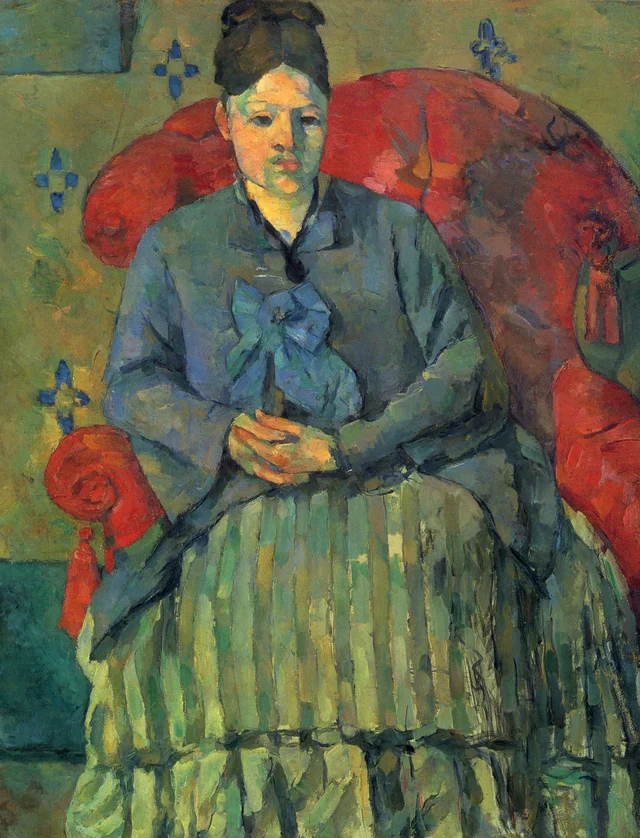 Madame Cézanne com saia listradaPaul Cézanne, 1877
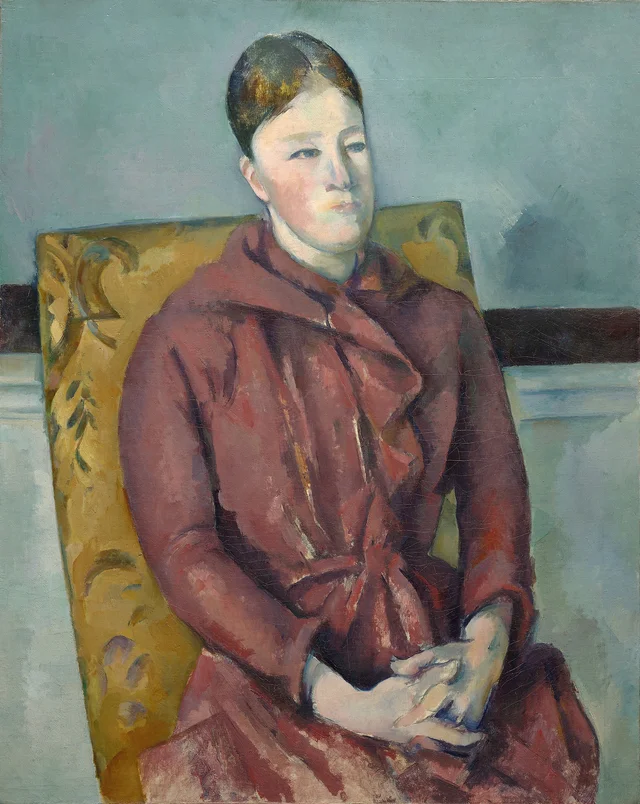 Madame Cézanne em uma cadeira amarelaPaul Cézanne, 1888
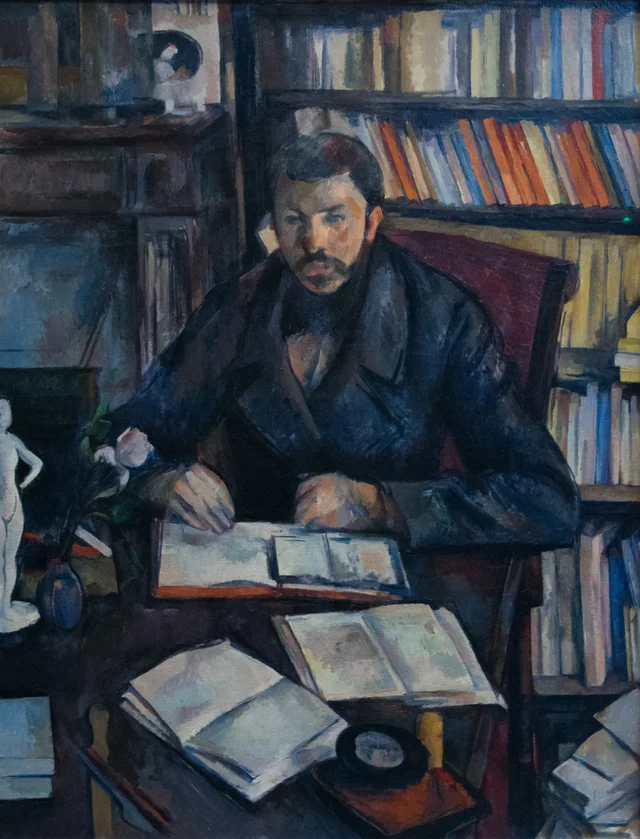 Retrato de Gustave GeffroyPaul Cézanne, 1895
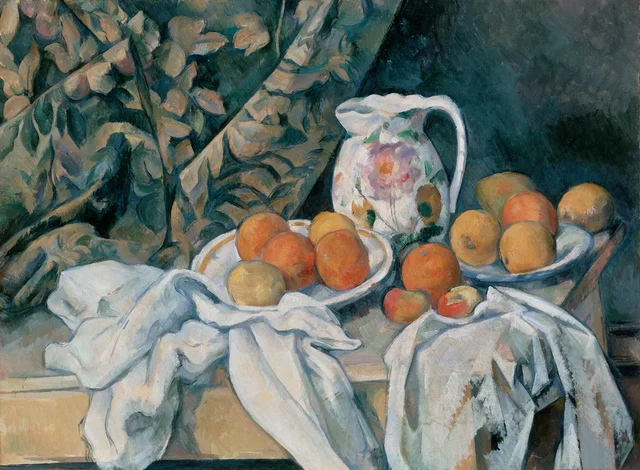 Natureza-morta com CortinaPaul Cézanne, 1898
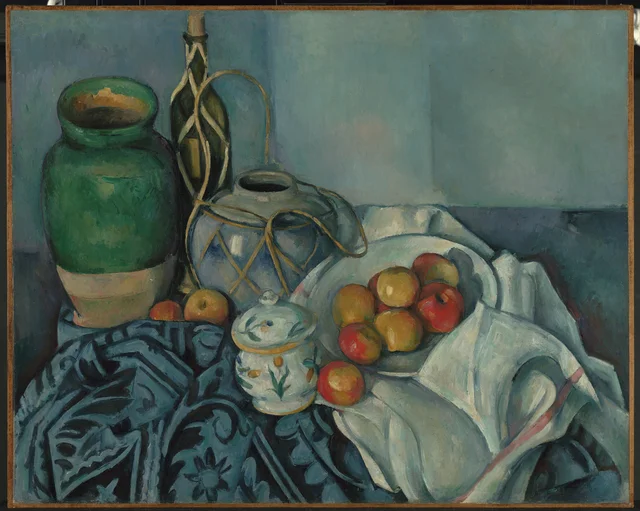 Natureza-morta com MaçãsPaul Cézanne, 1893
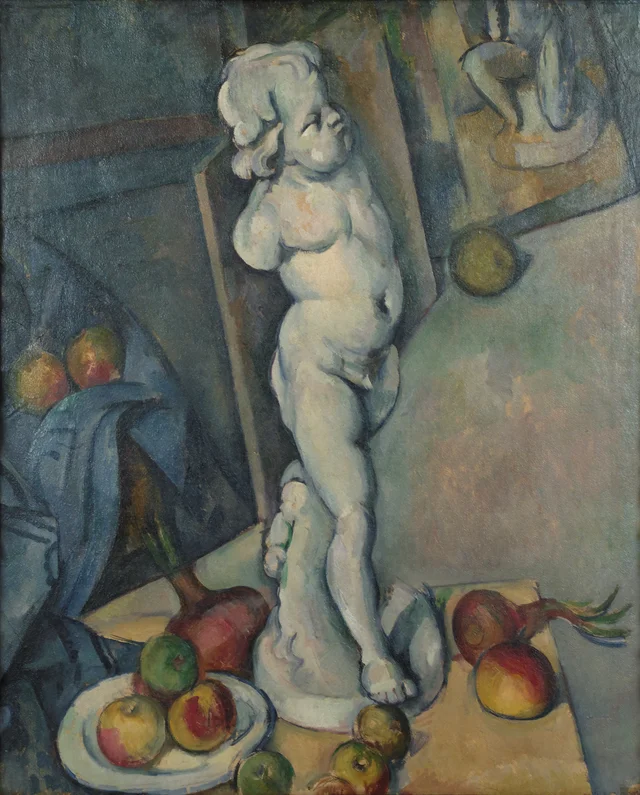 Natureza-morta com Cupido de gessoPaul Cézanne, 1895
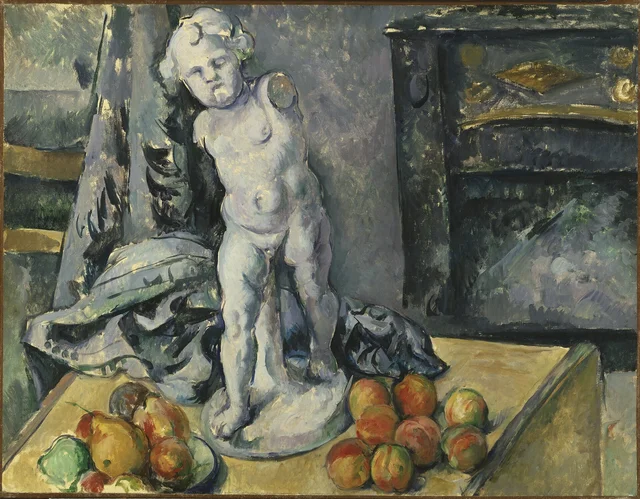 Natureza-morta com estatuetaPaul Cézanne, 1894
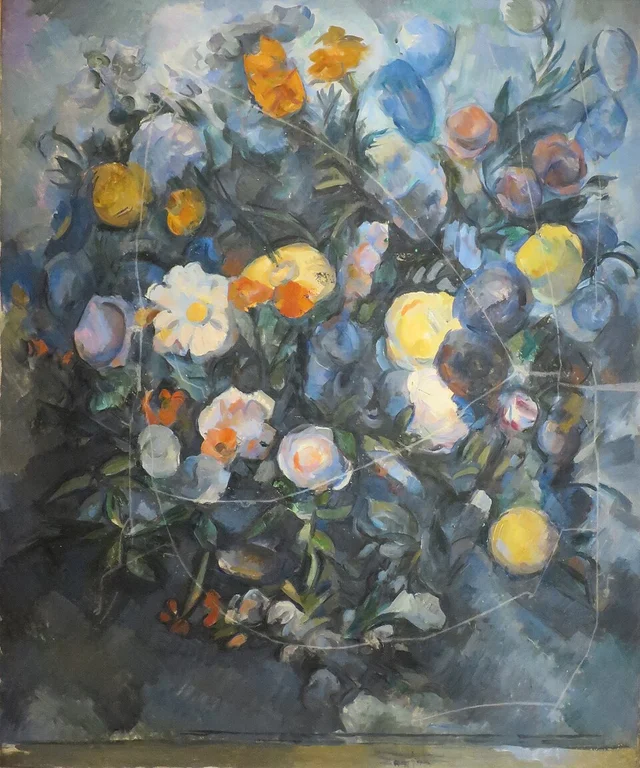 O buquê de floresPaul Cézanne, 1902
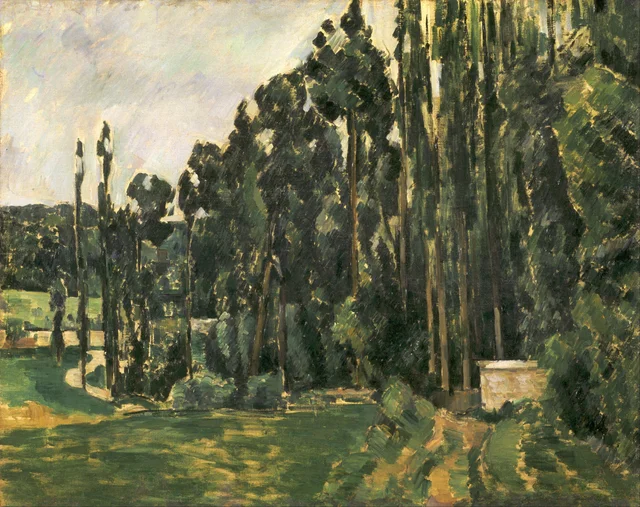 Os chouposPaul Cézanne, 1879
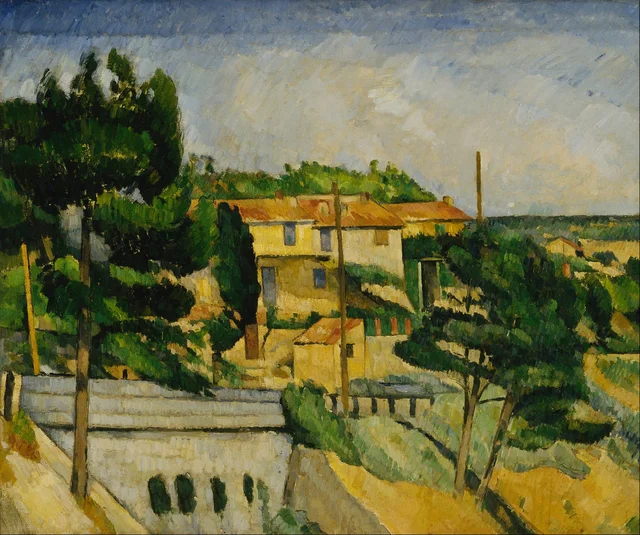 A Ponte da Estrada em L'EstaquePaul Cézanne, 1882
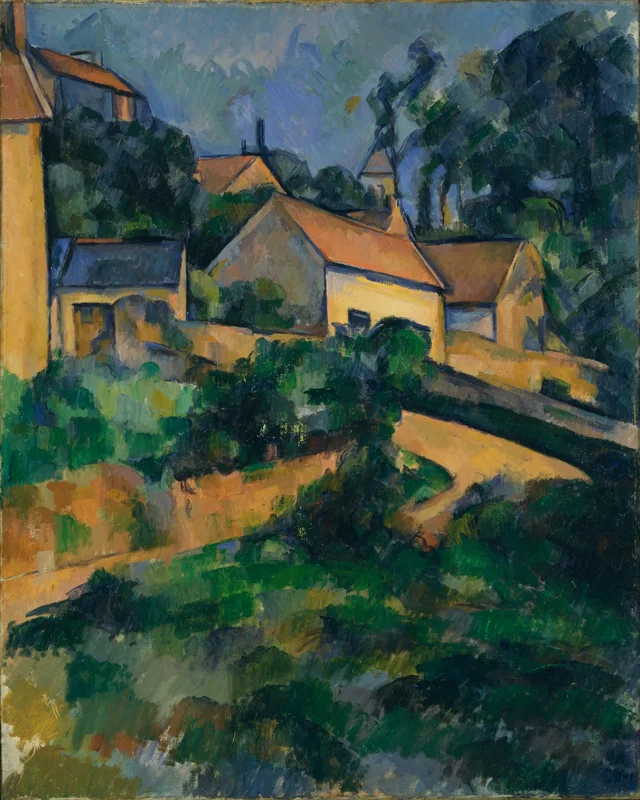 A Curva da Estrada em MontgeroultPaul Cézanne, 1898
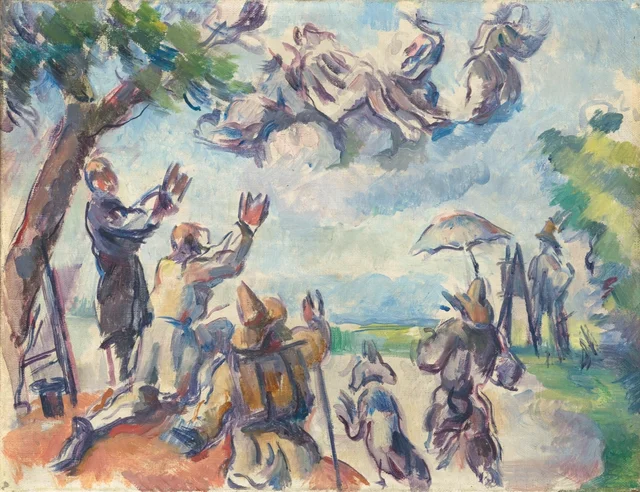 Apoteose de DelacroixPaul Cézanne, 1890
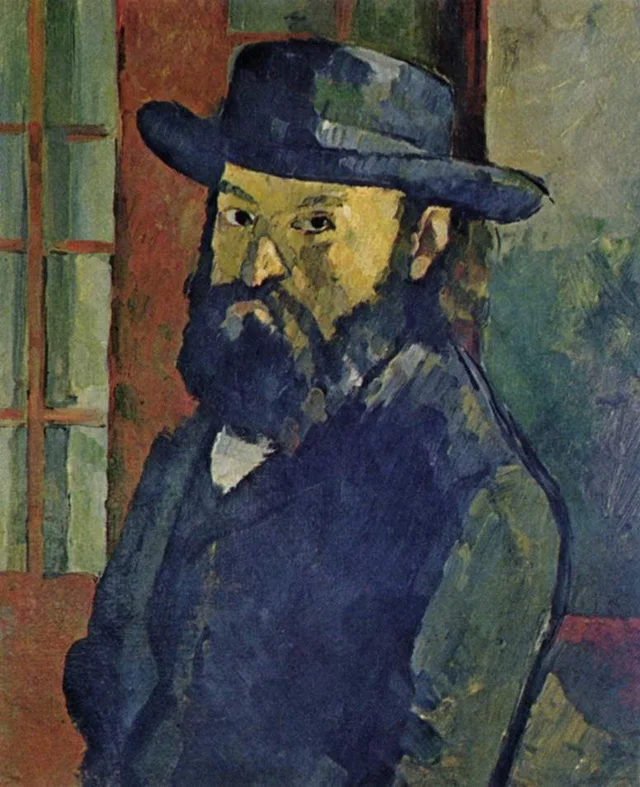 Autorretrato com ChapéuPaul Cézanne, 1879
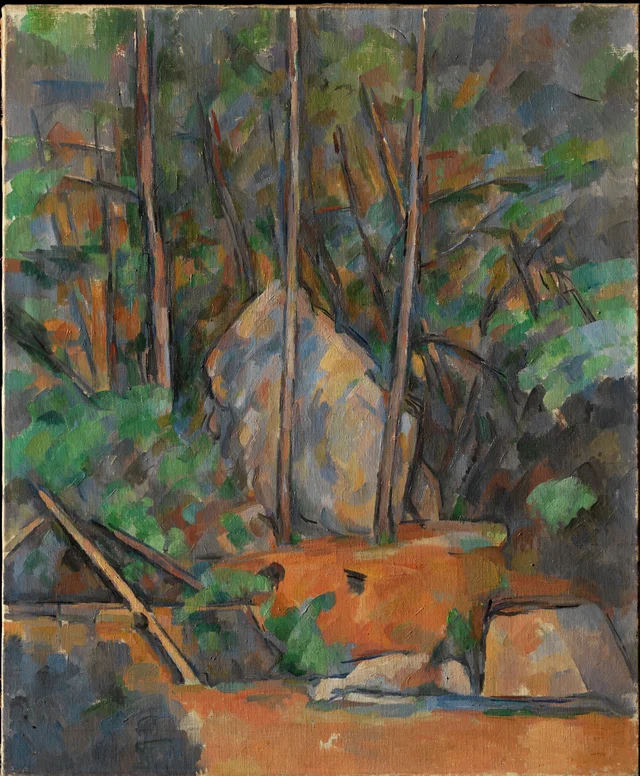 Cisterna no parque do Château NoirPaul Cézanne, 1900
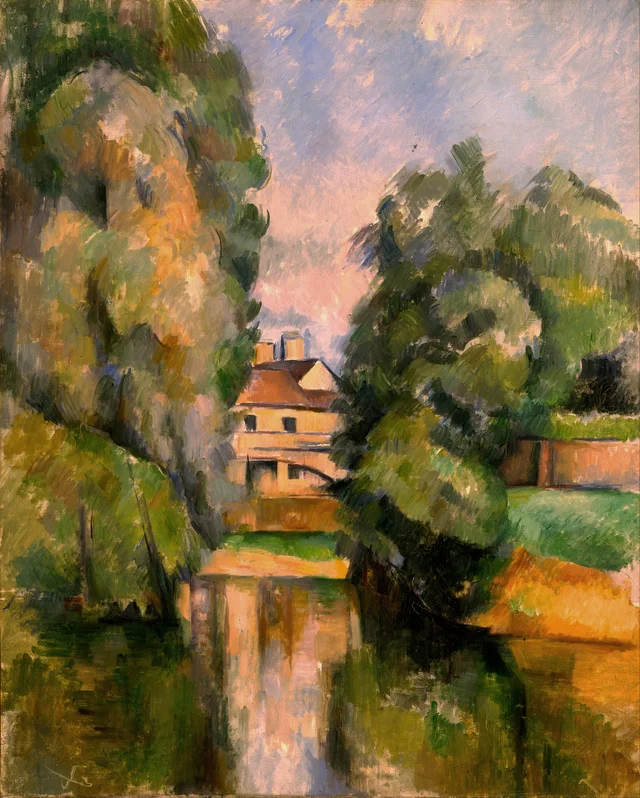 Casa de campo à beira de um rioPaul Cézanne, 1890
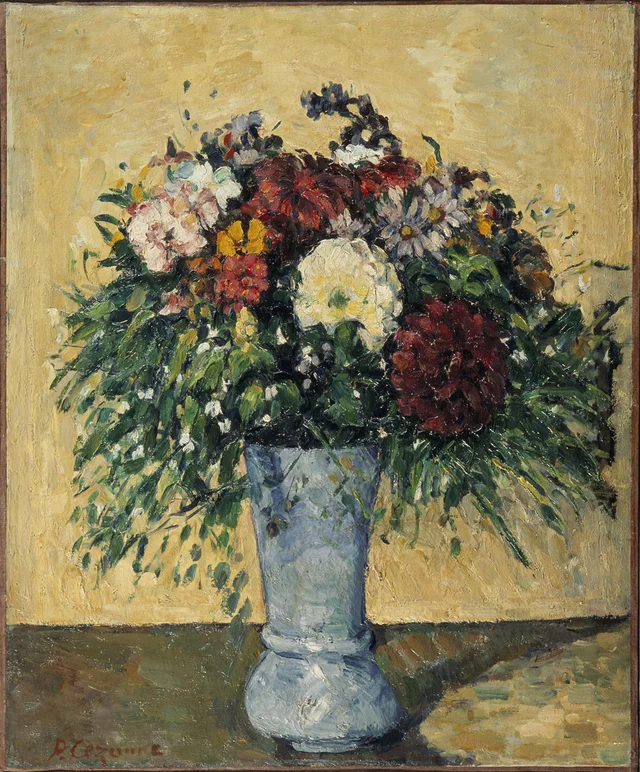 Flores num vaso azulPaul Cézanne, 1874
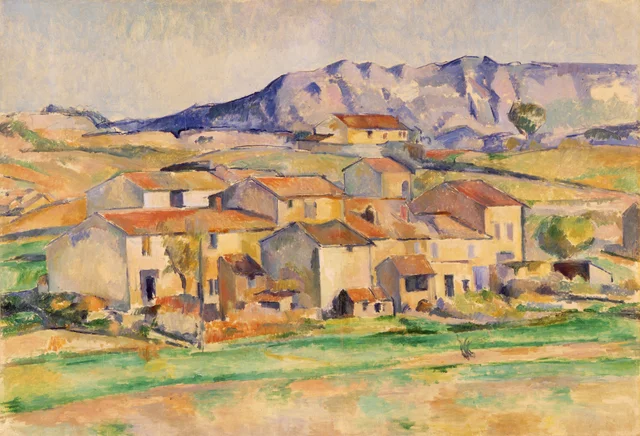 Aldeia de Payennet, perto de GardannePaul Cézanne, 1886
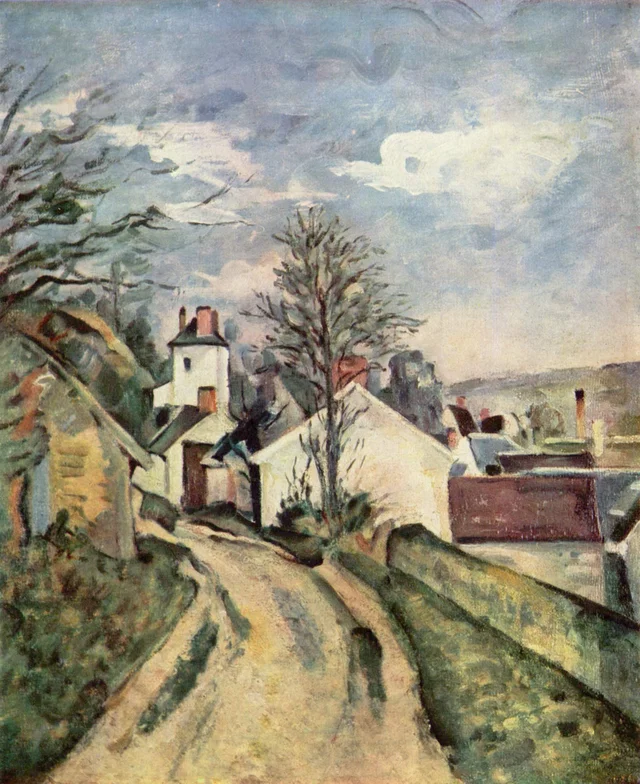 A Casa do Doutor GachetPaul Cézanne, 1872
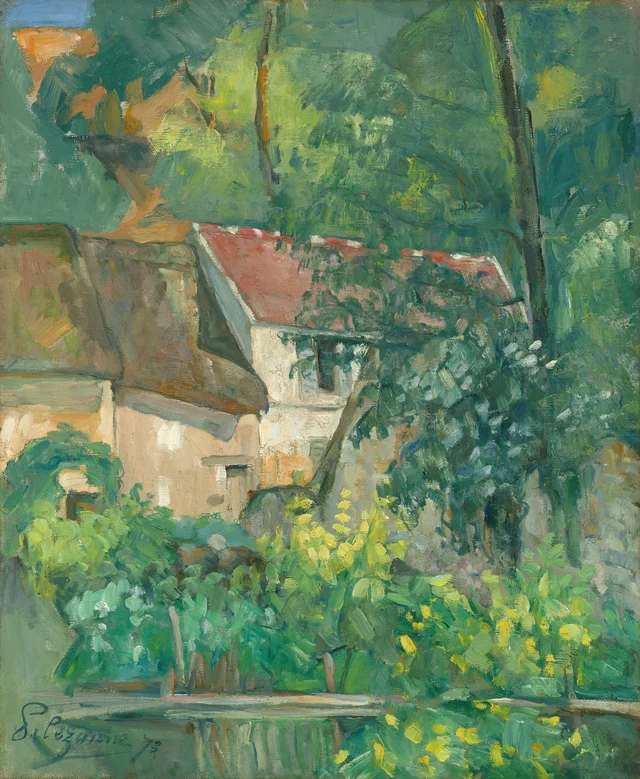 A Casa do Pai Lacroix, Auvers-sur-OisePaul Cézanne, 1873
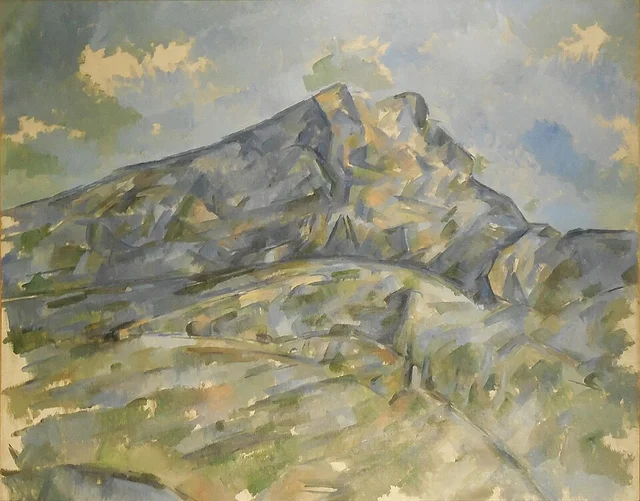 A montanha Sainte-Victoire vista do bosque do Château NoirPaul Cézanne, 1904
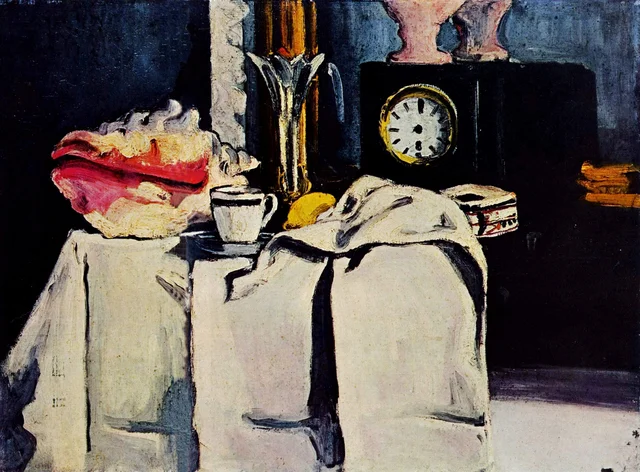 O relógio de mármore negroPaul Cézanne, 1869
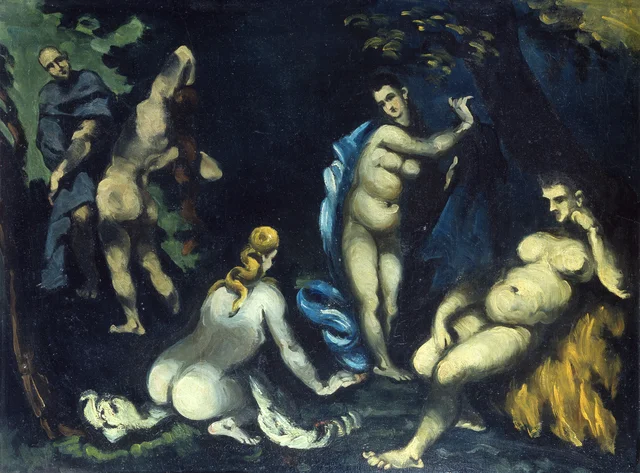 A tentação de Santo AntãoPaul Cézanne, 1870
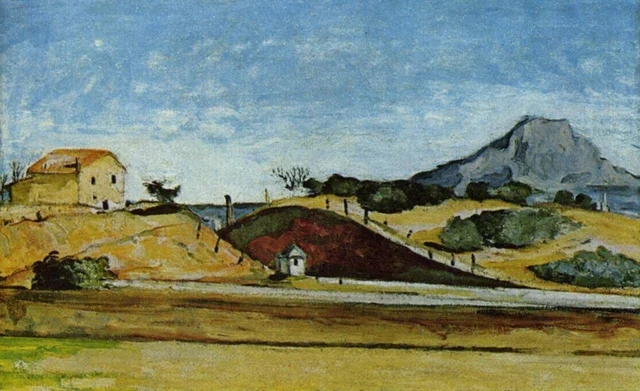 A trincheira da ferroviaPaul Cézanne, 1870