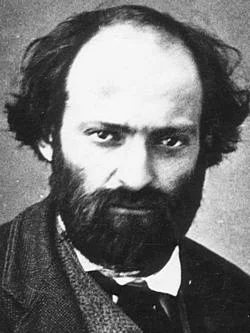
Paul Cézanne
1839–1906 · França · Pós-impressionismo
A história
Por quase toda a vida, Paul Cézanne foi o pintor de quem ninguém queria saber. Expôs com os impressionistas nos anos 1870, foi zombado com mais dureza do que qualquer um deles, depois se recolheu discretamente à sua cidade natal, Aix-en-Provence, no sul da França, e praticamente parou de expor. Tinha uma vantagem que os outros não tinham: o pai era um banqueiro rico, e uma herança permitiu que Cézanne pintasse por décadas exatamente como bem entendia, ignorado, sem necessidade de vender.
O que ele buscava era a estrutura sólida sob a superfície, o modo como uma montanha ou uma maçã realmente se sustentam no espaço, em vez da luz fugaz dos impressionistas. A partir da década de 1880 pintou o Mont Sainte-Victoire, o cume pálido de calcário acima de Aix, repetidas vezes, cerca de 80 vezes a óleo e aquarela, cada versão mais plana e mais construída a partir de blocos de cor do que a anterior. Os pintores mais jovens que o descobriram tarde, Picasso e Matisse entre eles, pegaram esses blocos e os desmontaram no Cubismo, a geometria fraturada da geração seguinte. Picasso o chamou de "o pai de todos nós".
Seu amigo mais antigo era o romancista Émile Zola. Tinham crescido juntos em Aix, dois meninos que chamavam sua turma de Os Inseparáveis, e se mudaram para Paris lado a lado. Em 1886 Zola publicou um romance sobre um pintor de grande talento que fracassa e se mata. Cézanne o leu, reconheceu um retrato de si mesmo, mandou a Zola um bilhete curto e formal de agradecimento, e nunca mais falou com ele. Trabalhou quase até o fim ao ar livre; em outubro de 1906 foi surpreendido por uma tempestade enquanto pintava, desmaiou à beira da estrada e morreu de pneumonia poucos dias depois, aos 67 anos.
Mais artigos
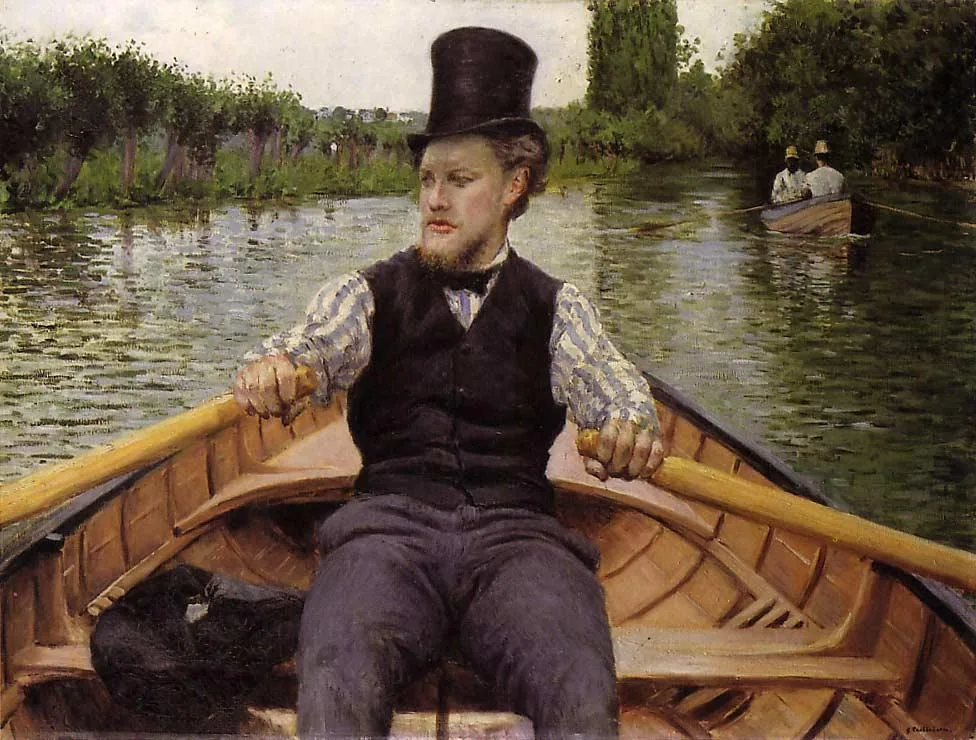
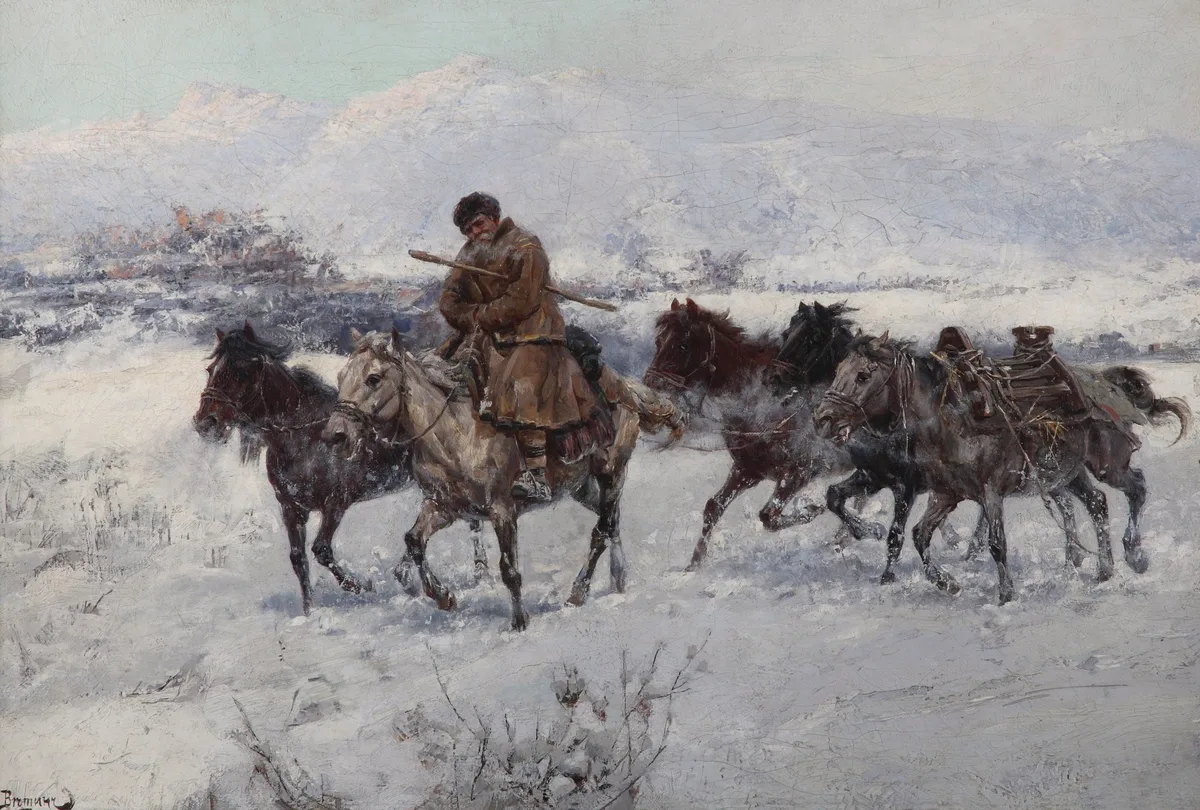
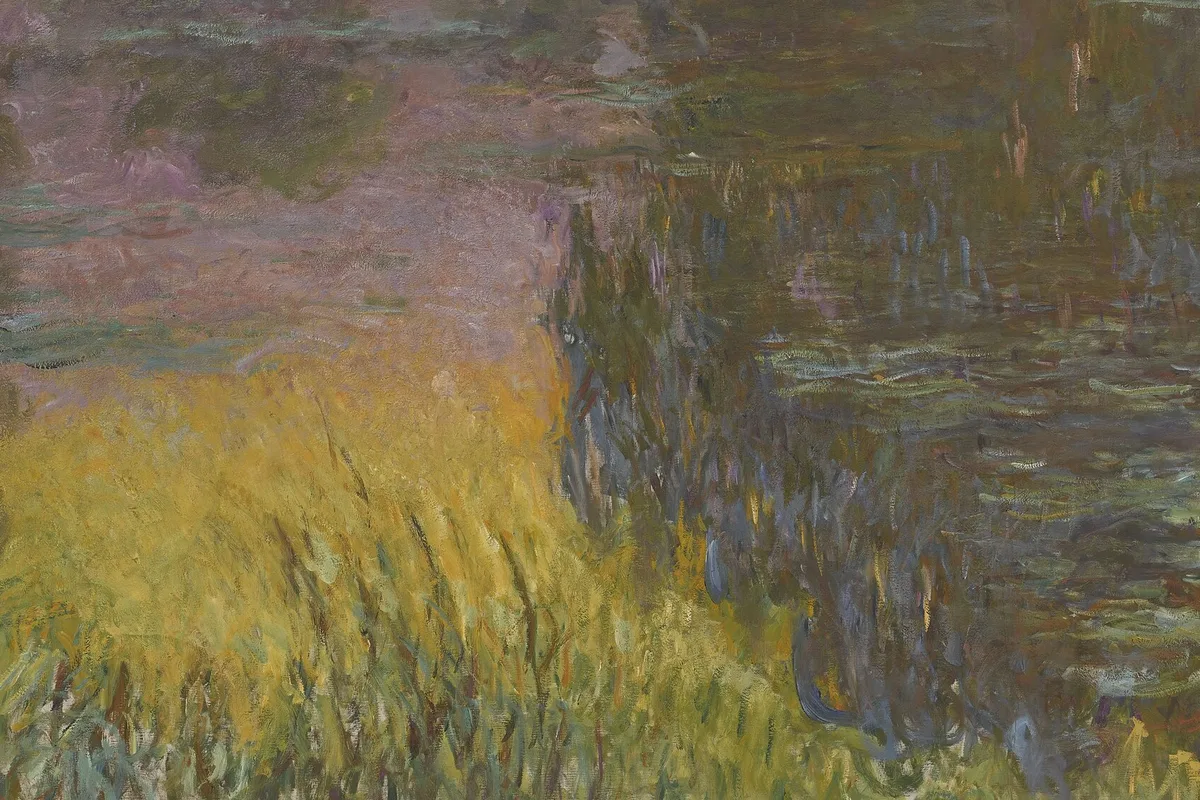
Obras
263 obras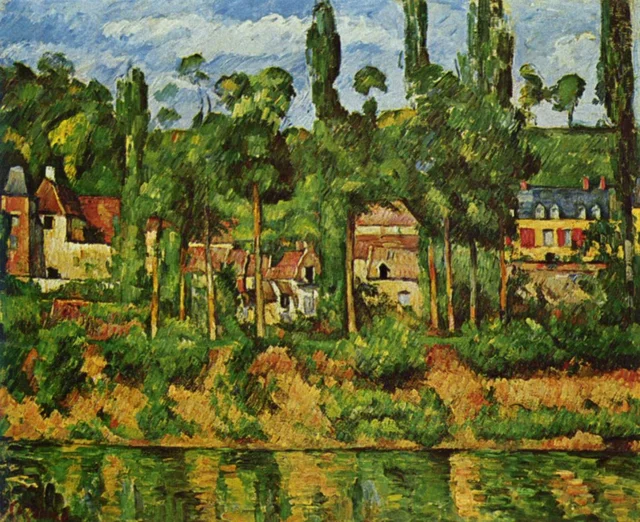 O Castelo de MédanPaul Cézanne, 1879
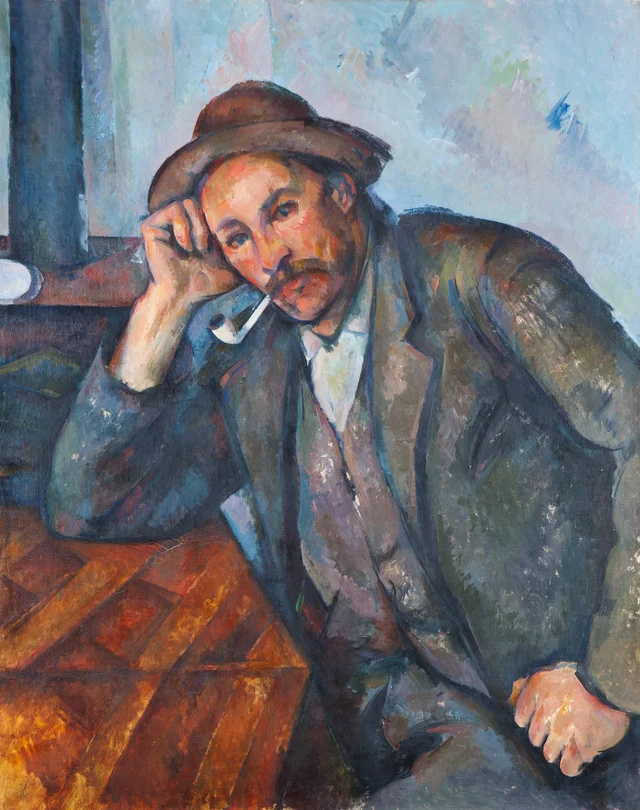 O fumante recostadoPaul Cézanne, 1890
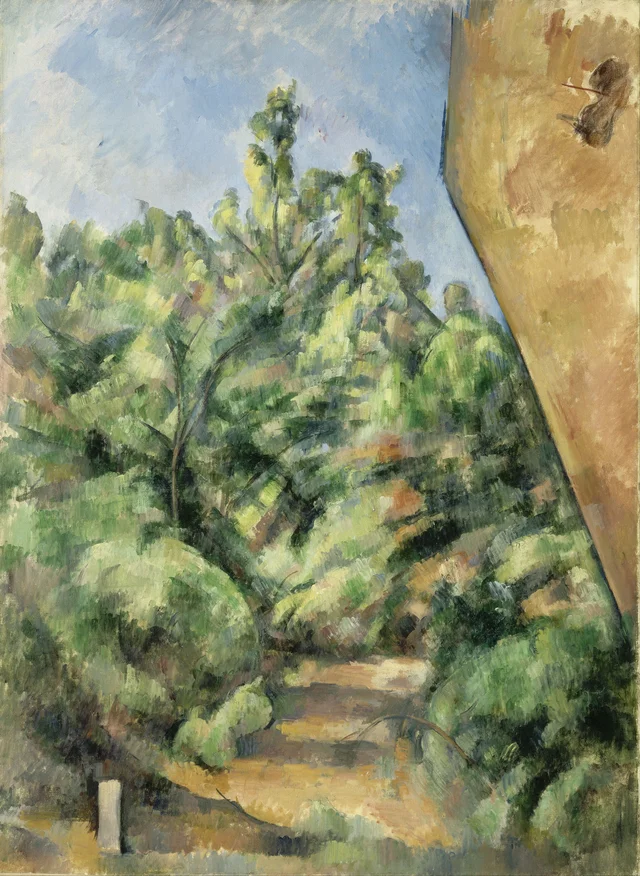 A Rocha VermelhaPaul Cézanne, 1895
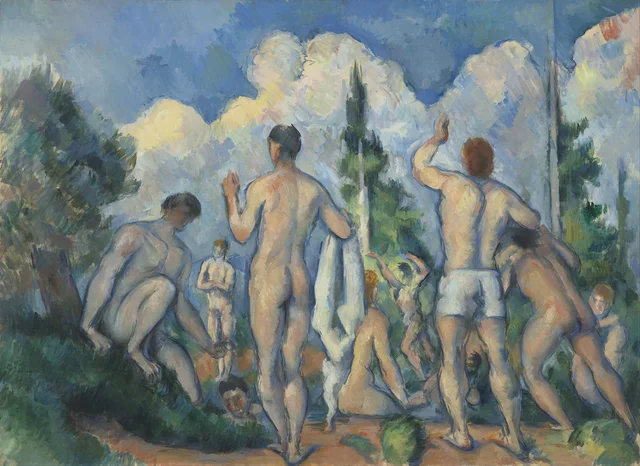 Os banhistas, 1890Paul Cézanne, 1890
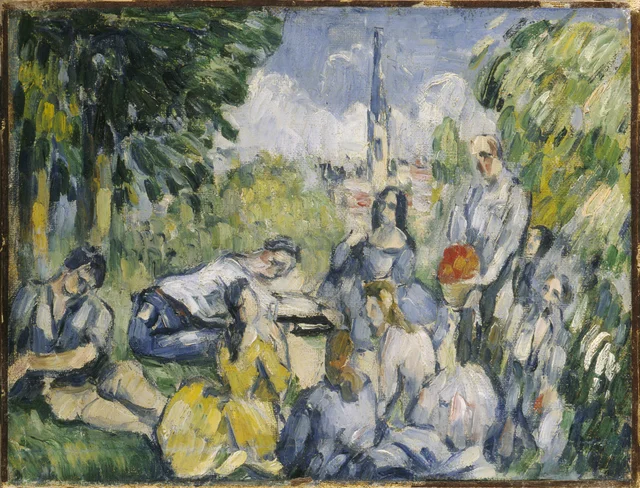 Almoço na relvaPaul Cézanne, 1876
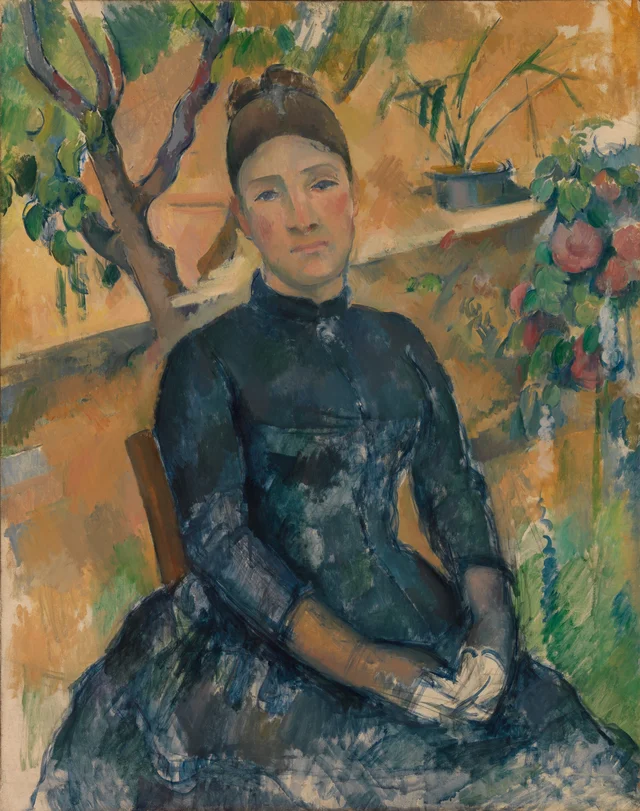 Madame Cézanne (Hortense Fiquet, 1850–1922) na estufaPaul Cézanne, 1891
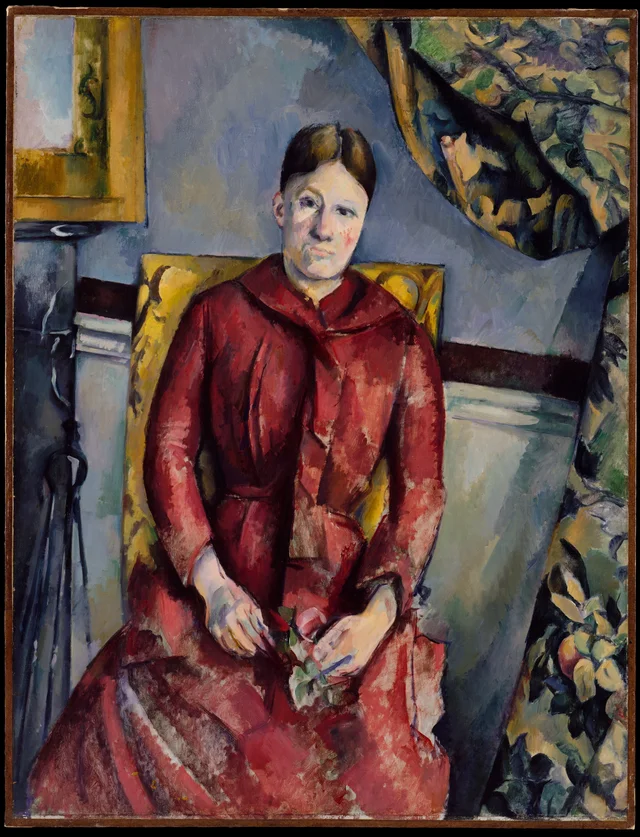 Madame Cézanne com Vestido VermelhoPaul Cézanne, 1889
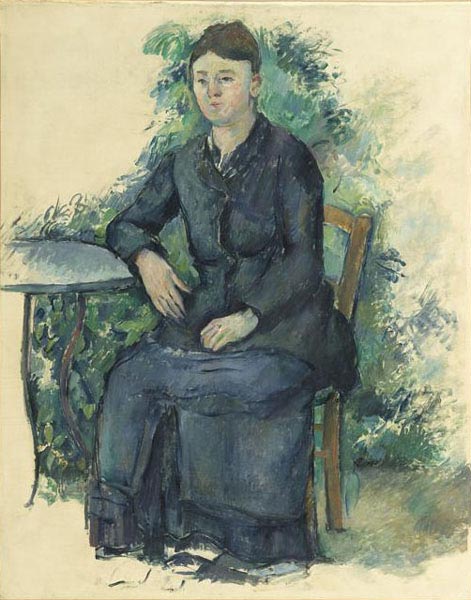 Madame Cézanne no jardimPaul Cézanne, 1880
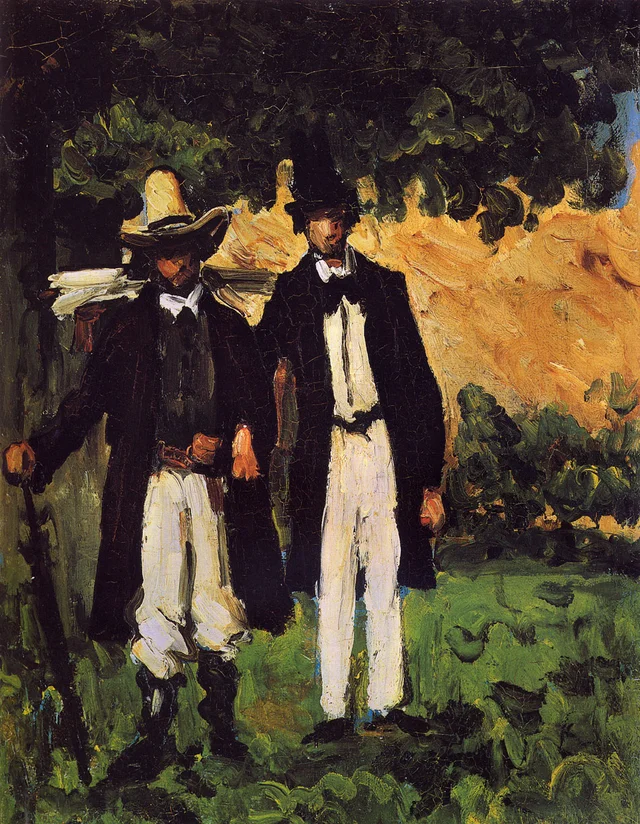 Marion e Valabrègue partindo para pintar do naturalPaul Cézanne, 1866
 A montanha Sainte-VictoirePaul Cézanne, 1890
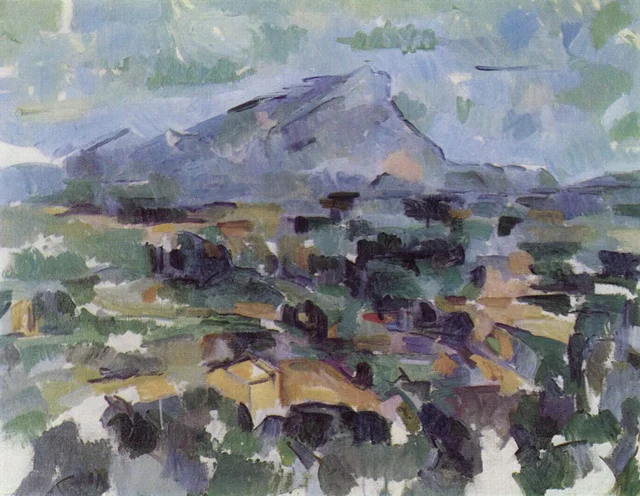 A Montanha Sainte-VictoirePaul Cézanne, 1905
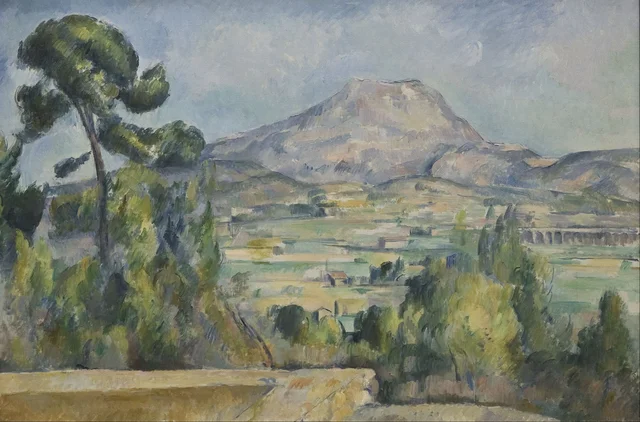 A Montanha Sainte-VictoirePaul Cézanne, 1890
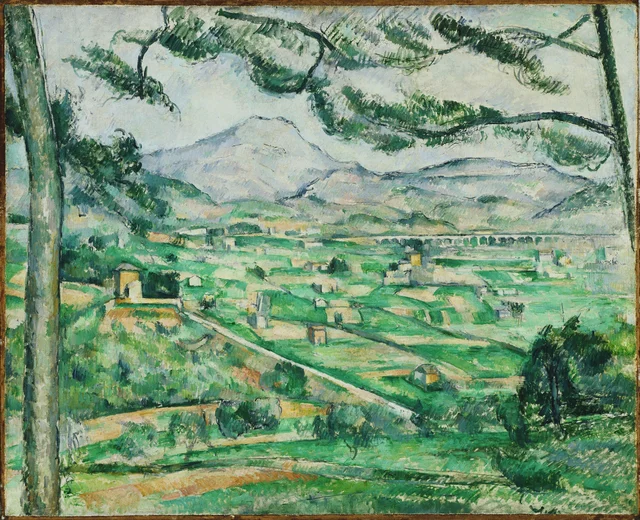 Mont Sainte-Victoire, 1886-1887Paul Cézanne, 1886
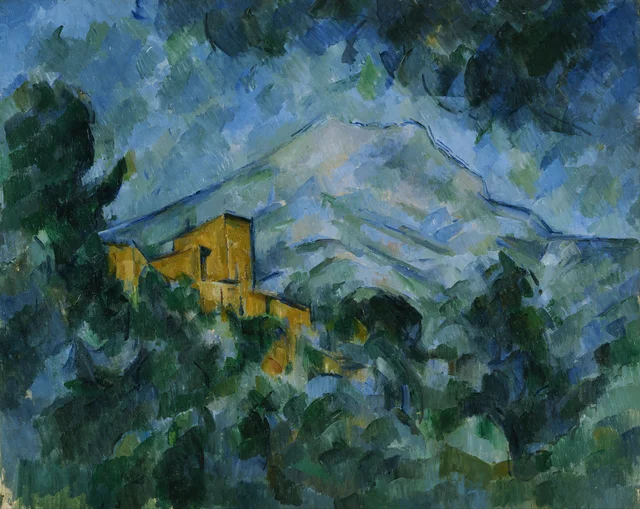 Mont Sainte-Victoire e Château NoirPaul Cézanne, 1904
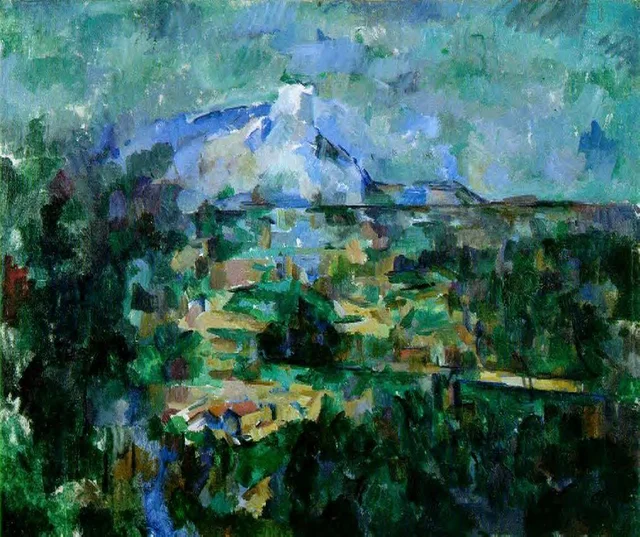 O Monte Sainte-Victoire visto de Les LauvesPaul Cézanne, 1904
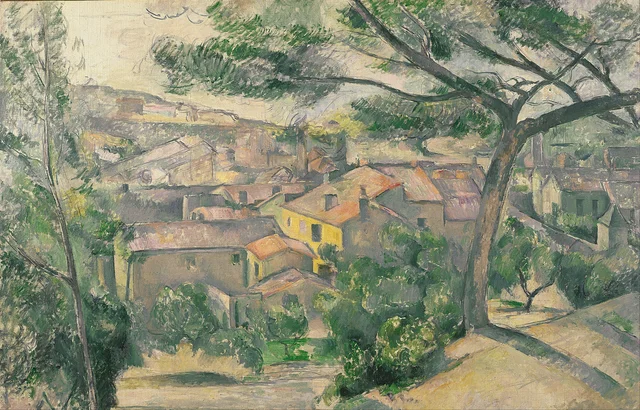 Vista matinal de L'Estaque contra a luzPaul Cézanne, 1882
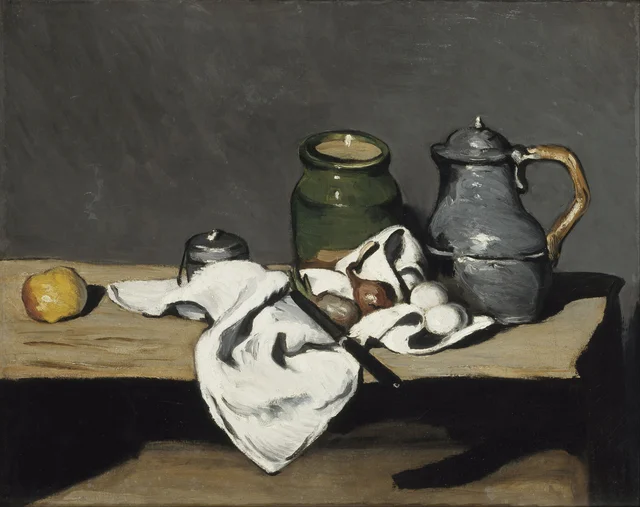 Natureza-morta com a chaleiraPaul Cézanne, 1867
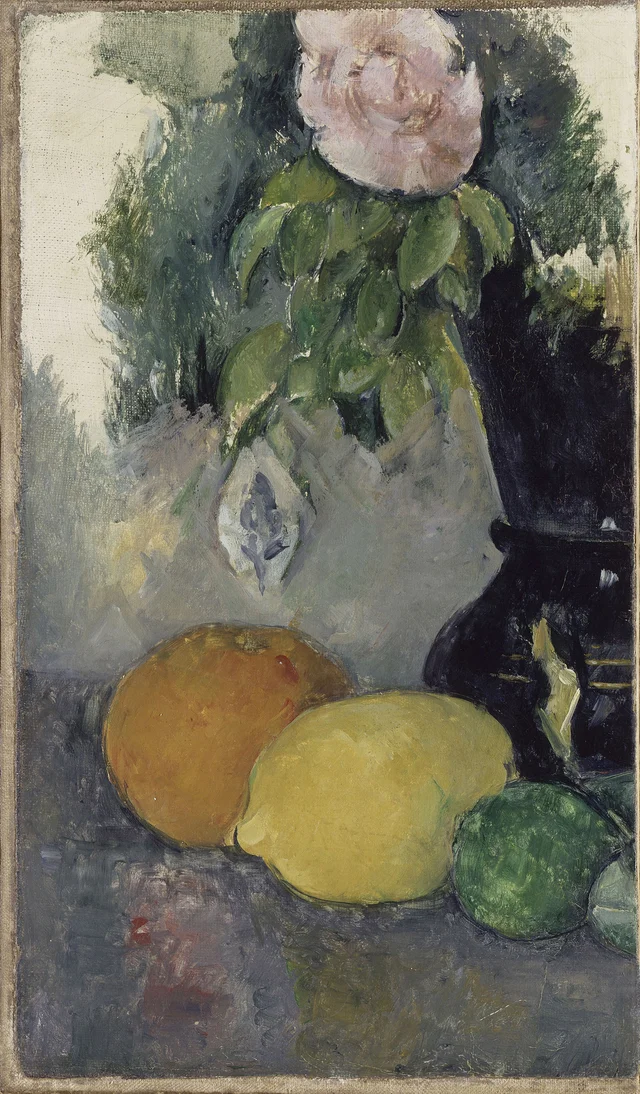 Natureza-morta, rosa e frutasPaul Cézanne, 1880
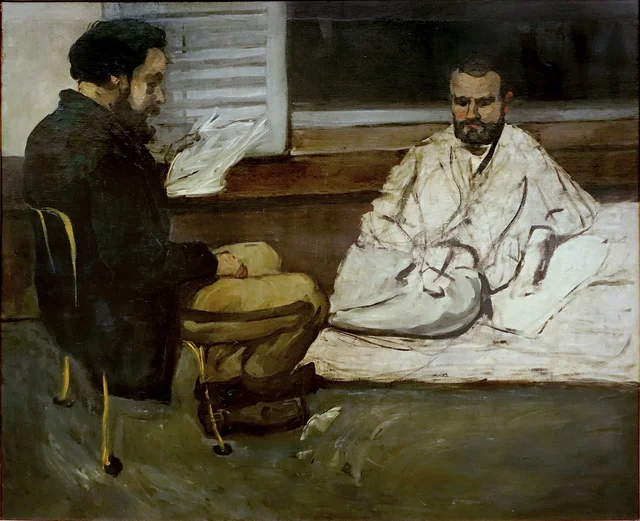 Paul Alexis lendo para Émile ZolaPaul Cézanne, 1869
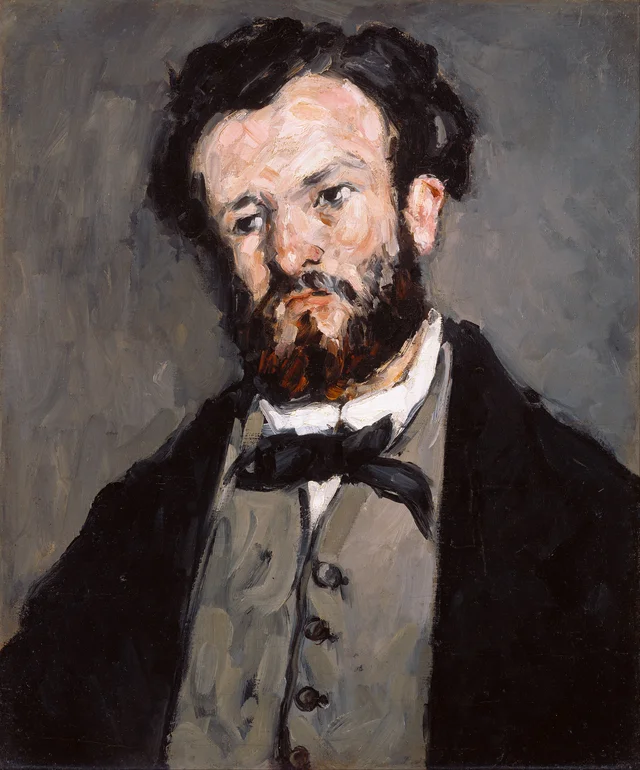 Retrato de Anthony ValabrèguePaul Cézanne, 1870
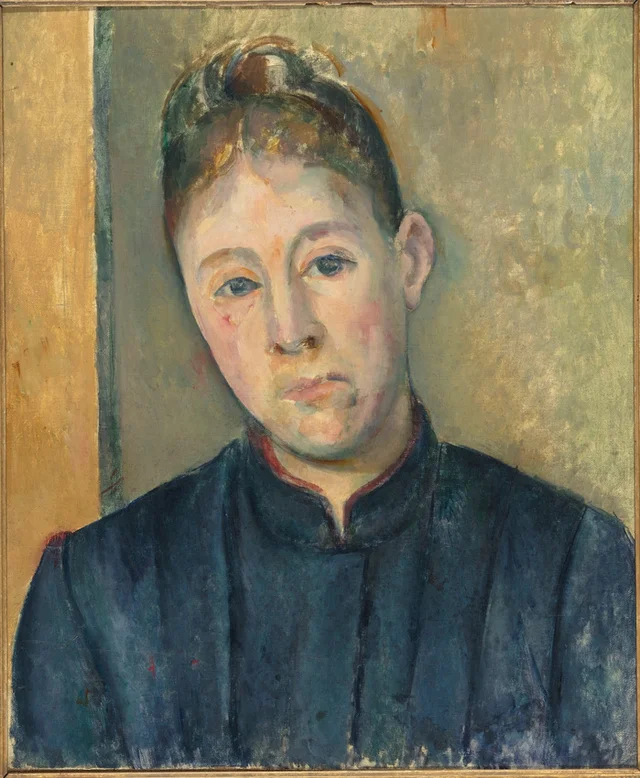 Retrato de Madame CézannePaul Cézanne, 1885
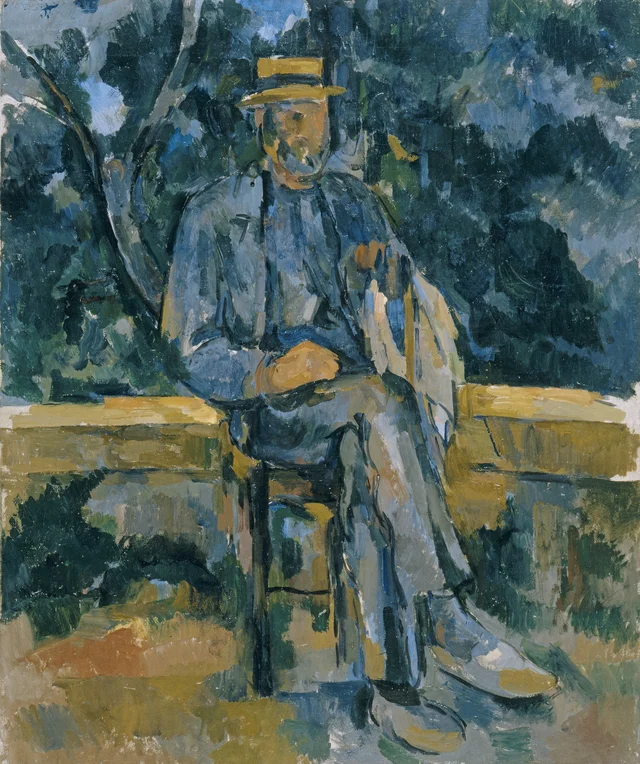 Retrato de um camponêsPaul Cézanne, 1900
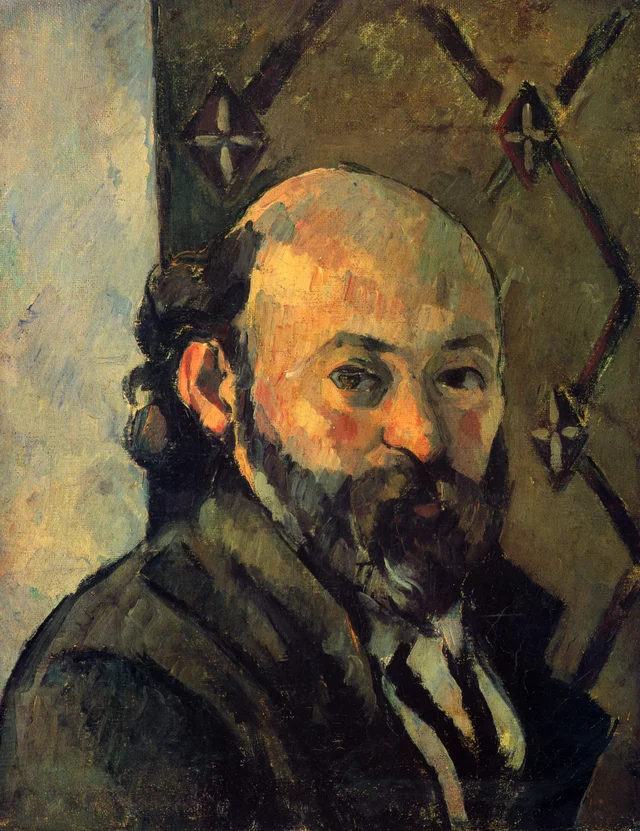 AutorretratoPaul Cézanne, 1880
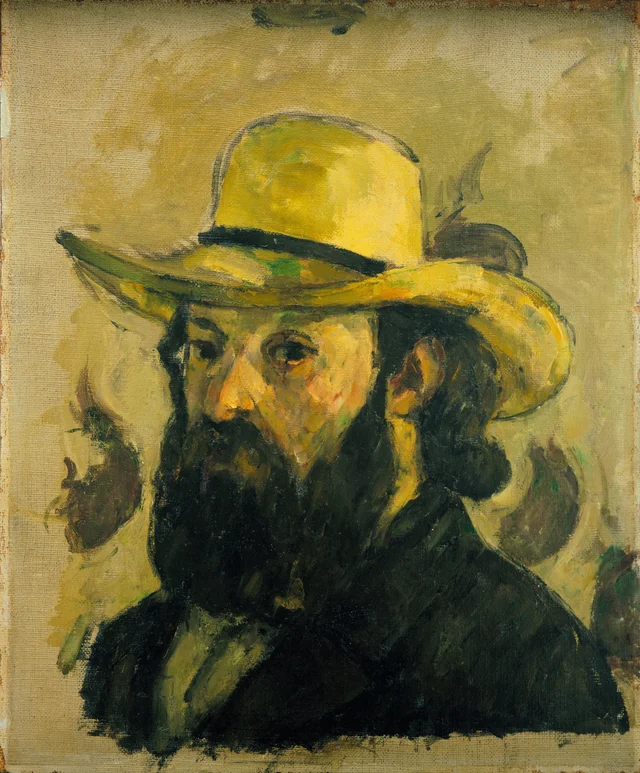 Autorretrato com chapéu de palhaPaul Cézanne, 1878
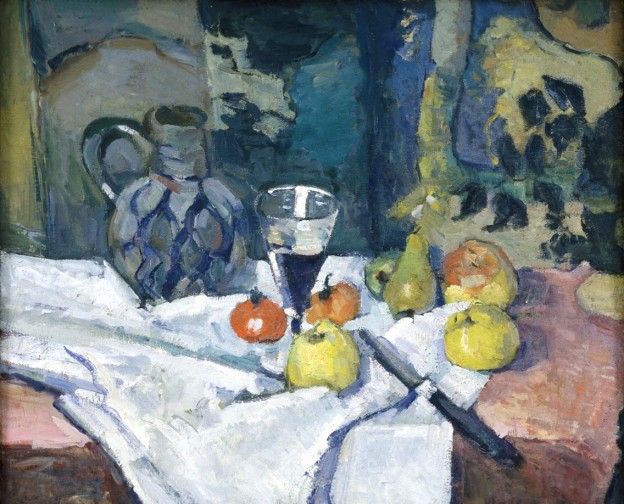 Natureza-morta com jarro de grésPaul Cézanne, 1874