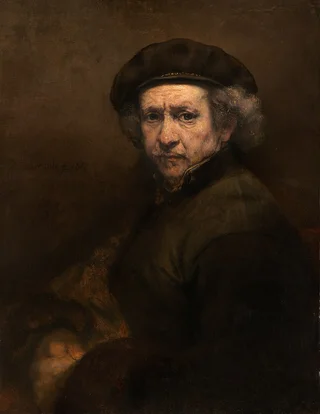
Rembrandt
1606–1669 · República das Sete Províncias Unidas · Pintura do Século de Ouro dos Países Baixos
A história
Nos anos 1630 Rembrandt era o retratista mais requisitado de Amsterdã, cidade então inchada pelo dinheiro dos navios holandeses que chegavam até o Japão. Casou-se bem, com Saskia, filha de uma família bem relacionada, comprou uma grande casa numa rua elegante e a encheu de coisas, quadros, armas, conchas exóticas, armaduras, tudo o que achava que um dia poderia pintar. Comprava em leilão como outros homens bebiam.
Depois a maré virou. Saskia morreu jovem, em 1642, o mesmo ano em que terminou o enorme retrato de milícia hoje chamado A Ronda Noturna. A moda no retrato caminhava para algo mais suave e brilhante do que seus marrons profundos e sombras pesadas. As encomendas rarearam. Seus gastos não. Em 1656 estava insolvente, e, em vez de encarar a prisão por dívidas, entregou seus bens à cidade para serem vendidos em favor dos credores. O inventário feito naquele ano lista as conchas e as armaduras e mais de 60 quadros seus. Em dois anos a casa grandiosa também se foi, vendida em leilão, e ele se mudou com o que restava do lar para cômodos mais simples do outro lado da cidade.
Nada disso abateu o trabalho; se algo, fez o oposto. Livre do retrato social e polido, passou a pintar com mão mais rústica e espessa, carregando a luz sobre uma testa ou uma manga e deixando o resto afundar no escuro. Continuou voltando o espelho para si mesmo, e ao longo da vida deixou cerca de 80 autorretratos, os últimos sem piedade, o rosto de um homem que tinha perdido quase tudo e ainda olhava firme para isso. Morreu em 1669, e num de seus últimos autorretratos pintou-se rindo, sob a máscara de um antigo pintor grego, pincel na mão, diante de uma piada que o quadro nunca explica.
Mais artigos
 Artigo · 44 min de leituraO Mauritshuis de Haia: 20 quadros e como chegaram ao museu
 Artigo · 38 min de leituraGaleria Nacional de Arte de Washington: 20 quadros que vieram de mãos particulares
 Artigo · 41 min de leituraO que ver no Louvre: 25 obras principais
 Artigo · 30 min de leituraO que ver no Met: 15 obras imperdíveis
 Artigo · 41 min de leituraMuseu Thyssen-Bornemisza: 20 quadros comprados por pai e filho
 Artigo · 56 min de leituraO Rijksmuseum de Amsterdã: 25 obras e seus donos
Obras
307 obras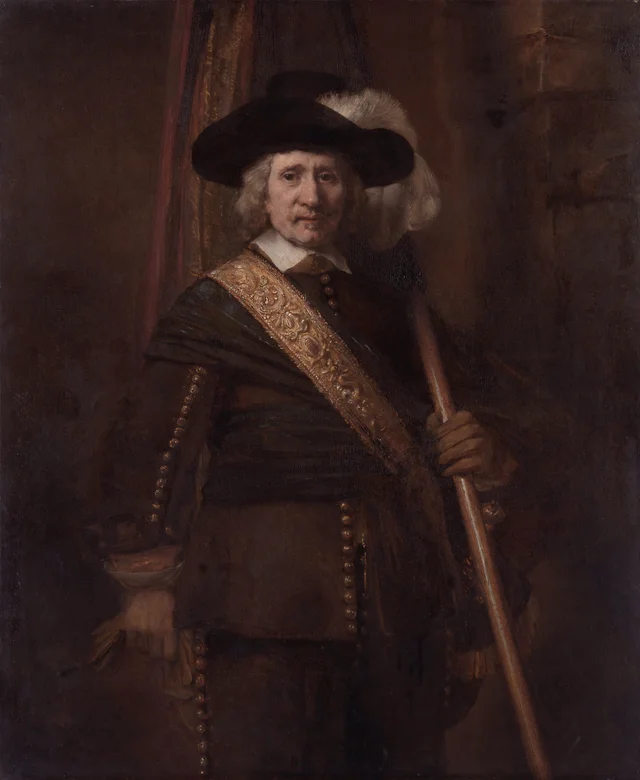 Retrato de Floris SoopRembrandt, 1654
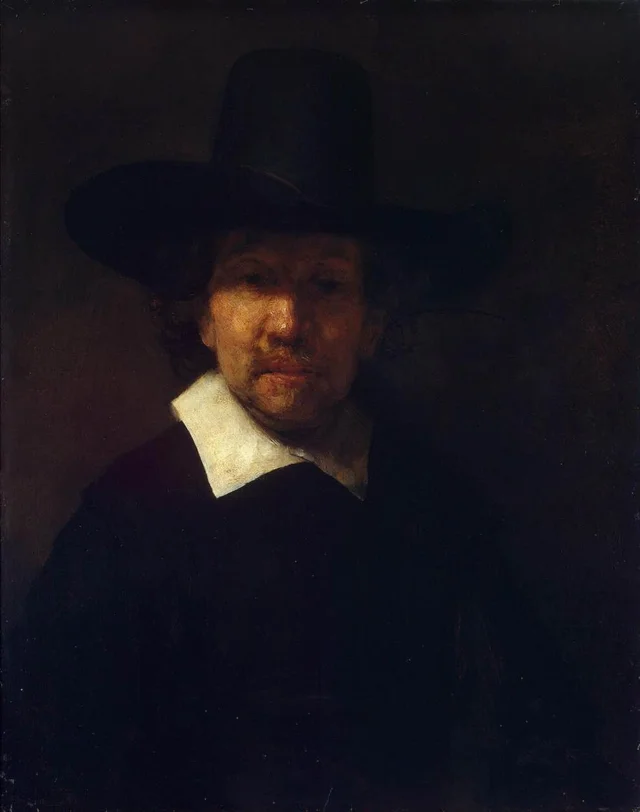 Retrato de Jeremias de DeckerRembrandt, 1666
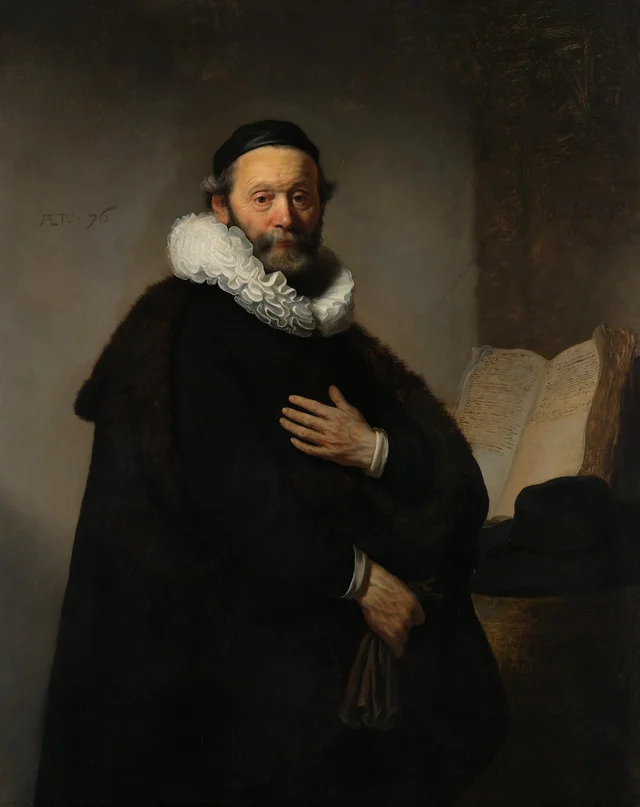 Retrato de Johannes WtenbogaertRembrandt, 1633
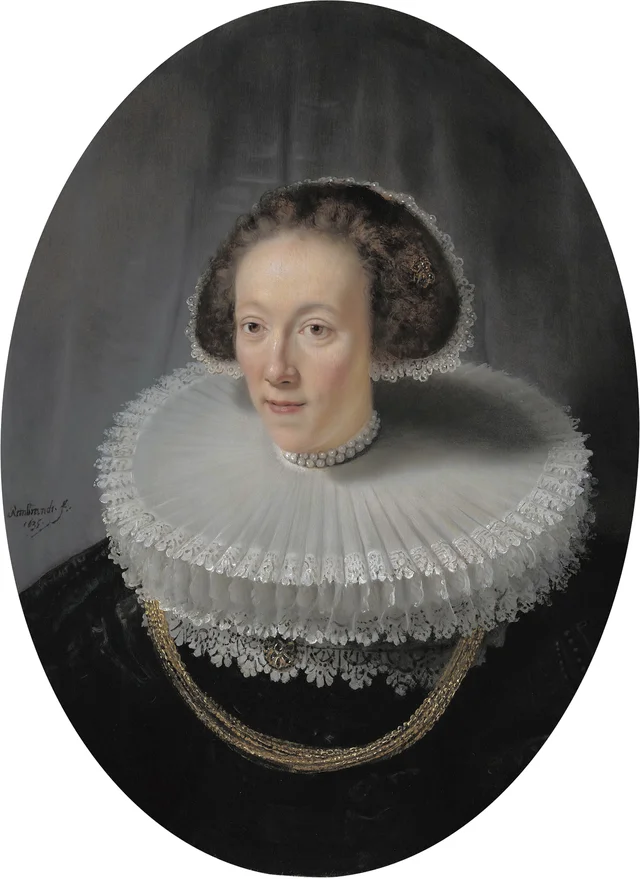 Retrato de Petronella BuysRembrandt, 1635
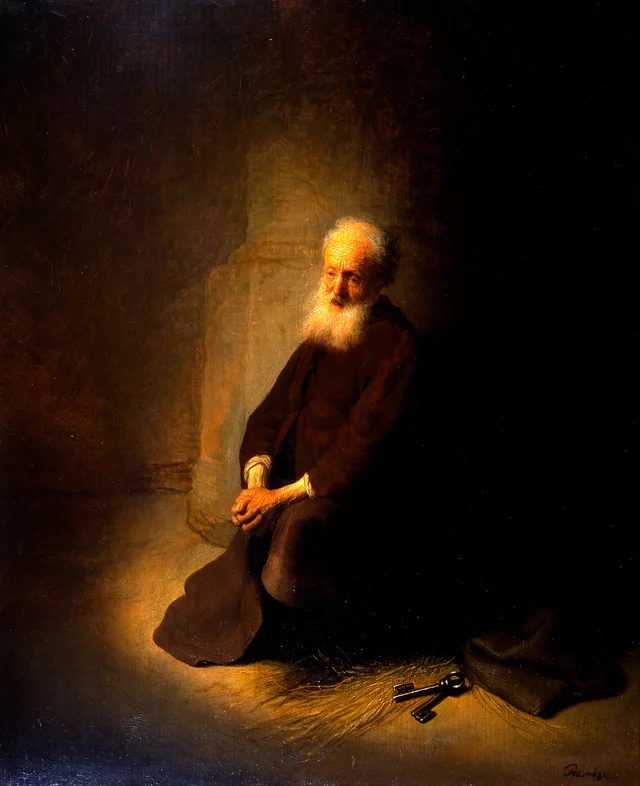 São Pedro na prisãoRembrandt, 1631
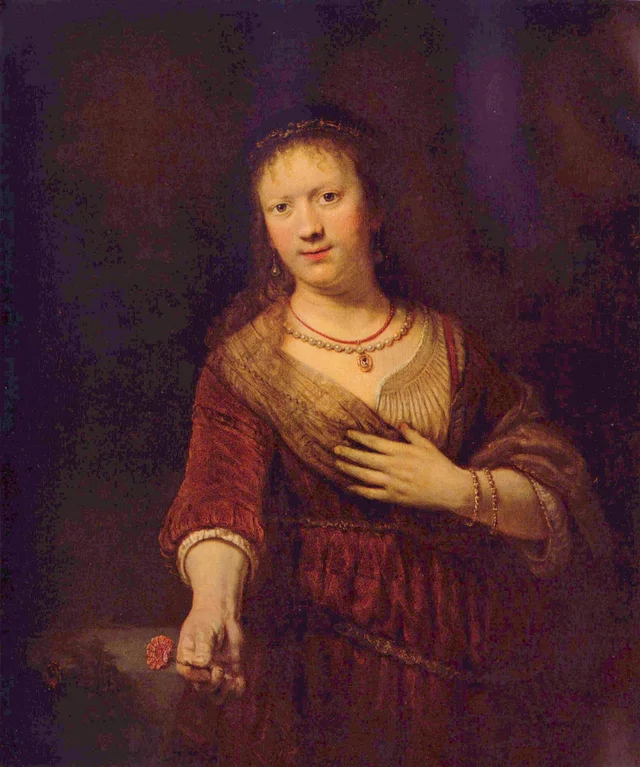 Saskia como FloraRembrandt, 1641
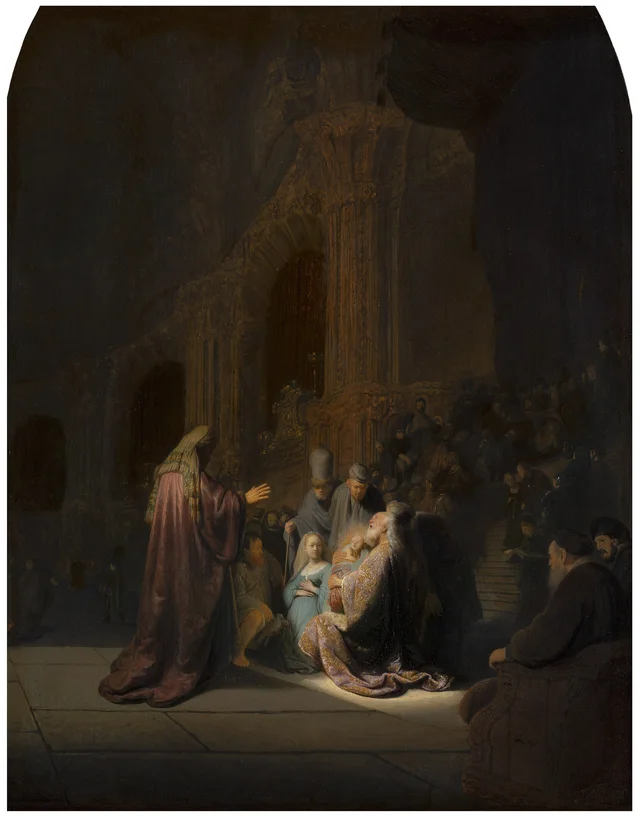 O cântico de SimeãoRembrandt, 1631
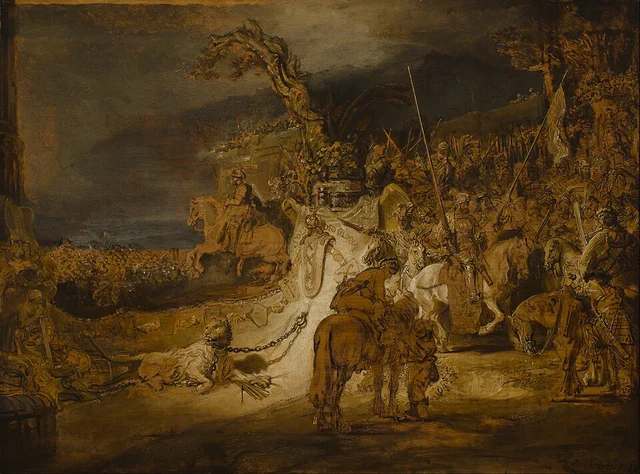 A concórdia do EstadoRembrandt, 1642
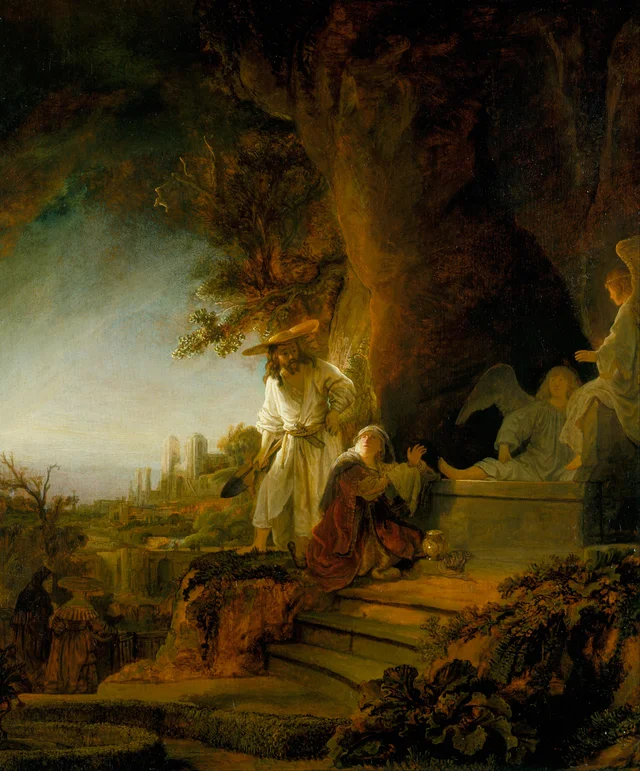 Cristo ressuscitado aparecendo a Maria MadalenaRembrandt, 1638
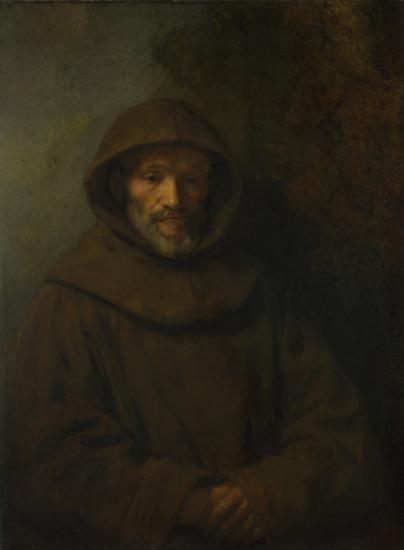 Um frade franciscanoRembrandt, 1655
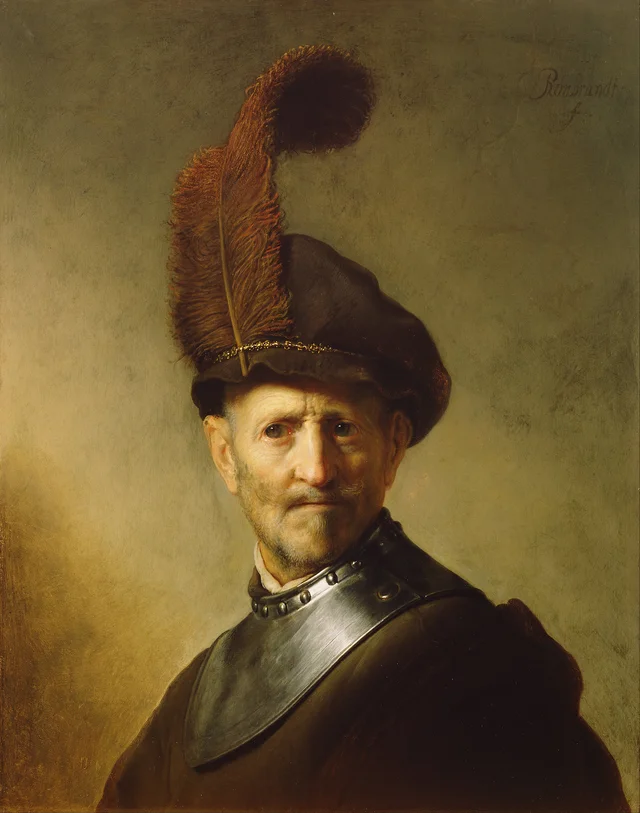 Velho em traje militarRembrandt, 1630
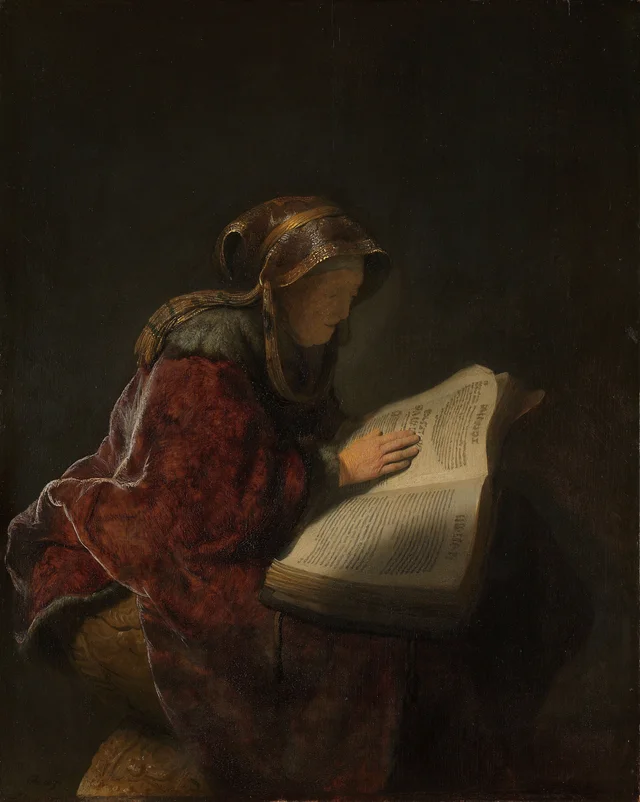 Idosa lendo, provavelmente a profetisa AnaRembrandt, 1631
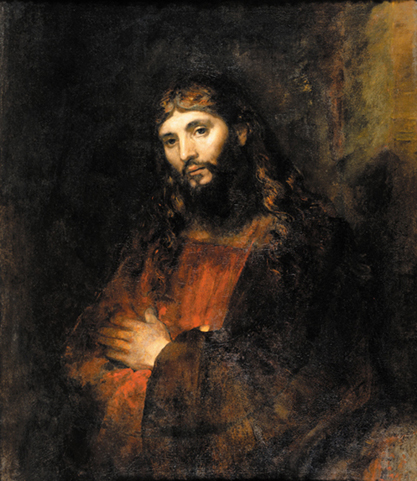 Cristo com os braços cruzadosRembrandt, 1660
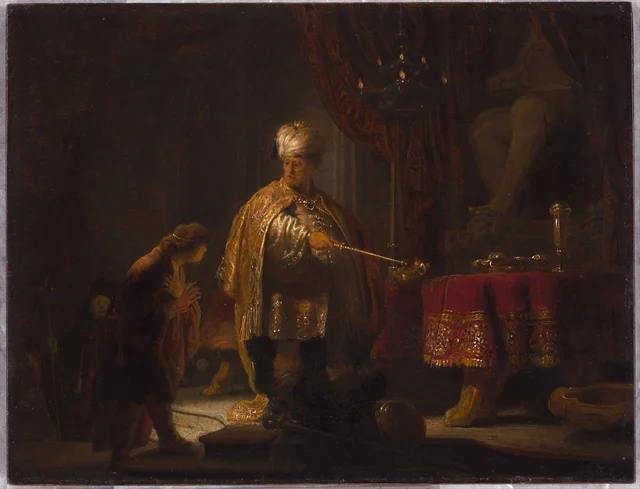 Daniel e Ciro diante do ídolo de BelRembrandt, 1633
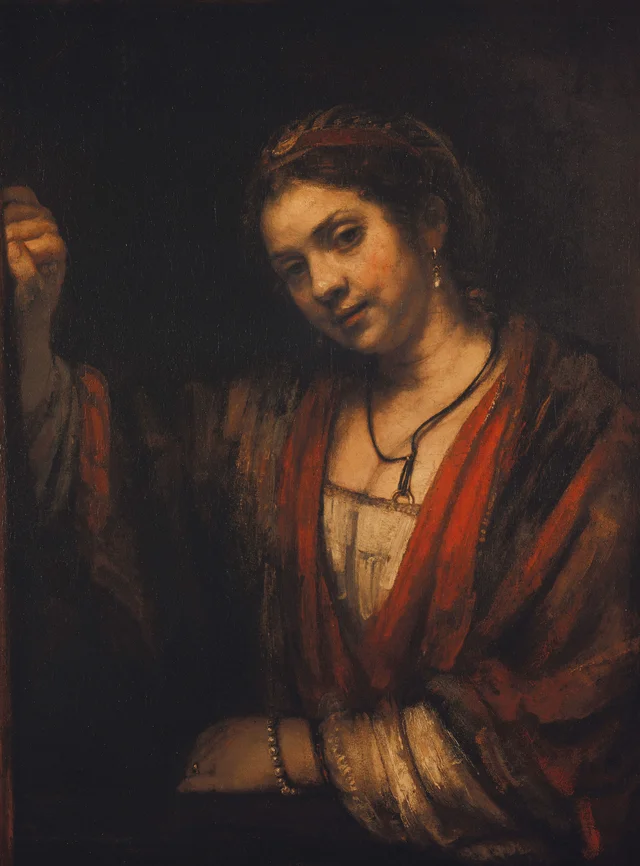 Hendrickje Stoffels junto à portaRembrandt, 1656
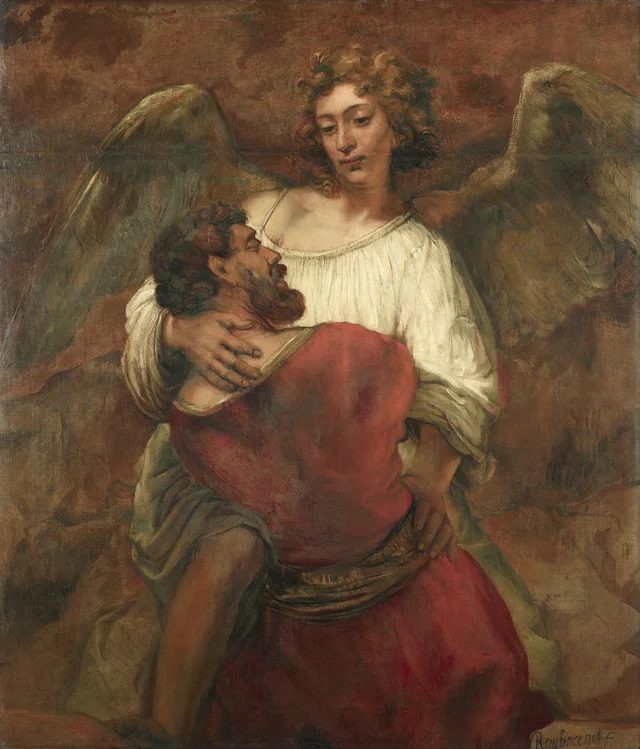 Jacó lutando com o anjoRembrandt, 1659
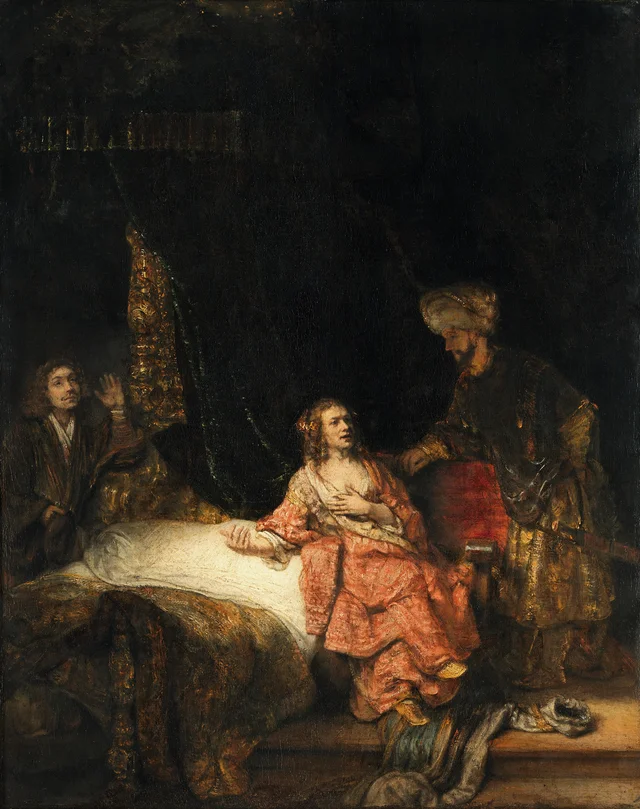 José acusado pela mulher de PotifarRembrandt, 1655
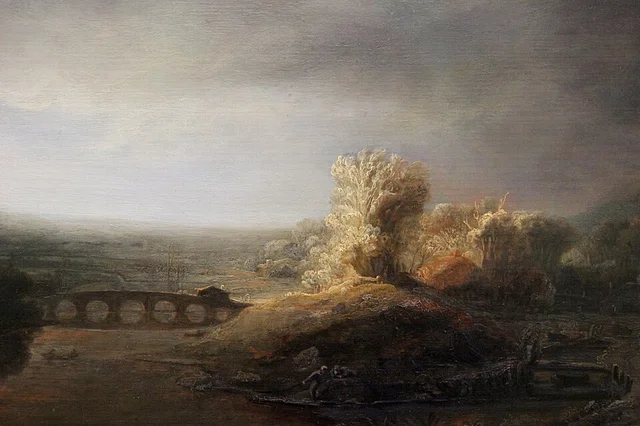 Paisagem com ponte de sete arcosRembrandt, 1638
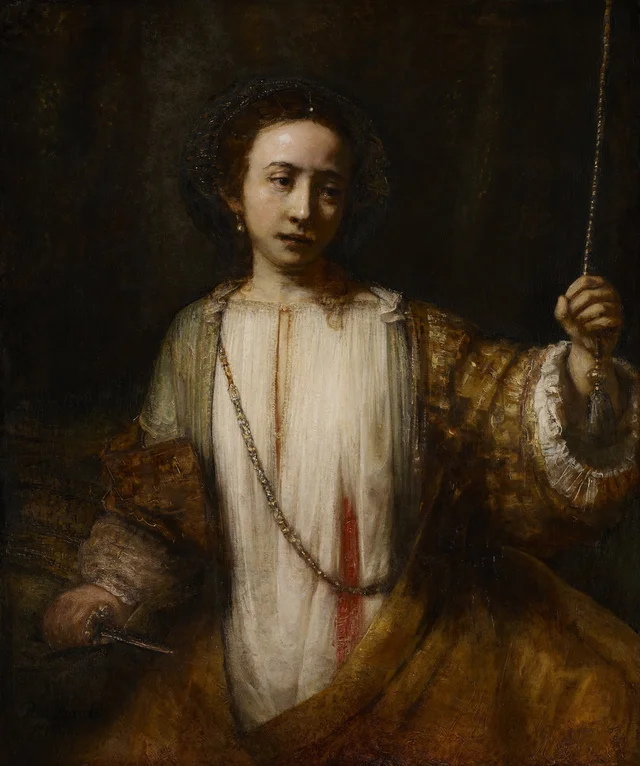 LucréciaRembrandt, 1666
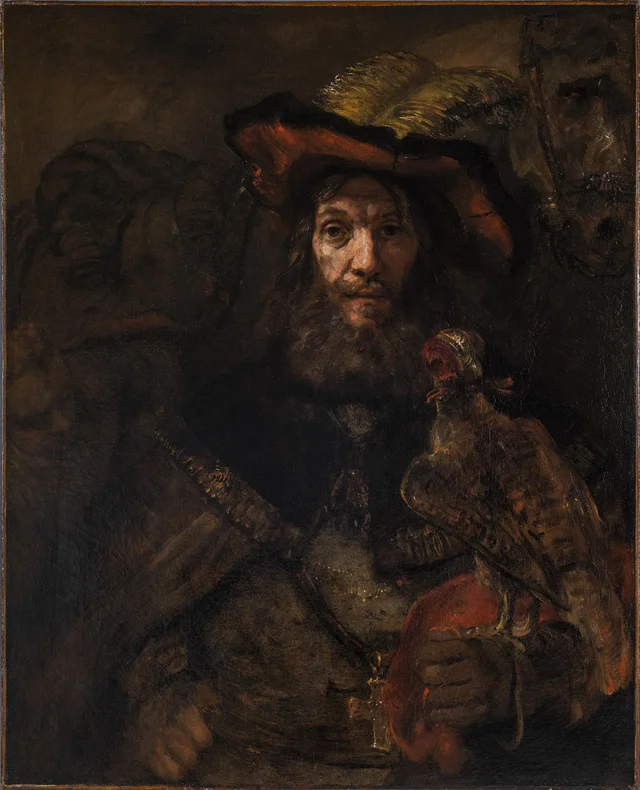 Homem com um falcão (possivelmente São Bavo)Rembrandt, 1661
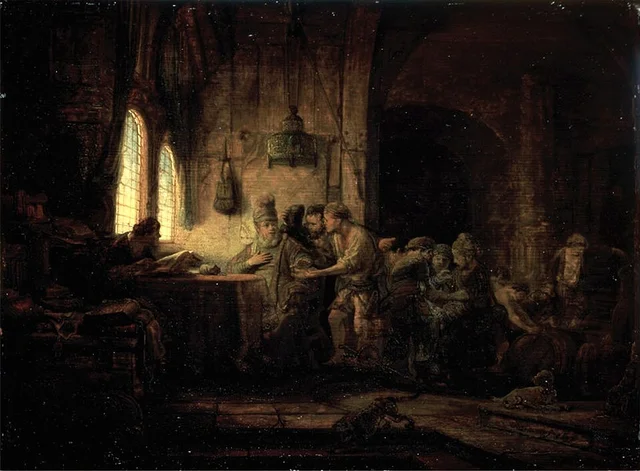 Parábola dos Trabalhadores da VinhaRembrandt, 1637
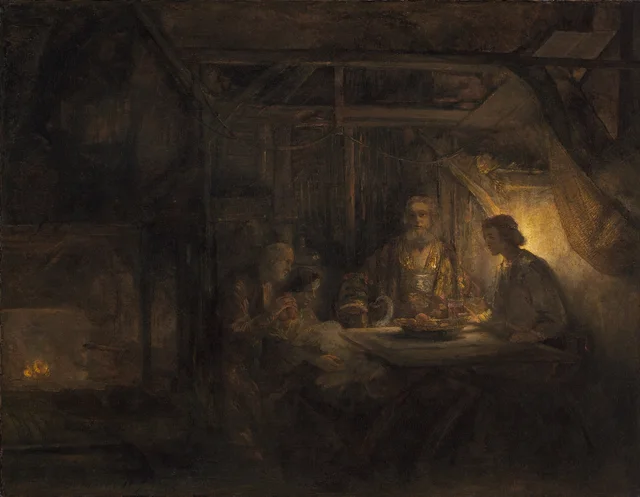 Filêmon e BáucisRembrandt, 1658
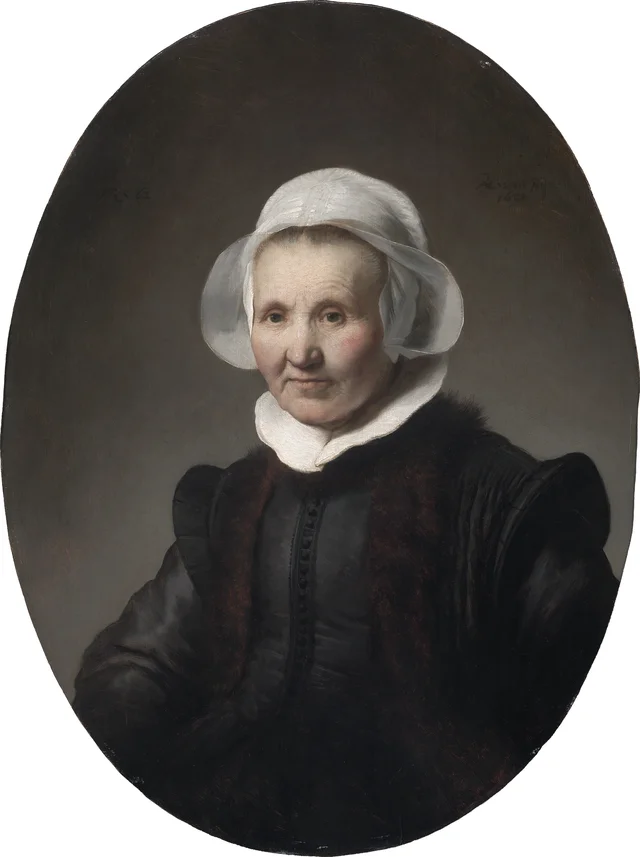 Retrato de uma mulher de 62 anos, possivelmente Aeltje Pietersdr UylenburghRembrandt, 1632
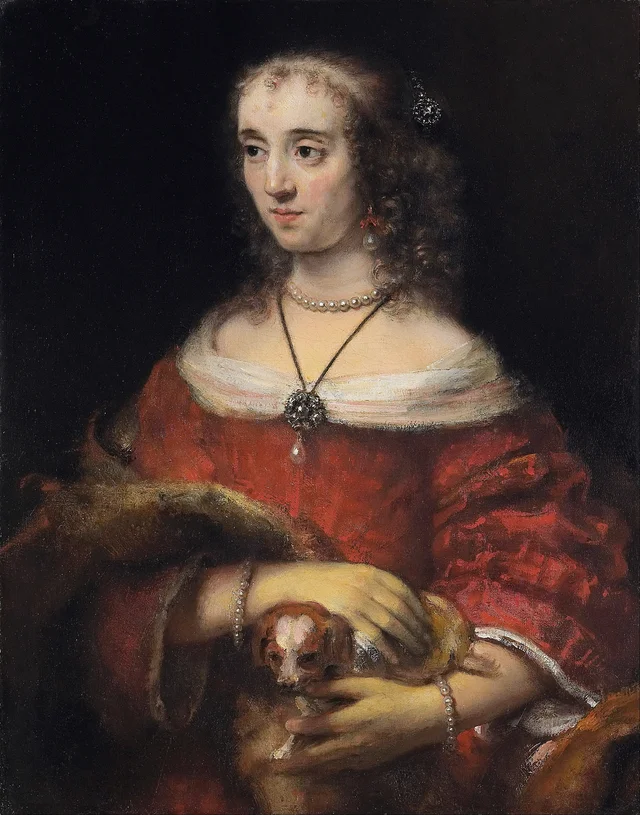 Retrato de uma dama com um cão de coloRembrandt, 1665
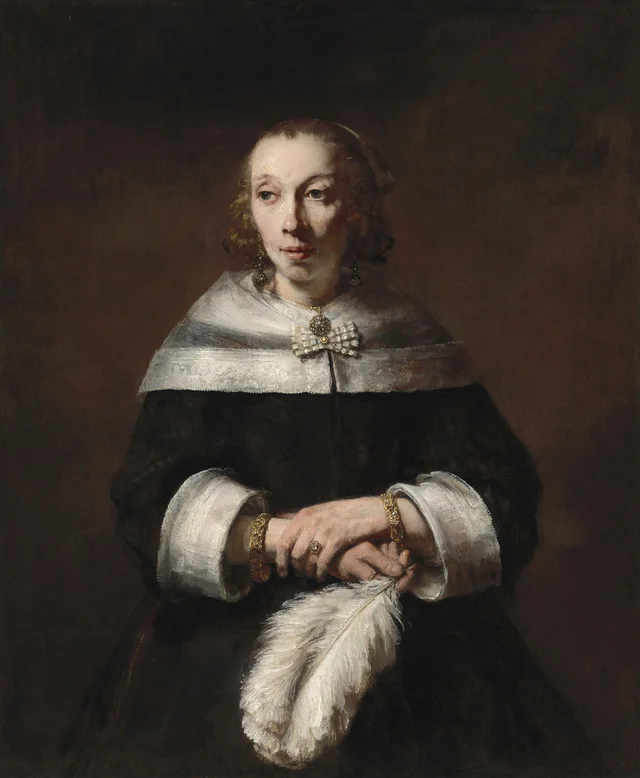 Retrato de uma mulher com leque de penas de avestruzRembrandt, 1656