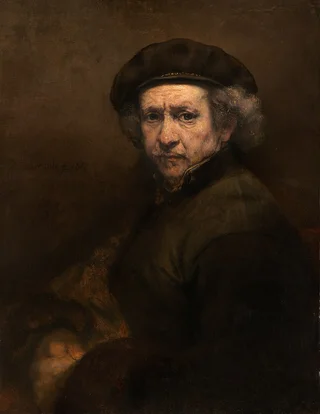
Rembrandt
1606–1669 · República das Sete Províncias Unidas · Pintura do Século de Ouro dos Países Baixos
A história
Nos anos 1630 Rembrandt era o retratista mais requisitado de Amsterdã, cidade então inchada pelo dinheiro dos navios holandeses que chegavam até o Japão. Casou-se bem, com Saskia, filha de uma família bem relacionada, comprou uma grande casa numa rua elegante e a encheu de coisas, quadros, armas, conchas exóticas, armaduras, tudo o que achava que um dia poderia pintar. Comprava em leilão como outros homens bebiam.
Depois a maré virou. Saskia morreu jovem, em 1642, o mesmo ano em que terminou o enorme retrato de milícia hoje chamado A Ronda Noturna. A moda no retrato caminhava para algo mais suave e brilhante do que seus marrons profundos e sombras pesadas. As encomendas rarearam. Seus gastos não. Em 1656 estava insolvente, e, em vez de encarar a prisão por dívidas, entregou seus bens à cidade para serem vendidos em favor dos credores. O inventário feito naquele ano lista as conchas e as armaduras e mais de 60 quadros seus. Em dois anos a casa grandiosa também se foi, vendida em leilão, e ele se mudou com o que restava do lar para cômodos mais simples do outro lado da cidade.
Nada disso abateu o trabalho; se algo, fez o oposto. Livre do retrato social e polido, passou a pintar com mão mais rústica e espessa, carregando a luz sobre uma testa ou uma manga e deixando o resto afundar no escuro. Continuou voltando o espelho para si mesmo, e ao longo da vida deixou cerca de 80 autorretratos, os últimos sem piedade, o rosto de um homem que tinha perdido quase tudo e ainda olhava firme para isso. Morreu em 1669, e num de seus últimos autorretratos pintou-se rindo, sob a máscara de um antigo pintor grego, pincel na mão, diante de uma piada que o quadro nunca explica.
Mais artigos
 Artigo · 44 min de leituraO Mauritshuis de Haia: 20 quadros e como chegaram ao museu
 Artigo · 38 min de leituraGaleria Nacional de Arte de Washington: 20 quadros que vieram de mãos particulares
 Artigo · 41 min de leituraO que ver no Louvre: 25 obras principais
 Artigo · 30 min de leituraO que ver no Met: 15 obras imperdíveis
 Artigo · 41 min de leituraMuseu Thyssen-Bornemisza: 20 quadros comprados por pai e filho
 Artigo · 56 min de leituraO Rijksmuseum de Amsterdã: 25 obras e seus donos
Obras
307 obras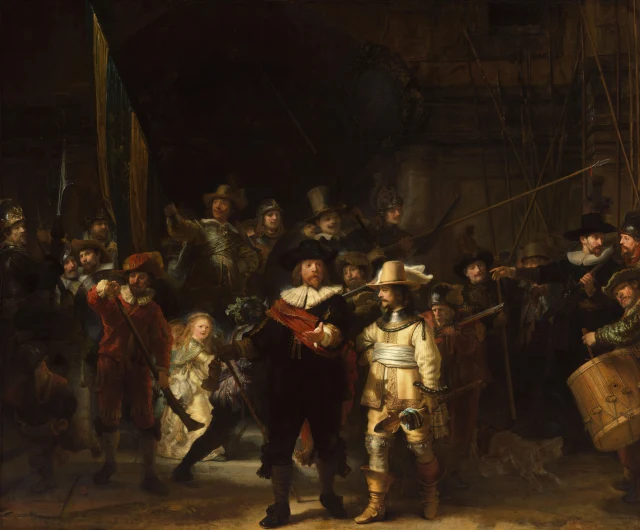 A Ronda NoturnaRembrandt, 1642
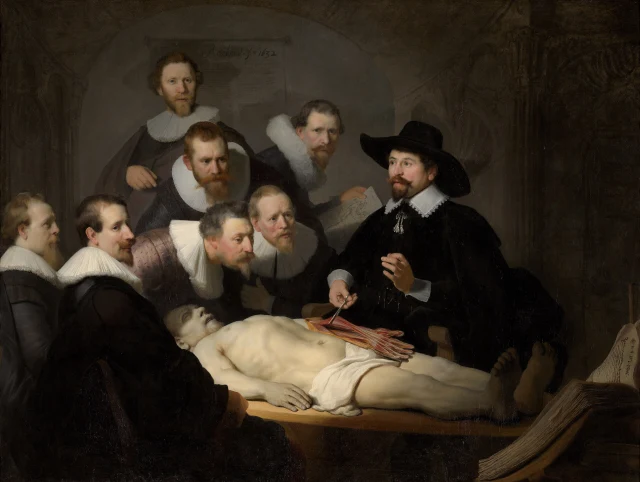 A Lição de Anatomia do Dr. Nicolaes TulpRembrandt, 1632
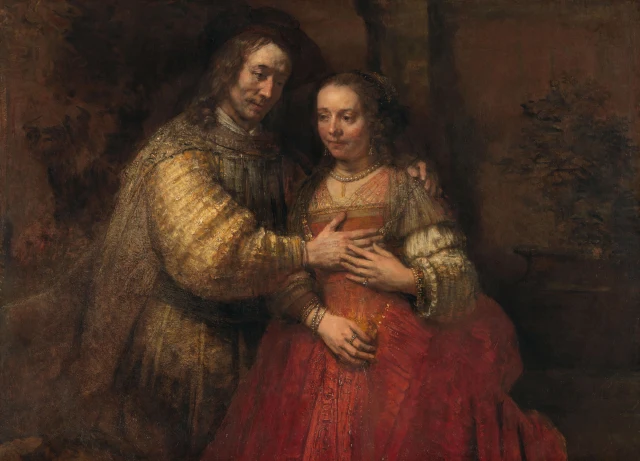 A Noiva JudiaRembrandt, 1667
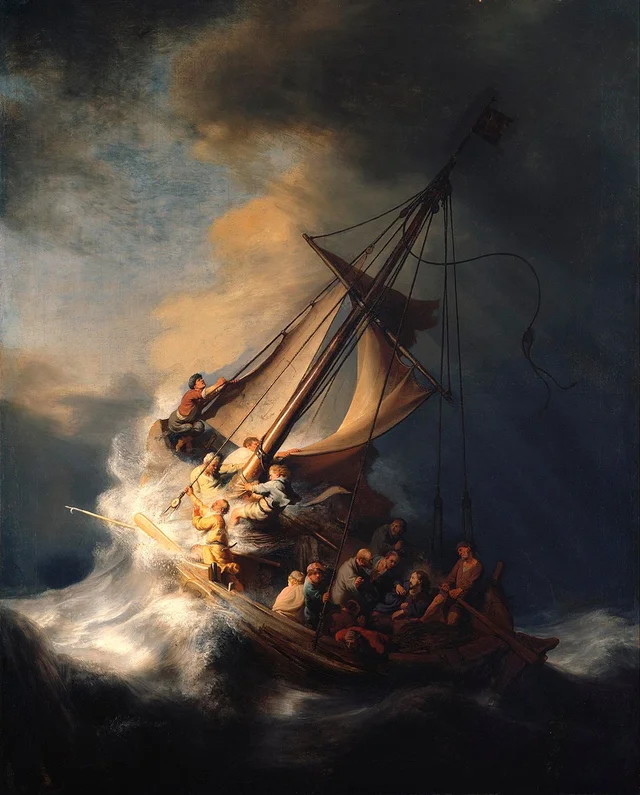 A Tempestade no Mar da GalileiaRembrandt, 1633
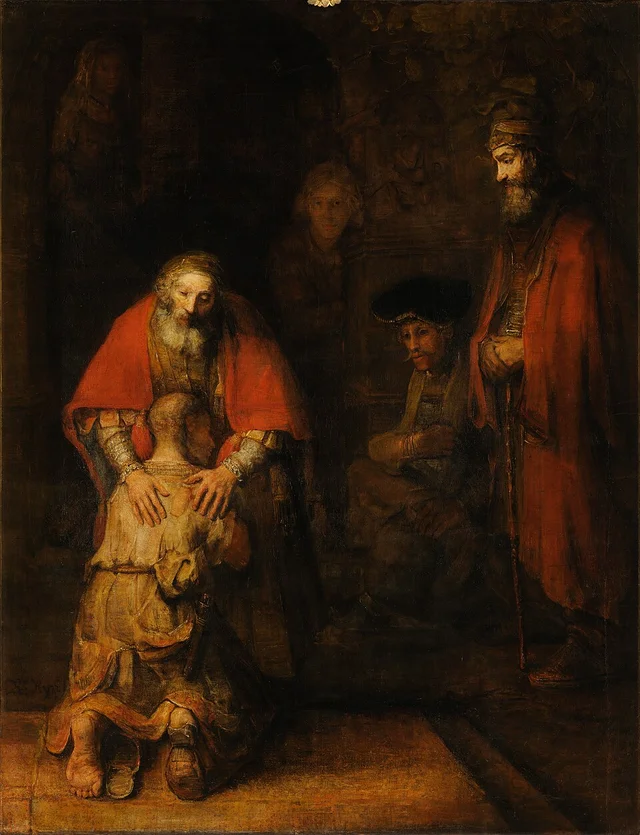 O Retorno do Filho PródigoRembrandt, 1668
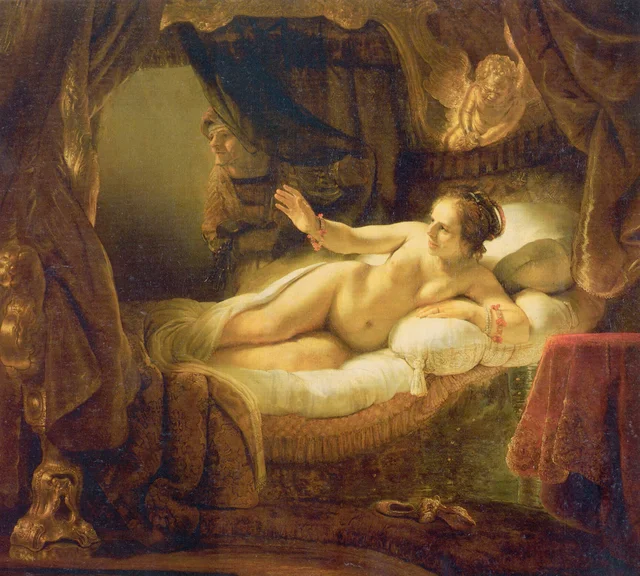 DânaeRembrandt, 1636
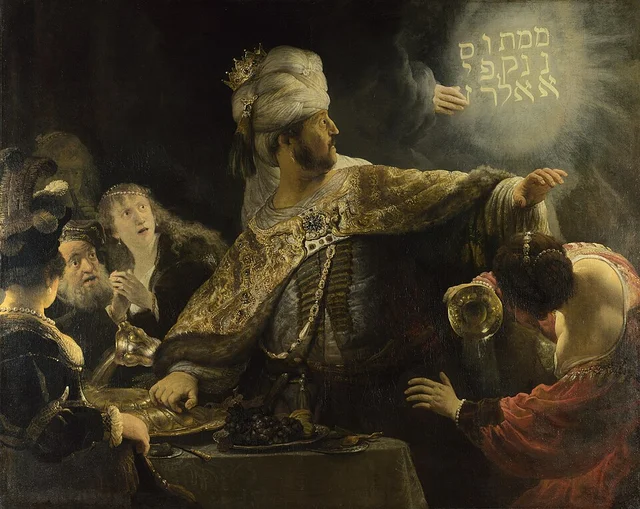 A Festa de BaltazarRembrandt, 1636
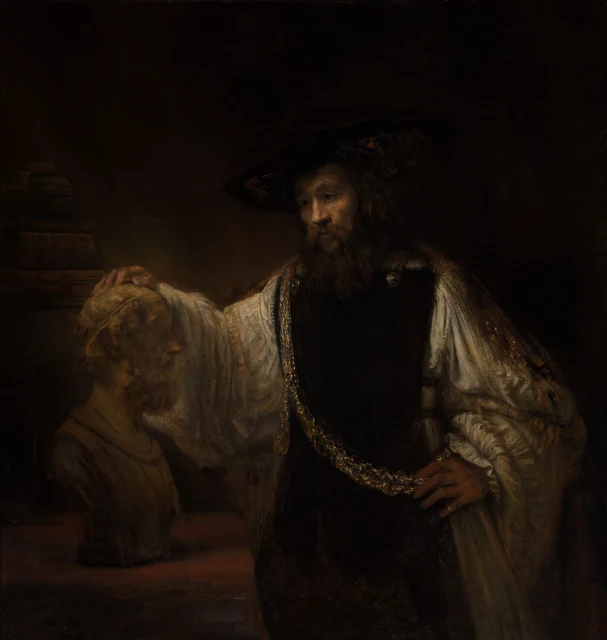 Aristóteles com um Busto de HomeroRembrandt, 1653
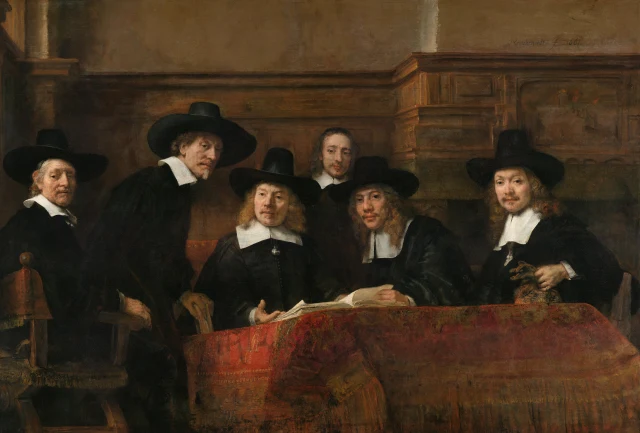 Os Síndicos da Guilda dos DrapeirosRembrandt, 1662
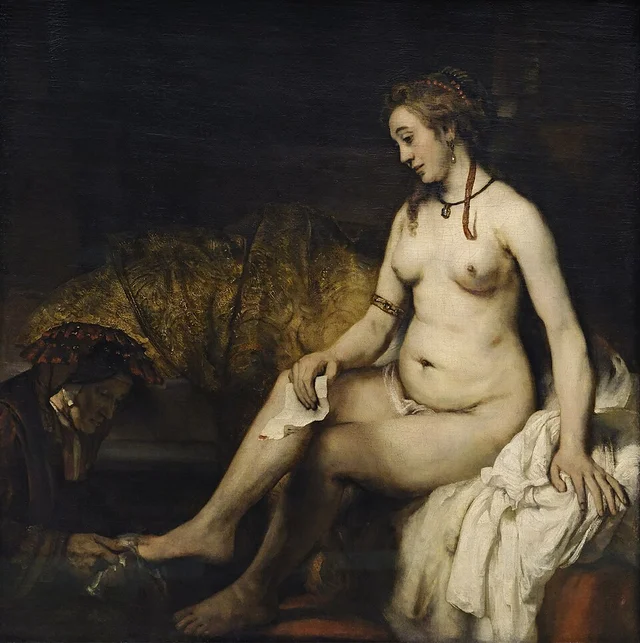 Betsabé no BanhoRembrandt, 1654
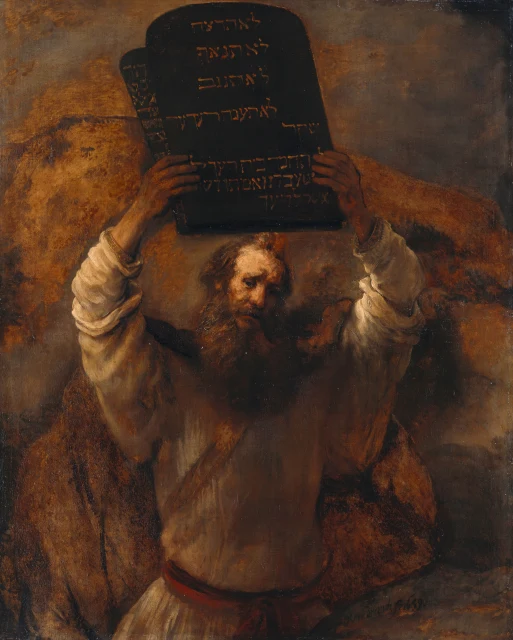 Moisés Quebrando as Tábuas da LeiRembrandt, 1659
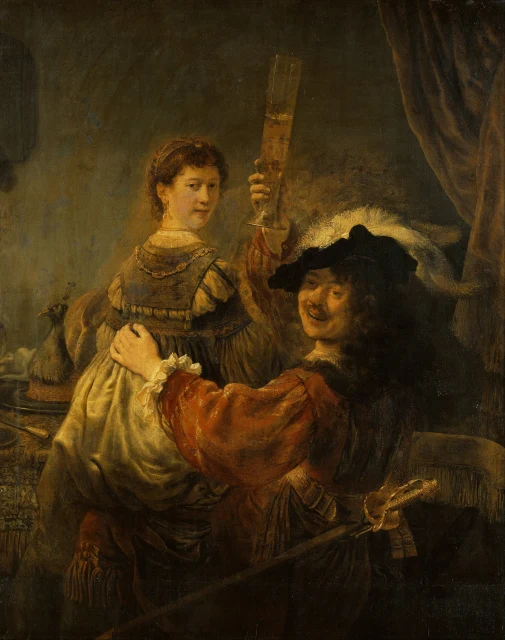 Rembrandt e Saskia na parábola do filho pródigoRembrandt, 1635
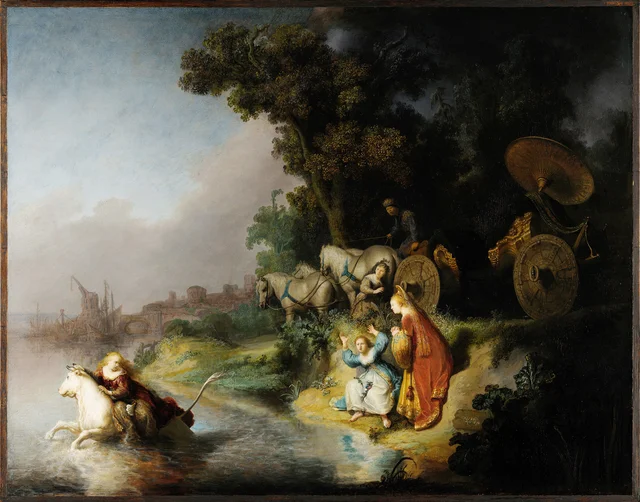 O Rapto de EuropaRembrandt, 1632
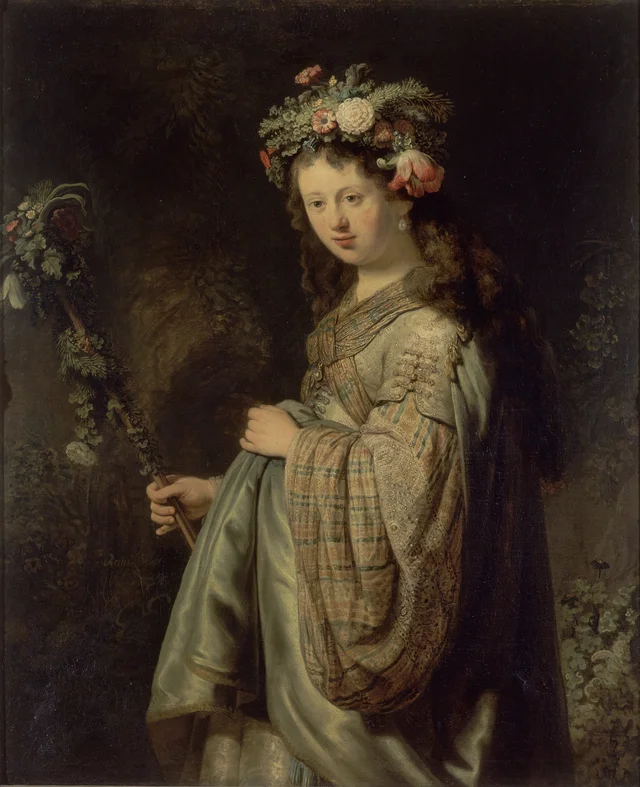 FloraRembrandt, 1634
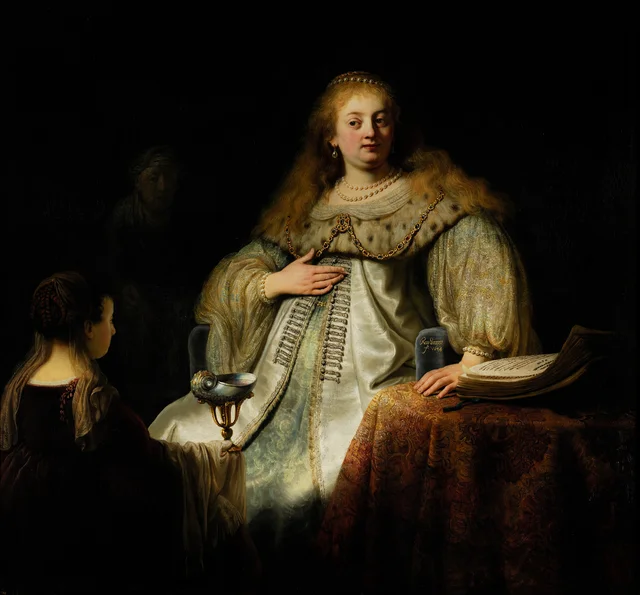 Judite no banquete de HolofernesRembrandt, 1634
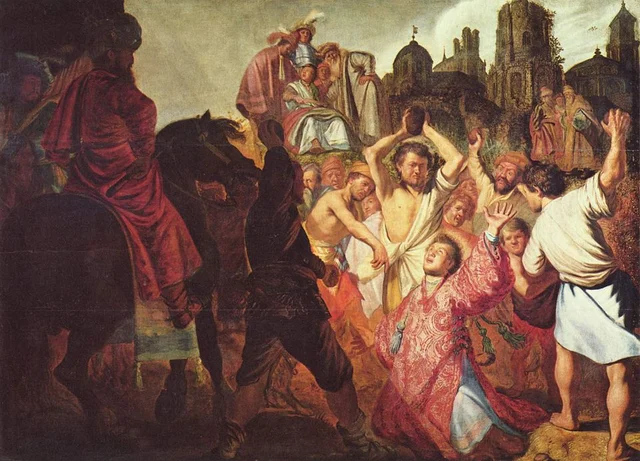 O Apedrejamento de Santo EstêvãoRembrandt, 1624
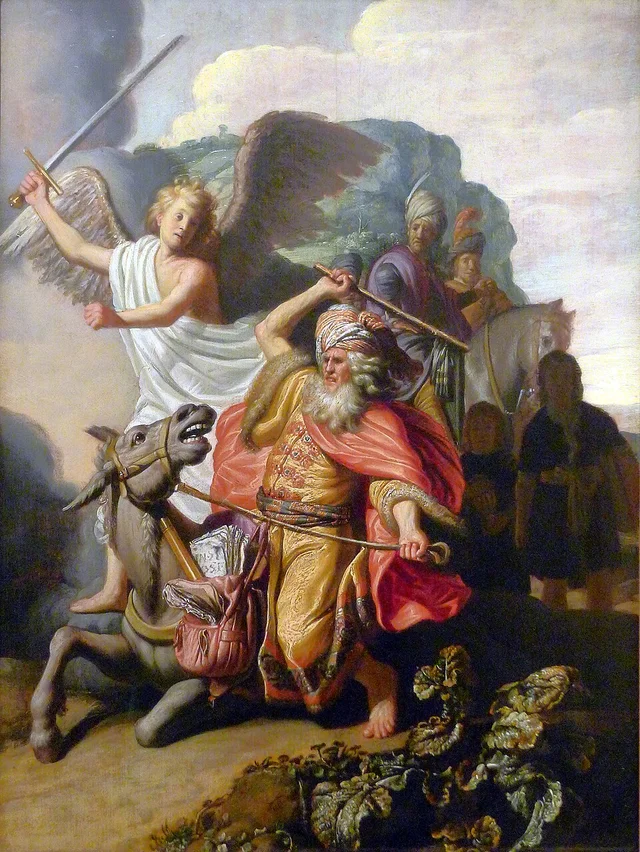 Balaão e a JumentaRembrandt, 1626
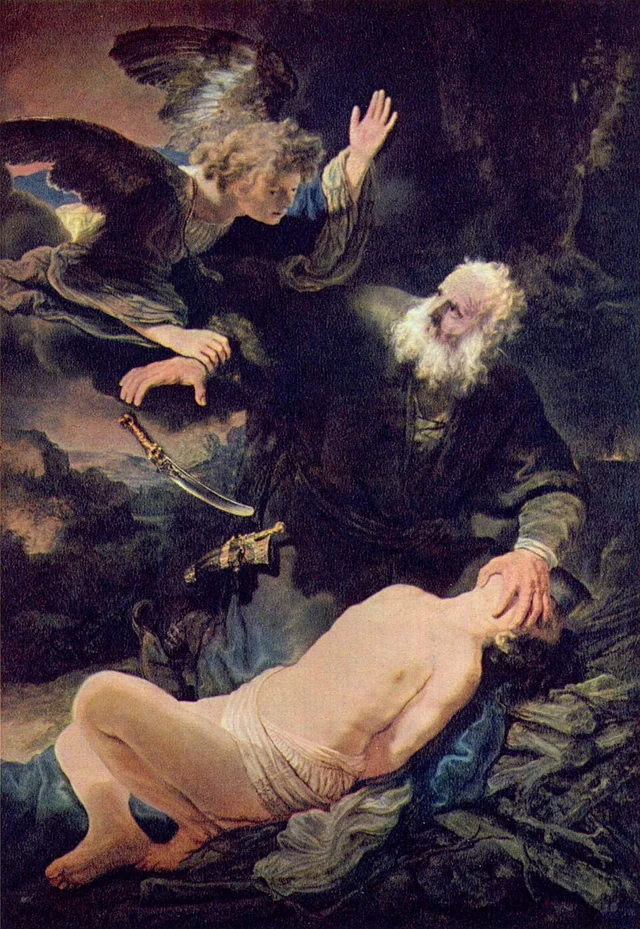 O Sacrifício de AbraãoRembrandt, 1635
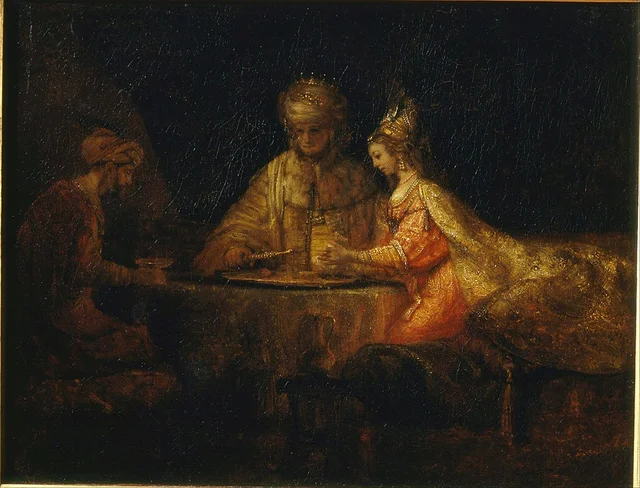 Assuero e Hamã no Banquete de EsterRembrandt, 1660
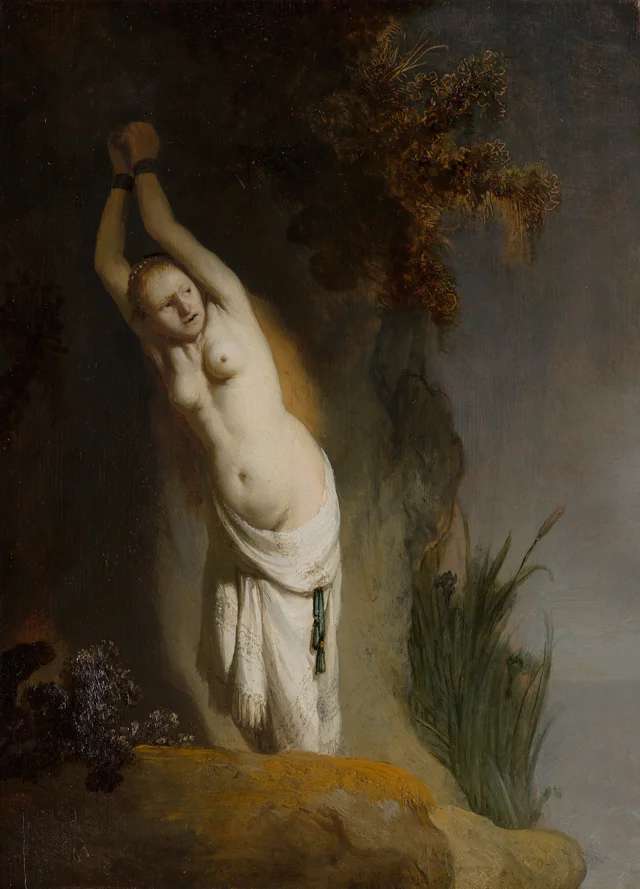 Andrômeda Acorrentada às RochasRembrandt, 1630
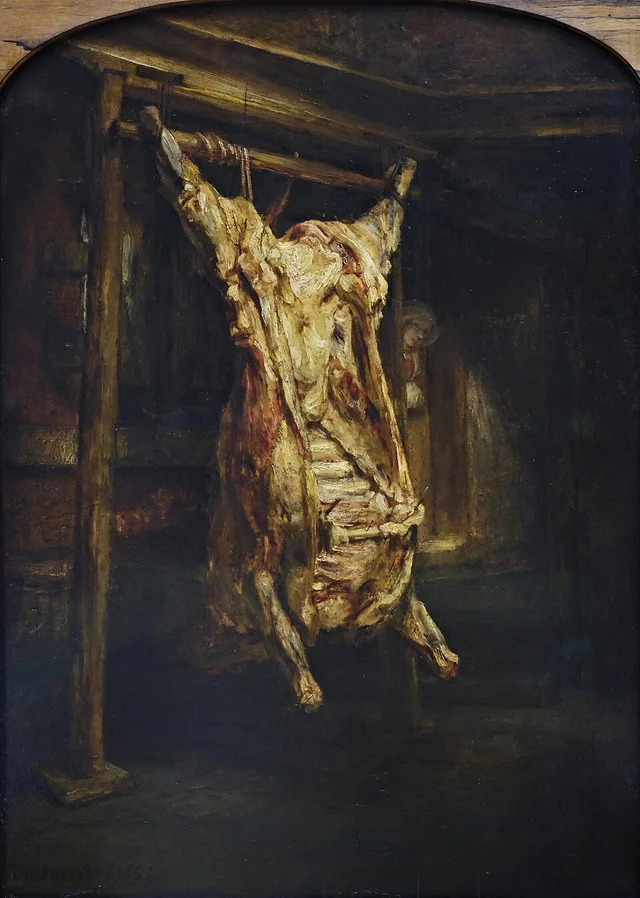 O Boi EsfoladoRembrandt, 1655
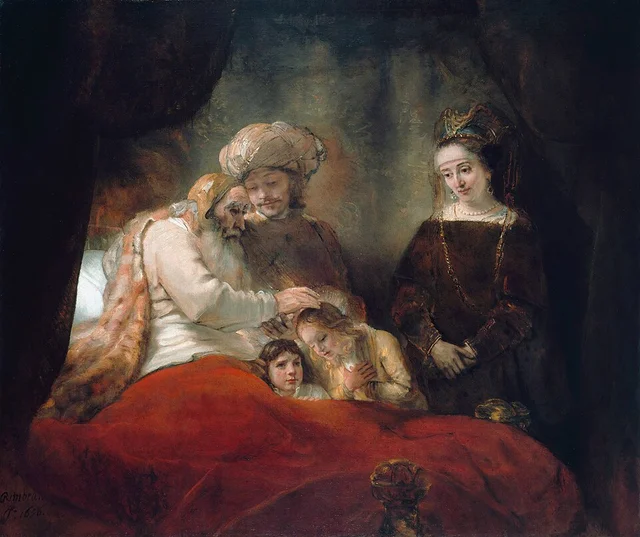 Jacó abençoando os filhos de JoséRembrandt, 1656
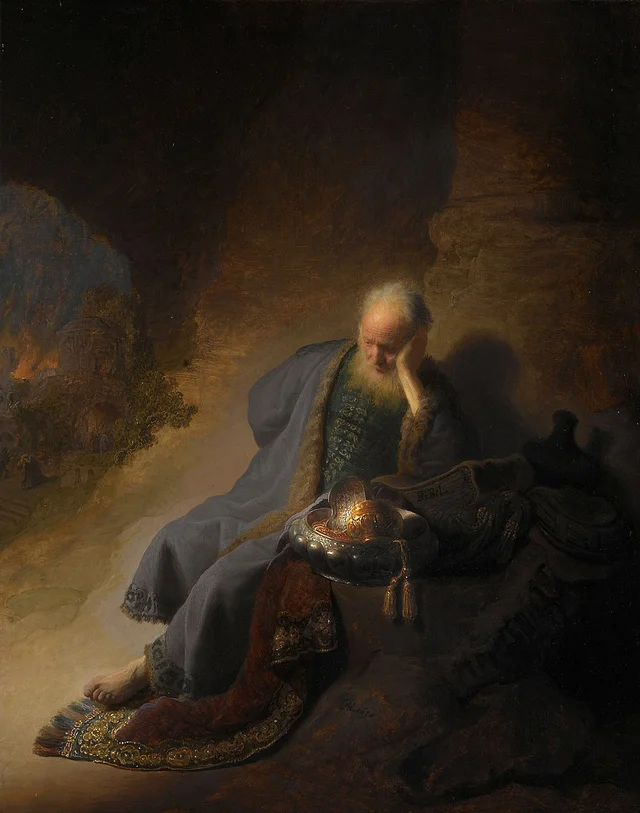 Jeremias Lamentando a Destruição de JerusalémRembrandt, 1630
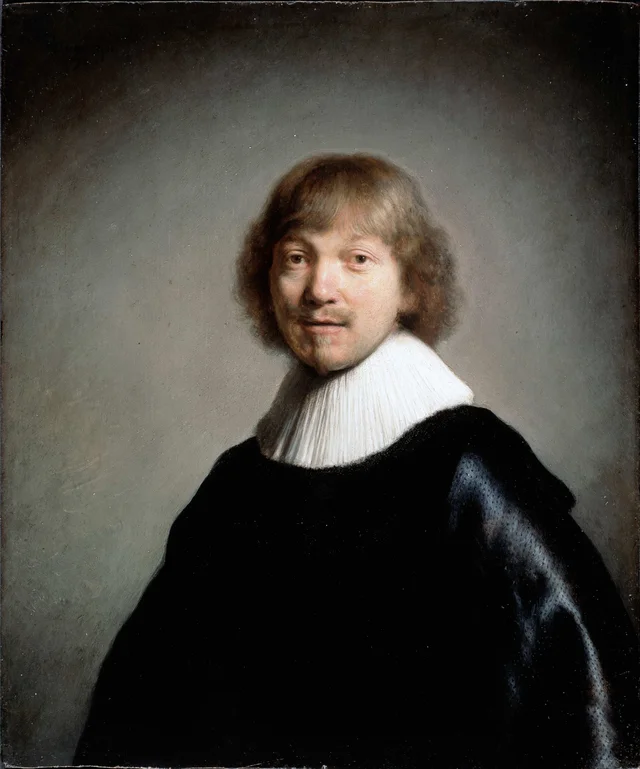 Retrato de Jacob de Gheyn IIIRembrandt, 1632
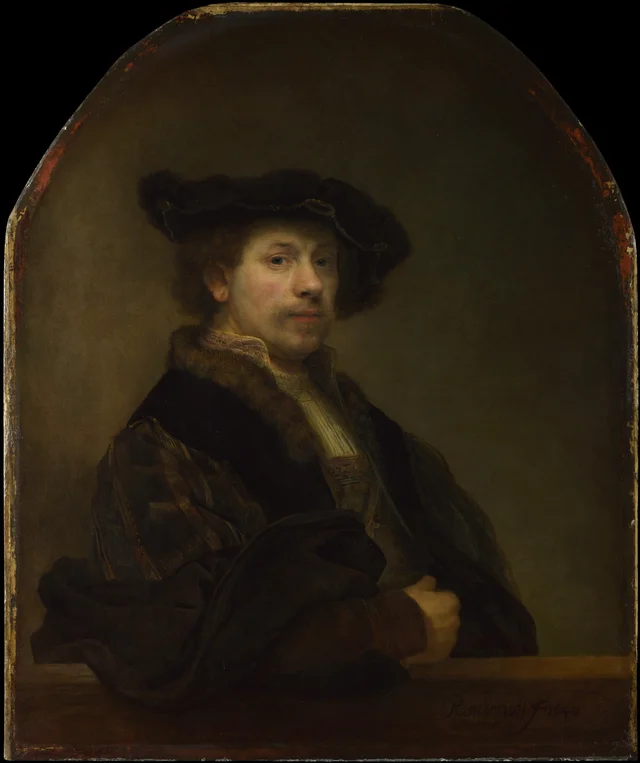 Autorretrato aos 34 AnosRembrandt, 1640