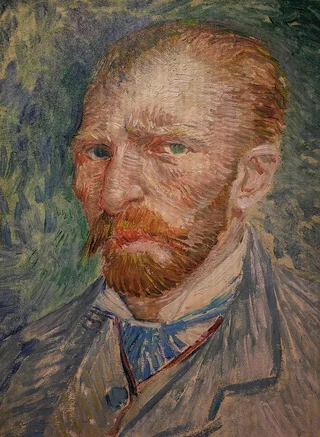
Vincent van Gogh
1853–1890 · Reino dos Países Baixos · Pós-impressionismo
A história
Vincent van Gogh chegou tarde à pintura e trabalhou por pouco mais de dez anos. Antes disso, tentou ser marchand, professor, balconista de livraria e pregador leigo entre os mineiros de carvão do Borinage, na Bélgica, e de todos esses ofícios saiu ou foi demitido. Pegou o pincel a sério por volta dos 27 anos, e tudo o que hoje entendemos por Van Gogh cabe numa única década.
Por quase todo esse tempo, foi sustentado pelo irmão mais novo, Theo, marchand em Paris. Theo mandava dinheiro e tintas e recebia cartas de volta, centenas delas, em que Vincent comentava cada quadro que estava fazendo. As primeiras telas eram escuras e camponesas, como Os Comedores de Batata. Depois veio Paris, os impressionistas, e uma paleta que de repente pegou fogo em cores.
Em 1888 foi para o sul, para Arles, sonhando em reunir ao redor de si uma pequena colônia de pintores. Paul Gauguin atendeu ao chamado, mas dois homens difíceis vivendo juntos se desentenderam depressa, e tudo terminou na noite de dezembro em que Van Gogh cortou parte da própria orelha. Depois veio o asilo de Saint-Rémy, onde pintou A Noite Estrelada, e a cidade de Auvers-sur-Oise, sob os cuidados do doutor Gachet. No verão de 1890, aos 37 anos, deu um tiro no próprio peito e morreu dois dias depois.
Quase ninguém comprou seu trabalho em vida. Naquela única década deixou mais de 2.000 obras, cerca de 860 delas em óleo, e vendeu apenas um punhado. Theo sobreviveu a ele por meros seis meses. Quem finalmente tornou Van Gogh famoso foi a viúva de Theo, Johanna van Gogh-Bonger, que passou anos organizando exposições e foi a primeira a publicar suas cartas.
Mais artigos
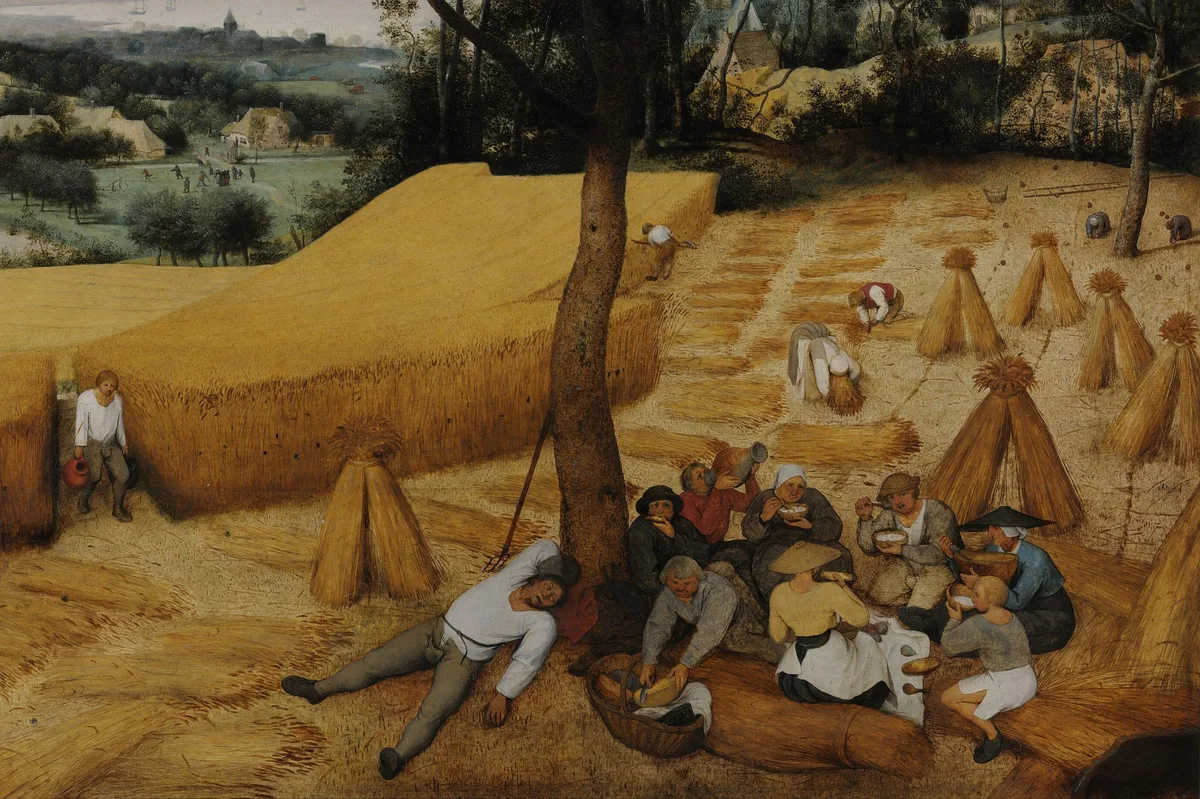 Artigo · 30 min de leituraO que ver no Met: 15 obras imperdíveis
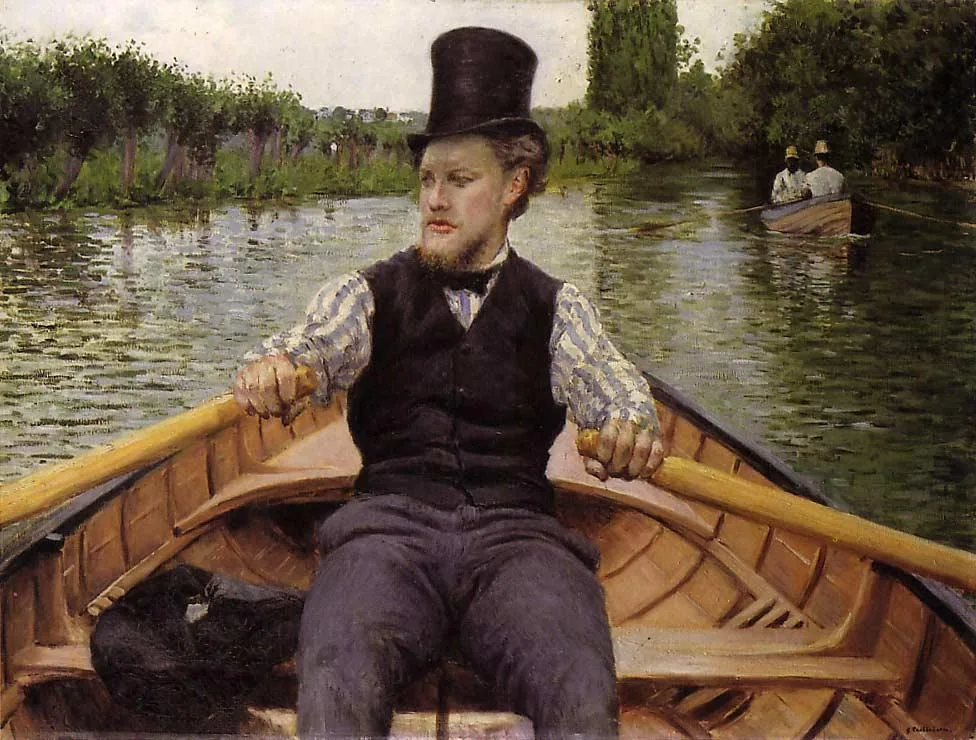 Artigo · 48 min de leituraMuseu d'Orsay: do Cabanel comprado por Napoleão III ao Caillebotte de 43 milhões
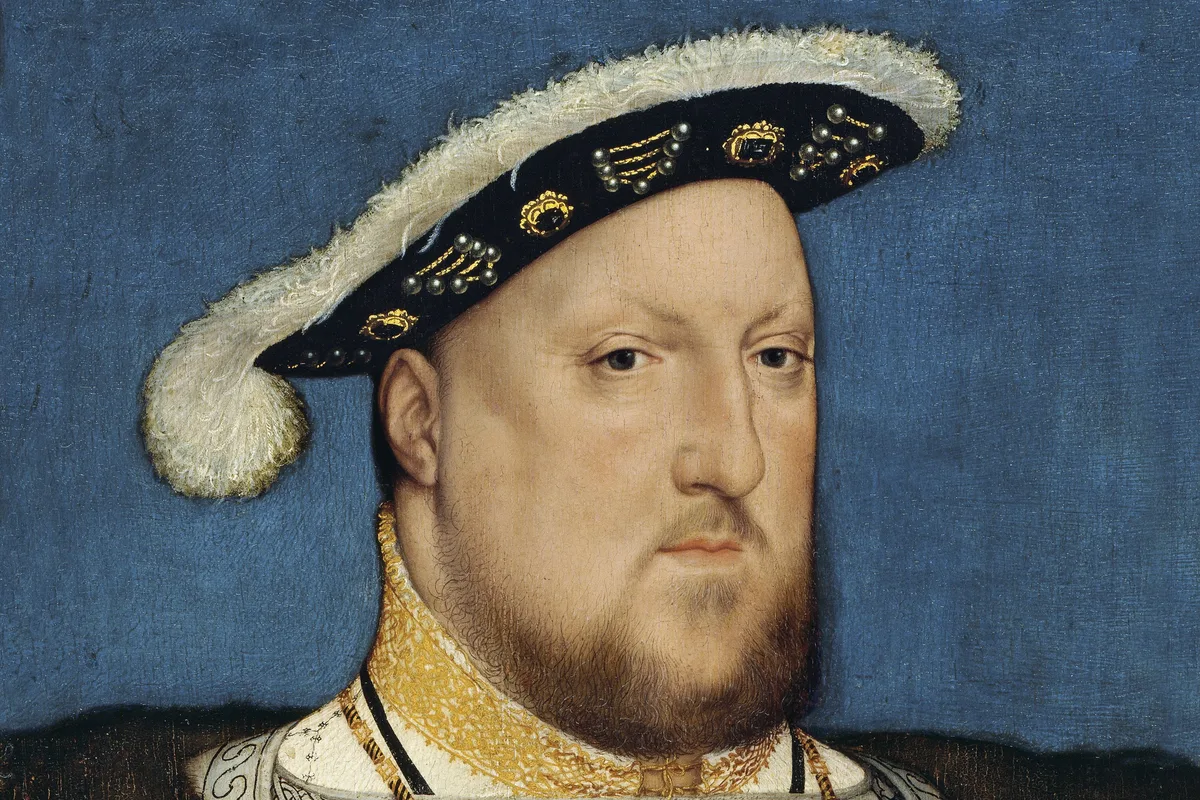 Artigo · 41 min de leituraMuseu Thyssen-Bornemisza: 20 quadros comprados por pai e filho
 Artigo · 31 min de leituraBelvedere: do altar de Pacher ao caso Amalie Zuckerkandl
 Artigo · 56 min de leituraO Rijksmuseum de Amsterdã: 25 obras e seus donos
 Artigo · 40 min de leituraO Kunstmuseum de Basileia: da compra dos Amerbach ao caso da “Musa”, 1661–2023
Obras
779 obras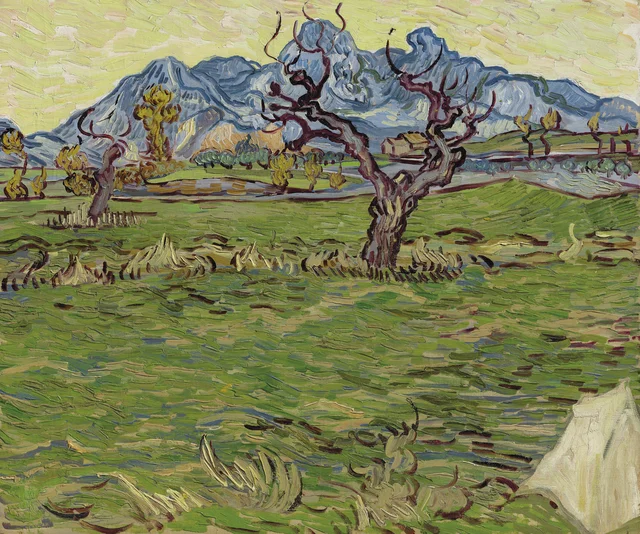 Paisagem com oliveira e montanhas ao fundoVincent van Gogh, 1889
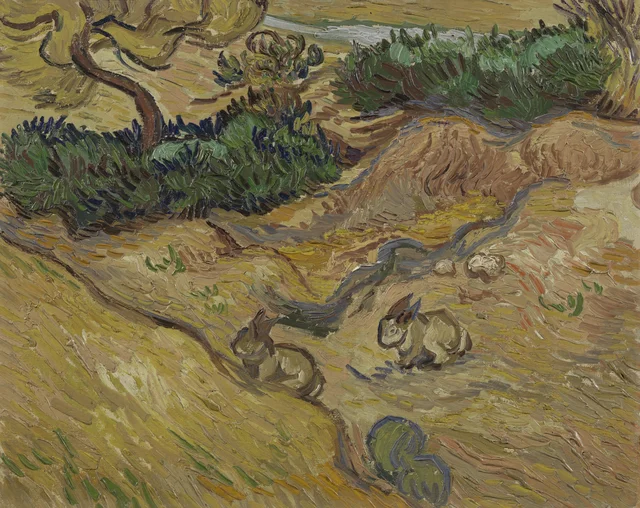 Paisagem com coelhosVincent van Gogh, 1889
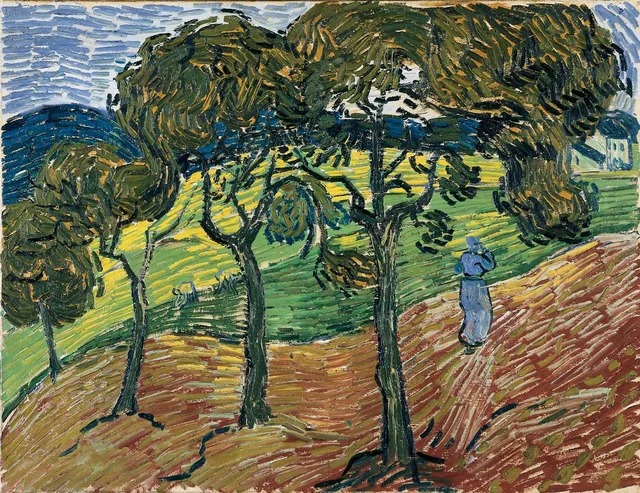 Paisagem com árvores e figurasVincent van Gogh, 1889
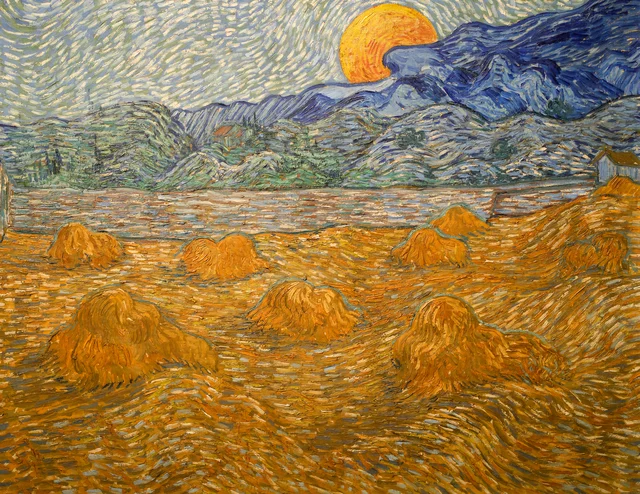 Paisagem com feixes de trigo e lua nascenteVincent van Gogh, 1889
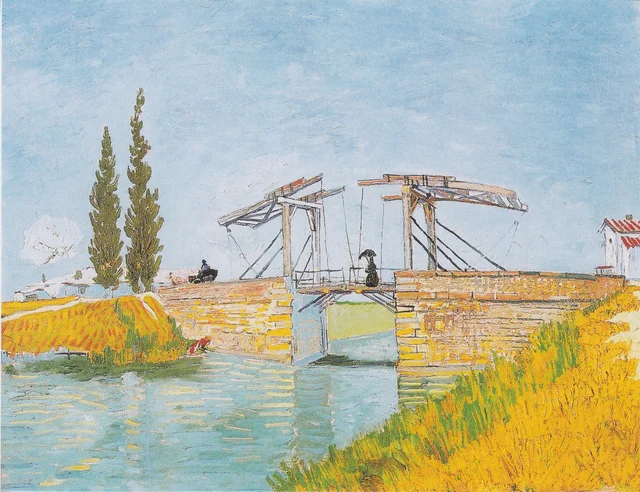 A Ponte de Langlois em ArlesVincent van Gogh, 1888
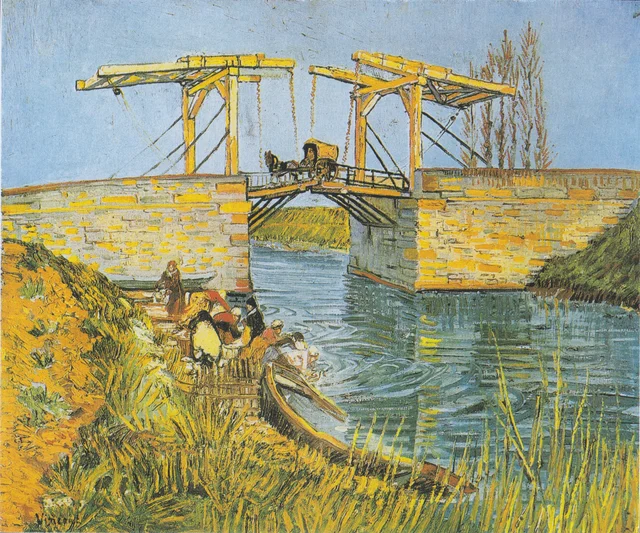 A Ponte de Langlois em Arles com LavadeirasVincent van Gogh, 1888
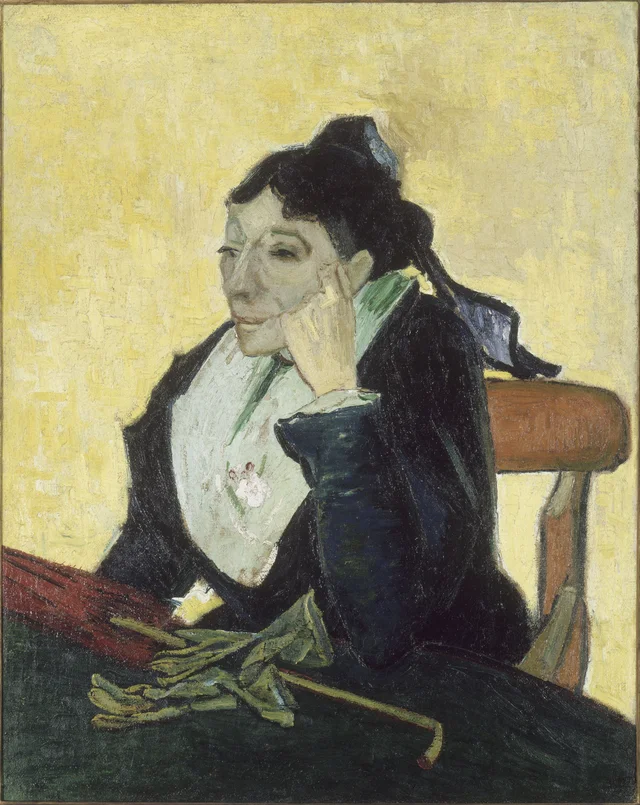 L'ArlésienneVincent van Gogh, 1888
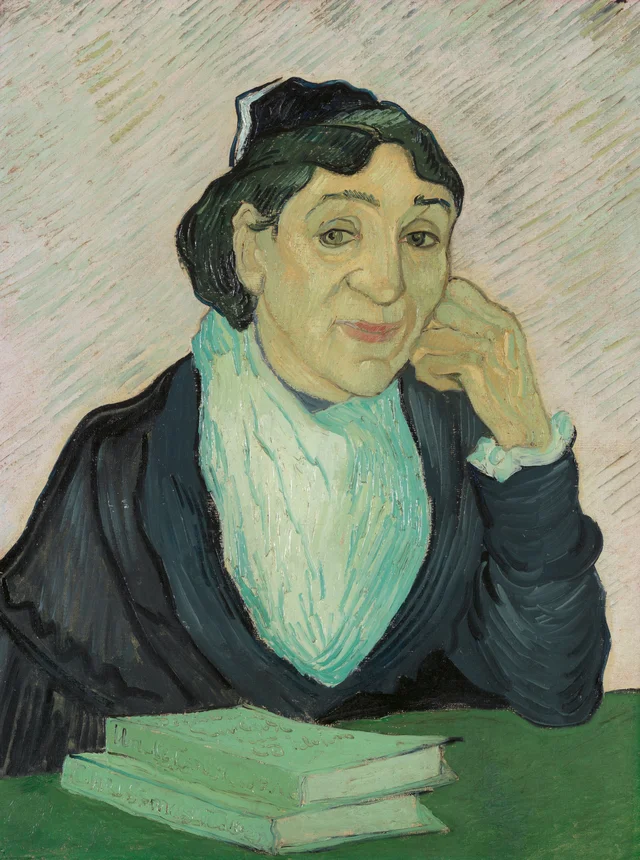 L'ArlésienneVincent van Gogh, 1890
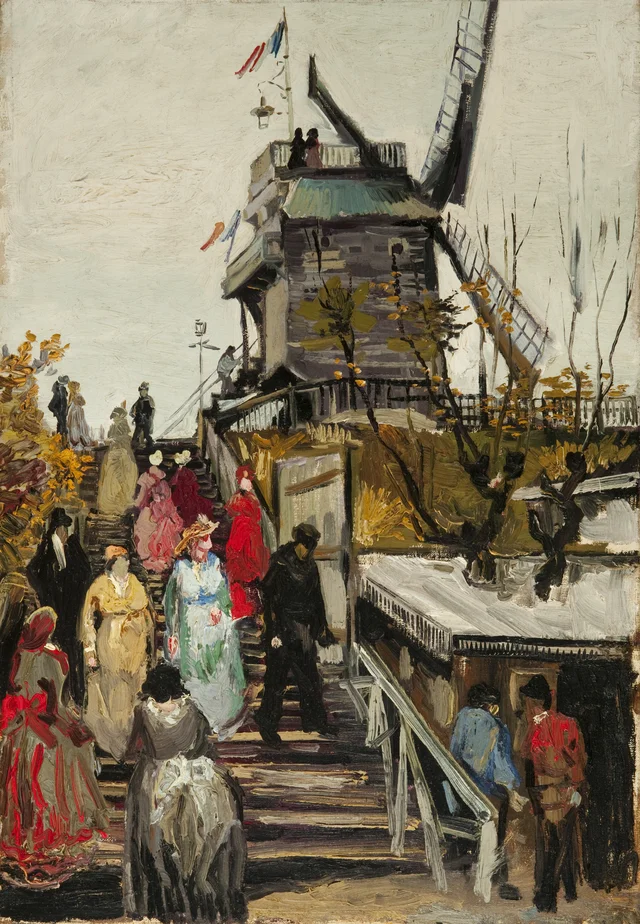 O Moinho de Blute-FinVincent van Gogh, 1886
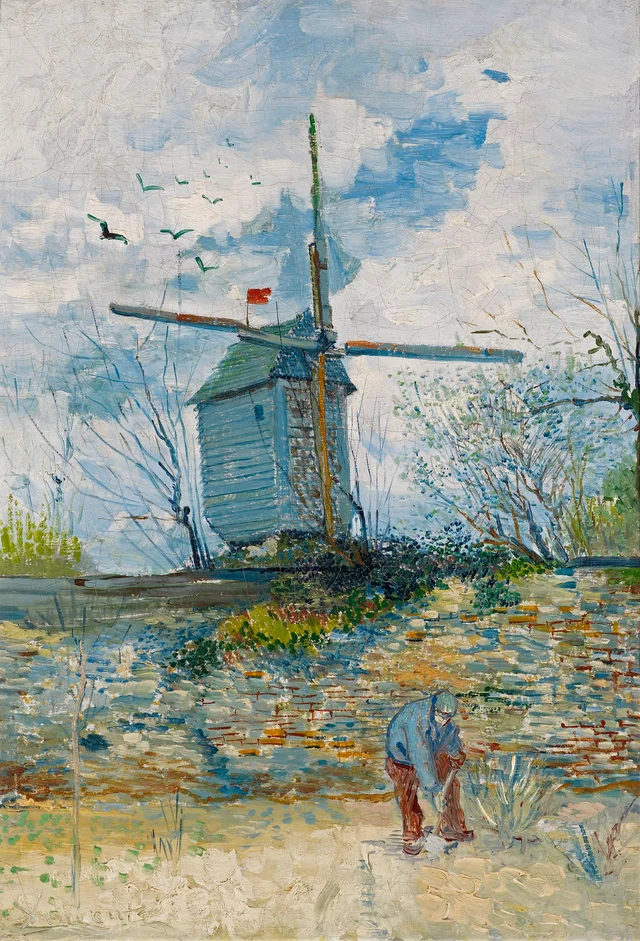 Le Moulin de la GaletteVincent van Gogh, 1886
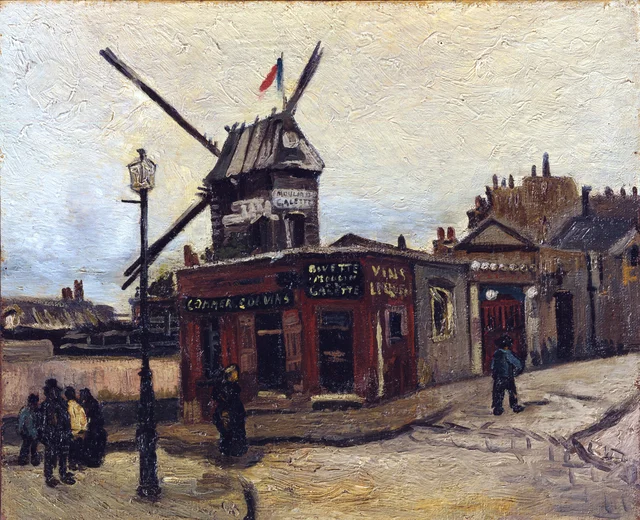 Le Moulin de la GaletteVincent van Gogh, 1886
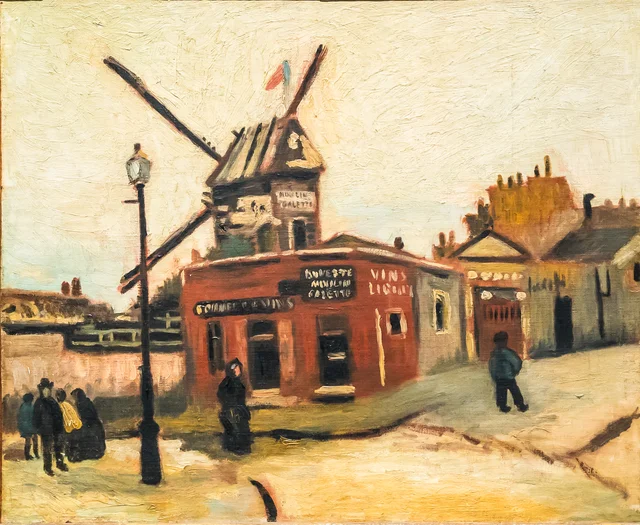 Le Moulin de la GaletteVincent van Gogh, 1886
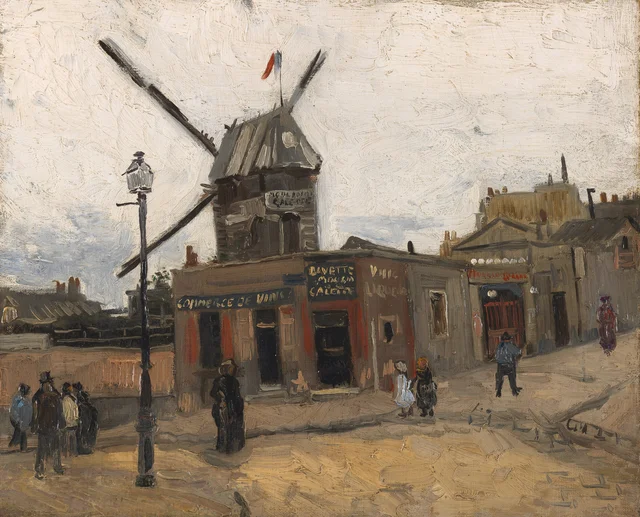 Le Moulin de la GaletteVincent van Gogh, 1886
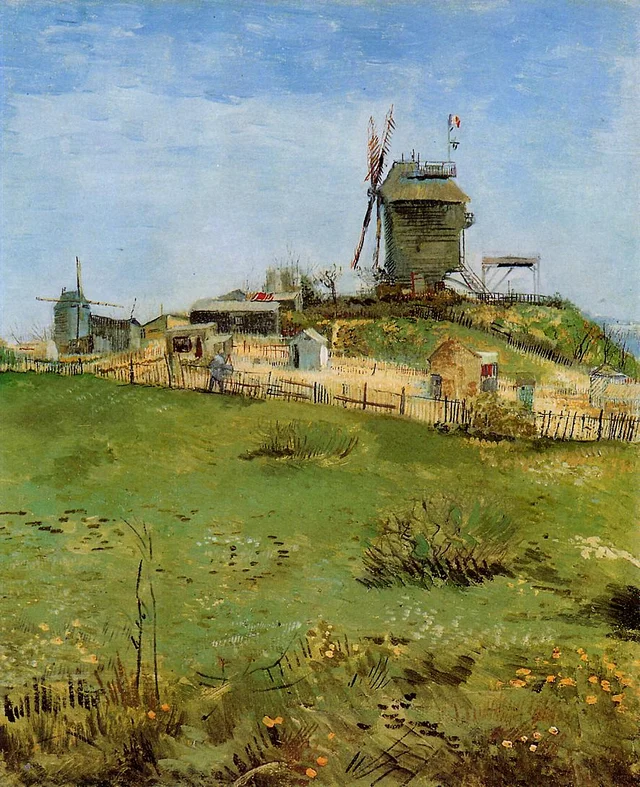 Le Moulin de la GaletteVincent van Gogh, 1887
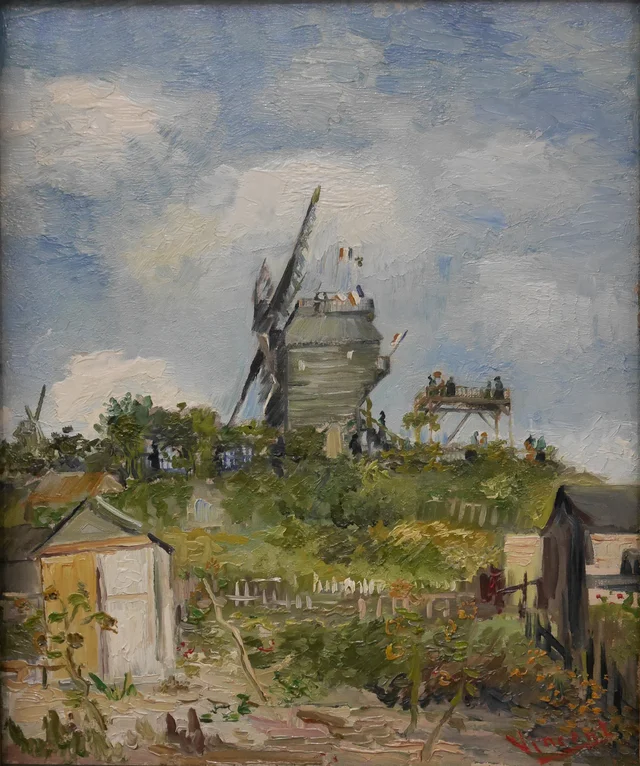 Le Moulin de la GaletteVincent van Gogh, 1886
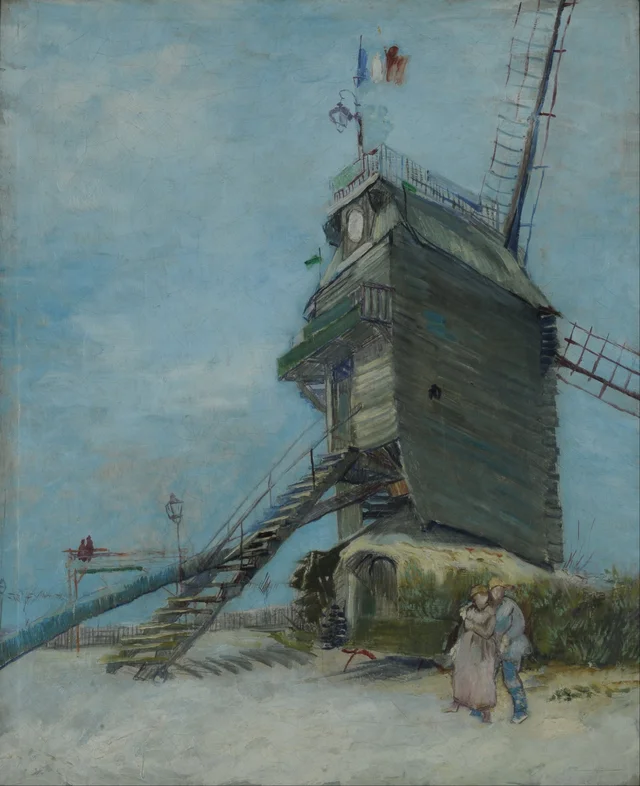 O Moulin de la GaletteVincent van Gogh, 1886
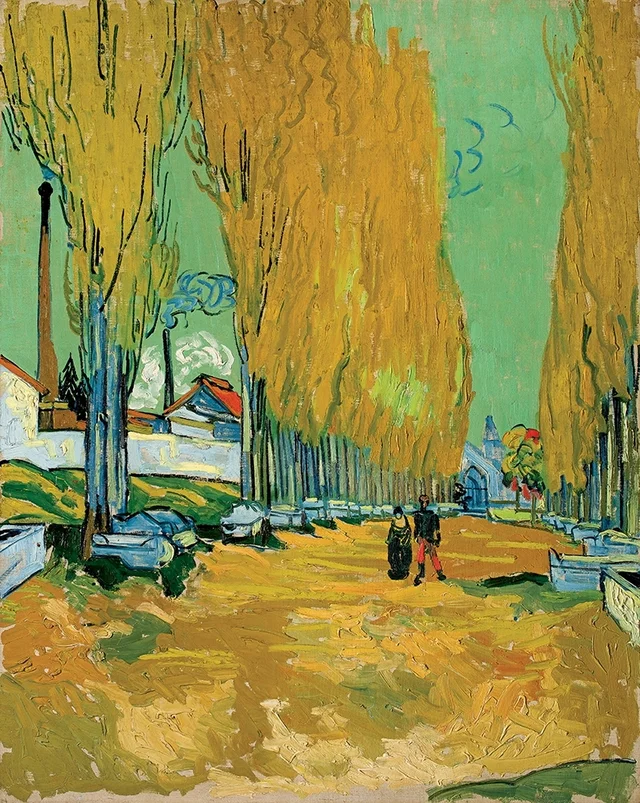 Les AlyscampsVincent van Gogh, 1888
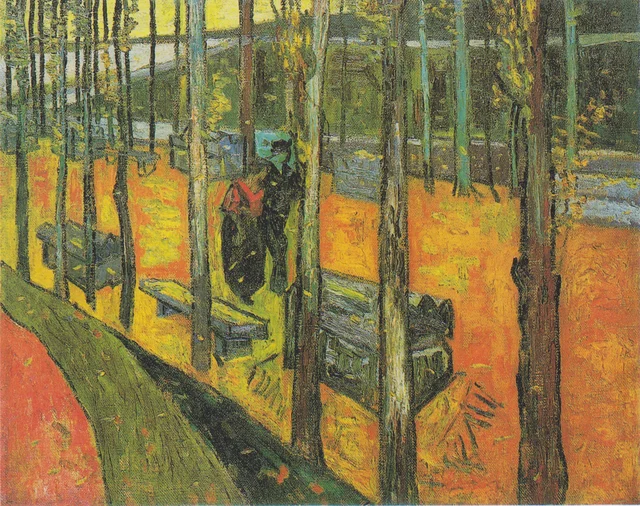 Les AlyscampsVincent van Gogh, 1888
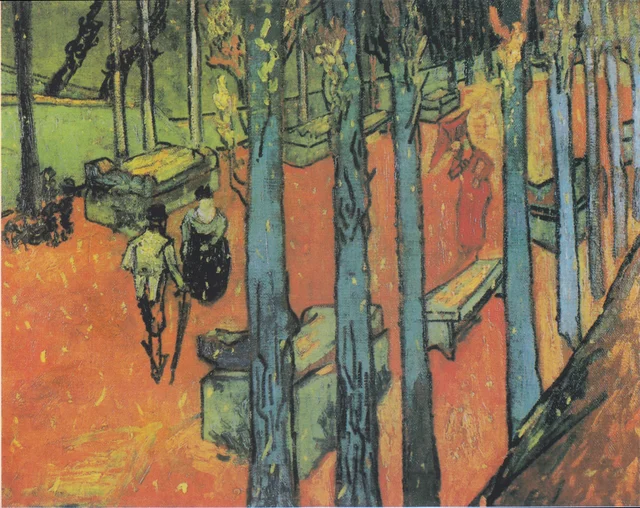 Les Alyscamps: Folhas de Outono CaindoVincent van Gogh, 1888
 Vaca DeitadaVincent van Gogh, 1883
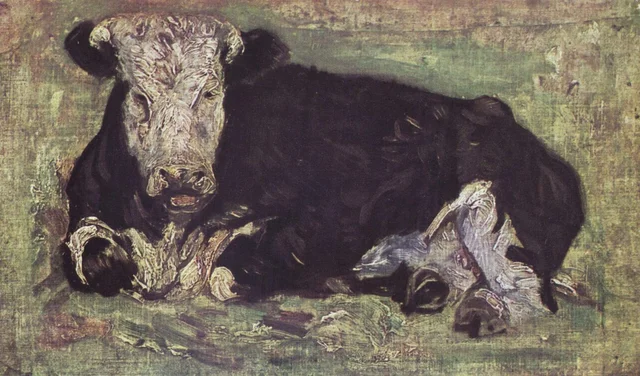 Vaca deitadaVincent van Gogh, 1883
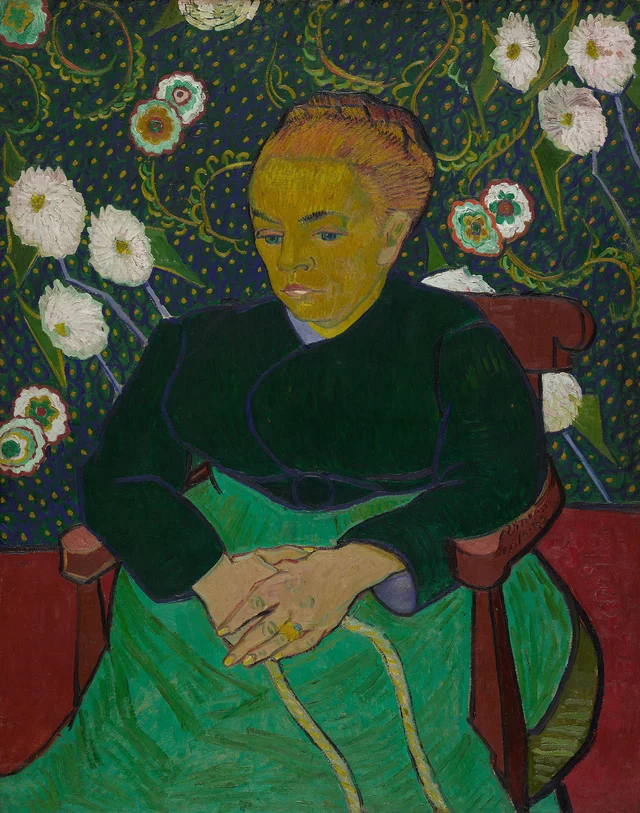 A Canção de Ninar (Madame Roulin embalando o berço)Vincent van Gogh, 1889
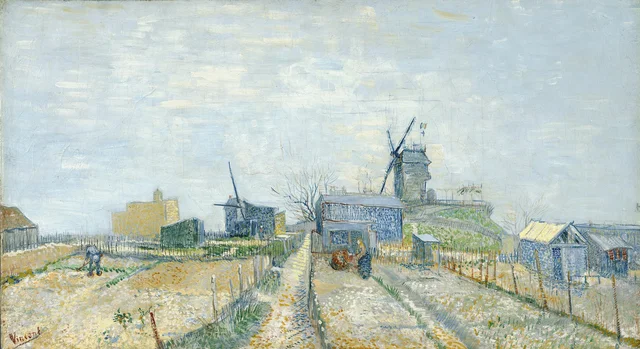 Montmartre: moinhos e hortasVincent van Gogh, 1887
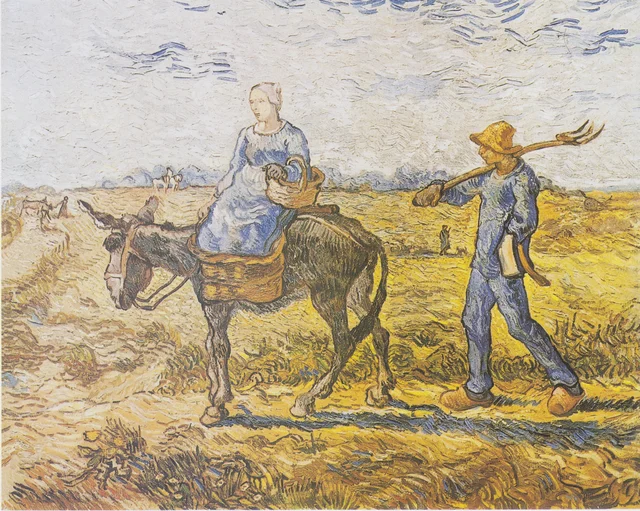 Manhã. Indo para o Trabalho (segundo Millet)Vincent van Gogh, 1890
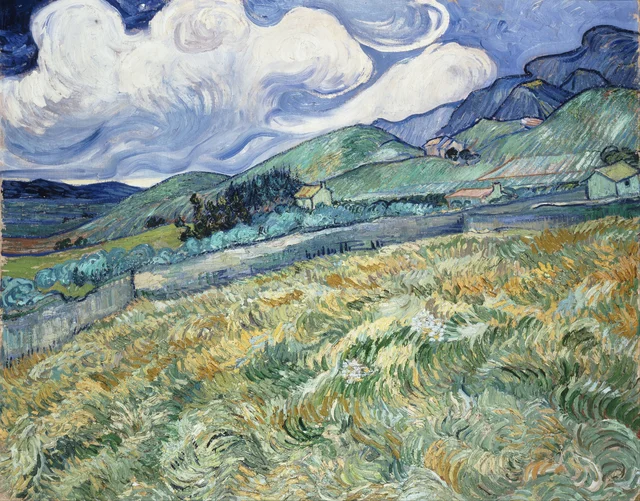 Paisagem montanhosa atrás do hospital Saint-PaulVincent van Gogh, 1889