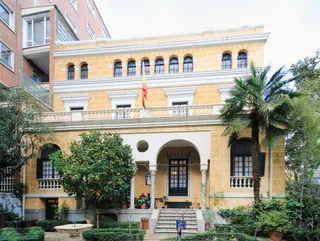
A história
Saia de uma rua movimentada de Madri, entre no Museu Sorolla e você estará dentro da casa de um pintor, deixada quase exatamente como ele a conheceu. Joaquín Sorolla, o valenciano que se tornou o grande pintor da luz do sol na Espanha, construiu esta casa e ateliê por volta de 1910 e viveu aqui até que um derrame o impediu de pintar, em 1920. Ele morreu três anos depois.
O próprio Sorolla desenhou os jardins, em estilo andaluz, com fontes de azulejos e sebes podadas que projetam a mesma luz salpicada que se vê em todas as suas cenas de praia. Lá dentro, o ateliê principal ainda guarda seus cavaletes, seus pincéis e o divã baixo onde ele descansava, além de centenas de telas penduradas moldura com moldura.
Sua viúva, Clotilde García, doou toda a propriedade ao Estado espanhol, casa, jardim e cerca de 1.200 pinturas, e o lugar abriu como museu em 1932. Procure os rápidos esboços a óleo que mostram a esposa e os filhos no terraço, pintados em uma tarde, que ele nunca pretendeu vender.
Acervo
13 obras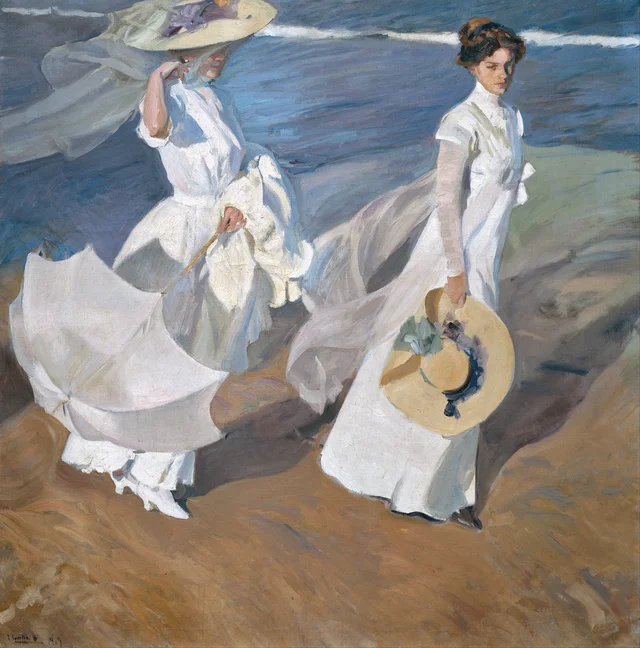 Passeio à beira-marJoaquín Sorolla, 1909
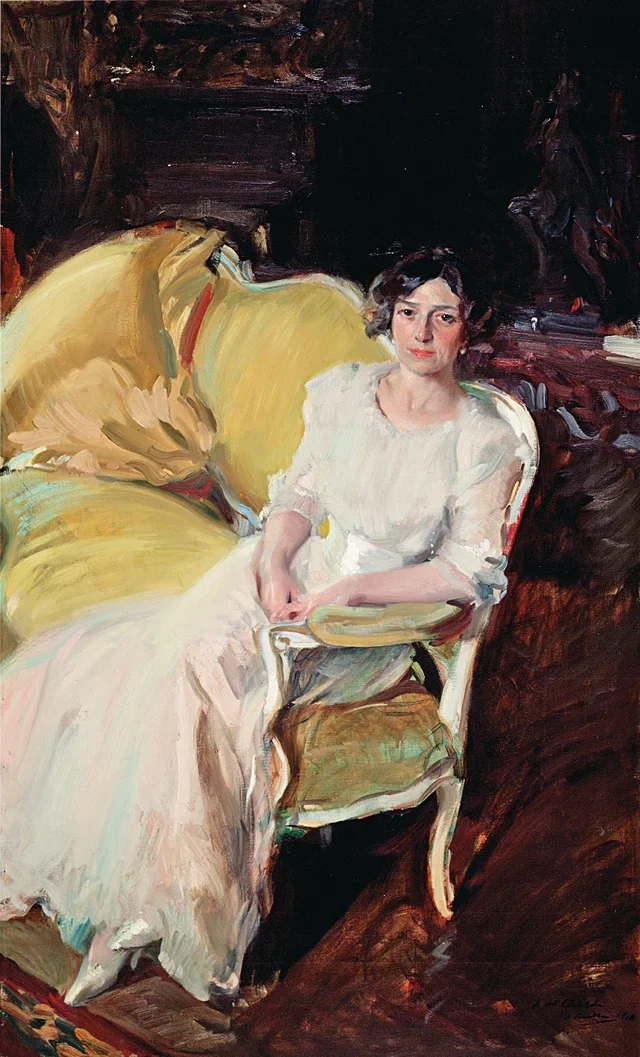 Clotilde Sentada no SofáJoaquín Sorolla, 1910
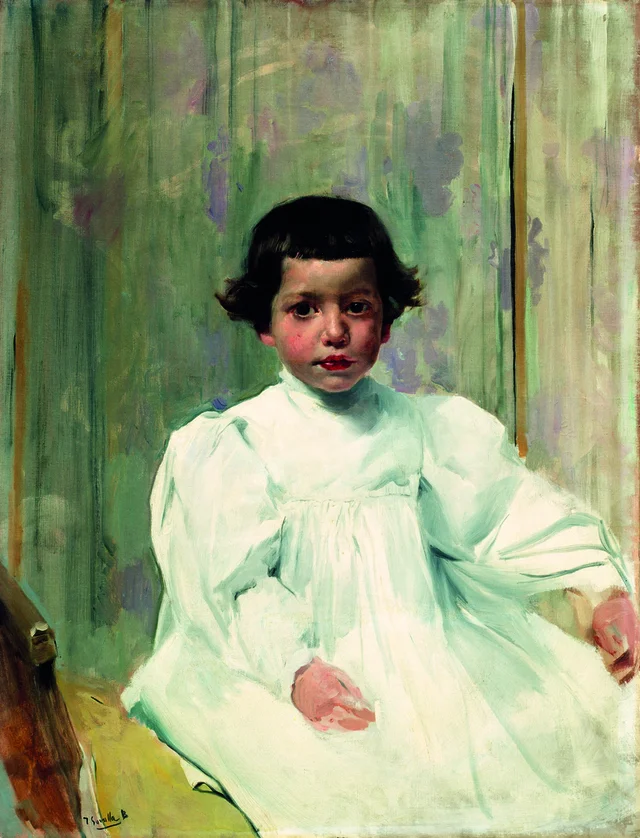 Joaquín Sorolla García Vestido de BrancoJoaquín Sorolla, 1896
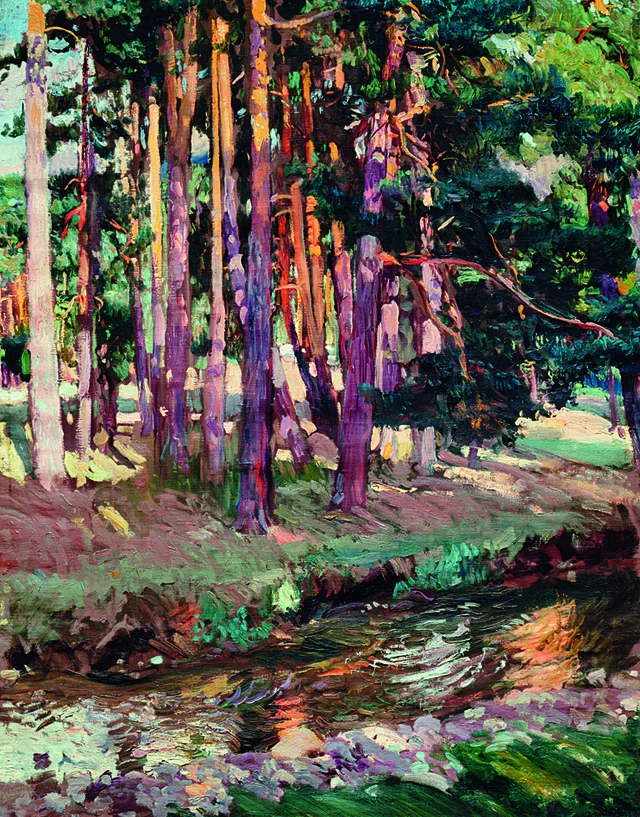 A Floresta. La GranjaJoaquín Sorolla, 1907
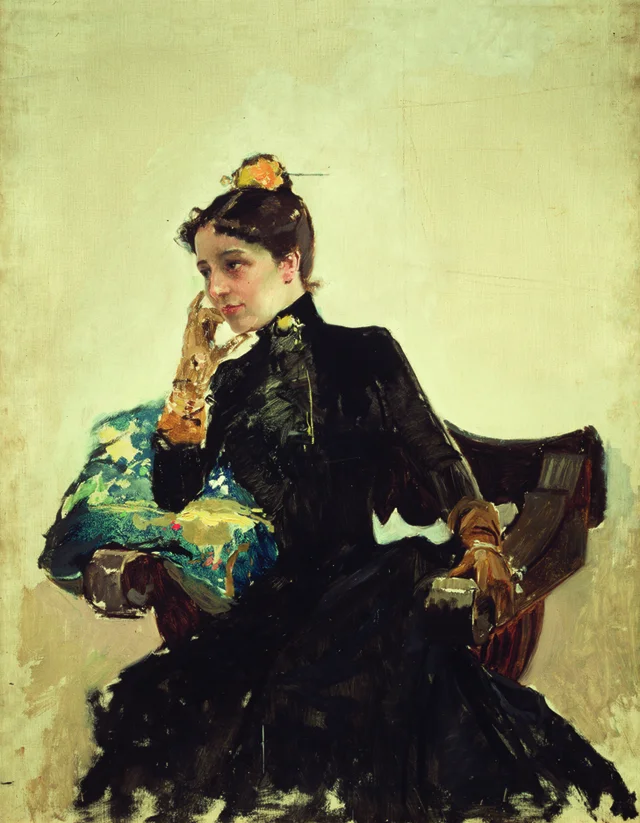 Clotilde García del CastilloJoaquín Sorolla, 1890
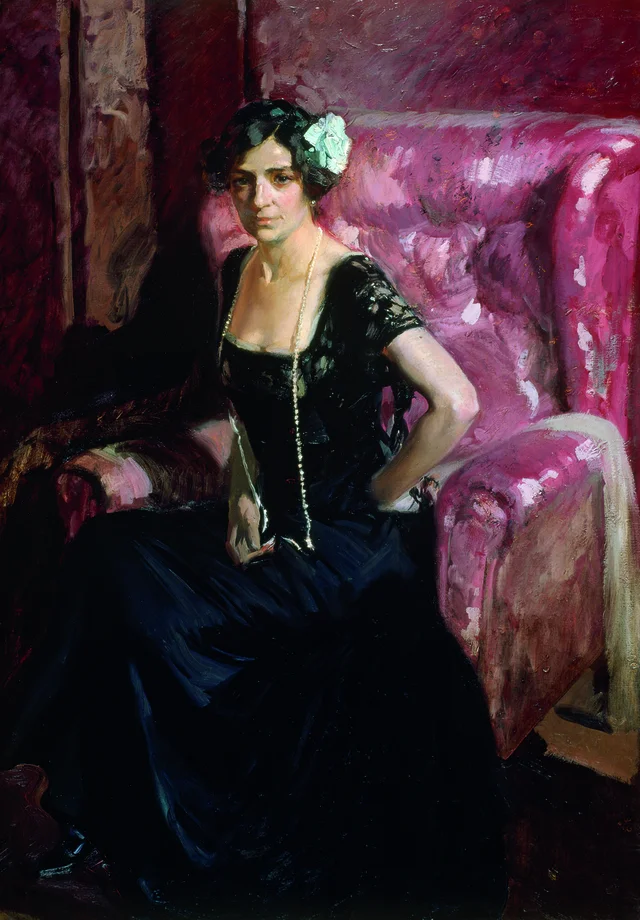 Clotilde em traje de noiteJoaquín Sorolla, 1910
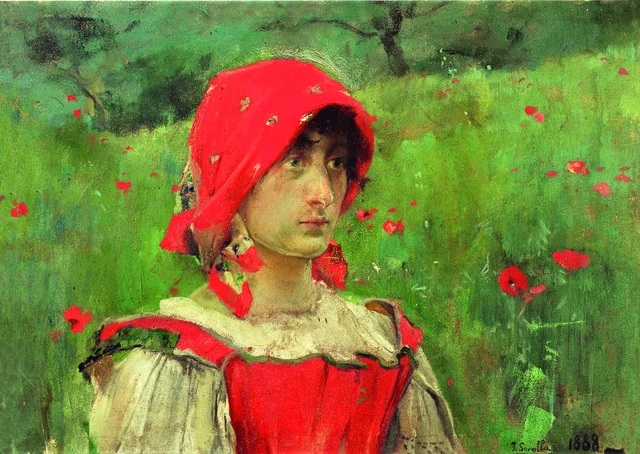 Camponesa de AssisJoaquín Sorolla, 1888
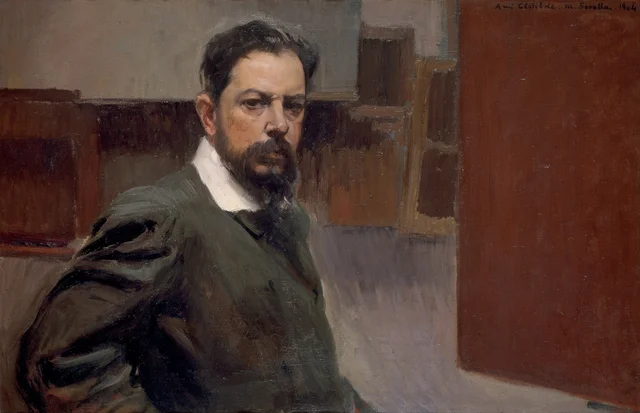 AutorretratoJoaquín Sorolla, 1904
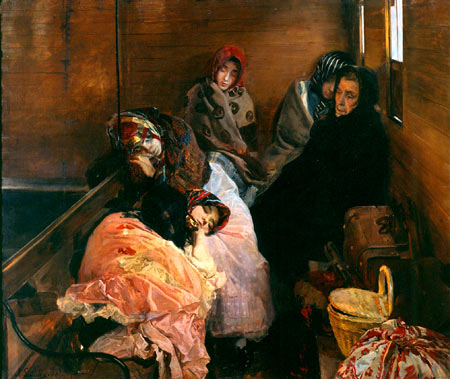 Tráfico de brancasJoaquín Sorolla, 1894
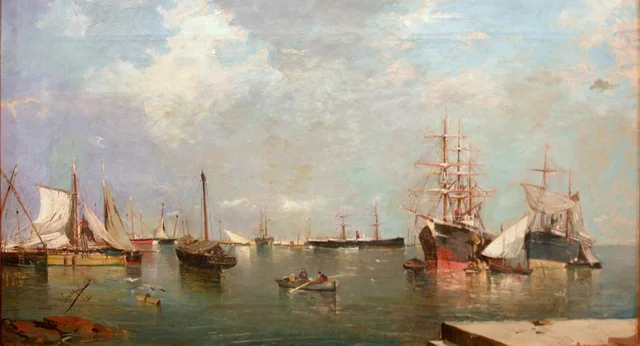 PortoJoaquín Sorolla, 1881
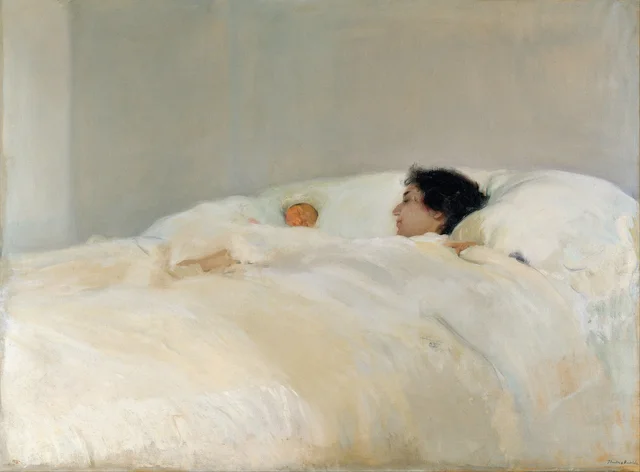 MãeJoaquín Sorolla, 1900
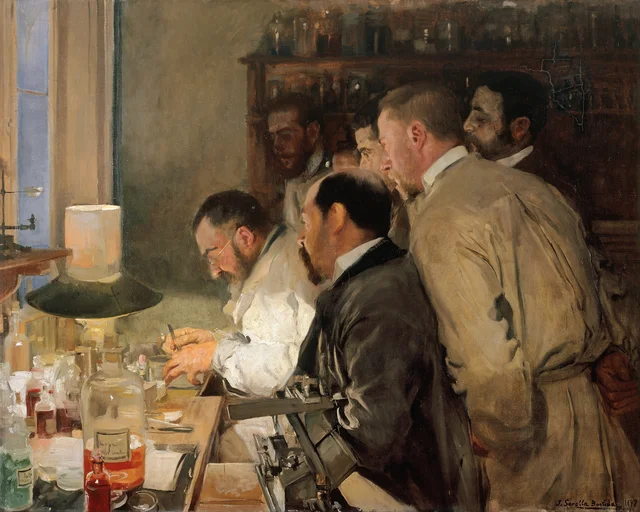 Uma PesquisaJoaquín Sorolla, 1897
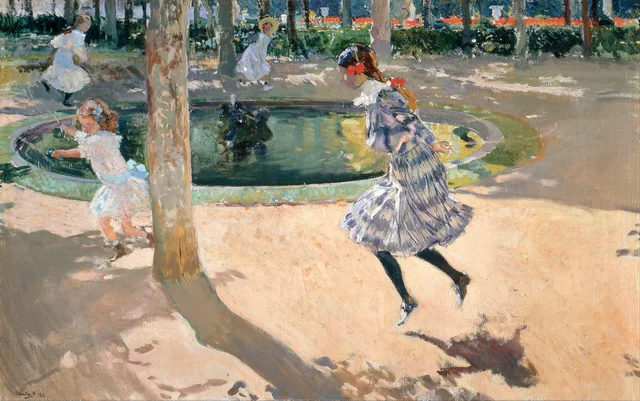 O pular cordaJoaquín Sorolla, 1907