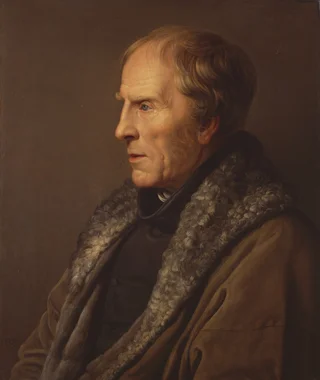
卡斯帕·大卫·弗里德里希
1774–1840 · 瑞属波美拉尼亚, 萨克森王国 · 浪漫主义, 德国浪漫主义
语音导览
故事
卡斯帕·大卫·弗里德里希画出了欧洲艺术中最孤寂的风景:一个背对观者的渺小人影,独自伫立在浓雾、大海或高山之前,被那份浩瀚衬得微不足道。这种背影人物,即"背影像"(Rückenfigur),是他的标志性手法,它把观者拉进同样的位置,凝视着一种超出人类理解范围的景象。
他在十九世纪初的德累斯顿工作,正值拿破仑占领德意志各邦的年代,他笔下雾气弥漫的废墟与孤独的十字架,都带着一种当时人们能敏锐感受到的、静默的爱国与宗教意味。他最著名的作品——一个穿绿色外套的男子站在云海之上的悬崖上——大约创作于1818年。有一段时间他备受推崇,甚至被俄国和普鲁士的王室收藏。
后来品味转向了别处。浪漫主义逐渐过时,1835年的一次中风让他部分瘫痪,1840年他在贫困与近乎被遗忘中去世。他的作品被搁置了几十年,直到大约1900年,象征主义画家和一位名叫安德烈亚斯·奥贝特的挪威学者才把它重新带回公众视野。1906年柏林的一场展览汇集了他九十多幅作品,是有史以来规模最大的一次弗里德里希作品展。
作品
105 件作品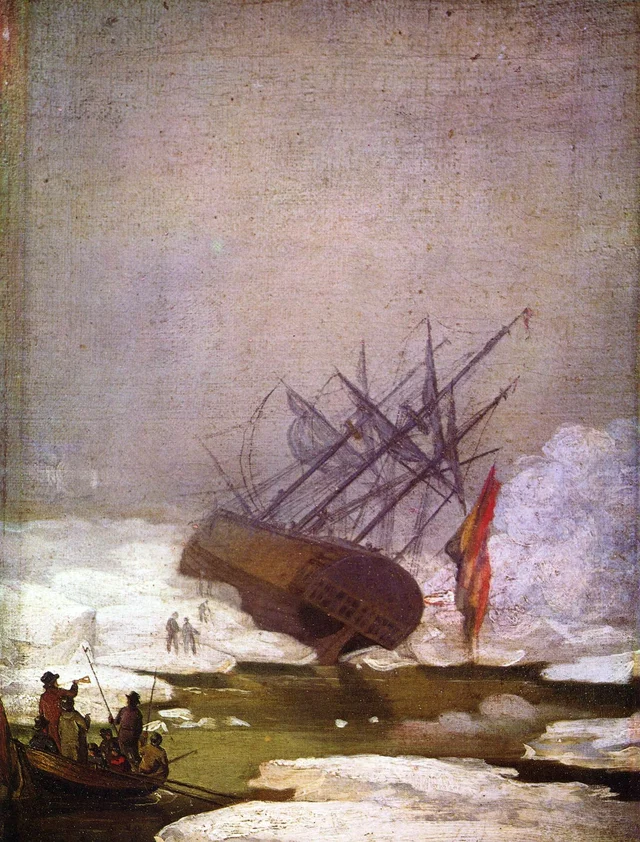 冰海沉船卡斯帕·大卫·弗里德里希, 1798
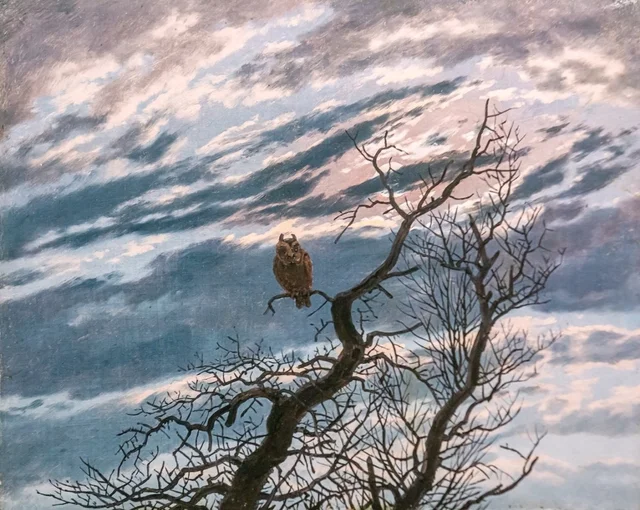 光秃树上的猫头鹰卡斯帕·大卫·弗里德里希, 1834
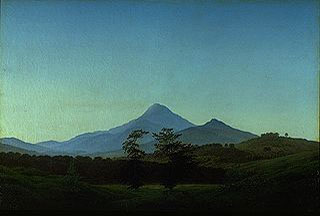 波希米亚风景卡斯帕·大卫·弗里德里希, 1808
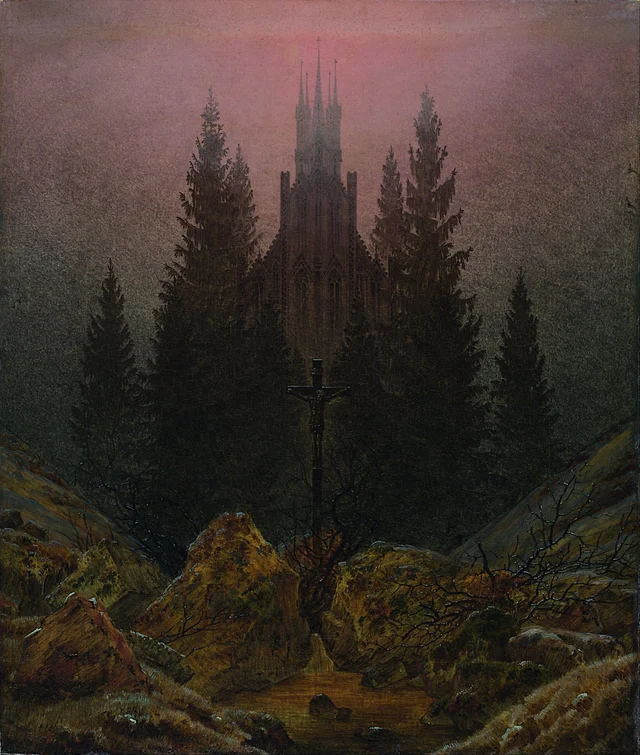 山中的十字架与教堂卡斯帕·大卫·弗里德里希, 1812
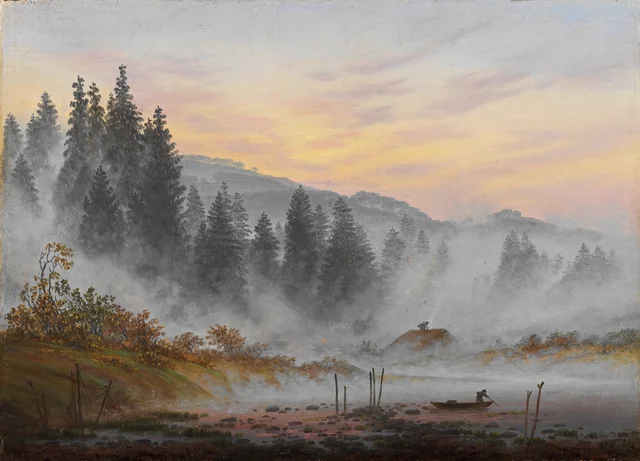 一日循环:早晨卡斯帕·大卫·弗里德里希, 1821
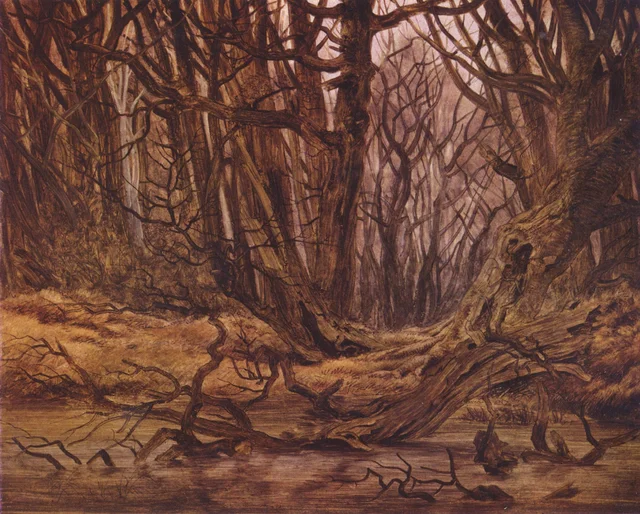 深秋的森林卡斯帕·大卫·弗里德里希, 1835
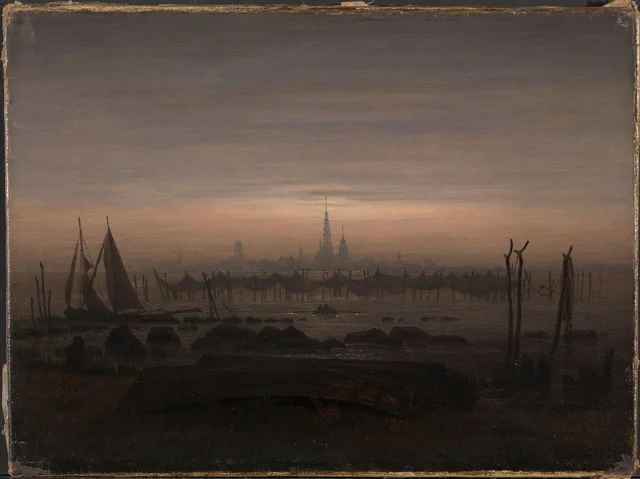 月光下的格赖夫斯瓦尔德卡斯帕·大卫·弗里德里希, 1817
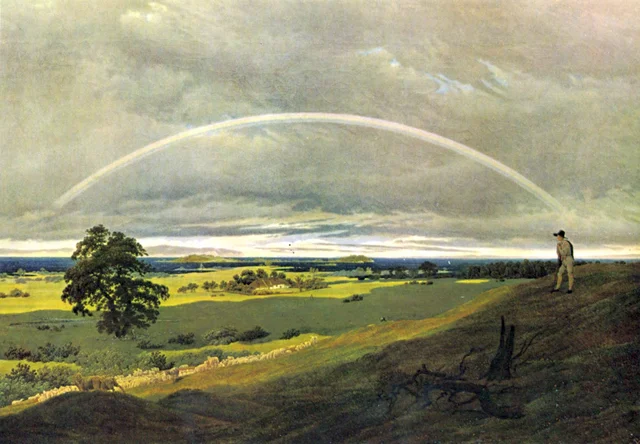 吕根岛的彩虹风景卡斯帕·大卫·弗里德里希, 1809
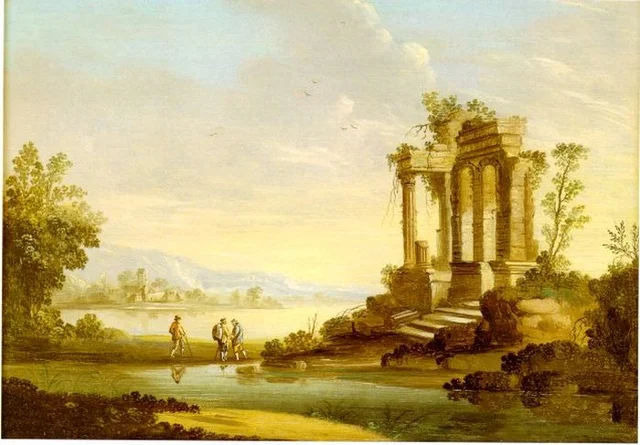 废墟神庙风景卡斯帕·大卫·弗里德里希, 1797
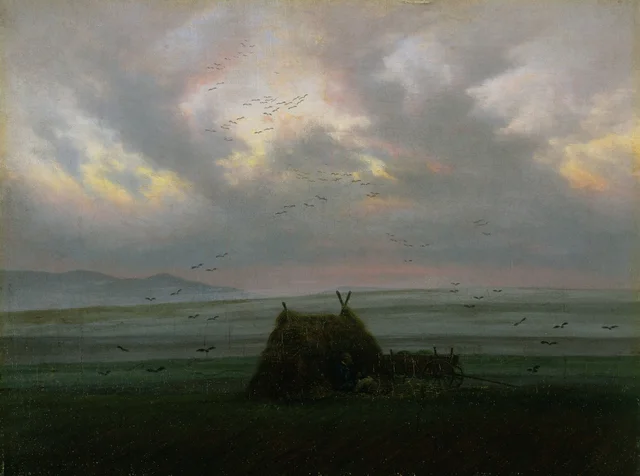 雾卡斯帕·大卫·弗里德里希, 1820
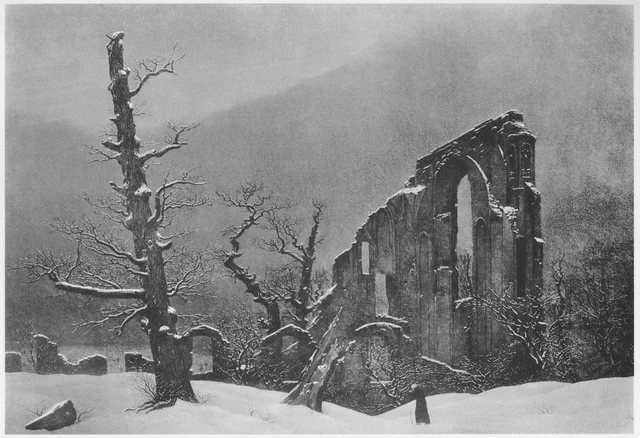 雪中僧侣卡斯帕·大卫·弗里德里希, 1808
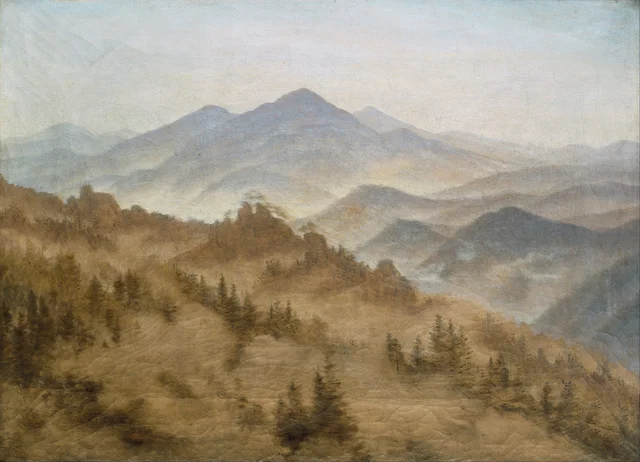 云雾升腾中的群山卡斯帕·大卫·弗里德里希, 1835
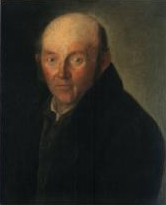 一位老人的肖像卡斯帕·大卫·弗里德里希, 1809
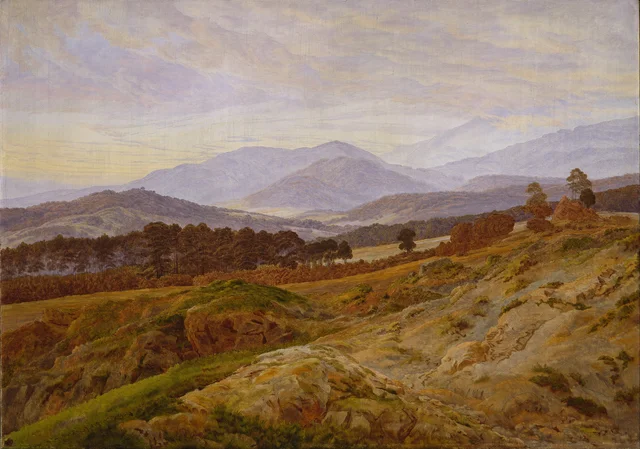 巨人山风景卡斯帕·大卫·弗里德里希, 1835
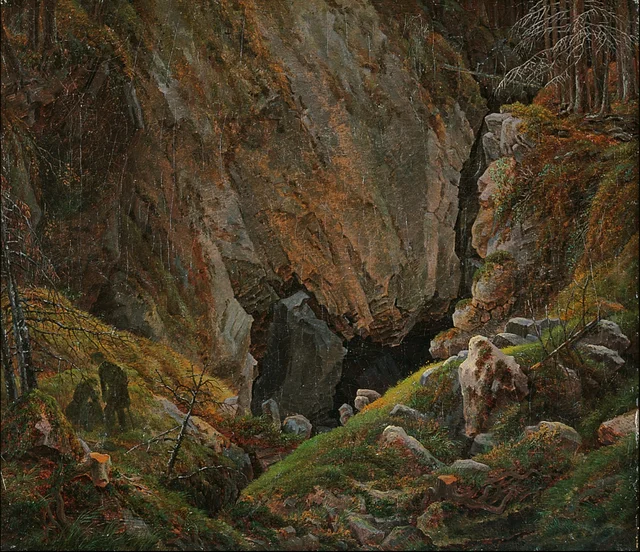 哈茨山的岩石峡谷卡斯帕·大卫·弗里德里希, 1811
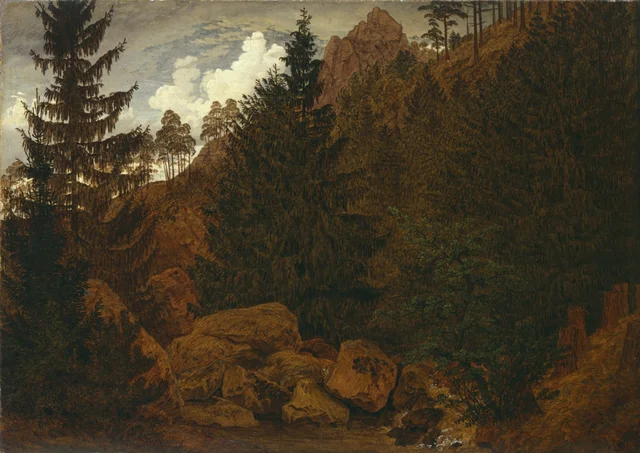 岩石卡斯帕·大卫·弗里德里希, 1811
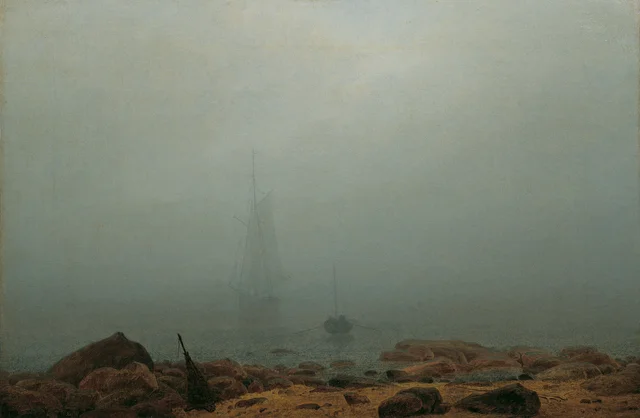 雾中的海滩卡斯帕·大卫·弗里德里希, 1807
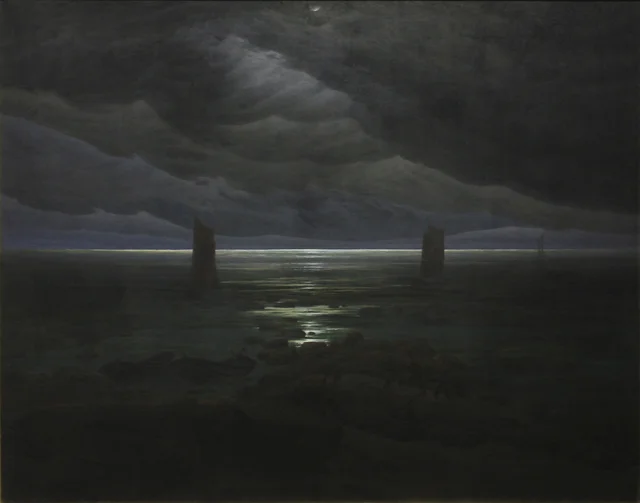 月光下的海岸卡斯帕·大卫·弗里德里希, 1835
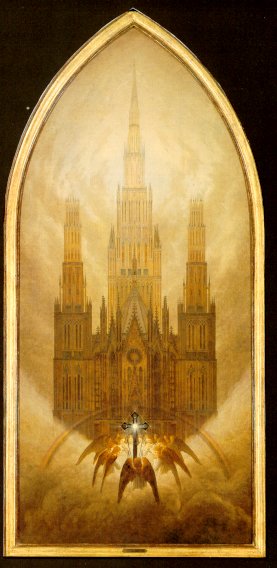 大教堂卡斯帕·大卫·弗里德里希, 1818
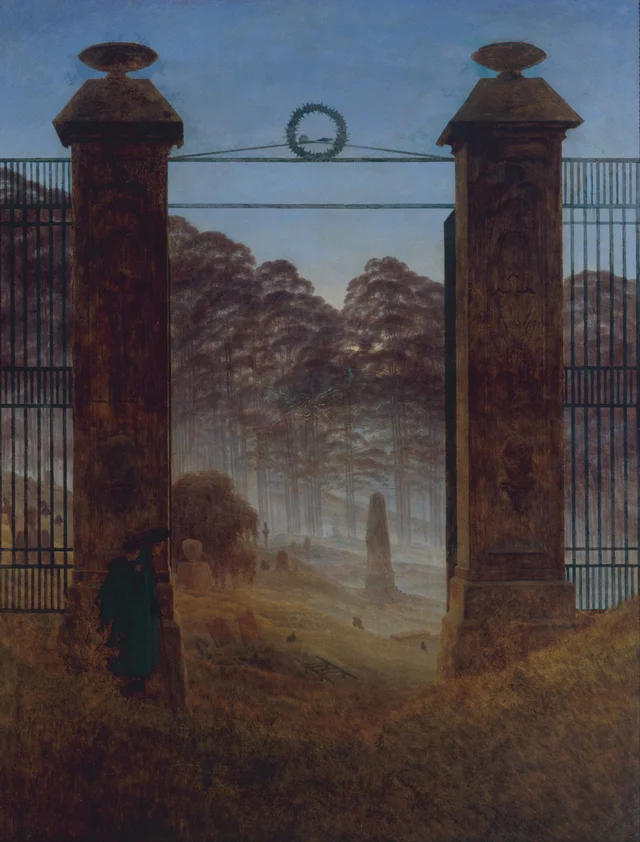 墓地入口卡斯帕·大卫·弗里德里希, 1825
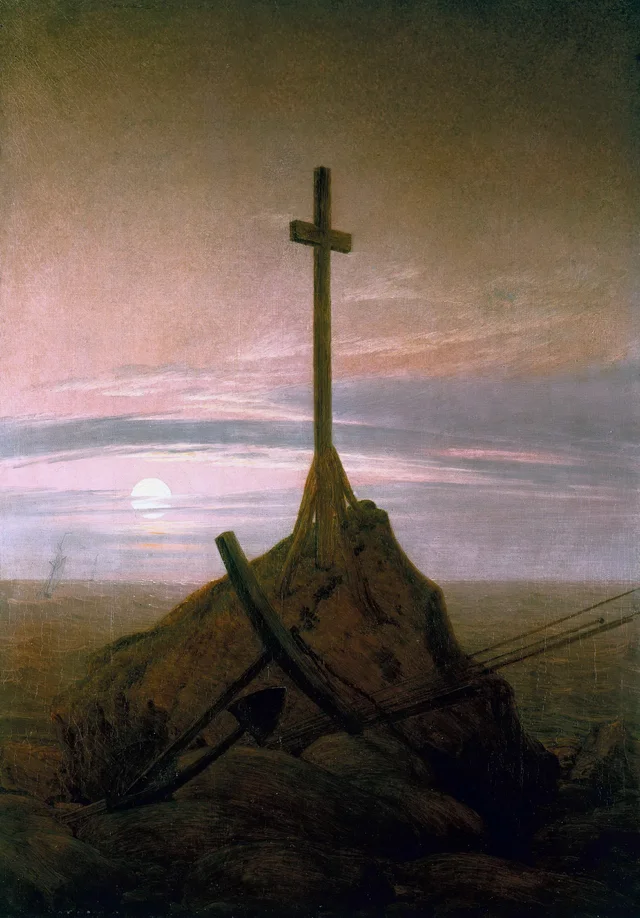 波罗的海边的十字架卡斯帕·大卫·弗里德里希, 1815
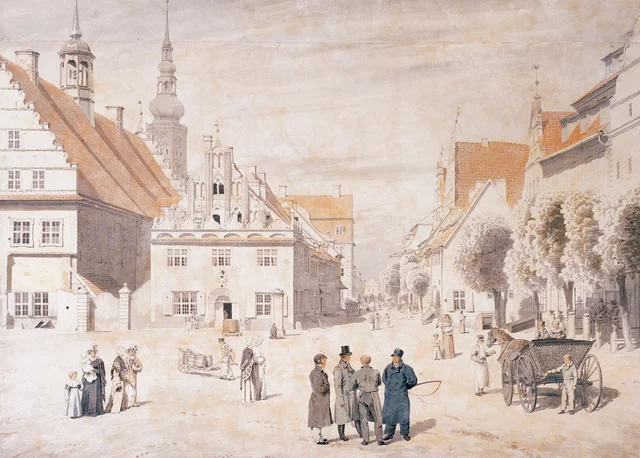 格赖夫斯瓦尔德的市场卡斯帕·大卫·弗里德里希, 1818
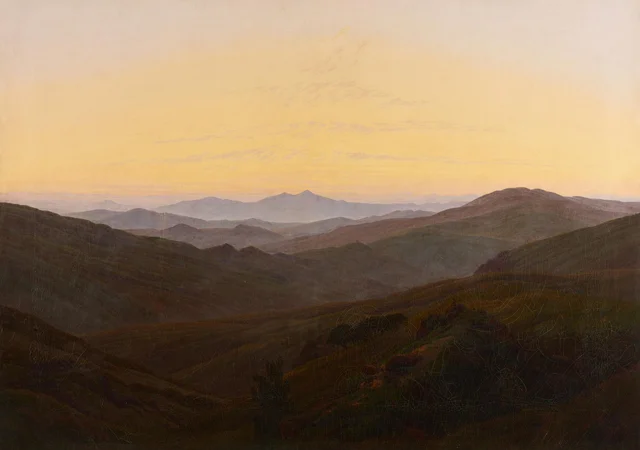 巨人山脉(里森格比格)卡斯帕·大卫·弗里德里希, 1830
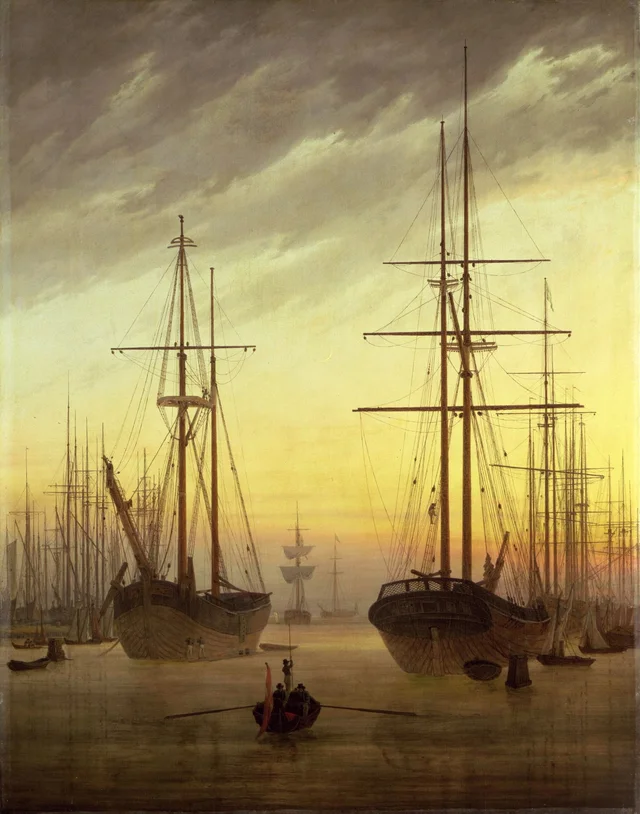 港口景色卡斯帕·大卫·弗里德里希, 1814
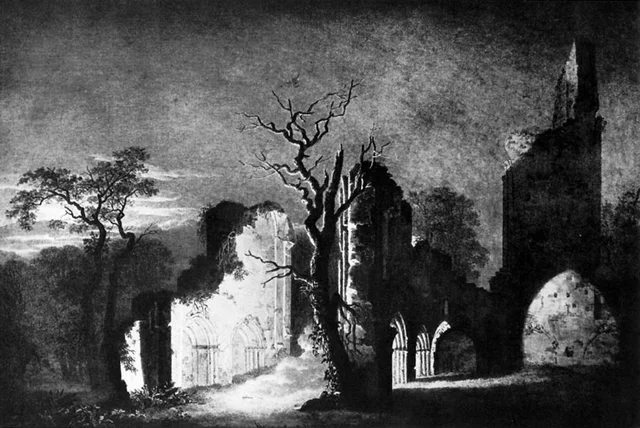 埃尔德纳废墟西立面卡斯帕·大卫·弗里德里希, 1806