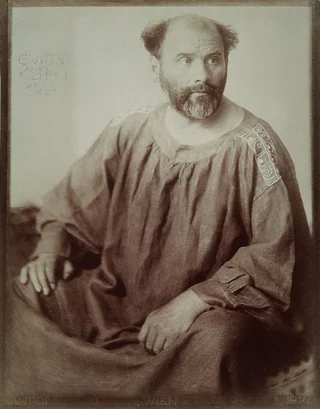
古斯塔夫·克林姆
1862–1918 · 奥地利帝国 · 象征主义, 新艺术运动
语音导览
故事
古斯塔夫·克里姆特的父亲是维也纳的一名金雕匠,这门手艺也留在了儿子身上。1908年前后,克里姆特进入了后人所称的“黄金时期”,像中世纪圣像画师那样把薄薄的金箔压进画作之中,使得像《吻》这样的作品在光线移动时熠熠生辉。画中一对恋人跪在同一件金色斗篷里,男子的袍子饰以硬朗的方格图案,女子的则是柔和的圆形图案,整幅画悬于一片开满鲜花的悬崖边缘,达成微妙的平衡。
那时的克里姆特已是维也纳最出名、也最具争议的艺术家。1897年,他与一群年轻艺术家一同退出维也纳保守的艺术体制,创立了“分离派”,这是一个拥有自己会馆、以“为每个时代赋予其自身艺术”为口号的独立团体,克里姆特是首任主席。当他受托为维也纳大学绘制天花板壁画时,交出的作品充满原始、情欲与悲观的意象,校方深感不安,拒绝将其悬挂,克里姆特宁可把作品买回,也不愿修改。
他1862年出生,是家中七个孩子中的老二,家境常常拮据。他极少解释自己的画作,几乎不接受采访,身后留下了大量情色素描。1918年初,他在维也纳因中风去世,画架上留下了几幅未完成的画作。
更多文章
作品
120 件作品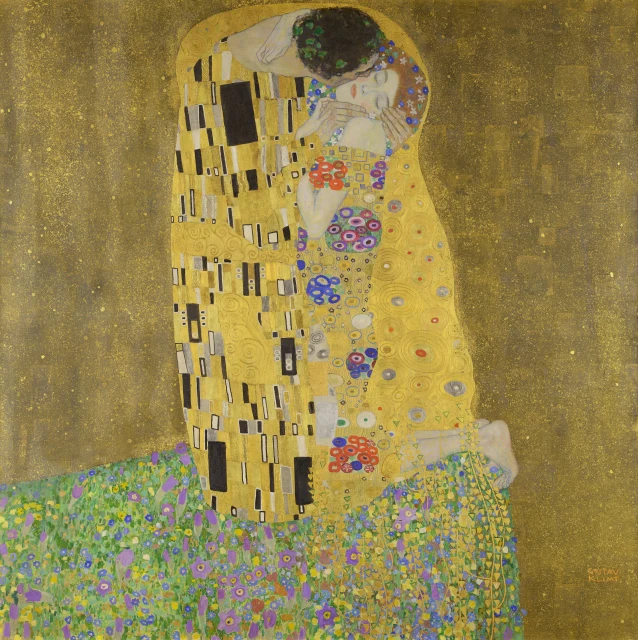 吻古斯塔夫·克林姆, 1907
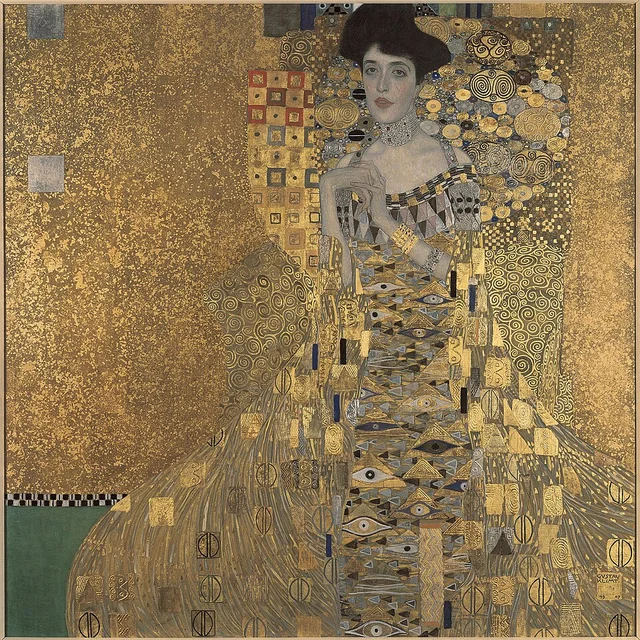 阿黛尔·布洛赫-鲍尔夫人肖像I古斯塔夫·克林姆, 1907
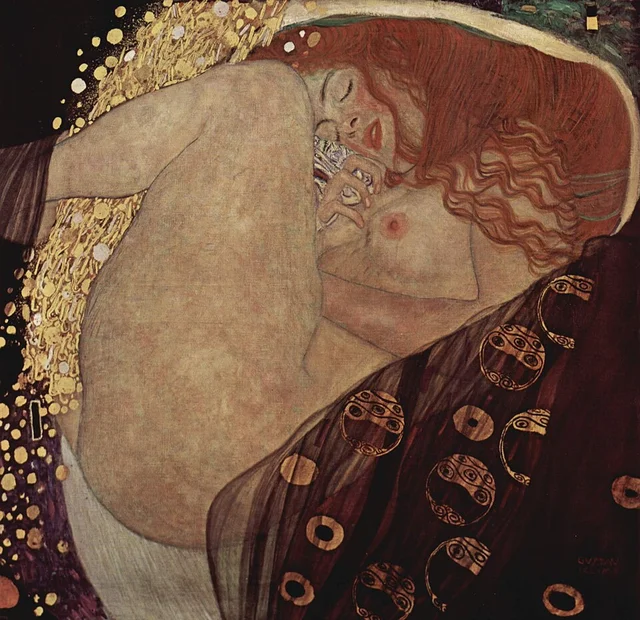 达那厄古斯塔夫·克林姆, 1907
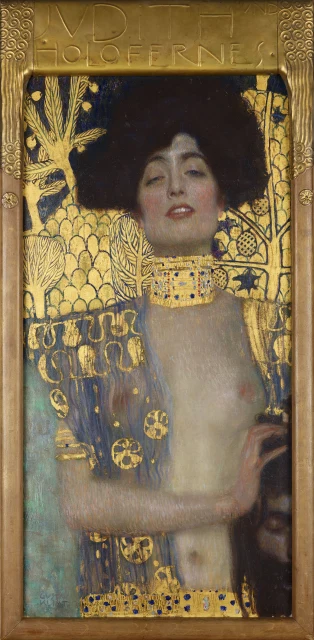 朱迪斯与荷罗孚尼的头古斯塔夫·克林姆, 1901
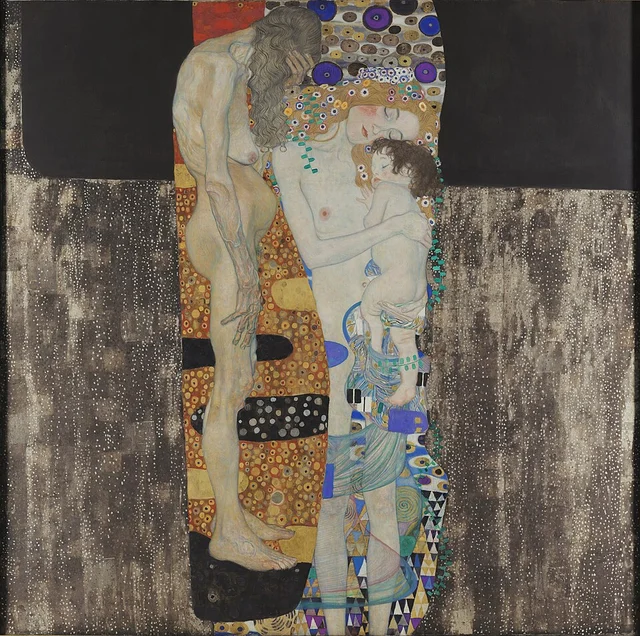 女人的三个阶段古斯塔夫·克林姆, 1905
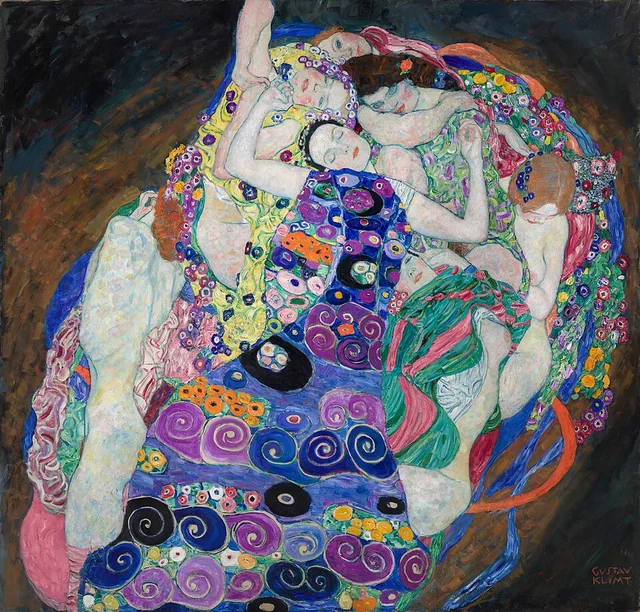 处女古斯塔夫·克林姆, 1913
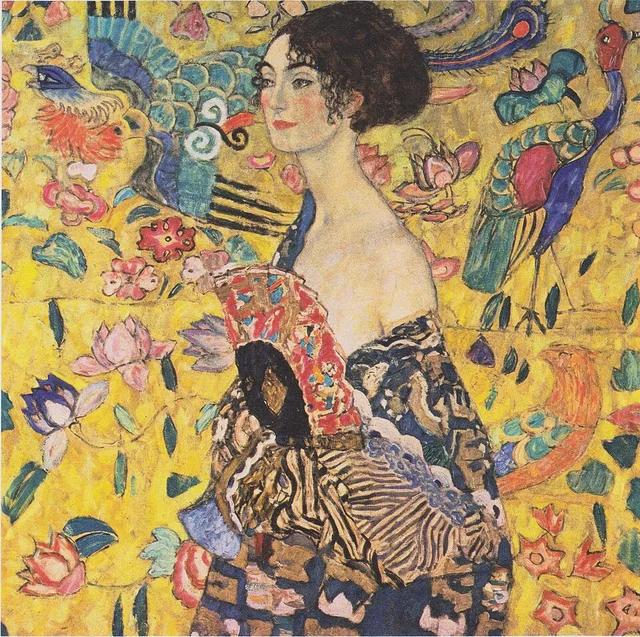 持扇的女子古斯塔夫·克林姆, 1917
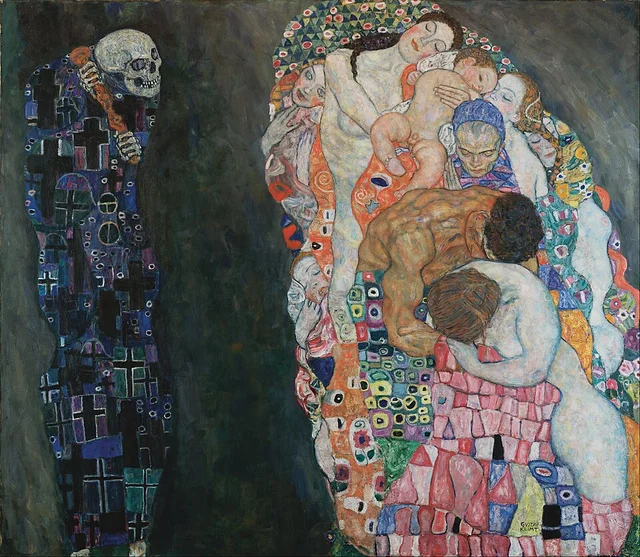 死亡与生命古斯塔夫·克林姆, 1910
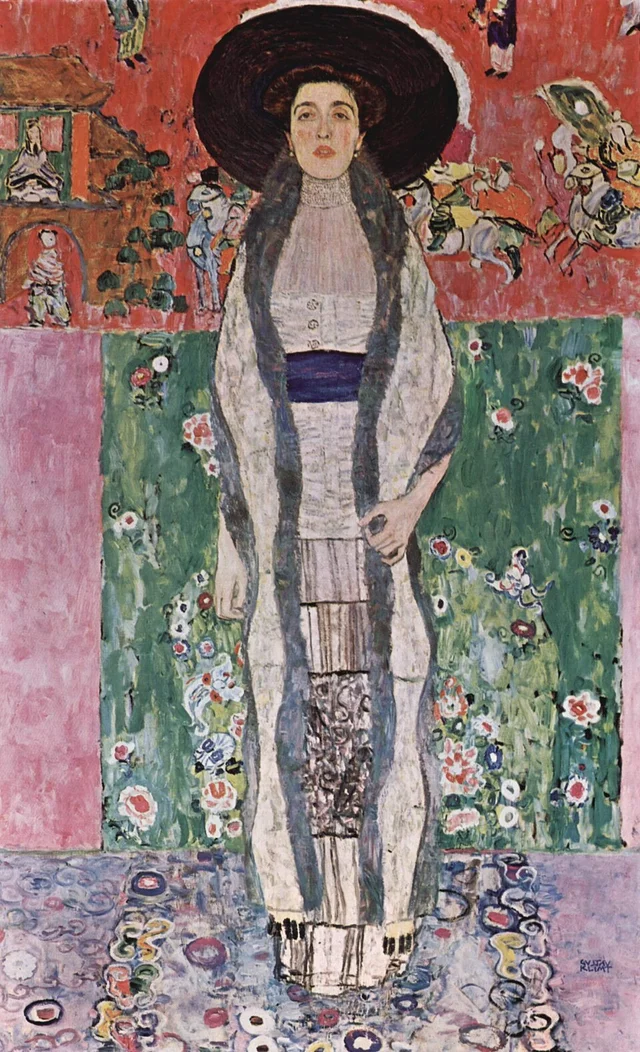 阿黛尔·布洛赫-鲍尔 II古斯塔夫·克林姆, 1912
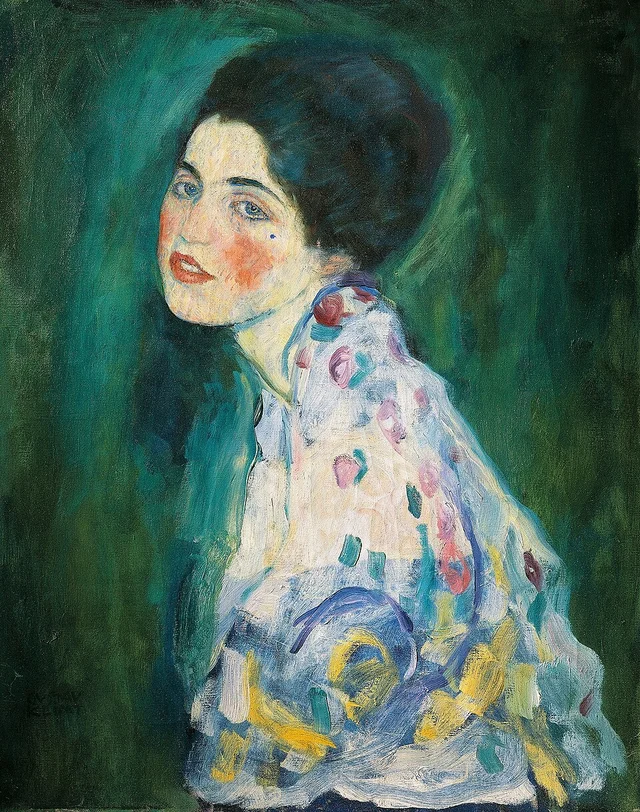 女子肖像古斯塔夫·克林姆, 1916
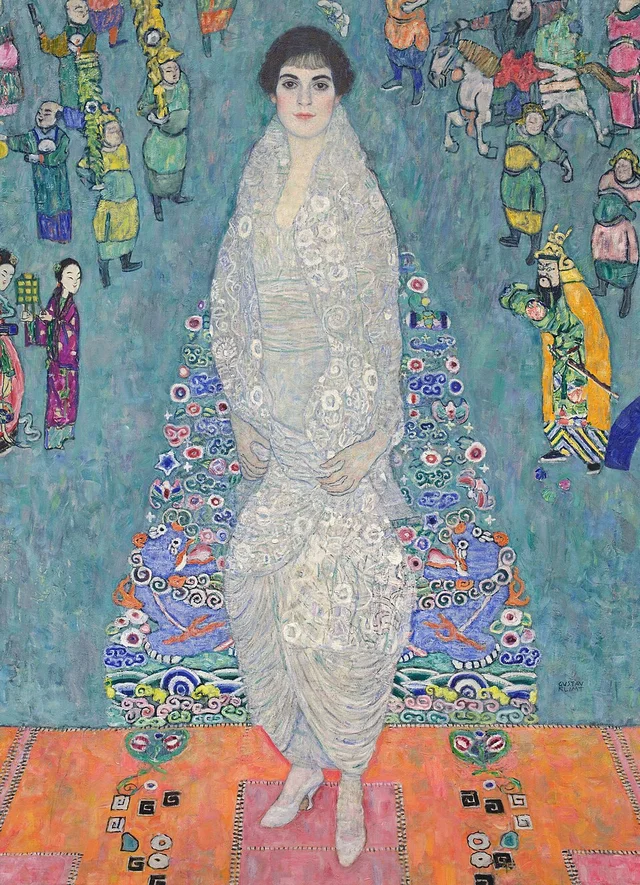 伊丽莎白·莱德雷尔肖像古斯塔夫·克林姆, 1914
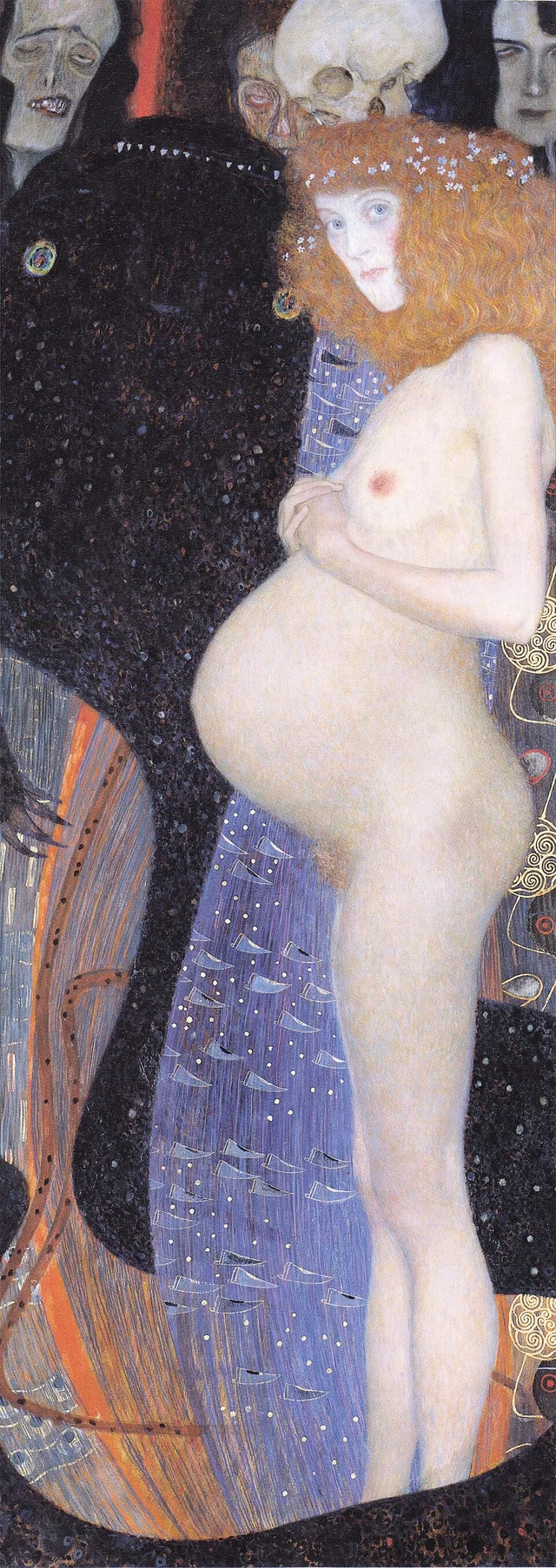 希望之一古斯塔夫·克林姆, 1903
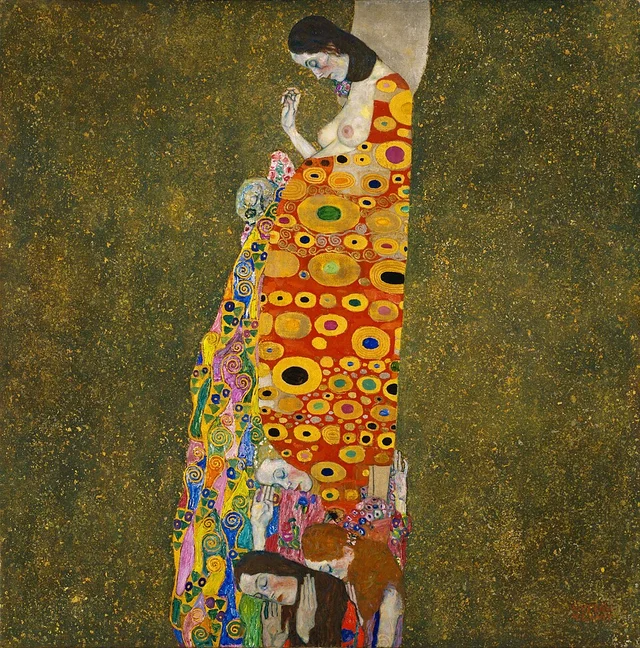 希望之二古斯塔夫·克林姆, 1907
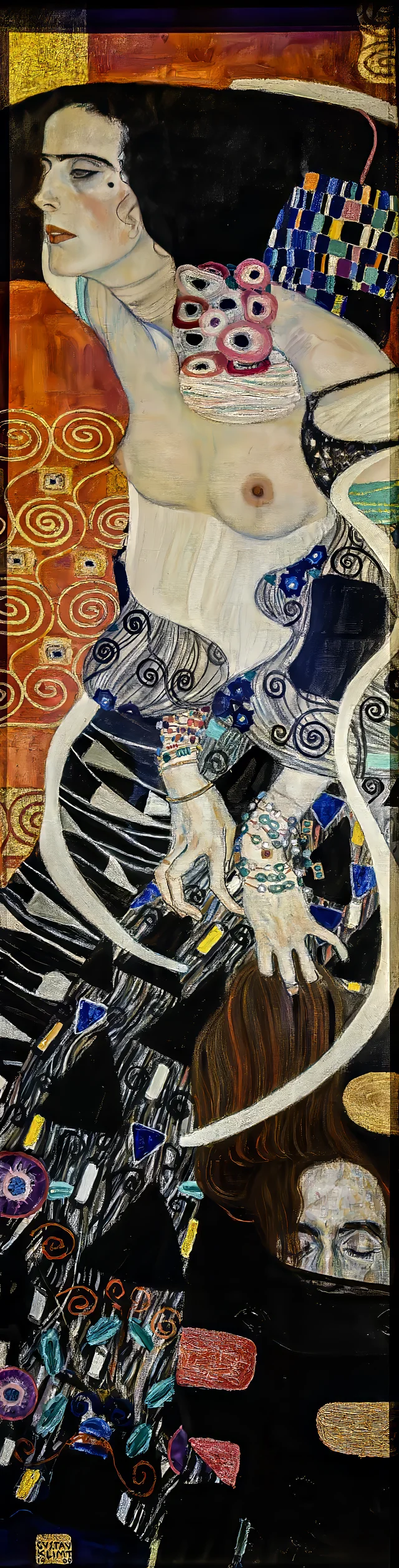 尤迪特二号古斯塔夫·克林姆, 1909
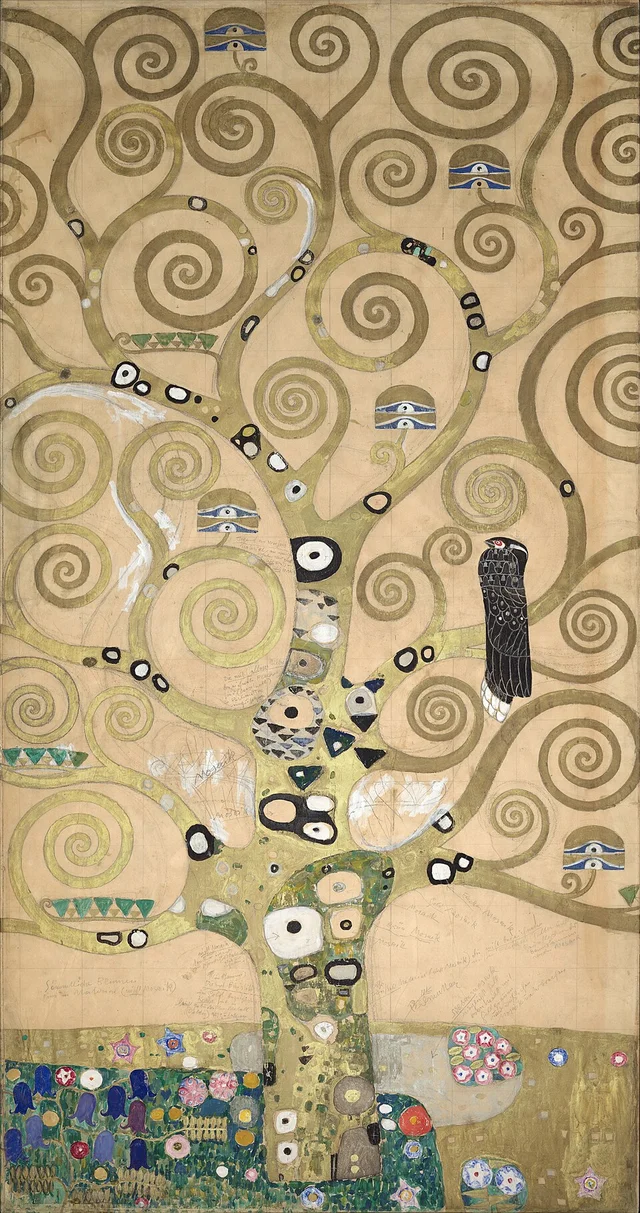 生命之树古斯塔夫·克林姆, 1909
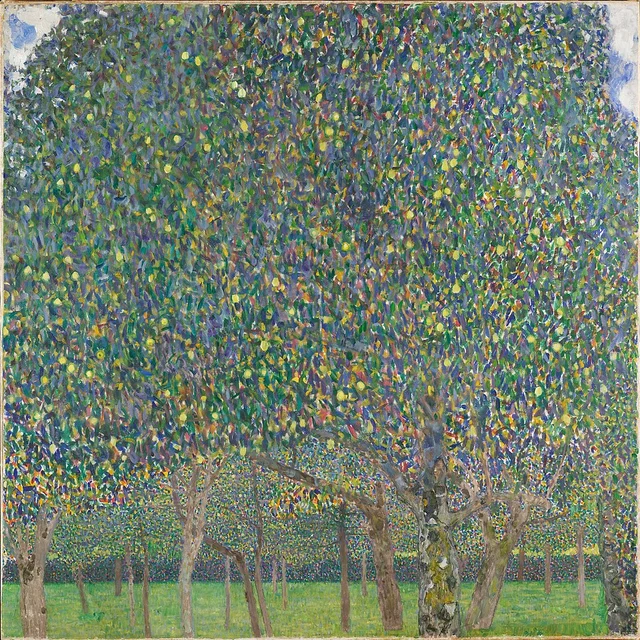 梨树古斯塔夫·克林姆, 1903
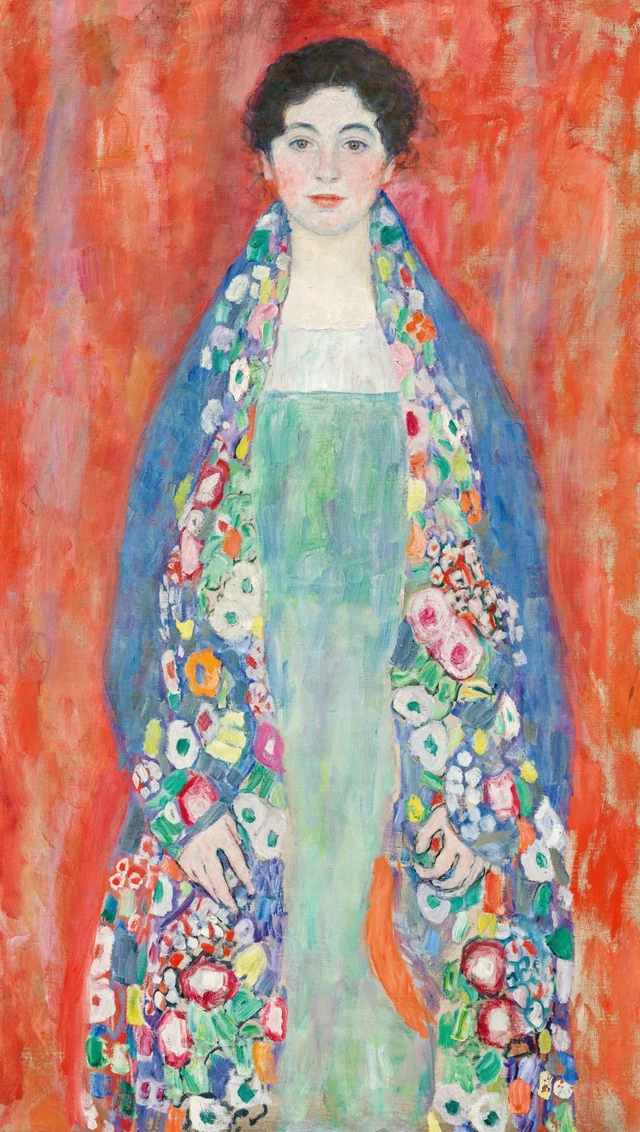 莉泽尔小姐像古斯塔夫·克林姆, 1917
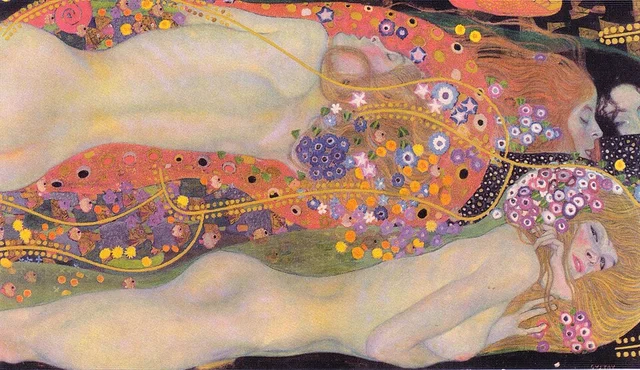 水蛇 II古斯塔夫·克林姆, 1904
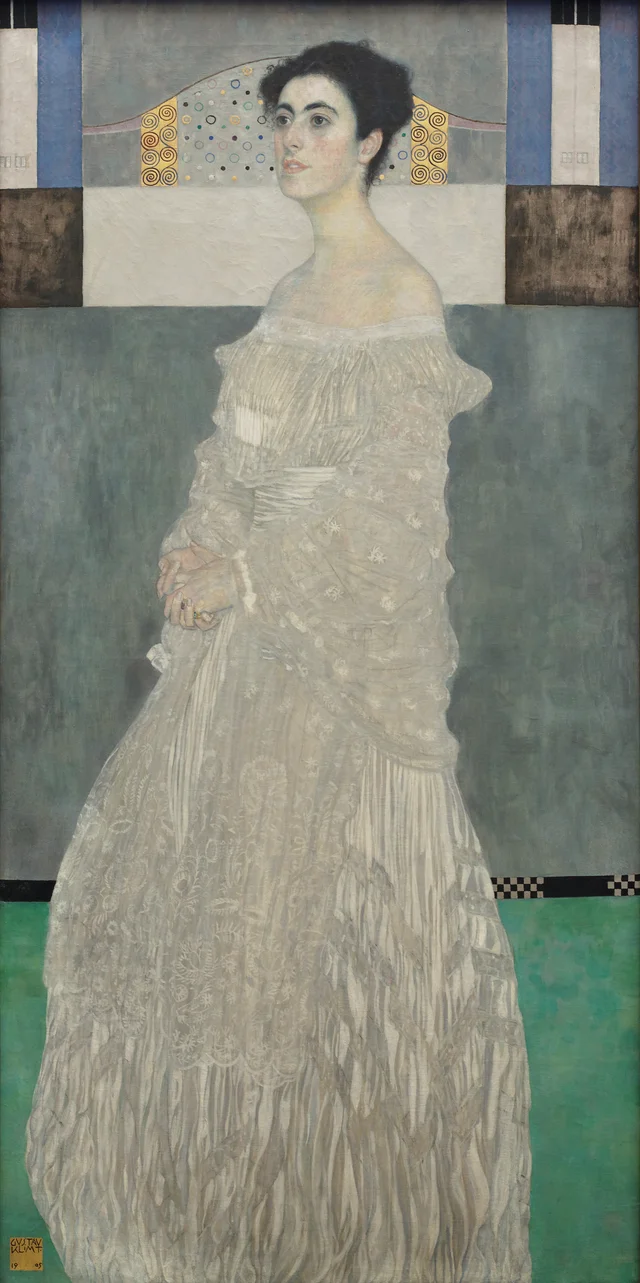 玛格丽特·斯通伯勒-维特根斯坦肖像古斯塔夫·克林姆, 1905
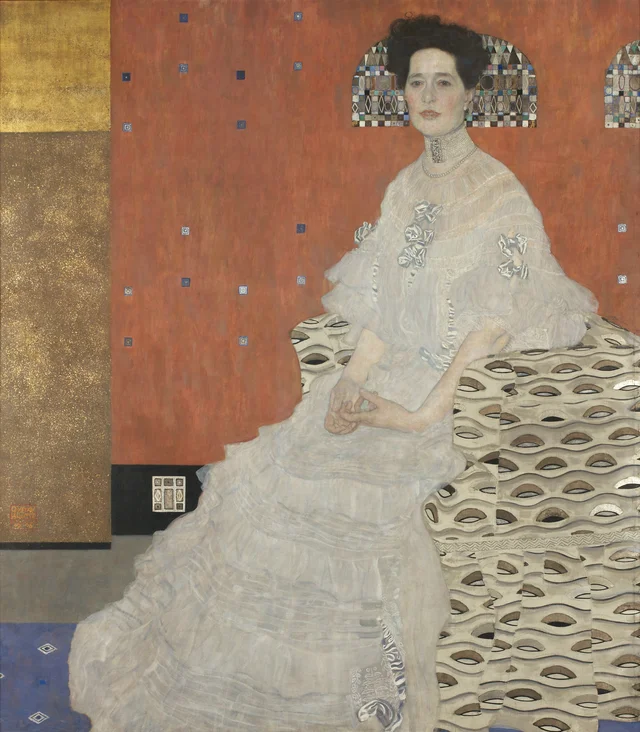 弗里扎·里德勒古斯塔夫·克林姆, 1906
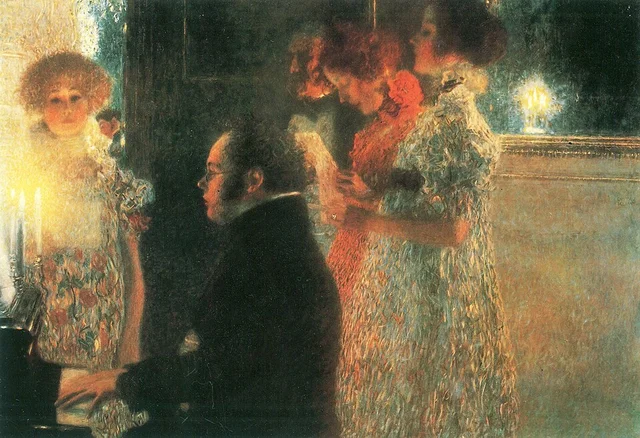 钢琴前的舒伯特 II古斯塔夫·克林姆, 1899
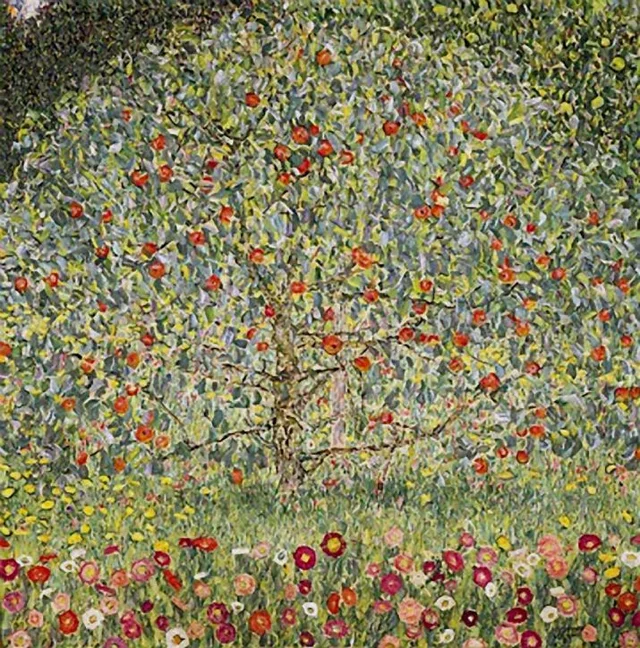 苹果树 I古斯塔夫·克林姆, 1912
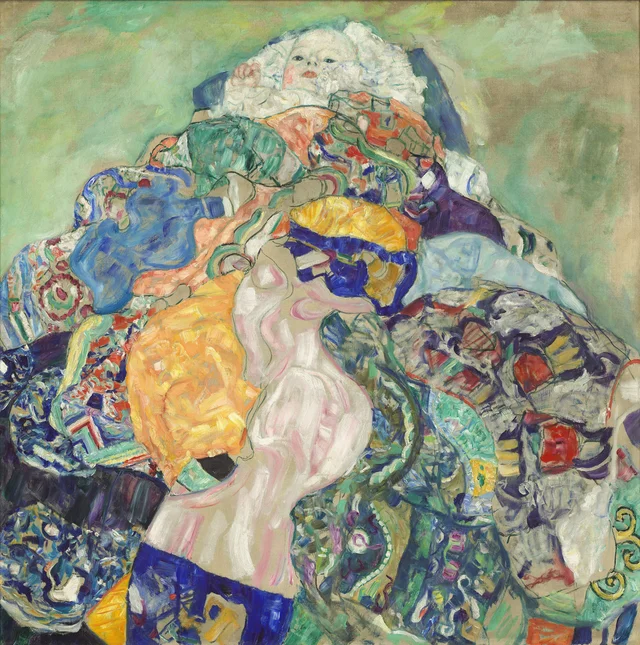 婴儿(摇篮)古斯塔夫·克林姆, 1917
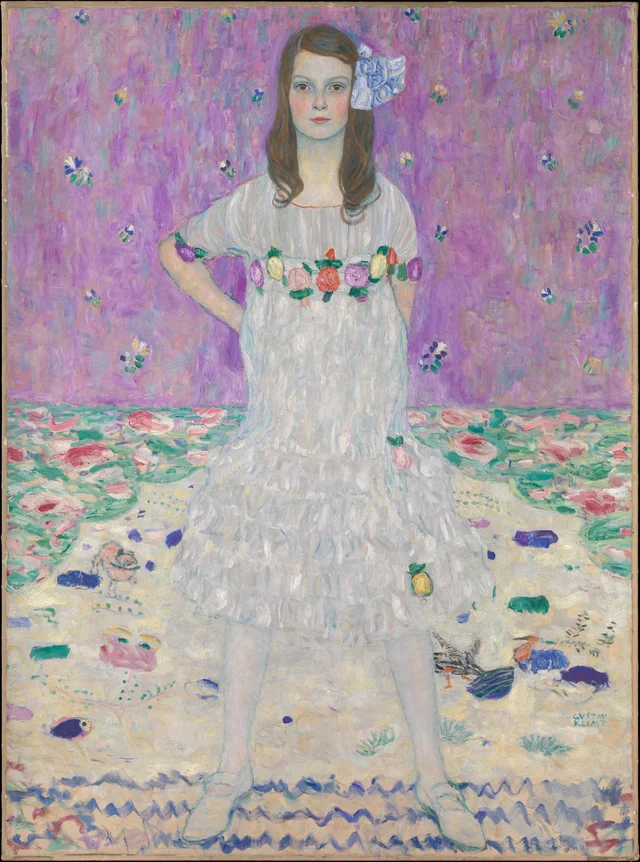 梅达·普里马韦西(1903–2000)古斯塔夫·克林姆, 1912
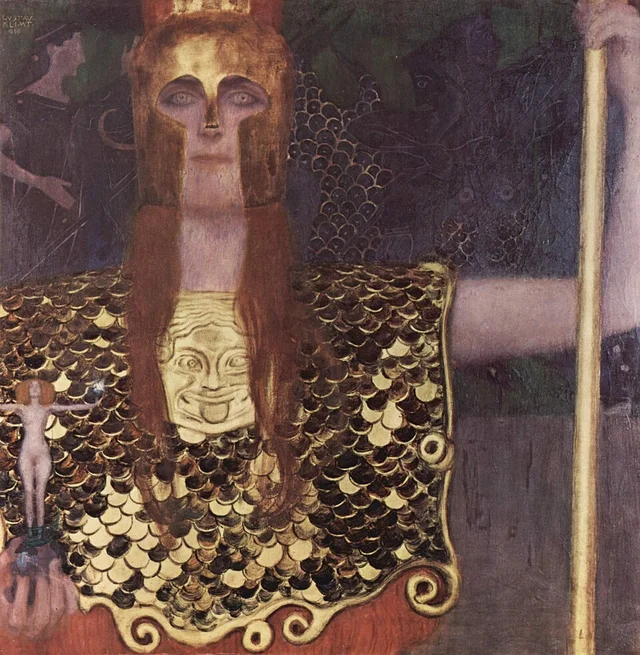 帕拉斯·雅典娜古斯塔夫·克林姆, 1898