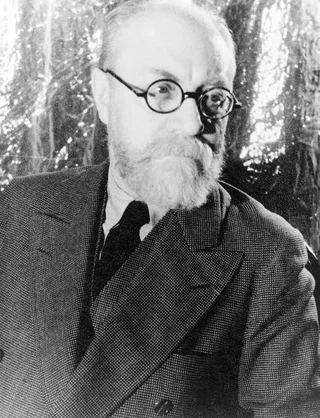
亨利·马蒂斯
1869–1954 · 法国 · 野兽派
语音导览
故事
1941年1月,在里昂,马蒂斯因肠癌接受手术,这场手术几乎要了他的命。他当时71岁。照料他挺过并发症的修女们开始称他为“复活的人”,他自己似乎也有几分相信。此后余生,他都把接下来的岁月称作“第二次生命”——一段他本以为不会拥有的时光。
人们所喜爱的马蒂斯,大多正是来自这“第二次生命”。卧床不起、后来又困于轮椅,他再也无法长时间站在画架前作画。于是他重拾一样此前只是偶尔尝试的手法:让助手用饱和的水粉颜料涂满纸张,再由他亲手用一把大剪刀直接剪出形状——一名潜水者、一片叶子、一只鸟、简化成几道蓝色曲线的裸体。他称之为“用剪刀绘画”,把这些剪纸钉在房间的墙上,像摆弄一座他不必起身便能漫步其间的花园。
出版人泰里亚德看到最初这批作品后,说服他做成一本书,这便是1947年问世的《爵士》,书中翻跟斗的杂技演员与马戏团般的形状都印自这些剪纸。此后是晚期最大的一件作品:1948至1951年间,他设计了旺斯的玫瑰经小教堂,从彩色玻璃、瓷砖墙面到十字架和神父的祭衣,事无巨细都亲自操刀。工程完工时他已年过八旬,只能躺在床上,用一根绑着炭笔的长竹竿够到墙面,一笔到底地画出圣徒的面容。
更多文章
作品
200 件作品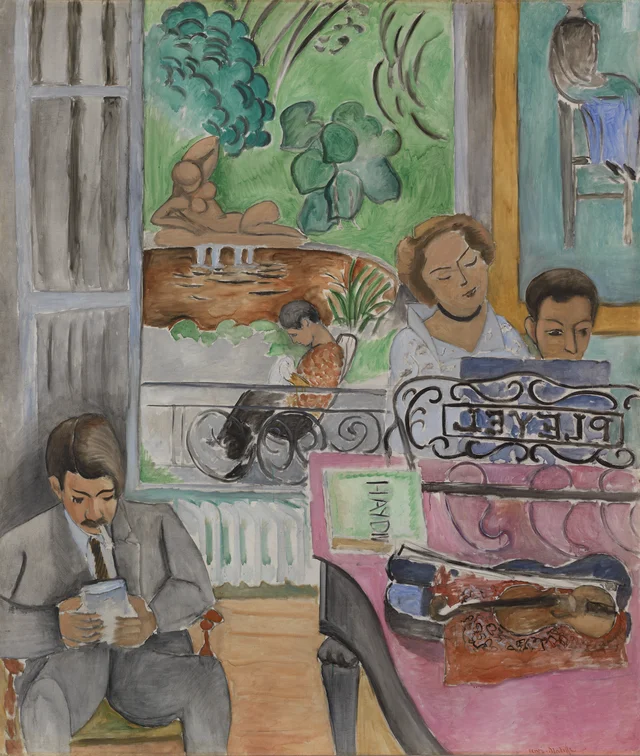 音乐课亨利·马蒂斯, 1917
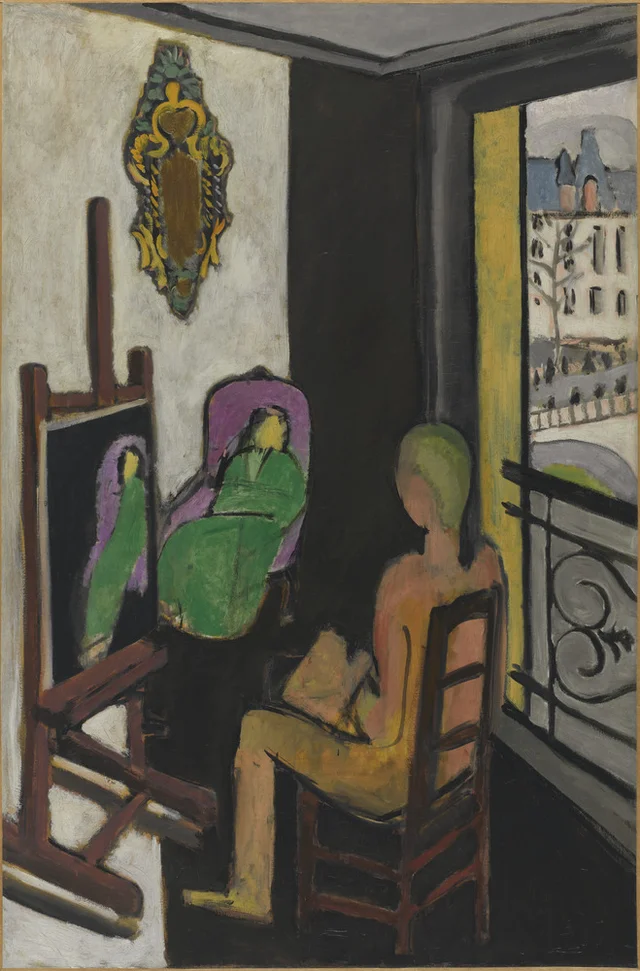 画家与他的模特亨利·马蒂斯, 1917
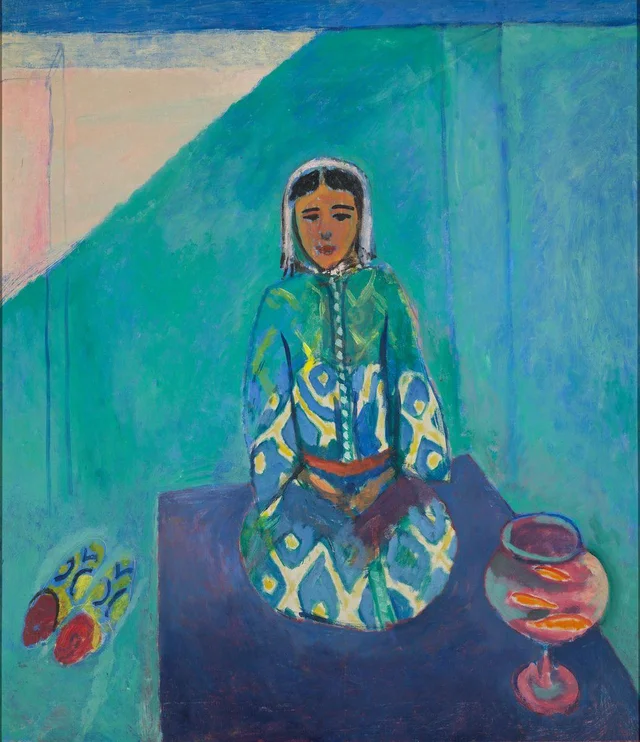 露台上的佐拉亨利·马蒂斯, 1912
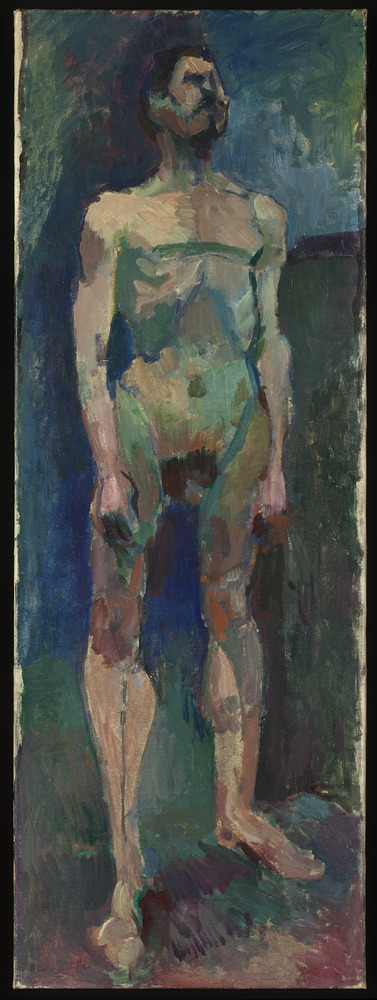 男性学院习作亨利·马蒂斯, 1901
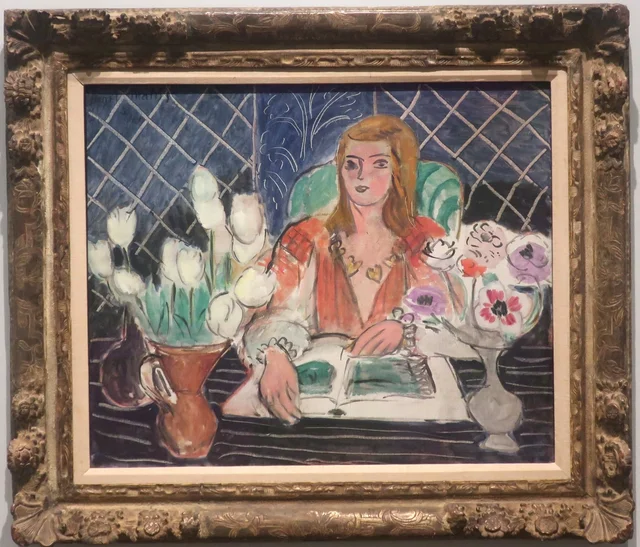 安内莉丝,白色郁金香与银莲花亨利·马蒂斯, 1944
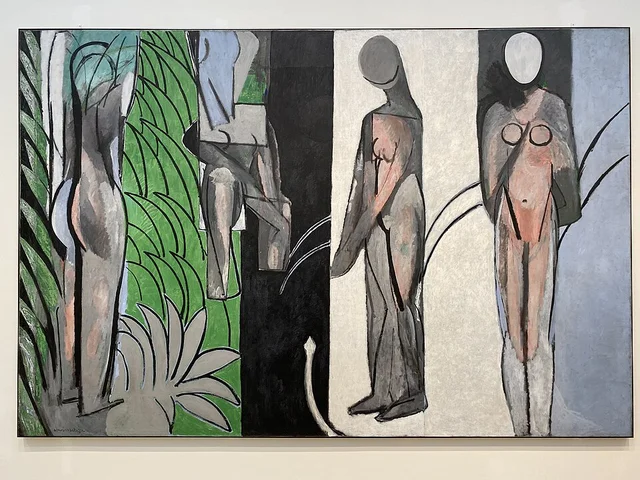 河边的浴女亨利·马蒂斯, 1916
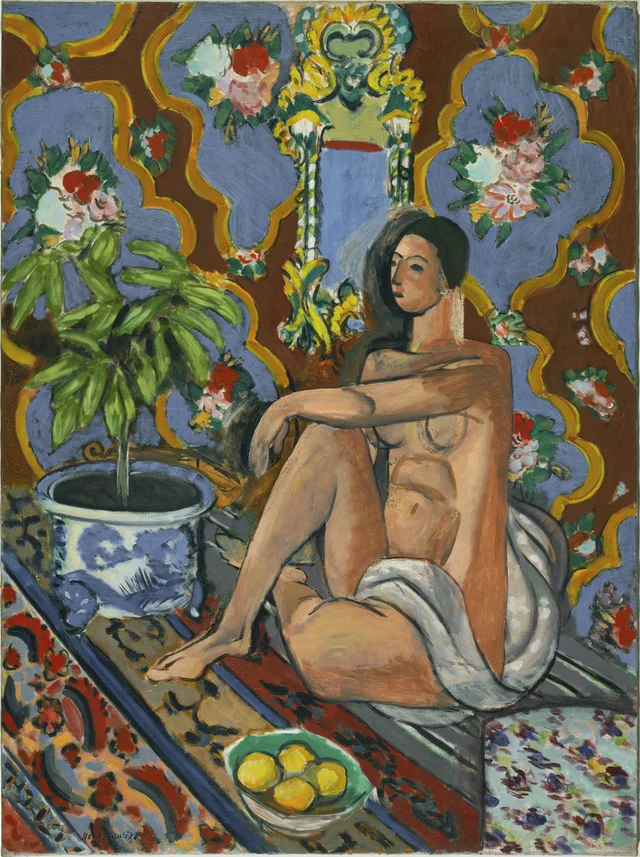 装饰背景上的装饰人物亨利·马蒂斯, 1925
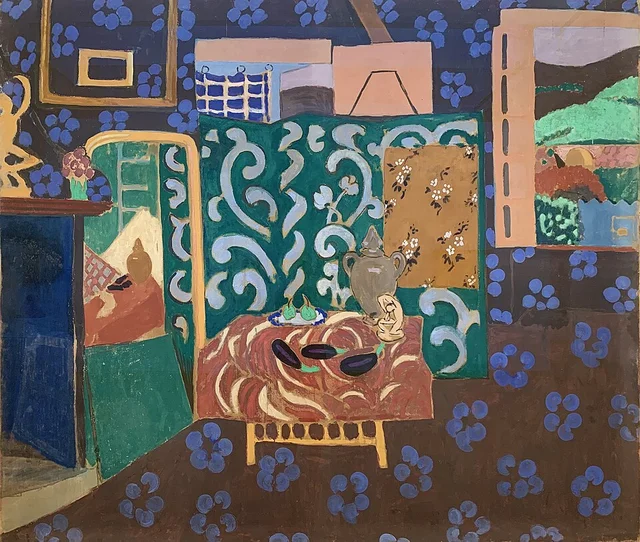 有茄子的室内亨利·马蒂斯, 1911
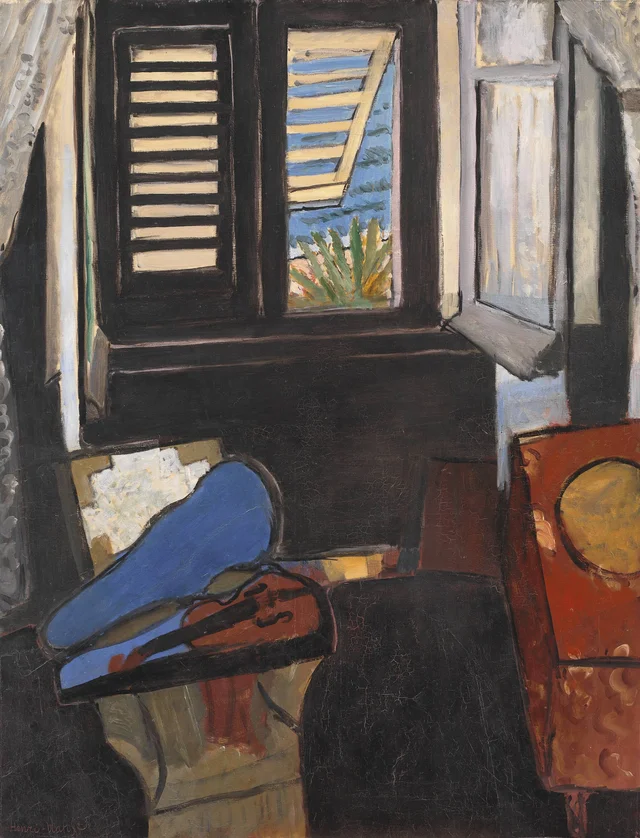 有小提琴的室内景亨利·马蒂斯, 1918
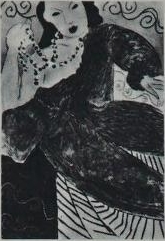 亚洲亨利·马蒂斯, 1946
 船亨利·马蒂斯, 1953
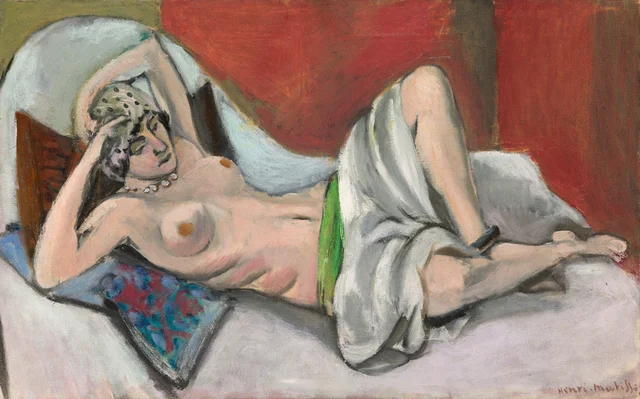 披布斜卧裸女亨利·马蒂斯, 1923
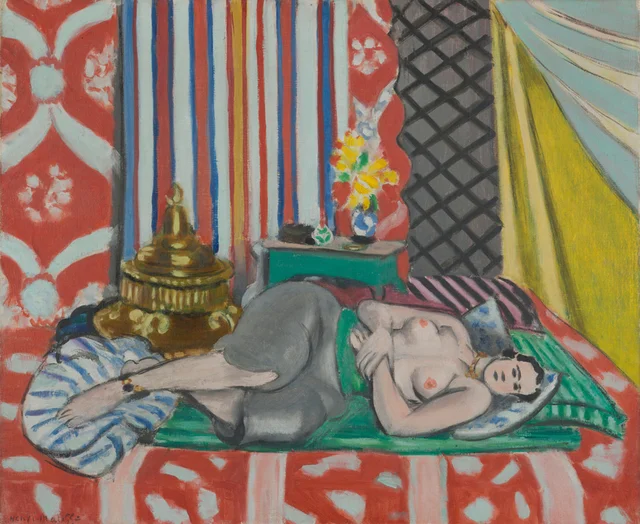 灰裤宫女亨利·马蒂斯, 1927
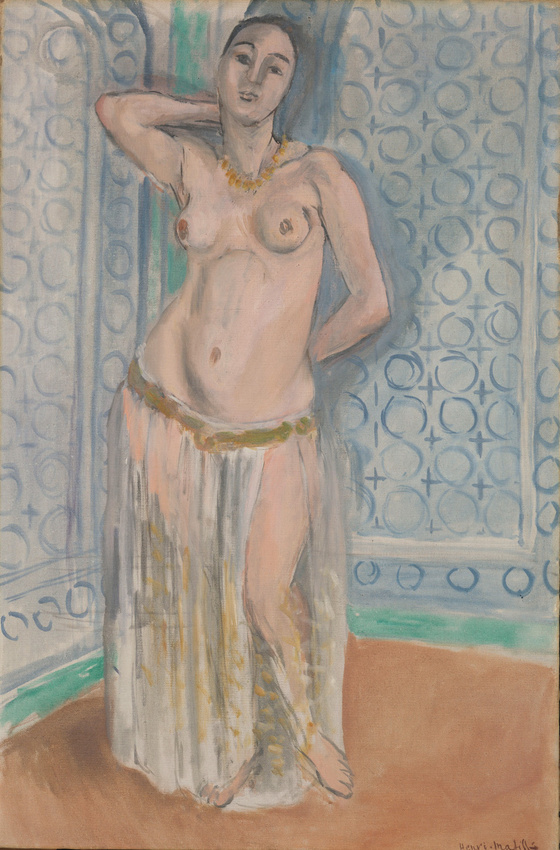 蓝色宫女亨利·马蒂斯, 1921
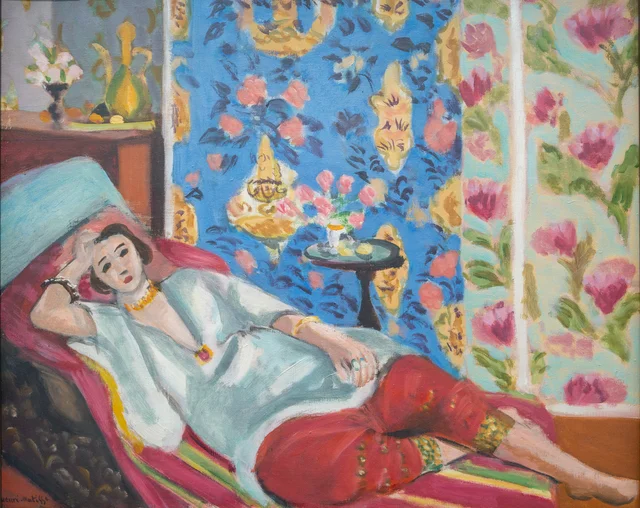 红裤宫女亨利·马蒂斯, 1920
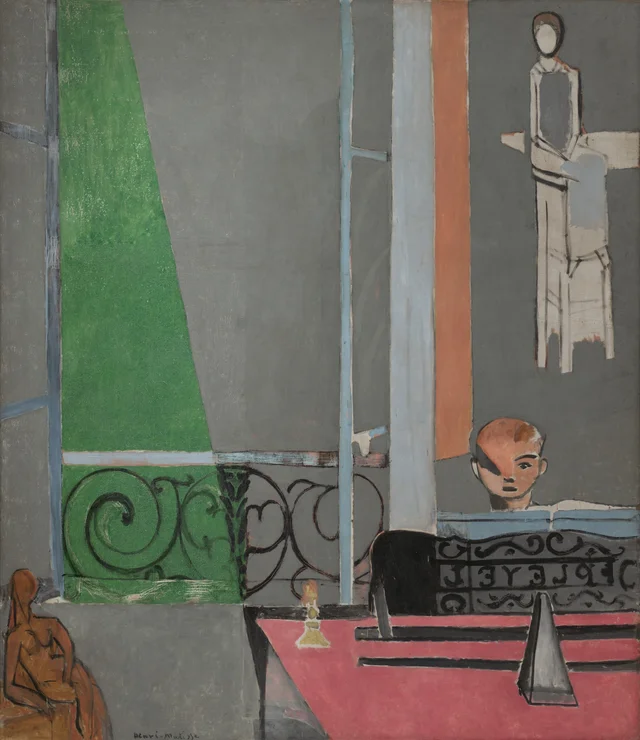 钢琴课亨利·马蒂斯, 1916
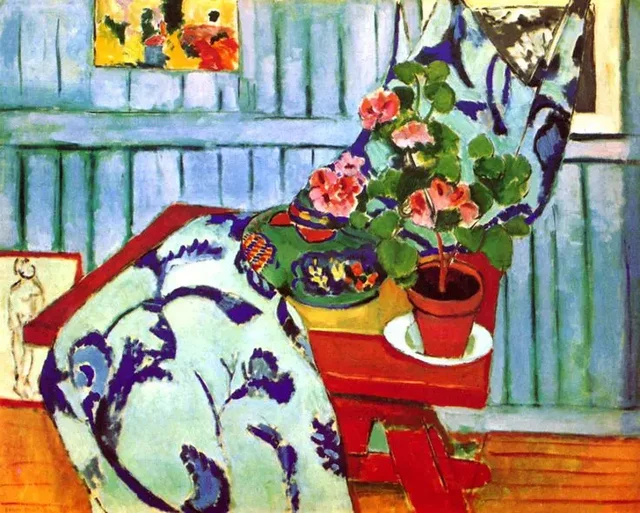 天竺葵静物亨利·马蒂斯, 1910
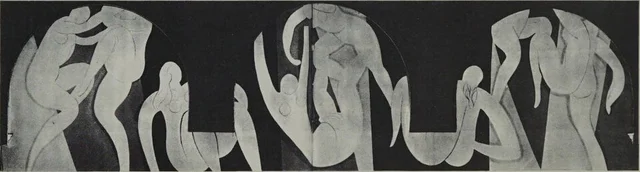 舞蹈亨利·马蒂斯, 1932
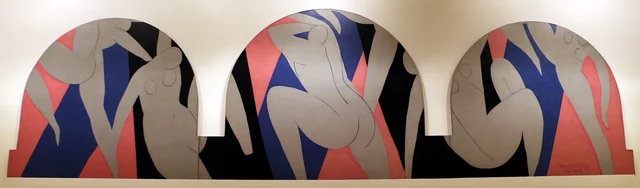 舞蹈亨利·马蒂斯, 1933
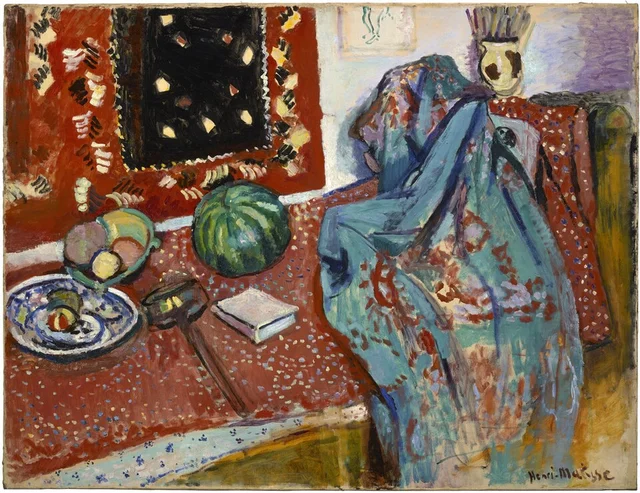 红色地毯亨利·马蒂斯, 1906
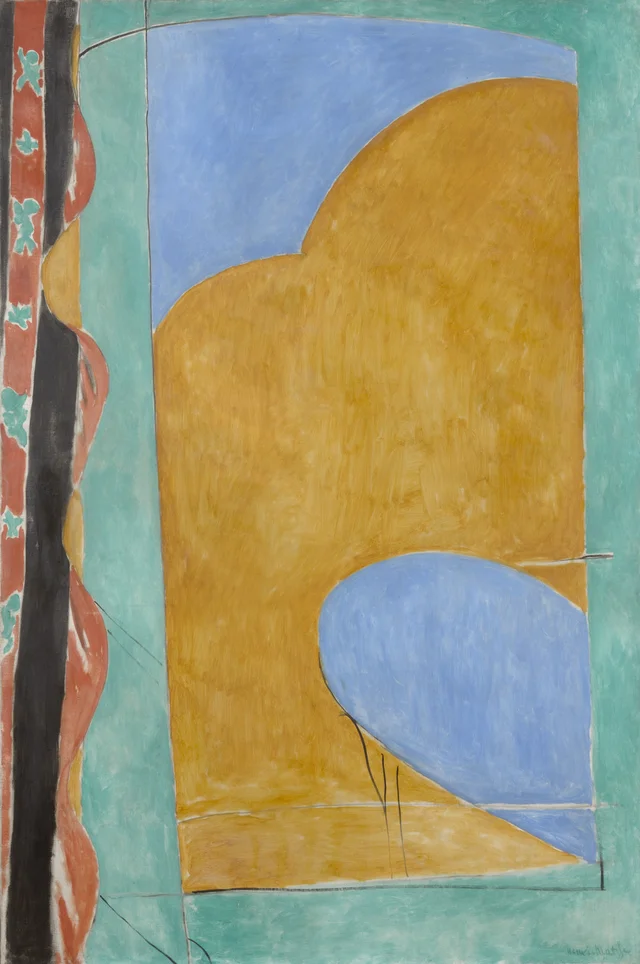 黄色窗帘亨利·马蒂斯, 1915
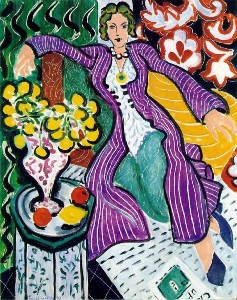 穿紫色外套的女人亨利·马蒂斯, 1937
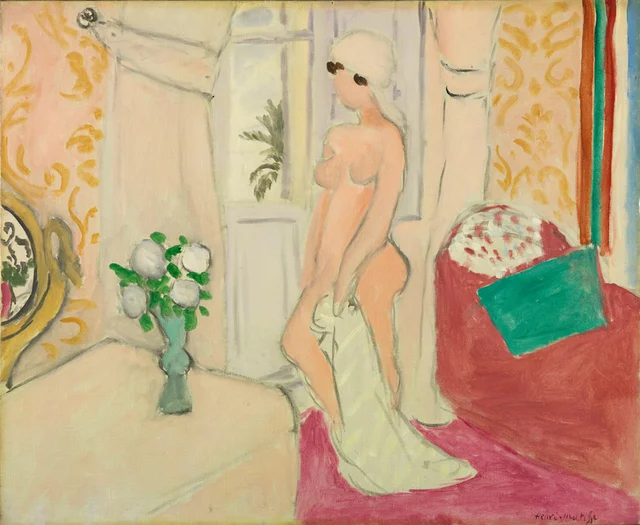 少女与花瓶亨利·马蒂斯, 1920
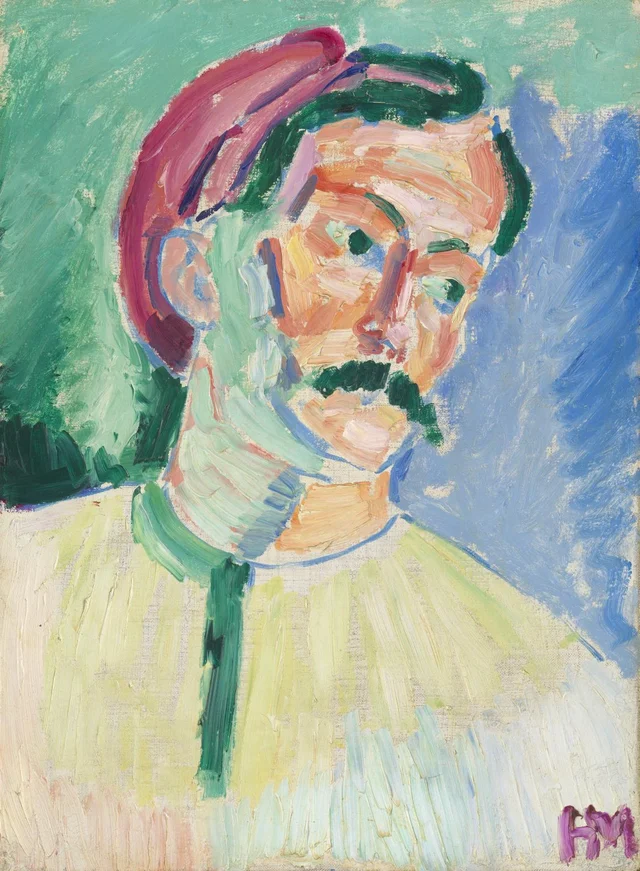 安德烈·德朗亨利·马蒂斯, 1905
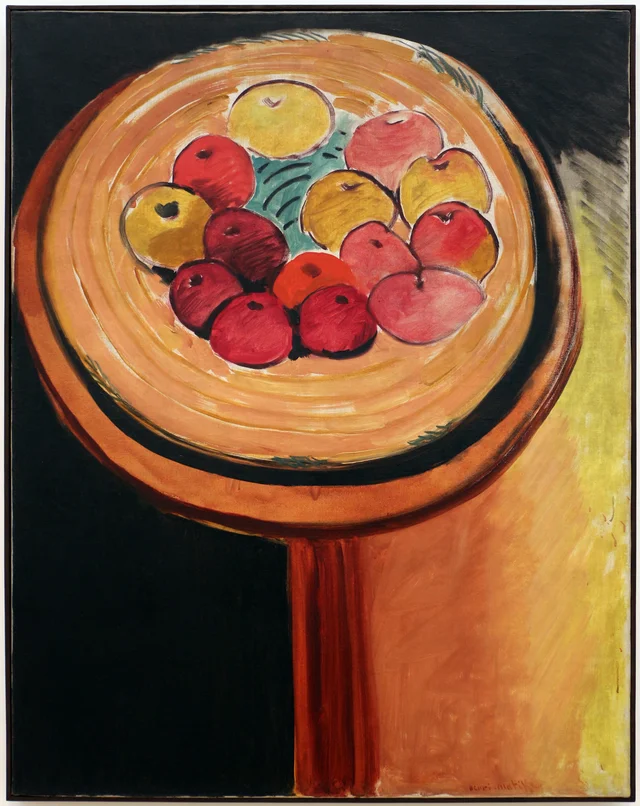 苹果亨利·马蒂斯, 1916