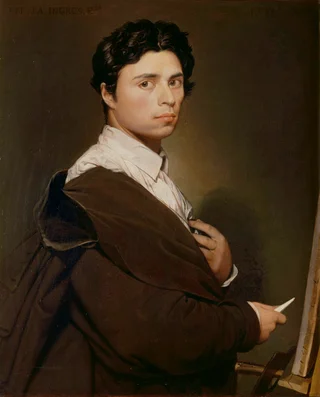
让-奥古斯特-多米尼克·安格尔
1780–1867 · 法国 · 新古典主义
语音导览
故事
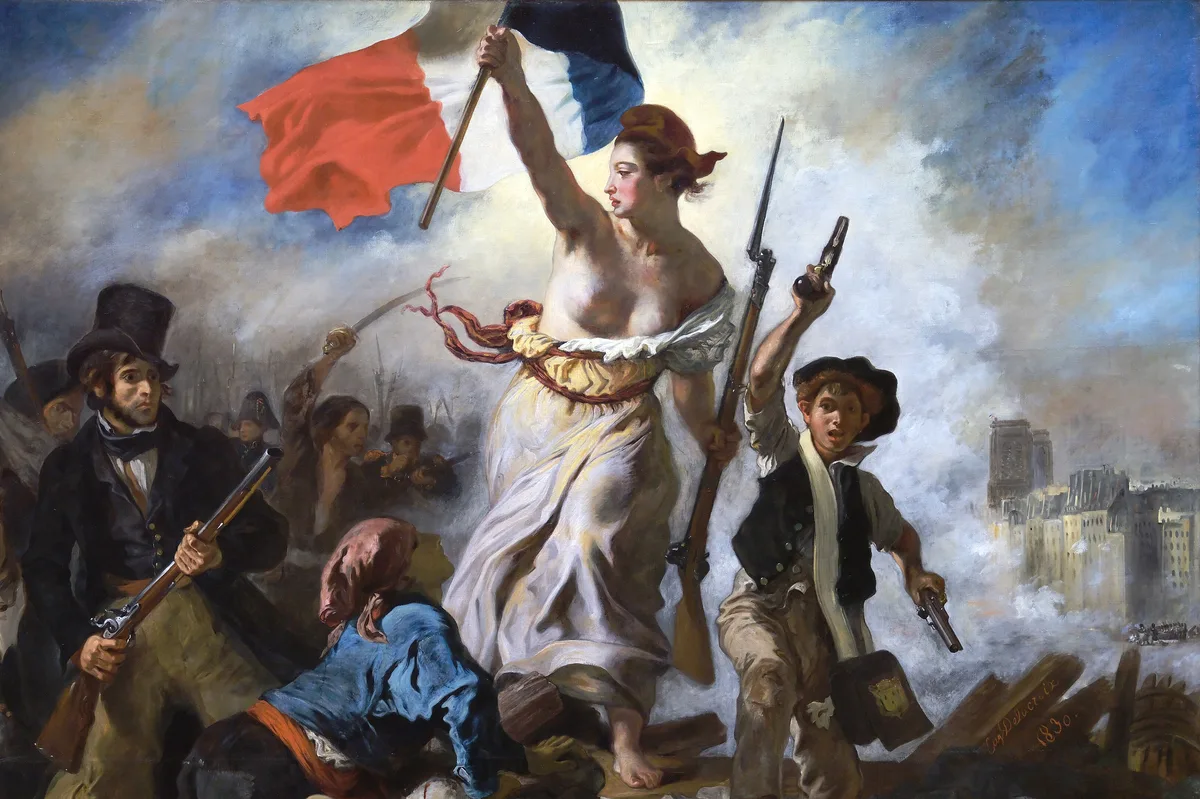
安格尔自视为法国绘画最后一位诚实的守护者——他捍卫素描、捍卫清晰的轮廓、捍卫拉斐尔的典范,反对他眼中把颜色随意涂抹便自称艺术的年轻一代。那一代人有一位领袖,欧仁·德拉克罗瓦,于是几十年间,巴黎画坛分裂成两大阵营:安格尔为首的“线条派”,与德拉克罗瓦为首的“色彩派”。安格尔称对手是“丑陋的使徒”,据说1855年巴黎世界博览会上,主办方不得不把两人的作品分挂在不同的展厅。
他这份固执是有资本的。他师从雅克-路易·大卫——大革命与拿破仑时代的伟大画家——练就了几乎无人能及的精准笔法。然而,他最有名的一幅画却打破了他自己奉行的每一条规则。1814年为拿破仑的妹妹所作的《大宫女》,画中卧姿的后宫女子背部多出了两三节脊椎,骨盆的结构在现实中根本不可能存在。批评家嚷嚷说他忘了人体解剖;其实他是故意为之——为了那道他钟爱胜过正确性的、悠长、清冷、连绵不断的线条,特意把身体拉长了。
还有一件不大不小的事,人们至今记得。安格尔自幼学拉小提琴,少年时水平已高到能在图卢兹歌剧院乐团里演奏,此后一生画架旁总放着一把琴。这个习惯给法语留下了一个说法,“安格尔的小提琴”,用来形容一个人在正业之外坚持不辍的正经爱好。1924年,摄影师曼·雷借用了这个说法拍了一张自己的作品:把小提琴那两个弯曲的音孔画在一位模特裸露的背上。
更多文章
作品
120 件作品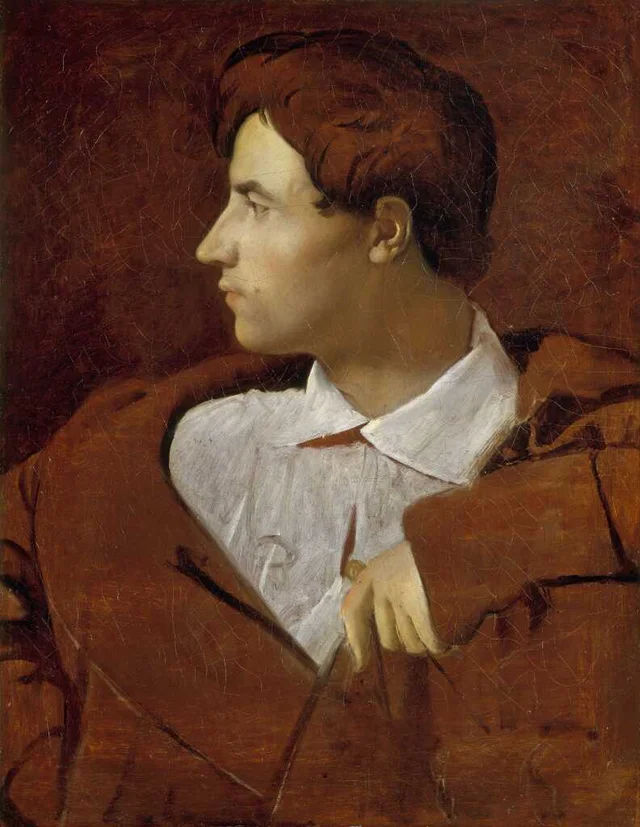 让-巴蒂斯特·德斯代邦肖像让-奥古斯特-多米尼克·安格尔, 1810
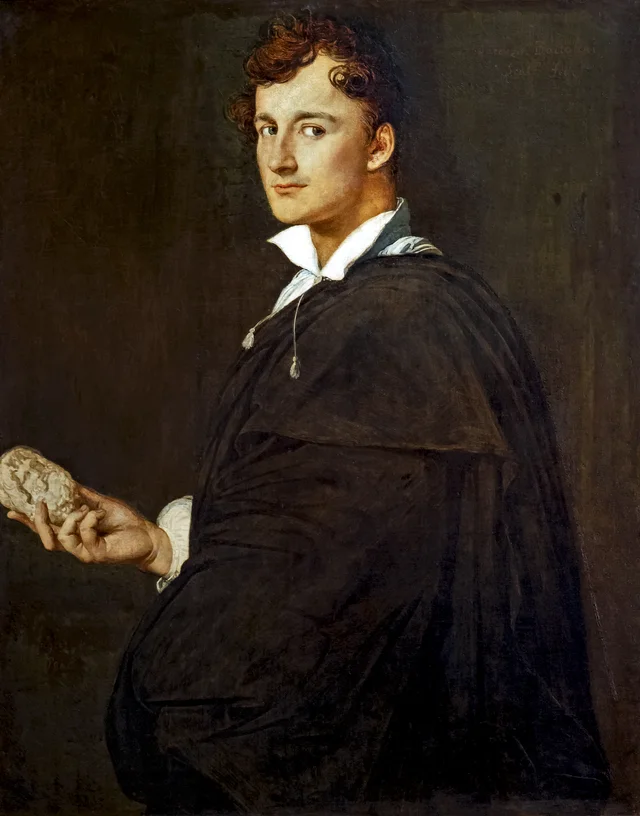 洛伦佐·巴尔托利尼像让-奥古斯特-多米尼克·安格尔, 1805
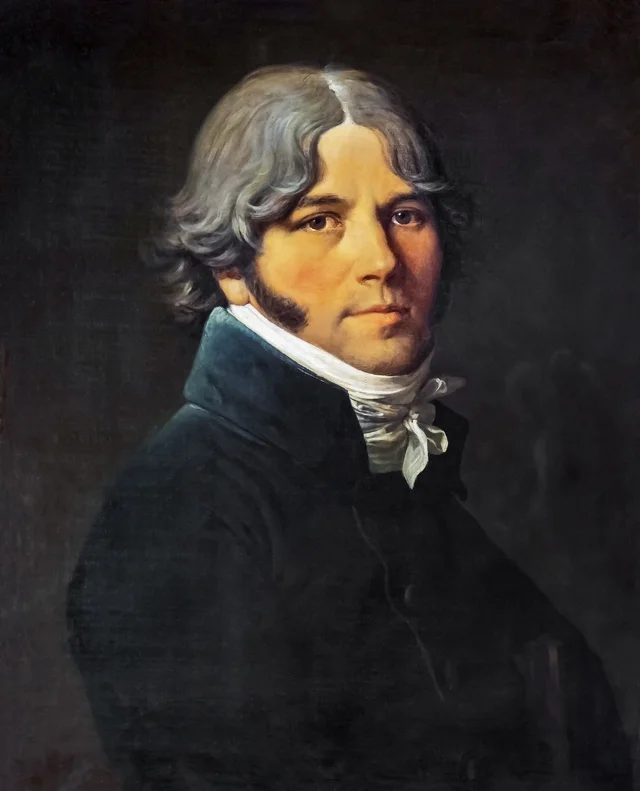 艺术家父亲的肖像让-奥古斯特-多米尼克·安格尔, 1804
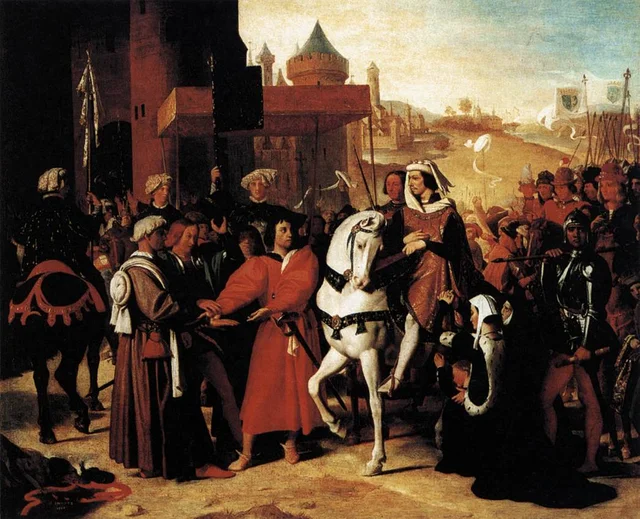 王太子进入巴黎让-奥古斯特-多米尼克·安格尔, 1821
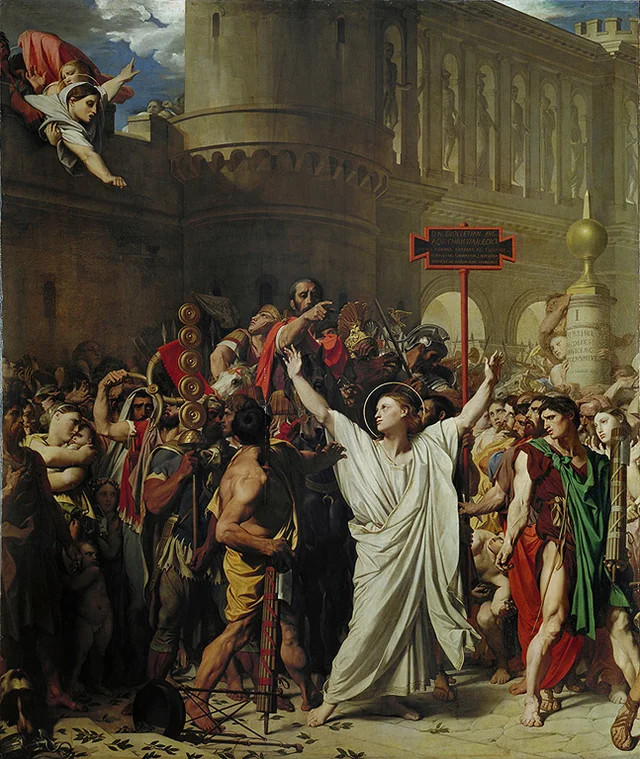 圣辛福里安的殉道让-奥古斯特-多米尼克·安格尔, 1834
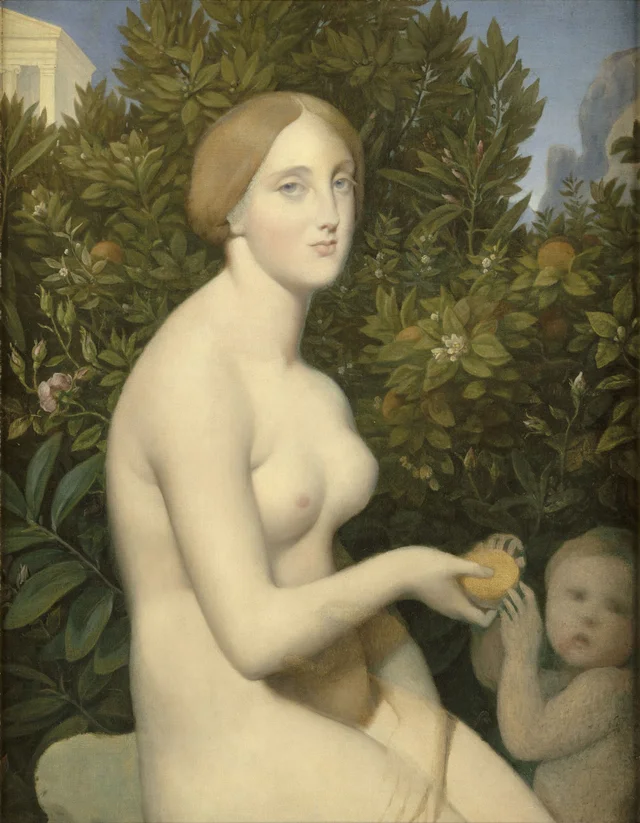 帕福斯的维纳斯让-奥古斯特-多米尼克·安格尔, 1852
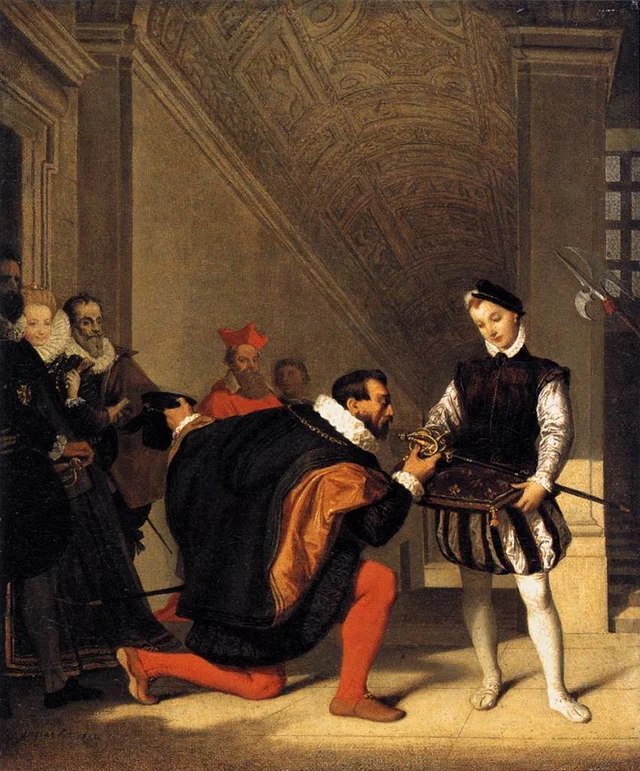 托莱多的佩德罗亲吻亨利四世的剑让-奥古斯特-多米尼克·安格尔, 1831
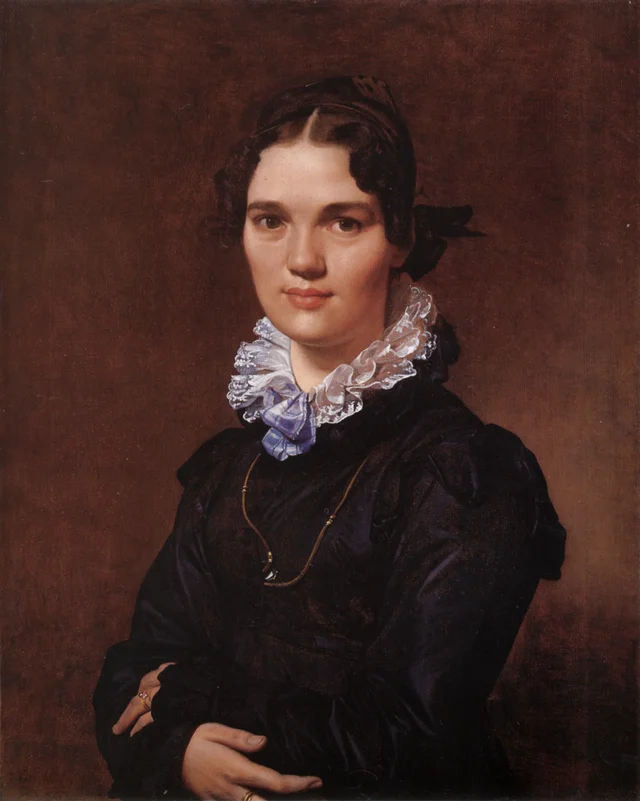 让娜-苏珊娜-卡特琳·戈南小姐让-奥古斯特-多米尼克·安格尔, 1821
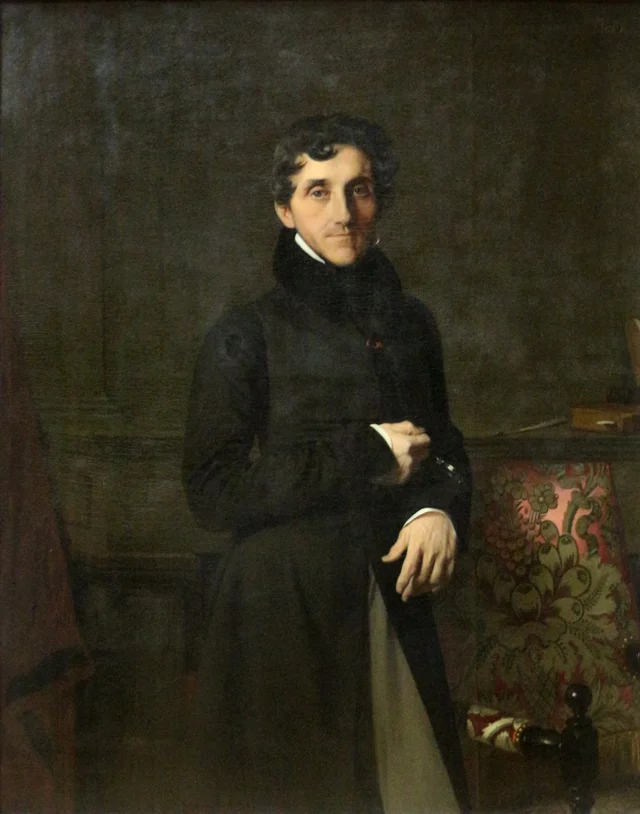 路易-马蒂厄·莫莱肖像让-奥古斯特-多米尼克·安格尔, 1834
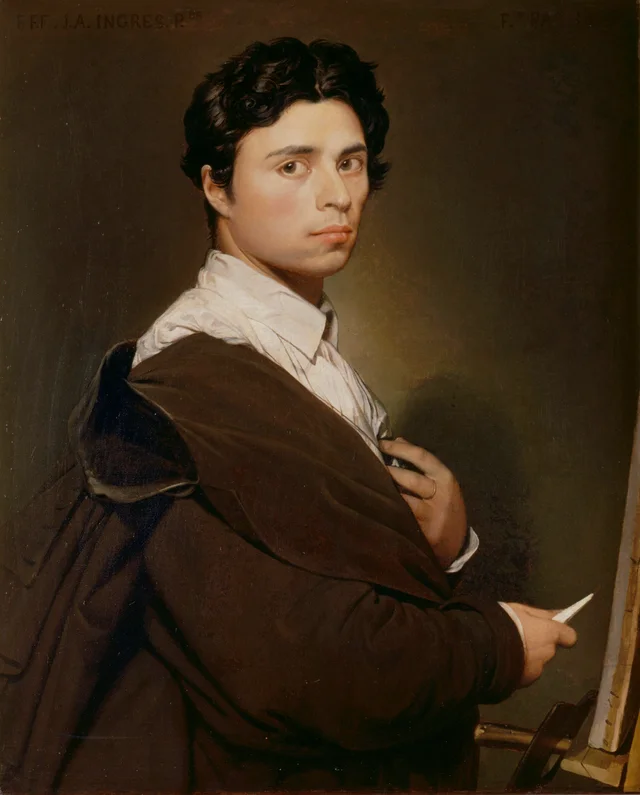 24岁自画像让-奥古斯特-多米尼克·安格尔, 1804
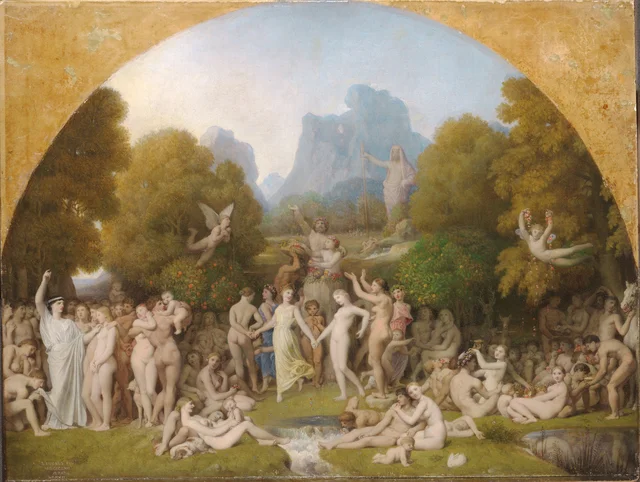 黄金时代让-奥古斯特-多米尼克·安格尔, 1862
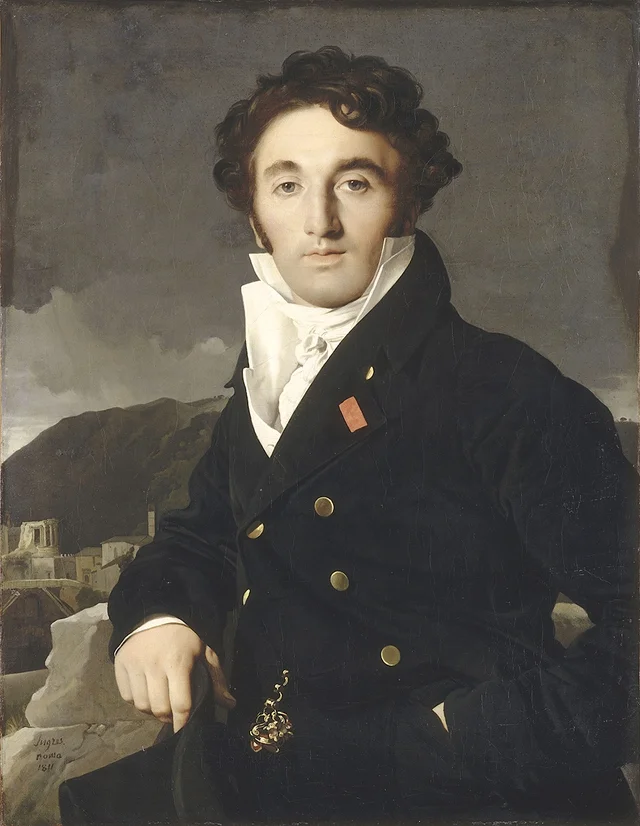 夏尔·科尔迪耶让-奥古斯特-多米尼克·安格尔, 1811
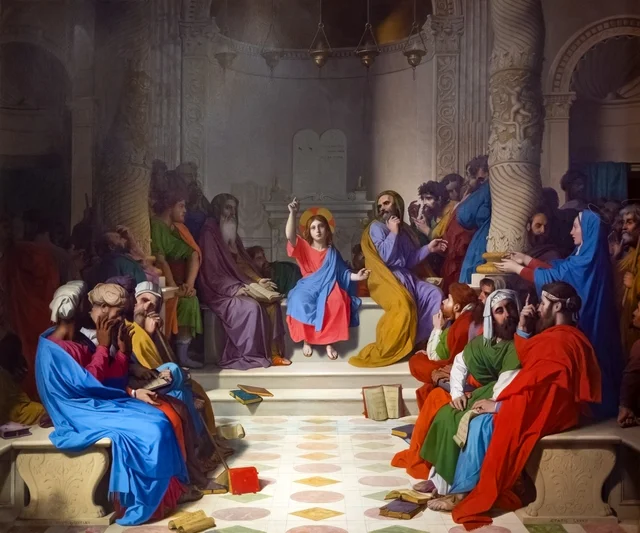 耶稣与经师辩论让-奥古斯特-多米尼克·安格尔, 1862
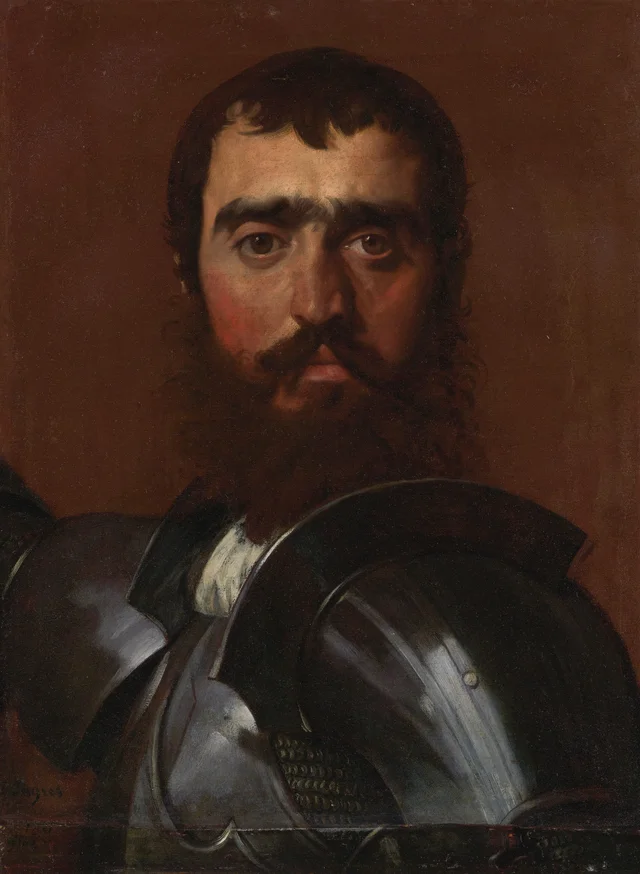 雇佣兵队长让-奥古斯特-多米尼克·安格尔, 1821
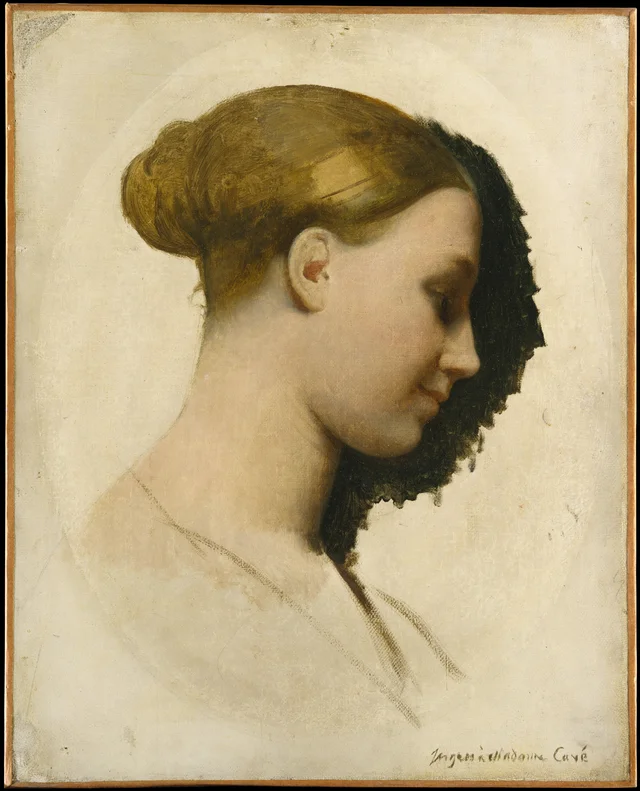 埃德蒙·卡韦夫人(玛丽-伊丽莎白·布洛,生于1810年)让-奥古斯特-多米尼克·安格尔, 1831
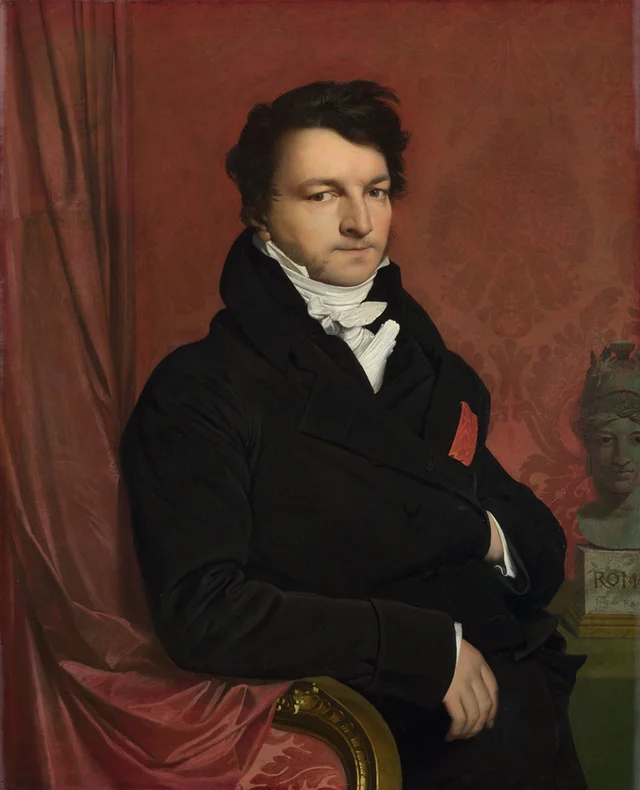 诺尔万先生让-奥古斯特-多米尼克·安格尔, 1810
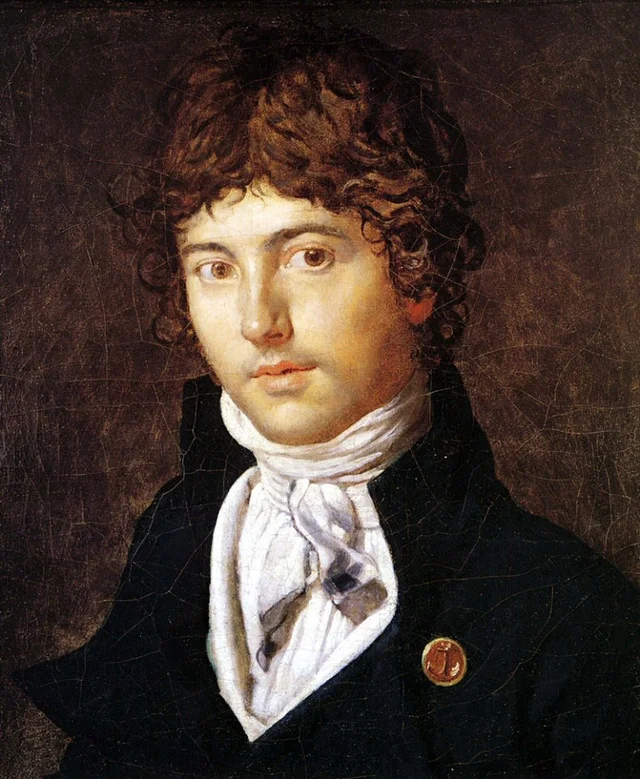 皮埃尔-弗朗索瓦·贝尔尼耶让-奥古斯特-多米尼克·安格尔, 1800
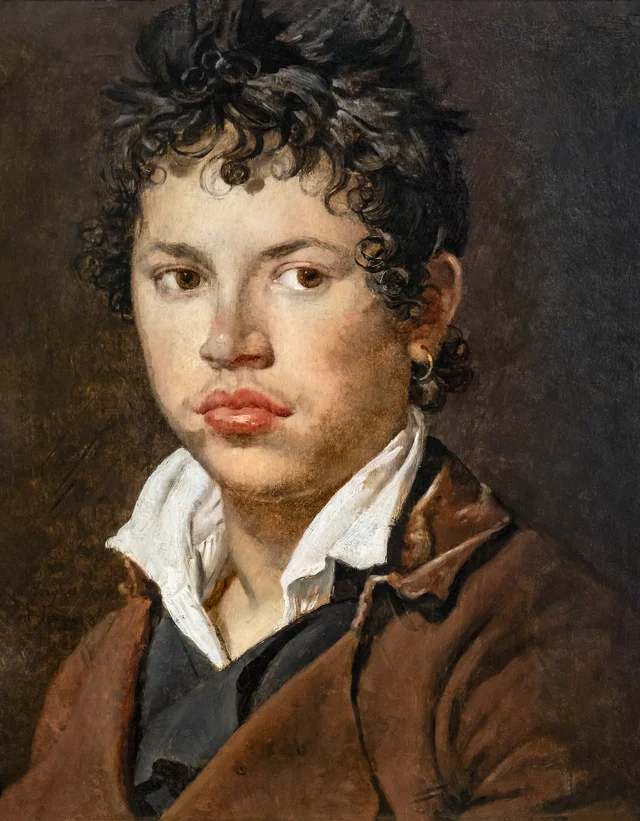 戴耳环的年轻男子肖像让-奥古斯特-多米尼克·安格尔, 1804
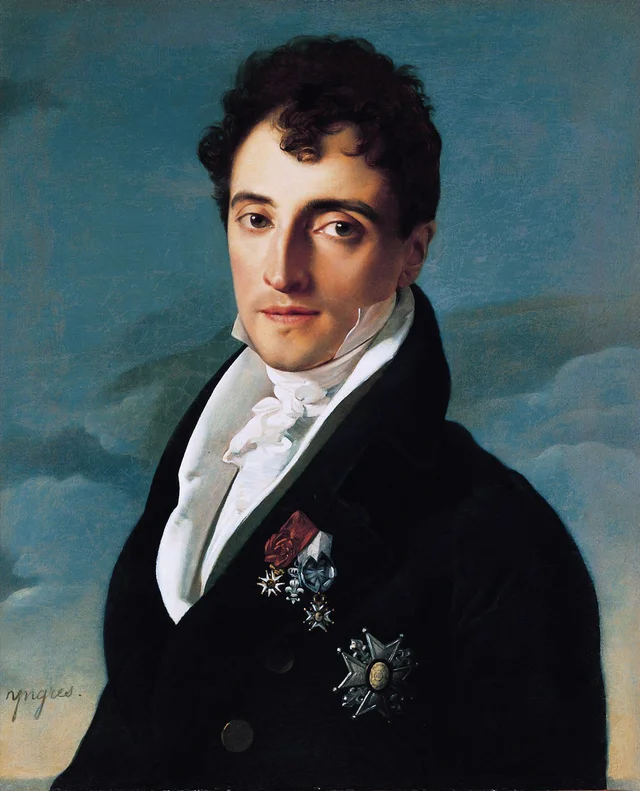 约瑟夫-皮埃尔·维亚莱泰斯·德·莫塔里厄男爵肖像让-奥古斯特-多米尼克·安格尔, 1805
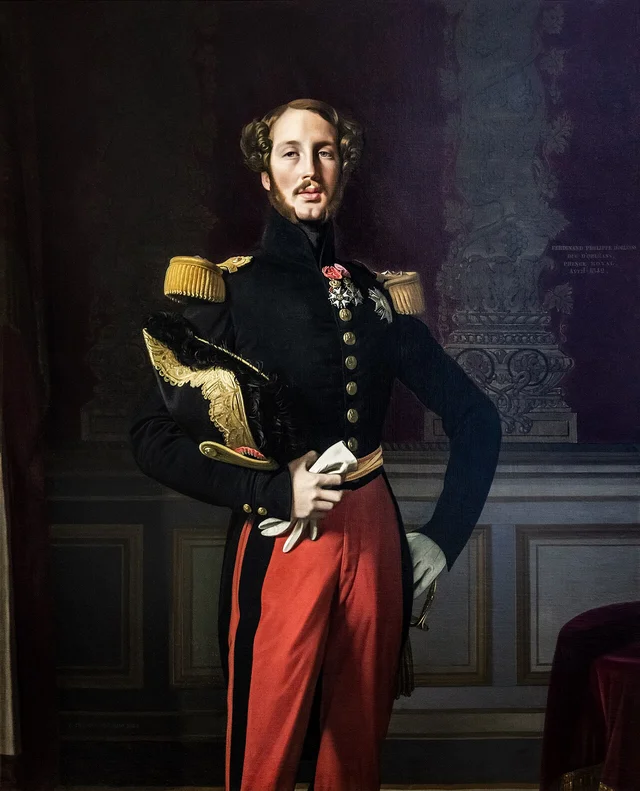 费迪南-菲利普,奥尔良公爵肖像让-奥古斯特-多米尼克·安格尔, 1842
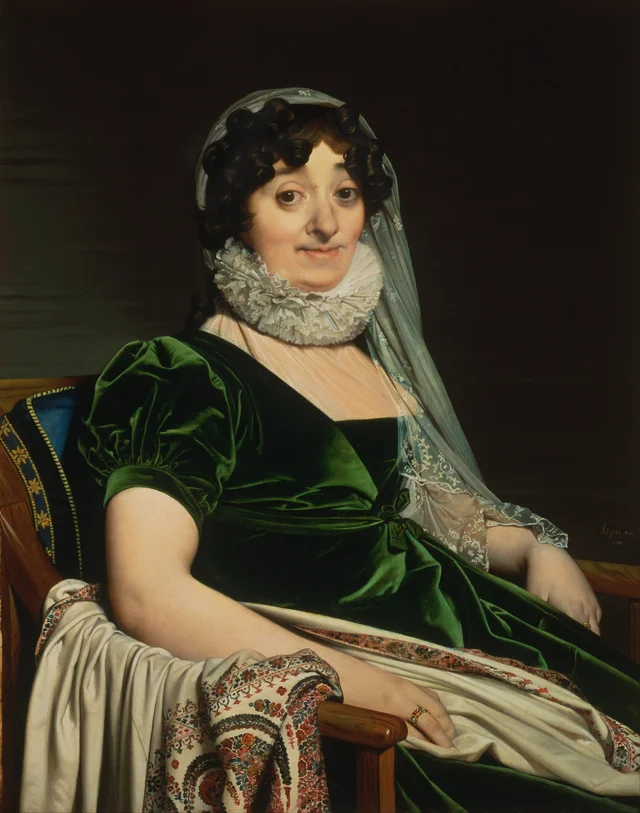 图尔农伯爵夫人肖像让-奥古斯特-多米尼克·安格尔, 1812
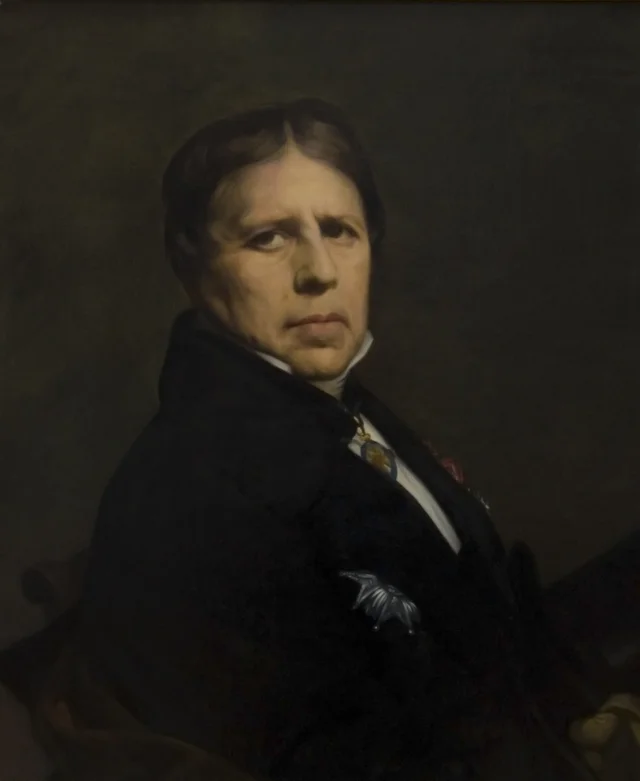 自画像让-奥古斯特-多米尼克·安格尔, 1864
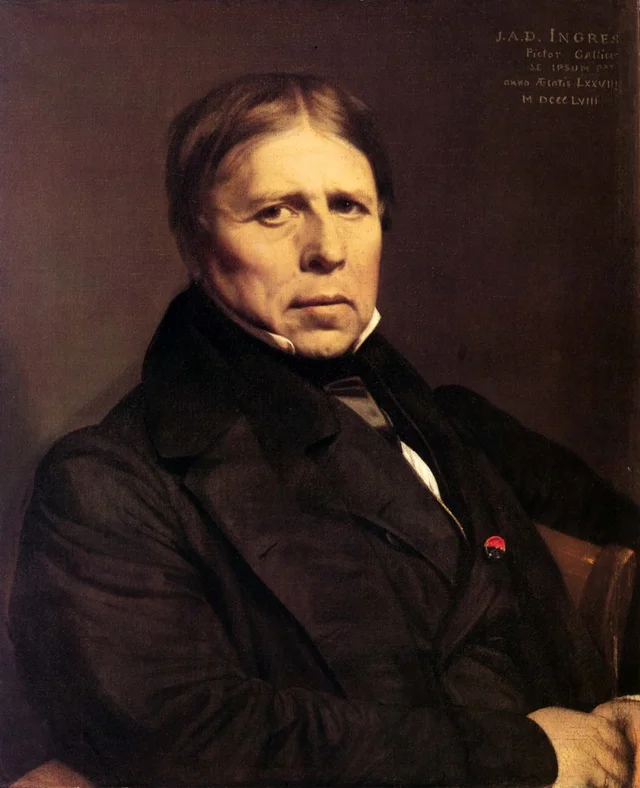 自画像让-奥古斯特-多米尼克·安格尔, 1858
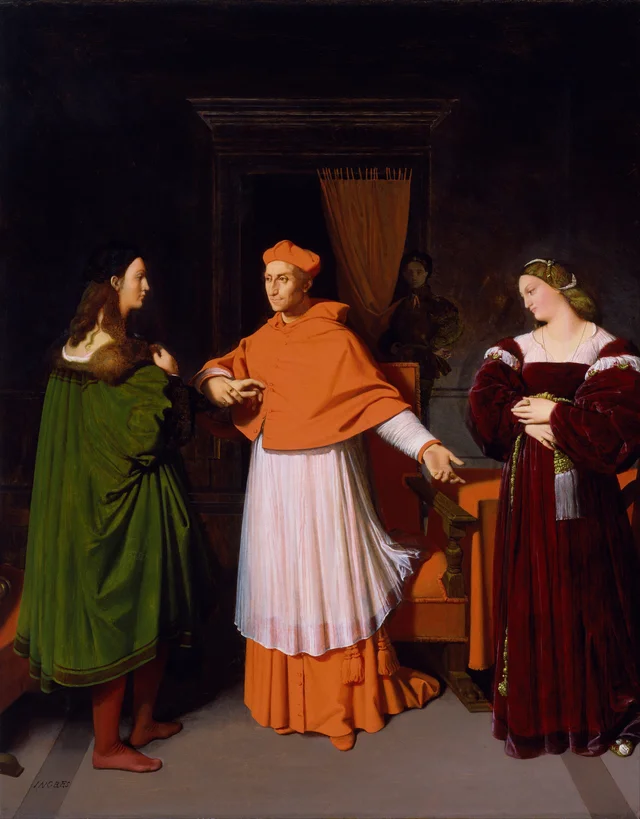 拉斐尔与比比恩纳枢机主教侄女的订婚让-奥古斯特-多米尼克·安格尔, 1813
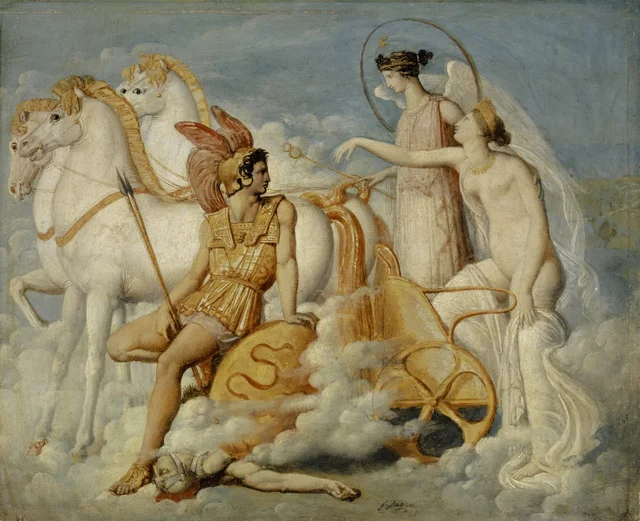 被狄俄墨得斯刺伤后返回奥林匹斯山的维纳斯让-奥古斯特-多米尼克·安格尔, 1805