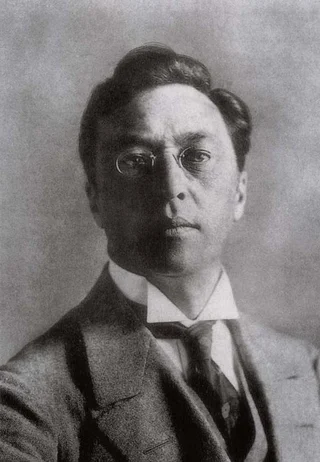
瓦西里·康定斯基
1866–1944 · 俄罗斯帝国 · 表现主义
语音导览
故事
瓦西里·康定斯基很晚才走上绘画这条路,而且是主动选择的。他1866年生于莫斯科,学的是法律,成绩优异到足以获聘大学教授罗马法,却在30岁时把这一切都推开,搬去慕尼黑学画画。他后来提到两次触动促成了这个决定:一幅让他几乎认不出画的是干草垛的莫奈作品,以及一场瓦格纳歌剧——听着听着,脑海中竟涌满了色彩。
后面这一点并非比喻。康定斯基似乎是真切地把声音感知为色彩、把色彩感知为声音,并由此相信,一幅画完全可以像音乐一样打动观者,而不必描绘任何可辨认的物象。约1910年前后,他开始创作欧洲艺术中最早的一批纯抽象绘画,画布上是漂浮的色块与线条,标题则借自音乐,如《构成》与《即兴》。
1911年,他与画家弗兰茨·马尔克在慕尼黑共同创立了一个松散的艺术团体,名为“青骑士”,共同信念是艺术应当追求精神性。第一次世界大战使这个团体四散,康定斯基也被迫返回俄国。20世纪20年代他重回德国,在著名的设计学院包豪斯任教,期间他的形状变得更为紧凑、几何化,充满了圆形与硬朗的棱角。纳粹关闭包豪斯并将他的作品斥为“堕落艺术”后,他离开德国前往巴黎。1944年,他在巴黎近郊的讷伊去世。
更多文章
作品
312 件作品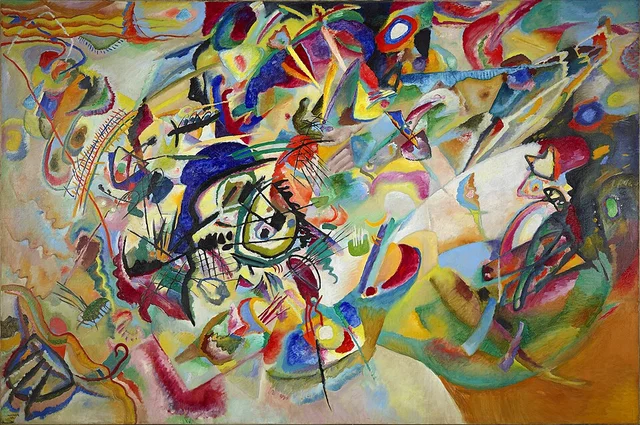 第七号构成瓦西里·康定斯基, 1913
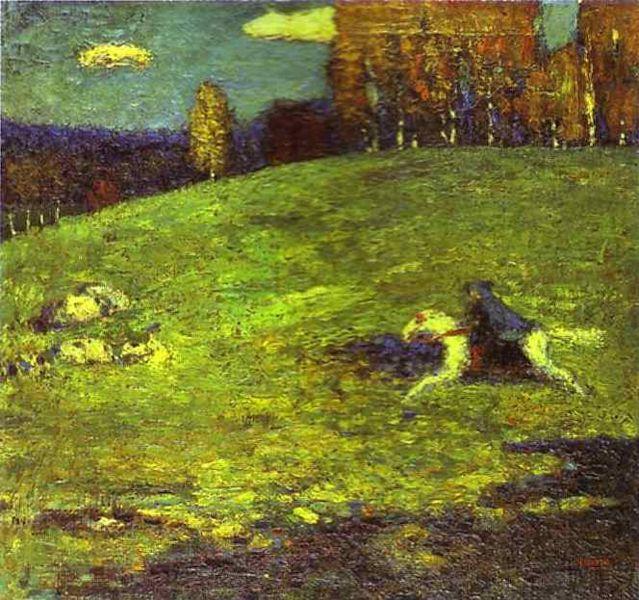 蓝骑士瓦西里·康定斯基, 1903
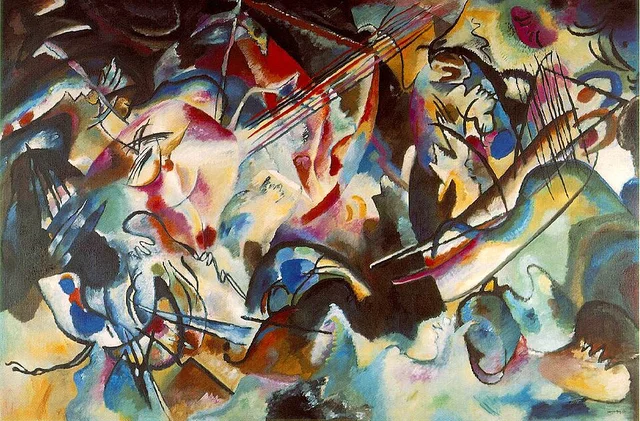 构成第六号瓦西里·康定斯基, 1913
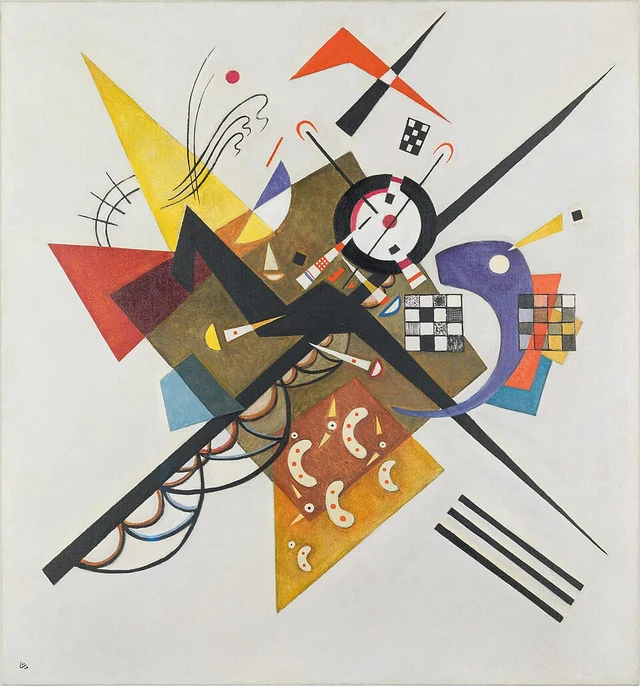 白色上之二瓦西里·康定斯基, 1923
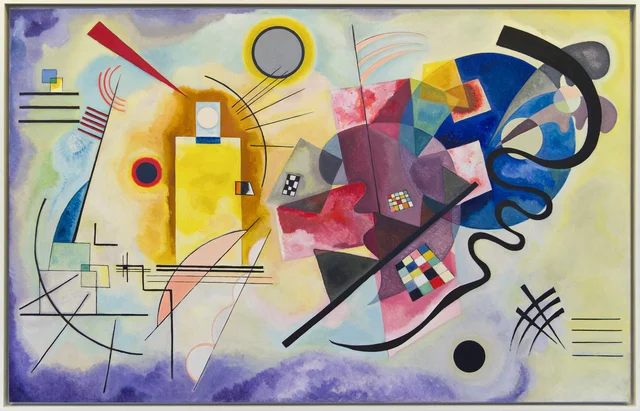 黄・红・蓝瓦西里·康定斯基, 1925
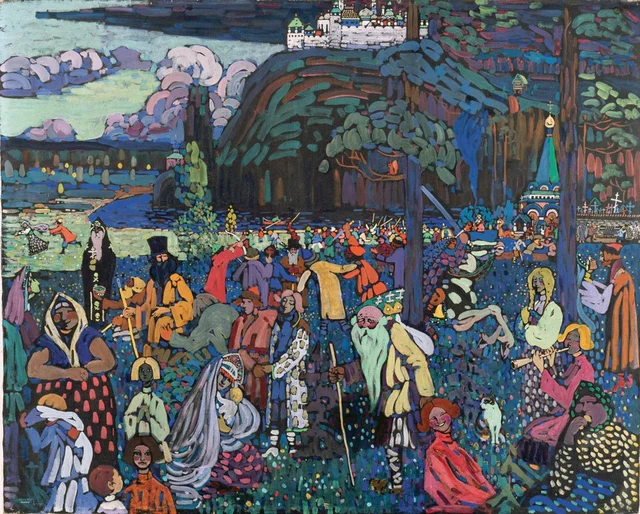 多彩的生活瓦西里·康定斯基, 1907
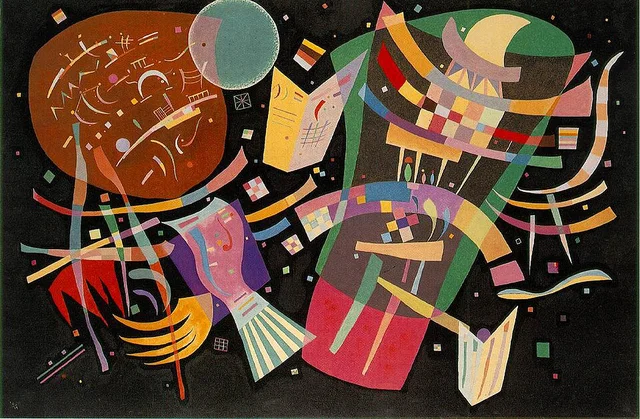 构成X瓦西里·康定斯基, 1939
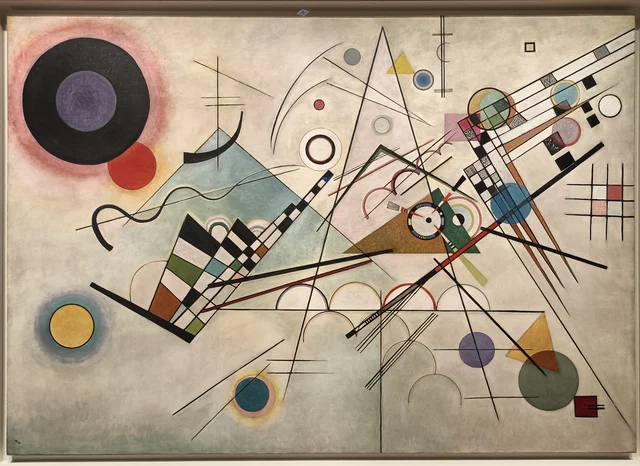 构成第八号瓦西里·康定斯基, 1923
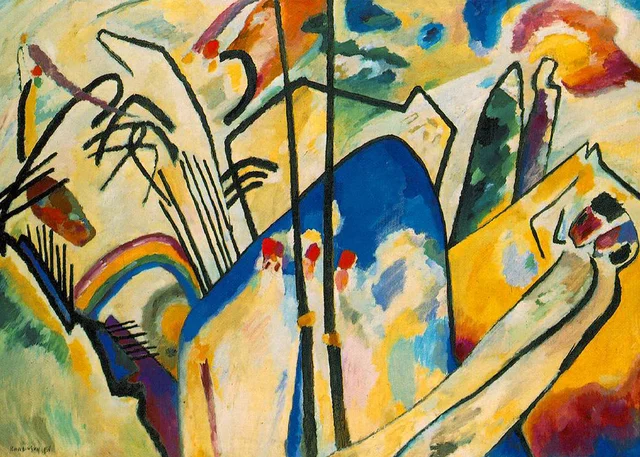 构成第四号瓦西里·康定斯基, 1911
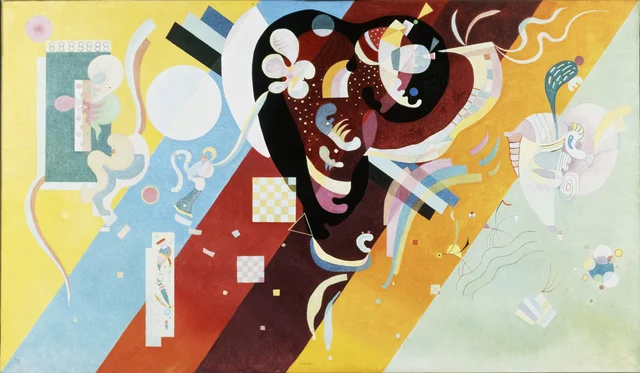 构成第九号瓦西里·康定斯基, 1936
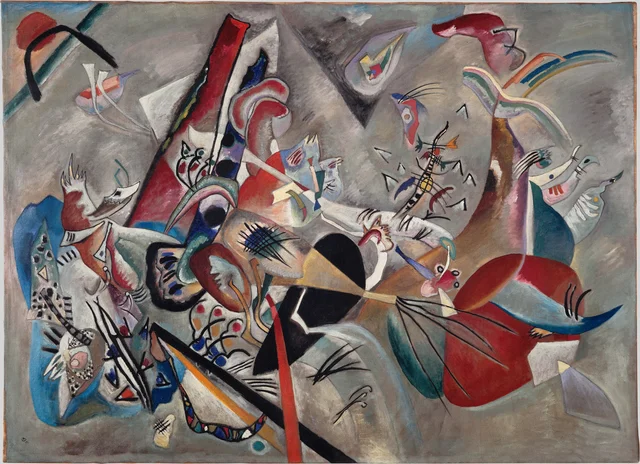 在灰色中瓦西里·康定斯基, 1919
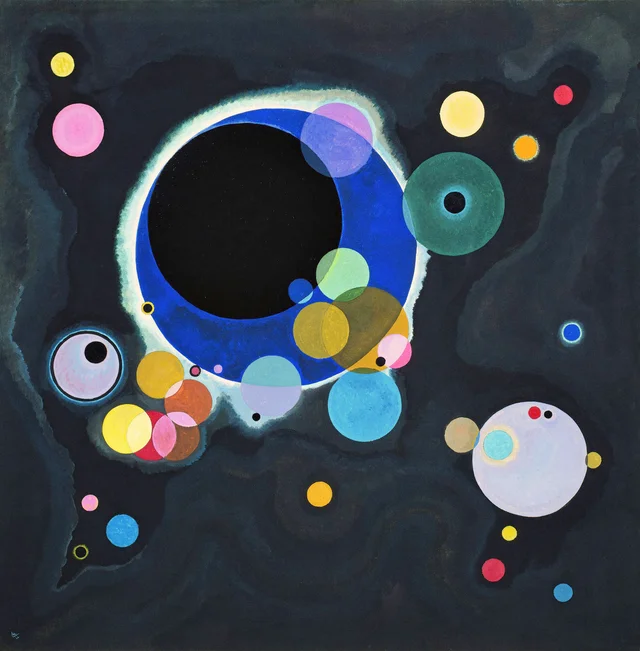 几个圆瓦西里·康定斯基, 1926
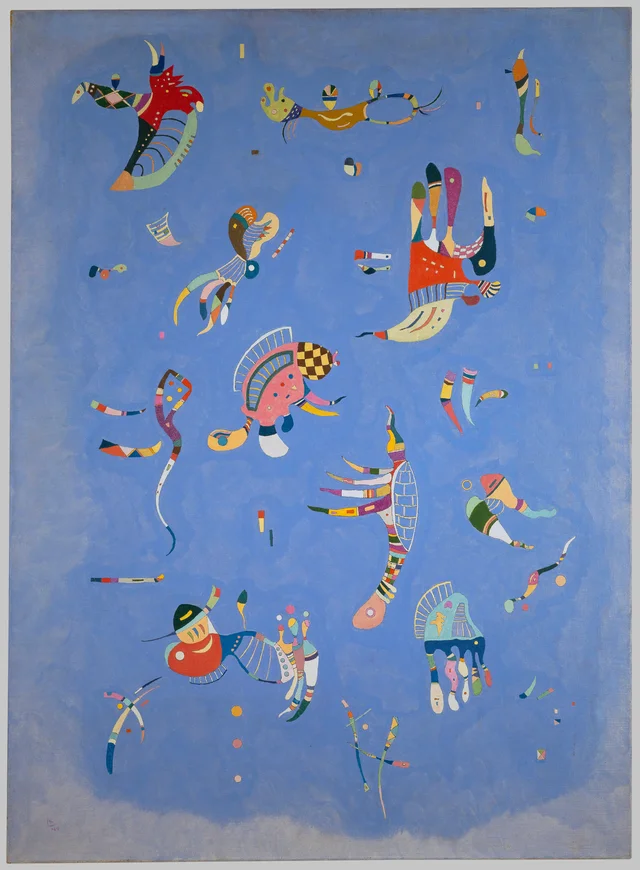 天蓝瓦西里·康定斯基, 1940
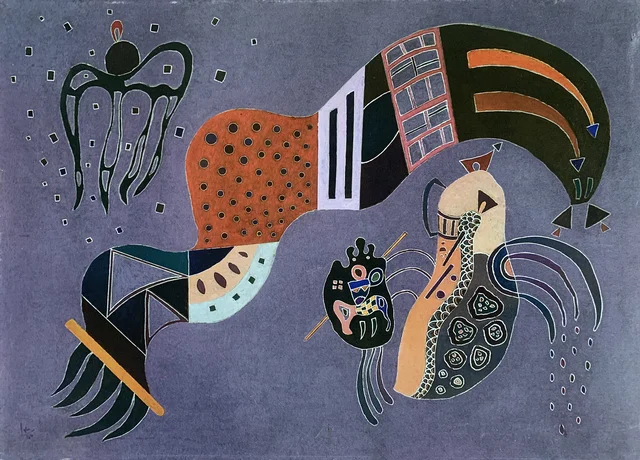 节制的冲力瓦西里·康定斯基, 1944
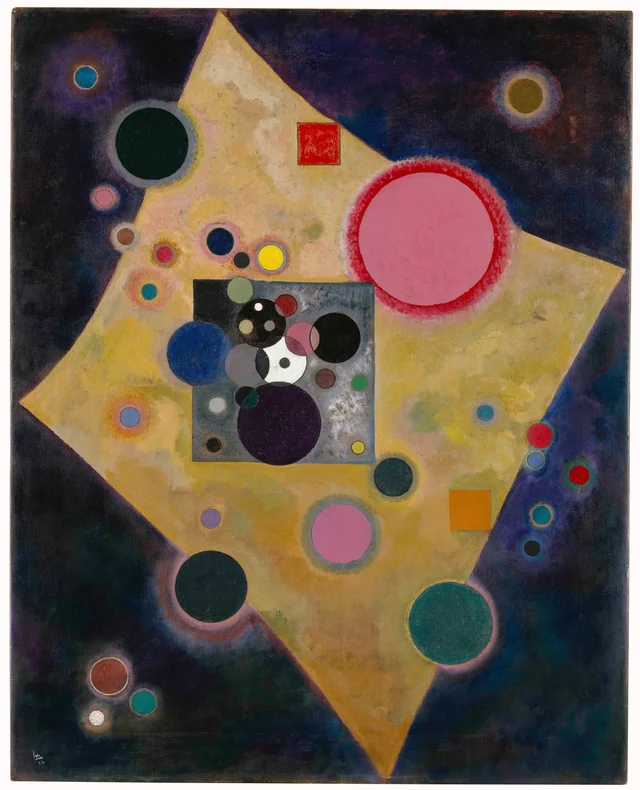 粉色的重音瓦西里·康定斯基, 1926
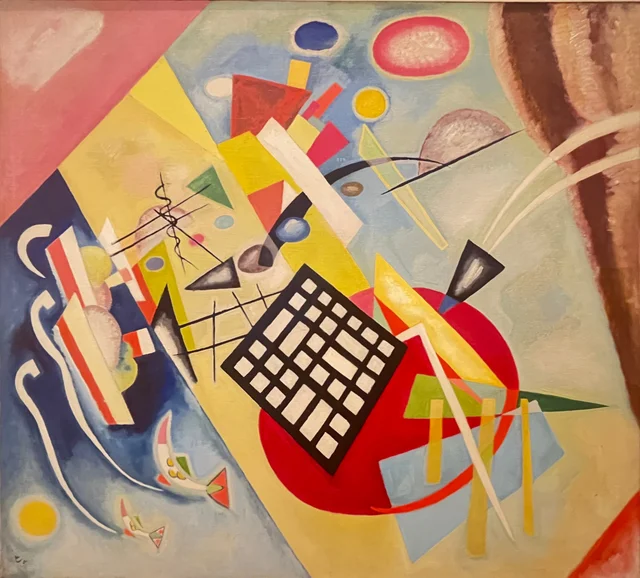 黑色网格瓦西里·康定斯基, 1922
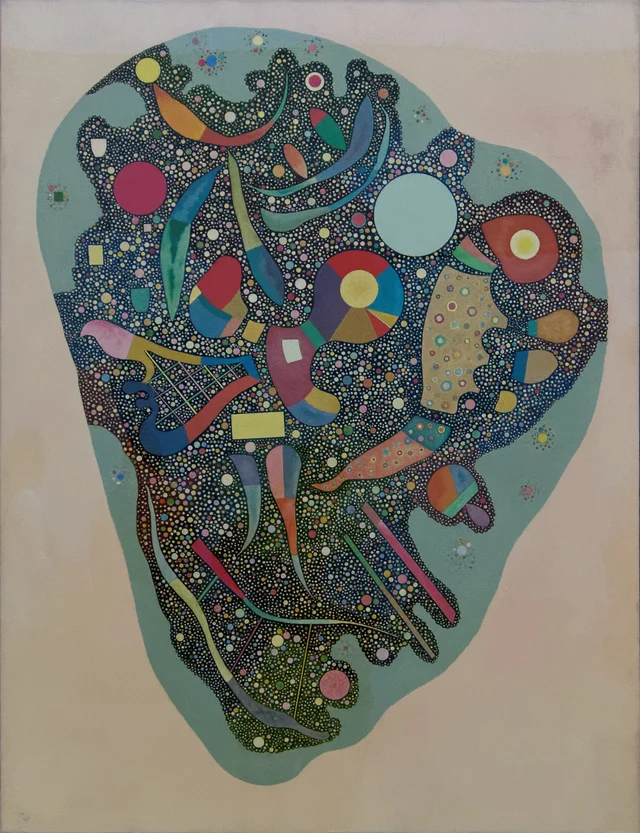 多彩的组合瓦西里·康定斯基, 1938
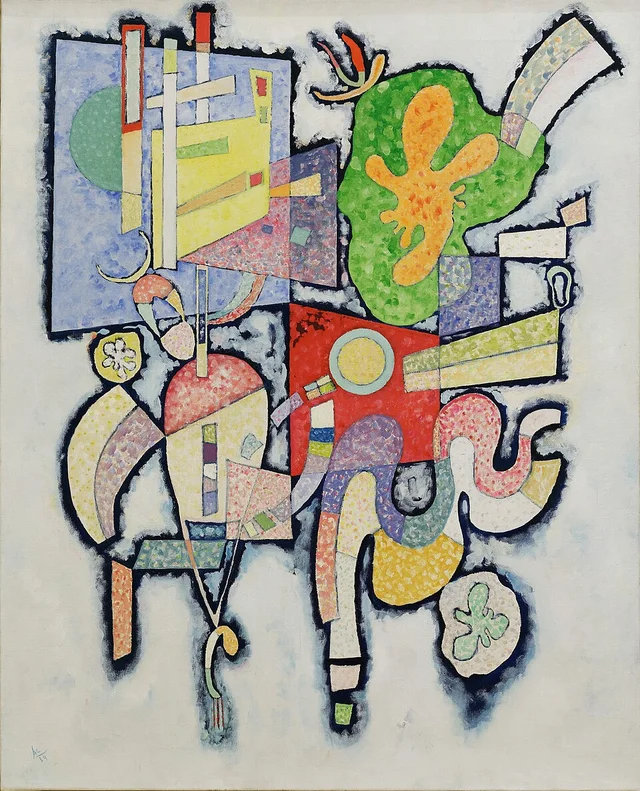 复杂—简单瓦西里·康定斯基, 1939
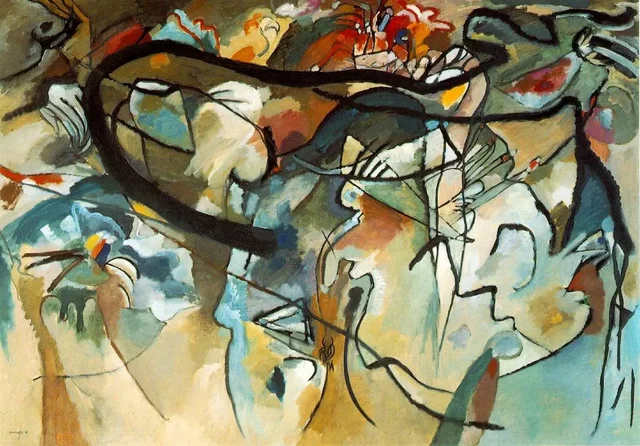 第五号构图瓦西里·康定斯基, 1911
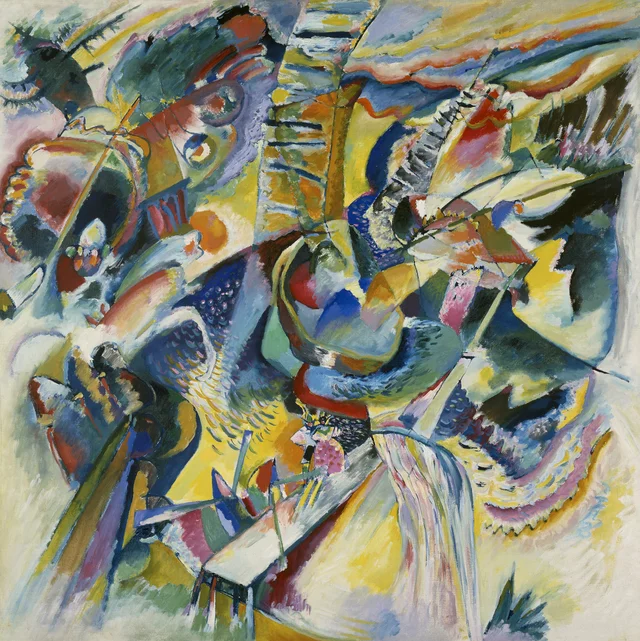 峡谷瓦西里·康定斯基, 1914
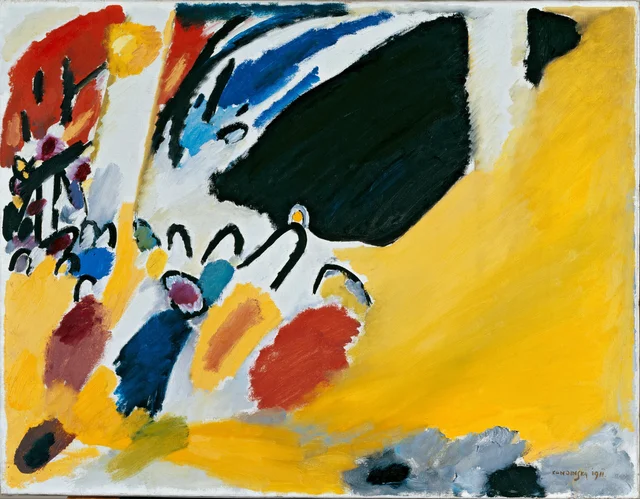 印象 III(音乐会)瓦西里·康定斯基, 1911
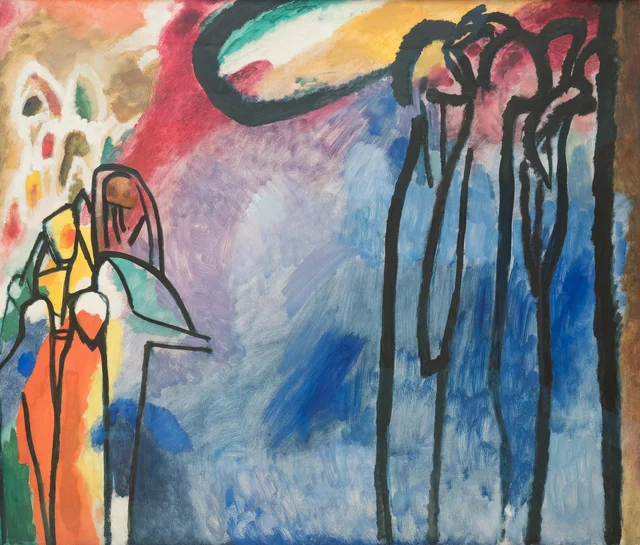 即兴19号瓦西里·康定斯基, 1911
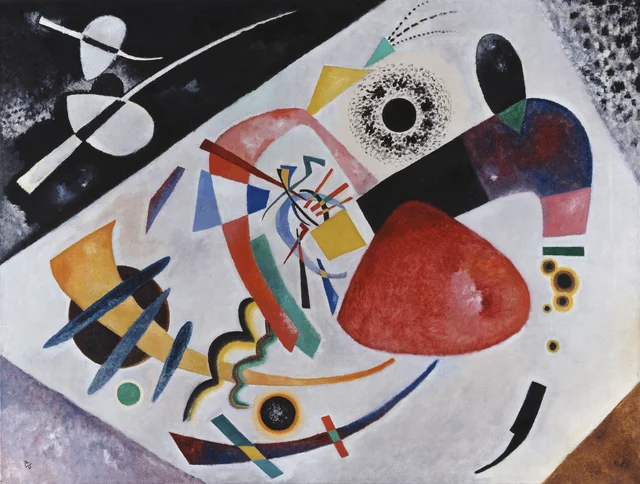 红斑 II瓦西里·康定斯基, 1921
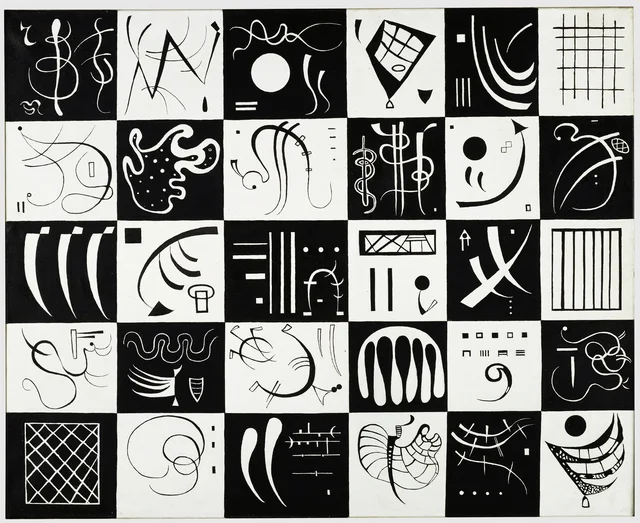 三十瓦西里·康定斯基, 1937
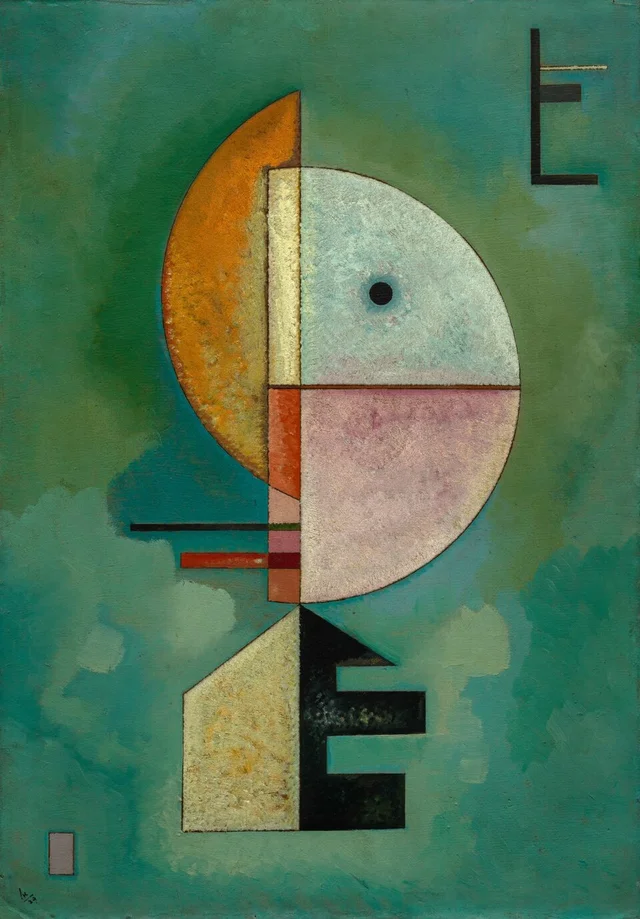 向上瓦西里·康定斯基, 1929