语音导览
故事
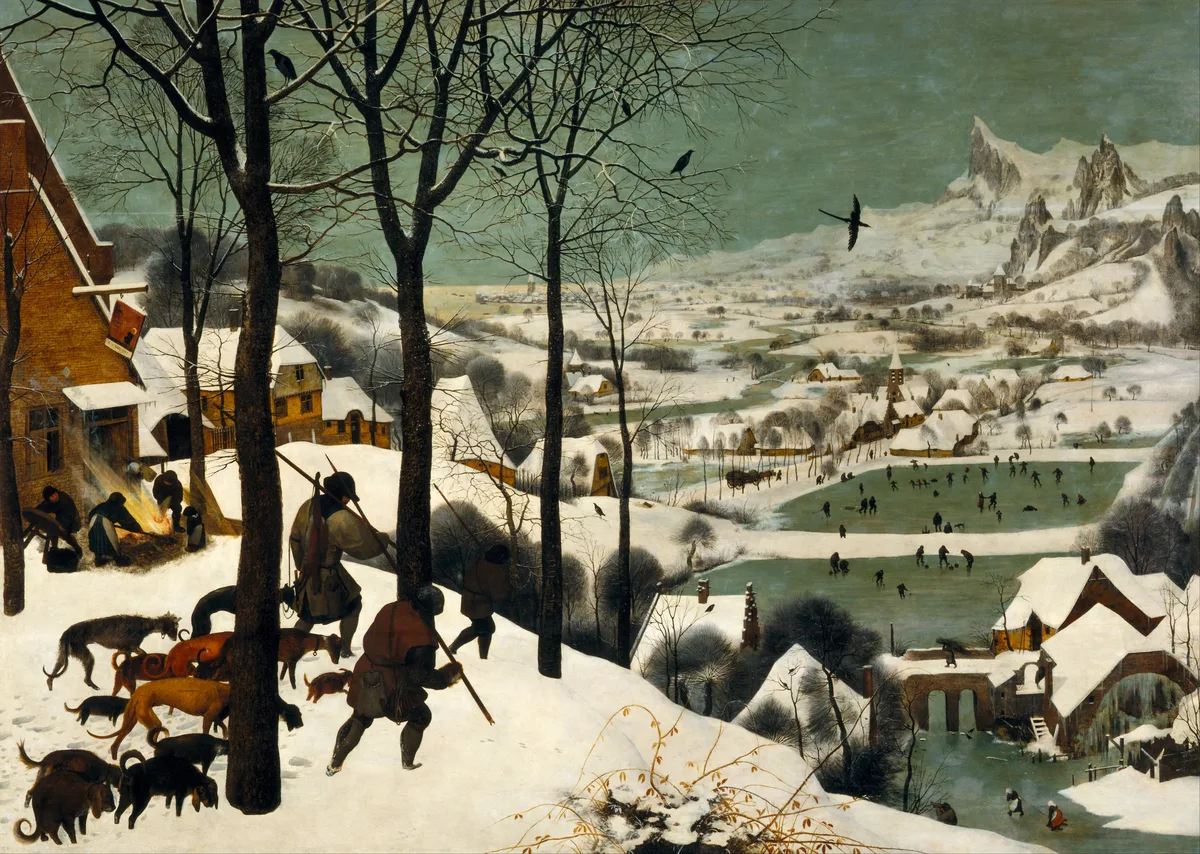
二楼有一间屋子,藏着的老彼得·勃鲁盖尔的画比地球上任何地方都多,约有十来幅,其中包括1565年所作的《雪中猎人》,一列疲惫的猎人带着他们的狗,翻过一道山坡,走在结冰的山谷之上。维也纳能拥有这些画,全要归功于哈布斯堡家族,这个统治了欧洲大片土地几个世纪的王朝,把那份权力中相当一部分花在了购藏艺术上。
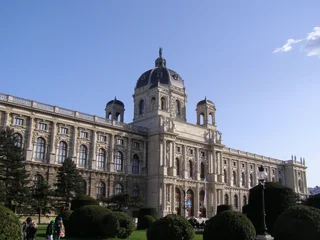
这座博物馆正是为炫示这一切而建。皇帝弗朗茨·约瑟夫1891年在环城大道上把它开放,那条宏伟的林荫大道正铺设在维也纳旧日城墙曾经所在之处,建筑宫殿般宏大,出自戈特弗里德·森佩尔和卡尔·冯·哈森瑙尔之手,楼梯间的装饰由年轻的古斯塔夫·克里姆特绘制,那时他还没成为日后金色与丑闻缠身的克里姆特。它的用意,是把散落的皇家收藏聚于一个屋顶之下,并让公众进来。
于是这些墙面读起来就像一份哈布斯堡势力所及的清单。维米尔的《绘画艺术》,画中艺术家背对观者立在画架前,被这个家族当作珍宝之一保存。一间间提香、鲁本斯和委拉斯开兹,后者为西班牙宫廷所作的、画着神情肃穆的小公主们的肖像,是经由把家族两支联结起来的联姻来到维也纳的。画廊之下还有珍宝馆,一处满是雕花象牙、发条自动机械和宝石杯的迷宫,由那些既要美、也要奇巧机灵的皇帝们聚集而成。其中最著名的一件,是本韦努托·切利尼为法国国王所制的一只黄金盐盒。
更多文章
馆藏
381 件作品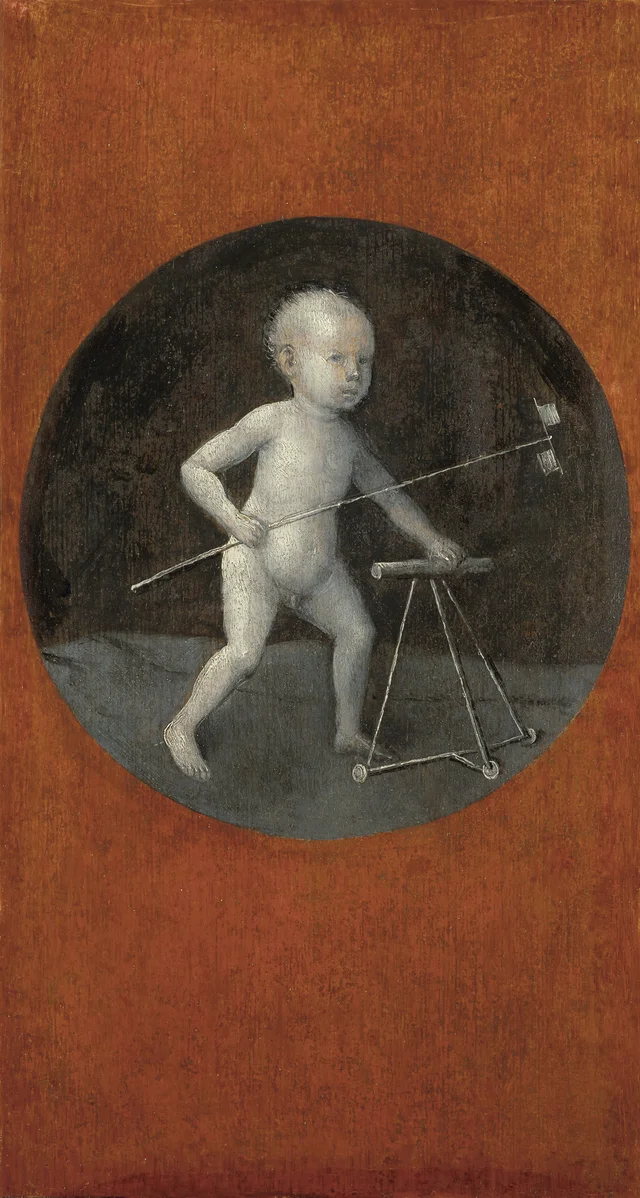 带学步车的圣婴基督耶罗尼米斯·博斯, 1500
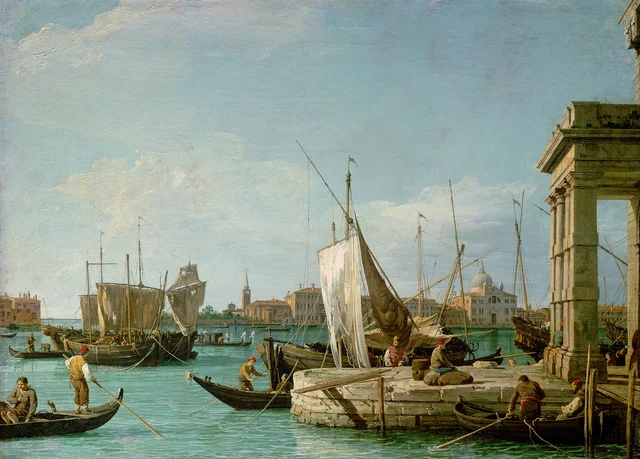 海关角卡纳莱托, 1726
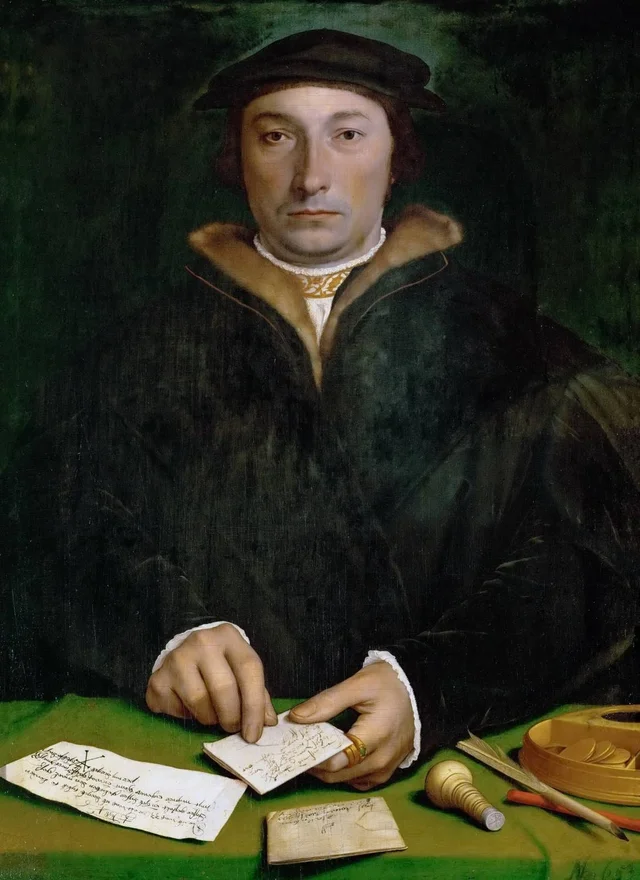 杜伊斯堡商人迪克·蒂比斯小汉斯·荷尔拜因, 1533
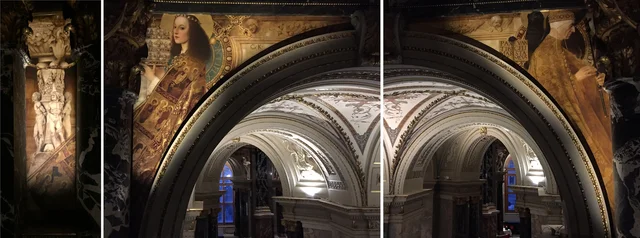 罗马与威尼斯的十五世纪艺术古斯塔夫·克林姆, 1891
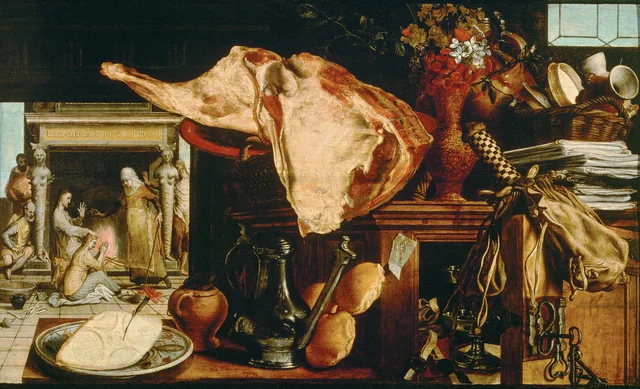 虚空静物:基督在马大和马利亚家中彼得·阿尔岑, 1552
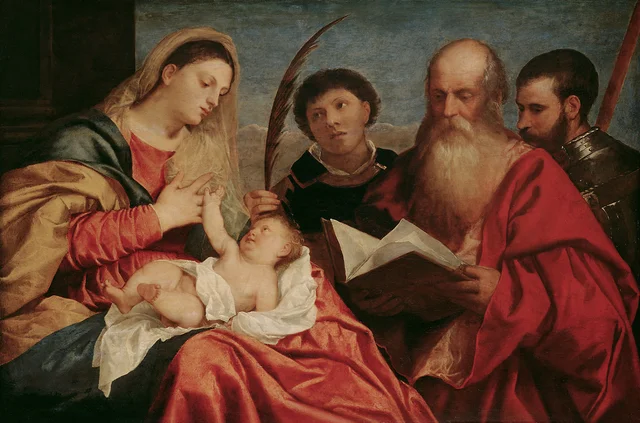 圣母子与圣斯德望、圣哲罗姆及圣莫里斯提香, 1520
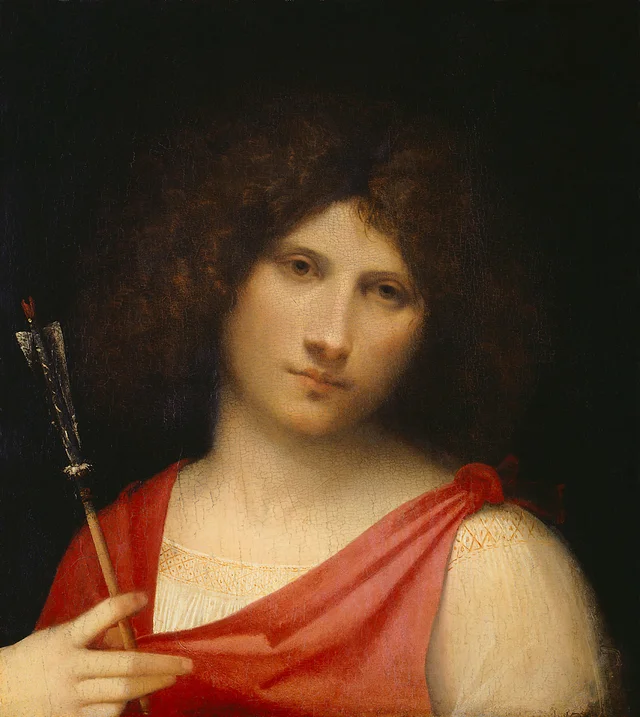 持箭的年轻人乔尔乔内, 1505
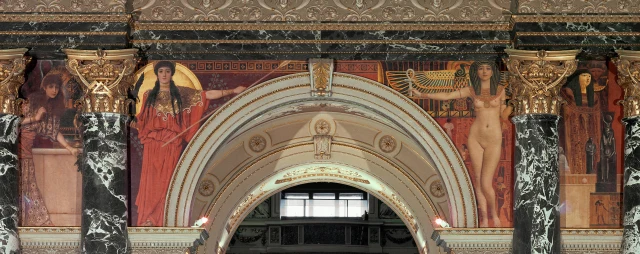 古希腊与古埃及古斯塔夫·克林姆, 1891
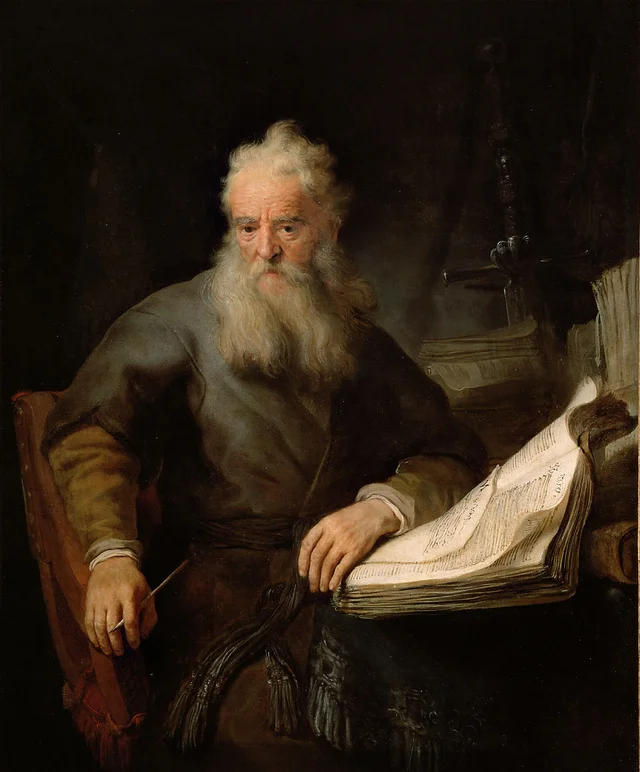 使徒保罗传为伦勃朗, 1633
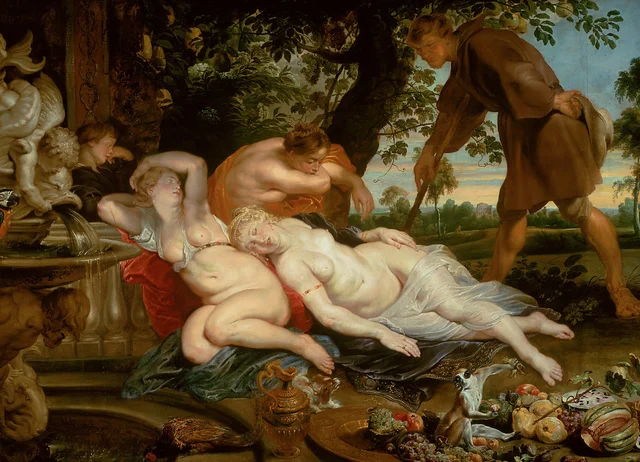 西蒙与伊菲革涅亚彼得·保罗·鲁本斯, 1617
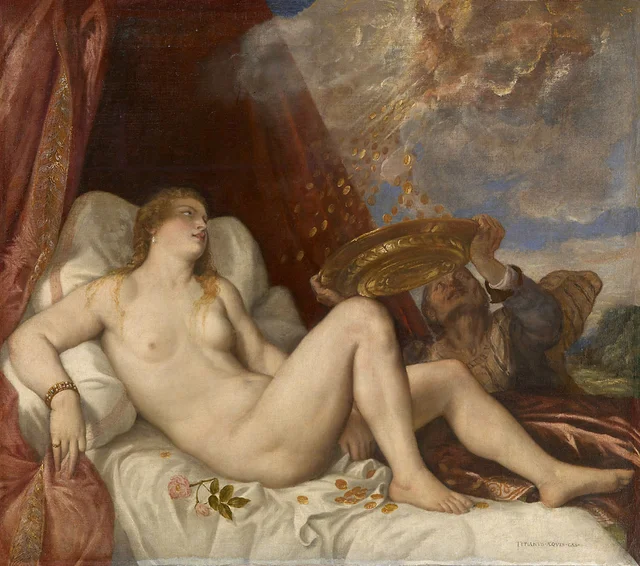 达那厄提香, 1550
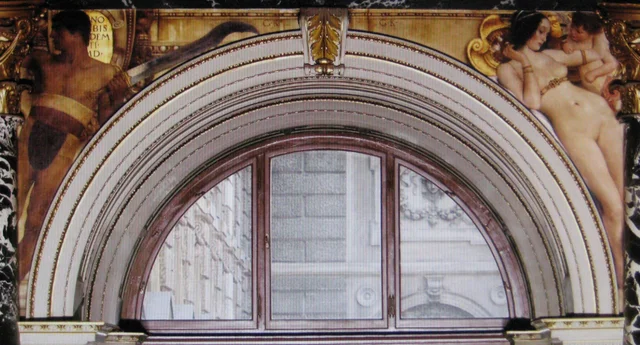 十六世纪与十五世纪的佛罗伦萨古斯塔夫·克林姆, 1891
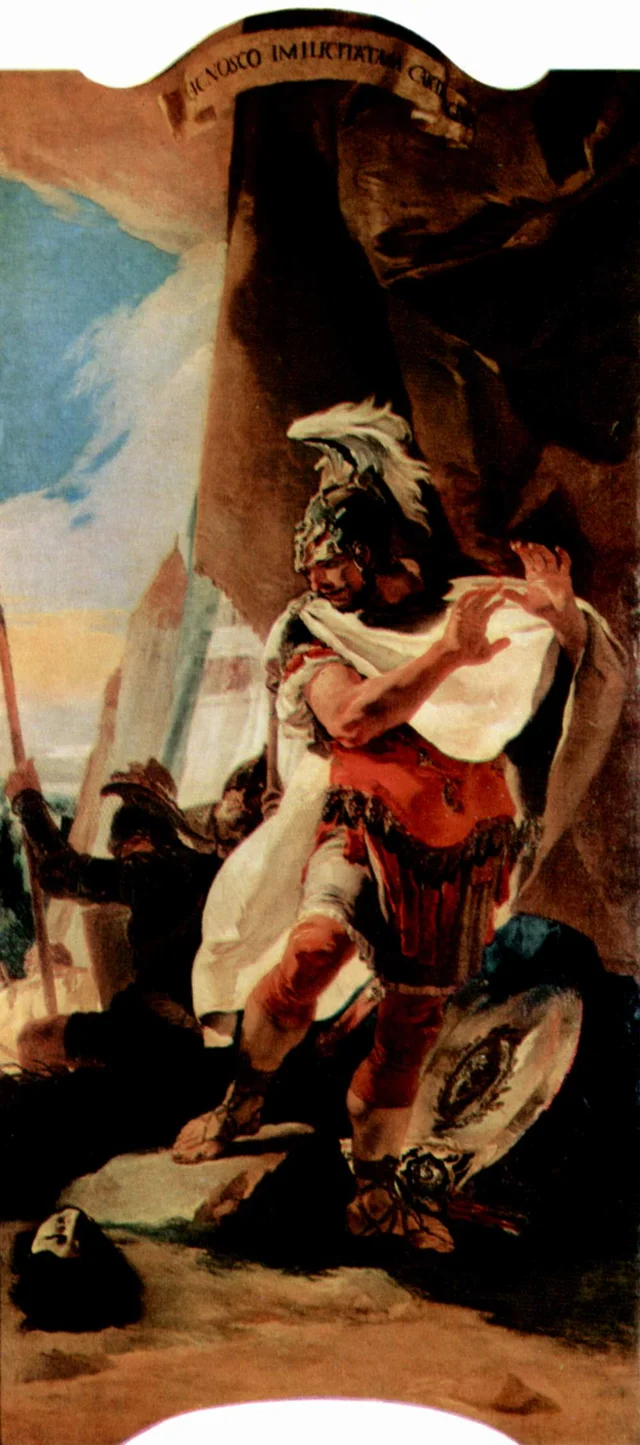 汉尼拔认出其兄弟哈斯德鲁巴的头颅乔万尼·巴蒂斯塔·提埃坡罗, 1729
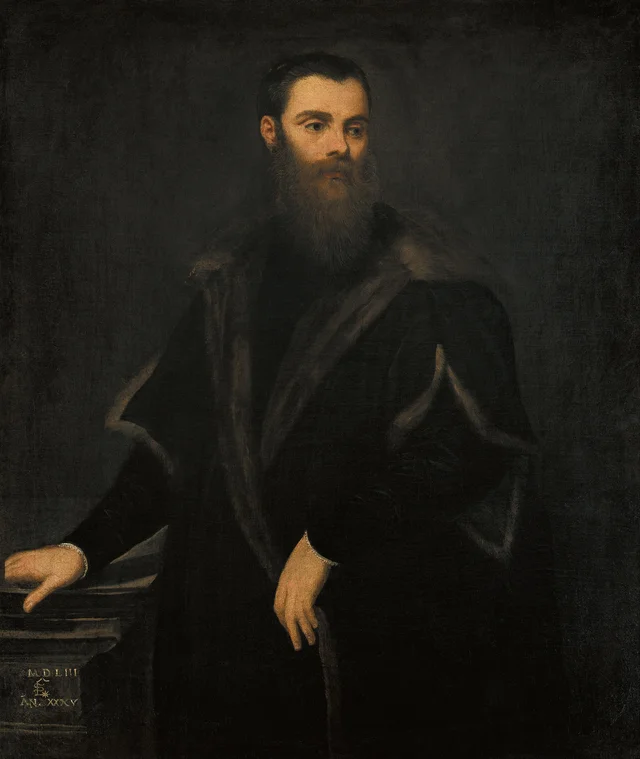 洛伦佐·索兰佐雅各布·丁托列托, 1553
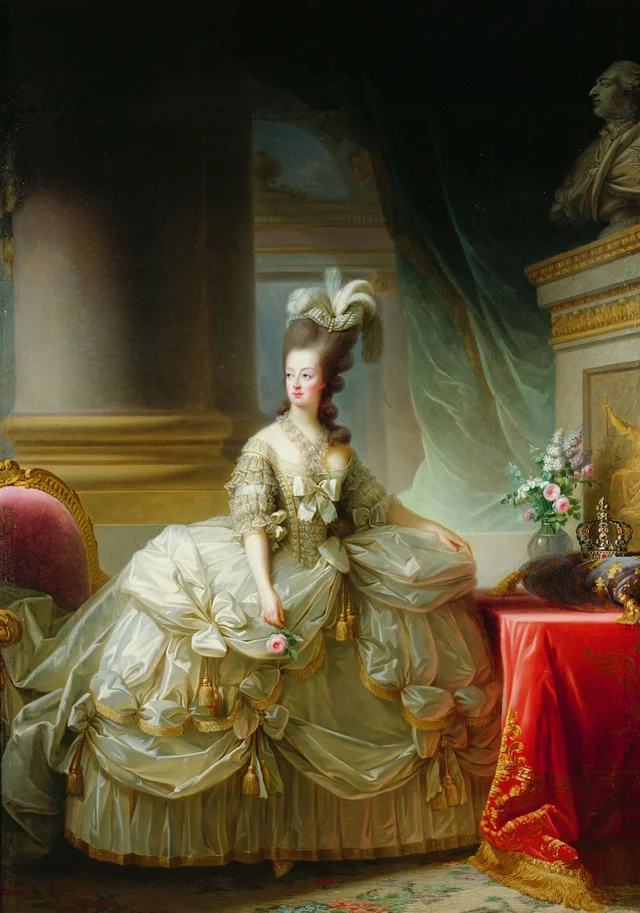 宫廷礼服中的玛丽·安托瓦内特伊丽莎白·维杰·勒布伦, 1778
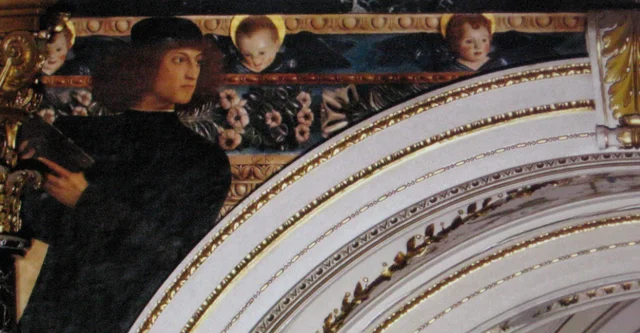 古意大利艺术古斯塔夫·克林姆, 1891
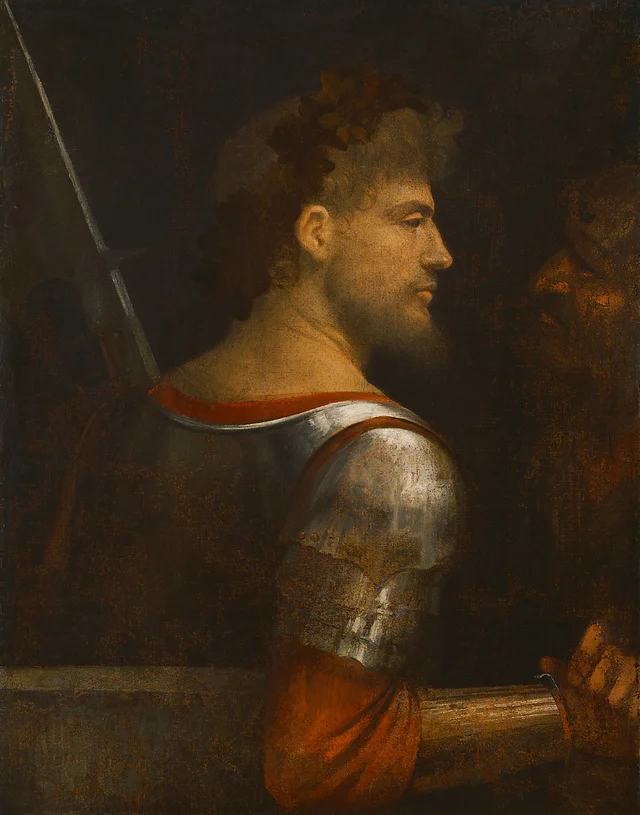 武士肖像乔尔乔内, 1500
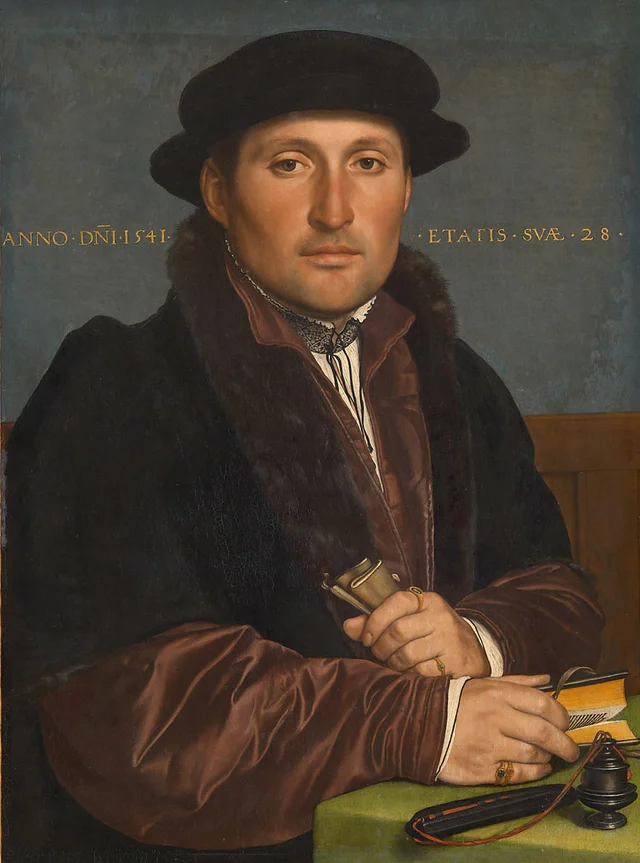 年轻商人肖像小汉斯·荷尔拜因, 1541
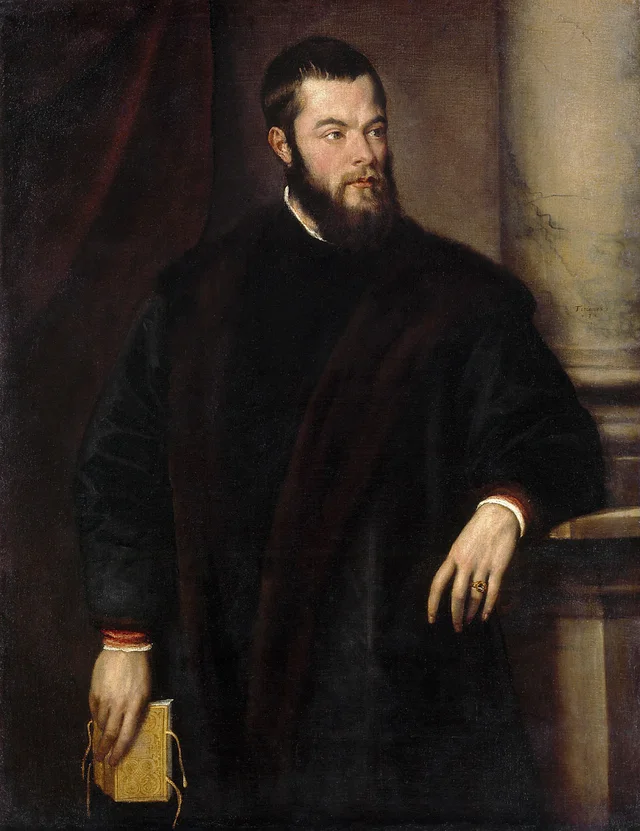 贝内代托·瓦尔基肖像提香, 1540
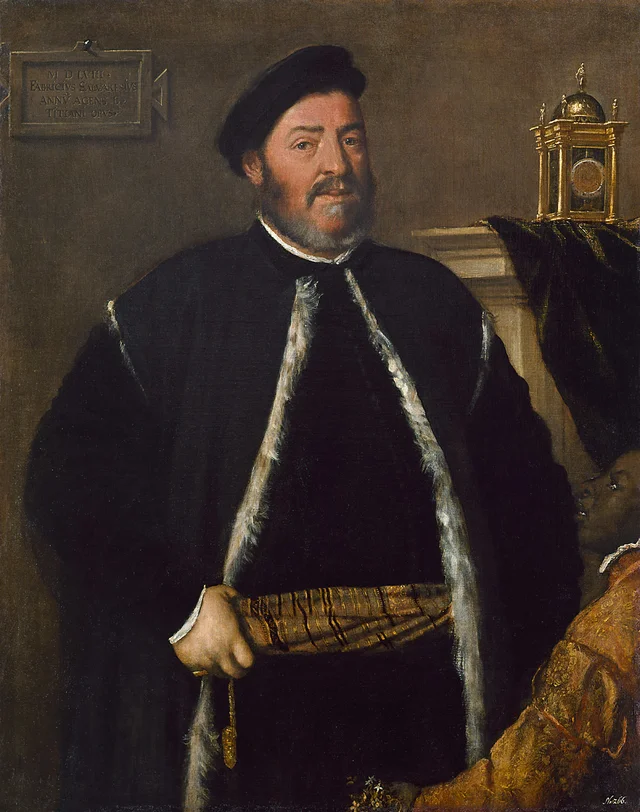 法布里齐奥·萨尔瓦雷西奥肖像提香, 1558
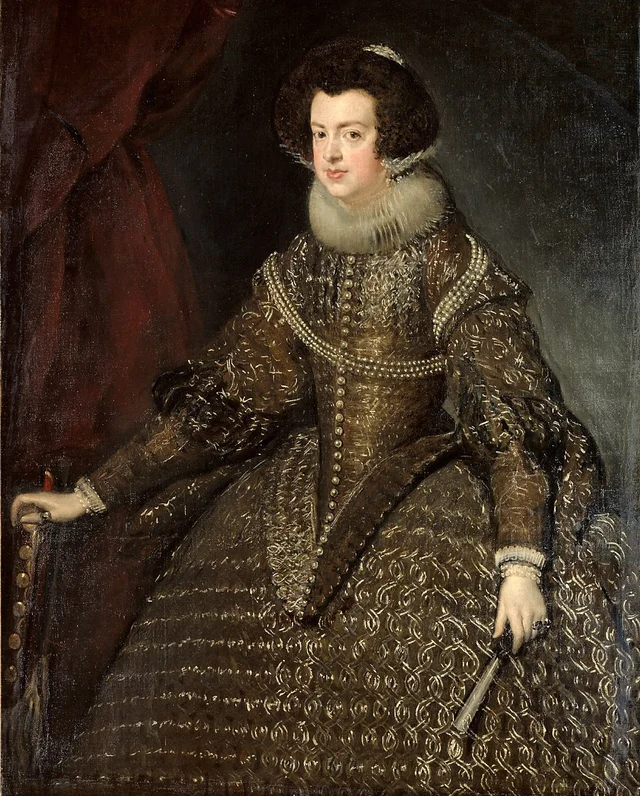 西班牙王后伊莎贝拉(1602-1644)迭戈·委拉斯开兹及其工作室, 1632
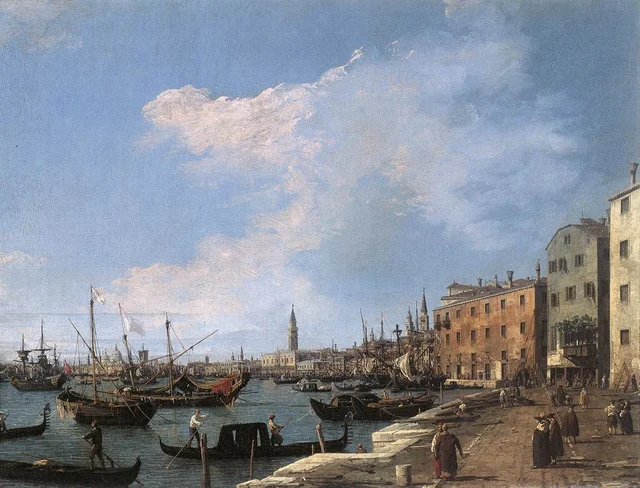 斯基亚沃尼堤岸卡纳莱托, 1730
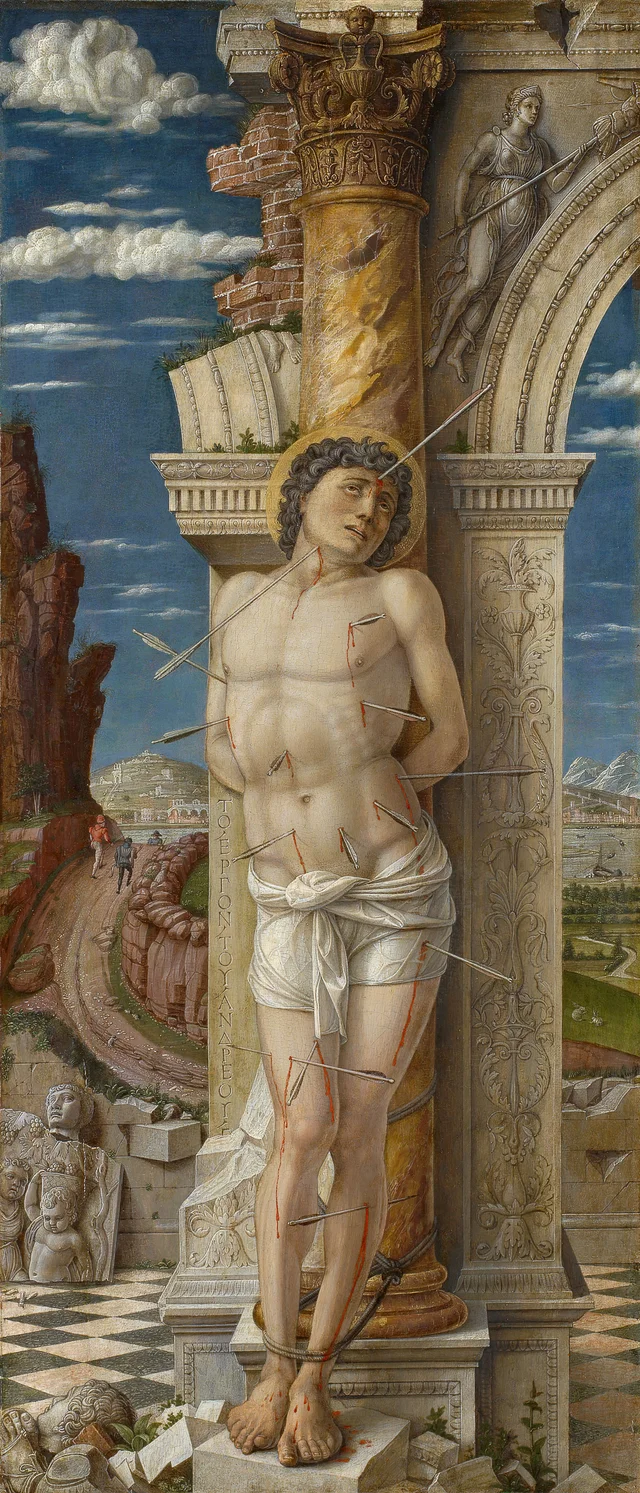 圣塞巴斯蒂安安德烈亚·曼特尼亚, 1458
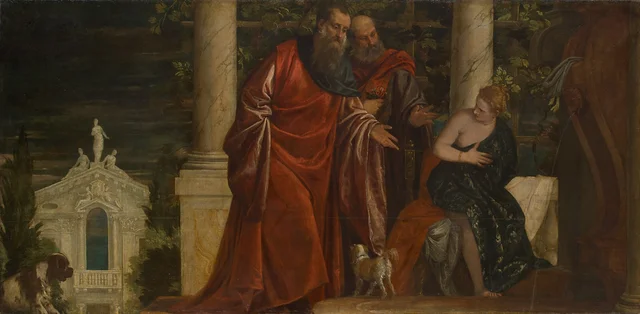 苏珊娜与长老保罗·委罗内塞及其工作室, 1585
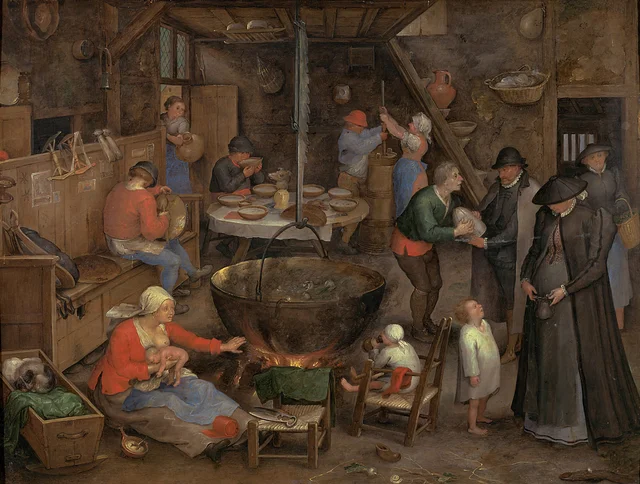 拜访农场老扬·勃鲁盖尔, 1597