语音导览
故事
卢浮宫最初是一座堡垒。腓力二世约在1190年把它建在塞纳河右岸,用来守卫中世纪的巴黎,在此后几个世纪里,法国历代国王把它改建成一座王宫,直到1682年路易十四把宫廷迁往凡尔赛,把这片尚未完工的殿堂留给了王室收藏和寄居其中的艺术家们。
大革命把它变成了一座公共博物馆。1793年8月10日,中央艺术博物馆开门迎客,把从王室和教会没收来的艺术品,展示给任何愿意走进来的公民。拿破仑用他历次征战的战利品填满了它,并一度以自己的名字为它命名。滑铁卢之后许多藏品被归还,但那个理念留存了下来,一座为研究而陈列、向公众免费开放的国家收藏。
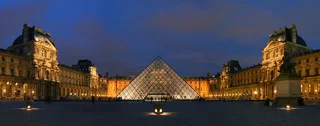
今天卢浮宫收藏的作品超过35,000件,从米洛的维纳斯到籍里柯的《美杜莎之筏》。不过人群总是挤向一幅小小的肖像。1911年8月,它不见了。温琴佐·佩鲁贾,一名曾在馆里做工的意大利杂工,把达·芬奇的《蒙娜丽莎》从墙上取下,藏在外套里带了出去。有两年时间画框空空地挂着,参观者纷纷前来盯着那处空缺,这幅画直到1913年才回来,那是在佩鲁贾试图把它卖给佛罗伦萨的一名画商之后。1989年立于庭院中的贝聿铭的玻璃金字塔,如今标示着入口。
更多文章
馆藏
1174 件作品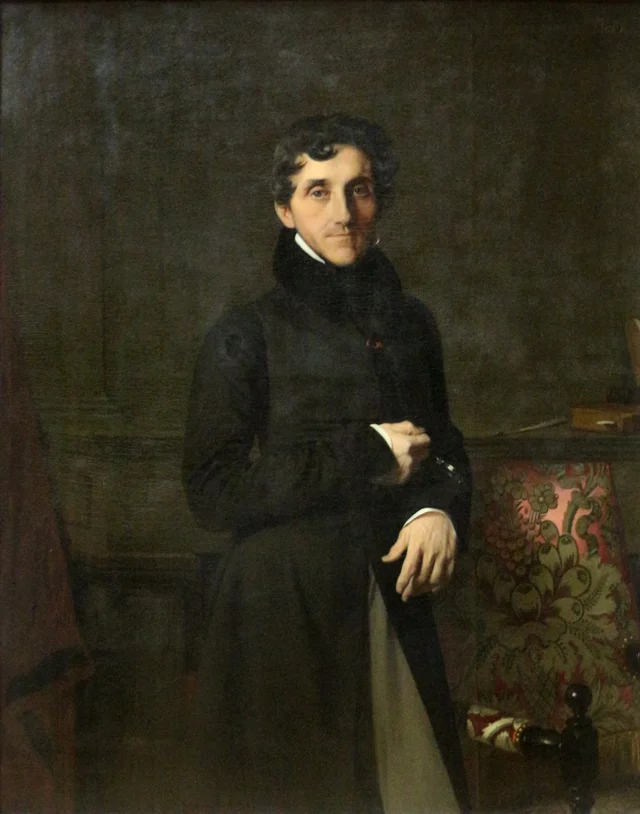 路易-马蒂厄·莫莱肖像让-奥古斯特-多米尼克·安格尔, 1834
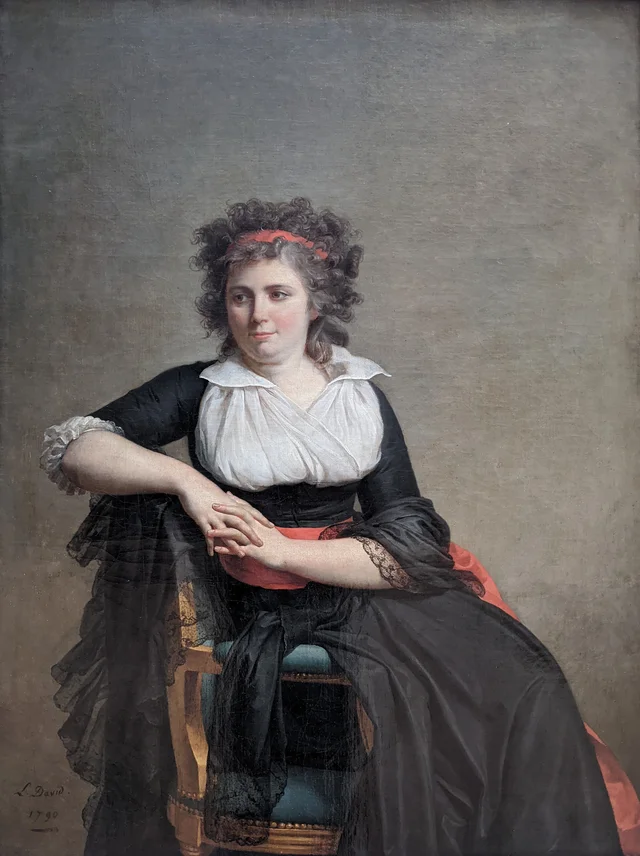 奥尔维利耶侯爵夫人肖像雅克-路易·大卫, 1790
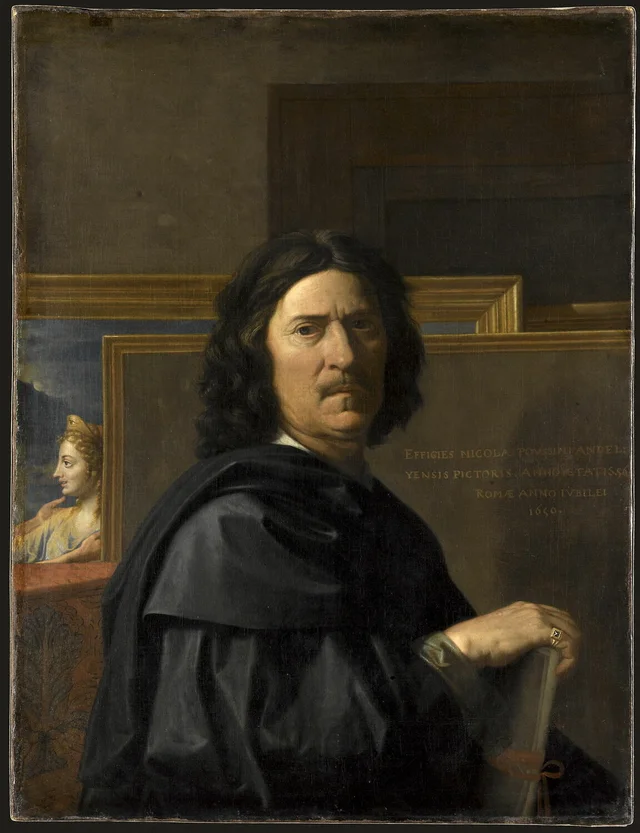 自画像尼古拉·普桑, 1650
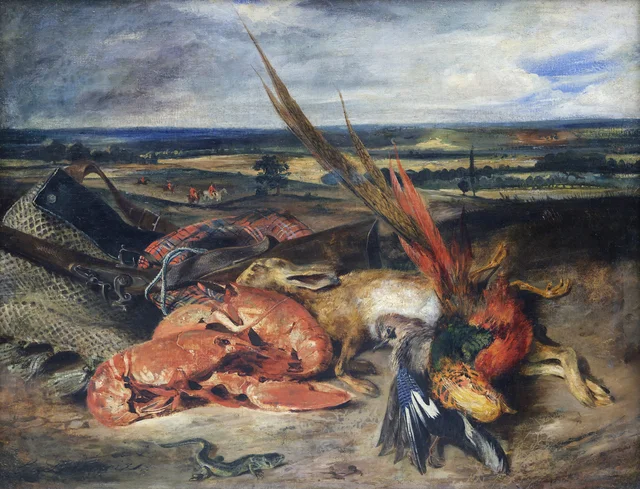 龙虾与狩猎渔猎战利品静物欧仁·德拉克罗瓦, 1827
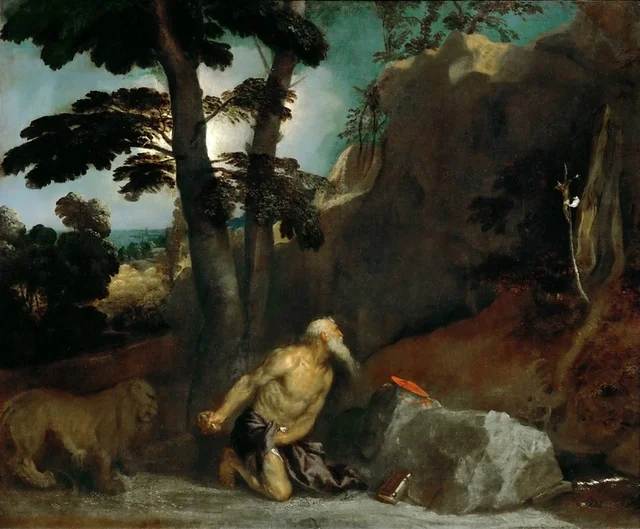 忏悔的圣哲罗姆提香, 1531
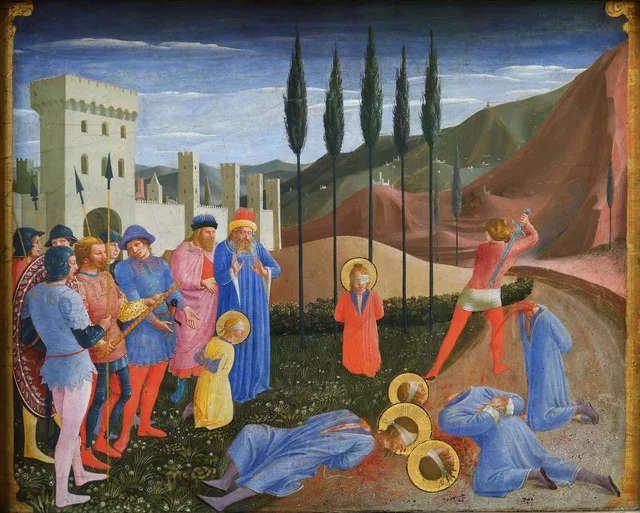 圣科斯马与圣达米安的斩首弗拉·安杰利科, 1443
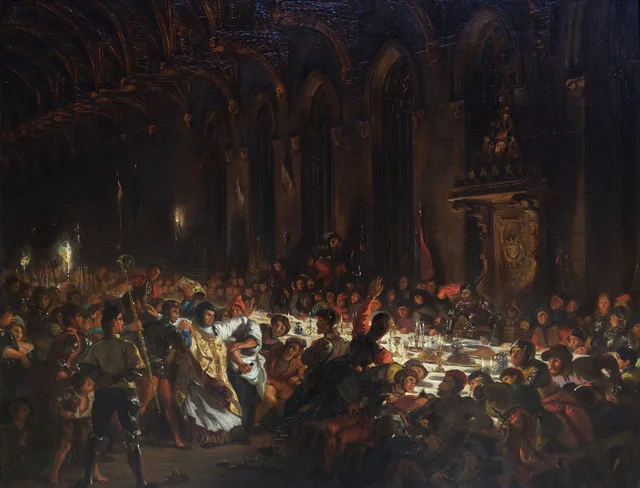 列日主教遇刺欧仁·德拉克罗瓦, 1828
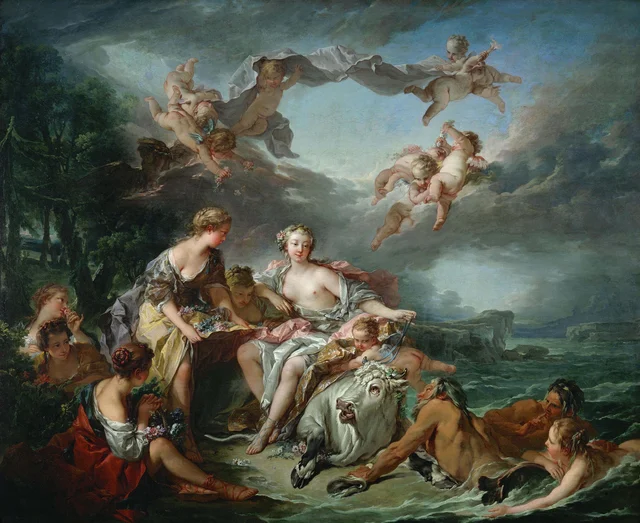 劫掠欧罗巴弗朗索瓦·布歇, 1747
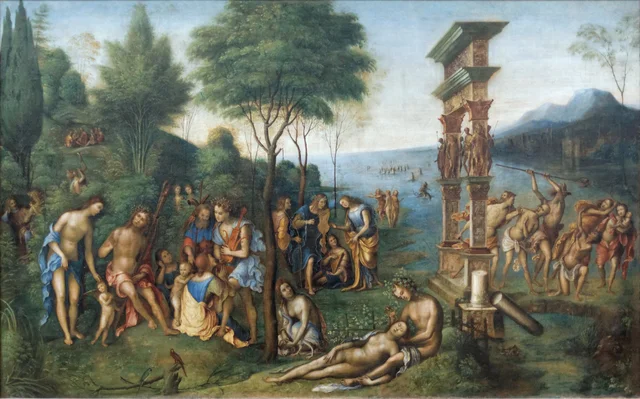 科摩斯的统治洛伦佐·科斯塔, 1511
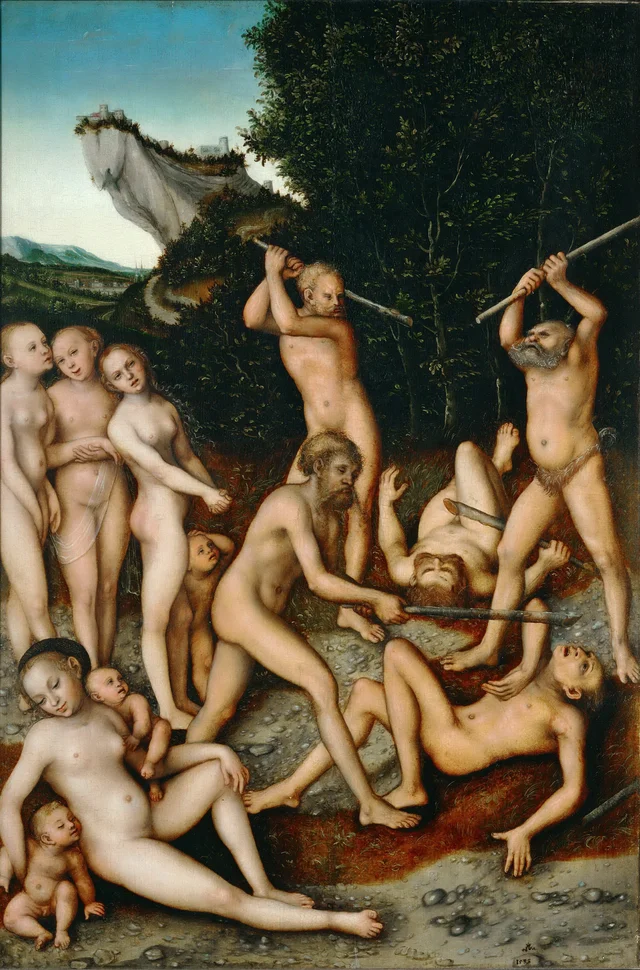 白银时代老卢卡斯·克拉纳赫, 1535
 花神的凯旋尼古拉·普桑, 1627
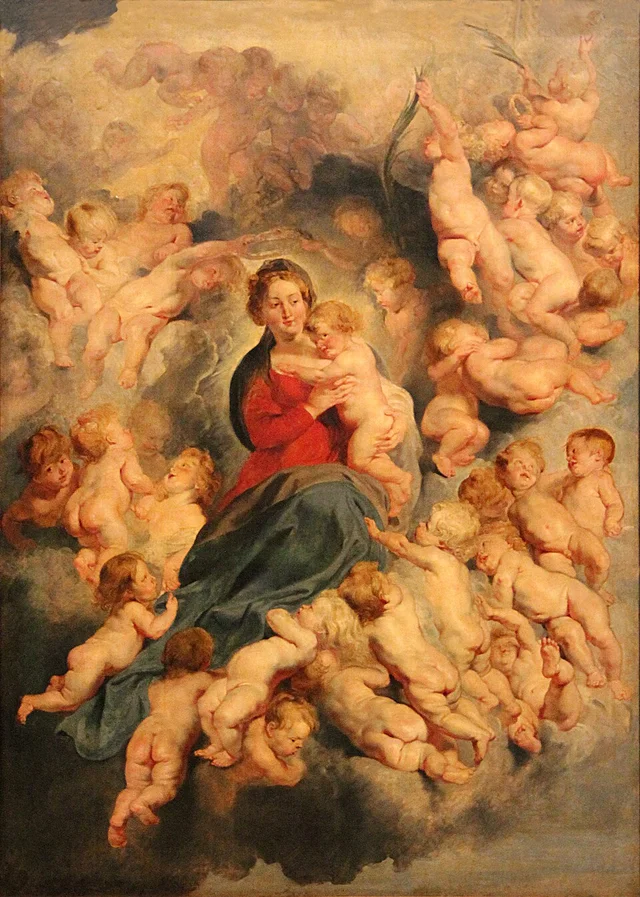 圣母子与诸圣婴彼得·保罗·鲁本斯, 1618
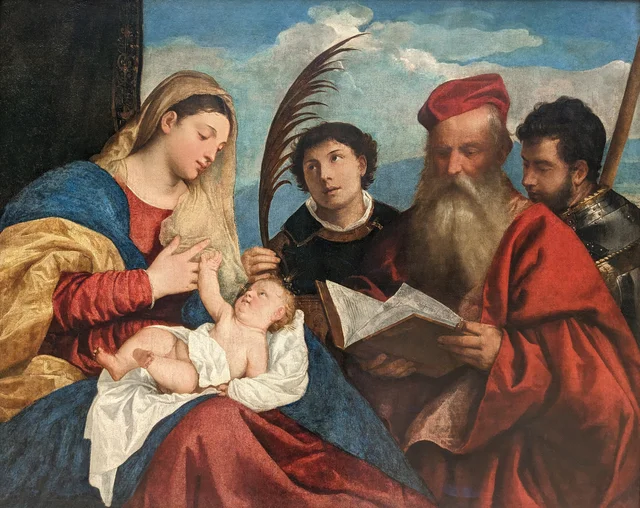 圣母子与圣斯蒂芬、圣哲罗姆和圣莫里斯提香, 1517
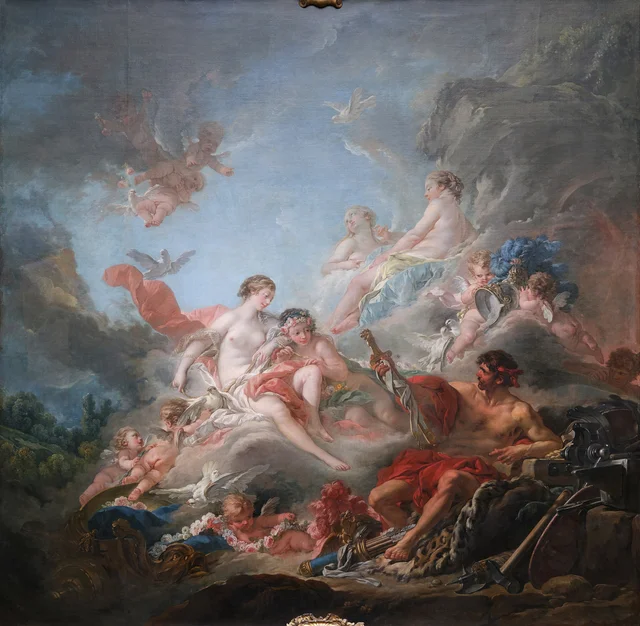 伏尔甘为维纳斯呈上埃涅阿斯的兵器弗朗索瓦·布歇, 1757
 冬尼古拉·普桑, 1662
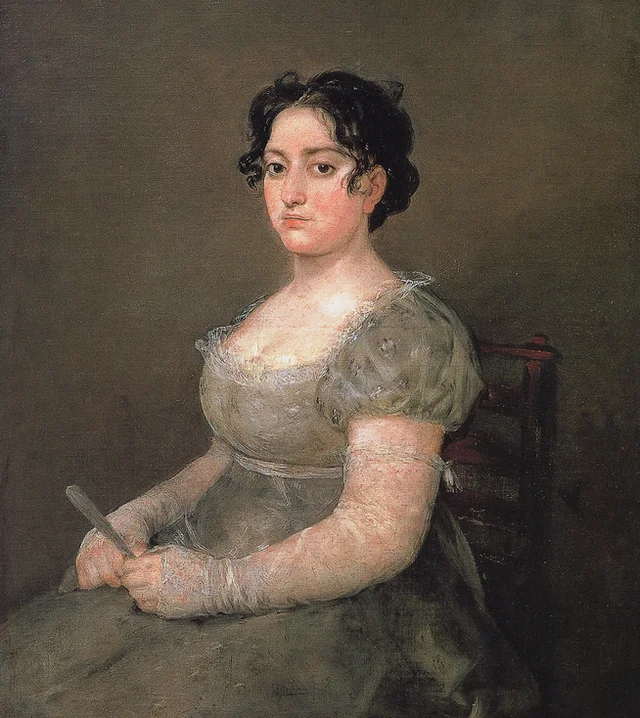 持扇的女子弗朗西斯科·戈雅, 1805
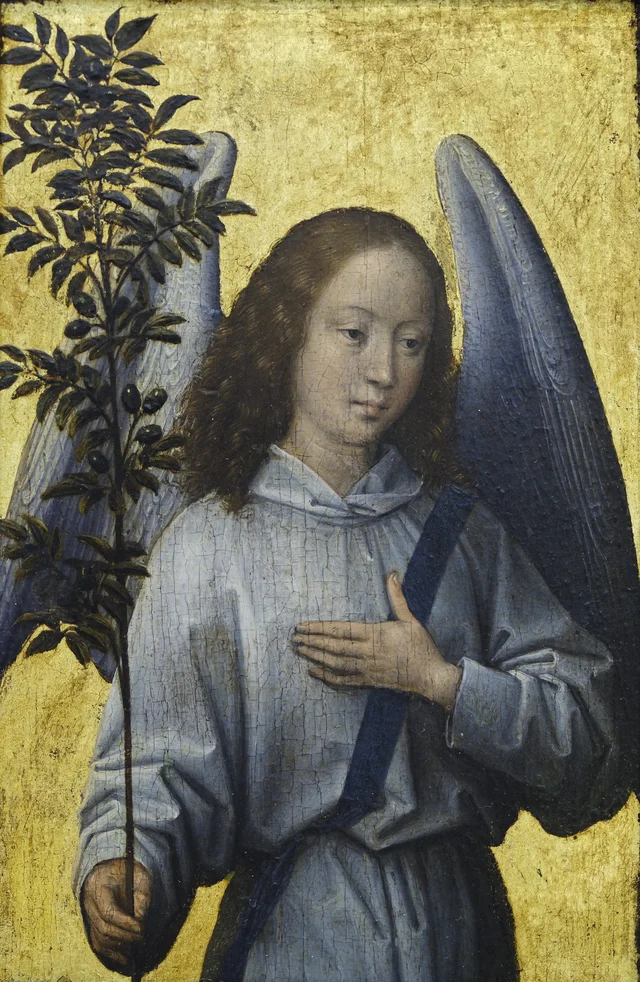 手持橄榄枝的天使汉斯·梅姆林, 1477
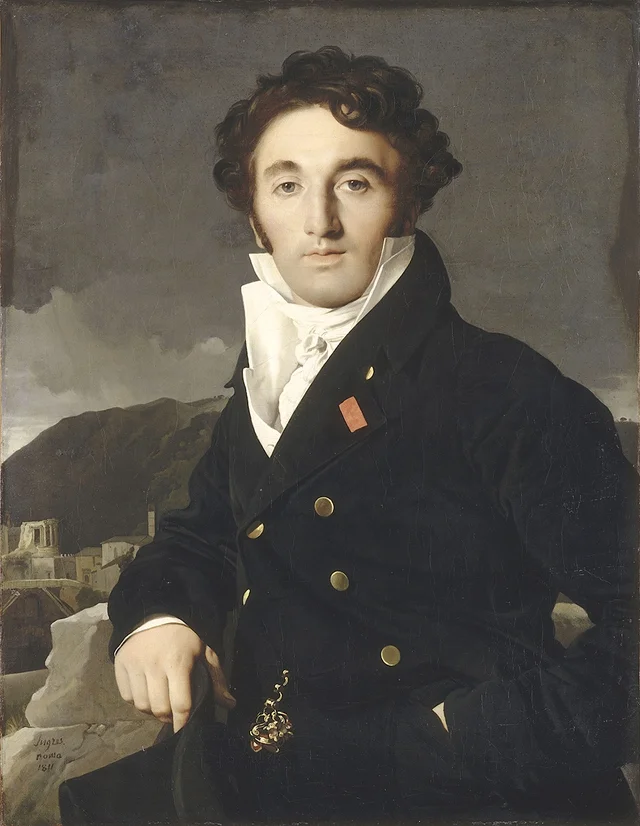 夏尔·科尔迪耶让-奥古斯特-多米尼克·安格尔, 1811
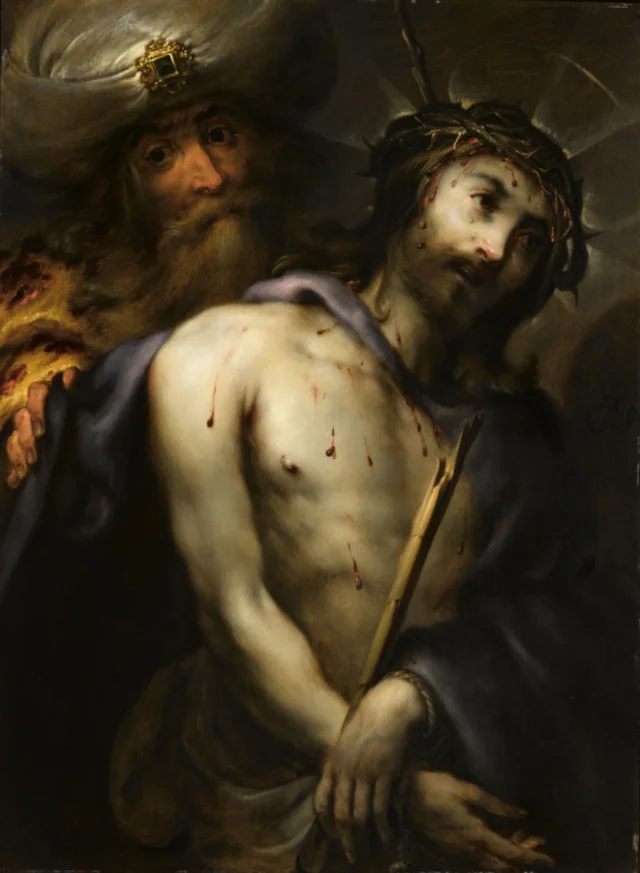 看,这个人扬·科西尔斯, 1620
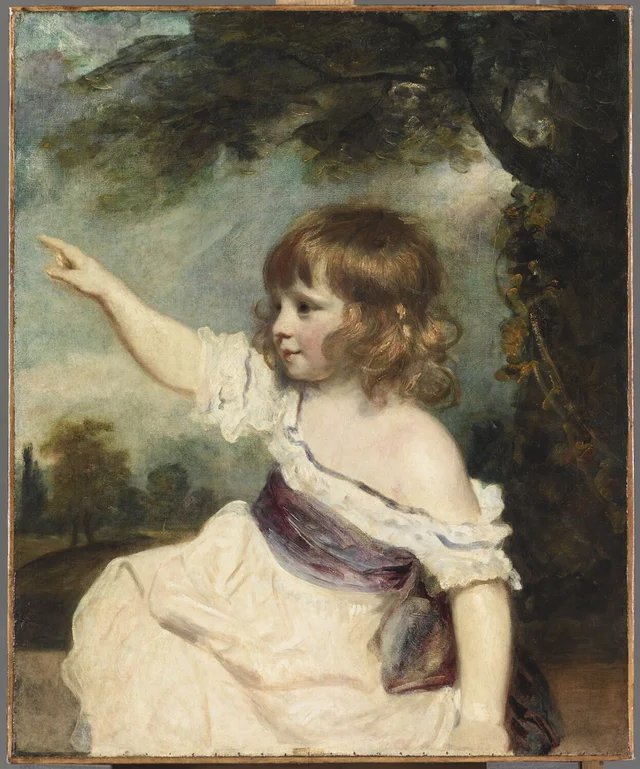 弗朗西斯·乔治·黑尔(人称「黑尔少爷」)童年像约书亚·雷诺兹, 1788
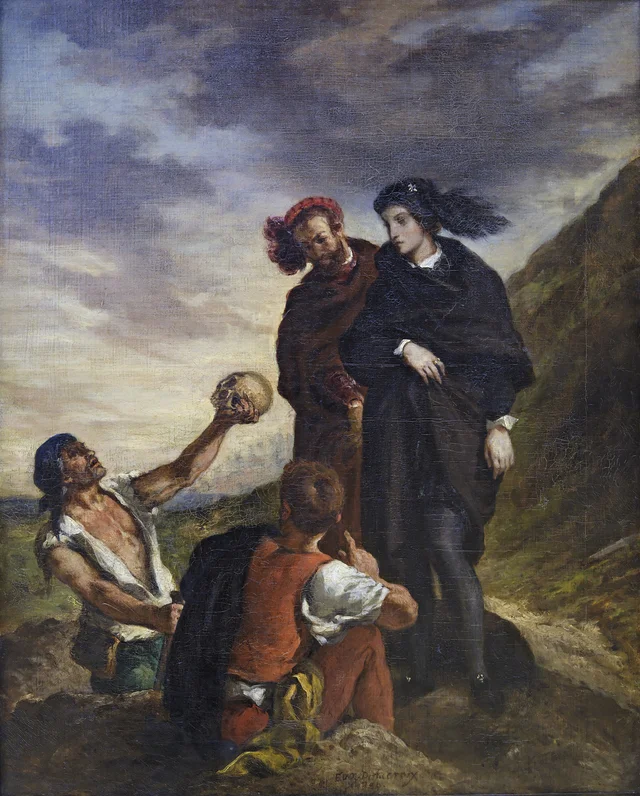 墓地中的哈姆雷特与霍拉旭欧仁·德拉克罗瓦, 1839
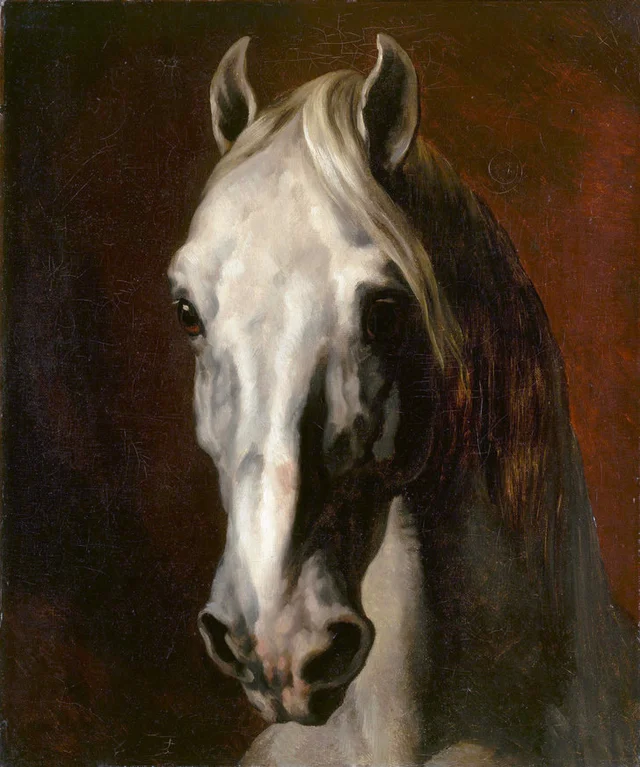 白马头像泰奥多尔·籍里柯, 1811
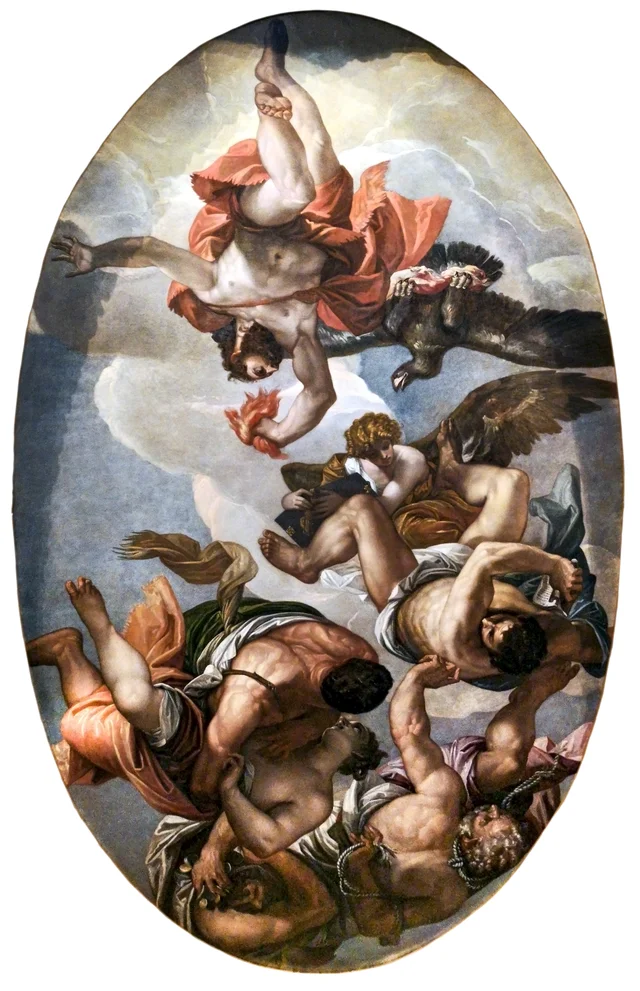 朱庇特向恶习投掷雷电保罗·委罗内塞, 1553
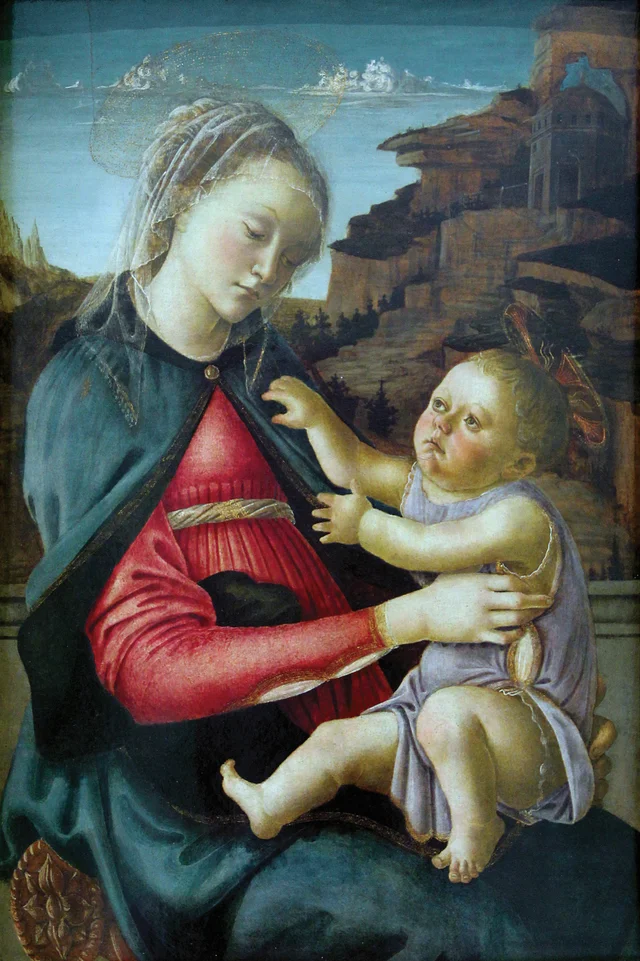 圣母子桑德罗·波提切利, 1465
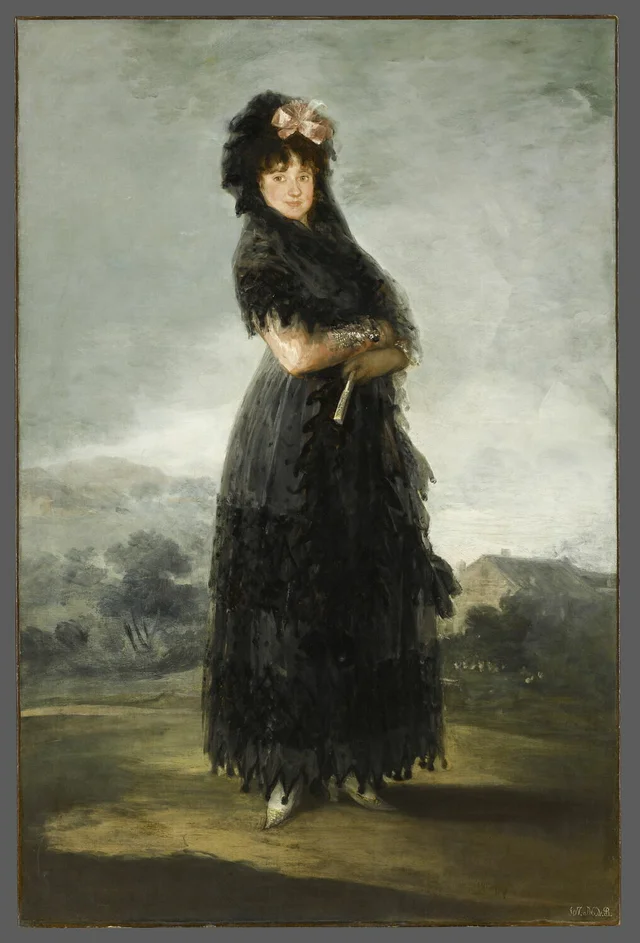 玛丽安娜·瓦尔德斯坦,第九代圣克鲁斯侯爵夫人弗朗西斯科·戈雅, 1797