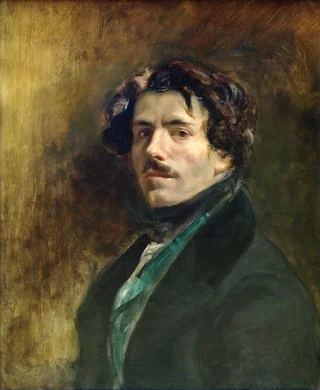
Eugène Delacroix
1798–1863 · Frankreich · Romantik
Die Geschichte
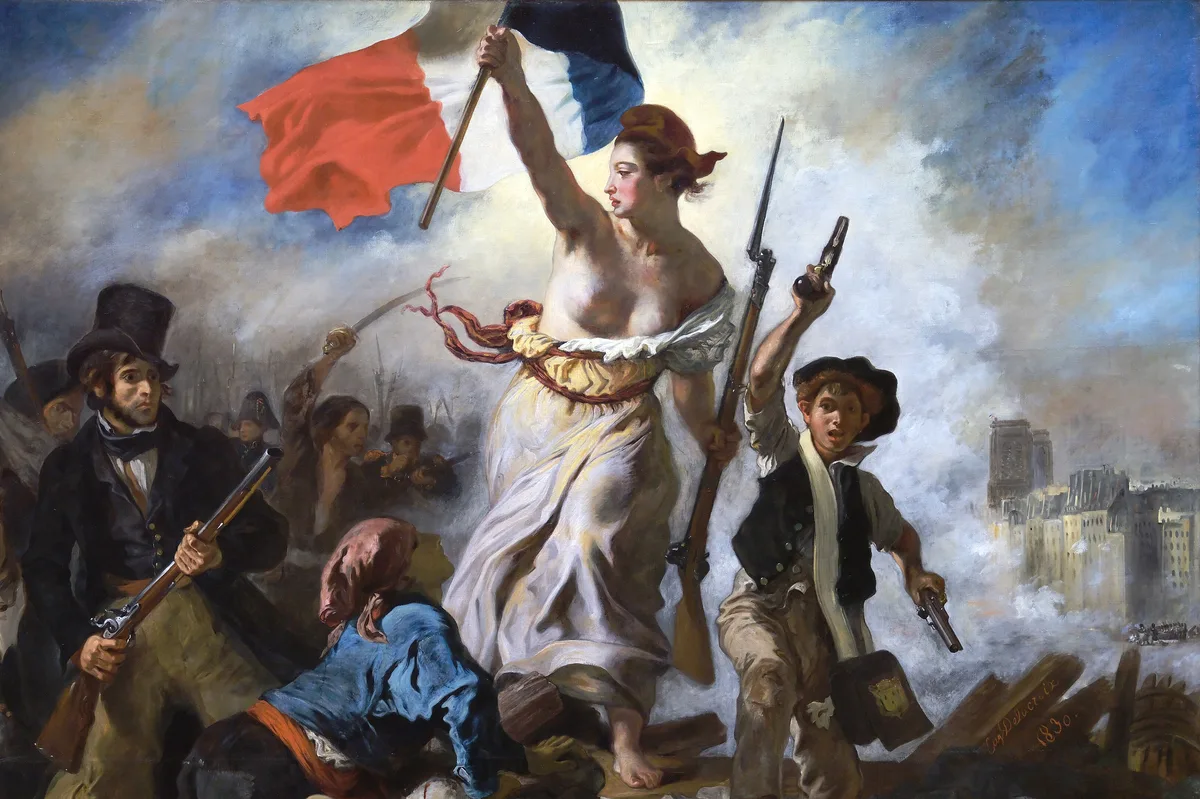
Ende Juli 1830 verbrachten die Pariser drei Tage auf den Barrikaden und vertrieben ihren König Karl X. Eugène Delacroix, 32 Jahre alt, sah vom Rand aus zu und hatte das Gefühl, seinen Teil nicht beigetragen zu haben, also holte er es mit dem Pinsel nach. In jenem Winter malte er eine barbusige Frau, die mit der Trikolore in der einen und einem Gewehr in der anderen Hand über die Toten schreitet und eine Menge aus Arbeitern und Straßenjungen durch den Pulverdampf führt. "Die Freiheit führt das Volk" verwandelte eine Woche echter Straßenkämpfe in das Bild, auf das Frankreich noch heute zurückgreift, wann immer es aufbegehrt.
Delacroix führte die andere Hälfte der französischen Malerei an, gegenüber Ingres – jene Hälfte, die Farbe, Bewegung und Gefühl mehr vertraute als der reinen Zeichnung. Zwei Jahre nach der "Freiheit" machte er die Erfahrung, die seine Palette endgültig entzündete. 1832 reiste er mit einer französischen diplomatischen Mission nach Marokko, und das Licht, die Gewänder, die Pferde und Höfe Nordafrikas trafen ihn wie eine Offenbarung. Er füllte Skizzenbücher mit raschen Aquarellen und schöpfte aus dieser halbjährigen Reise noch 30 Jahre lang, mehr als 70 Gemälde gingen daraus hervor.
Auch in seinen Freundschaften war er ein Romantiker, eng verbunden mit dem Komponisten Frédéric Chopin, den er am Klavier malte, und mit der Schriftstellerin George Sand. Über weite Strecken seines Lebens führte er ein Tagebuch, das noch heute als eines der klügsten Zeugnisse gilt, die je ein Maler über die Malerei geschrieben hat. Gegen Ende seines Lebens bemalte er eine Kapelle der Pariser Kirche Saint-Sulpice mit Wandgemälden, eines davon zeigt einen Engel, der mit Jakob ringt, umgeben von Bäumen, die er in einem Wald vor den Toren der Stadt studiert hatte; er vollendete sie 1861 und starb zwei Jahre später.
Weitere Artikel
Werke
139 Werke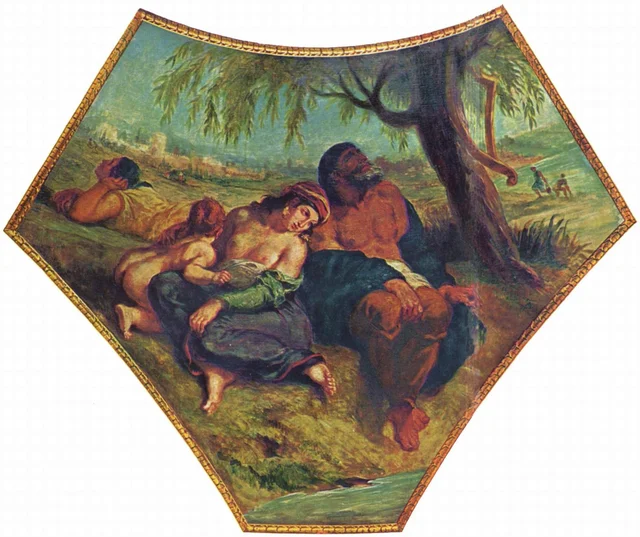 Die babylonische GefangenschaftEugène Delacroix, 1842
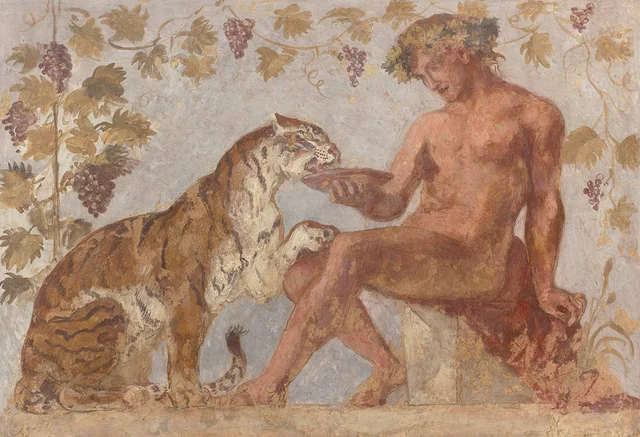 Bacchus und ein TigerEugène Delacroix, 1834
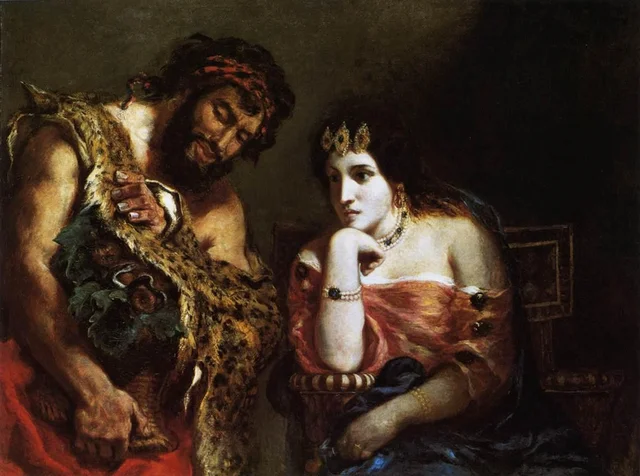 Kleopatra und der BauerEugène Delacroix, 1838
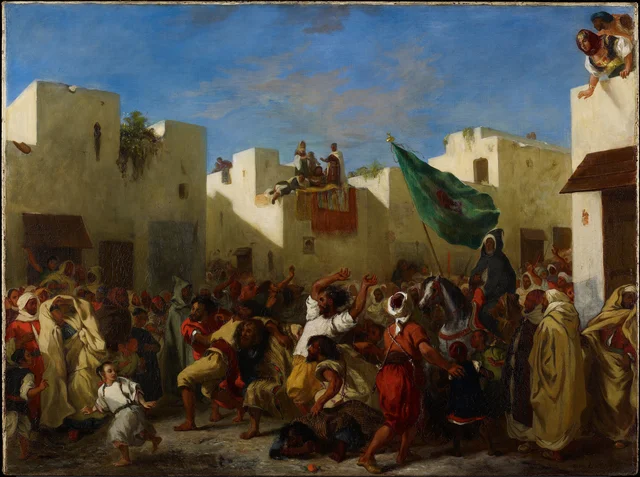 Die Konvulsionäre von TangerEugène Delacroix, 1837
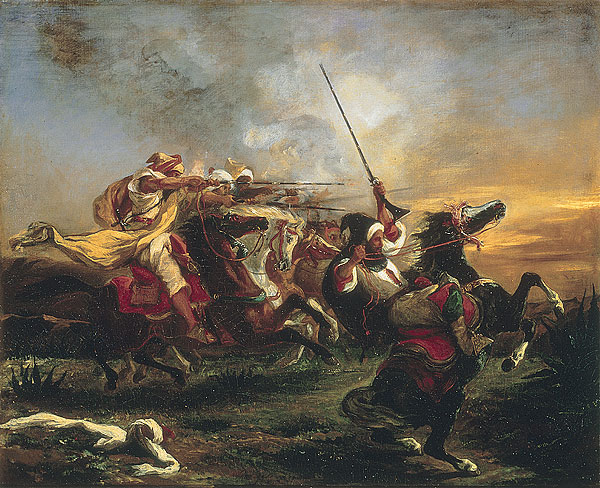 Militärische Übungen der MarokkanerEugène Delacroix, 1832
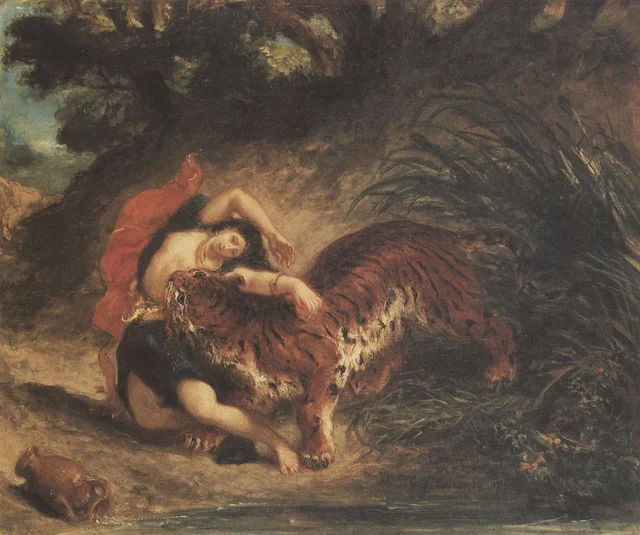 Inderin, von einem Tiger zerrissenEugène Delacroix, 1856
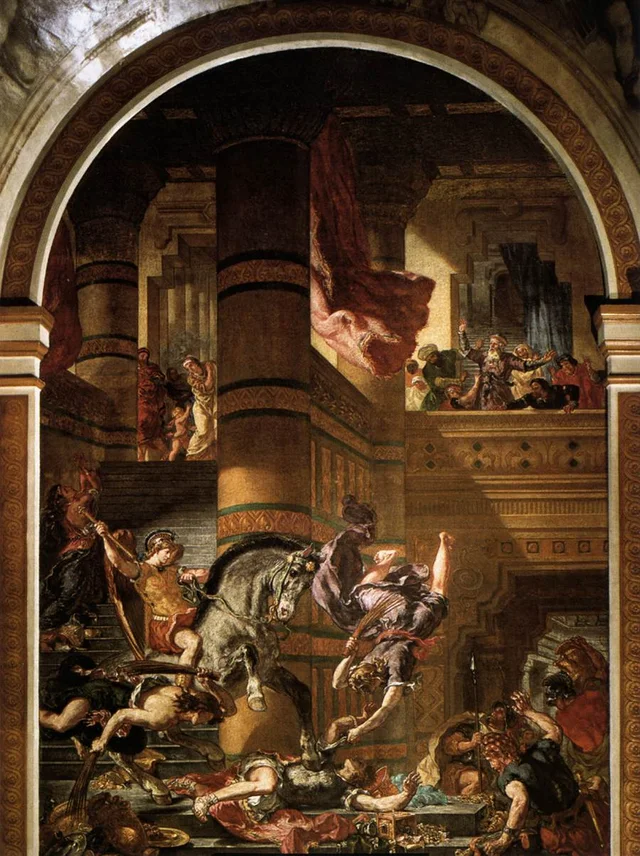 Vertreibung des Heliodor aus dem TempelEugène Delacroix, 1857
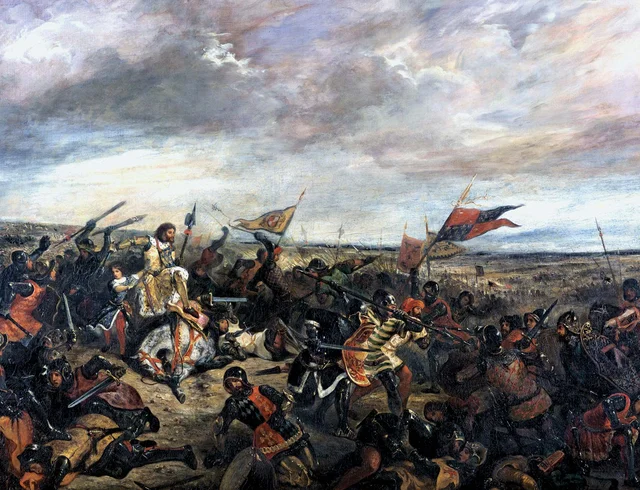 Die Schlacht von PoitiersEugène Delacroix, 1830
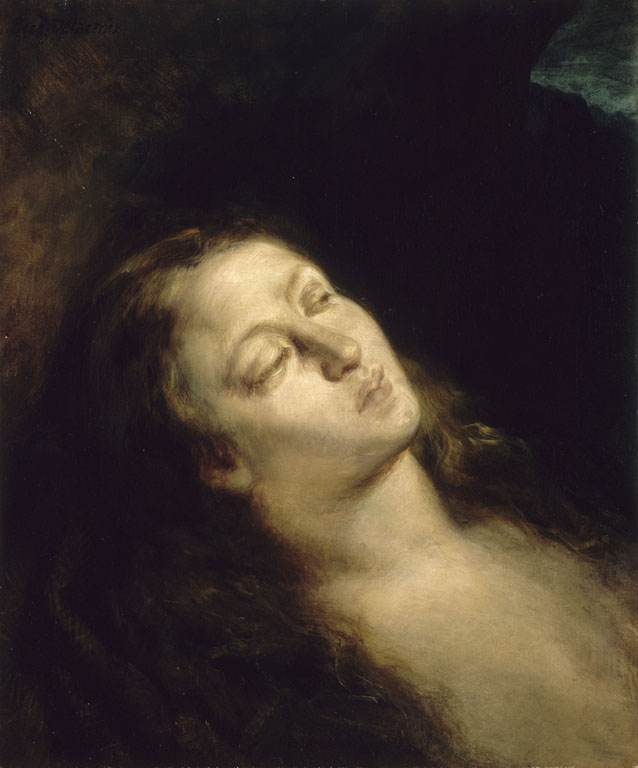 Maria Magdalena in der WüsteEugène Delacroix, 1845
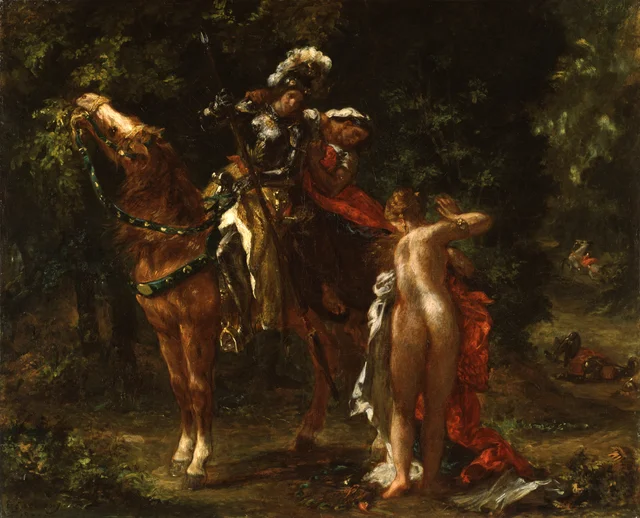 MarphiseEugène Delacroix, 1852
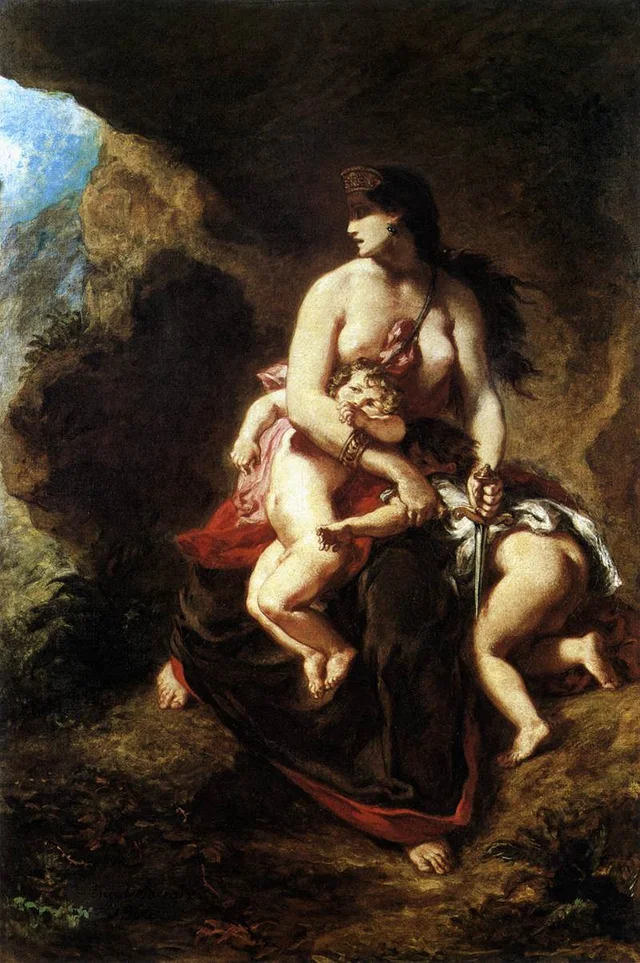 Medea im Begriff, ihre Kinder zu tötenEugène Delacroix, 1862
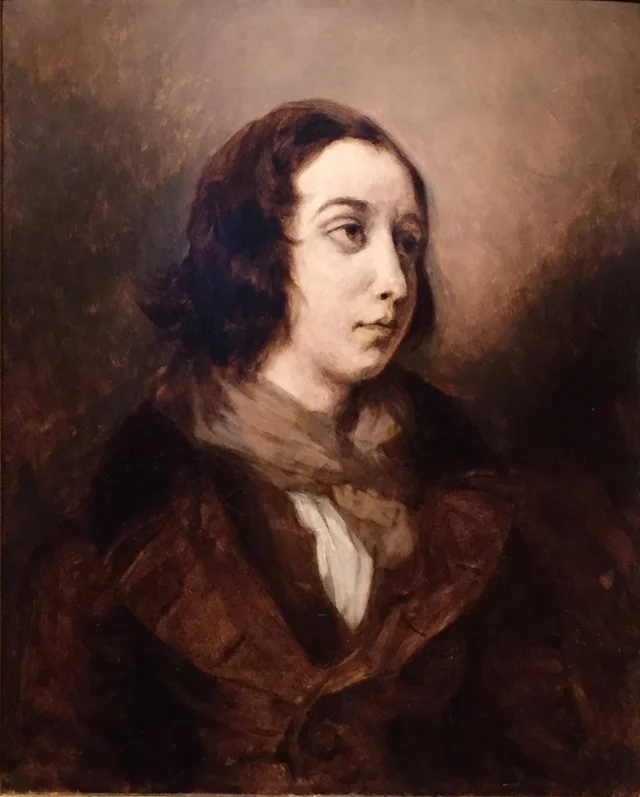 Porträt der George SandEugène Delacroix, 1834
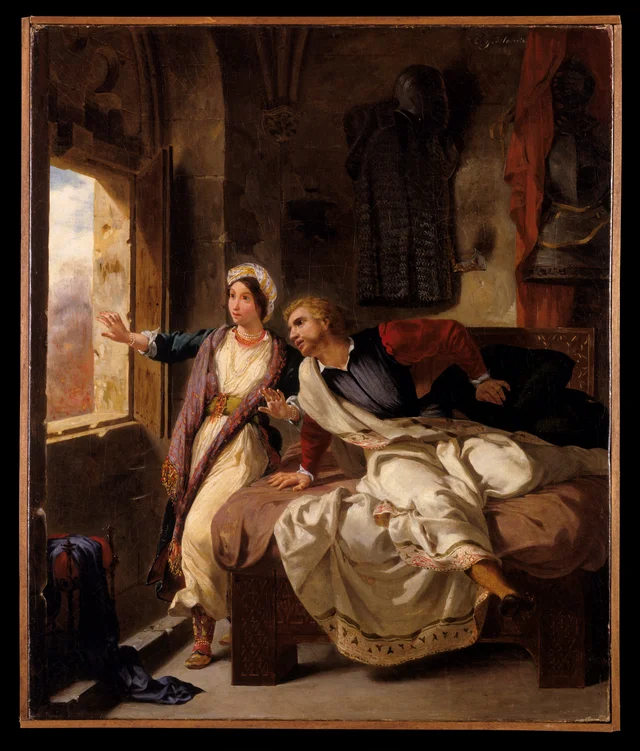 Rebecca und der verwundete IvanhoeEugène Delacroix, 1823
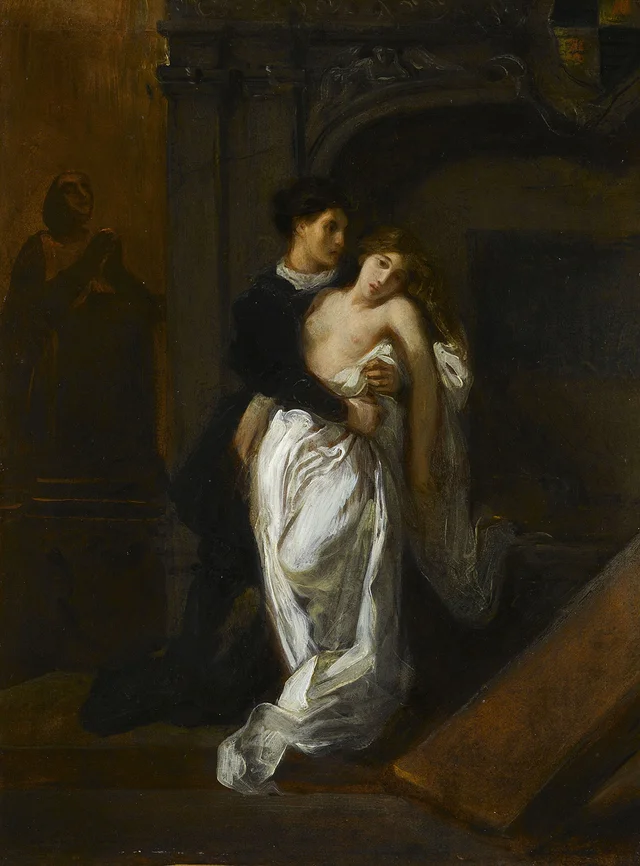 Romeo und Julia am Grab der CapuletsEugène Delacroix, 1850
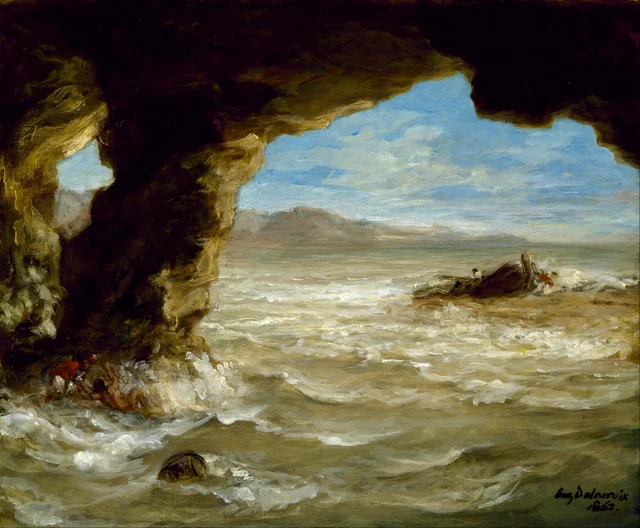 Schiffbruch an der KüsteEugène Delacroix, 1862
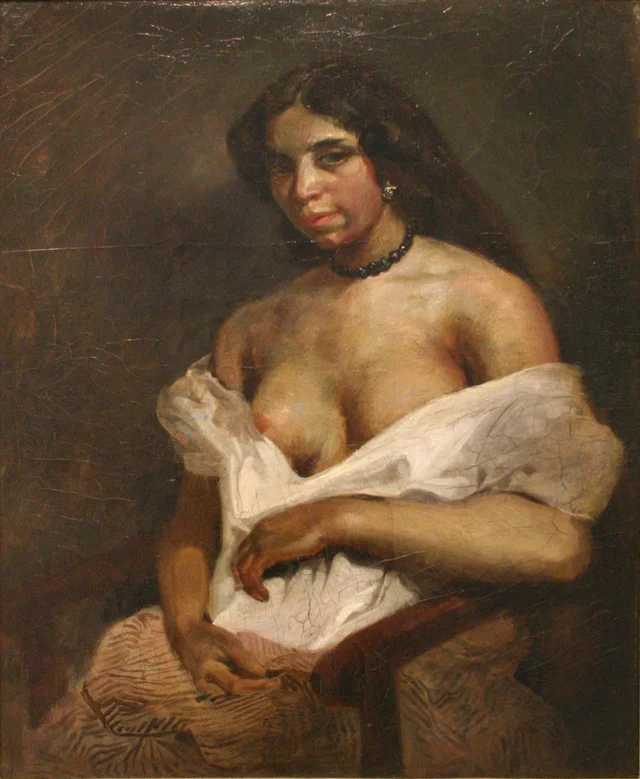 Studie nach dem Modell AspasieEugène Delacroix, 1824
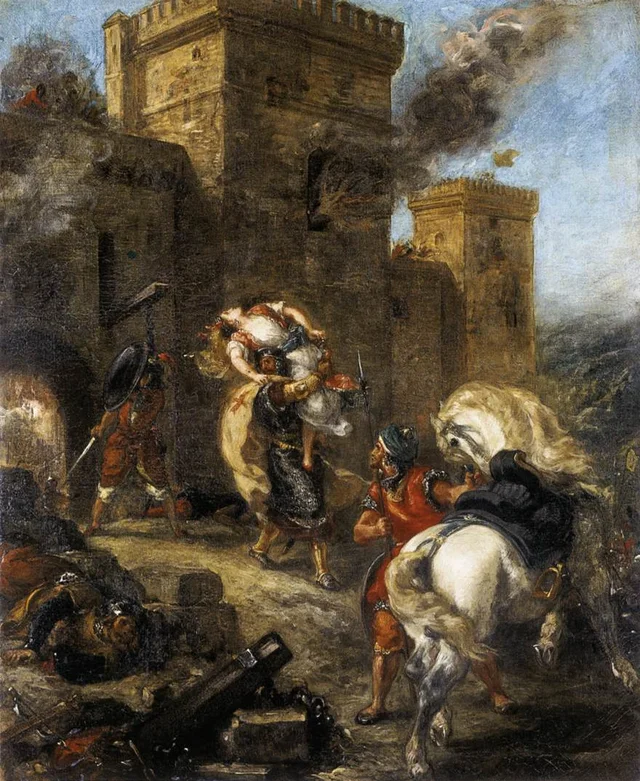 Die Entführung der RebeccaEugène Delacroix, 1858
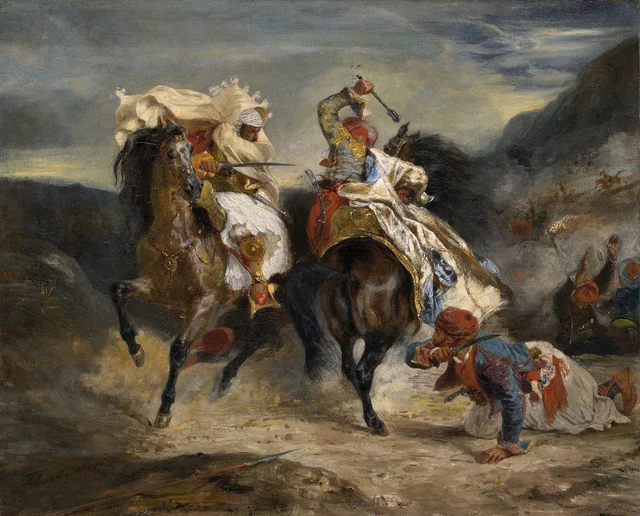 Der Kampf zwischen dem Giaur und HassanEugène Delacroix, 1826
 Der Tod der OpheliaEugène Delacroix, 1844
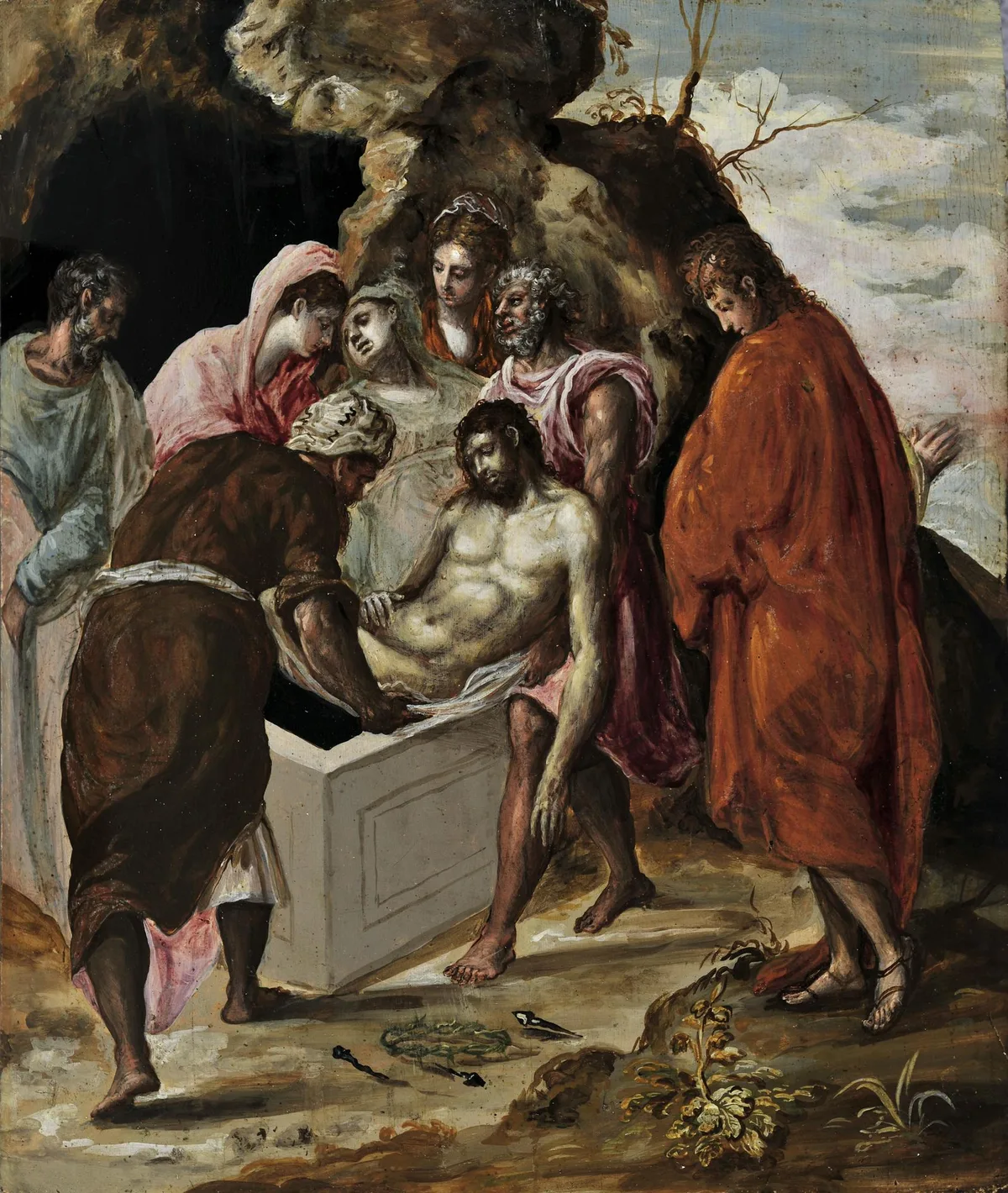
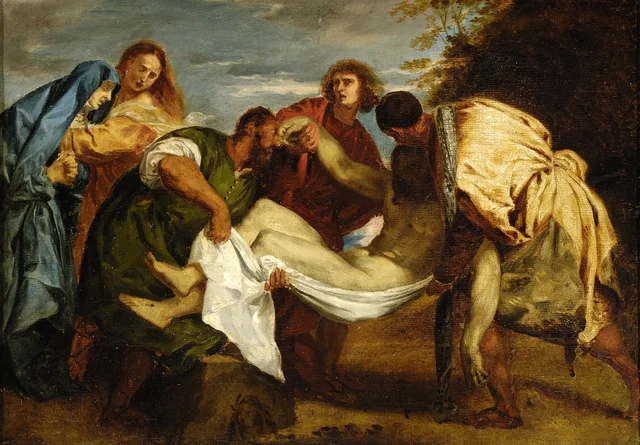 Die Grablegung ChristiEugène Delacroix, 1820
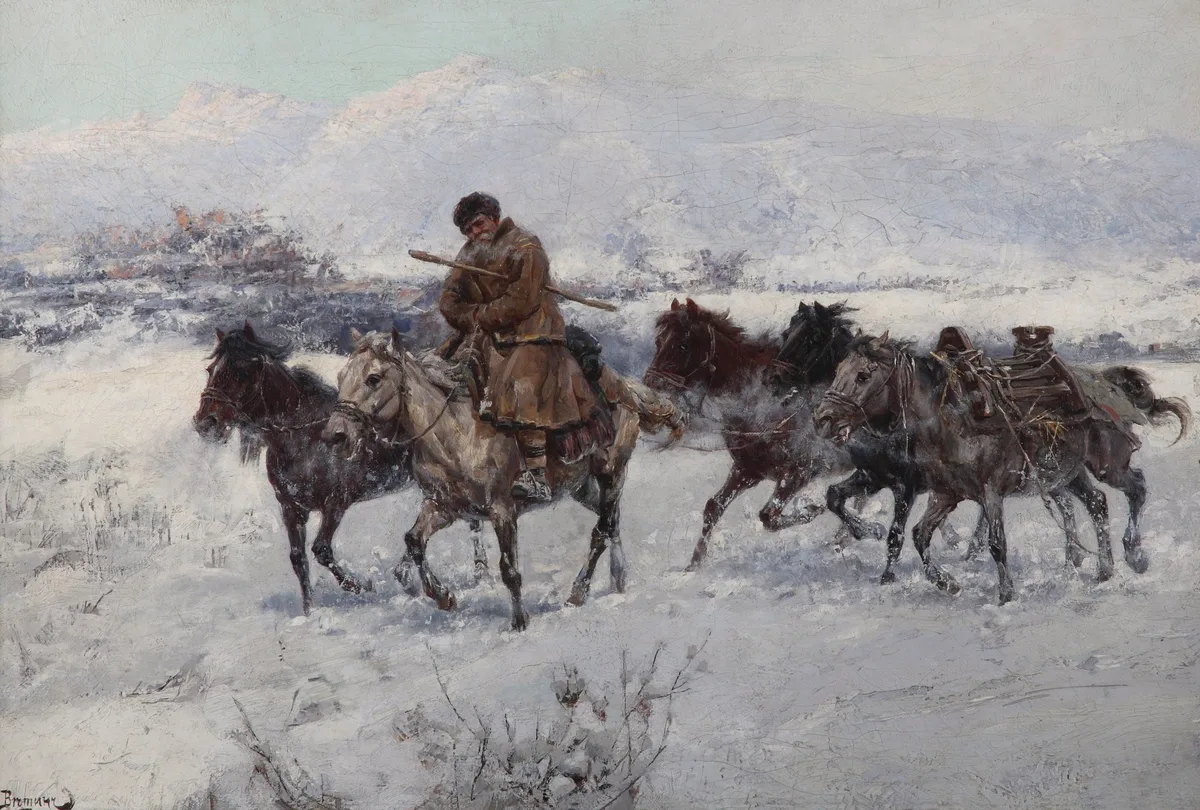
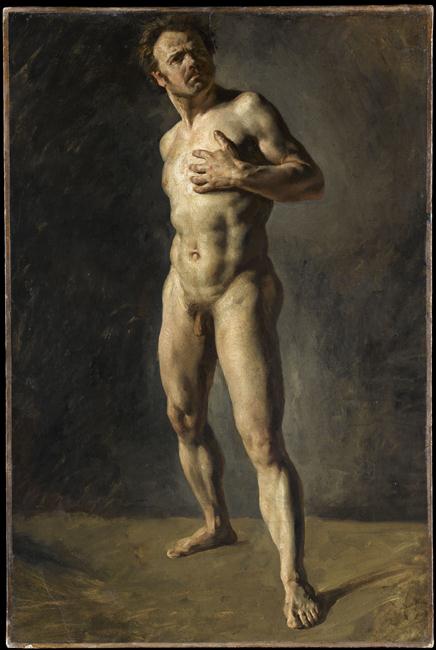 Der PoleEugène Delacroix, 1821
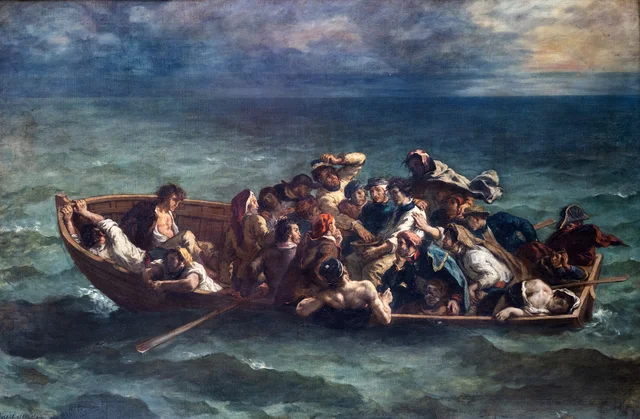 Der Schiffbruch des Don JuanEugène Delacroix, 1840
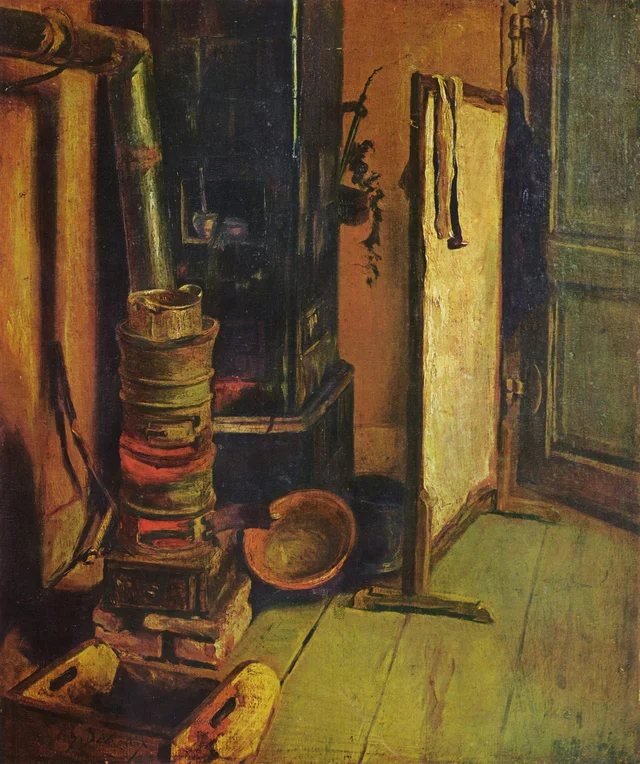 Eine Ecke des AteliersEugène Delacroix, 1830
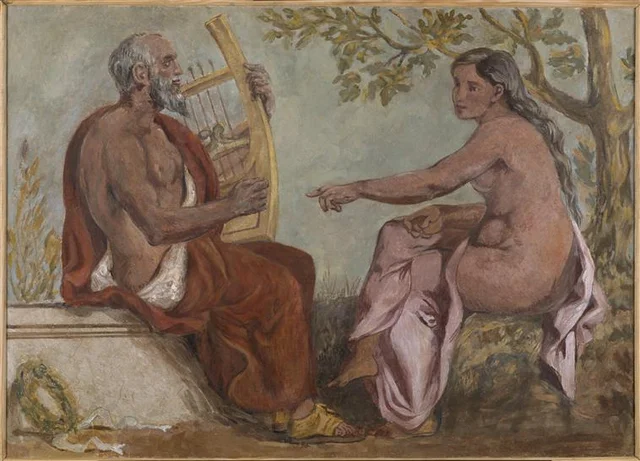 Anakreon und ein junges MädchenEugène Delacroix, 1834
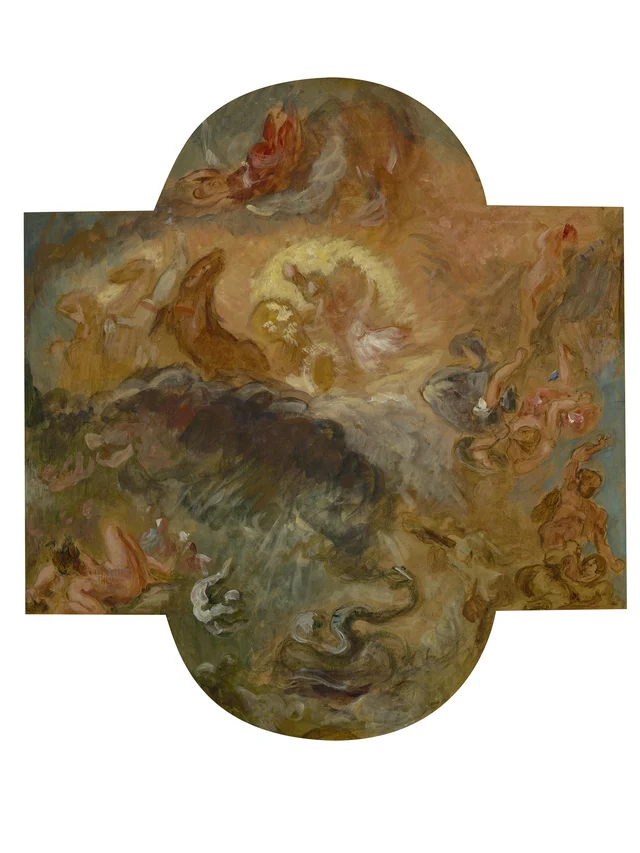 Apoll besiegt den Drachen PythonEugène Delacroix, 1850