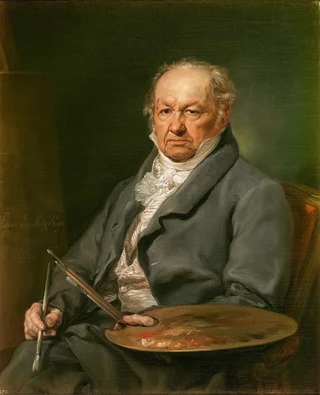
Francisco Goya
1746–1828 · Spanien · Romantik
Die Geschichte
Francisco Goya stieg im Spanien des 18. Jahrhunderts fast so hoch auf, wie es einem Maler nur möglich war. Aus einer Provinzstadt in Aragón arbeitete er sich bis zum Ersten Hofmaler des Königs in Madrid hoch und lieferte heitere Wandteppichentwürfe und schmeichelhafte königliche Porträts. Dann, im Winter 1792, warf ihn eine bis heute nicht sicher benannte Krankheit nieder – Fieber, Schwindel, Ohrensausen –, und als sie abklang, war er völlig taub und blieb es für die restlichen 35 Jahre seines Lebens. Er behielt seinen Hofposten, doch etwas im Werk wandte sich nun nach innen und ins Dunkle.
Eingeschlossen in seine eigene Stille, schuf er eine Folge von Radierungen, die Caprichos, voller Hexen, Esel und Monster, eine davon mit der Unterschrift, der Schlaf der Vernunft gebäre Ungeheuer. Dann holte die Geschichte die private Düsternis ein. 1808 fielen Napoleons Truppen in Spanien ein, setzten den Bruder des Kaisers auf den Thron, und die Madrider Bevölkerung erhob sich gegen sie; die Franzosen erschossen die Aufständischen die ganze Nacht hindurch in Gruppen. Jahre später malte Goya diese Nacht: ein Mann im weißen Hemd, die Arme weit ausgebreitet vor einem gesichtslosen Erschießungskommando, eine einzelne Laterne am Boden zwischen ihnen. Es gilt oft als das erste große moderne Bild des Krieges, ohne jeden Rest von Ruhm.
Am Ende ging er noch weiter. Alt, taub, gezeichnet vom Erlebten, bedeckte er die Wände seines Landhauses außerhalb Madrids mit Bildern für niemandes Verkauf – schwarze, private, alptraumhafte Dinge, darunter ein riesiger Gott, der eines seiner eigenen Kinder verschlingt. Er gab ihnen nie einen Titel; wir nennen sie die Schwarzen Bilder. Er nahm sie nicht mit, als er, fast 80 und der spanischen Krone entfremdet, nach Bordeaux in Frankreich ging, wo er starb. Die Wandbilder wurden Jahrzehnte später von den Wänden gelöst und hängen heute in Madrid.
Weitere Artikel
Werke
374 Werke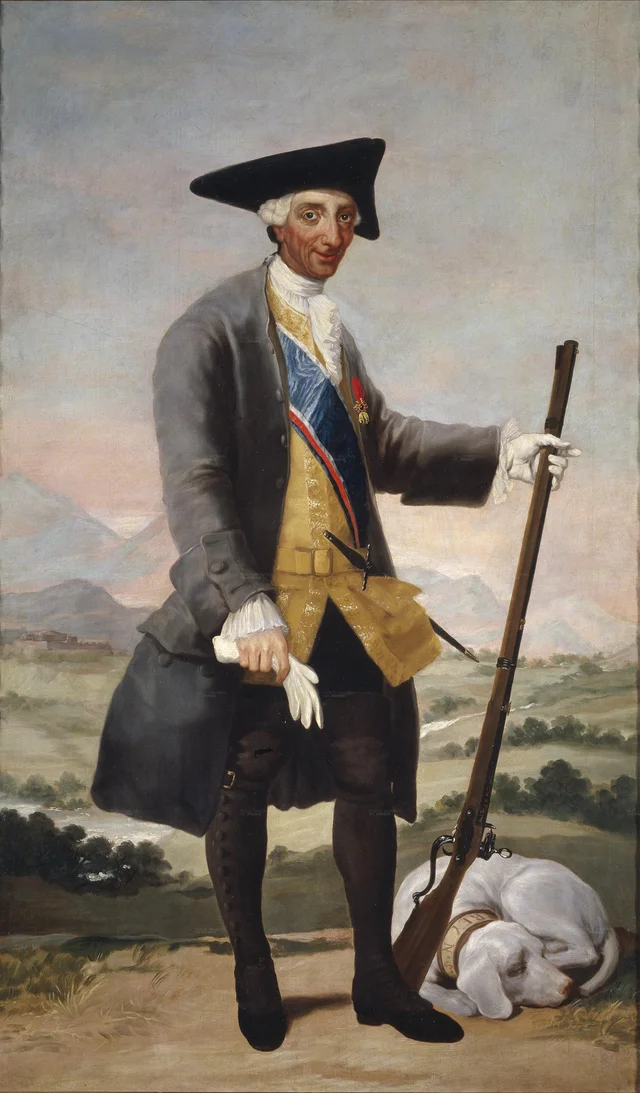 Karl III. in JagdkleidungFrancisco Goya, 1786
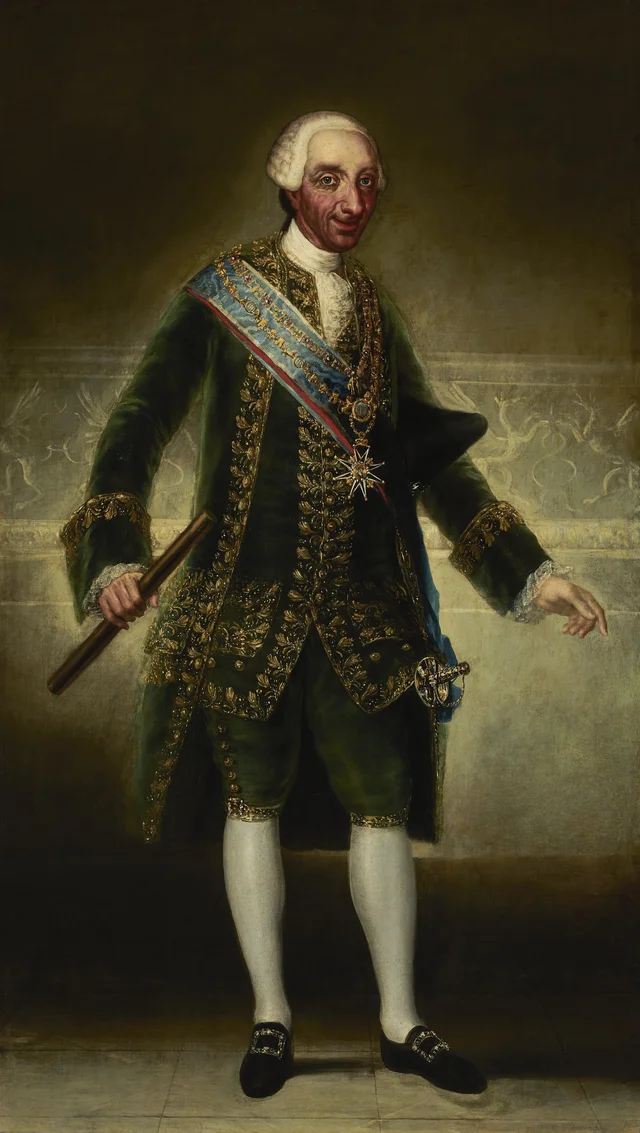 Karl III. von SpanienFrancisco Goya, 1786
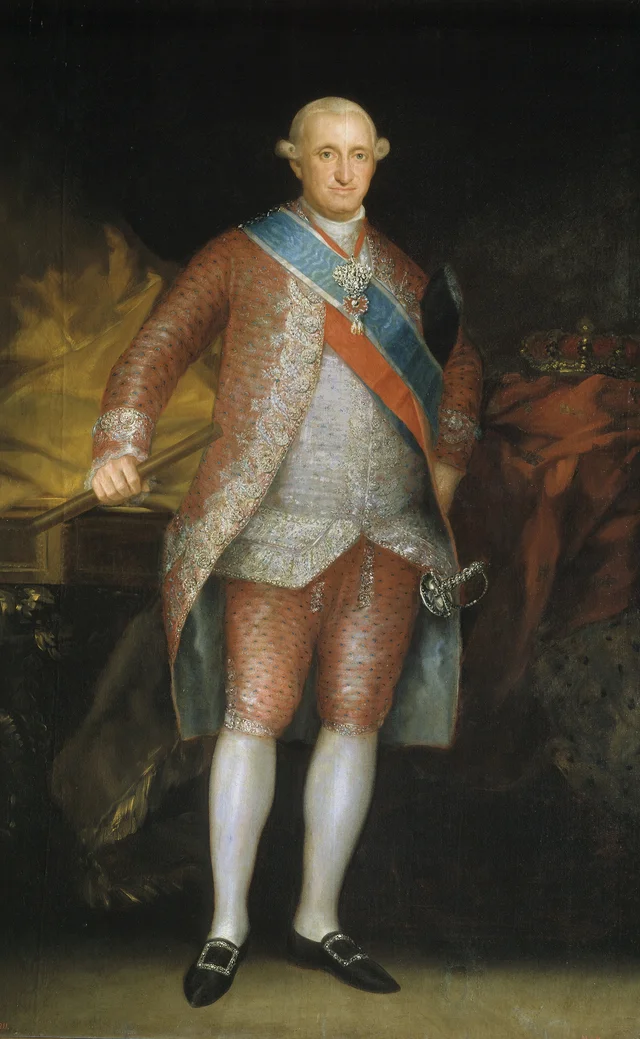 Karl IV. in HoftrachtFrancisco Goya, 1789
 Karl IV. in der Uniform eines Obersten der LeibgardeFrancisco Goya, 1800
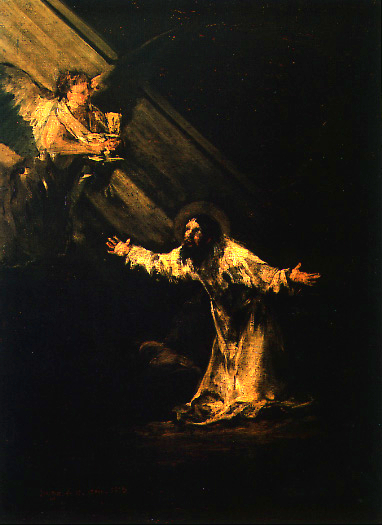 Christus am ÖlbergFrancisco Goya, 1819
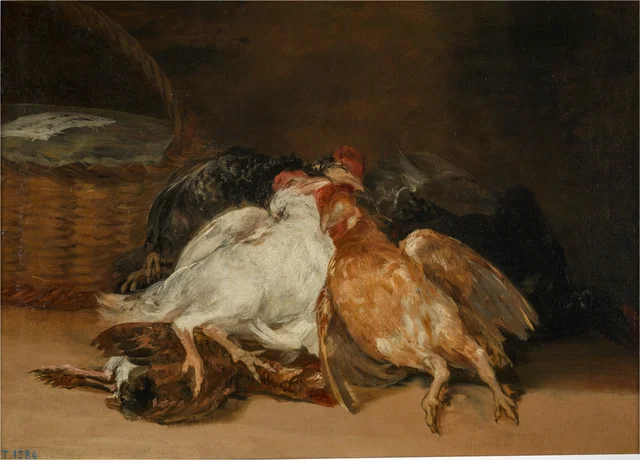 Tote VögelFrancisco Goya, 1808
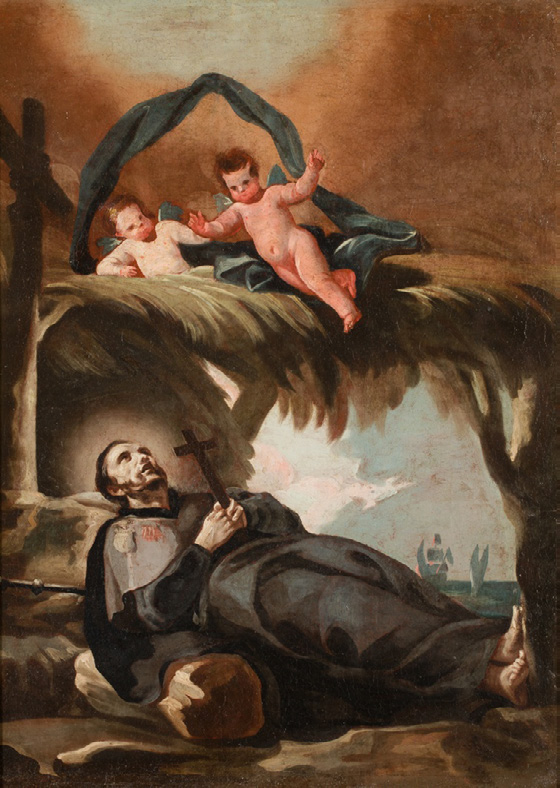 Der Tod des heiligen Franz XaverFrancisco Goya, 1771
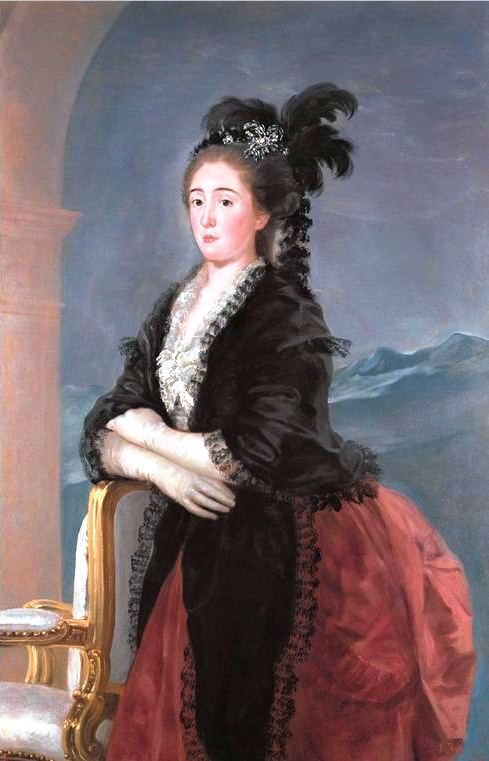 Doña María Teresa de VallabrigaFrancisco Goya, 1783
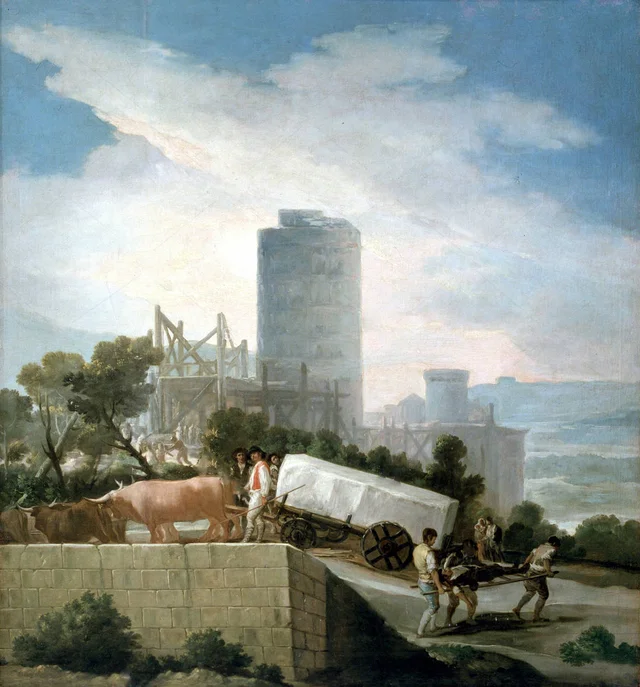 Der Transport eines QuadersteinsFrancisco Goya, 1786
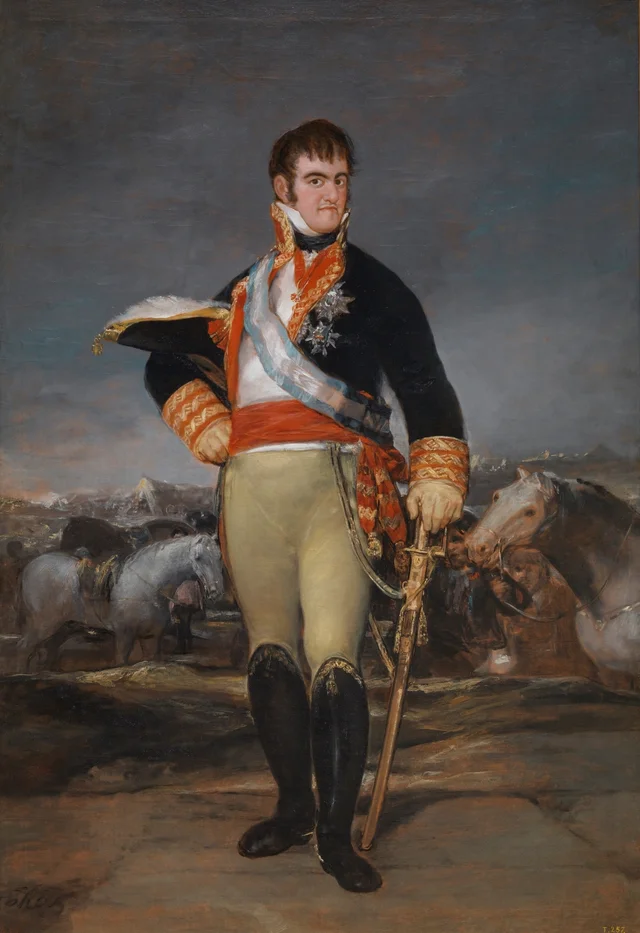 Ferdinand VII. in einem FeldlagerFrancisco Goya, 1815
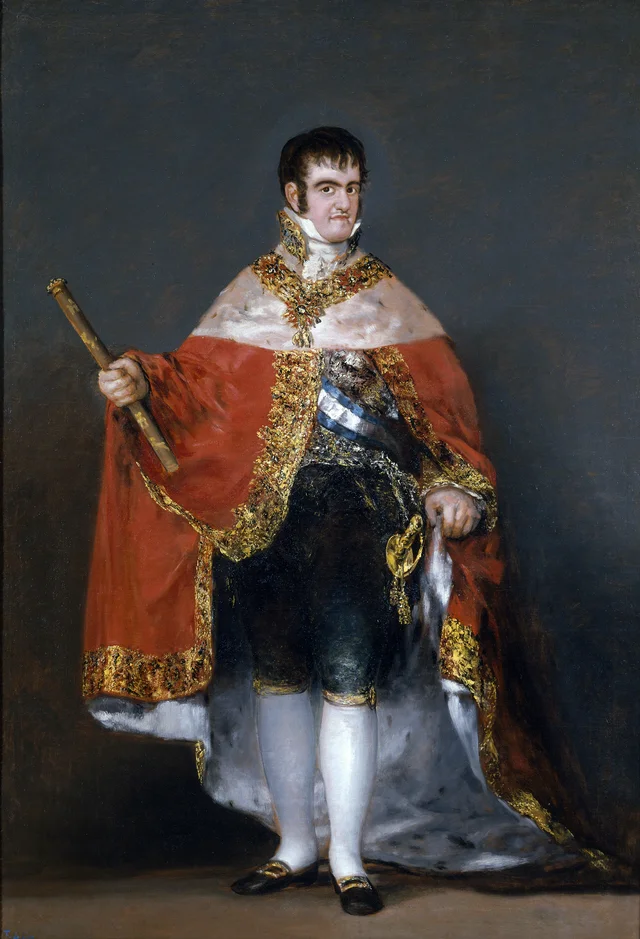 Ferdinand VII. in HoftrachtFrancisco Goya, 1814
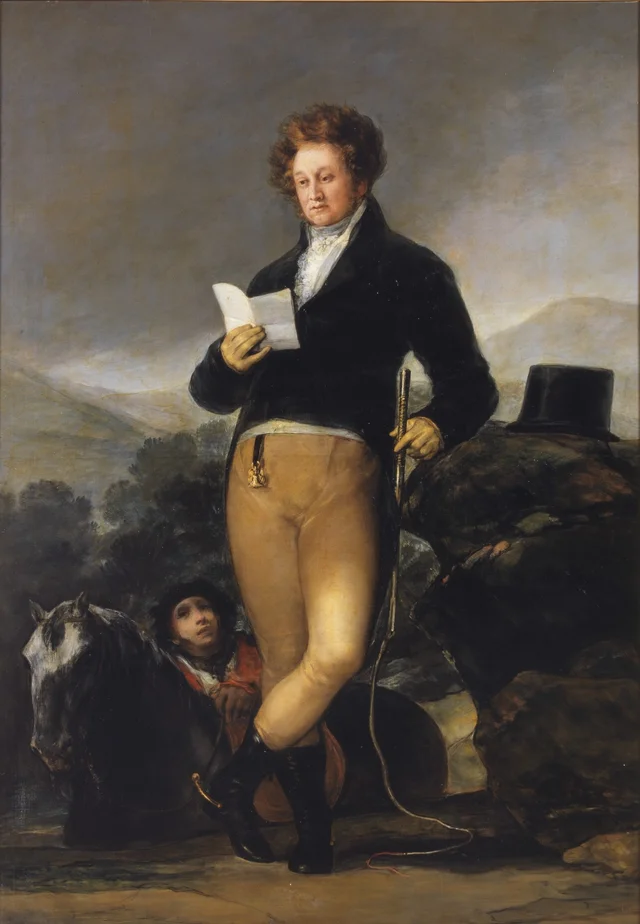 Francisco Téllez-Girón, 10. Herzog von OsunaFrancisco Goya, 1816
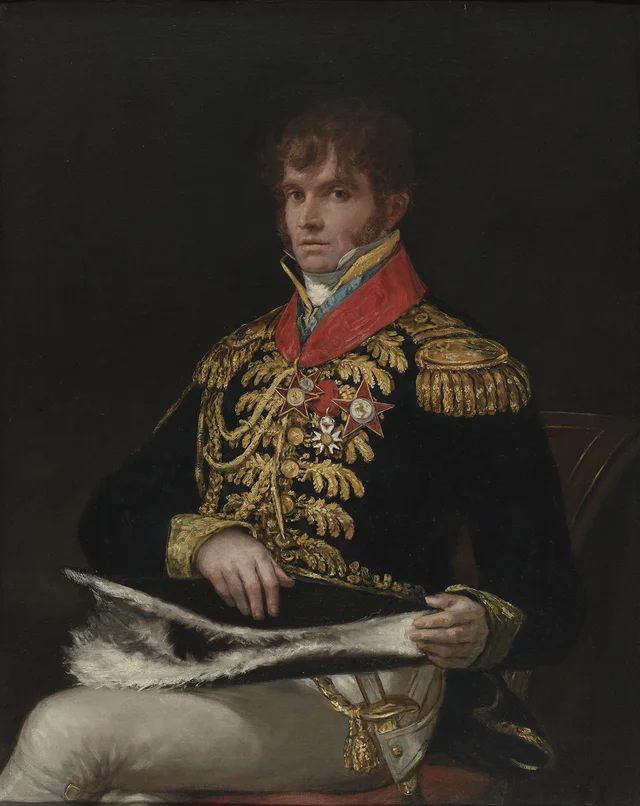 General Nicolas Philippe GuyeFrancisco Goya, 1810
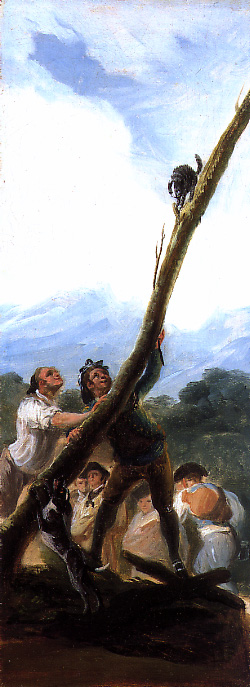 Bedrängte KatzeFrancisco Goya, 1788
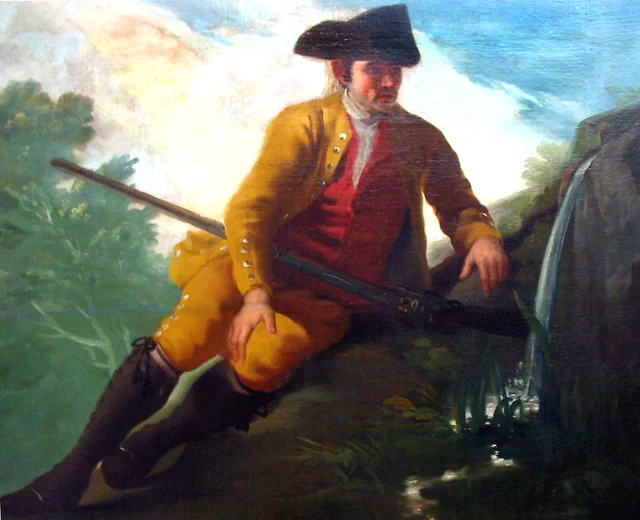 Jäger an einem BrunnenFrancisco Goya, 1786
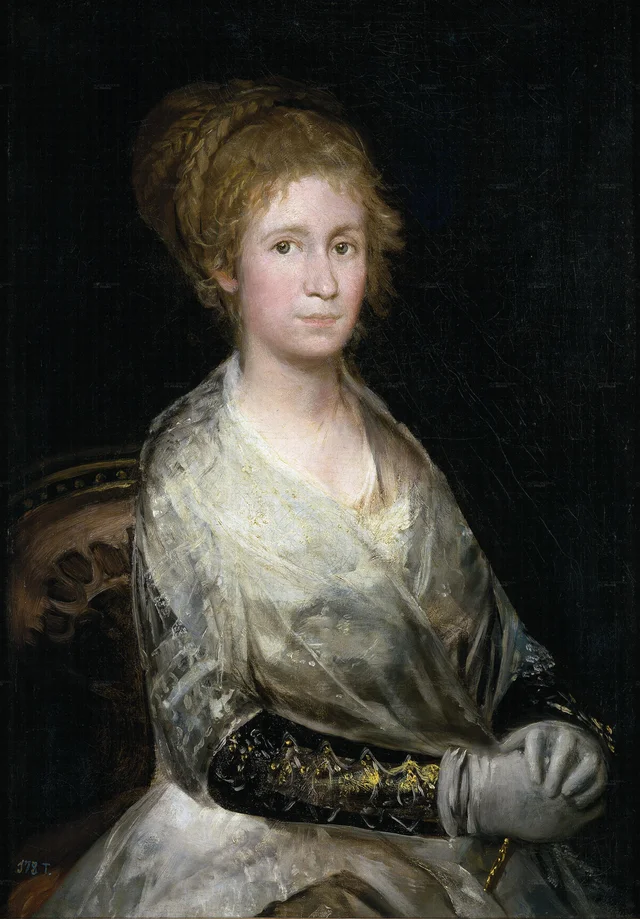 Josefa BayeuFrancisco Goya, 1814
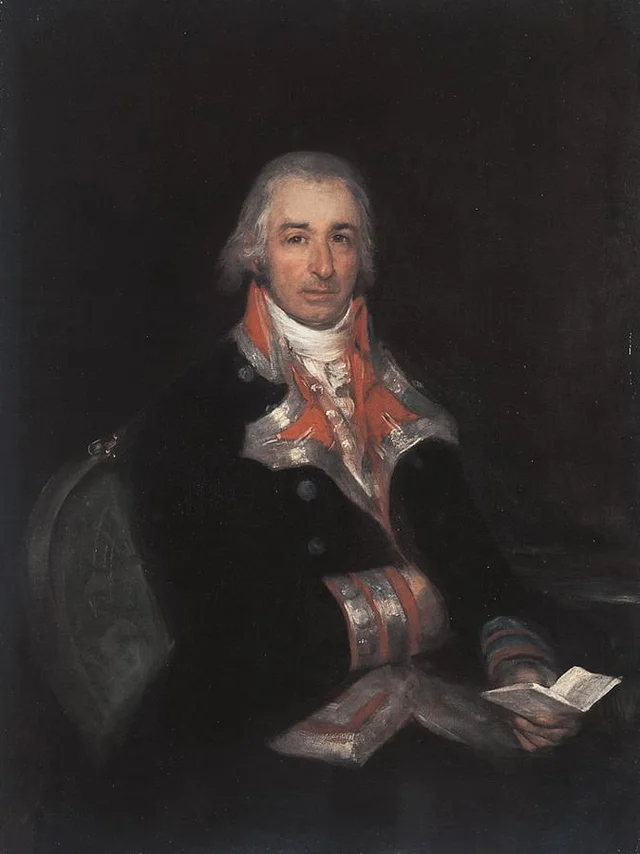 José QueraltóFrancisco Goya, 1802
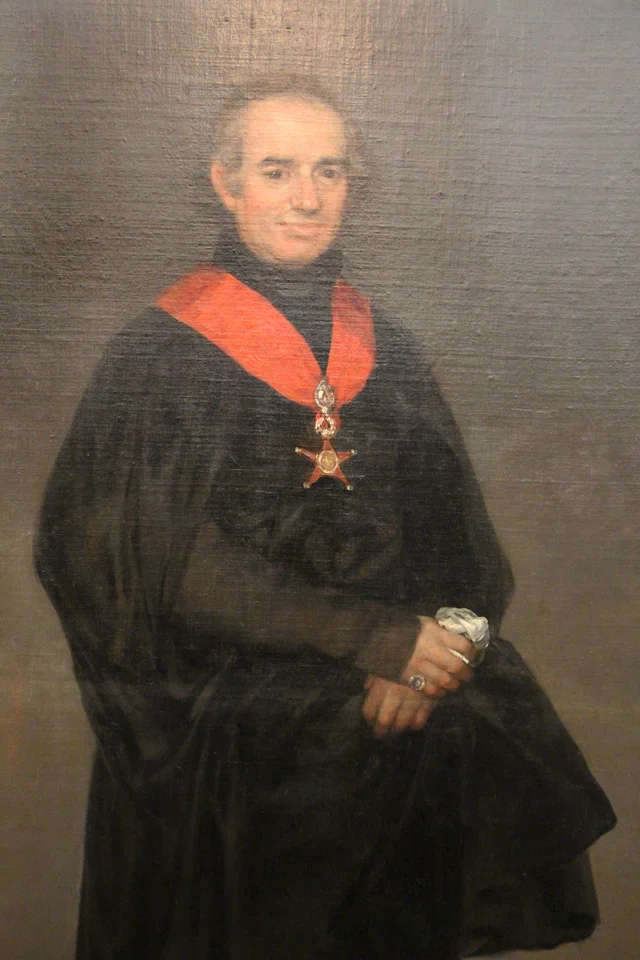 Juan Antonio LlorenteFrancisco Goya, 1812
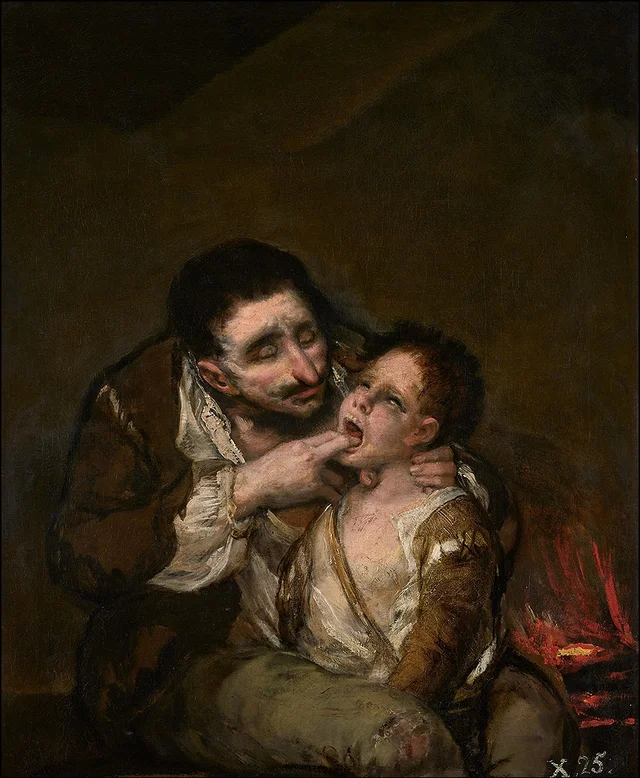 Lazarillo de TormesFrancisco Goya, 1804
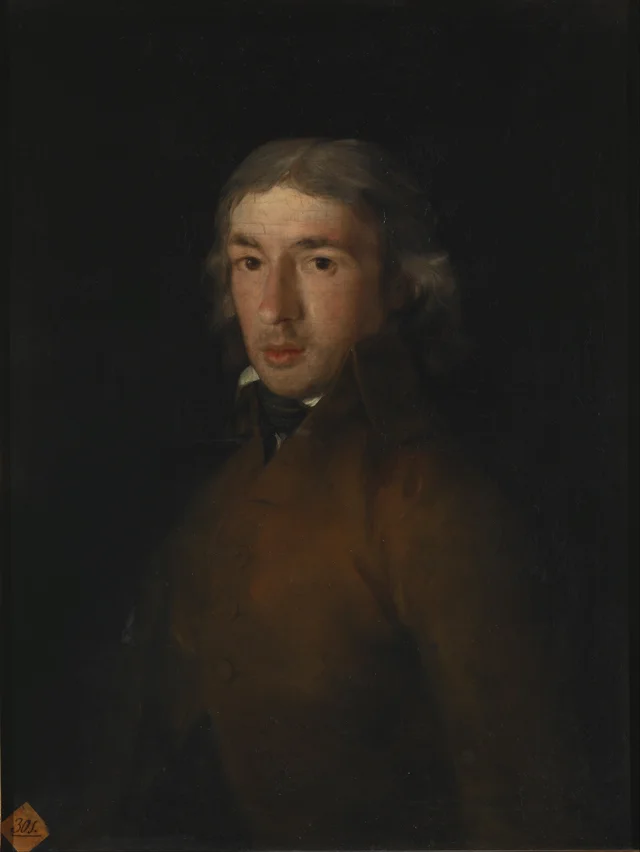 Leandro Fernández de MoratínFrancisco Goya, 1799
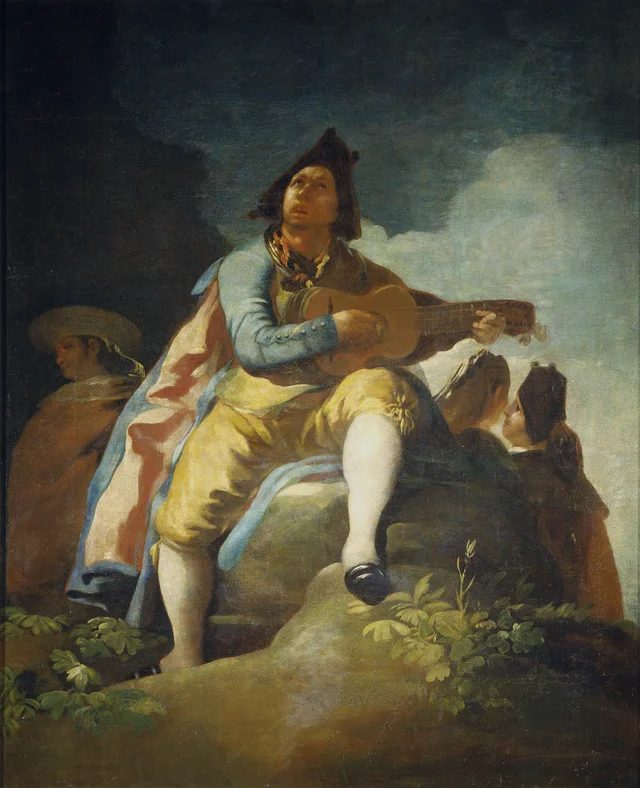 Majo mit GitarreFrancisco Goya, 1779
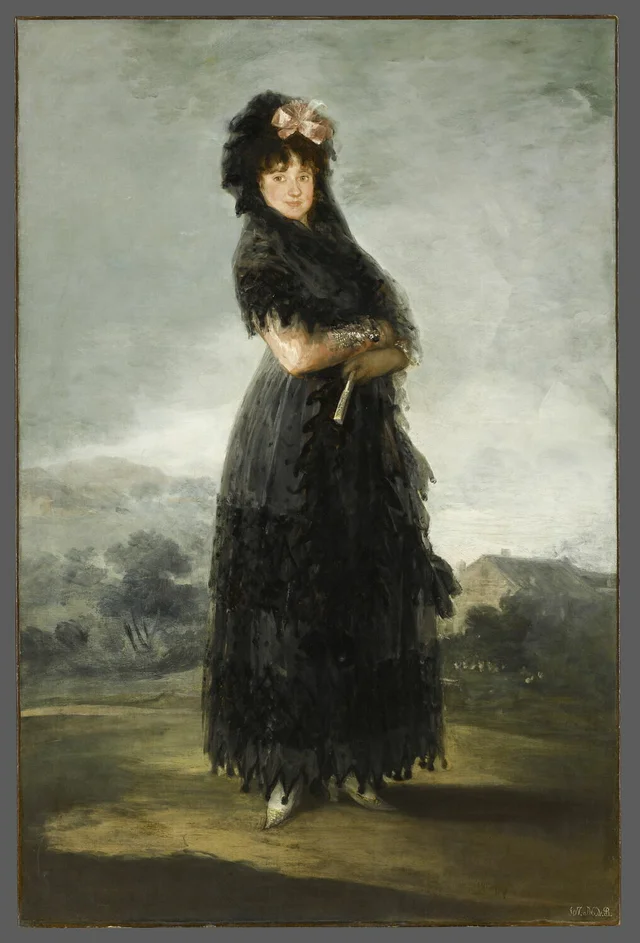 Mariana Waldstein, neunte Marquesa de Santa CruzFrancisco Goya, 1797
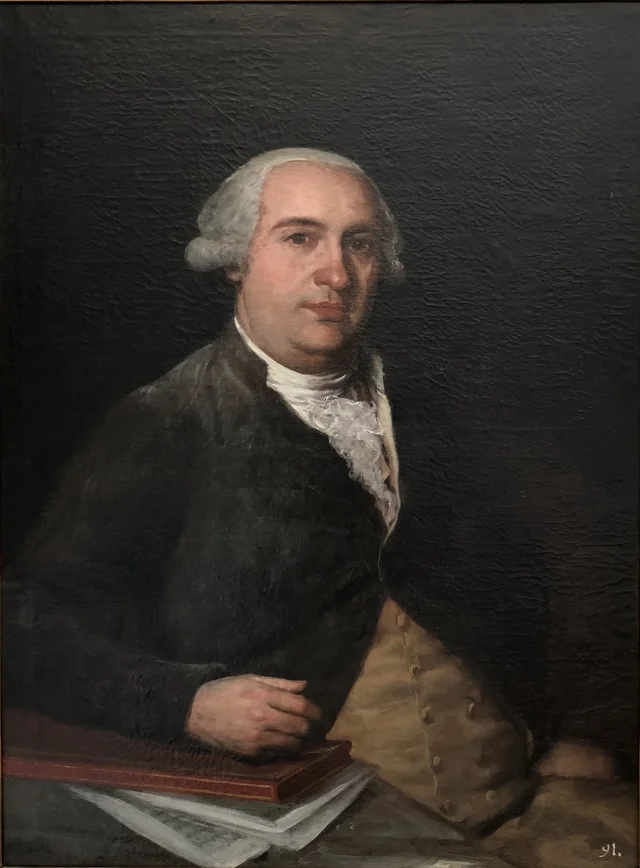 Mariano Ferrer y AuletFrancisco Goya, 1780
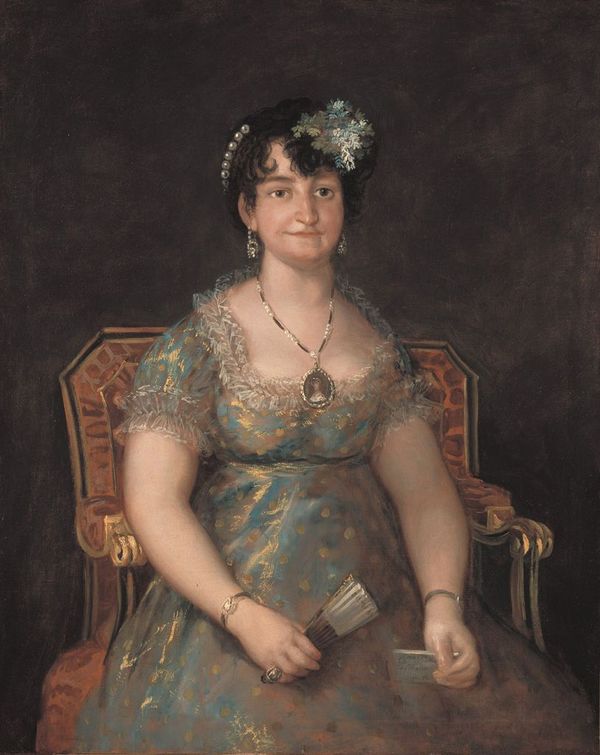 Marquesa de CaballeroFrancisco Goya, 1807
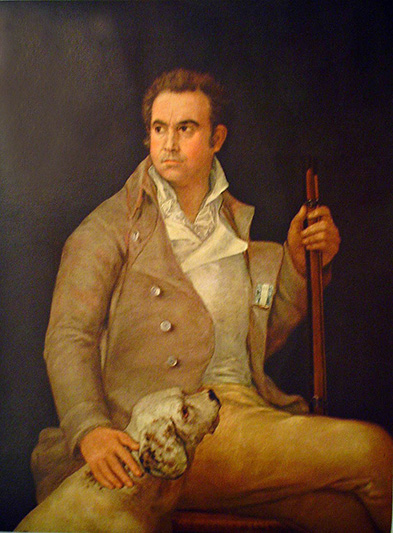 Porträt des Antonio de PorcelFrancisco Goya, 1806