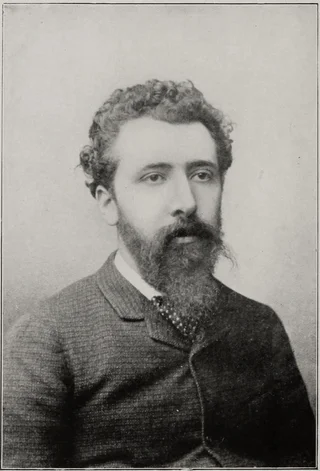
Georges Seurat
1859–1891 · Frankreich · Pointillismus
Die Geschichte
Georges Seurat näherte sich der Malerei wie ein Wissenschaftler. Ausgebildet an der Pariser École des Beaux-Arts und beeinflusst von zeitgenössischen Farb- und Optiktheorien, entwickelte er eine Technik, bei der Tausende kleiner, klar voneinander abgesetzter Punkte reiner Farbe aufgetragen wurden, die erst im Auge des Betrachters – nicht auf der Leinwand – zu einer Mischung verschmelzen sollten; er selbst nannte die Methode Divisionismus, Kritiker prägten den Spitznamen Pointillismus. Sein 1884 bis 1886 entstandenes Gemälde Ein Sonntagnachmittag auf der Insel La Grande Jatte, eine knapp zwei mal drei Meter große Szene von Pariserinnen und Parisern, die auf einer Insel in der Seine entspannen, kostete zwei Jahre vorbereitender Skizzen und bleibt bis heute das Schaustück der Technik.
Er arbeitete kaum ein Jahrzehnt in diesem Stil und hielt große Teile seines Privatlebens selbst vor engen Freunden geheim. Erst in den letzten beiden Tagen vor seinem Tod stellte er seinen Eltern seine Lebensgefährtin, das Künstlermodell Madeleine Knobloch, und den gemeinsamen kleinen Sohn Pierre-Georges vor.
Seurat erkrankte plötzlich und starb am 29. März 1891 in Paris im Alter von einunddreißig Jahren; die Ärzte konnten sich nicht einigen, ob Meningitis, Diphtherie oder eine infektiöse Angina die Ursache war. Sein kleiner Sohn starb zwei Wochen später an derselben Krankheit und wurde neben ihm auf dem Friedhof Père-Lachaise beigesetzt.
Weitere Artikel
 Artikel · 35 Min. LesezeitHelene Kröller-Müller: Wie aus ihrer Sammlung das Museum in Otterlo wurde
 Artikel · 35 Min. LesezeitVan-Gogh-Museum: seine Mutter, Theo, Gauguin und die anderen Menschen hinter seinen Bildern
 Artikel · 36 Min. LesezeitWie die National Gallery entstand: von Angerstein bis Artemisia
Werke
116 Werke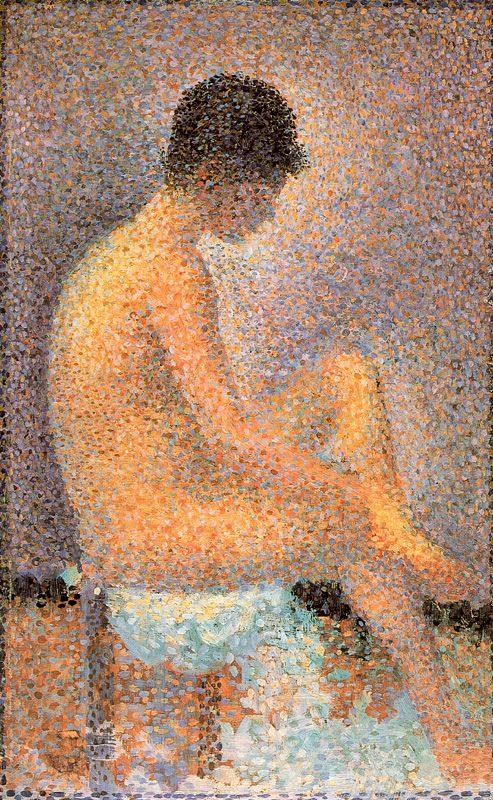 Sitzendes Modell im ProfilGeorges Seurat, 1887
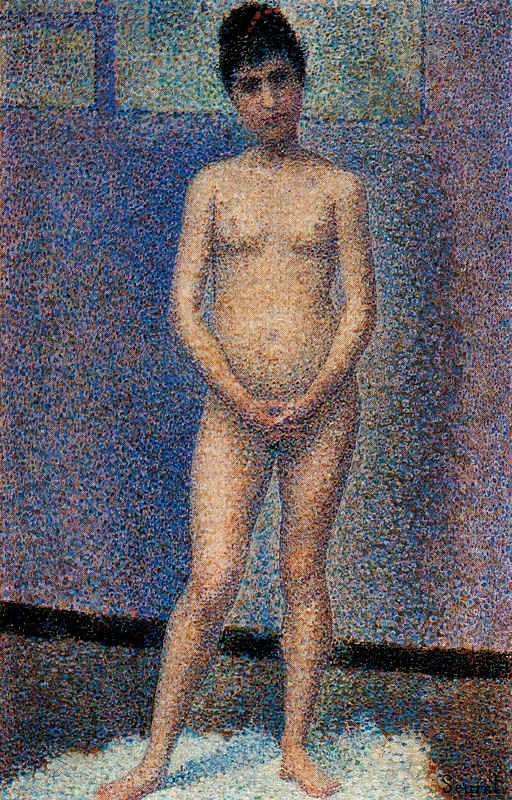 Stehendes ModellGeorges Seurat, 1887
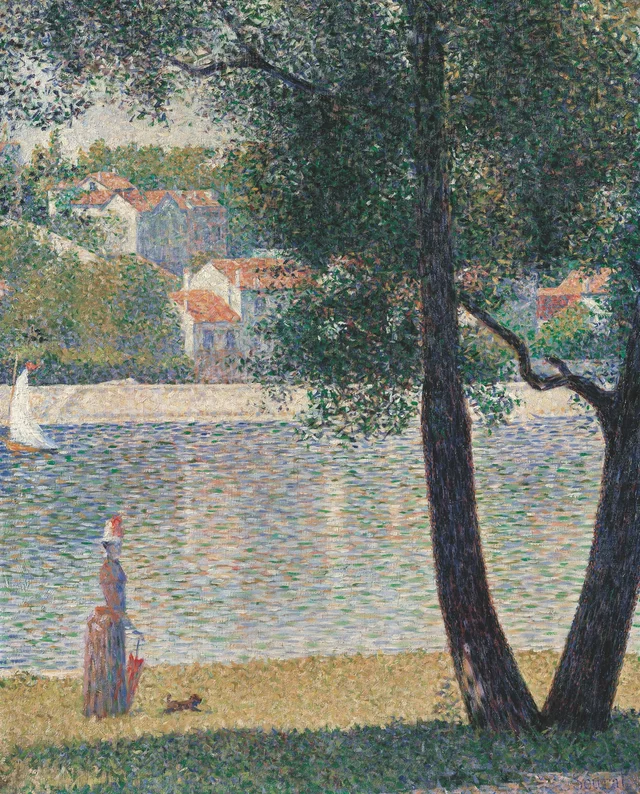 Die Seine bei CourbevoieGeorges Seurat, 1885
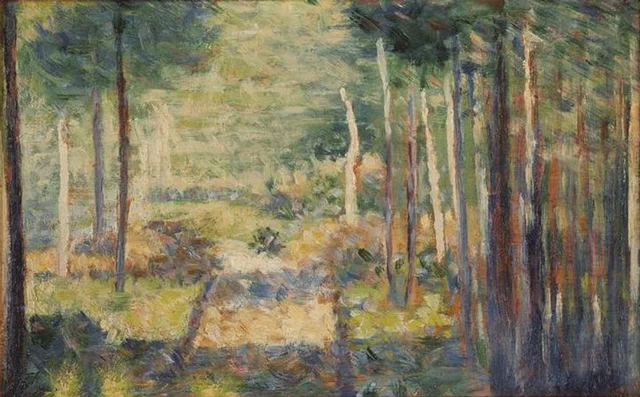 Waldweg in BarbizonGeorges Seurat, 1883
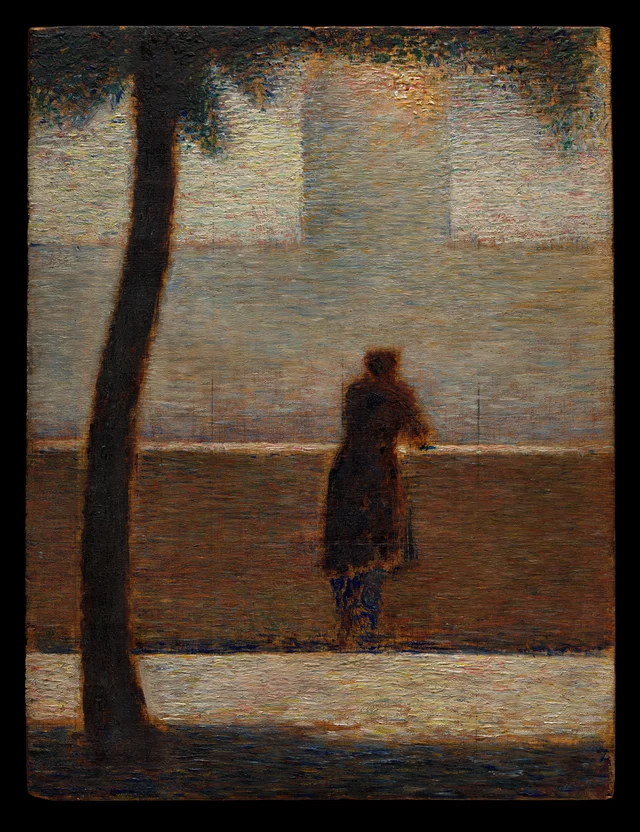 Ein Mann lehnt an einer BrüstungGeorges Seurat, 1881
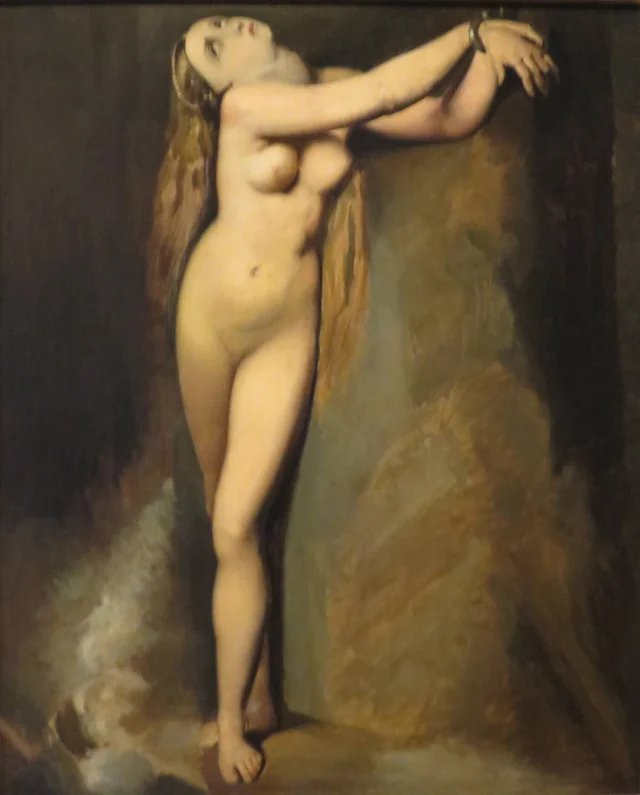 Angelika am Felsen (nach Ingres)Georges Seurat, 1878
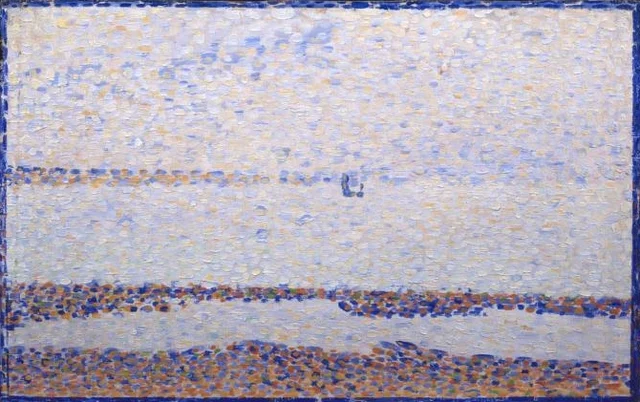 Strand von GravelinesGeorges Seurat, 1890
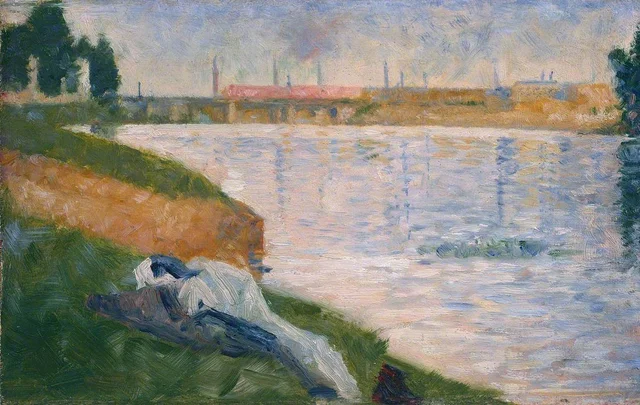 Kleider auf dem GrasGeorges Seurat, 1883
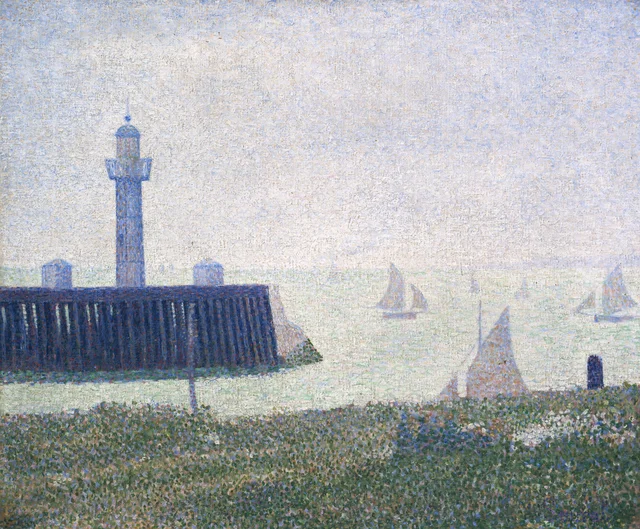 Ende des Piers, HonfleurGeorges Seurat, 1886
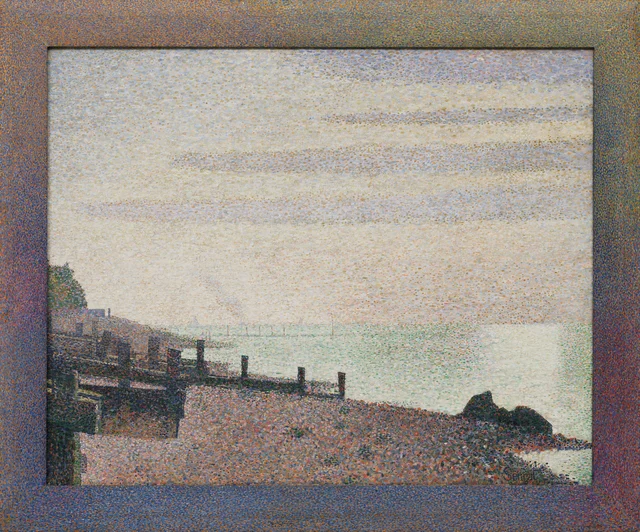 Abend in HonfleurGeorges Seurat, 1886
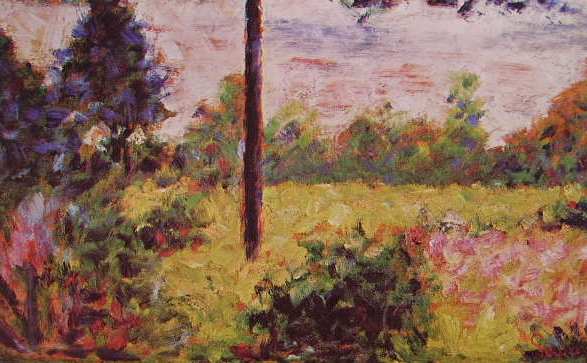 Felder mit Bäumen in BarbizonGeorges Seurat, 1883
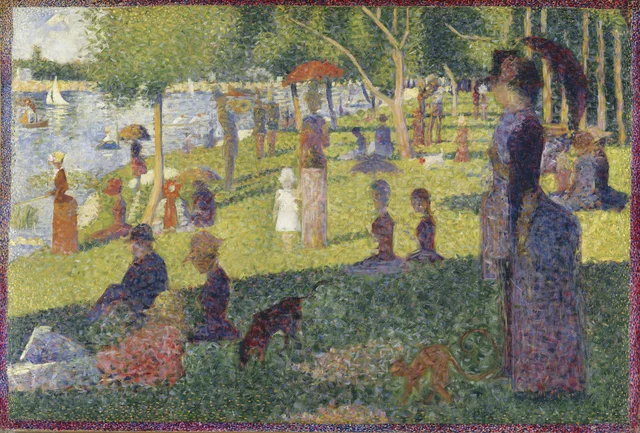 Letzte Studie für „La Grande Jatte“Georges Seurat, 1884
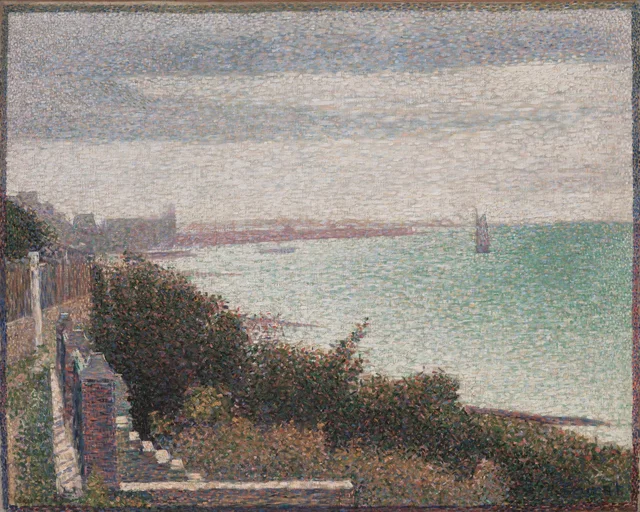 Grandcamp, AbendGeorges Seurat, 1885
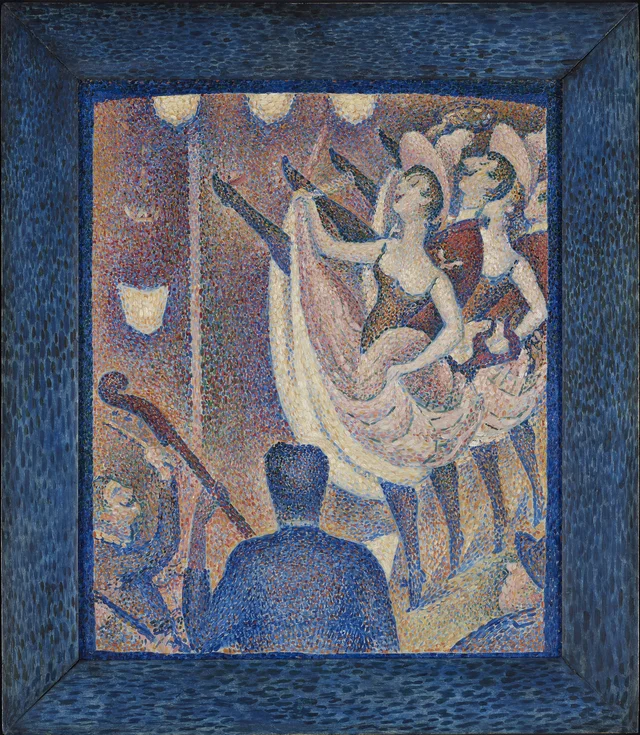 Le Chahut (Studie I)Georges Seurat, 1889
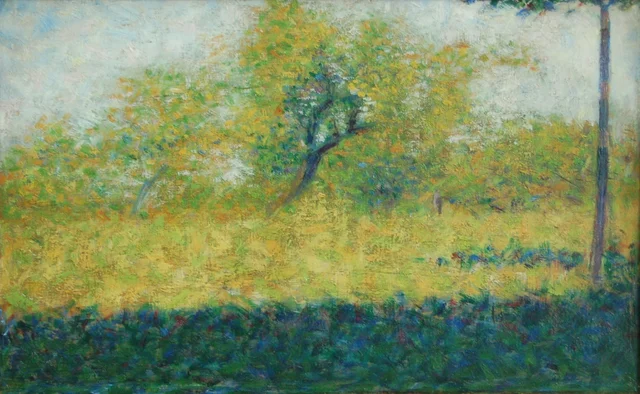 Waldrand im FrühlingGeorges Seurat, 1882
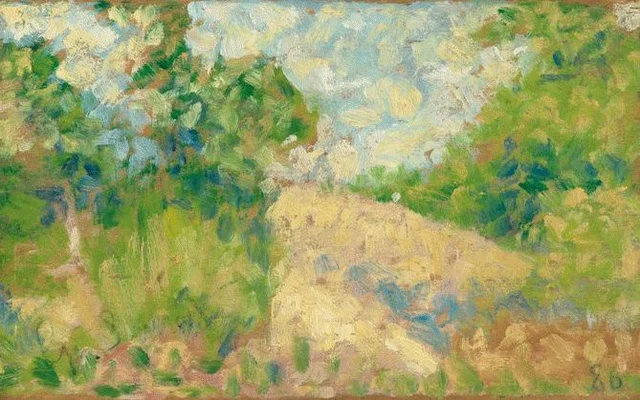 Rosa LandschaftGeorges Seurat, 1886
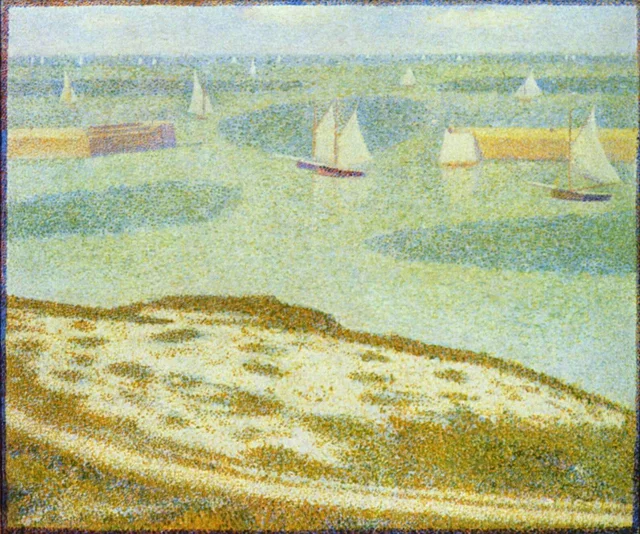 Port-en-Bessin, HafeneinfahrtGeorges Seurat, 1888
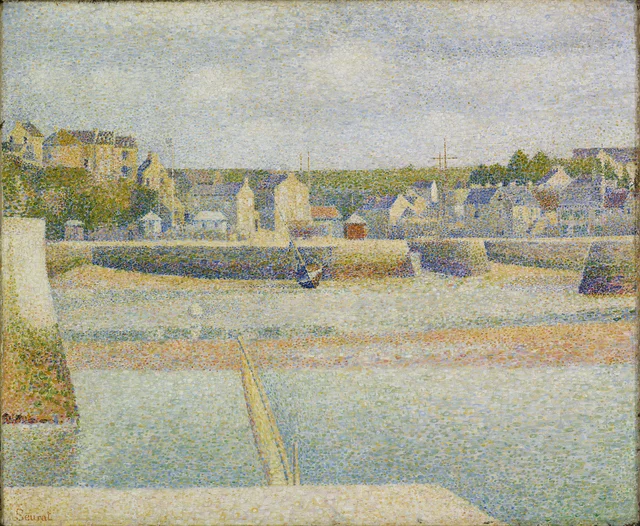 Port-en-Bessin: Der äußere Hafen (Ebbe)Georges Seurat, 1888
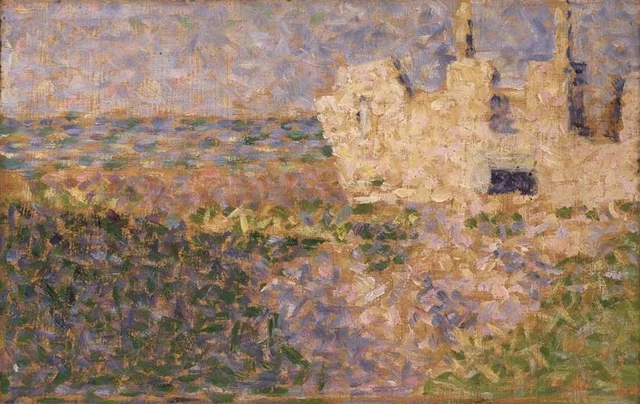 Ruinen bei GrandcampGeorges Seurat, 1885
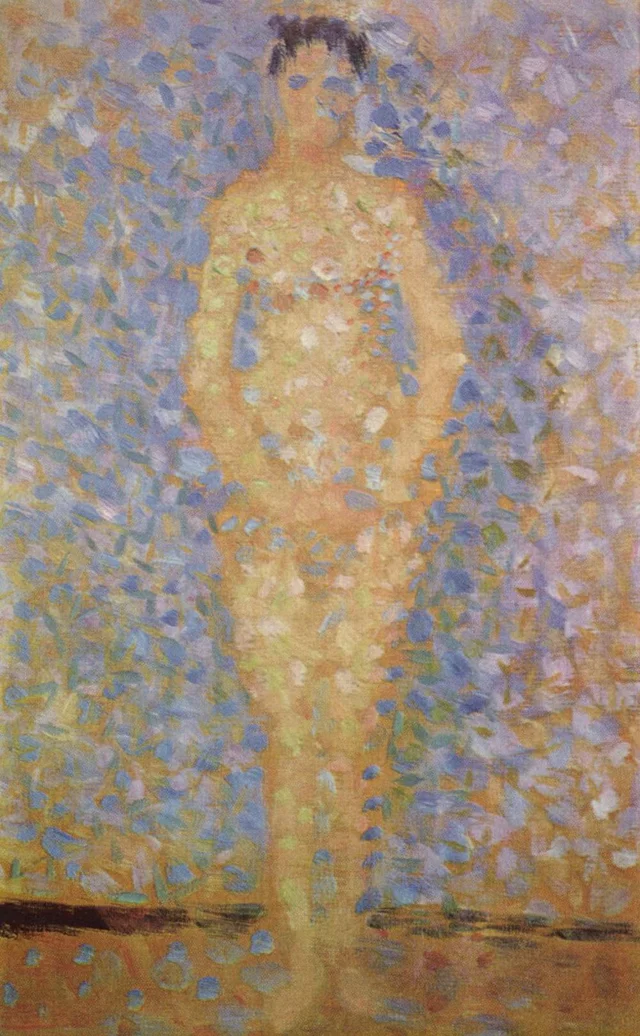 Stehendes Modell, von vorne, Studie für 'Les Poseuses'Georges Seurat, 1886
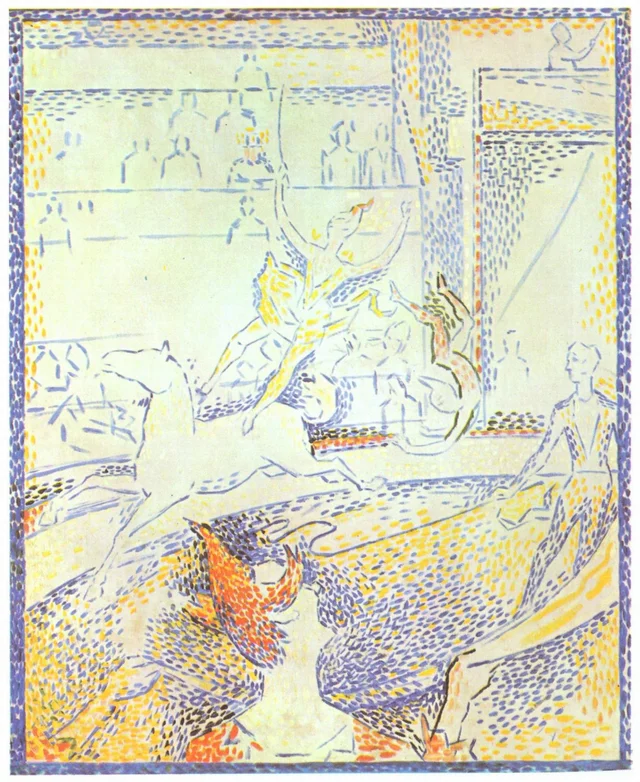 Der Zirkus (Studie)Georges Seurat, 1891
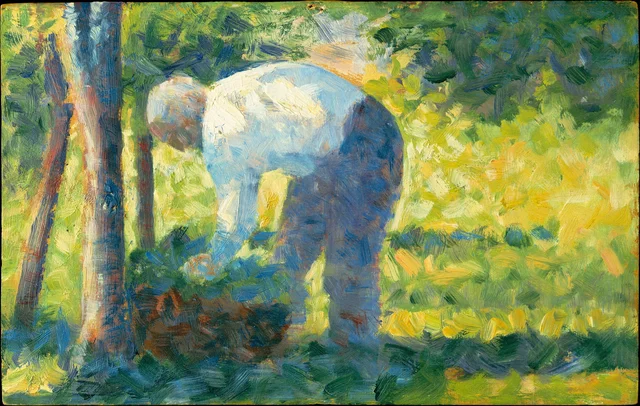 Der GärtnerGeorges Seurat, 1882
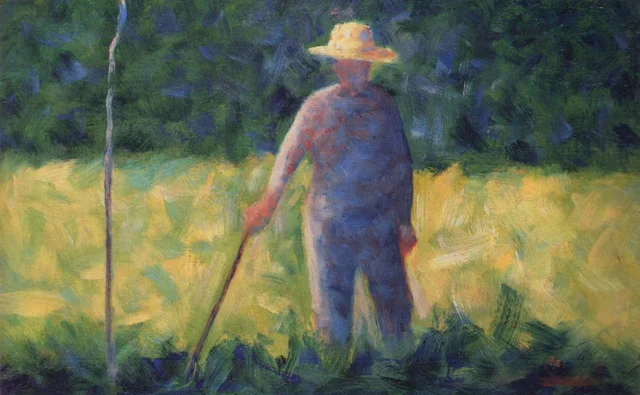 Der Gärtner IGeorges Seurat, 1882
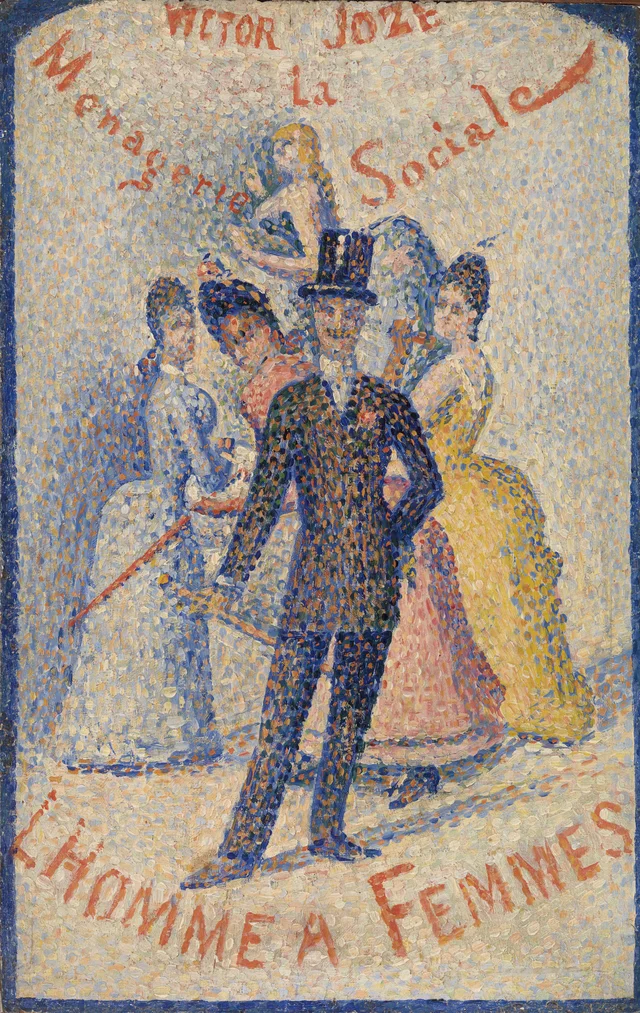 Der FrauenheldGeorges Seurat, 1889
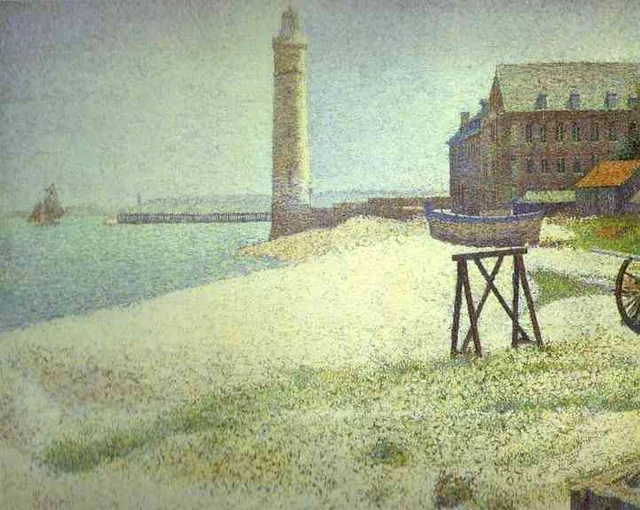 Der Leuchtturm von HonfleurGeorges Seurat, 1886