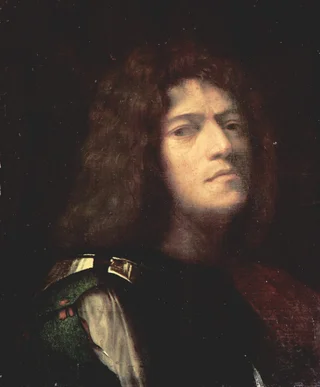
Giorgione
1478–1510 · Republik Venedig · Hochrenaissance
Die Geschichte
Giorgione arbeitete in Venedig kaum ein Jahrzehnt lang, etwa von 1500 bis 1510, und selbst sein Tod ist besser belegt als fast alles andere in seinem Leben. Im Oktober 1510 schrieb Isabella d'Este, eine Adlige in Mantua, die begierig Kunst sammelte, an ihren Agenten in Venedig mit der Bitte, ihr ein Bild der Geburt Christi zu sichern, das der Künstler angeblich besaß. Der Agent schrieb zurück, Giorgione sei soeben in einem venezianischen Spital an der Pest gestorben, und das Bild sei nicht auffindbar.
Kaum ein halbes Dutzend Gemälde lässt sich verlässlich mit seinem Namen verbinden, und seine Hand von der seines jüngeren Kollegen Tizian zu unterscheiden, der mit ziemlicher Sicherheit an seiner Seite oder bei ihm lernte, bleibt einer der ältesten Streitfälle der Kunstgeschichte. Giorgiones Schlummernde Venus blieb bei seinem Tod unvollendet, ihre Landschaft wurde danach von Tizian ausgeführt, und über Bilder wie das Ländliche Konzert im Louvre wird noch immer zwischen den beiden Namen gestritten.
Was von Giorgione erhalten ist, zeigt Figuren, aufgefangen in weichem, dunstigem Licht und einer Stimmung, eine Art zu malen, die Venedig vor ihm nicht gekannt hatte und die Tizian noch 60 Jahre lang weiterentwickelte.
Weitere Artikel
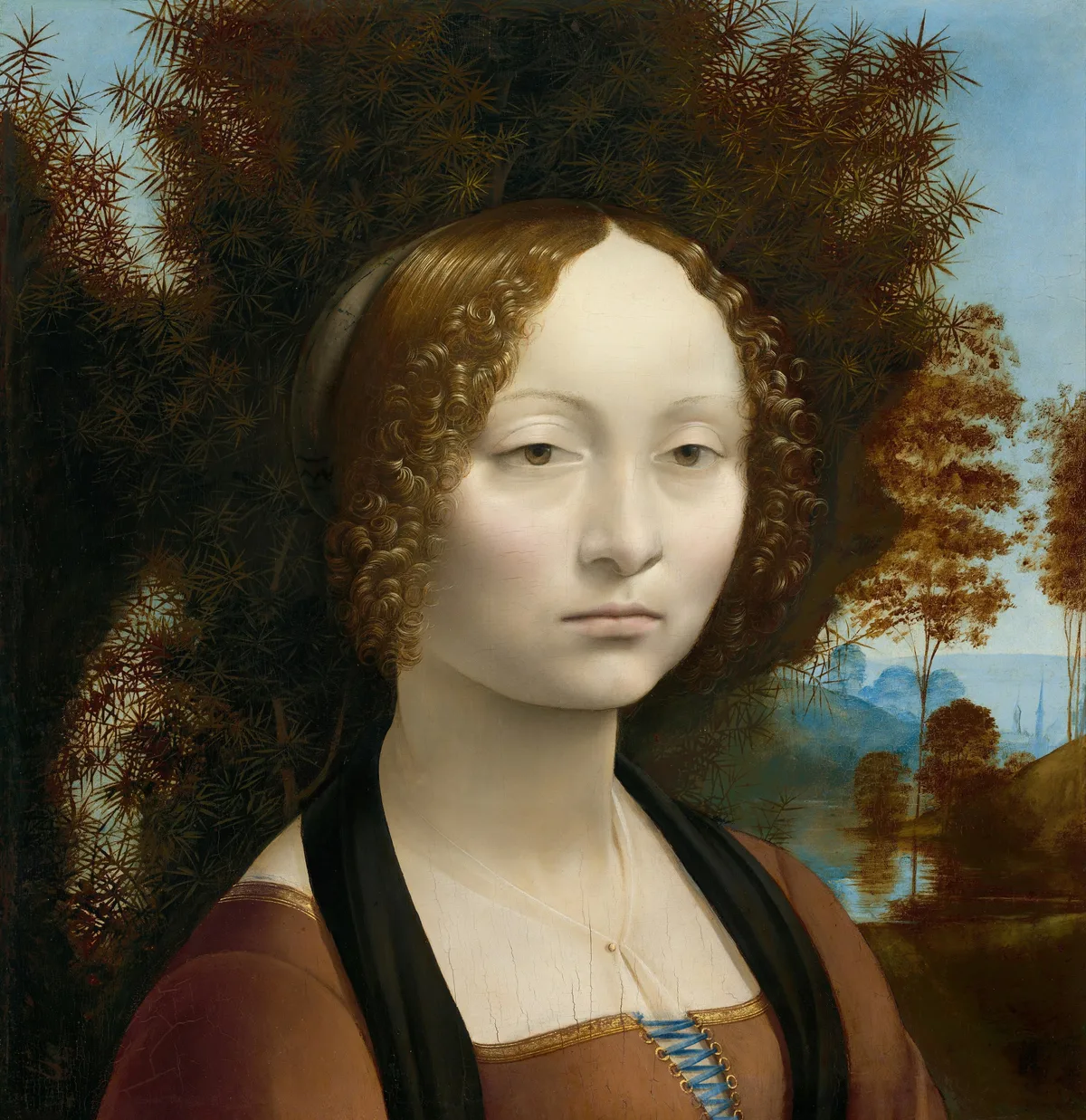 Artikel · 35 Min. LesezeitNational Gallery of Art in Washington: Zwanzig Bilder aus privater Hand
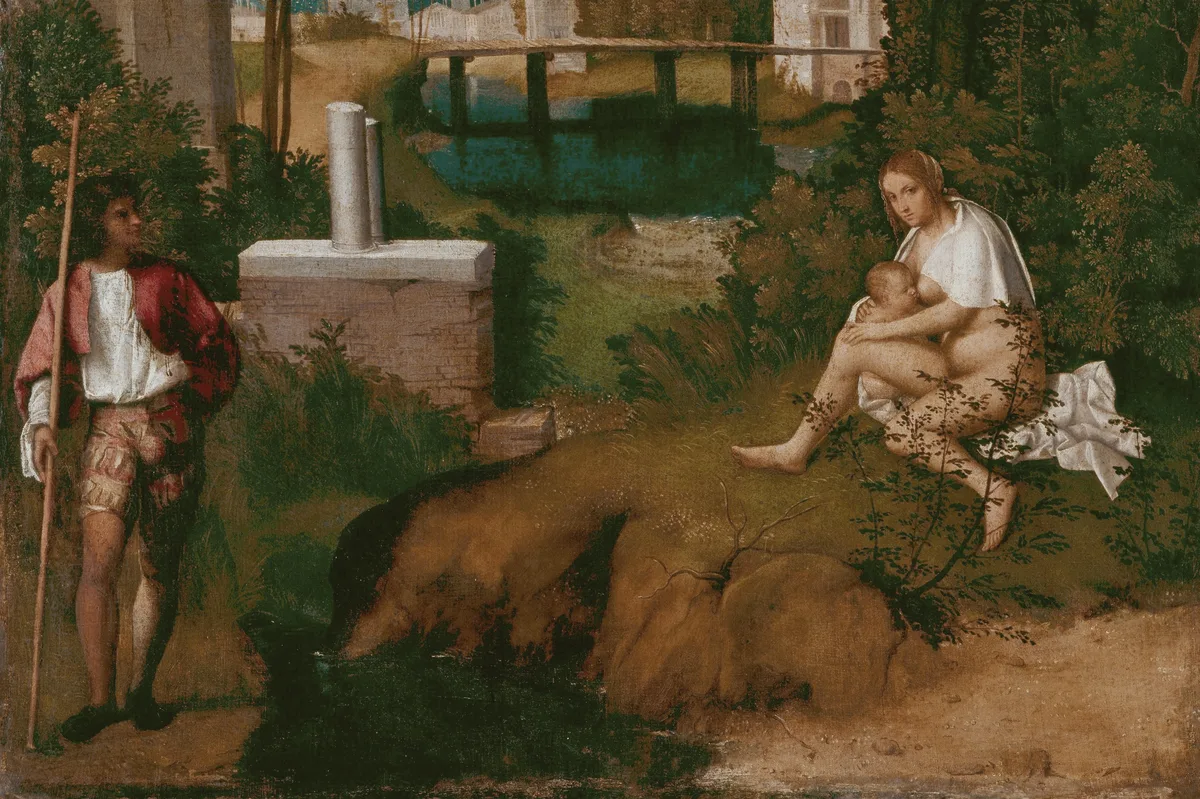 Artikel · 33 Min. LesezeitGallerie dell’Accademia in Venedig: zwanzig Werke und ihr Weg hierher
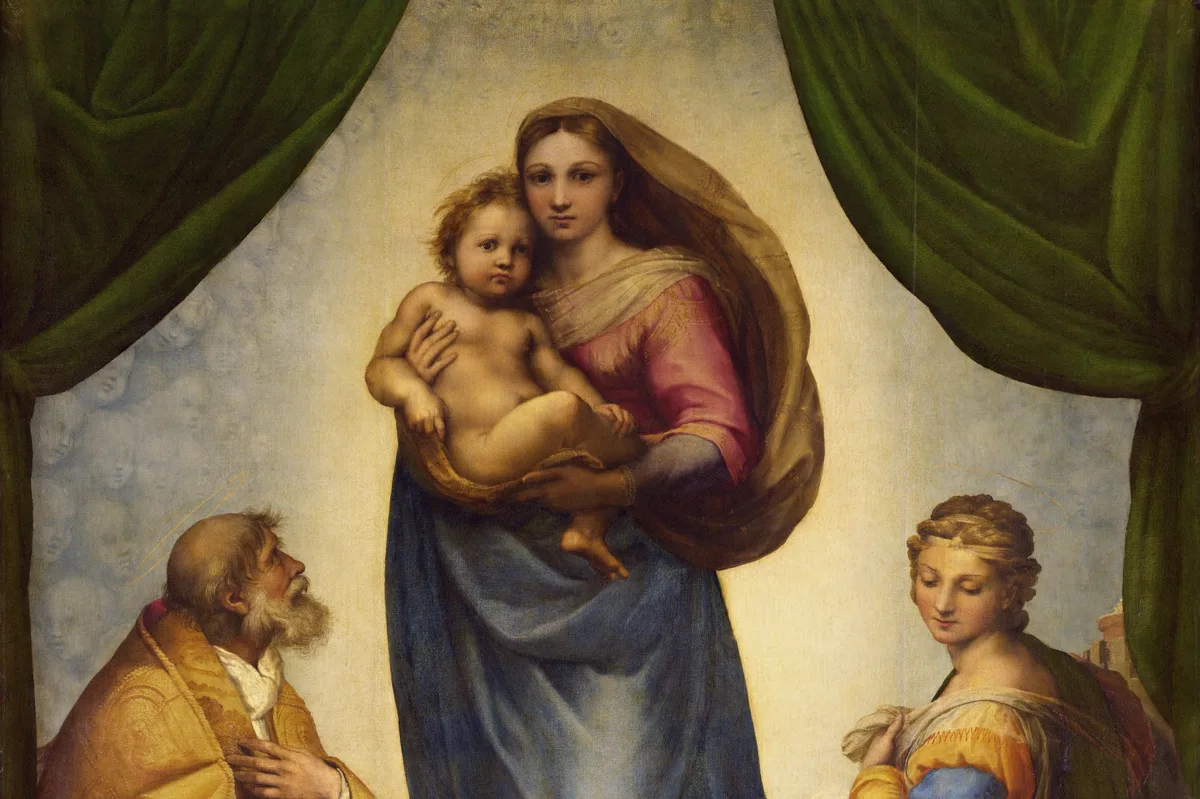 Artikel · 33 Min. LesezeitDie Gemäldegalerie Alte Meister in Dresden: wie 15 Bilder gekauft, umbenannt und zurückgegeben wurden
 Artikel · 43 Min. LesezeitKunsthistorisches Museum Wien: 25 Werke und wie sie zu den Habsburgern kamen
Werke
34 Werke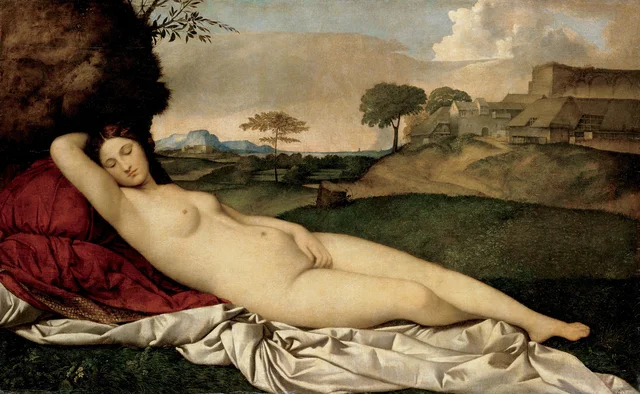 Schlafende VenusGiorgione, 1509
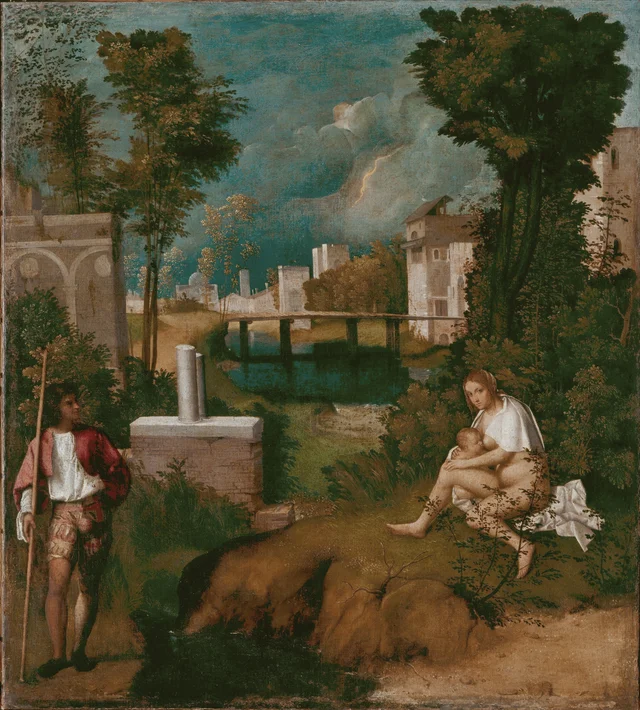 Das GewitterGiorgione, 1506
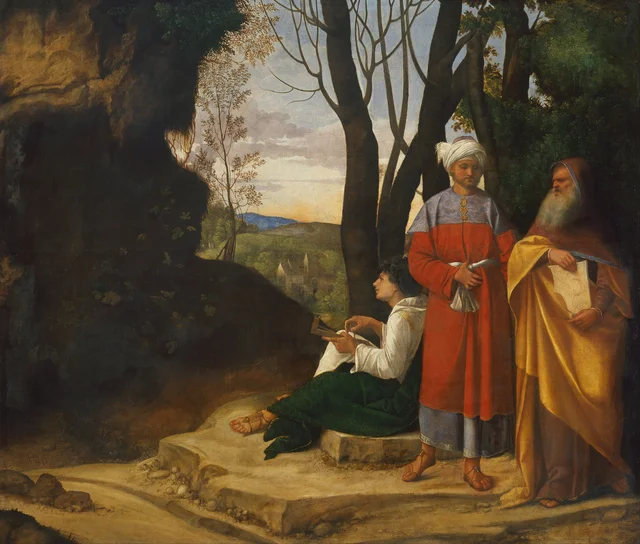 Die drei PhilosophenGiorgione, 1508
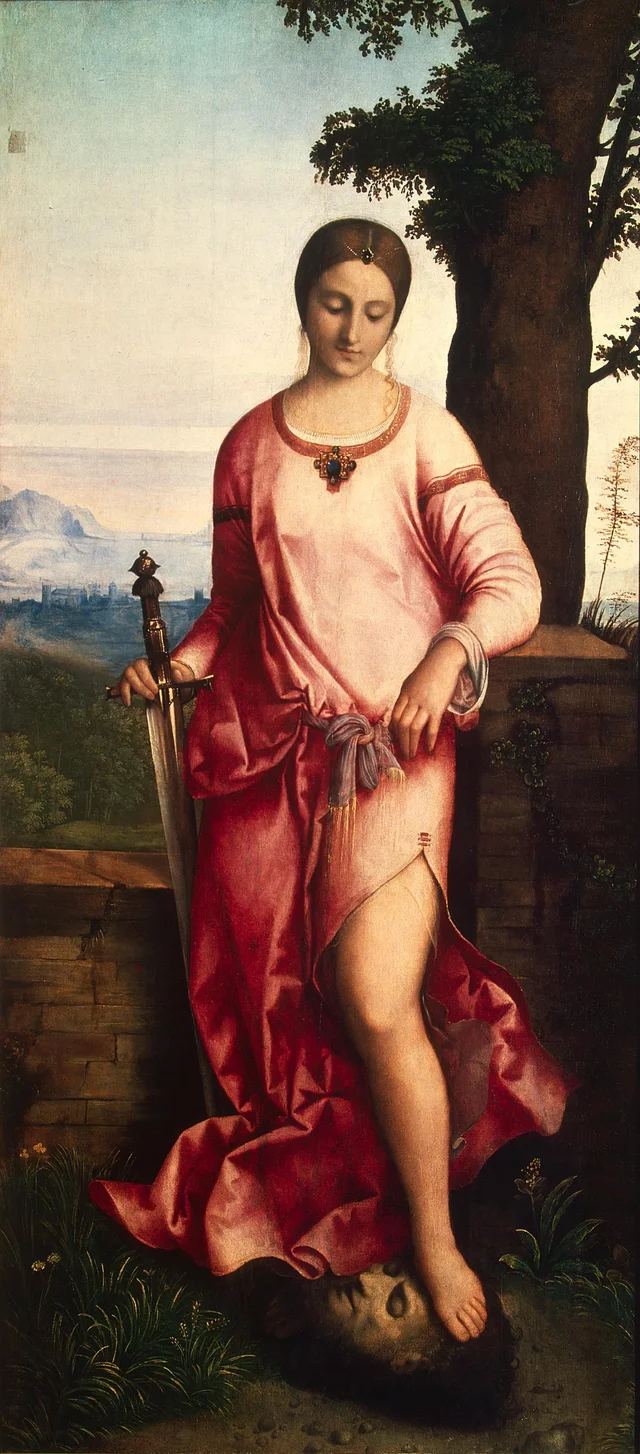 JudithGiorgione, 1504
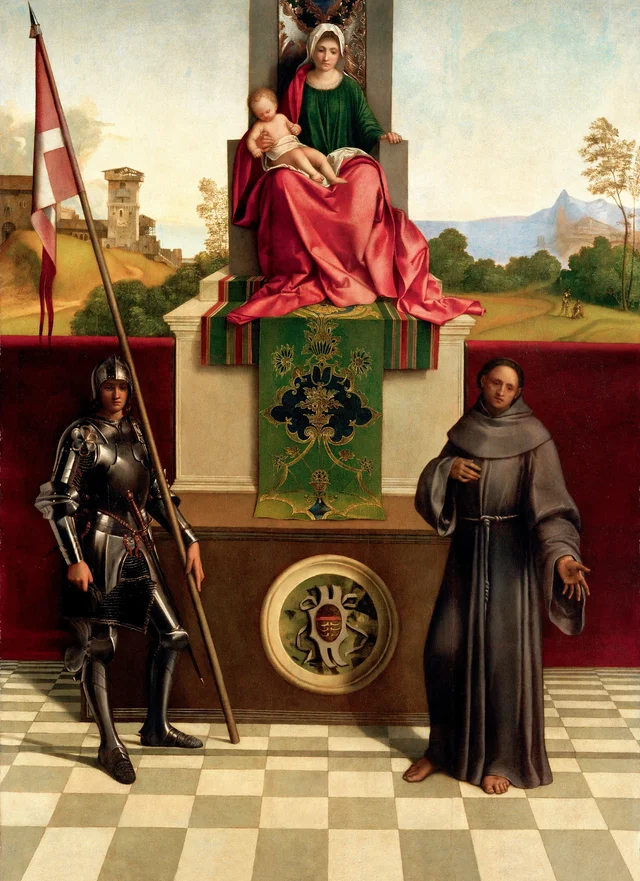 Madonna von CastelfrancoGiorgione, 1500
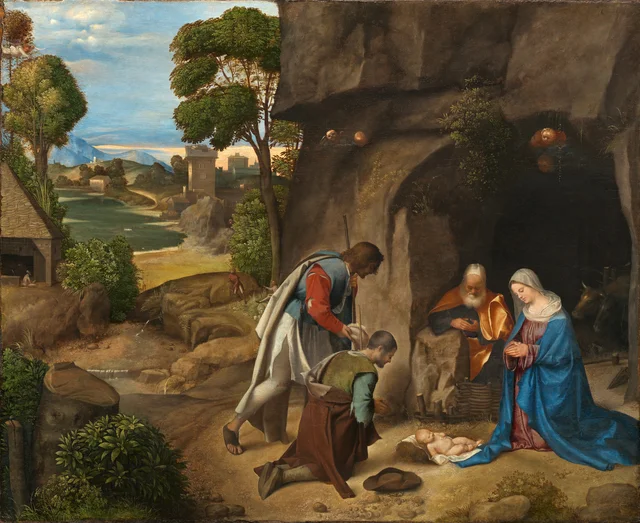 Anbetung der HirtenGiorgione, 1507
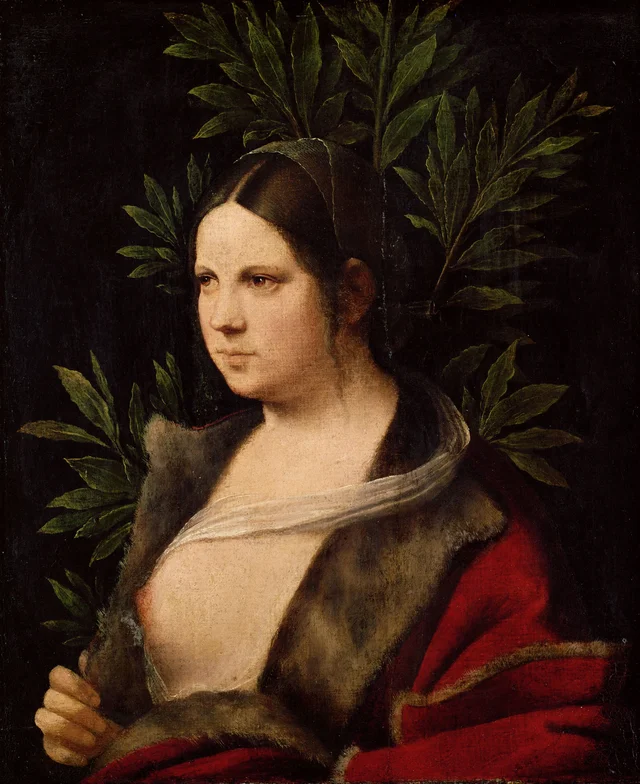 LauraGiorgione, 1506
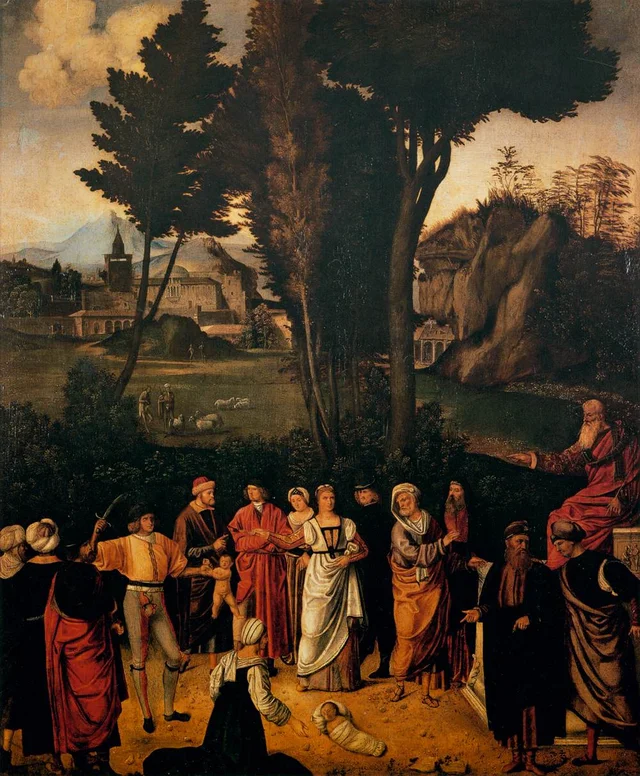 Das Urteil SalomosGiorgione, 1500
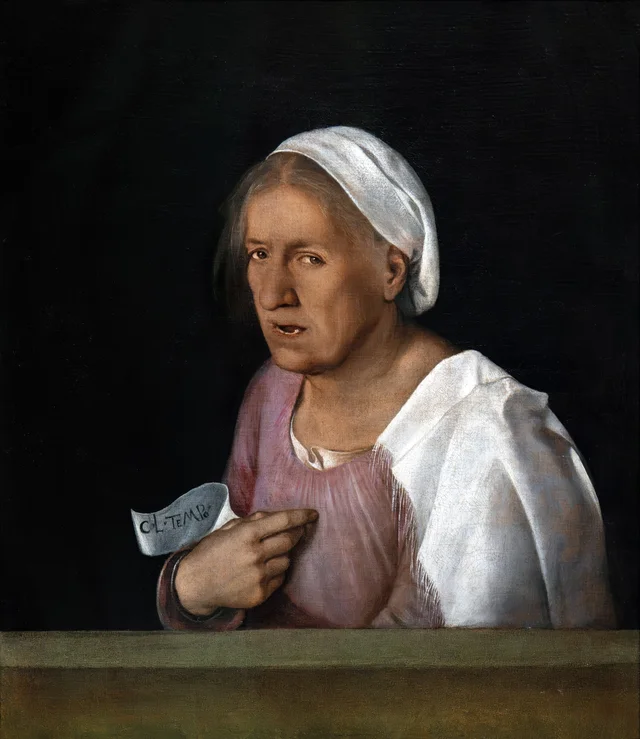 Die alte FrauGiorgione, 1506
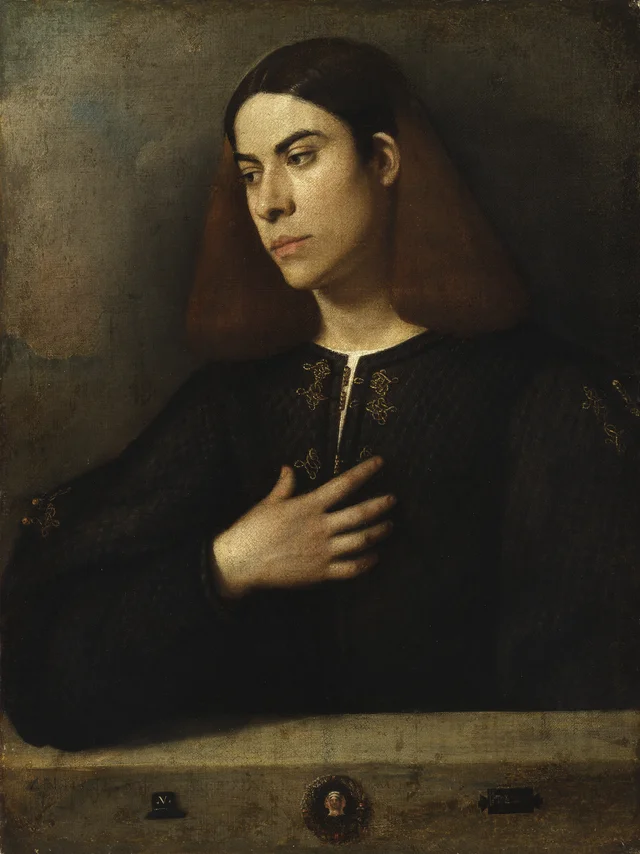 Bildnis eines JünglingsGiorgione, 1500
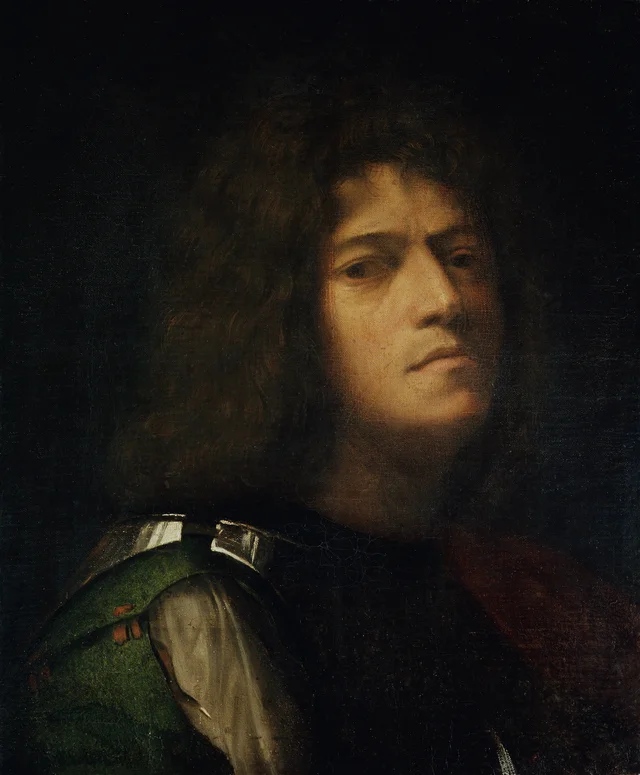 SelbstbildnisGiorgione, 1509
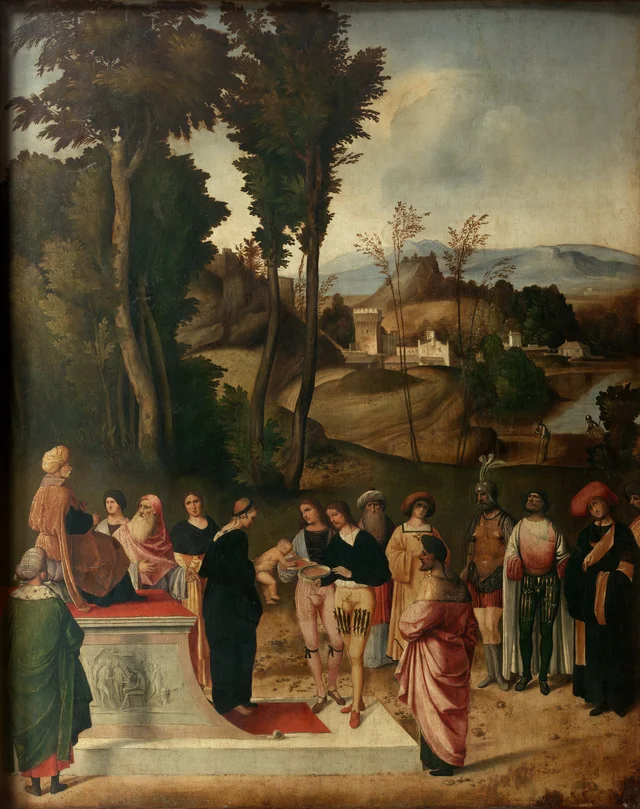 Die Feuerprobe des MosesGiorgione, 1505
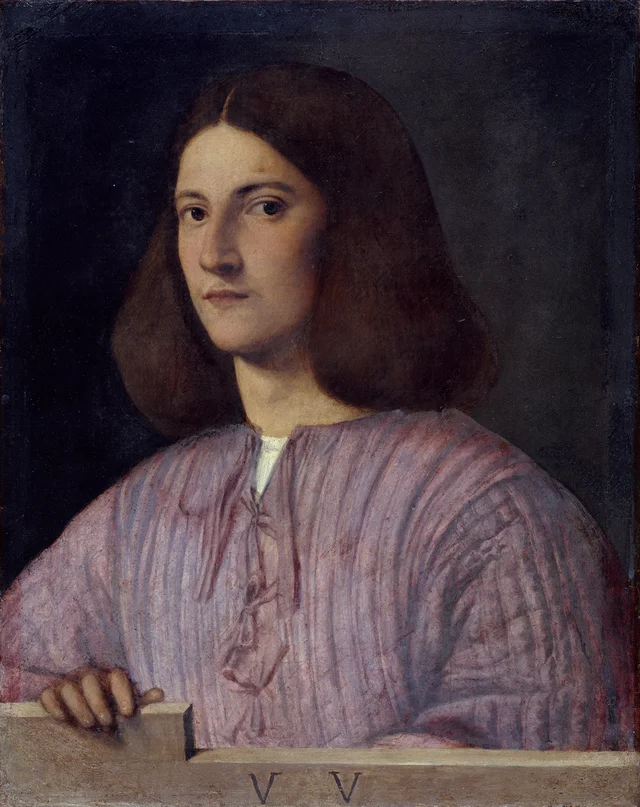 Giustiniani-BildnisGiorgione, 1503
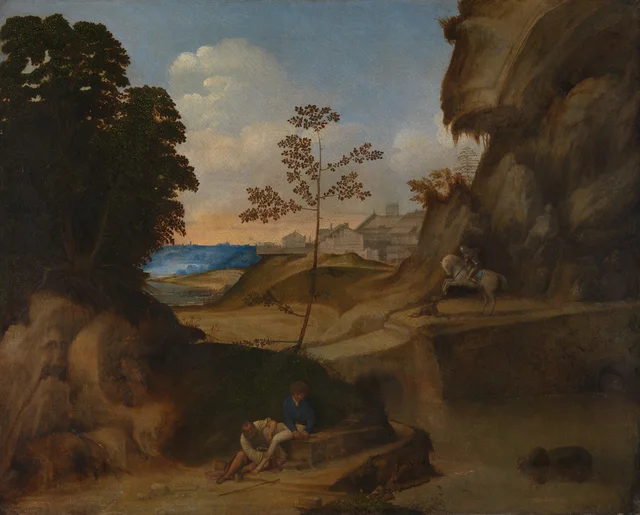 Der SonnenuntergangGiorgione, 1508
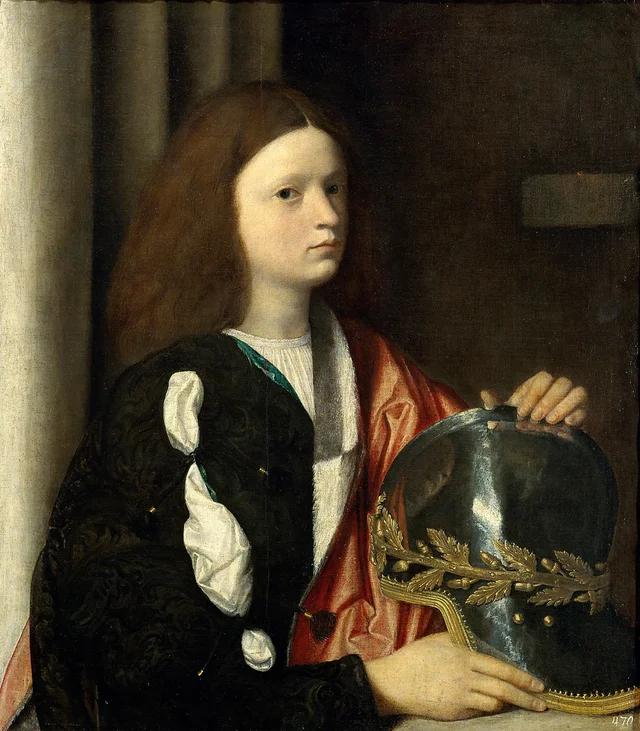 Bildnis des Francesco Maria della RovereGiorgione, 1502
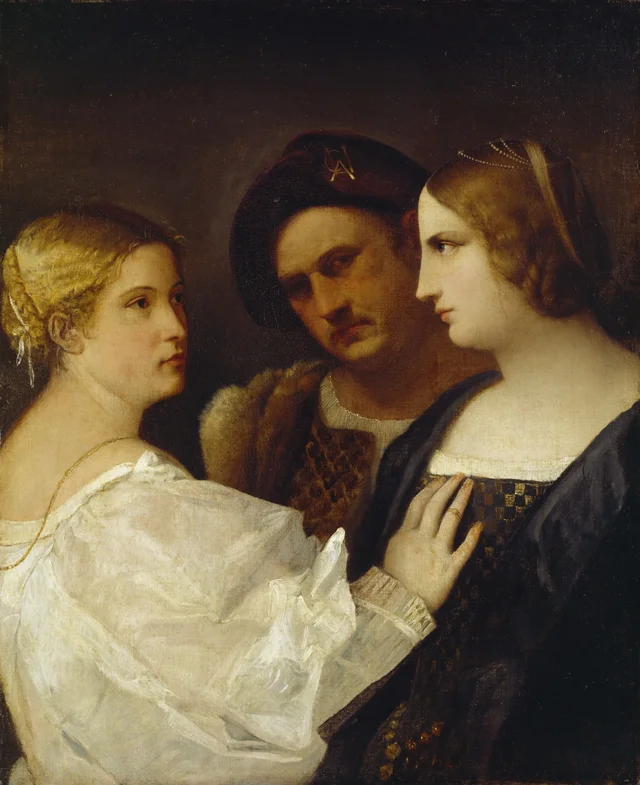 Detroiter TrioGiorgione, 1510
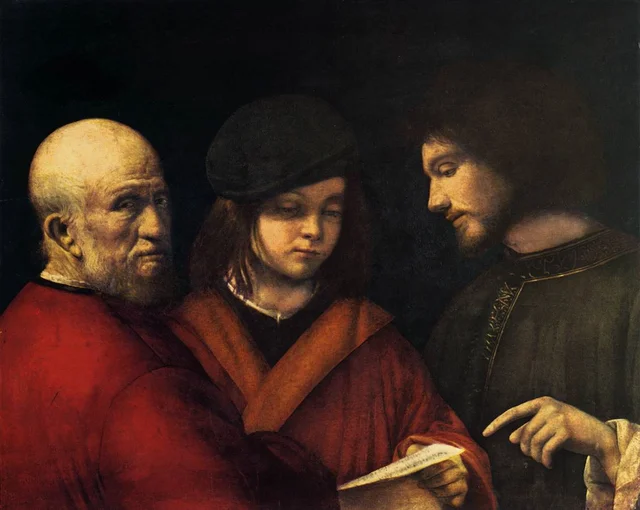 Die drei Lebensalter des MenschenGiorgione, 1504
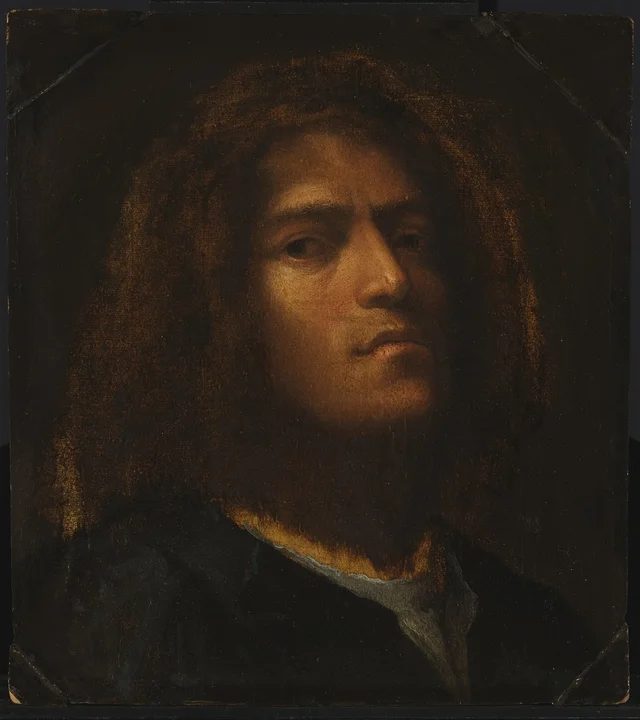 SelbstporträtGiorgione, 1510
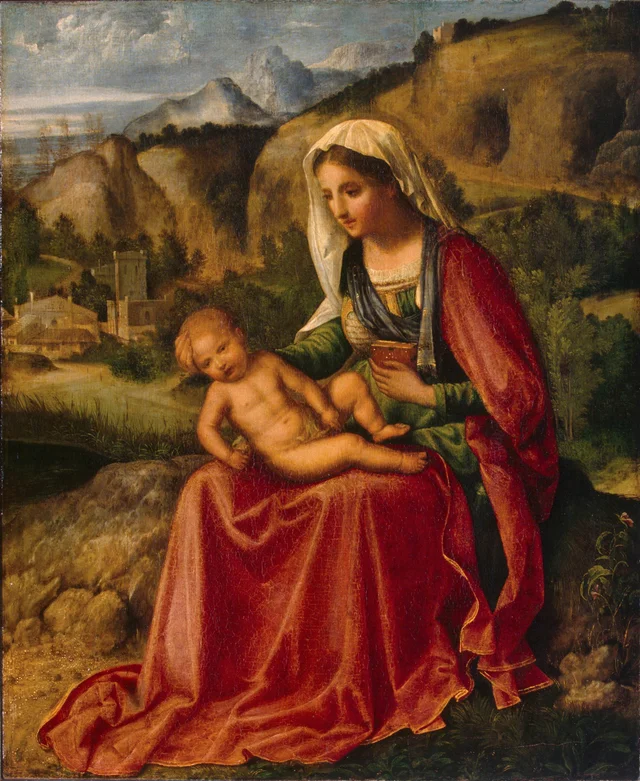 Maria mit Kind in einer LandschaftGiorgione, 1498
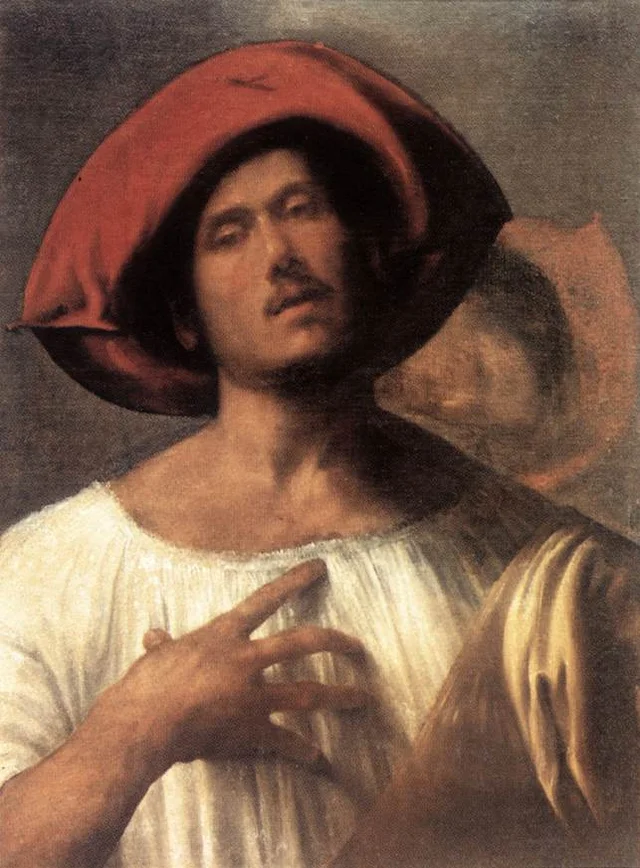 Der leidenschaftliche SängerGiorgione, 1508
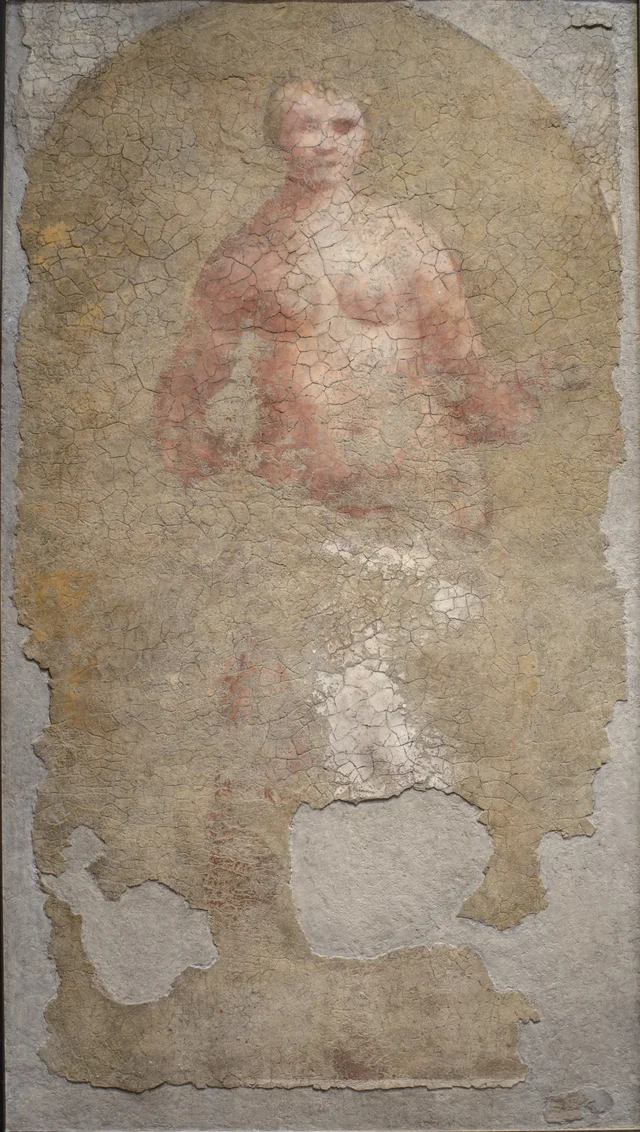 AktGiorgione, 1508
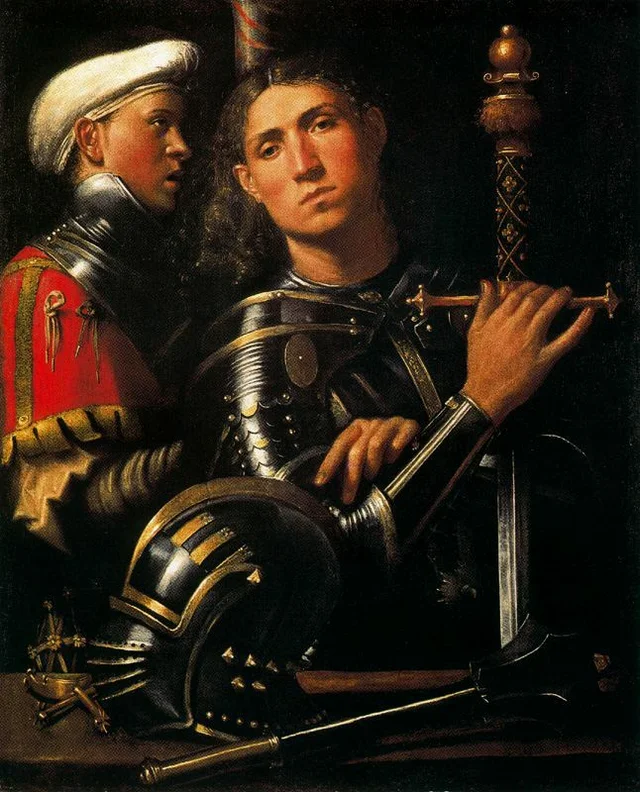 Bildnis eines Soldaten mit seinem KnappenGiorgione, 1502
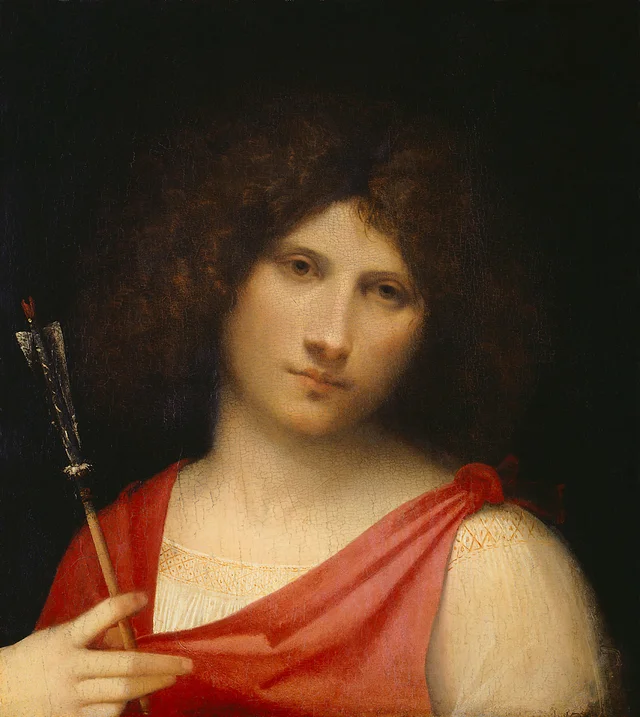 Jüngling mit PfeilGiorgione, 1505
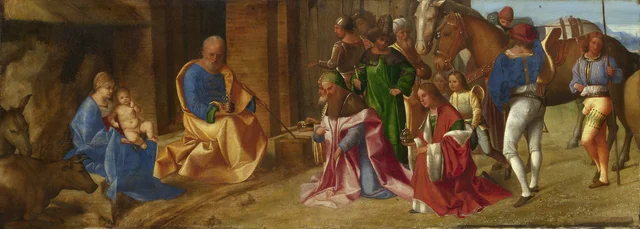 Die Anbetung der KönigeGiorgione, 1506
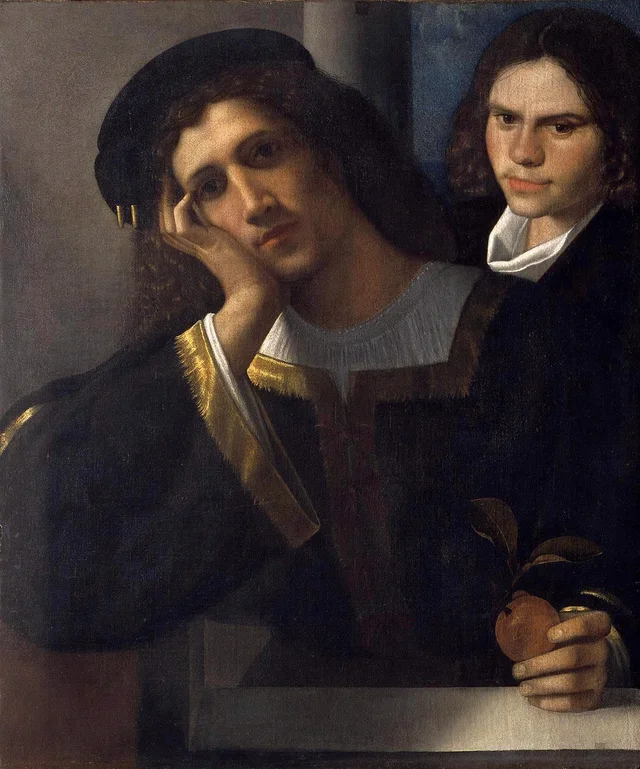 DoppelporträtGiorgione, 1502